 Pulse Reviews and Analysis
The 10 Best Streaming Microphones for Gamers in 2027
 Curated by Kory White · Fractional CRO, CRO Syndicate
The 10 Best Streaming Microphones for Gamers in 2027
Direct Answer
The best streaming microphone overall is the Shure MV7+ at $279, a hybrid USB and XLR dynamic mic that delivers broadcast-quality voice, rejects background noise, and grows with you from plug-and-play USB to a full XLR setup. The best value pick is the FIFINE AmpliGame A8 at $40, a USB condenser mic with a tap-to-mute touch panel and surprisingly clean sound at a budget price.
This list is for streamers, podcasters, and gamers who want clear voice capture, and it spans roughly $40 to $400 across USB, XLR, and hybrid dynamic and condenser mics. Every microphone below is a real, currently sold product with real specs and prices, ranked on voice clarity, noise rejection, build quality, ease of use, and value.
Where two mics sound similar, we break the tie on the things that actually matter to a streamer mid-broadcast: how easy it is to mute, how forgiving it is in a noisy room, and whether it leaves you room to upgrade.
1. Shure MV7+ 🏆 BEST OVERALL
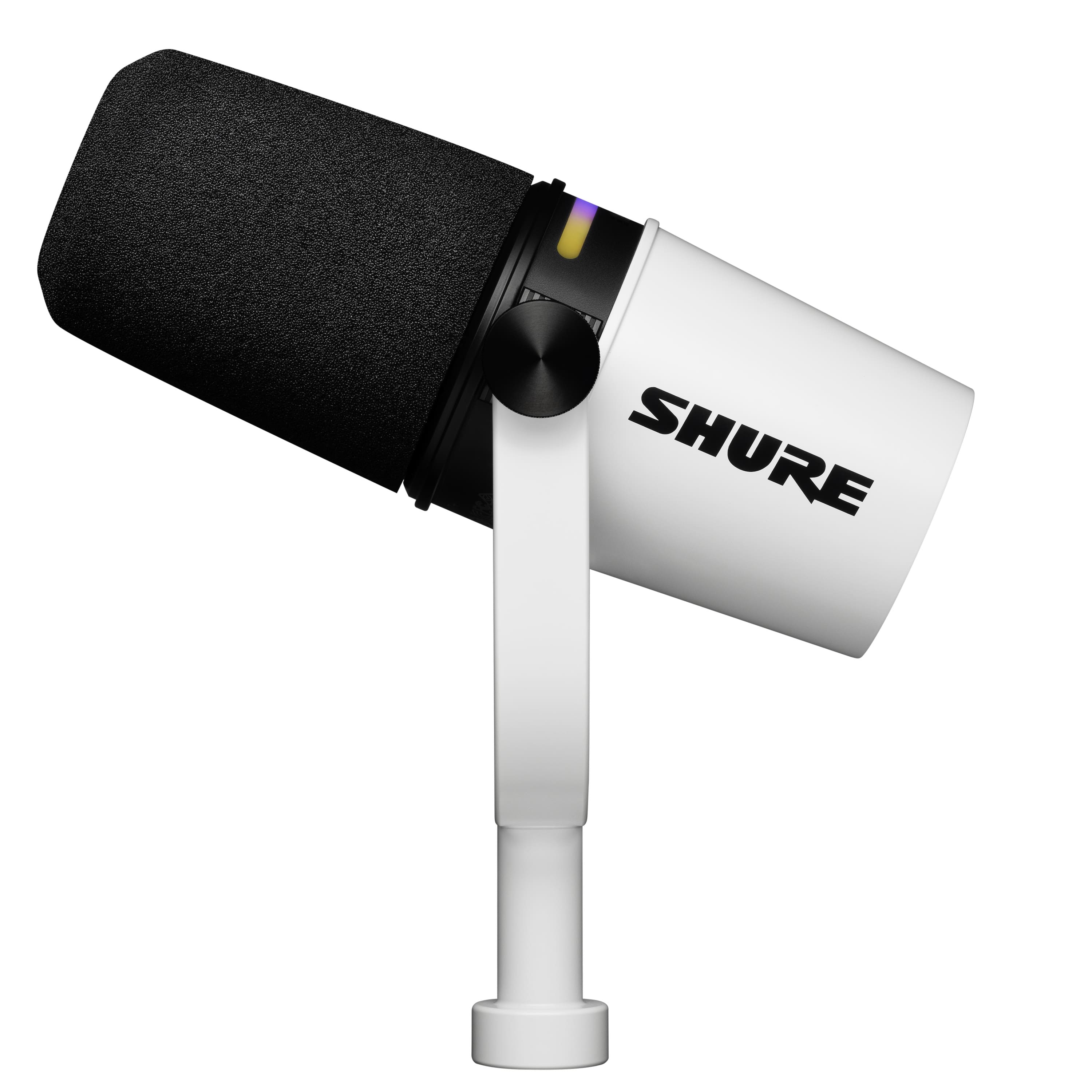
The Shure MV7+ at $279 is the best microphone for streamers. It is a dynamic mic with both USB-C and XLR outputs, so you can start with simple plug-and-play USB and later move to a full XLR interface without buying a new mic.
As a dynamic mic with a tight cardioid pattern, it rejects keyboard clatter and room echo far better than condensers, which matters in untreated gaming rooms. The MV7+ adds onboard DSP, a real-time denoiser, automatic level mode, and an LED touch panel for gain and monitoring.
The "+" revision improved the digital popper-stopper and added an onboard headphone output with reverb effects you can dial in over USB.
This is for serious streamers who want broadcast-quality voice and room to grow. The trade-off is that it sounds best up close, within a few inches, so it pairs well with a boom arm; back away and the level drops fast. For desk streaming where you stay near the mic, that proximity is a feature, not a bug.
It is the modern standard for spoken-word capture at the desk.
2. Elgato Wave DX (with XLR interface)

The Elgato Wave DX at $99 is a dynamic XLR mic built for streamers, with a cardioid pattern that isolates your voice from background noise. Paired with Elgato's Wave XLR interface (about $159), it integrates tightly into a streaming setup, and the interface's Clipguard tech catches sudden loud peaks before they distort.
The Wave DX has a relatively high output for a dynamic, so it does not demand the inline preamp that a Shure SM7B does, which keeps the total cost sane. It needs an XLR interface to run, which adds cost, but the clean dynamic sound and Elgato software make it a top pick for committed streamers building an XLR rig.
Best for someone already in the Elgato ecosystem who wants one app to mix mic, game, and chat.
3. Rode PodMic USB

The Rode PodMic USB at $199 is a hybrid USB and XLR dynamic mic with a rich, broadcast-style sound and built-in DSP, including a noise gate, compressor, high-pass filter, and the Aphex Aural Exciter. The all-metal build is exceptionally sturdy and includes an internal pop filter and shock mount.
The warm voice tone and onboard processing make it a favorite for streamers and podcasters, and the bundled Rode Central and Connect software let you tune the sound without external plugins. A strong rival to the Shure MV7+ with a fuller low end; the trade-off is a heavier, larger body that really wants a sturdy boom arm rather than a flimsy desk stand.
4. Shure SM7B
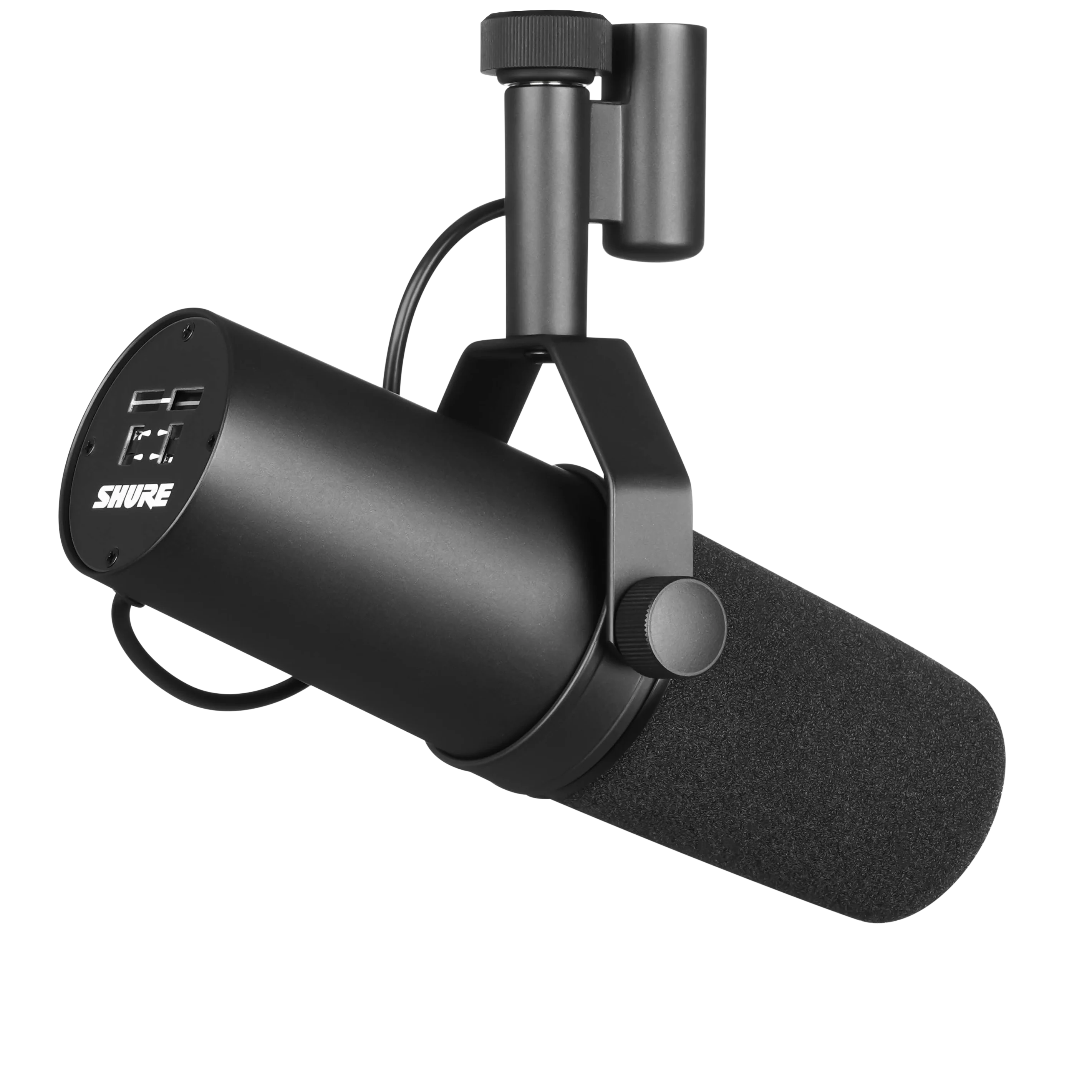
The Shure SM7B at $399 is the legendary XLR dynamic broadcast mic used by countless professional streamers and podcasters. Its smooth, warm sound and superb noise rejection set the standard for spoken word, and its switchable bass-rolloff and presence-boost filters let you shape the tone for voice.
It needs a strong audio interface or inline preamp (like a Cloudlifter CL-1 or a high-gain interface such as a GoXLR or Focusrite) because of its low output, which adds roughly $100-$150 and some complexity. Budget for that before you buy. But for top-tier voice quality and almost total rejection of off-axis noise, it remains the benchmark.
A premium choice for serious creators who already have, or are willing to build, a real audio chain.
5. Audio-Technica AT2020USB-X

The AT2020USB-X at $149 is a USB condenser mic with a clean, detailed sound, onboard headphone monitoring, a touch-sensitive mute, and a mix-control dial that blends mic and computer audio. Condensers capture more detail than dynamics but also pick up more room noise.
In a quiet or treated room, it delivers excellent clarity for the price, and it records at 24-bit/96kHz for crisp voice. A great choice for streamers with a controlled recording environment who want studio detail. If your room echoes or your keyboard is loud, a dynamic on this list will serve you better.
6. Elgato Wave:3

The Elgato Wave:3 at $149 is a USB condenser mic with a capacitive mute button and a clipguard that prevents distortion when you get loud. It integrates with Elgato's Wave Link software for mixing multiple audio sources into separate channels.
The software mixing is genuinely useful for streamers juggling game, chat, and music audio, letting you set independent levels for your audience and your own monitor mix without a hardware mixer. A polished USB option for the Elgato ecosystem, best paired with a Stream Deck for one-touch control.
As a condenser, it still rewards a reasonably quiet room.
7. HyperX QuadCast S
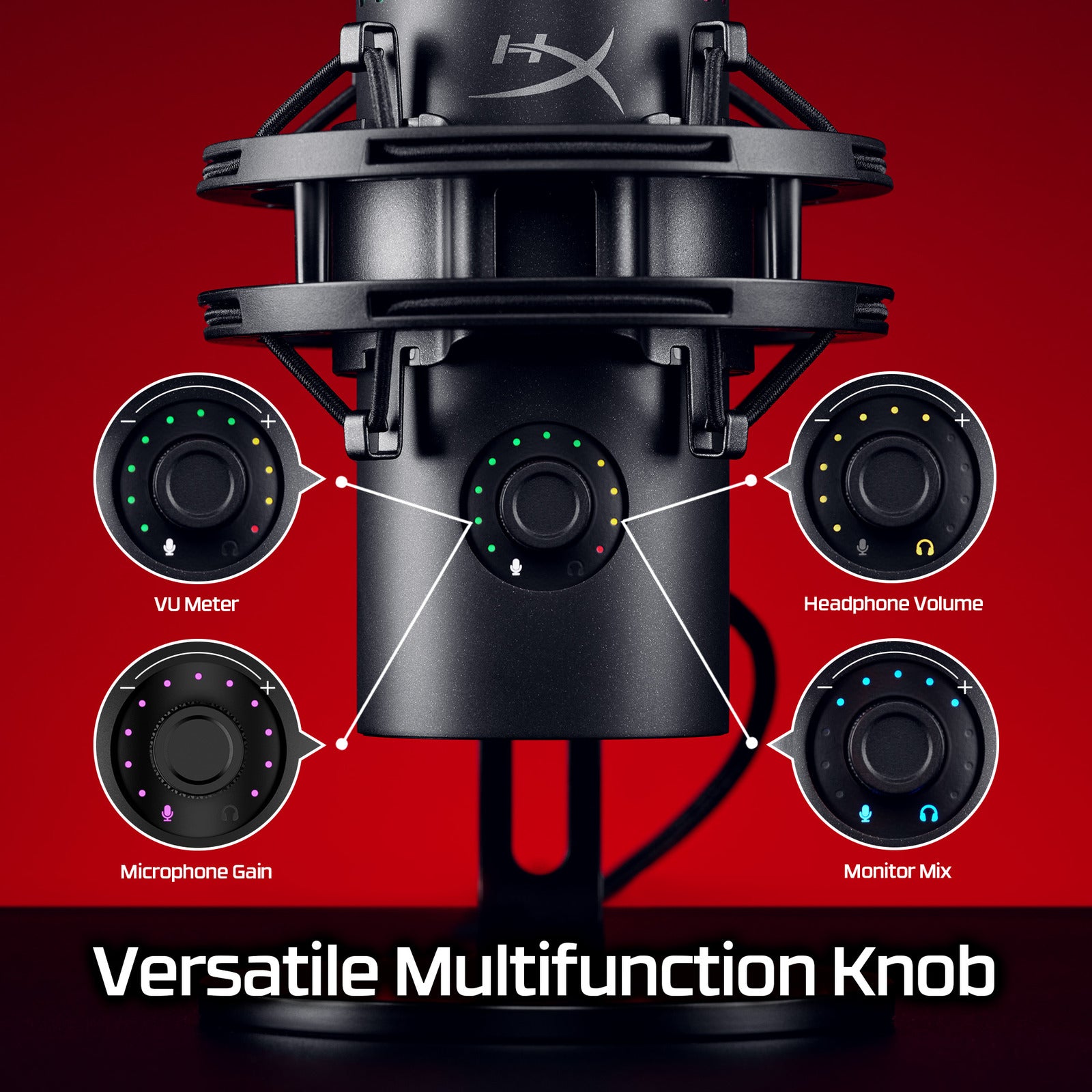
The HyperX QuadCast S at $159 is a USB condenser mic with RGB lighting, a tap-to-mute top, a built-in shock mount, a gain dial on the base, and four selectable polar patterns (cardioid, omni, bidirectional, stereo). The all-in-one design is convenient and popular among streamers because nearly everything you need is bundled in.
The integrated anti-vibration mount and internal pop filter reduce setup hassle and desk thumps. The on-camera RGB is a defining look for many streamers. A feature-rich, good-looking USB mic for streamers who want flexibility from a single box; just remember a condenser favors a quieter space than a dynamic does.
8. Rode NT-USB+
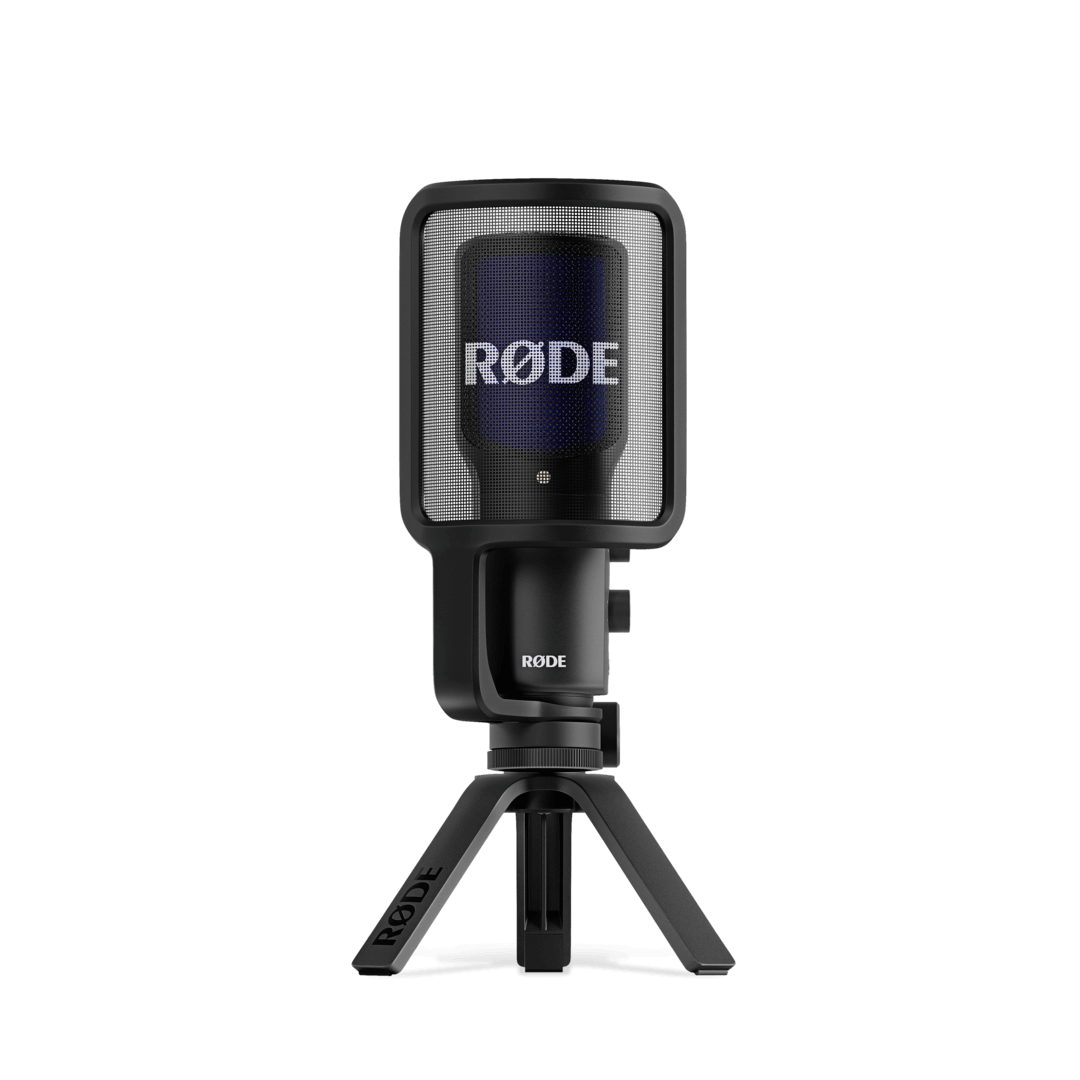
The Rode NT-USB+ at $169 is a USB condenser mic with onboard DSP, including the Aphex Aural Exciter and Big Bottom processing, a headphone jack with zero-latency monitoring, and a built-in pop filter. The sound is clean and broadcast-ready straight out of the box.
The high-quality A/D conversion and 24-bit processing make it punch above its price, and Rode Connect software lets you record multitrack podcasts from several NT-USB+ mics on one computer. A strong USB choice for podcasters and streamers who want a studio condenser without an interface.
It travels well too, thanks to the compact desk tripod in the box.
9. Blue Yeti
The Blue Yeti at $99 is the long-running USB condenser mic with four polar patterns and onboard gain, headphone, and mute controls. It is plug-and-play, widely supported on Windows and Mac, and backed by a deep library of tutorials because so many creators started here.
It picks up more room noise than dynamic mics, so it works best in a quiet space and positioned close, with the side (not the top) facing you, since it is a side-address mic that newcomers often speak into wrong. Still, its versatility and ease of use keep it a popular, dependable entry point for new streamers.
The Logitech-owned Blue brand also keeps the G Hub software updated for it.
10. FIFINE AmpliGame A8 💎 BEST VALUE

The FIFINE AmpliGame A8 at $40 is the best-value streaming mic available. It is a USB condenser mic with a tap-to-mute touch panel, RGB lighting, a gain knob, and a cardioid pattern that captures clean voice for the price.
The sound is impressively clear for a budget mic, and the plug-and-play USB setup needs no interface or drivers. The trade-off is exactly what you would expect at $40: it is a condenser, so it picks up room noise, and the included desk stand is basic enough that a cheap boom arm is a worthwhile add-on.
For a new streamer who wants a real step up from a headset mic without spending much, nothing else delivers this much, which is why it earns the Best Value badge.
How to Choose
- Dynamic vs condenser: Dynamic mics (Shure MV7+, SM7B, Wave DX) reject keyboard and room noise, ideal for untreated gaming rooms. Condensers (Blue Yeti, AT2020, QuadCast S) capture more detail but pick up more background noise, so they suit quiet spaces.
- USB vs XLR vs hybrid: USB mics are plug-and-play and easy. XLR mics need an interface but offer pro flexibility and cleaner upgrade paths. Hybrid mics like the MV7+ and PodMic USB let you start on USB and move to XLR later without rebuying.
- Room treatment matters: In an echoey room, a dynamic mic plus a cardioid pattern keeps your voice clean. If your room is treated and quiet, a condenser rewards you with extra detail. A few cheap acoustic panels or even heavy curtains help more than most beginners expect.
- Onboard controls: Tap-to-mute, gain knobs, and headphone monitoring make streaming smoother. Look for these if you adjust audio mid-stream rather than relying on software.
- Mic stand and pop filter: Most desk mics benefit from a boom arm and pop filter to keep the mic close and off the desk. Some, like the QuadCast S and PodMic USB, include shock mounts and filters built in.
- Budget reality: A $40 USB mic like the FIFINE A8 vastly improves on a headset mic. Spend $150-$200 for a polished USB or hybrid, and $300-$400 only when you want broadcast-grade voice and a full XLR upgrade path.
FAQ
Should a streamer use a dynamic or condenser microphone? Dynamic mics are usually the better choice for gamers because they reject keyboard noise, room echo, and background sounds, keeping your voice clean in an untreated room. Condensers capture more detail but also more unwanted noise, so they work best in a quiet, treated space.
The Shure MV7+ is a popular dynamic pick for this reason.
Do I need an XLR mic or is USB good enough? For most streamers, a quality USB mic is more than good enough and far simpler to set up. XLR mics offer pro flexibility and better upgrade paths but require an audio interface, adding cost and complexity. Hybrid mics like the Shure MV7+ and Rode PodMic USB let you start on USB and move to XLR later.
Why does the Shure SM7B need extra equipment? The SM7B is a dynamic mic with very low output, so it needs a strong audio interface or an inline preamp like a Cloudlifter to reach usable levels. This adds cost and setup steps compared with plug-and-play USB mics. The payoff is the smooth, broadcast-grade voice that has made it an industry standard.
Will a streaming mic pick up my mechanical keyboard? A condenser mic in an untreated room often picks up keyboard noise. A dynamic mic with a tight cardioid pattern, positioned close to your mouth, greatly reduces it. Positioning the mic on a boom arm off-axis from the keyboard and using software noise suppression further cleans up clatter.
Do I need a boom arm or will the included desk stand work? The desk stand in the box works for casual use, but a boom arm is one of the best upgrades you can make. It lets you bring a dynamic mic close to your mouth for the cleanest sound, keeps the mic off the desk so it does not pick up typing and mouse thumps, and frees up desk space.
A basic boom arm costs $20-$40 and suits every mic on this list.
Which microphone is best for a beginner on a tight budget? The FIFINE AmpliGame A8 at $40 is the clear pick. It is plug-and-play over USB, has a tap-to-mute panel and gain control, and sounds far better than any headset mic. When you outgrow it, step up to a USB or hybrid mic like the AT2020USB-X or Shure MV7+ rather than another budget condenser.
Bottom Line
For the best overall streaming microphone, the Shure MV7+ at $279 wins on broadcast-quality dynamic voice, strong noise rejection, and a USB-to-XLR upgrade path. If you're starting out, the FIFINE AmpliGame A8 at $40 is the clear Best Value, delivering clean voice, tap-to-mute, and plug-and-play USB for far less.
Between them sit excellent middle options like the Rode PodMic USB and HyperX QuadCast S, so there is a right pick for every room and budget.
Sources
- RTINGS.com microphone test database
- Shure official product specifications (MV7+, SM7B)
- Rode official product pages (PodMic USB, NT-USB+)
- Tom's Guide best streaming microphone roundups
- PCMag USB microphone reviews
- Elgato official Wave product specifications
- The Verge audio gear coverage