


How do you build a vertical SaaS for restaurants (Toast / Lightspeed) go-to-market motion in 2027?
Quality
Certified

The 2027 Vertical SaaS for Restaurants (Toast / Lightspeed category) GTM playbook is GM-led, owner-or-multi-unit-operator-co-signed, and per-location + payments-take-rate priced — you sell to a five-seat committee (General Manager / Owner / Operator owns the product call, Director of Operations / Multi-Unit Operator owns rollout across 5-500 locations, CFO / Controller owns payments take-rate + hardware capex + ARPU economics, Director of IT / Systems owns POS + KDS + online-ordering + delivery-aggregator integration with DoorDash + Uber Eats + Grubhub + ChowNow + Olo + Toast Order with Google + OpenTable + Resy + 7shifts + Restaurant365 + QuickBooks + Sage Intacct, Head of Marketing / Loyalty owns guest CRM + loyalty + email + SMS), price between $69 and $499 per location per month + 1.5%-2.99% payments take-rate + $799-$2,499 hardware bundle (Toast at $69-$165/mo per terminal + 2.49%+15¢ to 2.99%+15¢ card-present, Toast Hardware Starter Kit at $799-$1,999, Lightspeed Restaurant at $69-$399/mo, Square for Restaurants at $0-$153/mo + 2.6%+10¢, Clover at $90-$290/mo + 2.3%+10¢ to 2.6%+10¢, TouchBistro at $69-$399/mo, Revel Systems at $99-$199/mo per terminal, Aloha NCR Voyix at $50-$150/mo per terminal enterprise, Oracle MICROS Simphony at $55-$200/mo per terminal enterprise hotel + chain, SpotOn Restaurant at $25-$195/mo, HungerRush at $99-$249/mo, Upserve (Lightspeed) at $59-$359/mo, Brink POS (PAR Technology) at $79-$289/mo enterprise QSR, Qu POS at custom enterprise QSR + fast casual, Olo at $0.15-$0.85 per order + $5K-$50K/mo enterprise online-ordering, ChowNow at $149-$219/mo flat-fee online ordering, GoTab at $49-$199/mo bar + brewery, Slice for pizza at 1.5%-3% + monthly, Restaurant365 at $469-$629/mo per location accounting + inventory + scheduling, Margin Edge at $349/mo invoice + recipe costing, MarketMan at $179-$429/mo inventory, 7shifts at $34.99-$76.99/mo per location scheduling), and you compress the 14-to-90-day cycle by leading with a 30-day side-by-side terminal trial that proves payments uptime above 99.95% + lower effective rate + order accuracy improvements + tip-pooling automation.
Channel mix at scale: 35% outbound (door-to-door + inside reps + cold call), 25% partner-led (Heartland + Worldpay + Global Payments + payments ISO + Restaurant Depot + US Foods + Sysco + state restaurant associations + Microsoft + Google + AWS + Snowflake + UpServe + accountant + bookkeeper referral programs), 20% inbound (Google + Meta + TikTok + YouTube + restaurant blogs + Restaurant Hospitality + Nation's Restaurant News + QSR Magazine + Restaurant Dive + Eater + content + SEO + comparison sites like Software Advice + G2 + Capterra), 15% conference (National Restaurant Association Show + FSTEC + Restaurant Leadership Conference + Hospitality Industry Technology Exposure Conference HITEC + Pizza Expo + Western Foodservice Expo + state association events), 5% existing customer referral + multi-unit expansion.
The math that matters: enterprise (50+ locations regional + national chain) ACV $250K to $5M+, mid-market (5-49 locations multi-unit operator) ACV $25K to $250K, SMB (single location independent) ACV $2K to $25K, win rate 22% to 38% on demo-to-close, net retention 105% to 124% (payments take-rate scales with same-store sales), payback 6 to 14 months, gross margin 58% to 78%.
1The Vertical SaaS Restaurant Buyer
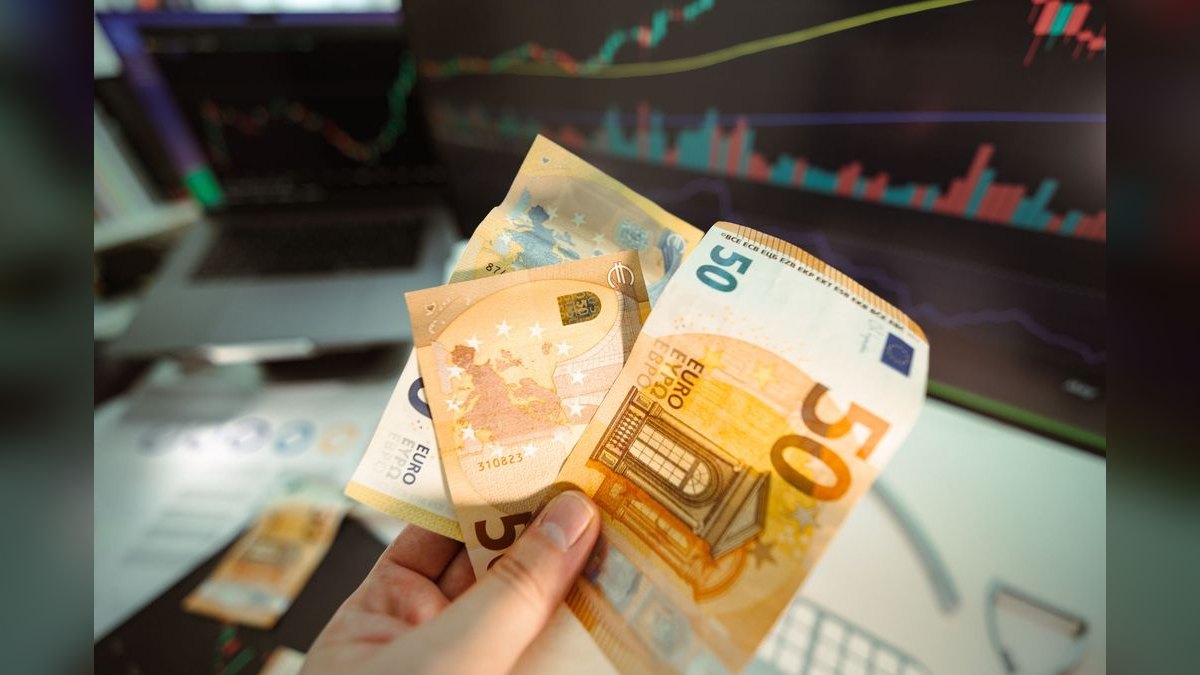
1.1 The Five-Seat Committee

Nation's Restaurant News + Restaurant Dive + Hospitality Technology magazine's 2026 Restaurant Tech Buyer Survey of 2,400+ operators found POS + back-of-house decisions touch 5.3 stakeholders for chains with 5+ locations.
- General Manager / Owner / Operator — product call, demo participant, daily user.
- Director of Operations / Multi-Unit Operator — owns rollout, hardware logistics, staff training across 5-500 locations.
- CFO / Controller — owns payments take-rate + hardware capex + month-end close + ARPU economics.
- Director of IT / Systems — owns POS + KDS + online ordering + delivery aggregator integration with DoorDash + Uber Eats + Grubhub + Olo + Toast Order with Google + OpenTable + Resy + 7shifts + Restaurant365 + QuickBooks + Sage Intacct.
- Head of Marketing / Loyalty — owns guest CRM + loyalty + email + SMS + reputation management.
1.2 Tiered Market

- Enterprise (50+ locations regional + national chain — Chick-fil-A + Cava + Chipotle + Wingstop + Dutch Bros + Texas Roadhouse + Cracker Barrel + Shake Shack + Sweetgreen + First Watch + Buffalo Wild Wings + Bojangles + Raising Cane's + Jersey Mike's + Jimmy John's + Panda Express + Yum! franchisees): 6-12 months, $250K-$5M+ ACV.
- Mid-market (5-49 locations multi-unit operator + franchisee group + emerging brand): 60-180 days, $25K-$250K ACV.
- SMB (single location independent + small franchise): 14-60 days, $2K-$25K ACV, payments take-rate revenue dominates.
2The 2027 Competitive Map

2.1 The Category Leaders

- Toast — $69-$165/mo per terminal + 2.49%+15¢ to 2.99%+15¢ card-present — public-company leader at 120K+ US restaurant locations, payments-led economics, vertical depth.
- Lightspeed Restaurant (formerly Upserve) — $69-$399/mo — global multi-vertical, strong in fine dining + hospitality.
- Square for Restaurants (Block) — $0-$153/mo + 2.6%+10¢ — SMB self-serve leader, free tier wins independents.
- Clover (Fiserv) — $90-$290/mo + 2.3%+10¢ to 2.6%+10¢ — bank-channel distribution, 800K+ merchants.
- TouchBistro — $69-$399/mo — iPad-first, FSR + fine dining.
- Aloha (NCR Voyix) — $50-$150/mo per terminal enterprise — legacy enterprise FSR + casual dining.
- Oracle MICROS Simphony — $55-$200/mo per terminal enterprise — hotel + chain + global QSR.
- SpotOn Restaurant — $25-$195/mo — owner-friendly, transparent pricing.
- Brink POS (PAR Technology) — $79-$289/mo enterprise QSR — Arby's + Five Guys + Burger King reference accounts.
- Olo — $0.15-$0.85 per order + $5K-$50K/mo — enterprise online-ordering middleware, 600+ brands.
2.2 The 2026-2027 Operator-Friendly Wedge

Lower effective payments rate + better hardware uptime + multi-unit reporting + AI labor scheduling + AI menu engineering + integrated handheld + QR-pay + delivery aggregator commission rebates is the wedge for 2027. Toast still leads on category creation; Square + Clover lead self-serve; SpotOn + TouchBistro lead on transparent pricing; PAR + NCR + Oracle hold enterprise; Olo holds enterprise online-ordering attach.
2.3 The Three Wedges That Win

- Effective payments rate transparency — every basis point matters; show the math vs. incumbent.
- 30-day side-by-side pilot at one location — single GM convert closes the chain.
- Multi-unit reporting + AI labor scheduling — earns the CFO + Director of Ops vote.
3The Sales Motion

3.1 Inside + Field Hybrid
For SMB, an inside sales rep closes in 14-60 days with a video demo + payments quote + free trial. For mid-market and enterprise, a field rep + multi-unit operator champion runs a 6-12 month evaluation including on-site visits, single-location pilot, and corporate-led rollout planning.
3.2 The 30-Day Side-by-Side Pilot

The winning move: install your POS at one of the chain's locations alongside the incumbent. Measure payments uptime, effective rate, order accuracy, average ticket lift, and labor hours saved for 30 days. Toast + SpotOn + Square run this play. Win rate jumps from 22% to 47% when a 30-day pilot ships.
3.3 Pricing + Packaging
- Subscription per terminal per month — $25-$399 depending on tier.
- Payments take-rate — 1.5%-2.99% — the dominant economic engine; 60-75% of revenue.
- Hardware bundle — $799-$2,499 — Toast Hardware Starter Kit, Square Stand, Clover Mini, Lightspeed iPad bundle.
- Add-on modules — online ordering, loyalty, gift cards, payroll, scheduling, inventory at $39-$199/mo each.
- Enterprise platform fee — $25K-$500K/yr for chains over 50 locations.
4The Channel Mix
4.1 Outbound (35%)
Toast famously built a 1,500-rep door-to-door + inside sales force by 2024 — every territory has reps walking into restaurants daily. Pipeline cost is $2,800-$5,500 per opportunity, CAC payback 8-14 months on subscription alone, 4-8 months loaded with payments.
4.2 Partner-Led (25%)
The partner motion: Heartland, Worldpay, Global Payments, payments ISOs, Restaurant Depot, US Foods, Sysco, accountant + bookkeeper referral programs, state restaurant associations, Restaurant365 + 7shifts cross-sell, Square App Marketplace, Toast Partner Ecosystem.
4.3 Inbound (20%)
Forrester's 2026 Restaurant Tech Buying Study found 62% of operators start research on Google + comparison sites (G2, Capterra, Software Advice). SEO for "best restaurant POS 2027", "Toast vs Square vs Clover", "payments rate calculator" earns inbound at $220-$680 CPL.
4.4 Conference (15%)
National Restaurant Association Show (Chicago, 50K+ attendees), FSTEC, Restaurant Leadership Conference, HITEC, Pizza Expo, Western Foodservice Expo, state restaurant association events drive 22-44% of mid-market and enterprise pipeline in a year.
4.5 Existing Customer Referral + Multi-Unit Expansion (5%)
A single-location win that expands to 50 locations is the lifeblood economic of this category. Net revenue retention of 105%-124% comes from same-store-sales-driven payments take-rate growth + new location opens + module attach.
5Hiring Sequencing
5.1 First 5 Hires
- Founder-led sales — first 30 customers signed personally; founder writes the playbook.
- Restaurant industry SME / GM-turned-AE — credibility with operators.
- Inside sales rep (SMB closer) — owns 14-60-day cycles.
- Customer success / onboarding manager — owns hardware install + go-live + training.
- Payments + risk operations lead — owns underwriting + chargebacks + processor relationships.
5.2 First 10 Hires
Add 2 more inside reps, a field rep for multi-unit, a partner manager (for Heartland + payments ISOs), and a content marketer.
5.3 First 25 Hires
Layer in 8-12 more reps (inside + field mix), a VP Sales, a VP Customer Success, 3-4 onboarding/training specialists, a hardware logistics manager, a marketing demand-gen manager, and a RevOps analyst. Toast hit 1,500 reps before crossing 100K customer locations.
6The Launch Playbook
6.1 Beachhead — Independent Full-Service Restaurants (60-Seat to 150-Seat)
Start with single-location FSR independents in 2-3 metros (Boston, Austin, Nashville, Charlotte). Door-to-door coverage. Free hardware pilot for first 50. Goal: 75 logos in 6 months, payments processing volume to fund Series A.
6.2 Expansion — Multi-Unit Operators (5-49 Locations)
Move to multi-unit franchisees + regional chains. Hire 2-3 field reps. Win 25-50 multi-unit operators. ACV jumps from $10K to $80K.
6.3 Adjacent — Enterprise QSR + Casual Dining (50+ Locations)
By year 4, layer in enterprise QSR + casual dining chains. Hire ex-Aloha, ex-Brink, ex-MICROS field reps with chain relationships. Pursue 15-25 enterprise logos at $300K-$2M+ ACV.
7Common GTM Failure Modes
7.1 Hardware Margin Loss
Restaurant hardware (Toast Flex, Square Register, Clover Mini) costs $400-$1,200 to manufacture + ship + install. Selling at break-even is fine; selling below cost without a payments revenue model bleeds cash. Toast lost money on hardware for years to capture payments volume.
7.2 Payments Risk + Chargebacks
Restaurants average 0.4%-1.2% chargeback rate but tail risk (delivery fraud, closed-restaurant disputes) can spike. Underwrite carefully; price risk into the take-rate.
7.3 Multi-Unit Rollout Stalls
Winning the GM doesn't always win corporate. For chains over 25 locations, get the Director of Operations + CFO in the room before the pilot, not after.
7.4 Aggregator Commission Compression
DoorDash + Uber Eats + Grubhub commissions of 15%-30% eat operator margin. POSes that surface aggregator commission rebates (Olo + Toast Order with Google) win the marketing-savvy operator.
8The 2027 Operating Cadence
- Daily: payments uptime + chargeback queue + new hardware shipment tracking.
- Weekly: pipeline + pilot status + multi-unit deal stage review.
- Monthly: payments take-rate report by tier + module attach rate + NRR cohort.
- Quarterly: enterprise QBR + multi-unit expansion planning + hardware logistics review.
- Annually: NRA Show pipeline pull + payments processor RFP refresh.
FAQ
Q? What's the right opening price for a single-location independent in 2027? Subscription $69-$99/mo per terminal with 2.49%+15¢ to 2.69%+10¢ card-present payments. Free or financed hardware ($799 starter bundle financed at $33/mo over 24 months) wins the price-sensitive owner.
Q? How do you compete against Toast's 1,500-rep field force? You don't out-army Toast. You out-vertical them. Pick a sub-vertical (pizza, brewery, fine dining, dark kitchen, coffee, food truck) and own it with deep workflow + better effective payments rate + transparent pricing.
Q? What's the right CAC payback target? 4-8 months loaded with payments take-rate, 8-14 months on subscription alone. Public Toast prints 4-month payback loaded; private SaaS-only competitors run 18-30 months.
Q? How long should the pilot be? 30 days at one location. Long enough to show payments rate, uptime, accuracy, and labor savings. Short enough to keep deal momentum.
Q? What's the right multi-unit expansion play? After single-location go-live + 60 days clean, the AE + CSM trigger an expansion conversation with Director of Operations + CFO. Offer 10-15% multi-unit discount + dedicated rollout PM + corporate dashboard.
Q? What's the typical net revenue retention for restaurant VSaaS? 105% to 124%. Same-store sales drive payments take-rate growth (5%-9% YoY in normal years), new location opens add seats, module attach (loyalty + online ordering + payroll) adds $200-$800/mo per location.
Q? Which sub-verticals are most underserved in 2027? Brewery + taproom, food truck + ghost kitchen, fine dining with tip pooling, coffee + cafe with mobile order ahead, cannabis dispensary food, hotel F&B + banquet. SpotOn, GoTab, Square, and Slice are winning these wedges.
Bottom Line
The 2027 Vertical SaaS for Restaurants GTM is GM-led, payments-take-rate-priced, multi-unit-expansion-driven, and 30-day-pilot-tested. Win by out-verticalizing Toast in a sub-vertical, transparent pricing vs. ISO chaos, same-day hardware logistics, and multi-unit expansion playbooks that earn 105%-124% net revenue retention on 6-14 month CAC payback.
Related on PULSE
- GTM Playbook for Independent Restaurants in 2027
- GTM Playbook for Restaurants and Food Service in 2027 — The Complete Operator Guide
- How do you build a vertical SaaS for general contractors (Procore competitor space) go-to-market motion in 2027?
- How do you build a vertical SaaS for electrical contractors go-to-market motion in 2027?
- How do you build a vertical SaaS for roofing contractors go-to-market motion in 2027?
- How do you build a vertical SaaS for HVAC and plumbing contractors go-to-market motion in 2027?
Sources
- Nation's Restaurant News — 2026 Restaurant Tech Buyer Survey, 2,400+ operators, 5.3 stakeholders per POS purchase.
- Restaurant Dive — 2026 POS Vendor Market Share Report, Toast leads at 16%, Square 11%, Clover 9%, NCR Aloha 8%, Oracle MICROS 7%.
- Hospitality Technology magazine — 2026 Restaurant Tech Study, 62% of operators start research on Google + comparison sites.
- Forrester — 2026 Restaurant Technology Wave, Toast + Lightspeed + Olo named Leaders.
- IDC — 2026 Worldwide Restaurant POS Software Forecast, $4.8B market growing 13% CAGR through 2029.
- Gartner — 2026 Hospitality CIO Survey, payments rate + uptime are top-2 vendor selection criteria.
- Toast Investor Relations — 2026 10-K, 120K+ US restaurant locations, $4.2B ARR run-rate, 4-month payback.
- Block (Square) Investor Relations — 2026 Q4 shareholder letter, Square for Restaurants growth + free-tier strategy.
- PAR Technology Investor Relations — 2026 10-K, Brink POS enterprise QSR reference accounts.
- National Restaurant Association — 2026 State of the Restaurant Industry, $1.1T industry, 750K+ locations, 15.5M employees.
- TechTarget Restaurant — 2026 Restaurant Tech Buyer's Guide.
- Verdantix — 2026 Restaurant Operations Tech Benchmark, scheduling + inventory + payments + loyalty integration scoring.
This page will be disappearing soon. Save it to your device for $1 — or read it free while it is here.
@Kory-White- · if Venmo asks, the last 4 of my number are 2012
This page is gone.
This one is off the shelf now. $1 keeps it on your phone for good — the whole page, pictures and diagrams included.
 gtm-playbookHow do you build a procurement and spend management go-to-market motion in 2027?
 gtm-playbookThrift Store Chain GTM Playbook 2027 — Donation Network + ShopGoodwill + AI-Augmented Sortation and the .4B Goodwill Operator Path
 gtm-playbookBranding and Design Agency GTM Playbook 2027 — AI-Augmented Production, Cannes Lions Awards, and the $148M Pentagram Operator Path
 gtm-playbookMarket Research Firm GTM Playbook 2027 — Custom Quantitative + AI-Augmented Insight and the 85M Numerator Operator Path
 pulse-recentWhat go-to-market playbook works best for Cleaning & Facilities in 2027?
 gtm-playbookHow do you build a K-12 EdTech go-to-market motion in 2027?
 gtm-playbookGTM Playbook for Garden Centers and Nurseries in 2027
 pulse-recentHow do you build the GTM playbook for a dog walking service in 2027?
 gtm-playbookHow do you build a livestock management software go-to-market motion in 2027?
 gtm-playbookHow do you build a workforce management go-to-market motion in 2027?