


How do you build the GTM playbook for a craft brewery or microbrewery operator in 2027?
Quality
Certified
Craft brewery and microbrewery GTM in 2027 is a taproom-anchored, three-tier-system business. The operator runs three channels with very different economics: taproom and on-premise (roughly half of revenue at 72–82% gross margin), wholesale through a distributor (20–45% of revenue at 35–48% margin), and packaged retail in grocery and bottle shops (10–30% of revenue at 28–40% margin). The dominant motion is taproom-first, and the numbers explain why: a barrel of beer sold over the bar nets several times what the same barrel nets through distribution.
The category is mature and slightly contracting. The Brewers Association counts roughly 9,500–9,700 U.S. craft breweries heading into 2027 — near the all-time peak but no longer growing, because openings (mostly small taprooms) are now offset by closures. Craft volume fell in the mid-single digits in 2024 and has been roughly flat since, as drinkers shift spending toward hard seltzers, ready-to-drink (RTD) cocktails, THC beverages, and non-alcoholic options. The strategic implication is consistent across operator profiles: a well-run taproom-anchored brewery generates $1.4M–$4.8M AUV at 14–28% net margin, while distribution-heavy breweries fight for survival on margin after the distributor cut and excise taxes.
The 2027 differentiation is hyperlocal community plus flavor-innovation cadence: small breweries win by releasing a steady stream of new beers through the taproom, building a paid beer club, and *not* trying to out-shelf macro-craft brands (Sierra Nevada, New Belgium, Boston Beer/Samuel Adams, Lagunitas) in the grocery aisle. The operator KPIs that matter: taproom revenue per barrel ($580–$1,400) versus distributed revenue per barrel ($180–$320), beer-club member retention (75–88% annually), a taproom-to-distribution revenue ratio of at least 60:40 for healthy margin, production efficiency of 1.4–2.1 barrels per labor hour, and finished-beer inventory turns of 12–18 per year.
1The Craft Brewery Operator Profile + Unit Economics
1.1 The Four Brewery Profiles
Profile A — Taproom-Only Nanobrewery (1–3 BBL system): Producing 200–600 barrels/year. Investment $180K–$650K. Revenue $400K–$1.1M. Often owner-operator plus 4–8 staff. Roughly 35% of 2027 new openings.
Profile B — Brewpub + Light Distribution (10–30 BBL system): Producing 1,200–4,800 BBL/year. Investment $1.4M–$4.2M. Revenue $1.8M–$5.8M. Roughly 40% of the category by count.
Profile C — Production Brewery + Multi-State Distribution (30–100+ BBL system): Producing 8,000–60,000 BBL/year. Investment $4M–$28M. Revenue $6M–$45M. About 20% of the category by count but the majority of distributed volume.
Profile D — Regional Macro-Craft (60,000+ BBL/year): Sierra Nevada, New Belgium, Lagunitas, Stone, Bell's, Founders, Boston Beer Company (Samuel Adams). A small share of the category by count but a large share of dollars. Different GTM — beyond this entry's scope.
1.2 Taproom-Anchored Unit Economics
Average taproom price: $8–$11 per 16oz draft pour, $6–$9 per 12oz can. Gross margin per pour: 72–82% (cost-of-goods roughly $1.40–$2.20 per pour against $8–$11 retail). Food attach: 38–58% for brewpubs with a full kitchen; 18–30% for taproom-only models leaning on food-truck partners. Labor: 28–36% of sales (lower than full-service restaurants because back-of-house is brewers, not a kitchen brigade). Rent: 8–12% of sales (industrial-zone breweries run lower than retail-zone). Net margin: 14–28% at well-run taproom-anchored operations.
1.3 The Production + Distribution Math

1 barrel = 31 U.S. gallons ≈ 248 16oz pours ≈ 330 12oz pours. Taproom revenue per barrel sold over the bar: $580–$1,400 (higher in markets that support premium pricing). Distributor revenue per barrel: $180–$320 after the distributor cut. That 3x–5x revenue-per-barrel differential is why successful 2027 craft breweries optimize for taproom and DTC channels over distribution scaling.
2The Channel Mix For A Craft Brewery

2.1 Taproom On-Premise — The ~52% Channel
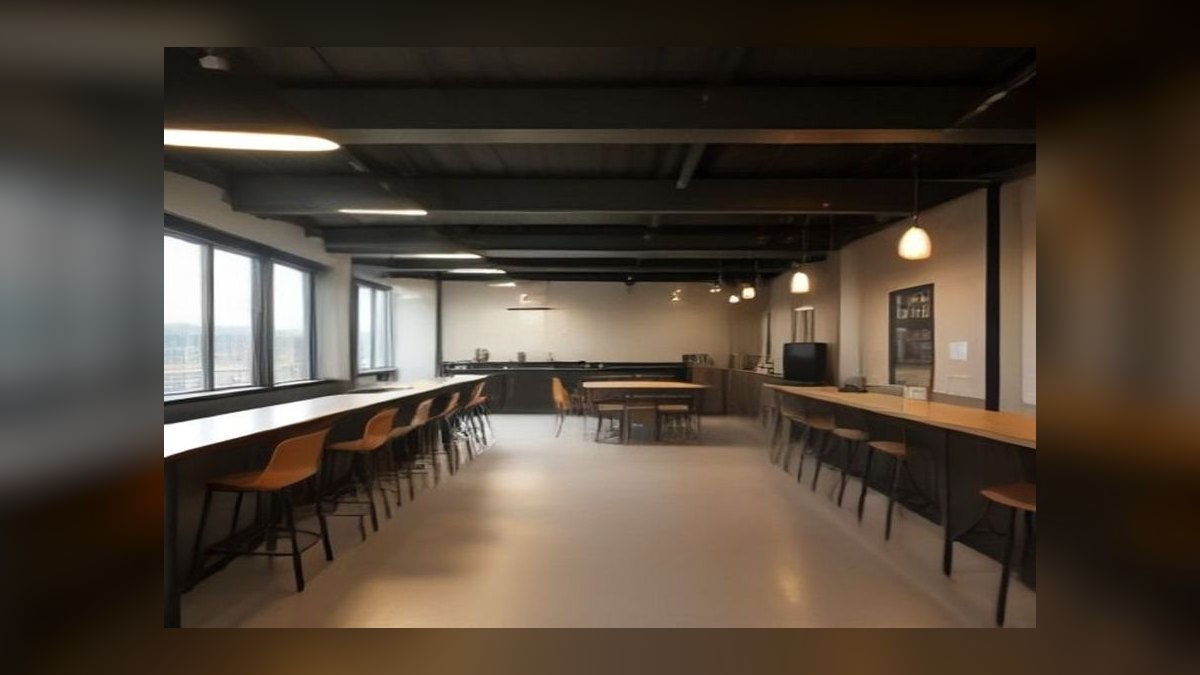
The taproom drives the highest-margin revenue and builds the brand. Successful 2027 taprooms run 22–45 taps (8–15 of their own beers plus rotating guest beers, cider, wine, non-alc options, and RTD cocktails). Average customer ticket: $24–$58, depending on food availability. Trip frequency: top members visit 14–32x/year; casual visitors 2–6x/year.
2.2 Wholesale Distribution — The ~26% Volume Channel
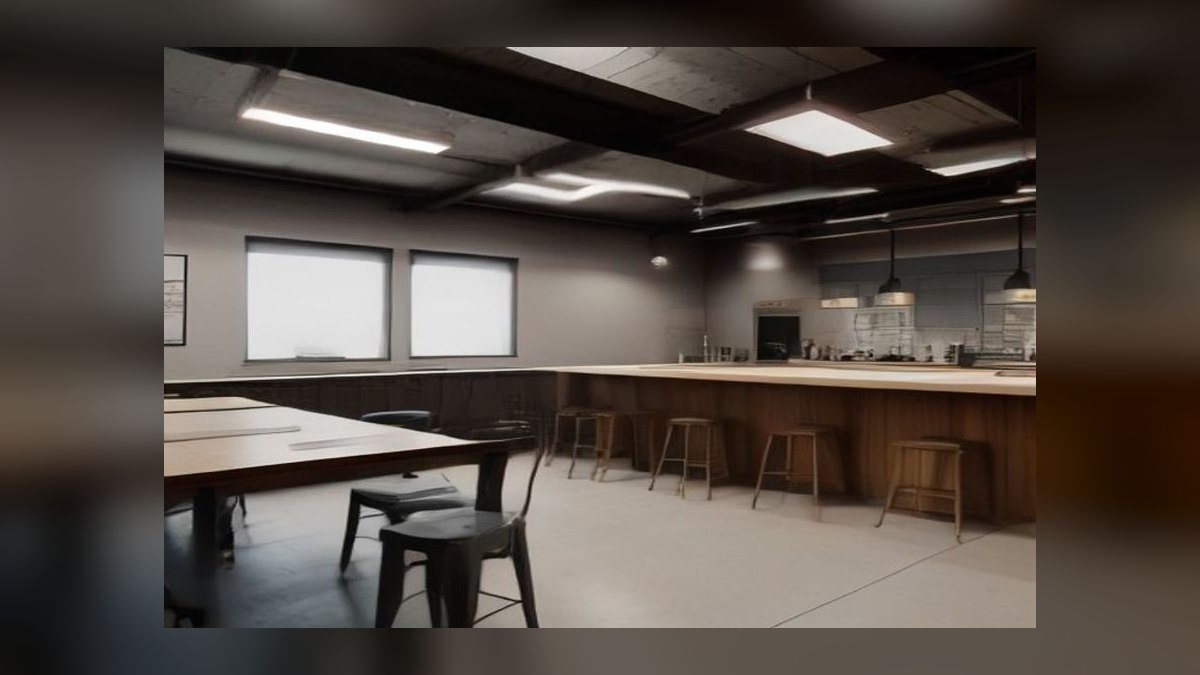
Three-tier system mandate (federal): Brewery → Distributor → Retailer. Distributors own the retail relationship, delivery, and invoicing. Major distributors include Reyes Beverage Group, Breakthru Beverage Group, Southern Glazer's Wine & Spirits, Republic National Distributing Company (RNDC), Sheehan Family Companies, and regional players such as Hensley Beverage (Arizona). Distributor cut: 27–32% of wholesale price. Most states' franchise laws make it hard for a brewery to terminate a distributor contract, so careful negotiation up front matters enormously.
2.3 Packaged Retail — The ~14% Margin-Compressed Channel

Grocery and bottle-shop sales flow through the distributor: Whole Foods, Total Wine & More, BevMo, Trader Joe's, and regional independents. Retail price runs $11–$19 per 4-pack of 16oz cans or $12–$22 per 6-pack of 12oz. Margin is squeezed — after distributor and retailer cuts, the brewery nets roughly $3.20–$6.80 per 4-pack. What works at retail: flagship IPAs, hazies, and lagers. What doesn't: barrel-aged stouts, sours, and low-volume specialty beers (sell those direct from the taproom).
2.4 Beer Club + Subscription — The ~5% High-Loyalty Layer
Paid membership programs — one-time "lifetime" tiers and monthly clubs at $40–$120/month — drive disproportionate loyalty. Many of the most sought-after breweries run some form of membership or allocation program (Tree House, Trillium, Russian River, Other Half, Monkish), typically bundling early access, exclusive small-batch releases, and a monthly can allocation. Club members tend to visit several times more often than casual customers and buy meaningfully more cans-to-go, which is why the channel punches well above its revenue share.
3The Sales Motion — Building Distribution + Taproom Traffic

3.1 The Distributor-Selection Decision
Choosing a distributor is one of the biggest GTM decisions a brewery makes. A larger distributor offers more retail reach, but the craft brewery is one of hundreds of brands and is easily lost in the catalog. A smaller, craft-focused distributor gives better attention but a narrower retail account base. Distribution is negotiated state by state, each with its own contract. Self-distribution is legal in many states under volume caps (commonly in the tens of thousands of barrels per year), letting small breweries skip the 27–32% distributor cut and hold direct on-premise relationships.
3.2 Untappd + Online Beer Communities
Untappd is the dominant beer-discovery and check-in app. A brewery rating above 4.0 is table stakes; above 4.2 pulls in destination beer-tourism. Other communities — BeerAdvocate, RateBeer, and Reddit's r/beer — shape reputation among enthusiasts. "Hype" release culture (limited drops announced 24–72 hours ahead, lines forming early) can drive a large share of a top brewery's revenue into a handful of release days, but it is a high-effort model that only a minority of breweries sustain.
3.3 Industry Awards Channel
The Great American Beer Festival (GABF) in Denver each October is the largest U.S. beer competition; a gold/silver/bronze medal typically produces a meaningful, durable sales lift for the winning SKU. The World Beer Cup (biennial), the U.S. Open Beer Championship, and state-level competitions add further credibility. Brewers Association membership provides industry data and advocacy access.
3.4 Industry Trade Events
The Craft Brewers Conference (CBC) each spring is the industry's flagship event for equipment, ingredients, and education. The National Beer Wholesalers Association (NBWA) convention matters for distributor relationships, and every state has a Brewers Guild that runs regional meetings and group marketing.
4Hiring Sequencing For A Craft Brewery
4.1 The Nanobrewery (Year 1)
Owner-brewer + assistant brewer ($45K–$58K) + taproom manager ($48K–$68K) + 4–8 part-time bartenders. Total payroll roughly $240K–$420K.
4.2 The Brewpub Phase (1,200–4,800 BBL/year)
Head Brewer ($70K–$110K), 2–3 brewers/cellar staff ($45K–$72K each), kitchen team if a brewpub ($350K–$650K total food labor), taproom GM ($65K–$95K), and a sales rep for self-distribution accounts ($55K–$78K plus commission).
4.3 The Production Brewery Phase ($6M–$15M revenue)
Brewmaster ($95K–$145K plus equity), Director of Operations ($85K–$125K), Director of Sales ($95K–$140K plus commission), Marketing/DTC Manager ($65K–$95K), a QA/Lab Manager as volume scales, and a CFO as the business approaches eight figures.
4.4 The Regional-Craft Phase ($15M+ revenue)
Often an outside CEO and investor capital (a path Founders, Stone, and Lagunitas all walked when they sold equity), plus VP Sales, VP Marketing, and VP Operations. Multi-state distribution requires a full sales force (regional sales managers) and dedicated chain-account management.
5The Launch Playbook For A New Craft Brewery
5.1 Pre-Opening (Months 1–12)
Months 1–3: Concept, business plan, and capital raise — craft breweries are commonly financed with a mix of debt and equity (often majority debt). Months 4–6: Lease and brewhouse specification (Premier Stainless, Specific Mechanical, Diversified Metal Engineering, and ABE Equipment are major fabricators). Months 7–10: Build-out and equipment install. Months 11–12: Test batches, recipe refinement, and a taproom soft open.
5.2 Federal + State Licensing (The Long Pole)
The TTB Brewer's Notice (Alcohol and Tobacco Tax and Trade Bureau) is the federal license and typically takes several months to process. A state brewery license runs in parallel on its own timeline. Each new beer also needs TTB Certificate of Label Approval (COLA) for its label and artwork before commercial sale. Total licensing cost lands in the low-five-figures and varies widely by state.
5.3 First-Year KPI Targets
Production: roughly 50% of brewhouse capacity by month 12, 75–85% by month 24. Taproom daily transactions: 220–560. Beers on tap: 12–22. Untappd rating: 4.0+. Beer-club signups: 200–800. Wholesale accounts (self-distribution where legal): 8–25.
6Common Craft Brewery Failure Modes
6.1 Over-Investing In Distribution
Scaling distribution without taproom traffic kills margin. New breweries that immediately chase multi-state distribution end up under-capitalized for marketing, sales reps, and slow-pay receivables. 2027 best practice: hold off on serious distribution until the taproom is at $1M+ AUV.
6.2 Quality Inconsistency
Off-flavor batches (diacetyl, infection, oxidation) tank Untappd ratings and erode taproom traffic. Breweries need basic lab QC (dissolved-oxygen meters, pH meters, microbiological plating) early. Those that can't staff an in-house lab can outsource analysis to providers like White Labs or BSG.
6.3 The Hazy IPA Treadmill
Hazy IPAs/NEIPAs went from a niche to a dominant share of craft volume over the back half of the 2010s, but innovation cycles have compressed to weeks. Chasing every new hop, yeast, and format burns R&D capital and creates inventory complexity. Better: 2–3 flagships plus 4–8 rotating limited releases.
6.4 Bad Distributor Contract Terms
In most states, franchise laws make distributor contracts nearly impossible to terminate once signed — a bad fit can lock you in for years. Hire an alcohol-beverage attorney before signing, not after.
6.5 Underestimating Working Capital
Breweries typically need 9–15 months of working capital post-opening to reach break-even. A large share of failures happen in months 14–22, when the initial raise runs out before the business turns the corner.
7The 2027 Operating Cadence
Daily: Brewing schedule and recipe execution, fermentation monitoring, taproom service. Weekly: Tap-list refresh, beer-club newsletter, social calendar. Monthly: New-release planning, distributor scorecard review, P&L. Quarterly: Industry-event participation (CBC in spring, GABF in fall, state guild meetings), distributor business reviews, brand-portfolio reset. Annually: TTB COLA/label compliance review, federal and state excise filings, Brewers Association reporting, and capital planning (new tanks, canning line, expansion).
FAQ
Q: Should I open a brewpub or a production brewery in 2027? A brewpub or taproom-anchored model for the large majority of new entrants. The format (taproom plus food plus a small on-site brewery) generates several times the revenue per barrel of a production-and-distribution model. A production brewery makes sense only if you have a proven hit beer with real demand, the capital for a $4M–$28M build-out, 18 months of working capital, and a credible path to 6,000+ BBL/year. The 2024–2026 category contraction undercut the old "build big and distribute" thesis — taproom-anchored is the safer bet.
Q: How much does it cost to open a brewery in 2027? Nanobrewery (taproom-only, 1–3 BBL system): $180K–$650K. Brewpub (10–30 BBL system): $1.4M–$4.2M. Production brewery (30–100 BBL system): $4M–$28M. Major cost lines: brewhouse equipment $80K–$2.4M, fermenters $20K–$1.2M, packaging line $80K–$650K, taproom build-out $180–$420/sf, and a working-capital reserve of $200K–$1.2M.
Q: Is the craft beer category still growing in 2027? Volume is essentially flat after a mid-single-digit decline in 2024. The growth has shifted to adjacent segments: non-alcoholic beer (the fastest-growing beer segment, led by Athletic Brewing as the best-selling N/A craft brand), THC beverages (legal in a growing list of states), and RTD cocktails (High Noon, Cutwater, and similar). Craft breweries that add N/A, hop-water, or THC SKUs commonly see an incremental revenue lift in the low-double-digit percent range.
Q: Should I self-distribute or sign with a distributor? Self-distribute where your state allows it and you're under the volume cap. Self-distribution captures the 27–32% distributor cut and keeps you in direct contact with on-premise accounts. Sign with a distributor when (a) volume exceeds the self-distribution cap, (b) your geographic ambition outruns what you can deliver yourself, or (c) you can negotiate strong terms with a craft-focused distributor rather than a macro-only one.
Q: How do I compete with Bud Light, Coors, or Miller on price? You don't. Macro beer sells around $6–$9 per six-pack; craft sells at $11–$22. The audiences are different — craft customers pay $4.50–$11 a glass at the taproom and aren't shopping on price. Craft GTM is a quality, community, and brand-narrative play, not a volume-and-price play.
Q: What's the right beer-club / subscription model for a small brewery? A monthly club at $40–$120/month, often paired with a one-time "lifetime" tier, is the dominant 2027 model. Member benefits typically include a monthly can allocation, early access, and exclusive small-batch releases — the pattern many top breweries (Tree House, Trillium, Russian River, Other Half, Monkish) use in some form. A realistic target is converting roughly 8–22% of regular taproom customers to a paid membership by their second year.
Q: How are THC beverages and non-alcoholic beers reshaping craft brewery economics? Non-alcoholic beer is the headline: Athletic Brewing built itself into the best-selling N/A craft brand in U.S. retail and pulled the whole segment into the mainstream, proving N/A is a durable category rather than a fad. THC beverages are growing fast in states where they're legal. For a craft brewery, adding 2–4 N/A SKUs and 1–2 THC SKUs (where permitted) can lift revenue by a low-double-digit percentage at gross margins that often beat core beer — a rare margin-accretive expansion. (Athletic is privately held and does not publish revenue, so treat any specific dollar figures for it with skepticism.)
Bottom Line
Craft brewery and microbrewery GTM in 2027 is a taproom-anchored, three-tier-system business: roughly half of revenue from on-premise taproom sales at 72–82% gross margin, about a quarter from wholesale distribution at 35–48% margin, and the rest from packaged retail at 28–40% margin plus a small but loyal beer-club layer. The category fell mid-single digits in volume in 2024 and has been roughly flat since, as drinkers move toward seltzers, RTDs, THC drinks, and non-alcoholic options. Winners optimize for taproom revenue per barrel ($580–$1,400) over distributed revenue per barrel ($180–$320) through a taproom-first model, a paid beer-club base, and selective distribution within driving range. Unit economics land at $1.4M–$4.8M AUV and 14–28% net margin — meaningful operator income at single-location scale. A practical 2027 stack: Premier Stainless / Specific Mechanical / ABE brewhouses; Untappd and BeerMenus for tap lists; Square or Toast for POS; Klaviyo or Postscript for marketing; and Ekos or Ollie/BrewLogix for brewery management. The failure path for most breweries is the same: chasing distribution beyond their region before the taproom can carry it.
Related on PULSE
- Food Truck GTM Playbook 2027 — Routes, Brewery Partnerships, Catering Pivot, and the Operator Path
- How do you build the GTM playbook for a craft distillery (spirits) operator in 2027?
- BBQ Restaurant GTM Playbook 2027 — Regional-Style Craft Moat, Wholesale Channel, and the $4.2M Operator Path
- Donut Shop GTM Playbook 2027 — Morning Rush, Craft Premium, Wholesale Pivot, and the Coffee Attach Math
- How do you build the GTM playbook for a tours and activities operator in 2027?
- How do you build the GTM playbook for an event venue and wedding venue operator in 2027?
Sources
- Brewers Association — 2026 Craft Brewing Industry Production Report
- Brewers Association — 2026 Mid-Year Production and Brewery Count Update
- IBISWorld — Craft Beer Production in the U.S., 2027 Industry Report
- IBISWorld — Microbreweries in the U.S., 2027 Industry Report
- Beer Marketer's Insights — 2026 Annual Beer Industry Statistical Report
- Circana (IRI) — 2026 Off-Premise Craft Beer Scan Data
- TTB (Alcohol and Tobacco Tax and Trade Bureau) — Brewer's Notice and COLA Guidance
- NielsenIQ — 2026 Non-Alcoholic Beer Category Tracking
- Great American Beer Festival — 2026 Competition Results
- Boston Beer Company — 2025 Annual Report (Form 10-K)
This page will be disappearing soon. Save it to your device for $1 — or read it free while it is here.
@Kory-White- · if Venmo asks, the last 4 of my number are 2012
This page is gone.
This one is off the shelf now. $1 keeps it on your phone for good — the whole page, pictures and diagrams included.
 gtm-playbookGTM Playbook for AgTech — The Complete Operator Guide in 2027
 gtm-playbookHow do you build the GTM playbook for a driving school in 2027?
 gtm-playbookHow do you build an HR Tech and HRIS go-to-market motion in 2027?
 gtm-playbookBakery GTM Playbook 2027 — Wholesale Layer, Custom Cakes, and the $1.8M Independent Operator Path
 gtm-playbookGTM Playbook for Concrete Contractors in 2027
 gtm-playbookGTM Playbook for MarTech and AdTech — The Complete Operator Guide in 2027
 gtm-playbookHow do you build a payroll and benefits administration go-to-market motion in 2027?
 gtm-playbookWhat is the go-to-market playbook for verticalizing in 2027?
 gtm-playbookGTM Playbook for AI Infrastructure — The Complete Operator Guide in 2027
 gtm-playbookHow do you build an AI for customer success (Catalyst / ChurnZero) go-to-market motion in 2027?