


GTM Playbook for Roofing Contractors in 2027
Quality
Certified
You win as a residential roofing contractor in 2027 by stacking three exclusive lead channels (Google Local Service Ads at $50 to $150 per lead, storm canvassing teams in active hail markets, and real estate inspector referral partnerships), running EagleView or Hover satellite measurements before you ever roll a truck to the job, and closing on $12,000 to $22,000 retail re-roofs with GreenSky financing while your insurance restoration desk handles the Xactimate supplements that drive 60 to 70 percent of revenue in storm zones. The shops that scale past $5 million in 2027 are the ones that treat JobNimbus or AccuLynx as the single source of truth, hit 2.5 to 3.5 squares per crew hour, and pay sales reps 8 to 12 percent commission with clawbacks tied to collected revenue, not signed contracts. Everything else, from manufacturer certifications to retention sequences to financing partner stacks, is downstream of those three decisions.
Operating cadence for a roofing shop targeting $3 million to $7 million in 2027:
- Lead mix target: 40 percent paid digital, 25 percent canvass or storm, 20 percent referral, 15 percent repeat or organic
- Job size target: $14,000 average ticket retail, $11,000 average insurance restoration
- Gross margin floor: 38 percent on retail jobs, 32 percent on insurance restoration jobs
- Sales cycle target: 48 hours from first lead touch to signed contract
- Production benchmark: 2.5 to 3.5 squares per crew hour on 30 square asphalt jobs
- Marketing spend ceiling: 5 to 8 percent of trailing 90 day revenue
- Cash position: 60 days of payroll plus a $150,000 line of credit before scaling insurance work
The diagram above is the whole machine on one page: every dollar enters through one of four channels, gets qualified by the same five-minute speed-to-lead call, is measured before a truck rolls, and exits through either the retail financing close or the insurance supplement desk. The single failure point most shops miss is the loop back from collected revenue into the referral and review engine, which is where the next year of leads is manufactured for free.
---
1Lead Generation: Where 2027 Roofing Revenue Actually Comes From
The single biggest mistake owner operators with 1 to 5 crews make in 2027 is treating lead generation like a single switch they can flip on or off. Storm markets like DFW, Houston, OKC, Denver, Tampa, and Orlando require completely different channel stacks than retail markets like Phoenix, Atlanta, Charlotte, and Nashville. The cost per acquired job swings from $380 to $2,400 depending on which channel you over-index on, and the operators who blow past $3 million in revenue are the ones who match channel mix to local market dynamics rather than copying what a competitor in a different metro is doing.
1.1 Paid digital: Google Local Service Ads are the floor, not the ceiling

Google Local Service Ads are the highest intent paid channel for residential roofing in 2027, with per lead costs of $50 to $150 depending on metro and 15 to 25 percent lead to job conversion when your team answers the phone within five minutes. That math works out to $330 to $1,000 cost per acquired job, which sits comfortably inside the 5 to 8 percent of revenue marketing target for a $14,000 average ticket. The Google Guaranteed badge on LSA listings drives the conversion premium because homeowners trust the third party screening and backstop.
Non branded Google Search Ads are the messier sibling channel: $80 to $180 per lead with 8 to 15 percent conversion, pushing cost per job to $700 to $2,250. You run these only after you have at least 15 Google Business Profile reviews above 4.7 stars and a sub three second mobile landing page that loads a Roofr instant quote widget or a similar instant estimate form. Meta Ads for roofing in 2027 are mostly a storm only channel, useless for retail demand generation but devastating for hail canvass list building at $8 to $22 per qualified address.
1.2 Shared lead platforms: budget cap them, never depend on them
Angi, HomeAdvisor, and Thumbtack still sell roofing leads at $40 to $150 per lead, but every lead goes to three to five competing contractors in 2027, dropping effective close rate to 8 to 12 percent. Cap monthly spend at $1,500 to $2,500 and treat these as filler between storm cycles, never your primary funnel. Networx and CraftJack sit in the same bucket, fine for first year operators with no review base, suicidal once you scale past $1.5 million in annual revenue. The "ditch shared leads" shift across the industry has been correct for years: the unit economics only work for shops with no other channel options.
1.3 Storm canvass: still the fastest path to $3 million in hail markets

When DFW takes a 2 inch hail event in March 2027, the operators clearing $300,000 to $600,000 in the next 90 days are the ones with 8 to 12 W-2 canvassers in the field at $15 to $22 per hour plus $200 to $400 per signed inspection, running HailTrace or Interactive Hail Maps overlays on JobNimbus territory pins. Door to door canvassing produces $80 to $180 cost per signed inspection with 35 to 45 percent inspection to contract conversion in fresh storm zones, which is the best unit economics in the industry when the storm actually hits your service area.
The discipline that separates winning storm operators from the chasers is the 14 day rule: every canvass must happen within 14 days of the storm event because homeowner urgency and insurance adjuster availability both drop sharply after that window. Pre-print door hangers with the storm date and local damage photos. Carry a tablet with an EagleView storm overlay open so the canvasser can point to the homeowner's address and show measured hail diameters from the verified storm radar trace.
1.4 Referral partnerships: the moat retail operators ignore

Real estate transaction roofs are the lowest customer acquisition cost channel that exists for retail roofing in 2027. Pay $200 to $500 per closed job to a vetted bench of 15 to 30 local realtors and home inspectors and you get 45 to 60 day sales cycles but effectively zero front-end marketing cost. Insurance agent referrals in non storm markets, where State Farm, Allstate, and USAA agents see roof damage on routine policy renewals or coverage inspections, produce 8 to 15 jobs per agent per year if you stay on their pre approved contractor list and respond to inquiries within four business hours.
The recruiting motion for a referral bench is simple but slow. Buy lunch for one realtor per week for 24 straight weeks. Bring a one page roof condition cheat sheet they can hand to buyers, your direct cell number, and a written referral payment schedule. The realtors who refer you once will refer you 20 times over a five year career if you actually pay the referral fee within seven days of the closed job.
---
2Sales and Estimating: 48 Hours From Lead to Signed Contract
The 2027 residential roofing buyer has already pulled three quotes on Roofr, watched two TikTok roof inspection videos, and gotten an insurance adjuster estimate before you knock on the door. The window between first lead touch and signed contract is 48 hours in 2027, down from five to seven days in 2022, and the shops that miss that window lose the job to the next contractor on the homeowner's list, who is almost always already in their driveway when your truck pulls up.
2.1 EagleView, Hover, and the death of the tape measure
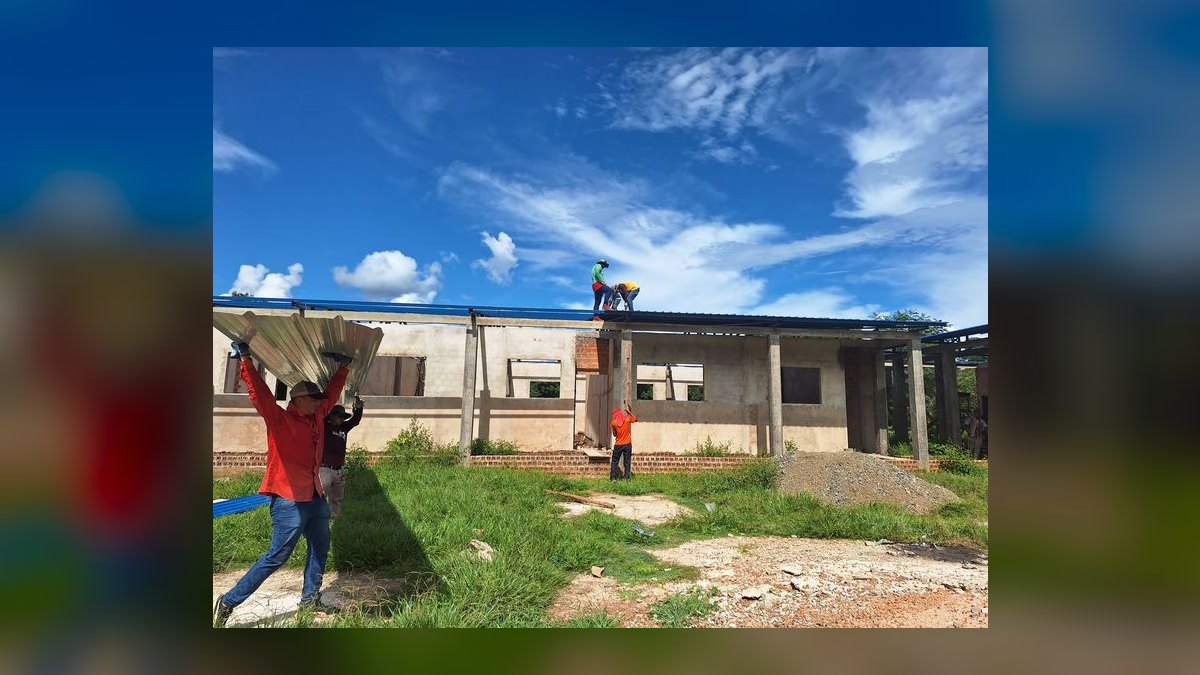
EagleView measurement reports cost roughly $25 to $90 per report in 2027 depending on plan tier and roof complexity, with premium reports at the top of that range including wall facets and penetration counts for siding and gutter scopes attached to the same job. Hover runs $30 to $65 per report but adds 3D visualization that closes 18 to 25 percent better on retail jobs because the homeowner can swap shingle colors and architectural patterns on their actual house photo before they sign. EagleView's drone capture added autonomous flight capability, and by 2027 multi facet roofs over 40 squares are measured in minutes including post storm anomaly detection that flags hail bruising the human eye misses.
The math is straightforward: a $45 EagleView report that lets your rep skip the two hour roof climb is the single best return on investment tool in the stack. Buy reports on every signed inspection, never on tire kickers, and never let a rep submit a bid without an attached measurement report PDF in JobNimbus or AccuLynx.
2.2 Xactimate, Symbility, and the insurance restoration close
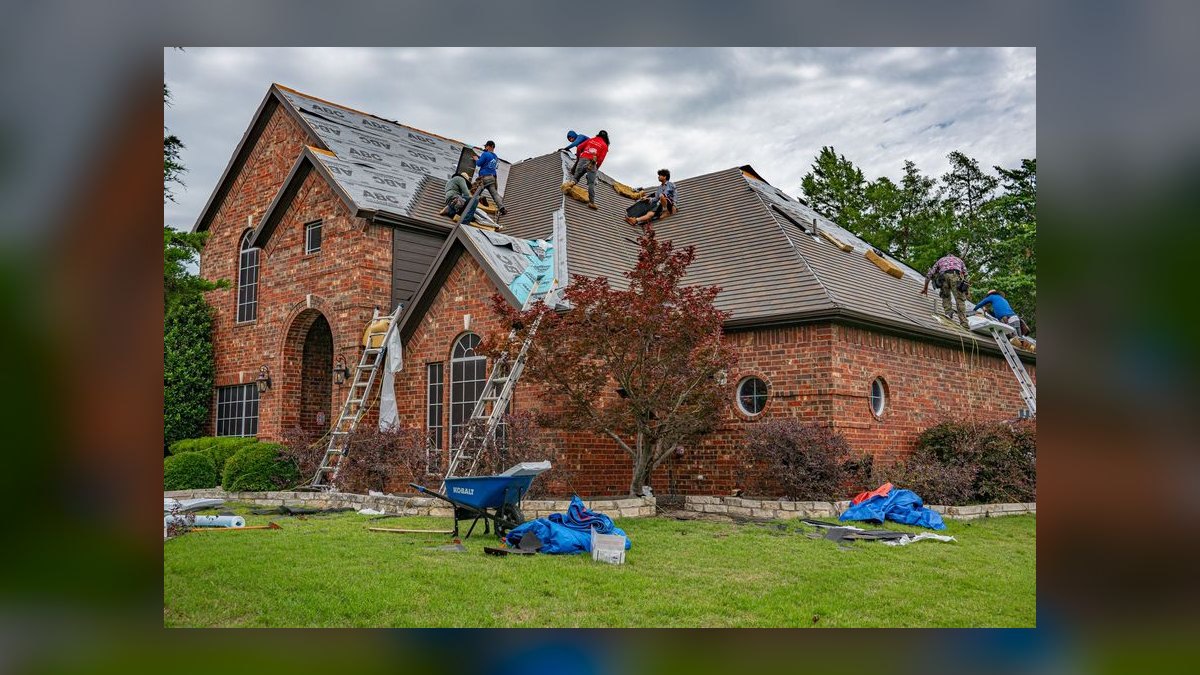
For insurance work, Xactimate (a Verisk product) runs roughly $96 per month base plus per estimate fees depending on volume tier and remains the only language insurance adjusters speak in 2027. Symbility sits at $80 to $120 per month and has narrower carrier acceptance, mostly Travelers and a handful of regional mutuals. Your insurance restoration desk needs at least one Xactimate trained estimator writing supplements, because the $1,800 to $4,500 in supplement revenue per claim is where insurance margin actually lives in 2027. Without supplements, insurance work runs 8 to 15 percent net margin; with supplements written by a trained estimator, the same job clears 22 to 28 percent net.
2.3 Retail pricing, financing, and the GreenSky close
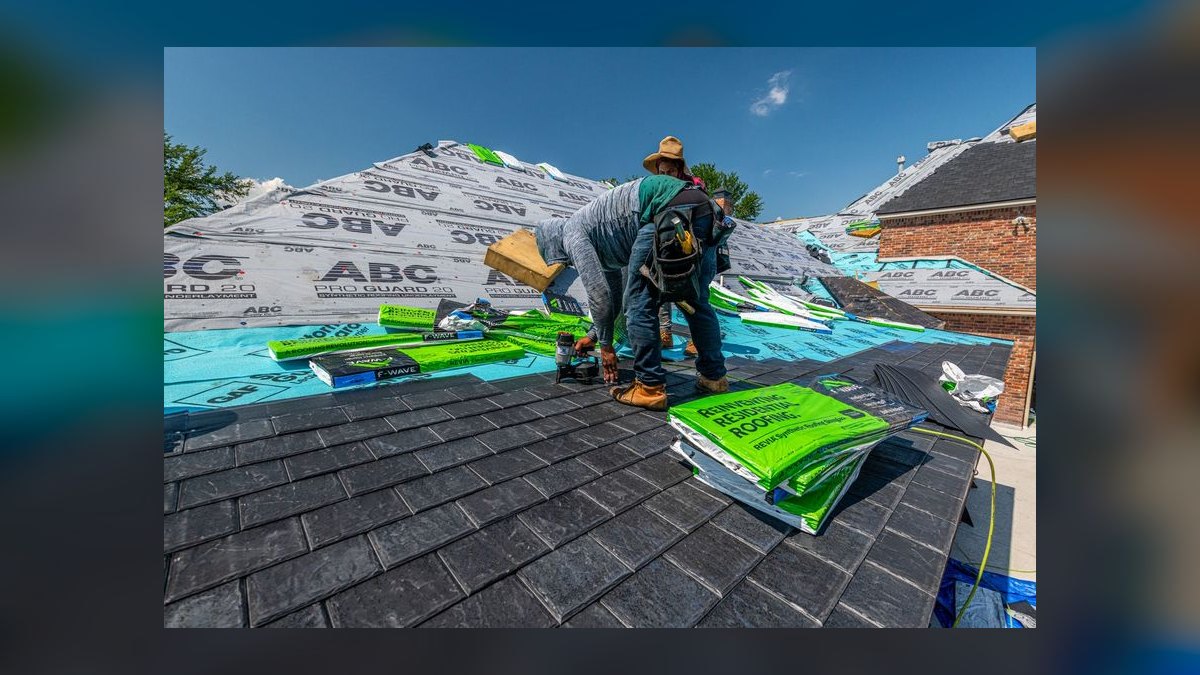
Retail re-roof tickets in 2027 run $8,000 to $25,000 with a $13,000 to $17,000 median on a 25 square architectural asphalt install. GreenSky financing carries a dealer fee per funded loan, offers promotional 0 percent financing windows, and runs standard APR thereafter. It closes 25 to 35 percent of retail jobs that would otherwise stall at the price conversation. Service Finance Company and Synchrony HOME are the other two majors. Keep at least two financing partners signed and active so you have a fallback when a customer gets declined by your primary, which happens on roughly 18 percent of submitted applications in 2027.
2.4 Commission structure: tied to collected, not signed
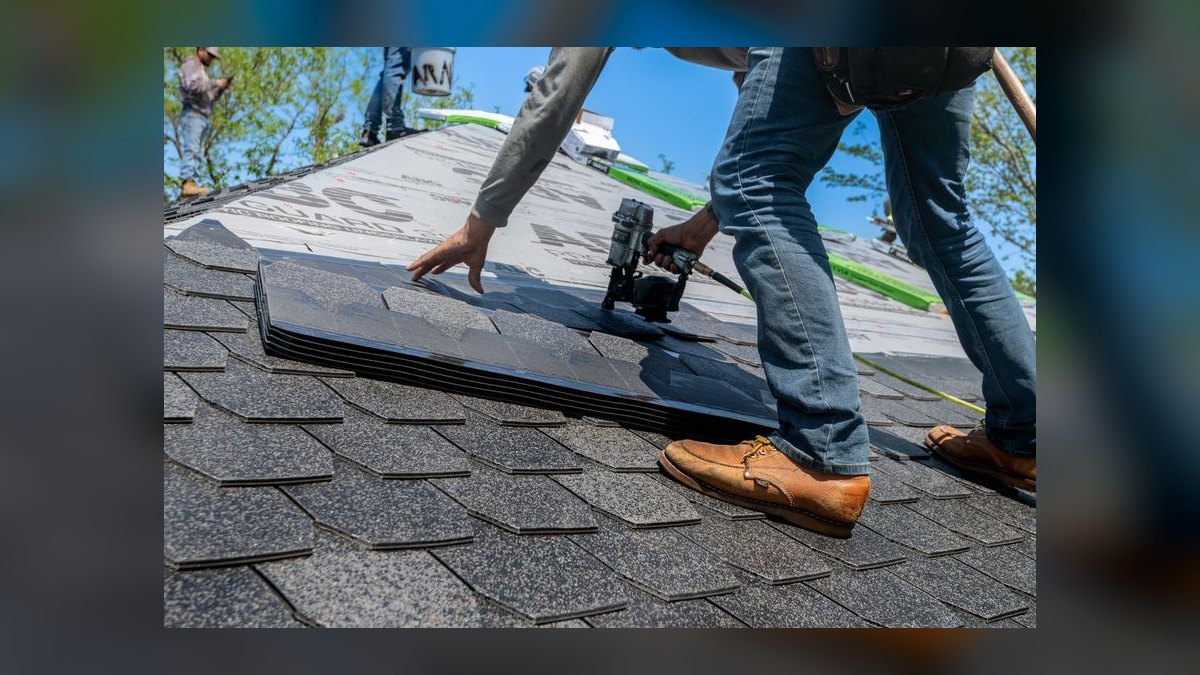
The 2027 standard for residential roofing sales reps is 8 to 12 percent of revenue on retail and 6 to 9 percent on insurance work (because the rep does not price the insurance job). Clawbacks apply on any job where final collection falls below 95 percent of contract value, and that single change eliminates the sign-anything rep who tanks your accounts receivable aging. Pay commissions twice monthly, never weekly, so the AR cycle has time to clear before the commission is earned. Print the clawback schedule on the back of every signed rep contract so there is no ambiguity when a deal goes sideways at collection.
---
3Crew and Production: The Operations Layer That Decides Margin
Sales gets the contract. Production decides whether you keep any of the money. A $14,000 re-roof with a 38 percent gross margin target has $5,320 of margin at stake, and one extra crew day of labor wipes $1,200 to $1,800 of that margin instantly. Production discipline is the single biggest variable separating shops that compound past $5 million from shops that stall at $1.8 million for a decade with no clear reason why.
3.1 Squares per crew hour: the only production KPI that matters
A range of 2.5 to 3.5 squares per crew hour is the 2027 benchmark for a 4 man crew on a 30 square walkable asphalt roof. Below 2.0 squares per crew hour and you are losing money on labor; above 3.5 and you are risking quality and warranty exposure that will cost you on callbacks 18 months later. Track this on every job in JobNimbus or AccuLynx with a start photo timestamp and a dump truck departure timestamp, then review the rolling 30 day average per crew weekly in your Monday production meeting.
3.2 Subcontractor crews versus W-2: the 2027 reality
Labor shortage in 2027 has pushed most 1 to 5 crew shops toward 1099 subcontractor crews at $45 to $65 per square for asphalt tear off and replace, and $85 to $120 per square for synthetic underlayment and architectural shingle installs that require more careful sequencing. W-2 crews add 22 to 28 percent in burden (workers comp at $8 to $18 per $100 of payroll for roofing classification depending on state) but give you scheduling control and brand consistency the subs will not. The right answer for most shops is a hybrid model: one or two W-2 lead crews handling premium retail and difficult roofs, and three to six 1099 sub crews handling volume insurance restoration where margin per job is lower.
3.3 Material strategy: ABC Supply, Beacon, SRS
The three national distributors, ABC Supply, Beacon Building Products, and SRS Distribution, control a dominant share of residential asphalt supply in 2027. GAF Timberline HDZ shingles have risen sharply in price since 2024 across most metros, with the steepest increases in Florida and Texas because of post storm restocking demand. Negotiate a single distributor preferred account with net 30 terms and a 2 to 4 percent volume rebate paid quarterly. AccuLynx's ABC Supply integration lets you push material orders straight from the estimate into the distributor system, and that is the single biggest workflow advantage AccuLynx has over JobNimbus for a shop that does $4 million plus per year.
---
4Tech Stack: What a 2027 Roofing Shop Actually Runs
The operating stack for a 1 to 5 crew residential roofer in 2027 is more contained than vendors want you to believe. Six tools run the entire business if configured right, and adding a seventh almost always creates more friction than value because each new system needs sync, training, and an owner of the integration health.
4.1 CRM and job management
JobNimbus (priced per user, bundled in 2027 into company tiers) is the flexibility play. It has a strong API, integrates with QuickBooks, EagleView, CompanyCam, and Beacon PRO+, and lets you build your own workflow rather than adapt to a roofing specific one. AccuLynx is the all in one roofing native play with ABC Supply material ordering, insurance workflows, and production scheduling built in from day one. Roofr is the upstart, with one of the best instant quote widgets in the industry, though its CRM is still maturing in 2027 and most shops use Roofr as a lead intake and quote layer in front of JobNimbus rather than as a full replacement. JobProgress rounds out the field as the mid market alternative for shops that find AccuLynx too rigid and JobNimbus too open ended.
4.2 Measurement and visualization
Use EagleView for insurance bound measurements where the carrier expects an industry standard report PDF. Use Hover for retail homeowner visualization where the close depends on the homeowner seeing their actual house in their actual colors. Use DroneDeploy for commercial flat roof inspections if you are bidding any commercial work. No shop needs all three. Pick EagleView plus Hover and you cover 95 percent of residential use cases without redundant spend.
4.3 Photo documentation and augmented reality
CompanyCam is the mandatory field photo app for warranty defensibility and insurance supplement support in 2027. Hover's design tools add augmented reality color swap for the in home close, and the homeowner who can see the new shingle color on a photo of their own house from the curb closes 18 to 25 percent better than one looking at a printed sample board. Without timestamped, geotagged photos at every job stage, you will lose $3,000 to $15,000 supplement disputes in insurance work because the adjuster will simply deny the line item with no field evidence to defend it.
4.4 Accounting and accounts receivable
QuickBooks Online Plus is the floor for any shop above $500,000 in revenue. Bigger shops add Knowify or Buildertrend for true work in progress accounting that matches revenue recognition to percent complete rather than to invoice date. Collect a 30 to 50 percent deposit at contract signing and the balance on completion. Financed jobs fund within days through GreenSky or Service Finance Company, which is the cleanest cash flow source available to a roofing shop.
This is the six-tool stack drawn as data flow. Notice that the CRM is the hub everything writes into, and accounting is the hub everything settles into. Commission is calculated off collected AR, not off the CRM's signed-contract field, which is the integration detail that keeps clawbacks honest.
---
5Retention and Referrals: The Compounding Layer
A $14,000 retail re-roof is a 20 year customer relationship if you treat it that way. The shops compounding past $5 million in 2027 are extracting $1,800 to $3,200 in lifetime referral revenue per signed homeowner over the decade after the original install, and that compounding referral base is the difference between an owner who works 70 hour weeks selling every job and an owner who runs a business that produces leads on its own.
5.1 The 5 touch post install sequence
Within 30 days of install, send a handwritten thank you card from the rep, a Google review ask automated through JobNimbus or AccuLynx, and a drone fly over photo of the finished roof delivered as a digital keepsake the homeowner will share on social. At 6 months, offer a complimentary gutter check. At 12 months, offer an annual maintenance inspection at no charge. At 24 months, mail a referral bounty postcard offering $250 to $500 cash or gift card for a referred signed job.
5.2 Google reviews are the 2027 close rate multiplier
Shops with 150 plus Google reviews above 4.8 stars close 31 to 44 percent higher on retail than shops with 30 to 50 reviews. Automate the review ask in JobNimbus or AccuLynx the moment final payment clears, not when the job is marked complete in the system. The five day window between final payment and the review ask is where homeowner satisfaction is highest and the probability of an unprompted five star review is at its peak.
5.3 Manufacturer certifications still move retail close rates
GAF Master Elite, held by a small share of GAF contractors, CertainTeed SELECT ShingleMaster, and Owens Corning Platinum Preferred drive 18 to 30 percent higher close rates on jobs above $15,000 in 2027 because they unlock enhanced manufacturer backed system warranties. The GAF Golden Pledge covers material plus workmanship for an extended term including tear off and disposal. The CertainTeed SureStart PLUS extends coverage on both materials and workmanship. The Owens Corning Platinum Protection adds extended, transferable coverage. The certification process is 6 to 18 months of paperwork and audit, so start the GAF Master Elite track in year two of operation if you want it active by year three.
---
6Failure Modes: Where 2027 Roofers Blow Up
6.1 Accounts receivable collapse on insurance work
Insurance restoration carries 45 to 90 day collection cycles that strangle cash flow if you take on three or more large claims simultaneously without a $150,000 plus line of credit in place. Cap insurance accounts receivable at 35 percent of trailing 90 day revenue or you will miss payroll the next time a carrier slow pays a complex claim with multiple supplement rounds.
6.2 Storm chaser reputation contamination
Out of state storm chasers flooding DFW, OKC, and Tampa after major hail events have made regulators and homeowners skeptical of any door knocker. Local operators in 2027 win by leading with a state issued contractor license number, five plus years of in market reviews, and a physical office address on every door hanger and yard sign. Hire only canvassers who can pass a background check and who have a local driver's license.
6.3 Climate insurance pullout
Major carriers have pulled or capped wind and hail coverage in parts of Florida, California, Colorado, and Texas through 2026 and 2027, pushing more homeowners onto state-backed insurers of last resort like Citizens Property Insurance in Florida. Restoration operators in those markets must shift mix toward retail and self pay, or chase public adjuster led claims with longer settlement cycles. A shop that was 80 percent insurance in 2022 must be no more than 50 percent insurance in 2027 if it operates in any of those states.
6.4 Labor death spiral
Trying to scale past three crews without a dedicated production manager (budget $75,000 to $110,000 W-2 in 2027) is the most common $3 million ceiling failure mode in residential roofing. The owner becomes the production bottleneck, sales stalls because the owner is in the field instead of in front of customers, and the operation either contracts back to one crew or burns out within 18 months.
---
Frequently Asked Questions
1. How much should a roofing contractor spend on marketing in 2027? Hold marketing at 5 to 8 percent of trailing 90 day revenue, weighted toward your highest-intent channel. For a retail-heavy shop that means front-loading Google Local Service Ads (where cost per acquired job lands between $330 and $1,000) before touching shared-lead platforms. Storm-heavy shops can run hotter than 8 percent during an active hail cycle because canvass acquisition costs ($80 to $180 per signed inspection) pay back inside 90 days, but they should pull spend back below the ceiling between events rather than letting paid budgets idle.
2. What is a healthy gross margin for residential roofing in 2027? Target a 38 percent gross margin floor on retail jobs and 32 percent on insurance restoration. Insurance work only reaches that floor when a Xactimate-trained estimator writes supplements, which lifts a claim from 8 to 15 percent net up to 22 to 28 percent net. If your retail jobs are clearing under 35 percent gross, the leak is almost always production labor, not pricing, since one extra crew day erases $1,200 to $1,800 of margin on a typical $14,000 ticket.
3. JobNimbus or AccuLynx, which CRM should I pick? Pick AccuLynx if you do $4 million-plus and want roofing-native insurance workflows plus ABC Supply material ordering built in. Pick JobNimbus if you value an open API and custom workflow and are comfortable integrating QuickBooks, EagleView, and CompanyCam yourself. Smaller and newer shops often run Roofr's quote widget as a lead-intake layer in front of JobNimbus rather than replacing the CRM outright. The wrong move is running two CRMs at once, because the lack of a single source of truth is what breaks commission and AR accuracy.
4. How do I compete with out-of-state storm chasers after a hail event? Lead with proof of permanence: a state contractor license number, five-plus years of in-market reviews, and a physical local office address on every door hanger, yard sign, and landing page. Canvass within the 14 day window after the storm when homeowner urgency and adjuster availability are highest, and staff only canvassers who pass a background check and hold a local driver's license. Local trust is the one advantage a fly-in chaser cannot replicate.
5. Should I pay roofing sales reps on signed contracts or collected revenue? Pay on collected revenue, not signed contracts, at 8 to 12 percent on retail and 6 to 9 percent on insurance. Attach a clawback whenever final collection falls below 95 percent of contract value and pay twice monthly so the AR cycle clears before commission is earned. This single structure removes the "sign-anything" rep whose unpaid jobs quietly wreck your receivables aging.
6. How much of my revenue should come from insurance versus retail in 2027? In stable markets a 60/40 split either direction is fine, but in states where carriers have capped or pulled wind-and-hail coverage (Florida, California, Colorado, parts of Texas), keep insurance no higher than 50 percent of revenue and build a retail and self-pay base as a hedge. Also cap insurance accounts receivable at 35 percent of trailing 90 day revenue regardless of market, because slow-paid claims with multiple supplement rounds are the fastest way to miss payroll.
---
Sources
- WebFX — Roofing Marketing Benchmarks & Performance Data
- Google — Local Services Ads for home service businesses and Local Services Ads Help
- EagleView — Roofing Measurement Reports & Products
- Verisk / Xactimate — Property Estimating Solutions
- GAF — Master Elite Contractor Program & System Warranties
- IBISWorld — Roofing Contractors in the US Industry Report
- Insurance Information Institute — Facts + Statistics: Homeowners and Renters Insurance
---
Related on PULSE
This page will be disappearing soon. Save it to your device for $1 — or read it free while it is here.
@Kory-White- · if Venmo asks, the last 4 of my number are 2012
This page is gone.
This one is off the shelf now. $1 keeps it on your phone for good — the whole page, pictures and diagrams included.
 gtm-playbookGTM Playbook for Mobile Notary Services in 2027
 gtm-playbookHow do you sequence the sales motion for a telehealth platform targeting provider groups vs. self-insured employers in 2027?
 gtm-playbookHow do you build a compliance training platform go-to-market motion in 2027?
 gtm-playbookGTM Playbook for Tax Attorneys in 2027
 gtm-playbookGTM Playbook for DJ Services in 2027
 gtm-playbookGTM Playbook for Title Insurance Companies in 2027
 gtm-playbookHow do you build the GTM playbook for a driving school in 2027?
 gtm-playbookHow do you build a payroll and benefits administration go-to-market motion in 2027?
 gtm-playbookWhat is the go-to-market playbook for category creation in 2027?
 pulse-recentWhat are the concrete steps to recruit and sign your first 10 channel partners in 2027?