


GTM Playbook for HVAC Contractors in 2027
Quality
Certified
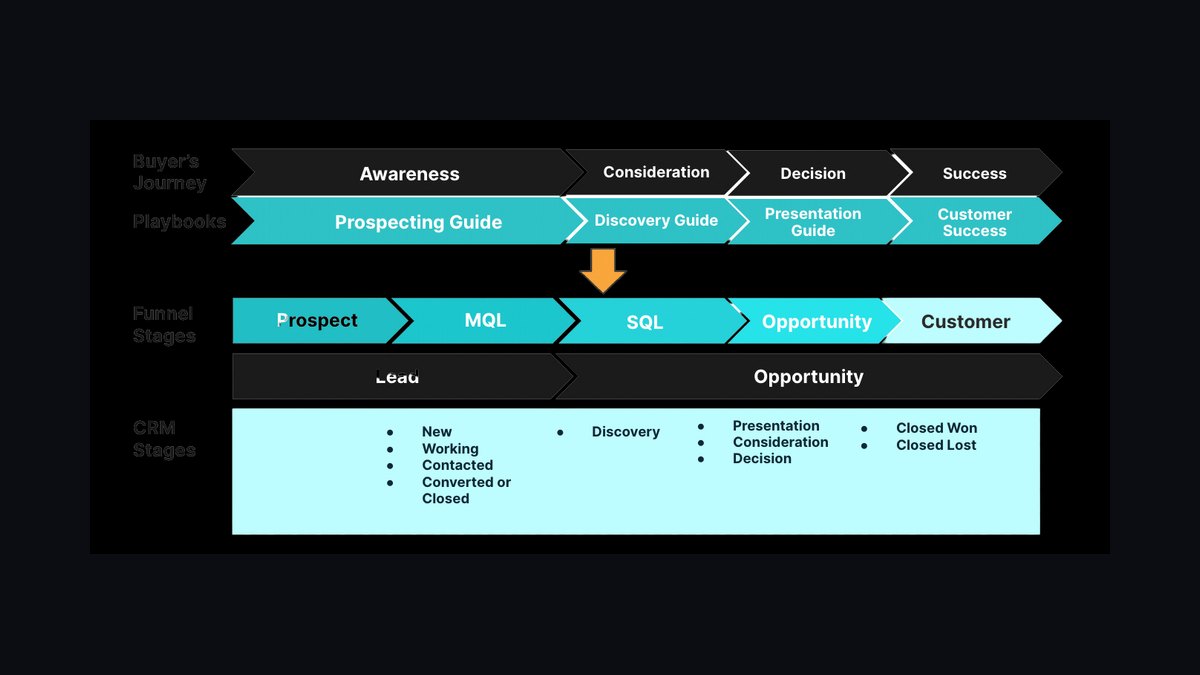
The winning 2027 GTM Playbook for a 5–30 tech HVAC contractor anchors lead gen on Google Local Service Ads plus a manufacturer dealer program, runs a 60/40 install-to-service revenue mix, attaches maintenance plans on 35%+ of tickets, prices flat-rate with an $89–149 dispatch fee, and stops churning technicians below the ~30% industry rate.
The revenue problem this playbook actually solves
Most residential and light-commercial HVAC contractors do not have a demand problem — they have a margin-leak problem, and 2027 makes every leak more expensive. The typical 10-tech shop looks profitable in July and quietly bleeds cash from October through February because it never built a service-and-maintenance floor under the install business. Pure-install operators live and die on peak-season change-outs; pure-service operators cap out around $1.2–1.8M per location. The revenue that compounds sits in the boring middle: recurring maintenance plans, correctly priced service tickets, and a change-out pipeline fed by technicians already standing in the customer's mechanical room.
The four leaks that quietly drain an HVAC contractor's revenue in 2027 are almost always the same. First, the dispatch fee is set too low ($59–79), so the shop subsidizes tire-kickers and never-close quotes. Second, phone bookings leak — industry-average phone-to-booked-job conversion runs 58–72%, and every point lost is roughly $8–14K in annual revenue per CSR seat. Third, maintenance-plan attach sits under 25%, starving the recurring-revenue engine. Fourth, technician churn above 25% means the shop is a training ground for the competitor down the street, and each lost tech costs $18–42K in recruiting, ramp, and rework. None of these are marketing problems. They are operating problems, which is exactly why disciplined operators pull away from the pack — the fixes are unglamorous and repeatable, and most competitors won't do them.

Layer in two regulatory forces that reshape the 2027 revenue equation for every HVAC contractor. The EPA AIM Act refrigerant technology-transition rule moved new residential systems to A2L refrigerants (R-454B or R-32, GWP under 700) as of January 1, 2025, with packaged systems carrying their own compliance windows. Simultaneously, IRA Home Energy Rebates (HEAR/HER) continue flowing billions through state energy offices, with per-household heat-pump rebates up to $8,000 for income-qualified installs. Contractors who fold both into their sales motion capture demand competitors leave on the table; those who ignore them mis-quote installs and lose rebate-driven heat-pump conversions.
Root-cause map: where the revenue leaks originate
Before spending a dollar on more leads, an HVAC contractor should trace the actual path a lead takes and mark where money escapes. The pattern below is the single highest-leverage diagnostic in the entire Playbook: nearly every "we need more leads" complaint is really a conversion, pricing, or attach failure downstream of a lead source that is already adequate.
Reading the map in order matters. A contractor who pours money into Local Service Ads while leaking 35% of booked-call opportunity at the CSR seat is filling a bucket with a hole in the bottom. The correct sequence is to seal leaks right-to-left: fix phone conversion and dispatch pricing first (they cost nothing and move margin immediately), then attach rate, then technician retention, and only then scale lead spend. Each sealed leak raises the return on every marketing dollar that follows.
Benchmarks and ranges every HVAC contractor should hit

Lead generation and cost per lead. Google Local Service Ads deliver $30–180 per qualified phone lead, with a median around $75–85; LSAs charge only on qualified calls (30+ second rings, in-service-area, matching service type), and the Google Guaranteed badge ranks above paid search and the map pack for the emergency no-cool/no-heat searcher. Target 35–50% LSA-to-booked-job conversion; disputing spam leads within the window drops effective cost-per-lead 15–25%. Facebook and Nextdoor produce sub-$40 cost-per-lead for maintenance signups and seasonal tune-up promotions, and Nextdoor's neighbor recommendations close at 2–3x cold paid traffic. Home-inspector referrals — paid $50–150 per closed install where legal — convert 3–4x better than cold leads and cost 20–40% of paid digital channels.
Pricing and revenue mix. Set an $89–149 dispatch/diagnostic fee. Average residential service ticket runs $350–650; residential change-outs run $7,000–18,000, with heat-pump systems trending $12–22K at IRA-qualifying tiers. Light-commercial RTU service runs $450–950 per ticket and RTU replacement $9–28K per unit by tonnage. A healthy HVAC contractor keeps 30–40% of revenue in service and maintenance and 60–70% in install — the 60/40-to-65/35 balance that produces 15–22% net margins versus the 8–12% industry median. Three-option good-better-best quotes anchor on the mid-tier (closes 55–65%); premium tier closes 15–25% and carries 38–48% gross margin versus 22–32% on base equipment.

Maintenance plans and retention. Top-quartile operators attach a plan on 35–55% of completed service tickets at $180–360 per member per year. Lifetime gross value lands at $2,400–4,800 across a 5–7 year tenure; a 10-tech shop with 2,500 members generates $450K–900K in recurring revenue plus 80–140 near-zero-CAC install leads annually. IAQ accessories (media filters, UV lights, whole-home dehumidifiers, fresh-air ventilators) run 55–72% gross margins versus 28–40% on core equipment — a 30% recommendation-to-sale rate on 15% of tickets adds $140K–280K to a 10-tech operation.
Workforce. Industry workforce groups project a persistent shortfall on the order of ~225,000 unfilled HVAC technician positions through the late 2020s. Lead-installer base pay in major metros runs $32–48/hr plus spiffs; service techs $28–42/hr base plus commission. Pay service techs 8–12% of completed-ticket revenue above base, with spiffs for maintenance-plan sales ($25–50), capacitor/surge installs ($15–30), and IAQ accessories ($50–100). Top-quartile shops hold annual churn under 12%; the ~30% industry churn concentrates in bottom-quartile-paying shops.
Phone and reviews. CSR-to-booked-job conversion should sit at 75–85%; below 65% the phone team is the bottleneck, not the lead spend. Target 150+ Google reviews per location at a 4.7+ star average. AI dispatch and capacity planning lift revenue per truck-roll 12–18% by matching ticket type to tech skill (A2L-certified, commercial-RTU-qualified, IAQ-certified) and optimizing routes; without it, a 10-tech operation leaves $80–160K/year on the table through mis-routing.
Trade-offs and the alternatives worth weighing

Manufacturer dealer programs versus brand independence. Joining Carrier Factory Authorized Dealer, Trane Comfort Specialist, Lennox Premier Dealer, or Daikin Comfort Pro unlocks co-op marketing dollars (typically 2–4% of equipment purchases), priority warranty handling, manufacturer consumer-site lead feeds, and tier badging that lifts close rates on change-outs via extended labor warranties (often 10/12-year parts versus 5-year base). The cost is real: 40–60 annual training hours, customer-satisfaction score floors around 90%+, and a single-brand bias that hurts on jobs where the homeowner already wants a competitor's equipment. Most 5–30 tech contractors resolve this by carrying two programs — one premium (Carrier/Trane/Lennox) and one mid-tier (Goodman/Daikin/Rheem) — to cover budget customers without turning away business.
Field service management platform selection. ServiceTitan ($398–749/tech/month, often lower after negotiation) dominates for 15+ tech operators running serious flat-rate pricing, dispatch optimization, and marketing analytics — its Pro Suite AI dispatch is the revenue-per-truck-roll lever. Housecall Pro ($59–279/month flat, not per-tech) wins for 2–10 tech shops wanting fast onboarding and low cost of ownership. FieldEdge ($150–330/tech/month) suits 10–20 tech books with commercial mix and best-in-class QuickBooks integration. Workiz ($65–198/tech/month) punches above its weight on SMS/IVR for 3–15 tech shops; Sera Systems and Vonigo fill the second tier; Jobber ($69–249/month flat) is the budget option but caps around 8–10 techs before reporting and dispatch limits bite. The trade-off is migration pain and per-tech cost against the reporting and automation that flat-rate pricing and AI dispatch require — under-buying stalls growth, over-buying burns cash a 6-tech shop can't justify.

Flat-rate versus time-and-materials pricing. Move to flat-rate via ServiceTitan Pricebook Pro, Profit Rhino, or Coolfront. T&M punishes your fastest, most experienced techs and rewards your slowest, and it invites price arguments at the truck. Flat-rate front-loads the pricebook work but standardizes margin, speeds the close, and lets a spiff structure actually function. The only real case for T&M in 2027 is unusual light-commercial diagnostic work where scope is genuinely unknowable — and even there, most contractors quote a not-to-exceed.
Grow-your-own versus poaching technicians. Poaching a trained tech from a competitor is fast but expensive and disloyal by design — the tech who left for you leaves you for the next $2/hr. A 6–12 month apprentice program pulling from local technical colleges (Lincoln Tech, UTI, RSI, community-college HVAC programs) at $18–24/hr starting, paired with a lead tech earning a $100–250/month mentor spiff, retains markedly better because the tech is trained on your process, software, and pricebook. The trade-off is time-to-productivity and training overhead; the payoff is the sub-12% churn that separates compounding shops from acquisition targets.
IRA rebate quoting versus straight-price selling. Training sales on rebate-stack quoting (federal IRA HEAR/HER + state rebate + utility rebate + 25C tax credit) closes more heat-pump conversions at comparable upfront pricing, because most homeowners don't know the rebates exist or miss reservation deadlines as state programs open, fill, and waitlist. The cost is the complexity of tracking program eligibility and paperwork per jurisdiction — but the contractor who owns that conversation owns the efficient-system demand.
Rollout plan: a 30-60-90 day operator sequence

The Playbook is only worth anything if it ships in the right order. Sealing free margin leaks precedes spending on growth; installing the operating stack precedes scaling the demand motion. The sequence below front-loads the zero-cost fixes and defers the capital-and-time-intensive moves to the final month.
Days 0–30 — Stop the bleed. Audit your last 90 days of CSR call recordings and calculate true phone-to-book conversion. Raise the dispatch fee to $89–129 minimum. Get every active service technician A2L-certified if they aren't already (EPA Section 608 plus A2L-specific training — refrigerant detection protocols, nitrogen purging, non-sparking tools). Audit maintenance-plan attach rate by tech. Then act on the constraint: the bottom-decile CSR or the bottom-decile tech is almost always the single limiting factor, and one honest cut resets the whole system.
Days 31–60 — Install the stack. Pick the FSM platform (ServiceTitan for 15+ techs, Housecall Pro or FieldEdge for 5–15). Migrate the pricebook to flat-rate (Pricebook Pro, Profit Rhino, or Coolfront). Launch Google LSA with the Google Guaranteed badge. Stand up Podium or Birdeye for review generation and set the 150-review / 4.7-star target. Publish a written three-tier good-better-best quote template so every comfort advisor presents the same anchored structure.
Days 61–90 — Scale the motion. Apply to the Carrier/Trane/Lennox dealer program matching your premium-equipment volume. Launch a structured apprentice program from a local trade school. Build the IRA rebate-stack quoting template (federal + state + utility + 25C). Roll AI dispatch live if you're on ServiceTitan Pro Suite. Set quarterly KPI reviews on phone conversion, plan attach rate, gross margin per install, and technician retention — the four numbers that decide whether this HVAC contractor compounds or gets acquired at a low single-digit EBITDA multiple.
Related questions

What service-to-install revenue mix should an HVAC contractor target?
Aim for 30–40% of revenue in service and maintenance and 60–70% in install/replacement. Service smooths the October–February cash-flow trough that sinks pure-install shops and feeds change-out leads, while installs carry the larger gross dollars — the balance that separates 15–22% net-margin operators from the 8–12% median.
How much should the dispatch fee be in 2027?
Charge $89–149. Fees of $59–79 subsidize tire-kickers and bleed 15–25% of gross margin on jobs that never close. Presented confidently, a higher fee signals expertise and tends to raise close rates while dropping wasted truck-rolls — waive it on completed repairs, but not on replacement quotes.
Which FSM platform fits a 10-tech HVAC shop?
For 10 techs, FieldEdge ($150–330/tech/month) suits commercial-heavy books with its QuickBooks integration, while Housecall Pro ($59–279/month flat) fits residential shops wanting low cost. ServiceTitan becomes worth its price closer to 15+ techs when AI dispatch and marketing analytics justify the per-tech cost.
What maintenance-plan attach rate signals a healthy book?
Top-quartile HVAC contractors attach a plan on 35–55% of completed service tickets. Below 25% means tech comp isn't aligned, CSRs aren't trained to upsell on confirmation calls, or the plan offer isn't differentiated. Each member is worth $2,400–4,800 over a 5–7 year tenure.
How do I reduce technician churn in a tight labor market?

Pay at or above metro market ($28–48/hr by role), align comp with base-plus-percentage and spiffs, build apprentice-to-lead career paths, and grow techs from local trade schools rather than poaching. Top-quartile shops hold churn under 12% against a ~30% industry rate and a ~225,000-tech shortfall.
FAQ
What is the typical cost per lead for Google Local Service Ads in 2027? For HVAC contractors, Local Service Ads generally run $30–180 per lead, with a median around $75–85. The range spans low-cost maintenance calls and high-value emergency no-cool/no-heat leads. Because LSAs charge only on qualified calls and the Google Guaranteed badge ranks above paid search and the map pack, disciplined operators who dispute spam leads and answer fast see effective cost-per-lead fall 15–25%.
How much recurring revenue can a maintenance plan generate per member? A well-structured plan brings in $180–360 per member per year for single-system residential coverage — typically two seasonal visits, a 10–20% repair discount, and front-of-line scheduling. Over a 5–7 year tenure, lifetime gross value lands around $2,400–4,800 once you count higher repair frequency, better change-out conversion, and referrals. A 2,500-member book on a 10-tech shop is $450K–900K of recurring revenue plus a near-zero-CAC install pipeline.
What service handles dispatch and field service management best? The leading platforms are ServiceTitan ($398–749/tech/mo) for 15+ tech operations, Housecall Pro ($59–279/mo flat) for 2–10 tech shops, FieldEdge ($150–330/tech/mo) for commercial-heavy 10–20 tech books, and Workiz ($65–198/tech/mo) for SMS/IVR-driven 3–15 tech shops. Sera Systems, Vonigo, and Jobber fill out the field. Most now offer AI dispatch that lifts revenue per truck-roll 12–18% by matching ticket type to tech skill.

How does the A2L refrigerant transition affect an HVAC contractor? Under the EPA AIM Act, new residential systems moved to R-454B or R-32 (GWP under 700) as of January 1, 2025, with packaged systems on their own compliance deadlines. Every servicing tech needs EPA Section 608 plus A2L-specific training — refrigerant detection protocols, nitrogen purging, non-sparking tools, and A2L-rated recovery machines and manifolds. Contractors who skipped certification risk mis-quoting installs, voiding warranties, and liability exposure.
How do IRA heat-pump rebates factor into the sales motion? Billions in IRA Home Energy Rebates (HEAR/HER) keep flowing through state energy offices, with per-household heat-pump rebates up to $8,000 for income-qualified installs. Most homeowners don't know the rebates exist or miss reservation deadlines as state programs open and waitlist. Contractors who train sales on rebate-stack quoting — federal + state + utility + 25C tax credit — close meaningfully more heat-pump conversions at comparable upfront pricing.
What net margin should a disciplined HVAC contractor expect? Operators who execute above median benchmarks — 35%+ plan attach, sub-15% tech churn, 75%+ CSR conversion, and 38–48% install gross margin on premium tiers — build 15–22% net-margin businesses versus the 8–12% industry median. Those margins compound and command premium sale multiples; shops that skip the boring operating discipline become acquisition targets at low single-digit EBITDA multiples.
Sources
- ACHR News (Air Conditioning, Heating & Refrigeration News) — HVAC industry trends, contractor benchmarks, and A2L refrigerant transition coverage
- ACCA — Air Conditioning Contractors of America — technician workforce data, contractor surveys, and best-practice operator guidance
- HVACR Business Magazine — operator benchmarking and gross-margin / net-margin industry studies
- ServiceTitan Resources & Industry Reports — call-conversion, dispatch optimization, and FSM platform benchmarks
- AHRI — Air-Conditioning, Heating, and Refrigeration Institute — equipment shipment data and refrigerant transition timelines
- U.S. EPA — HFC Reduction & AIM Act Technology Transitions — A2L refrigerant rules and EPA Section 608 certification
- U.S. DOE — Home Energy Rebates (IRA HEAR / HER) — federal heat-pump rebate allocation and state program administration
Related on PULSE
- How do you build a vertical SaaS for HVAC and plumbing contractors go-to-market motion in 2027?
- GTM Playbook for Concrete Contractors in 2027
- GTM Playbook for Fencing Contractors in 2027
- GTM Playbook for General Contractors in 2027
- GTM Playbook for Roofing Contractors in 2027
- How do you build a vertical SaaS for general contractors (Procore competitor space) go-to-market motion in 2027?
This page will be disappearing soon. Save it to your device for $1 — or read it free while it is here.
@Kory-White- · if Venmo asks, the last 4 of my number are 2012
This page is gone.
This one is off the shelf now. $1 keeps it on your phone for good — the whole page, pictures and diagrams included.
 gtm-playbookGTM Playbook for Plumbing Services in 2027
 gtm-playbookWhat is the go-to-market playbook for a land-and-expand motion in 2027?
 gtm-playbookHow do you build a compliance training platform go-to-market motion in 2027?
 gtm-playbookHow do you build a distribution and wholesale ERP go-to-market motion in 2027?
 gtm-playbookBakery GTM Playbook 2027 — Wholesale Layer, Custom Cakes, and the $1.8M Independent Operator Path
 gtm-playbookGTM Playbook for Concrete Contractors in 2027
 gtm-playbookWhat is the go-to-market playbook for community-led growth in 2027?
 gtm-playbookGTM Playbook for Title Insurance Companies in 2027
 gtm-playbookFractional CRO Services GTM Playbook 2027 — MEDDPICC + Agentforce + AI-Augmented Sales and the 8M Pavilion Operator Path
 gtm-playbookHow do you choose between a direct sales and a partner-led go-to-market motion in 2027?