


GTM Playbook for Optometry Practices in 2027
Quality
Certified

An independent optometry practice in 2027 grows by running three connected engines: a medical eye-care clinic billed to Medicare and major medical, a controlled-volume routine exam line billed to vision plans, and a curated optical that captures most post-exam prescriptions. Shifting chair time toward medical and specialty work raises revenue per visit well above routine reimbursement.
The go-to-market motion in one picture
Most optometry go-to-market plans fail because they are drawn as a marketing funnel — awareness, consideration, booked exam — when the actual economics live downstream of the exam. The exam is the cheapest thing you sell. What determines whether a practice clears roughly $900K on one doctor or stalls at $550K is what happens in the twenty minutes *after* the refraction: whether the patient is routed into a medical follow-up, a specialty fit, an annual contact lens supply, or straight out the door with a paper prescription and a phone already open to a discount eyewear site.
So the right way to picture the motion is as a routing diagram, not a funnel. A new patient enters from one of a handful of channels — local search, an online-booking marketplace, a social ad aimed at a specific clinical problem, a school screening, or a referral from another provider. Each of those doors delivers a materially different patient. Search and referral patients arrive with intent and a problem; marketplace patients arrive with a vision plan and a price expectation. That difference shows up not in show rate but in optical capture and in willingness to accept a medically necessary follow-up.
Once inside, the patient hits a triage decision that the front desk and the technician largely control before the doctor ever walks in. Does this visit have a medical component — dry eye symptoms, lid disease, diabetes, family history of glaucoma, a complaint that is genuinely pathology rather than blur? If yes, the visit is coded and billed medically, and the eye-health work that follows is reimbursed at a multiple of a routine refraction. If no, it is a vision-plan exam, and the practice's return depends almost entirely on what the optical does next.

The third layer is the one owners underinvest in: recurring revenue. A myopia management child, an annual contact lens supply patient, a scleral wearer, and a dry eye patient on a maintenance cadence are all *subscriptions* with clinical justification. They fill the schedule twelve months out without any new acquisition cost. A practice that converts even a modest share of its pediatric and contact lens panel into program patients changes its cash flow profile permanently.
Read that loop carefully: the only edge that scales without spending money is the recall arc at the bottom. Everything at the top costs cash or effort per patient. This is why acquisition-first optometry marketing so often disappoints — the practice buys new patients into a leaky loop, and the loop returns them to the market instead of to the schedule. Adjacent owner-operator clinics face the same structure. A dental practice fighting hygiene reappointment rates, a veterinary clinic managing wellness plans, and an audiology office chasing hearing aid recheck compliance are all solving the identical geometry with different clinical vocabulary.
The practical implication is a sequencing rule that holds across almost every practice I would advise: fix the bottom of the diagram before you spend on the top. If recall and optical capture are weak, incremental new patients leak out at the same rate as the existing panel, and the marketing spend simply enlarges the leak.
Who owns what across the revenue org
A small practice does not have a revenue org on paper, but it has one in fact. Six functions exist whether or not anyone has the title, and the most common operational failure is that two or three of them are silently assigned to the same overloaded person — usually the owner.

Front desk and insurance verification. This is the highest-leverage underpaid seat in the building. The person here decides, before the visit, whether the practice knows the patient's medical *and* vision coverage, whether the chief complaint has been captured in a way that supports medical billing, and whether the appointment type matches the chair time reserved. Practices that split verification from check-in — one person answering the window, another working tomorrow's schedule in the back — see fewer surprise write-offs and fewer visits that get downgraded to routine because nobody asked the right intake question. Wage ranges in most markets sit in the high teens to mid-twenties per hour, and the split role pays for itself in recovered medical claims.
Technicians and paraoptometrics. The tech ratio is the single most reliable predictor of exam throughput. A doctor doing their own pretesting, history, and imaging is spending a meaningful slice of every hour on work that a certified paraoptometric can do at a fraction of the cost. Top-performing practices run roughly two techs per doctor; single-tech practices tend to hard-cap around fourteen exams a day no matter how efficient the doctor is. When an owner asks whether to hire a second doctor, the honest answer is usually "hire the second tech first, then re-measure" — the tech is cheaper, faster to onboard, and frequently unlocks enough capacity to defer the associate decision by a year.
The optician and dispensary lead. This person owns frame board curation, tiered pricing, the handoff script from exam chair to optical, and remake rates. Compensation typically pairs an hourly base in the twenties to low thirties with a small optical commission. The commission structure matters more than the rate: commission on total optical revenue encourages upselling into unhappy patients and remakes, while commission tied to captured prescriptions plus low remake rate encourages the behavior you actually want.
The doctor. Clinical care, obviously — but also the specialty program design. Whether the practice offers myopia management, scleral lenses, ortho-K, vision therapy, or an intensive dry eye workup is a doctor decision that determines the revenue ceiling. Doctors who delegate the business entirely to a manager tend to end up with a routine-exam treadmill, because managers optimize the schedule they were given rather than redesigning what goes in it.

Billing and revenue cycle. In a solo practice this is a part-time function or an outsourced service; past roughly two doctors it becomes a seat. The work is claim scrubbing, denial follow-up, out-of-network claim submission on the patient's behalf, and — critically — a monthly read on reimbursement by payer and by code. Practices that never look at this report discover payer erosion eighteen months late.
Marketing and community. Usually the owner plus a fractional contractor. The recurring, high-value tasks are unglamorous: keeping the Google Business Profile current with real photos and accurate hours, responding to every review, maintaining referral relationships with nearby primary care and pediatric offices, and publishing plain-language pages on the specific clinical problems the practice actually treats.
The associate doctor question deserves its own paragraph because it is where owner-operators most often misjudge the math. Associate compensation in competitive metros has been pushed upward by corporate and private-equity-backed employers who can pay above practice economics to capture geography. If your chair is overwhelmingly routine vision-plan work, the revenue an associate can generate per day is capped by that reimbursement, and a market-rate salary plus benefits plus their share of overhead can exceed what they collect. The fix is not to underpay — it is to build the medical and specialty book *before* the hire, so the associate walks into a schedule with a healthier revenue mix. A partnership track at year three is the other retention lever; without an equity path, well-trained associates are a standing acquisition target for larger groups.
Metrics, targets, and realistic ranges

Four numbers run an optometry practice. Everything else is diagnostic detail underneath them.
Annual recall rate. The share of due patients who actually come back. Typical independent practices land in the high fifties to mid sixties; strong ones reach the low-to-mid eighties. This is the highest-leverage number in the building because recall revenue carries essentially zero acquisition cost — the margin flows almost straight through. Moving a practice twenty points of recall is worth more than any realistic marketing campaign at the same spend. The mechanism is a multi-touch sequence rather than a single reminder: an email well before the due date, a text closer in, a live phone call from someone the patient recognizes, then a genuinely different outreach for lapsed patients rather than a fifth copy of the same message. Automation platforms handle the first several touches; the human call is what converts the stubborn segment.
Optical capture rate. The percentage of prescriptions written that get filled in your dispensary. Below roughly 55% you are effectively subsidizing online eyewear retailers' customer acquisition — you did the clinical work and handed the margin away. Healthy independents hold in the mid-sixties to mid-seventies. Three levers move it reliably: clear good/better/best packages so the patient is choosing between your options rather than between you and the internet, faster turnaround (an in-house edger converts a week-plus wait into a couple of days), and a warm physical handoff from chair to optical instead of a receipt slid across the counter.
Revenue per comprehensive exam. Total collections divided by comprehensive exams. This is the number that exposes payer mix without needing a payer report. Routine vision-plan exam reimbursement has been broadly flat for years while overhead has not; medical exam reimbursement for the same chair time is substantially higher. If revenue per exam is drifting down year over year while volume holds, the mix is deteriorating even if the top line looks stable.
Payer mix. What share of visits are vision plan, medical, and cash-pay specialty. A practice at 90% routine vision-plan volume has a structural ceiling that no amount of operational excellence overcomes. Shifting toward 40–55% of chair time in medical and specialty work is the single change that lifts the ceiling, and it is also what buyers price when a practice eventually sells — routine-heavy practices trade at meaningfully lower multiples than medically diversified ones.

Below those four sit the diagnostics worth reviewing monthly: no-show and cancellation rate by appointment type and by referral source; remake rate in the optical, which quietly eats optical margin; contact lens annual-supply conversion, since annual-supply patients are far more profitable across a five-year window than per-box buyers who comparison-shop mid-year; days in accounts receivable and denial rate by payer; and new-patient cost per acquisition by channel, tracked honestly rather than by whatever the vendor dashboard claims.
On specialty pricing: cash-pay services need posted, defensible prices, not quotes assembled at the counter. Dry eye workups, intense pulsed light series, myopia management annual programs, ortho-K fits, scleral fits, and vision therapy courses all price in ranges that vary substantially by region and by what technology the practice has invested in. The rule that matters more than any specific number is that the program is priced as an annual relationship — including visits, materials, and adjustments — rather than as a menu of à la carte charges the patient can decline piecemeal.
A word on how to gather these numbers: pull twelve months of data from your practice management system before you change anything. Owners consistently misremember their own recall and capture rates by ten or more points in the flattering direction. The diagnosis has to come from the database, not from impression.
Where the motion breaks down
The routine-exam treadmill. The dominant failure mode. A practice books itself full of vision-plan routine exams, feels busy, and cannot understand why the bank balance does not reflect the schedule. Flat reimbursement plus rising staff wages plus rising rent compresses the margin every year. Being fully booked at low reimbursement is not a success state; it is a trap that also removes the free capacity you would need to build anything better. The way out is uncomfortable: deliberately protect a block of chair time for medical and specialty visits even before demand exists, then generate the demand into it.

Dropping a major vision plan without a backfill. Every conference circuit produces a wave of owners who cancel their largest vision plan contract after hearing a talk about reimbursement. It can be the right decision — but only when there is already a medical and cash-specialty book to absorb the freed capacity. Without one, the practice takes an immediate double-digit volume loss with nothing filling the hole, and the recovery window is long enough that many owners reverse the decision within a year, having damaged patient relationships in both directions. Model it before you do it: what net revenue per visit do you need on the remaining chair to break even, and do you currently have a service line capable of producing it?
Competing on price with vertically integrated retail. Large optical chains and warehouse clubs price frame-and-lens combinations as traffic drivers, and several of the familiar retail brands share an owner with a major lens and frame manufacturer. That structure means their cost basis is not yours and their strategic goal may not even be optical profit. An independent practice cannot win that fight and should not enter it. The winnable ground is clinical depth, curated independent frame lines nobody else in your market carries, expert fitting and adjustment, and turnaround the online channel physically cannot match.
Late myopia intervention. Waiting until a child is significantly myopic before discussing management means the highest-value intervention window has already closed. The clinical and commercial incentives align here for once: screening progressing children early and offering a management program serves the patient and builds one of the most durable recurring revenue lines in the practice, because those families stay for a decade or more.
No medical follow-through on symptoms you already see. Practices see ocular surface disease in a large share of their adult panel and code most of it as an incidental note in a routine exam. Building an actual workflow — a symptom questionnaire at intake, defined diagnostic steps, a treatment ladder, a follow-up cadence — converts observation into appropriately billed medical care. This is the fastest medical revenue line to start because the patients are already in your chair.
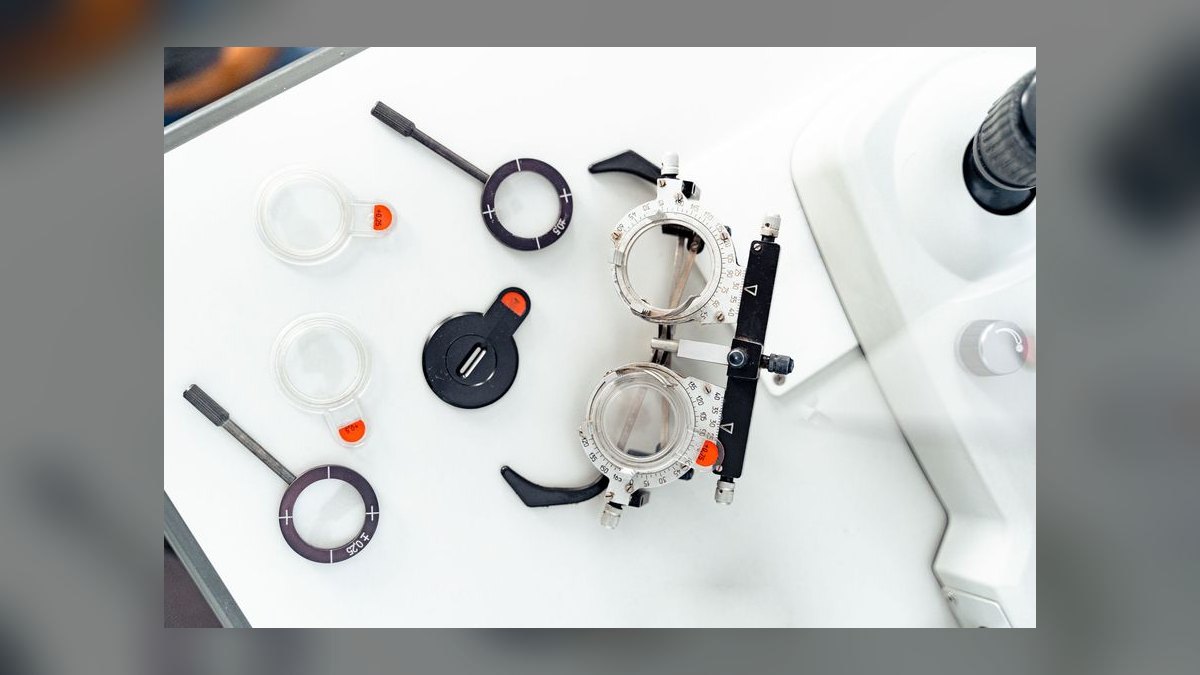
Practice management system paralysis. Switching systems is expensive and slow, and the cost climbs with every additional location and year of data. Owners who know they are on the wrong platform frequently defer the migration until the pain is acute, which is precisely when they can least afford the disruption. If you are going to move, move before you expand.
Selling on headline price rather than multiple drivers. Consolidators pay materially different multiples for the same top-line revenue depending on medical mix, doctor coverage, lease terms, and whether the practice depends on the owner personally. An owner planning an exit inside five years should be building medical mix and reducing owner-dependence now, not negotiating harder later. The same asymmetry exists in adjacent owner-operator healthcare — dental, dermatology, veterinary — where buyers price recurring clinical programs far above transactional volume.
Underinvesting in the phone. Unglamorous, and it silently caps every other improvement. Missed calls during lunch, no after-hours option, and a hold experience that pushes callers to the next search result all leak patients before any part of the motion above ever engages. Measure answer rate and abandoned calls before you buy ads.
How to sequence the build
Sequencing matters more than ambition. Owners who try to launch a specialty clinic, renovate the optical, switch software, and hire an associate in the same quarter usually finish none of it. The build works in three roughly thirty-day phases, and each phase earns the right to the next.
Diagnose first, and only diagnose. The temptation is to start fixing during week one. Resist it. Pull the twelve-month report: recall rate, optical capture, revenue per comprehensive exam, payer mix, no-show rate by source, remake rate, and days in AR. Audit your own local listing the way a patient would — search your service on a phone, look at what comes up, count your reviews and read the recent ones, check whether your hours are right and your photos are current. Map what actually integrates in your software stack and what a human is retyping between systems. Write the four numbers on a whiteboard where staff can see them. Nothing changes in this phase except that you learn the truth.

Plug leaks second. Every fix in this phase is cheap and internal, which is exactly why it comes before spending. Turn on the automated recall sequence and make sure the human call step is actually assigned to a person with time to make it. Rebuild optical pricing into clear tiers. Start submitting out-of-network claims on patients' behalf instead of leaving that revenue unclaimed. Write the dry eye workflow — intake questionnaire, diagnostic steps, treatment ladder, follow-up interval — and post cash pricing for the workup. Train the front desk on the difference between medical and vision benefits and give them literal scripting, because "your insurance won't cover that" is the sentence that quietly kills medical billing at the check-in window. Measure the same four numbers again at day sixty.
Build the growth engine third. Now spend. Launch the myopia management program with a defined protocol and annual pricing. Evaluate capital equipment only against documented demand in your own panel — count the qualifying patients before you sign a lease on a device, not after. Put referral packets in front of nearby primary care, pediatric, and ophthalmology offices, and follow up in person rather than by mail. Hire the second technician. Only after that, and only if capacity is genuinely constrained, start the associate search.
The loop back from re-measurement to the leak-plugging phase is deliberate. This is not a project with a finish line; it is an operating cadence. Quarterly, you re-pull the four numbers, find the one that regressed, and fix that. Practices that treat the Playbook as a one-time transformation drift back to baseline within about eighteen months, because staff turnover erases undocumented process. Practices that treat it as a quarterly review compound.
One adjacent note worth borrowing: this diagnose-plug-build cadence is essentially what well-run dental and veterinary groups use, and it is why multi-site operators outperform solo owners on the same clinical quality. They are not better clinicians. They just re-measure on a schedule and staff someone to care about the numbers between measurements.
Related questions
Should an independent practice drop its largest vision plan?

Only after building enough medical and cash-specialty demand to refill the freed chair time. Dropping first produces an immediate volume loss with nothing absorbing it. Model the net revenue per remaining visit you would need to break even, confirm you can produce it, then decide.
Is a second doctor or a second technician the better hire?
Almost always the technician. Techs are cheaper, onboard faster, and often unlock enough doctor capacity to defer an associate hire by a year. Hire the associate only when the schedule is genuinely capacity-constrained and the payer mix can support market-rate compensation.
How long before a medical and specialty pivot shows up in revenue?
Expect early signal within a couple of quarters on the fastest line — usually ocular surface disease, because those patients are already in your chair. A full mix shift toward 40–55% medical and specialty chair time typically takes twelve to eighteen months of consistent execution.
What is the cheapest improvement available to most practices?
Recall. It requires no new acquisition spend, uses software the practice often already pays for, and the incremental revenue carries very high margin. Answering the phone reliably is the close second — both are internal fixes that cost effort rather than capital.
Does this Playbook apply to other owner-operator clinics?
The structure transfers well to dental, veterinary, audiology, and dermatology: the same routing diagram, the same recall-and-recurring-revenue economics, the same trap of competing on price with a vertically integrated retail channel. The clinical vocabulary changes; the revenue mechanics do not.
FAQ

What is the biggest go-to-market mistake optometry practices make?
Competing on price for routine glasses and contact lenses against large retail chains and online sellers whose cost structure and strategic goals are fundamentally different. The winning move is redirecting chair time toward medical and specialty care that reimburses at a multiple of routine work and that cannot be shipped in a box.
Which medical service line should a practice add first?
Start with the one matching your existing equipment and your existing patient complaints — for most practices that is ocular surface and dry eye care, because the patients are already being seen and the workflow can be built before any capital purchase. Add a second line only after the first is running consistently.
What share of chair time should be medical and specialty?
Roughly 40–55% is a realistic target for most independent practices, though the right split depends on your local competition, referral relationships, and equipment. The direction matters more than the exact figure — if the share is rising year over year, revenue per exam follows.
How do you improve optical capture without discounting?
Give patients a structured choice inside your dispensary — clear tiers, curated frames they cannot find at a chain, expert fitting — and shorten turnaround so speed becomes a reason to buy locally. Make the handoff from exam chair to optical a warm personal introduction, never a prescription slid across a counter.
How much does the practice management system choice actually matter?
Enough that switching is a multi-month, five-figure disruption, so choose deliberately and migrate before you expand rather than after. The practical differentiators are cloud access, claims and billing strength, and whether the system has a real API for connecting patient engagement, financing, and out-of-network billing tools.
What should an owner planning to sell within five years do differently?
Build medical mix and reduce owner-dependence starting now. Buyers price recurring clinical programs, doctor coverage that does not hinge on the owner personally, and diversified payer mix far above raw top-line revenue — those changes take years to establish and cannot be manufactured during due diligence.
Sources
- https://www.aoa.org/
- https://www.reviewofoptometry.com/
- https://www.visionmonday.com/
- https://www.cdc.gov/vision-health/
- https://www.nei.nih.gov/
- https://www.cms.gov/medicare
- https://www.aao.org/
- https://www.sba.gov/business-guide
- https://www.ftc.gov/business-guidance/resources/complying-eyeglass-rule
- https://www.bls.gov/ooh/healthcare/optometrists.htm
Related on PULSE
This page will be disappearing soon. Save it to your device for $1 — or read it free while it is here.
@Kory-White- · if Venmo asks, the last 4 of my number are 2012
This page is gone.
This one is off the shelf now. $1 keeps it on your phone for good — the whole page, pictures and diagrams included.
 gtm-playbookWhat is the go-to-market playbook for developer-led growth in 2027?
 gtm-playbookMarket Research Firm GTM Playbook 2027 — Custom Quantitative + AI-Augmented Insight and the 85M Numerator Operator Path
 gtm-playbookHow do you build a climate risk analytics (Jupiter Intelligence / Cervest) go-to-market motion in 2027?
 gtm-playbookWhat is the go-to-market playbook for a partner-led (channel) motion in 2027?
 gtm-playbookSales-as-a-Service GTM Playbook 2027 — Outsourced SDR + AI-Augmented Prospecting + Clay and the 48M memoryBlue Operator Path
 gtm-playbookGTM Playbook for Kitchen and Bath Remodelers in 2027
 gtm-playbookBakery GTM Playbook 2027 — Wholesale Layer, Custom Cakes, and the $1.8M Independent Operator Path
 gtm-playbookHow do you build a compliance training platform go-to-market motion in 2027?
 gtm-playbookHow do you build a payroll and benefits administration go-to-market motion in 2027?
 gtm-playbookHow do you build an AI for customer success (Catalyst / ChurnZero) go-to-market motion in 2027?