


GTM Playbook for Auto Detailing in 2027
Quality
Certified
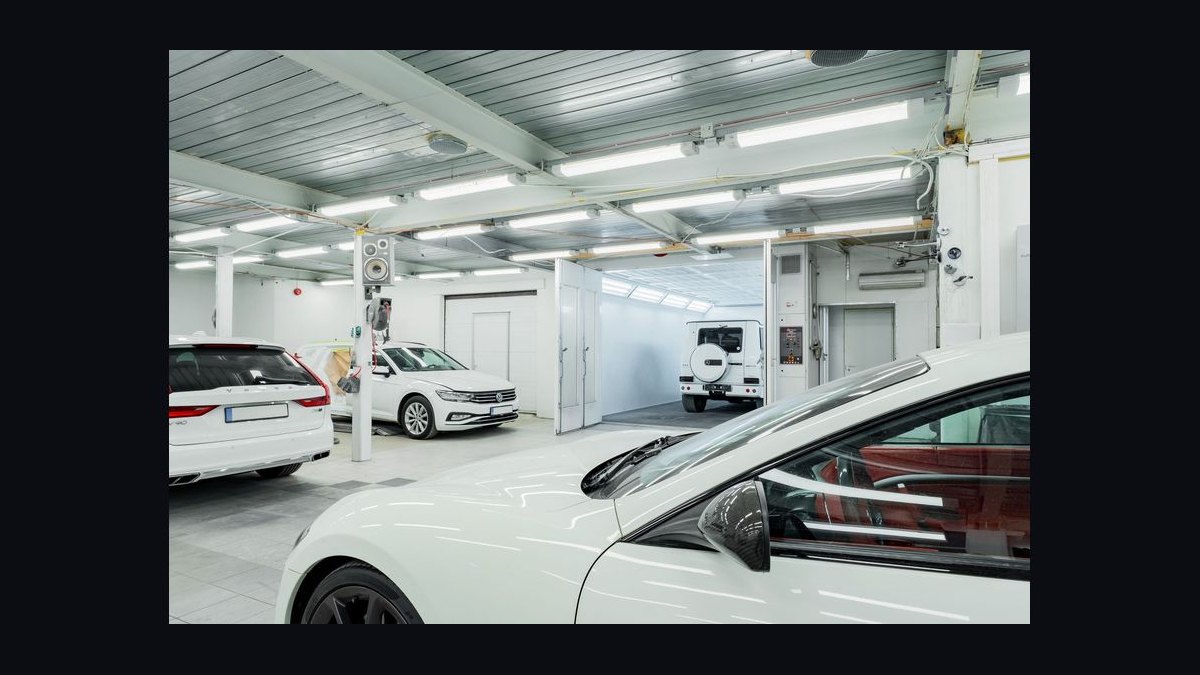
Run an auto detailing shop in 2027 as a two-revenue business: high-velocity express details at $25–$45 fill the schedule, while paint correction and ceramic coatings at $800–$2,500 carry the margin. Win with Google Local Service Ads, Jobber or Mobile Tech RX scheduling, an 18%-plus ceramic attach rate, and a $40/month maintenance subscription.
Why detailing shops stay busy and still stay broke
Most detailing shops are structurally underwater and never diagnose it, because gross activity masks broken unit economics. A shop can wash 80 cars a week, look slammed, and still clear only a thin owner wage. The reason is that express washes at $25–$45 run a healthy 55–65% gross margin but produce almost no dollar contribution per job — a great percentage on a tiny base. The actual problem is a mismatch between how customers are acquired and where the margin actually lives.
The math is unforgiving. A first-time detailing client costs roughly $85 in customer acquisition cost, and the shop needs about $255 in lifetime value to clear the standard 3:1 payback that keeps marketing solvent. A one-time express buyer who never returns generates maybe $40 of lifetime value — a guaranteed loss on every acquisition dollar spent. That is the trap: the cheap service is the only thing marketing can easily sell, and the cheap service cannot pay back its own CAC. Owners respond by buying more leads, which pours more money into the same leak.

The GTM Playbook that fixes this treats the express wash not as the product but as the funnel entry, then engineers a deliberate path from that $40 transaction toward the $800–$2,500 ceramic coating and the $40/month subscription that make the business durable. Operators who reach the $450K–$900K annual revenue band do not out-wash their competitors; they out-convert them. They pull blended acquisition cost down to $38–$55 with a tighter stack, then attach high-margin work at a documented, repeatable rate instead of hoping the customer upgrades on their own. Everything downstream — pricing, hiring, tooling, retention — exists to move a low-value acquisition toward its high-value ceiling before the relationship goes cold, which in this trade is roughly one season.
Root-cause map of where detailing revenue leaks
Before spending another dollar on acquisition, an operator should map where money leaks out of the funnel, because each leak has a different fix and the wrong fix burns a season. The dominant leaks are slow estimates (leads go cold in under an hour), no-deposit no-shows on high-ticket jobs, price-shopper churn from discount platforms, and one-time buyers who never re-book. Each is a specific, addressable failure — not a market condition you have to accept.

The map makes the priority order obvious. Speed-to-estimate is the cheapest fix and the highest-leverage one — a lead quoted inside ten minutes converts dramatically better than one that waits an hour, and the fix is a saved template plus a phone habit, not a budget line. Deposits are next: a 25% non-refundable deposit on any job over $500 drops no-show rate from roughly 18% to under 3%, and it is a three-click setting in Mobile Tech RX or Jobber. Only after those two leaks are sealed does spending more at the top of the funnel make sense, because otherwise every new lead pours into the same holes and the added spend just enlarges the loss.
Benchmarks and ranges that anchor the pricing
Real ranges matter because pricing by feel is exactly how detailing shops underprice ceramic and lose money on their best work. The U.S. detailing average ticket sits near $185, up from about $162 in 2020. Shop-only operators run roughly 12.5% net margin after rent; mobile-only operators who skip the rent line run 50–70% gross. The mobile premium is real and non-negotiable — charge about 30% above shop rates to cover windshield-to-windshield drive time, water tanks, generator fuel, and driveway-grit risk.
The 2027 menu that actually holds margin looks like this. Express exterior runs $25–$45 shop / $35–$60 mobile at 55–65% margin. Interior detail runs $80–$160 / $110–$210 at 50–60%. Full detail runs $150–$450 / $200–$585 at 45–55%. One-step paint correction runs $400–$700 / $520–$910 at 60–65%, and two-step correction $700–$1,200 / $910–$1,560 at 60–70%. Ceramic tiers carry the best margin of all: a one-year coating at $400–$800 (65–75%), a three-year coat such as Gtechniq Crystal Serum Light at $1,100–$1,800 (70–80%), and a nine-year CSL-plus-ExoV5 build at $1,800–$2,500 (70–80%). The pattern is consistent — the more the customer trusts you to touch expensive paint, the fatter the margin.

Acquisition benchmarks anchor the marketing side. Google Local Service Ads for "auto detailing near me" run $18–$32 per qualified call in mid-sized metros like Phoenix, Charlotte, Tampa, and Denver, and $45–$70 in Los Angeles, Chicago, and the New York boroughs. The Google Guaranteed badge converts at roughly 2.4x unbadged Search Ads because buyers trust the refund backstop on a service they have never purchased before. A wholesale dealer account detailing 20–40 cars a week at $85–$135 a unit can cover rent, utilities, and one technician's salary before a single retail customer arrives. EDDM postcards run about $0.21 apiece; a 2,000-piece drop costs roughly $420 and pays back several times over if it lands a single ceramic job.
Retention benchmarks close the loop. A $39–$49/month maintenance subscription shows 62–75% twelve-month retention against 18% for one-time express buyers, and an annual ceramic decontamination service at $185–$285 rebooks at 48–55% because the customer is already in the CRM. Labor sets the floor under all of it: detailing techs expect $22–$32/hour in urban markets and $18–$24 in secondary metros, and first-year churn runs high because most techs quit before they repay the 80–120 hours of training an owner invested. A base-plus-commission structure — roughly $18/hour base plus 12% of ticket for senior techs — lets a strong tech clear near $69K a year on six cars a day, which beats the competing local labor pool and is what actually retains them.
Trade-offs and alternatives worth weighing
Every lever in this detailing Playbook has a counter-move, and choosing wrong quietly caps revenue. The clearest trade-off is discount platforms versus organic acquisition. Groupon and similar channels fill the calendar fast, but they cap your addressable market at price-shoppers who rarely re-book — operator survey data puts Groupon repeat rate near 17% against 44% for organic leads. The alternative is bundling at checkout ("add interior shampoo for $99" on a $45 express wash), which lifts average ticket by roughly a third without ever training a customer to expect a coupon. Bundle up; do not discount down.
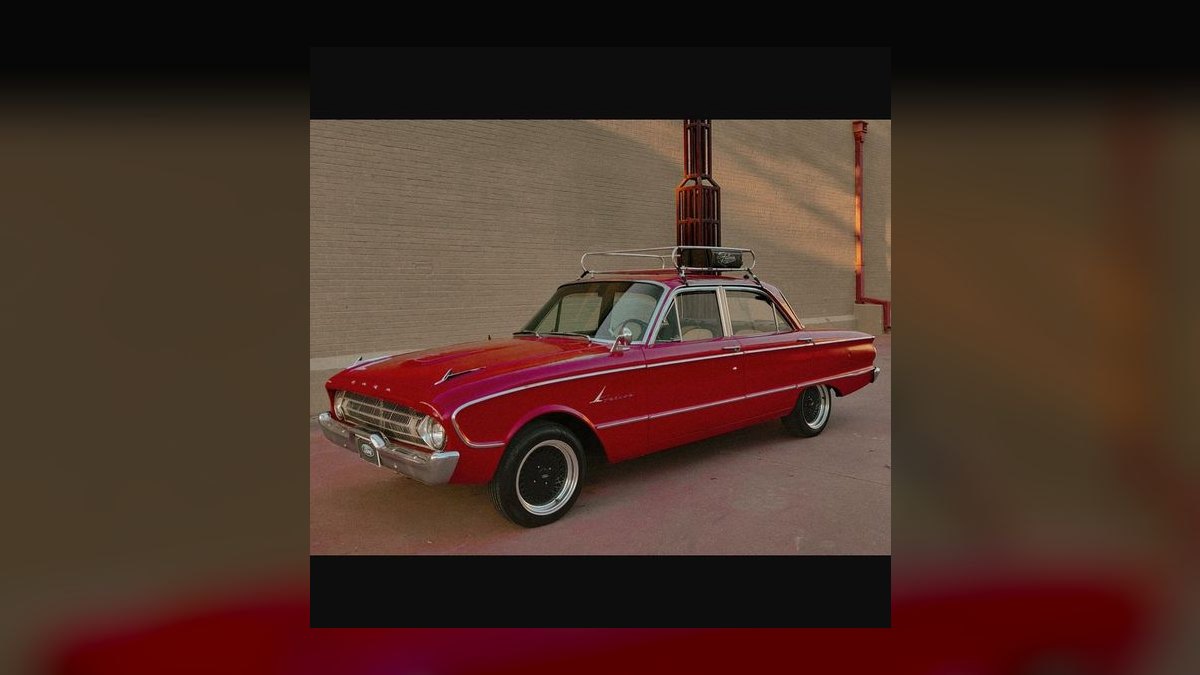
The mobile-versus-shop decision is the second major fork. Mobile carries no rent, so gross margins run 50–70%, but it caps daily throughput at drive time and cannot host the controlled, dust-free environment a nine-year ceramic install really wants. A fixed shop adds a rent line and drops net margin toward 12.5%, but it enables higher ceramic volume, dealer wholesale recon work, and a subscription wash bay. Many operators run a hybrid: mobile for correction and coating at the client's garage, a small shop bay for subscription washes and dealer recon that keeps the calendar full.
Ceramic tiering is where the sharpest trade-off hides. Selling ceramic at $450 "to stay competitive" is a loss after eight hours of labor, roughly $95 of Gtechniq product, $30 of consumables, and commission — the operator breaks even at best and eats the warranty risk for free. The alternative is to floor the nine-year coating near $1,800 and walk away from price-shoppers, using product names customers already recognize (CarPro Cquartz UK, Gtechniq Crystal Serum Light, Gtechniq CSL-plus-ExoV5) so the quote matches the YouTube reviews they watched before booking. Selling a named chemistry closes deals that generic "ceramic coating" never will.
The tooling stack is a build-versus-buy decision with a real crossover point. A shop under $250K in revenue can survive on Square and a spreadsheet. Past $250K or three employees, that same setup leaks $30K–$60K a year to billing errors and missed receivables, so moving to Mobile Tech RX or Jobber plus QuickBooks stops being optional. Mobile Tech RX ($30–$59/month) is the mobile-detailer favorite; Jobber ($39–$119/month) wins for multi-truck route optimization; Detail Pro ($49–$99/month) dominates the high-end ceramic segment with VIN decoding and warranty registration. Insurance is the trade nobody weighs until it ends the business: basic liability will not cover a scratch claim on a $140K EV, so garage keepers ($50K–$100K per vehicle), general liability ($1M), commercial auto, and pollution liability together (roughly $1,800–$3,500/year) are the true cost of touching customer cars.
Ninety-day rollout for a new or repositioning operator

The rollout sequences the fixes so credentials and the booking machine exist before a dollar of demand spend, then layers demand, then layers the recurring-revenue levers that make the auto detailing business durable. Compressing this into 90 days is realistic if marketing spend stays off until the machine is actually live.
Days 1–30 build the foundation with zero marketing spend. Bind insurance (commercial auto, garage keepers, general liability). Stand up Mobile Tech RX or Jobber with saved templates for express, full, and ceramic services so estimates go out in minutes. Open the Google Business Profile, claim Apple Maps, register Google LSA, and clear the background check. File for the IDA Certified Detailer credential, because customers Google "IDA certified detailer [city]," and the cert wins the $1,800–$2,500 jobs from the uncertified shop down the street. Build a six-photo before/after Reel template. The single goal of month one is a booking machine plus credentials — nothing more.
Days 31–60 build demand. Visit fifteen used-car dealerships with a printed sheet and a 90-second pitch (drop off Monday, pick up Friday). Drop 2,000 EDDM postcards into the highest home-value ZIP within eight driving minutes. Start Google LSA near $1,500/month with separate budgets for express, full-detail, and ceramic so coating leads do not drain the express budget. Post three Reels a week tagged with vehicle hashtags, because enthusiast owners write the four-figure correction checks. Wire an SMS review request to auto-fire within fifteen minutes of payment — request-to-review rates drop about 62% after the first hour. Target by day 60: roughly 80 retail customers plus one or two active dealer accounts.
Days 61–90 install the scale levers that convert the funnel into recurring revenue. Launch the $39–$49/month maintenance subscription and hand-migrate the 25 best repeat customers in. Hire one senior tech on base plus commission. Introduce three ceramic tiers (one-year, three-year Gtechniq CSL, nine-year CSL-plus-ExoV5) at roughly $800 / $1,500 / $2,400. Move the books to QuickBooks Online and payroll to Gusto once headcount hits three. The day-90 goal: $28K–$42K monthly revenue, an 18%-plus ceramic attach rate, and 50-plus paid subscribers — the base that carries the shop into the $450K–$900K owner-income band by year three.
Related questions
How much can an auto detailing shop realistically earn in 2027?
Established operators land in the $450K–$900K annual revenue band by year three, driven mostly by service mix. The earners balance high-volume express work that fills the calendar with ceramic and correction packages that carry the margin, then layer subscription recurring revenue on top rather than chasing raw wash volume.
What ceramic coating attach rate should I target?
Top shops attach ceramic on 18%-plus of jobs — at least 18 of every 100 vehicles take an $800–$2,500 package. Sell named chemistries like Gtechniq and CarPro, floor the nine-year tier near $1,800, and pitch the coating during full-detail checkout when the paint is already corrected and gleaming.
Which software should a detailing shop actually run?

Mobile Tech RX ($30–$59/month) suits mobile operators; Jobber ($39–$119/month) wins on multi-truck routing; Detail Pro handles high-end ceramic with VIN decoding and warranty registration. Add QuickBooks and Gusto past three employees. Below $250K revenue you can survive on Square, but not above it.
How do I stop losing money on no-shows?
Take a 25% non-refundable deposit on every job over $500 with a 48-hour reschedule window. It drops no-show rate from 18–24% to under 3% and is a three-click checkout setting in Mobile Tech RX or Jobber — a no-show on a $2,500 ceramic slot is an $1,800 margin loss.
Is mobile or a fixed shop better in 2027?
Mobile skips rent and runs 50–70% gross margin but caps throughput and dust control. A shop adds rent (net near 12.5%) but enables ceramic volume, dealer wholesale, and a subscription bay. Many operators run a hybrid: mobile for coatings, a small bay for subscriptions and dealer recon.
FAQ
How much can I realistically earn with an auto detailing shop in 2027?
Owners typically range from $450K to $900K annually depending on location and service mix. The determining factor is a two-revenue model: lower-priced express work fills the calendar and feeds the funnel, while premium paint correction and ceramic coating packages drive the profit that funds owner income and reinvestment.
What are the best tools for managing bookings and routes?
Most successful shops use Mobile Tech RX or Jobber for invoicing, scheduling, and route optimization, with Detail Pro favored in the high-end ceramic segment. These platforms integrate payments and deposits, cut administrative overhead, and matter most for mobile operators juggling multiple jobs across a metro each day.

How do I attract new customers without overspending on ads?
Google Local Service Ads are the most cost-effective channel because they charge per qualified lead and carry the Google Guaranteed badge that converts skeptical first-time buyers. Pair LSA with a complete Google Business Profile, a $25-give-$25-get referral credit, and dealer wholesale outreach to keep blended acquisition cost near $38–$55.
What's a realistic attach rate for ceramic coatings?
Top-performing shops attach ceramic coatings on 18%-plus of total jobs — at least 18 of every 100 vehicles take an $800–$2,500 package. That single number moves average transaction value and margin more than any acquisition tactic, which is why the whole funnel is engineered to surface coating candidates at checkout.
How do I turn one-time customers into recurring revenue?
Launch a $39–$49/month maintenance-wash subscription with a hand wash and interior wipe-down twice a month, auto-billed each cycle. It converts occasional clients into predictable monthly revenue with 62–75% twelve-month retention, and an annual ceramic decontamination service adds a second recurring touch at a 48–55% rebook rate.
What's the biggest mistake new detailing shop owners make?
Competing on price and neglecting the two-revenue model. Owners who chase only cheap express washes never clear their $85 acquisition cost, and those who over-invest in premium work without steady low-cost volume starve for cash flow. Balancing both — and pricing ceramic to actually profit — is what sustains growth.
Sources
- International Detailing Association (IDA) — https://the-ida.com
- Jobber Academy: pricing and detailing benchmarks — https://www.getjobber.com/academy/
- Mobile Tech RX — https://www.mobiletechrx.com
- Detail King training and pricing resources — https://www.detailking.com
- Gtechniq professional coatings — https://www.gtechniq.com
- CarPro coatings and product line — https://www.carpro.com
- NEXT Insurance small-business policies — https://www.nextinsurance.com
- Google Local Services Ads — https://ads.google.com/local-services-ads/
- Stripe payments pricing — https://stripe.com/pricing
Related on PULSE
- Mobile Detailing GTM Playbook 2027 — Route Density, Fleet Sales, and the Owner-Operator
- GTM Playbook for Auto Glass Repair in 2027
- GTM Playbook for Auto Body Shops in 2027
- GTM Playbook for Local Auto Repair Shops in 2027
- How do you build the GTM playbook for an auto body shop in 2027?
- How do you build a vertical SaaS for auto dealers go-to-market motion in 2027?
This page will be disappearing soon. Save it to your device for $1 — or read it free while it is here.
@Kory-White- · if Venmo asks, the last 4 of my number are 2012
This page is gone.
This one is off the shelf now. $1 keeps it on your phone for good — the whole page, pictures and diagrams included.
 gtm-playbookHow do you build a livestock management software go-to-market motion in 2027?
 gtm-playbookBakery GTM Playbook 2027 — Wholesale Layer, Custom Cakes, and the $1.8M Independent Operator Path
 gtm-playbookHow do you build a procurement and spend management go-to-market motion in 2027?
 gtm-playbookGTM Playbook for FinTech — The Complete Operator Guide in 2027
 gtm-playbookThrift Store Chain GTM Playbook 2027 — Donation Network + ShopGoodwill + AI-Augmented Sortation and the .4B Goodwill Operator Path
 gtm-playbookHow do you build the GTM playbook for a DTC cosmetics brand in 2027?
 gtm-playbookHow do you build a court and case management software go-to-market motion in 2027?
 pulse-recentGTM Playbook for Specialty Retailers — Niche Assortment, Local SEO, and the Cluster Strategy in 2027
 gtm-playbookHow do you build a compliance training platform go-to-market motion in 2027?
 gtm-playbookWhat is the go-to-market playbook for developer-led growth in 2027?