


GTM Playbook for Videography Services in 2027
Quality
Certified

A profitable 2027 videography services business clears $180K–$420K in revenue off a mix of 40–60% weddings at $3,200–$6,800 per booking, 25–35% corporate at $1,400–$4,200 per day, and 10–25% real estate at $250–$650 per listing, with Part 107-certified drone work adding 18–22% gross margin on top. Owner-operators who win in 2027 stop selling minutes of footage and start selling deliverable bundles (highlight + ceremony + raw drive + social cutdowns) priced for the channel the couple or marketer will actually post to. The single biggest 2027 shift: short-form social cutdowns now drive the majority of inbound wedding leads and most corporate retainers, so any package without 9:16 vertical deliverables is leaving $700–$1,400 per booking on the table.
1Customer Acquisition — Where Real 2027 Bookings Come From

1.1 The 2027 Lead Mix (Stop Over-Paying The Knot)

Couples in 2027 source videographers in roughly this order: Instagram Reels and TikTok, referrals from planners and photographers, The Knot or Zola, Google search, then direct website. Paid listings on The Knot Pro run $4,200–$8,400/year in major metros and convert in the low single digits — a $6,000 listing that produces eight bookings at $4,500 still pays for itself, but only if the portfolio video on the listing is a 45-second vertical edit, not a 4-minute horizontal highlight. Most operators over-spend on directory listings and under-spend on planner relationships.
1.2 Planner & Photographer Referral Engine

The cheapest channel is the planner relationship — not a cash kickback, but a complimentary 60-second teaser of every planner's event delivered within 48 hours so they can post it first. Three to five active planners feeding you steadily can be worth $80K–$140K/year with zero ad spend. Pair each planner with a shared Frame.io review link so they can pull stills and cuts for their own marketing without asking. Photographer partnerships matter equally — a duo-pricing bundle ("book us both, save $400") closes far more reliably than a solo pitch, because the couple solves two vendor decisions at once.
1.3 Social Proof That Actually Books

Post three vertical reels per week: one fresh wedding teaser, one behind-the-camera B-roll clip, one client reaction quote-card. Operators who hold that cadence build a compounding inbound-DM pipeline within two quarters. Your Reels saved-count matters more than likes — saved reels get forwarded to fiancés and planners, which is where booking inquiries originate. Pin a price-anchor reel ("This is what our $4,800 collection looks like") to your grid to pre-qualify inquiries and cut wasted discovery calls.
1.4 Corporate & Real-Estate Channels Are Different

Corporate clients come from LinkedIn outreach (5–10 personalized DMs/day to marketing directors) and from commercial real-estate agent networks. Real-estate listings come from 3–5 anchor agents who shoot 6–12 listings/month each — find them through Zillow Premier Agent rankings in your zip code and pitch a bundled monthly retainer at $2,400–$3,800/month for unlimited listings, which beats per-listing pricing for both sides.
2Pricing — 2027 Package Math That Actually Profits

2.1 Wedding Package Tiers

The 2027 wedding floor is roughly $2,800 for a 6-hour solo-shooter package with a 4-minute highlight delivered in 6 weeks. Mid-tier $4,500–$5,200 packages add a second shooter, drone aerials, ceremony full-cut, toasts full-cut, and a 60-second social teaser. Premium $6,500–$8,400 packages add a same-day teaser delivered before the reception ends, raw drive backup, an engagement film, and 8mm super-grain B-roll. National median wedding-video spend still sits well below those mid-tier numbers, which is exactly why most markets are under-served — and why metros like Austin, Nashville, and Charleston now support $4,100+ medians.
2.2 Corporate Day-Rate Math

Solo corporate shooters charge $1,400–$2,200/day; mid-tier 3–7 year operators bill $2,400–$3,600/day; senior cinematographers with owned Sony FX3 + DJI Ronin 4D packages charge $3,800–$5,500/day. Editing is billed separately at $80–$140/hour with a 3:1 to 8:1 edit-to-shoot ratio depending on cut complexity. Always quote shoot + edit together — clients who only buy the shoot day churn far faster than clients who buy a finished-deliverable bundle, because the deliverable is the thing they actually needed.
2.3 Real-Estate Per-Listing Pricing
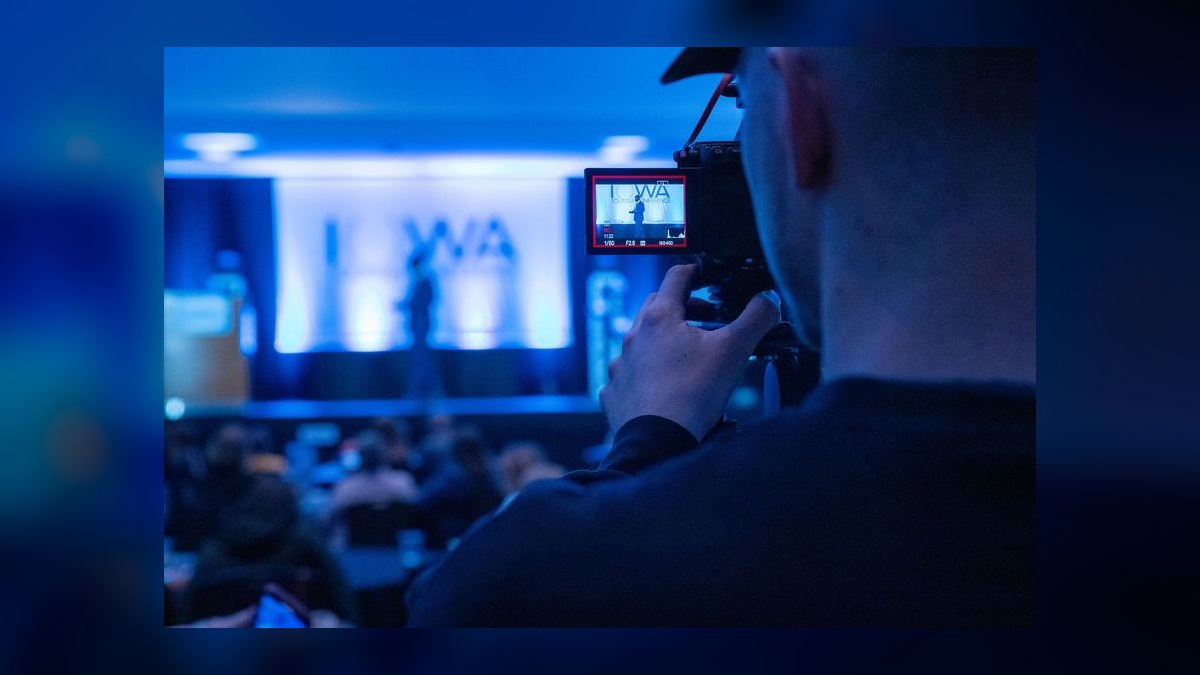
Standard tiers in 2027: $275 for a 2-minute walkthrough with no drone, $450 with drone exteriors and a basic music edit, $750 for an agent-led tour with voiceover script, $1,200+ for luxury cinematic with twilight aerials and gimbal moves. A drone-only add-on runs $150–$225 per listing. Listings with cinematic video reliably sell faster and support stronger list-to-close ratios — that performance gap is your upsell script to agents who balk at the $750 tier.
2.4 Deposit, Retainer, And Refund Policies
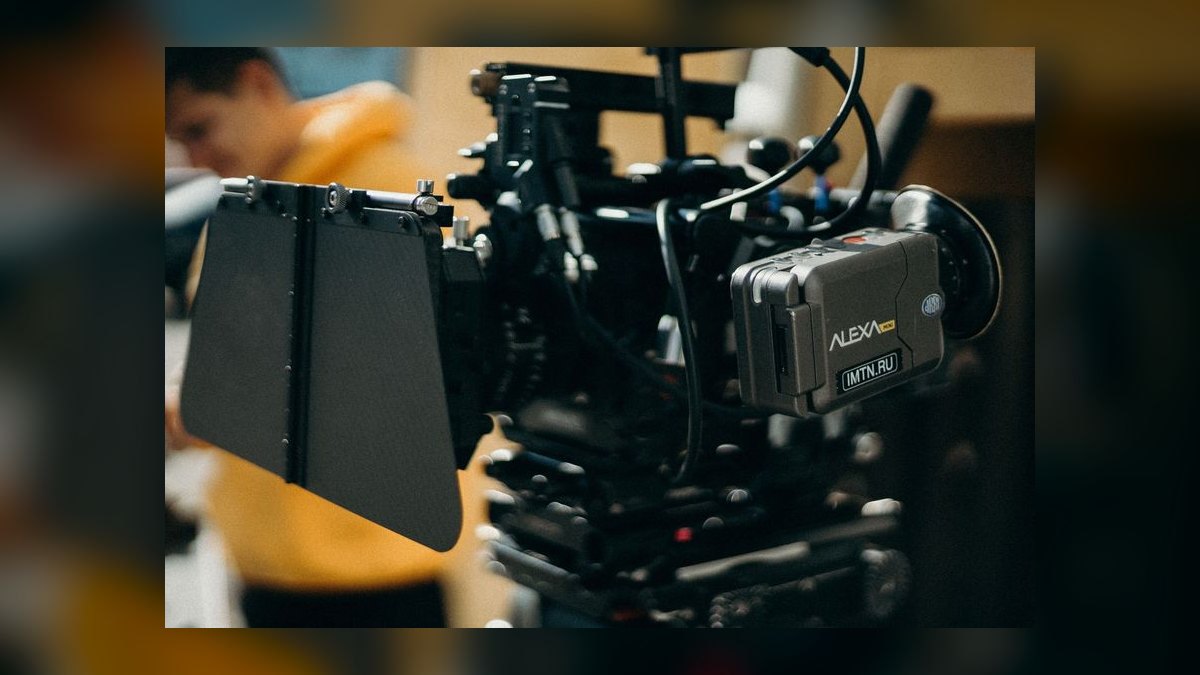
A common 2027 structure: 35% non-refundable at booking, 35% due 30 days out, 30% due 7 days before. Corporate clients earn NET-30 invoicing only after the second engagement — the first job is 50% deposit, balance due on delivery. Build a $200 "rush delivery" SKU for couples who want their highlight in under 3 weeks — a meaningful share buy it because they want footage to post on their first-anniversary date.
3Hiring & Retention — Second Shooters, Editors, And When To Hire
3.1 The First Hire Is An Editor, Not A Shooter
The single highest-leverage hire for a solo videographer crossing $120K revenue is a part-time editor at $35–$55/hour (or $1,200–$1,800/wedding flat). Editing eats 60–75% of post-event hours; outsourcing it frees the owner to shoot 8–14 more weddings/year, which adds $36K–$95K gross. Find editors via ProductionHUB, Stage 32, or wedding-film alumni networks. Lock reliable editors with a retainer of 2–4 weddings/month.
3.2 Second-Shooter Day Rates In 2027
Second-shooter rates: $450–$650/day for entry-level (1–2 years), $700–$950/day for mid-level, $1,000–$1,400/day for senior cinematographers with their own FX3 or R5C body. Always 1099 them, and always have them sign a non-circumvent preventing direct booking of your clients for 18 months. Issue a per-event call sheet with start time, address, dress code, expected delivery format, and the specific shot list so you do not micromanage on the day.
3.3 Avoiding The 1099 Misclassification Trap
Worker-classification enforcement tightened heading into 2026; second shooters who only work for you, use only your gear, and follow your shot list can be reclassified as W-2 under the IRS economic-reality framework. Protect 1099 status by requiring them to bring their own body, lens, and audio kit, invoice you, carry their own $1M liability policy (about $340–$520/year via Thimble or comparable insurers), and shoot for at least two other operators per quarter. Misclassification back-taxes and penalties add up fast per worker per year — a cost dwarfing the paperwork to do it right.
3.4 Retention Through Profit-Share
Top operators retain their best second-shooter and editor with a simple profit-share: 5–8% of the gross on weddings they crew, paid quarterly. It costs you $4K–$11K/year and prevents them from launching a competing solo shop. Burnout is your real attrition risk — wedding season concentrates April–October, often 45–60 events crammed into 24 weekends; build a two-weekend-off-per-quarter policy or you will lose your crew by Year 3.
4Tech Stack — Cameras, Software, And The 2027 Build
4.1 Camera & Lens Kit For 2027
The 2027 owner-operator standard kit: Sony FX3 (~$3,899) as A-cam, Sony A7S III (~$3,498) or Canon R5C (~$4,299) as B-cam, Sony 24-70mm f/2.8 GM II (~$2,298), Sony 70-200mm f/2.8 GM II (~$2,798), Sony 35mm f/1.4 GM (~$1,398) for low-light receptions. Audio: DJI Mic 2 kit (~$349), Sennheiser EW-DP wireless (~$1,150), Tascam DR-10L lavs (~$240 each × 2). Stabilization: DJI RS 4 Pro (~$869) gimbal, SmallRig cage (~$120). Drone: DJI Mavic 3 Pro Cine (~$4,799) or DJI Mini 4 Pro (~$759) for indoor real-estate. Full two-camera entry kit lands around $18K–$24K; a pro kit runs $32K–$48K.
4.2 Software Stack & 2027 Pricing
CRM and contracts: HoneyBook or Dubsado — pick HoneyBook for speed, Dubsado for deeper automation. Client review and approval: Frame.io (post-Adobe) for raw + proxy review with version history. Editing: DaVinci Resolve Studio at a one-time license beats a perpetual Adobe Premiere Pro subscription for solo operators because there is no recurring lock-in. Asset delivery: Pixieset or Pic-Time. Scheduling: Calendly. Bookkeeping: QuickBooks Online. A full 2027 software stack runs roughly $185–$240/month depending on storage tiers.
4.3 Part 107 And Drone Compliance
Every operator flying commercially needs an FAA Part 107 Remote Pilot Certificate ($175 knowledge-test fee at a PSI testing center, with free online recurrent training every 24 months). The FAA Remote ID rule is fully enforced — every drone over 0.55 lbs must broadcast Remote ID, so older drones are non-compliant unless retrofitted with a broadcast module (~$30). Carry $1M aviation liability through an on-demand insurer (hourly rates of roughly $9–$25/hour, or an annual policy at $650–$1,400/year). LAANC authorization for controlled airspace is free and instant via the Aloft or Skyward apps.
4.4 Storage, Backup, And The Multi-Terabyte Wedding Problem
A typical 2027 8-hour wedding generates 800GB–1.6TB of raw 4K and 6K footage. Build a 3-2-1 backup: two 4TB SSDs (~$340 each) on shoot day, a Synology NAS with 4× 12TB drives (~$1,950 total) at the studio, and Backblaze B2 cloud (~$6/TB/month) offsite. Never delete client footage for at least 18 months — lost-footage disputes from clients requesting a late re-edit are one of the most common (and most avoidable) wedding-vendor claims.
5Retention & Recurring Revenue — Beyond The One-Time Wedding
5.1 The Anniversary Reel Upsell
Email every wedding client 45 days before their first anniversary with a $295 anniversary reel — a 90-second re-edit with new music, a fresh color grade, and one unused angle. Conversions in the 20–30% range are realistic. Across 300 weddings shot over 3 years, that compounds into roughly $25K/year of high-margin recurring revenue from footage you already own.
5.2 Corporate Retainers Are The Real Recurring Revenue
A single corporate retainer at $3,500–$8,000/month for "4 deliverables/month — any mix of explainer, testimonial, social cutdown, event recap" stabilizes the slow wedding months (November–March). Target B2B companies in your metro doing $5M–$50M ARR — they need video monthly but cannot justify a full-time hire. Three retainers = roughly $126K–$288K of annual baseline before a single wedding books.
5.3 Real-Estate Monthly Subscriptions
Replace per-listing invoicing with an unlimited-listings-per-month subscription for top agents: $2,800/month for up to 8 listings (photo + video + drone), $4,400/month for unlimited. Agents love it because the cost becomes a predictable line-item; you love it because revenue is locked in early instead of chased deal-by-deal. National players like HomeJab proved the subscription model works at scale — solo operators can replicate it locally.
5.4 Course, Preset, And LUT Income
Once you have 3+ years of portfolio, sell a color-grading LUT pack (~$89), a wedding-day shot-list template (~$39), or an online course (~$497) through Teachable or Podia. Established creator-educators in the wedding-film space have built meaningful education arms on top of their production businesses. Budget 15–20 hours of upfront work per asset, after which it is mostly passive.
6Failure Modes — Where Videography Businesses Die
6.1 The Undercharging Death Spiral
The single most common failure: charging $1,500 per wedding to "build a portfolio," booking 35 weddings/year, working 80-hour weeks, and burning out around Month 22 because gross is ~$52K and net after gear, taxes, insurance, and software is closer to $11K. The fix: raise prices about 20% every six months until your booking rate eases toward 40% — that is the price-discovery zone where you are leaving nothing on the table. Operators at $4,500+ average packages consistently net multiples of those stuck below $2,500.
6.2 The "I Do Everything" Trap
Operators who shoot, edit, sell, invoice, schedule, post on social, and answer DMs themselves cap around $95K–$140K revenue and stop growing. Hire an editor at $120K revenue, a virtual assistant at $180K, a second full-time shooter at $280K. Founder-shoots-everything is a great Year 1–2 model and a terrible Year 5 one.
6.3 Gear-Lust Cash Burn
Buying a $6,500 Sony FX6 instead of a $3,899 Sony FX3 before the booking calendar justifies it kills more videography businesses than any other line-item. A useful rule: gear should never exceed 12% of trailing-12-month revenue. Rent through ShareGrid, BorrowLenses, or Lensrentals for anything used fewer than 8 days/year — a cinema prime that rents for ~$95/day rarely justifies a $4,400 purchase until utilization is high.
6.4 Contract Gaps That Cause Lawsuits
Three clauses prevent the bulk of small-claims headaches: (1) a clearly worded non-refundable retainer covering cancellation for any reason including illness or venue closure, (2) a 2-revision-round limit with $150/hour for additional revisions, and (3) a clear "exclusive shooter" clause if you do not want guests' phone footage of you appearing in their reel. Use a templated contract from a reputable legal-template provider (e.g., The Law Tog, The Contract Shop, or Bonsai) — never fully DIY.
6.5 Seasonality Without A Float
Wedding revenue is heavily concentrated in May–October; operators who do not bank roughly 6 months of operating costs ($28K–$58K) by November end up taking cheap winter corporate gigs at desperation prices that train clients to underpay them in perpetuity. Build the float in Year 1, not Year 4.
730-60-90 Day Plan For A New Videography Owner-Operator
7.1 Days 1–30: Legal, Gear, Cert
Form an LLC ($50–$500 depending on state), get an EIN free from IRS.gov, buy a $1M general liability policy via Hiscox or Thimble at $340–$650/year, and add a $25K inland-marine policy on your gear (~$280–$420/year). Purchase your starter kit. Pass the Part 107 exam (60 questions, 2-hour exam, 70% passing). Set up HoneyBook with 3 package tiers, a contract template, and automated email sequences.
7.2 Days 31–60: Portfolio And First Bookings
Shoot 3 styled shoots (partner with a planner, florist, and venue who all need portfolio content too — zero cash exchanged). Cold-DM 25 local planners and 25 local photographers with a 45-second teaser of your styled-shoot work. Book your first 3 paid weddings at $2,500–$3,200 intro pricing. Launch Instagram and TikTok with 3 vertical reels per week, targeting a steady stream of inbound DMs by Day 60.
7.3 Days 61–90: First Editor Hire And Pricing Raise
Hire a part-time editor at $1,200–$1,500/wedding flat. Raise prices 20% on new inquiries (intro pricing was for portfolio building only). Pitch 3 local B2B companies with a monthly retainer proposal at $3,500/month. Build a 6-month cash float by saving 40% of every booking into a separate business savings account. By Day 90 target: 8–14 booked weddings for the next 12 months, 1 corporate retainer signed, and $45K–$80K in booked revenue.
FAQ
What equipment do I need to start a videography service in 2027? A mirrorless camera with 4K 60fps capability, a stabilized gimbal, wireless lavalier microphones, and at least two LED panels will cover most shoots. For drone work, a DJI Mini or Mavic series drone plus Part 107 certification is standard. Expect $8,000–$18,000 for a capable single-body starter kit, scaling toward $18,000–$24,000 once you add a second camera body and a drone — used gear often saves 30–40%.
How do I price my videography packages for weddings and corporate clients? Wedding packages typically range from $3,200 to $6,800, while corporate day rates fall between $1,400 and $4,200. The key is bundling deliverables — highlight reel, full ceremony, raw footage, and social cutdowns — rather than charging by the hour. Adding vertical 9:16 clips for Instagram or TikTok can raise your average booking by $700 to $1,400.
What's the biggest mistake new videographers make in 2027? Selling "minutes of footage" instead of story-driven bundles that clients can actually use. Many also skip short-form vertical deliverables, which now drive the majority of inbound leads. Another common error is undercharging to "build a portfolio" indefinitely — raise prices roughly 20% every six months until your booking rate eases toward 40%.
How do I find clients without a big marketing budget? Focus on building a strong Instagram and TikTok presence with behind-the-scenes clips, client reaction cards, and finished vertical edits — these platforms generate most wedding leads. Partner with wedding planners, photographers, and local real estate agents for referrals; a complimentary 48-hour teaser of each planner's event is the cheapest channel you have. A simple website with a clear pricing page and a Google Business profile rounds out steady organic inquiries.
Do I need insurance and contracts for videography work? Yes. A $1M general liability policy (~$340–$650 per year) and a detailed service contract are essential. The contract should cover usage rights, cancellation terms, weather contingencies, revision limits, and deliverable timelines. Many venues and corporate clients require proof of insurance before you can shoot on-site, so have a certificate ready to issue on request.
How do I handle drone videography legally and profitably? You need an FAA Part 107 remote pilot certificate, with a $175 knowledge-test fee at a PSI testing center plus your study materials. Your drone must broadcast Remote ID and you must follow airspace rules — use free LAANC authorization for controlled airspace and avoid flying over people without a waiver. Drone work adds 18–22% gross margin to real estate and event packages, and aerials typically bill $250–$650 per listing.
Bottom Line
The 2027 videography services business is a deliverables-bundle business, not a footage-minutes business — operators who price by finished assets (highlight + ceremony + teaser + drone + social cutdowns) at $4,500–$6,800 per wedding, who hire an editor at $120K revenue, who pitch B2B corporate retainers at $3,500–$8,000/month to smooth seasonality, and who run a disciplined HoneyBook + Frame.io + DaVinci stack for around $200/month, build a $180K–$420K business within 3 years. Operators who undercharge to "build a portfolio," buy gear before bookings justify it, and try to do all the editing themselves cap near $95K and burn out around Month 24. Price for the deliverable bundle, hire the editor first, build the float, and the math works.
Sources
- FAA — Become a Drone Pilot (Part 107): exam fee, Remote ID rule, and recurrent-training requirements — faa.gov/uas/commercial_operators/become_a_drone_pilot
- IRS — Independent Contractor (Self-Employed) or Employee? worker-classification (economic-reality) guidance for 1099 second shooters — irs.gov/businesses/small-businesses-self-employed/independent-contractor-self-employed-or-employee
- The Knot / WeddingPro: vendor resources and how couples source wedding videographers — weddingpro.com
- WeddingWire — Newlywed Report: national wedding-spend and category-budget benchmarks — weddingwire.com
- HomeJab: real estate photography/video pricing and the listings-as-subscription model — homejab.com
- Blackmagic Design — DaVinci Resolve Studio: one-time-license editing/grading suite — blackmagicdesign.com/products/davinciresolve
- HoneyBook: CRM, proposals, contracts, and payment automation for solo creatives — honeybook.com
- Frame.io (Adobe): cloud review, versioning, and client-approval workflow — frame.io
Related on PULSE
This page will be disappearing soon. Save it to your device for $1 — or read it free while it is here.
@Kory-White- · if Venmo asks, the last 4 of my number are 2012
This page is gone.
This one is off the shelf now. $1 keeps it on your phone for good — the whole page, pictures and diagrams included.
 gtm-playbookHow do you build a livestock management software go-to-market motion in 2027?
 gtm-playbookSales-as-a-Service GTM Playbook 2027 — Outsourced SDR + AI-Augmented Prospecting + Clay and the 48M memoryBlue Operator Path
 gtm-playbookHow do you build the GTM playbook for a DTC cosmetics brand in 2027?
 gtm-playbookGTM Playbook for Property Management Companies in 2027
 gtm-playbookHow do you build a compliance training platform go-to-market motion in 2027?
 gtm-playbookHow do you build a payroll and benefits administration go-to-market motion in 2027?
 gtm-playbookMarket Research Firm GTM Playbook 2027 — Custom Quantitative + AI-Augmented Insight and the 85M Numerator Operator Path
 gtm-playbookGTM Playbook for Optometry Practices in 2027
 gtm-playbookWhat is the go-to-market playbook for launching a new product line in 2027?
 gtm-playbookHow do you build a climate risk analytics (Jupiter Intelligence / Cervest) go-to-market motion in 2027?