


GTM Playbook for Banquet and Event Venues in 2027
Quality
Certified
Banquet and event venues in 2027 win on two unsexy fundamentals: a sub-4-hour inbound response SLA that converts 28-35% of qualified inquiries into contracts, and a per-head pricing rack that holds 62-68% gross margin after food, beverage, and labor. Everything else — the room, the website, the Event Temple or Tripleseat stack — is supporting cast to those two numbers. The owner-operators making money this year run two-rep sales pods, charge $95-$165 per head all-in for corporate buffets, and treat every booked event as the start of a 3-event annual relationship, not a one-off. The rest of this playbook is the operating system that produces those two numbers reliably: how to acquire the inquiry, price the room, staff the floor, wire the stack, and rebook the buyer.
1Customer Acquisition
The 2027 venue buyer is a corporate event coordinator at a 200-2,000 person company, a wedding planner repping 8-15 couples a year, or a non-profit gala chair booking once and never again. Each needs a different funnel.
1.1 The Three-Channel Mix That Actually Books

- Marketplace inbound is now the #1 lead source at 38-44% of bookings for sub-300-cap venues. The serious players are Peerspace (15% commission, $200-$800/hr rentals), The Wedding Spot, and the Cvent Supplier Network for corporate RFPs. Listing fees range $0-$99/mo plus 8-15% commission on booked revenue.
- Local SEO + Google Business Profile drives 22-28% of bookings. Venues that publish 15+ real-event photo galleries per quarter to GBP see roughly 2x the inquiry volume of venues that post only quarterly highlights.
- Referral from planners and caterers is the highest-margin channel at a 31-36% close rate vs. 18-22% for cold marketplace leads. Pay planners 8-10% referral commission on the venue fee (not F&B) and an active planner will bring you 4-9 bookings a year.
1.2 Response Time Is The Whole Game

WeddingPro's 2026 source benchmarking shows venues that reply within 1 hour close at ~41%, within 4 hours at ~28%, and after 24 hours in the single digits. No other lever in the funnel has that slope. If your sales coordinator works 9-5 and a lead lands at 8pm Tuesday, you forfeit most of that pipeline by morning. The fix is a shared inbox monitored by two people with a published 4-hour SLA, plus a same-day human callback for any lead over $5K estimated value.
1.3 Site Visits Convert At 60-70%

Once a buyer walks the room, you close. The math runs in your favor: inquiry → site visit lands at 35-45%, but site visit → signed contract runs 60-70%. So your #1 acquisition KPI is not bookings — it is site visits booked per week. Aim for 8-12 visits/week for a 200-cap venue and 15-25 for a 400+ cap multi-room property.
2Pricing

2.1 The Three Pricing Models — And When To Use Each

- Hourly room rental ($200-$1,800/hr) — best for non-catered corporate meetings, micro-events under 50 people, and off-peak weekday daytime. Charge a 4-hour minimum, with a $150-$300/hr setup/teardown fee.
- Per-head all-in package ($95-$165 pp for corporate buffet, $145-$285 pp for plated wedding) — best for anything with food. Bundle room, tables, linens, basic AV, staff, and a 3-course meal or buffet. This is where the margin lives.
- Flat-fee buyout ($4,500-$22,000) — best for Friday/Saturday peak slots, holiday parties, and full-venue corporate offsites. Includes a minimum F&B spend (typically $4K-$12K) on top of the buyout.
2.2 The 2027 Rack — Real Numbers
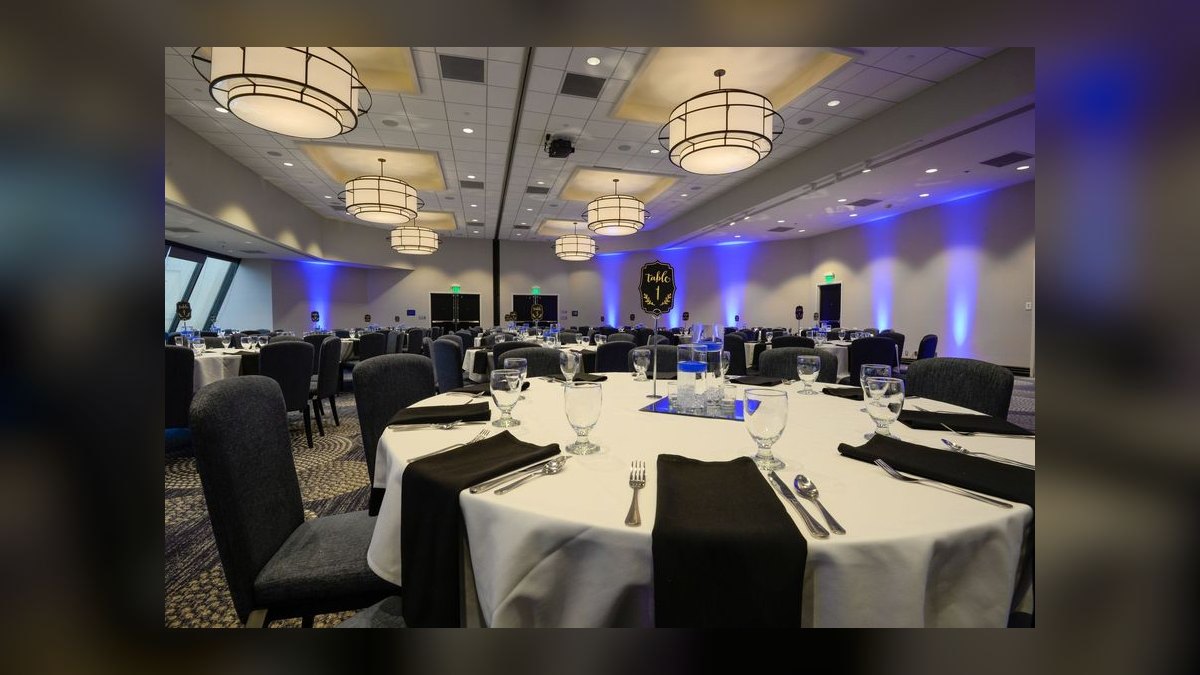
A 200-cap suburban venue in 2027 should be running:
- Tuesday-Thursday daytime corporate: $1,200-$2,400 room + $48-$72 pp lunch buffet. Target 3-4 of these/week.
- Friday corporate evening: $3,500-$6,500 buyout + $95-$135 pp dinner. 35-45 weeks/year bookable.
- Saturday wedding/gala: $8,500-$16,000 buyout + $165-$245 pp plated. 42-48 Saturdays/year bookable in healthy markets.
- Sunday brunch event: $2,400-$4,800 buyout + $72-$95 pp. The most underused day in the industry.
A venue running this rack lands in the $1.6M-$2.4M annual revenue band at ~65% capacity utilization, with 62-68% gross margin before fixed overhead.
2.3 Stop Discounting, Start Tiering
The mistake most owner-operators make is panic-discounting off-peak. The right move is to publish three tiers — Saver (Tue-Thu), Standard (Sun + Fri), Peak (Sat + Dec) — with a 22-28% delta between Saver and Peak. Buyers self-select, you stop negotiating, and your Saturday revenue holds firm. iVvy's 2026 dynamic-pricing data shows tier-published venues capture 9-14% more annual revenue than equivalent venues that quote ad-hoc.
3Hiring & Retention
3.1 The Two-Pod Sales Team
For a $1.5M-$2.5M revenue venue, the right team is:
- 1 Sales Director ($72K-$95K base + 3-5% of booked revenue = $115K-$145K OTE) — owns the $10K+ contracts, planner relationships, and pricing exceptions.
- 1 Sales Coordinator ($48K-$62K base + $50-$100 per booked event = $58K-$75K OTE) — owns inbound triage, sub-$10K contracts, and tour-day execution.
That two-person pod handles $1.8M-$2.4M in annual booked revenue when inbound is flowing.
3.2 The Banquet Floor Crew Wage Reality
Salary.com (May 2026) pegs the median Banquet Manager at $56,925/year ($27.37/hr), with the Meeting/Event Manager role near $105,742. On-floor wages have moved hard since 2024:
- Banquet captain: $24-$32/hr
- Lead server: $19-$26/hr + 18-22% auto-gratuity pass-through
- Setup/teardown crew: $18-$23/hr
- Bartender: $22-$30/hr + tips
- Sous chef: $28-$38/hr
- Dishwasher/prep: $17-$21/hr
Build your per-head labor cost into the package at $11-$18 pp for buffet and $19-$28 pp for plated. If your P&L is under those numbers, you are underpaying your crew and will lose them by August.
3.3 Retention: The 90-Day Cliff
Industry-wide banquet floor turnover sits at 78-110% annually. Two retention moves actually work:
- Guaranteed minimum hours (24/wk for floor leads, 32/wk for captains) so people can plan a life.
- Tip-pool transparency — published formula, weekly payout, signed off by the captain on Sunday. Crews leave over opaque tips more than over wages.
A venue that drives turnover down to 45-55% saves $38K-$62K/year in training and overtime backfill.
4Tech Stack
The 2027 modern venue runs 5-7 systems, not 15. Pick one CRM/BEO and live with it.
4.1 The Core Five
- CRM + BEO + Proposals: Tripleseat ($249-$499/mo per venue, enterprise pricing on request — built for hotels and multi-room operators), Event Temple ($135-$295/mo, roughly half Tripleseat's price, strongest for boutique single-property), or Planning Pod ($59-$149/mo, best for venues under $1M revenue).
- Catering & BEO depth: Caterease ($129-$329/mo + ~$200 setup) for venues where catering is the lead product, not a side service.
- Event ops & day-of: a dedicated ops tool for multi-venue groups; Planning Pod's built-in floor planner is enough for a single venue.
- Payments + deposits: Stripe (2.9% + 30¢) or Square Invoices, with ACH for large deposits — pennies-on-the-dollar vs. card, which saves $48-$120 per large contract.
- Marketing site + GBP: WordPress or Squarespace, Pic-Time or a comparable gallery host, and a review-collection tool to keep GBP fresh.
4.2 What To Skip In 2027
- Standalone event-floor-plan tools if your CRM already has one.
- Generic CRMs (HubSpot, Salesforce) for the sales pipeline — they don't speak BEO, and your coordinator will fight the tool instead of the deal.
- AI auto-responders that fire canned replies to inquiries. Buyers notice within two messages, and your planner-referral pipeline suffers the day a referred coordinator gets a robot reply.
4.3 The Integration Stack That Saves Two Hours A Day
Wire Tripleseat or Event Temple → QuickBooks Online for deposits and final invoices, → Google Calendar for the ops team, and → Mailchimp or Klaviyo for the 90-day post-event drip (next section). Native connectors or Zapier both work; budget $29-$79/mo for the connective tissue.
5Retention & Recurring Revenue
The quiet truth of the venue business: a large share of corporate bookings come from a buyer who has booked your venue before. Treat repeat as a channel, not a happy accident.
5.1 The 90-Day Post-Event Drip
- Day 2 — thank-you note + photo-gallery link.
- Day 14 — short satisfaction survey + a Google-review ask (a small gift card lifts response rate noticeably).
- Day 45 — case-study email featuring their event; ask permission before publishing.
- Day 90 — anniversary booking ask: *"Save your 2028 holiday-party date — same room, same price, $500 deposit holds it."*
Venues running this drip see 31-38% of corporate buyers rebook within 12 months.
5.2 The Annual Contract Play
For your top 20 corporate accounts, offer a 3-event annual package (kickoff in January, summer outing, holiday party) at a 12% bundle discount with flexible date selection 60 days out. Lock these in by September for the following calendar year. A venue that lands 15 of these contracts pre-books $540K-$780K before January 1, which makes every other number on the P&L easier.
5.3 Planner Loyalty Tier
Track every wedding planner, corporate coordinator, and DMC that has sent you 2+ events. Send a quarterly hand-written card plus an annual planner-appreciation dinner (cost: $1,800-$3,400; it typically returns 6-12 bookings the following year). National planning and production firms run preferred-venue programs — get on the list in your metro.
6Failure Modes
6.1 The Five Ways Venues Die
- Over-investing in the room before the funnel works — $180K renovation, $0 sales process. The venues that fail in year 2 spent everything on the build and nothing on a Sales Coordinator and a CRM.
- Booking the wrong Saturdays — taking a $4,500 small wedding in June when a $14,000 corporate gala would have walked in two weeks later. Hold Saturdays for $10K+ contracts until 60 days out.
- Under-pricing the buyout — quoting a $3,500 Saturday because "we need the booking," then losing $1,800 after labor, F&B cost, and rentals. Know your all-in floor price (~$6,200 for most 200-cap venues) and walk away under it.
- Skipping the deposit — every contract takes a 25-50% non-refundable deposit at signing. Venues that accept "we'll pay later" get burned 2-4 times a year at $4K-$12K each.
- No general-liability + liquor-liability insurance — a $1M GL + $1M liquor policy runs roughly $3,800-$7,200/year. One slip-and-fall without it ends the business.
6.2 The Regulatory Shifts To Watch In 2027
- Service-charge transparency — state laws (e.g., California's expanded junk-fee rules) increasingly require all-in pricing in proposals, no surprise service charge on the final invoice. Update your BEO template now.
- Tipped-wage increases — several major markets are phasing out the sub-minimum tipped wage. Re-price labor against your local schedule, not last year's.
- Allergen + dietary labeling — expect tighter expectations on written allergen disclosure at the menu/BEO level for plated service.
7The 30/60/90 For A New Owner-Operator
FAQ
What is the single most important metric for a banquet venue in 2027? Your inbound response time. WeddingPro's 2026 benchmarking shows venues that reply within four hours convert roughly 28% of qualified inquiries into contracts, versus single digits past 24 hours. Because the curve is so steep, a published 4-hour SLA — staffed by two people sharing one inbox — is the highest-leverage operational change you can make, ahead of any renovation or ad spend.
How should we price events to stay profitable? Anchor on a per-head all-in rate of $95-$165 for corporate buffets and $145-$285 for plated weddings, and engineer the package to hold a 62-68% gross margin after food, beverage, and labor. Price below that band and labor alone eats the room; price above it without premium service or unique space and your close rate falls. Build labor in explicitly at $11-$18 pp (buffet) or $19-$28 pp (plated) so the margin is designed, not discovered after the event.
What sales-team structure works best for an owner-operated venue? A two-person pod: a Sales Director on the $10K+ contracts and planner relationships, and a Sales Coordinator on inbound triage, sub-$10K deals, and tour-day execution. That pod can carry an $1.8M-$2.4M annual book when inbound is flowing, while keeping response times fast and relationships personal. Larger early teams tend to dilute accountability and slow the four-hour SLA that drives conversion.
How do we turn one-time bookings into recurring revenue? Treat the first event as the start of a 3-event annual relationship. Run a 90-day post-event drip — thank-you and gallery at day 2, a review ask at day 14, a case study at day 45, and an anniversary booking ask at day 90 — which rebooks 31-38% of corporate buyers within a year. For your top 20 accounts, sell a 3-event annual package at a 12% bundle discount and lock it in by September, pre-booking six figures before January 1.
Which tech stack should we run? Five to seven systems, not fifteen. Pick one CRM/BEO — Tripleseat (multi-room/hotel), Event Temple (boutique single-property), or Planning Pod (under $1M revenue) — then wire it to QuickBooks for invoicing, Google Calendar for ops, and Mailchimp or Klaviyo for the post-event drip. Skip generic CRMs like HubSpot or Salesforce for the pipeline; they don't speak BEO, and the room itself is supporting cast to the software that protects response speed and margin.
Should we focus on corporate or social events in 2027? Lead with corporate and let social fill the calendar. Corporate events deliver predictable per-head spend ($95-$165), shorter sales cycles, and the repeat business that powers annual contracts. Weddings and galas carry higher peak-Saturday ticket prices but longer cycles and tighter date constraints. Most durable venues run both — corporate Tuesday through Friday for recurring revenue, social on Saturdays for headline contracts — while protecting peak dates for the highest-value booking.
Bottom Line
The 2027 banquet and event venue is a disciplined sales-and-margin business dressed up as hospitality. The owner-operators winning right now run a 4-hour inbound response SLA, a 3-tier published price rack, a 2-person sales pod on a ~$1.8M book, Event Temple or Tripleseat with a tight BEO process, and a 90-day post-event drip that rebooks 31-38% of corporate buyers. Skip any one of those and you are running a vanity project. Run all five and you build a $2M+ revenue venue at 62-68% gross margin — the kind the next operator pays a real multiple of EBITDA to buy.
Related on PULSE
- GTM Playbook for Wedding Venues in 2027
- Webinar Software GTM Playbook 2027 — Enterprise B2B Demand Gen + AI-Augmented Webinar Production
- Event Rentals GTM Playbook 2027 — Inventory Utilization & Venue Preferred-Vendor BD
- How do you build the GTM playbook for an event venue and wedding venue operator in 2027?
Sources
- Salary.com — Banquet Manager Salary, Hourly Rate (May 2026)
- PayScale — Banquet Manager Salary Research 2026
- WeddingPro — Source Benchmarking Report 2026 (inquiry-to-booking conversion)
- Tripleseat — Optimizing Your Event Pricing Strategy (venue manager guide)
- Event Temple — How to Price Your Event Space (operator pricing guide)
- Planning Pod — Tripleseat vs. Caterease vs. Planning Pod: Software Pricing Comparison
- iVvy — Dynamic Pricing for Venues: Maximising Revenue All Year Round (2026)
- Cvent Blog — Event Statistics Shaping the Industry in 2026
- Mordor Intelligence — Corporate Events Market Size & Share Outlook to 2031
- EventsAir — Top Event Industry Insights & Trends for 2026
- Booking.com for Business — Corporate Event Stats & Trends for 2026
- Financial Models Lab — Banquet Hall KPIs: Track Margin & Breakeven (2027)
This page will be disappearing soon. Save it to your device for $1 — or read it free while it is here.
@Kory-White- · if Venmo asks, the last 4 of my number are 2012
This page is gone.
This one is off the shelf now. $1 keeps it on your phone for good — the whole page, pictures and diagrams included.
 gtm-playbookGTM Playbook for FinTech — The Complete Operator Guide in 2027
 gtm-playbookWhat is the go-to-market playbook for a land-and-expand motion in 2027?
 gtm-playbookHow do you build the GTM playbook for a garage door installation and repair operator in 2027?
 gtm-playbookHow do you build a payroll and benefits administration go-to-market motion in 2027?
 gtm-playbookNotary Services / Mobile Notary GTM Playbook 2027 — RON + Loan Signing Agent and the 85M Notarize Operator Path
 gtm-playbookHow do you build a vertical SaaS for auto dealers (Reynolds / CDK) go-to-market motion in 2027?
 gtm-playbookHow do you build a last-mile delivery software go-to-market motion in 2027?
 gtm-playbookGTM Playbook for General Contractors in 2027
 gtm-playbookWhat do top-performing SDR teams do differently in their outreach sequencing in 2027?
 gtm-playbookGTM Playbook for Tax Attorneys in 2027