


GTM Playbook for Childrens Hair Salons in 2027
Quality
Certified
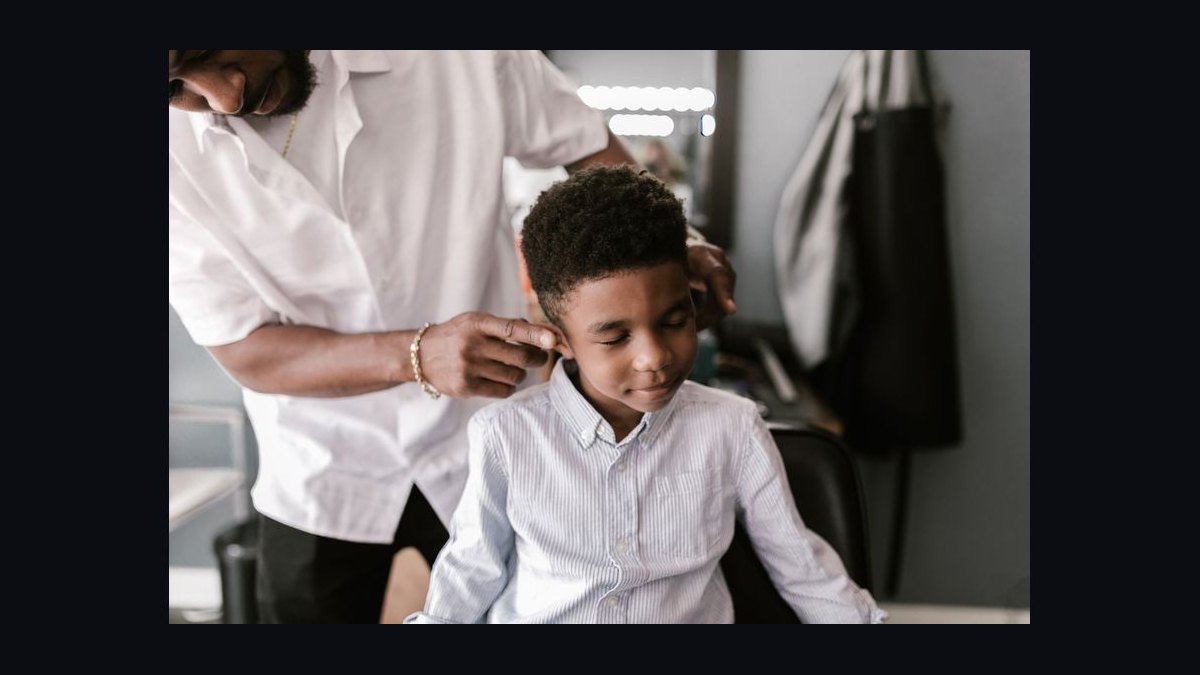
A profitable children's hair salon in 2027 runs on a standard cut priced between $32–$38, a stylist compensation model that combines base hourly pay with service bonuses, and a booked-chair calendar where birthday parties, ear-piercing, and first-haircut packages contribute a meaningful share of revenue. The owner-operators winning right now treat the salon as a recurring-revenue business with the haircut as the trigger event — they push monthly membership programs, run a mainstream booking platform like Vagaro or Mindbody as the system of record, and protect high chair-utilization on Saturdays, because Saturday alone delivers a large portion of weekly revenue in this category. One honest caveat up front: there is no kids-salon-specific software platform worth standardizing on — every credible operator runs general beauty-and-wellness booking software, not a category-specific tool.
---
1Customer Acquisition That Actually Works In 2027

1.1 The Geographic Reality

Children's hair salons are a 3-mile-radius business. Franchise disclosure data across the kids' segment consistently shows that the large majority of repeat customers live within roughly four miles of the chair, and drive-time beats absolute distance — a salon in a strip center anchored by a grocery, pediatric dentist, or kids' gym pulls meaningfully more foot traffic than an equivalent salon on a busier road with no kid-magnet co-tenants. The acquisition playbook starts with co-tenancy site selection, not paid ads.
1.2 The Three Channels That Convert

For a new salon in 2027 the acquisition mix that keeps customer acquisition cost reasonable looks like this:
- Google Local Service Ads + GBP optimization — Cost-per-lead in suburban DMAs, with strong lead-to-booking conversion when paired with online booking. Owners running Google Business Profile with 80+ photos, 150+ reviews above 4.7 stars, and weekly posts see far more "directions" clicks than dormant profiles.
- School and daycare partnerships — Drop first-haircut coupons at every preschool, Montessori, and daycare within 3 miles. A converted family is a multi-year relationship worth well over a thousand dollars in lifetime value.
- Instagram Reels with named-character themes — Avoid generic "kids haircut" content. Themed reels (cars chair, plane chair, princess chair) built around a short hook with a clear payoff push booking conversions.
1.3 The Birthday Party Funnel

Birthday party bookings are the highest-CAC-payback channel in the category. Every party (typically $250–$400 for 6–10 kids) brings roughly two new families on average into the regular cut rotation, because attending parents see the experience firsthand. Operators running parties hit a blended customer acquisition cost well below other channels when they amortize ad spend across resulting new-family bookings within 30 days.
---
2Pricing And Service Mix For Margin

2.1 The Right Price Floor For 2027

The national children's haircut average sits at roughly $28–$32 across franchise systems like Sharkey's Cuts for Kids, Cookie Cutters Haircuts for Kids, and Pigtails & Crewcuts. Owner-operators in metros above 200K should price at $32–$38 for a standard cut with $45–$55 for first-haircut packages (which include a certificate, lock-of-hair keepsake, and a photo). Underpricing is the most common failure mode in this category — operators who try to compete with Great Clips at lower prices end up subsidizing the themed chairs, TVs, bubble machines, and higher labor cost with margin they cannot afford.
2.2 The Service Menu That Hits Strong Gross Margins

A working 2027 menu:
- Standard kids' cut (ages 1–10): $32–$38, 25-minute slot
- First haircut package: $48–$55, includes certificate + keepsake + photo, 35-minute slot
- Teen cut (ages 11–15): $38–$45, 30-minute slot
- Glam-out / updo for events: $45–$65, 40-minute slot
- Ear piercing (Studex sterile system): $55–$75 including starter earrings, with healthy gross margin per piercing after the sterile-pack cost
- Birthday party packages: $249 (6 kids) / $349 (8 kids) / $449 (10 kids) with a 90-minute room booking
- Retail (Circle of Friends, Original Sprout, Honest Kids): 45–52% retail margin, targeted at 8–12% of total revenue
2.3 The Cut Club Subscription Lever

Recurring revenue is the single biggest valuation lift in this category. A $29/month Cut Club that includes one cut per month, 10% off retail, and free bang trims lifts annual visits per family and pulls the customer off price-shopping behavior. Operators who get 20%+ of their active base onto subscription run materially higher EBITDA margins than walk-in-only peers, because the revenue is booked before the month starts.
---
3Hiring And Retention Of Stylists

3.1 The 2027 Labor Reality

Cosmetology school enrollment has been under pressure for several years per NACCAS reporting, and the kids' segment competes against adult salons for the same pool. 2027 stylist wage benchmarks for the kids' category:
- Base hourly: $18–$22/hr for licensed stylists with 1+ year of experience
- Service bonus: Percentage of service revenue above a daily threshold
- Retail bonus: Percentage of retail sold
- Birthday party bonus: Flat fee per party staffed
- Saturday premium: Extra hourly pay to fight the weekend staffing shortage
A productive stylist in this model takes home $24–$32/hr blended and clears roughly $52K–$66K annually on full-time hours.
3.2 The Hiring Funnel That Works
Indeed and SalonCentric job boards convert at roughly 2–3% application-to-hire. The funnel that consistently fills chairs in 2027:
- Cosmetology school partnerships — Sponsor one student per term with a tuition stipend in exchange for a 12-month post-licensure commitment. Strong retention through month 12.
- Referral bonus — Paid in two halves (50% at hire, 50% at the 90-day mark) to existing stylists. At top-quartile operators this channel produces a large share of new hires.
- Working interview — Pay for a 2-hour shadow shift during the interview process. Filters out personality mismatches with kids before either side commits.
3.3 Retention Tactics That Hold The Bench
Annual stylist turnover in the kids' category runs high — but generally lower than the chronic churn of adult chain salons per Professional Beauty Association industry surveys. The retention plays that move the needle:
- Quarterly continuing education stipend — For Milady or Sam Villa kids-specific courses
- Health stipend (not full insurance) — Monthly contribution toward an ICHRA or marketplace plan, far cheaper than group coverage at this scale
- Predictable schedule — Publish 4-week rolling schedules with change protection. Schedule unpredictability is the most-cited reason stylists quit in industry exit surveys.
- Top-stylist profit-share — Percentage of the EBITDA pool split among stylists at the 24-month mark
---
4The 2027 Tech Stack
4.1 Booking And POS Core
There is no kids-salon-specific system of record worth standardizing on — operators choose from the mainstream beauty-and-wellness platforms and configure them for the category. Any vendor claiming to be a purpose-built "kids' salon platform" is marketing, not a real product tier. The credible options:
- Mindbody Business — Pricing varies by tier. Strong for multi-location operators, weaker for margin-conscious single shops because of annual contract requirements.
- Vagaro — Starts around $30/mo for one stylist, plus additional per stylist. The dominant pick for owner-operators under 8 chairs. No contract, native marketing tools.
- Booker by Mindbody — Same pricing tier as Mindbody Business. Best for operators planning 3+ locations with a shared customer database.
- Boulevard or Square Appointments — Boulevard skews premium and front-desk-heavy; Square Appointments is the low-cost entry point with a free single-user tier. Neither is kids-specific, but both handle booking, memberships, and party deposits.
Recommended 2027 default: Vagaro for 1–2 locations, Mindbody or Booker once you cross 3 locations for centralized reporting.
4.2 The Add-On Stack
- Google Business Profile + Local Service Ads — Non-negotiable.
- Birdeye or Podium for review generation — Review velocity and rating are the single biggest acquisition leverage point at the 3-mile radius level.
- Klaviyo or Mailchimp for parent email — Used for first-haircut anniversary, back-to-school push (mid-August), and birthday month outreach.
- Studex sterile piercing system — Starter kit plus a per-piercing consumable; the model holds healthy gross margin per piercing even after the consumable cost.
- Square or Stripe Terminal — Only if NOT using Vagaro Pay or Mindbody Payments. Integrates to QuickBooks.
4.3 The Reporting Layer
Most kids' salon operators are flying blind on chair utilization and rebook rate. A working reporting stack:
- Chair utilization by day-part — Pull weekly from your Vagaro/Mindbody export, target high utilization on Saturday, solid utilization on weekdays
- 6-week rebook rate — Target 42%+ as a leading indicator of stylist quality
- Average ticket by stylist — A significant spread between top and bottom stylist signals an upsell training gap, not a talent gap
- Birthday party revenue % — Target 18–25% of total; below 12% means the party motion is underbuilt
---
5Retention And Recurring Revenue
5.1 The 6-Week Rebook Rule
The strongest leading indicator of LTV in this category is whether the next appointment is booked before the family leaves the chair. Operators who hit 65%+ at-chair rebook report annual visit frequency near 7.8 versus roughly 4.2 for operators below 30% rebook. The single tactical change: the stylist, not the front desk, books the next appointment before the cape comes off.
5.2 The Cut Club Membership Mechanics
$29/mo Cut Club — includes one standard cut per month, free bang trims, 10% off retail, front-of-line Saturday booking, and 20% off birthday parties. Auto-renewing, with a 3-month minimum commitment to prevent gaming the first-month value. Monthly membership churn is manageable, because the average member visits the salon nearly 15x/year versus about 6.5x for non-members.
5.3 The Birthday Month Push
Every Cut Club member and every active customer with a kid's birthday in the next 30 days gets a personalized email offering a free upgrade to the glam-out package, a discount on a birthday party booking, and a complimentary first haircut for a sibling under 3. Conversion on this single play is strong and is the highest-margin retention motion in the category.
5.4 The Loyalty Stamp Card
Old school works. A physical 10-cut stamp card redeemable for a free cut plus free retail product drives a meaningful lift in 12-month visit frequency among customers not on Cut Club. The cost per redemption is well below the cost of acquiring a replacement family — the math works.
---
6Failure Modes To Avoid
6.1 Underpricing Because The Competition Is Great Clips
Great Clips at lower prices is not the competitor set. Parents booking themed chairs, TVs, and bubble machines are paying for the experience and the avoidance of a meltdown, not for the haircut itself. Operators who hold a $32–$38 price point and invest in the experience report the strongest EBITDA margins. Operators chasing lower prices to "be competitive" report single-digit EBITDA and tend to collapse within 24 months.
6.2 Hiring Stylists Who Hate Kids
The single biggest controllable failure mode in this category. A great adult stylist who merely tolerates kids will never hit the rebook rate, the ticket size, or the upsell numbers of an average stylist who genuinely loves the work. Screen for kid-affinity at hire, not technical skill — technique can be taught, patience cannot.
6.3 Skipping Birthday Parties Because "It Is A Hassle"
Parties are the highest-margin, highest-CAC-payback motion in the entire category, and most owner-operators avoid them because of the operational complexity. The fix is a dedicated party room, a flat-fee party package, and a single stylist assigned to parties on weekends only. Operators who execute this report 22–28% of revenue from parties versus 3–6% for operators who treat parties as ad hoc.
6.4 Letting Saturday Slip
Saturday is 35–40% of weekly revenue in this category. Operators who allow stylists to call out, run late, or take long lunches on Saturday lose money no other day can recover. The fix: Saturday premium pay, blackout PTO on Saturdays, and a backup-stylist on-call list signed at hire.
6.5 No System Of Record
Operators running paper appointment books or basic point-of-sale without category-specific workflow lose an estimated 12–18% of bookings to no-shows, double-bookings, and missing rebook tracking. Mindbody, Vagaro, Booker, Boulevard, and Square Appointments all solve this — there is no kids-specific tool you are missing out on. The cost of the software is recovered in the first month through reduced no-shows alone.
---
730 / 60 / 90 Day Operating Plan
7.1 Days 1–30: Stabilize
Fix the data and the price floor. Get Vagaro or Mindbody live with a clean customer database, GBP fully built with 80+ photos and 150+ reviews above 4.7 stars (use Birdeye to accelerate), audit pricing up to $32–$38 for the standard cut, publish a 4-week rolling staff schedule, and hire one backup stylist to absorb Saturday call-outs.
7.2 Days 31–60: Build The Repeat Engine
Train every stylist on at-chair rebook, launch a $48–$55 first-haircut package with certificate + keepsake + photo, drop 3-mile school coupons at every preschool and daycare, install Birdeye on review autopilot, launch the loyalty stamp card, and publish birthday party packages on the website even before the party room is fully built.
7.3 Days 61–90: Scale Subscription And Parties
Launch Cut Club at $29/mo with auto-renew and a 3-month minimum, complete the birthday party room buildout and start booking up to 6 parties per Saturday, sponsor one cosmetology school student with a tuition stipend in exchange for a 12-month post-licensure commitment, activate Saturday premium pay to lock in chair availability, and publish the first monthly P&L with chair utilization, rebook rate, and Cut Club MRR as the three north-star metrics.
---
FAQ
What's the typical revenue range for a children's hair salon? A single-location salon with 4–6 chairs usually sees annual revenue between $250,000 and $450,000. Higher performers reach the top end by layering in party packages, retail product sales, and membership subscriptions on top of the base haircut business.
How do stylist pay structures work to keep top talent? Most salons offer a base hourly rate of $18–$22 plus a bonus on services performed, often with extra incentives for parties staffed and Saturday shifts. This mix gives stylists stable income while rewarding upsells like braiding, glitter sprays, and add-on packages.
What's the best booking software for a kids' salon? There is no kids-specific platform — operators use mainstream salon software. Vagaro starts around $30/mo for a single stylist and is the common owner-operator pick; Mindbody and Booker suit multi-location operators; Square Appointments offers a free single-user entry tier. Choose by chair count, not by category-specific marketing claims.
How important are birthday parties to the business model? Parties typically run $250–$500 per booking and can contribute 18–28% of total revenue for operators who build a dedicated party motion (versus 3–6% for those who treat them ad hoc). They also drive acquisition, since attending families often convert into regular haircut customers.
What's a realistic chair utilization target for Saturdays? Aim for 65%+ utilization on Saturdays, which alone can generate 35–40% of weekly revenue. Booking in 25–30-minute slots, holding a backup stylist on call, and protecting against weekend call-outs are what actually hit the range.
How do Cut Club memberships work, and what's a typical price? A monthly membership priced around $29 usually includes one haircut per month plus a retail discount and free bang trims, on auto-renew with a 3-month minimum. It creates predictable recurring revenue — often 15–20% of total sales once mature — and roughly doubles annual visit frequency versus non-members.
---
Bottom Line
A children's hair salon in 2027 wins on chair utilization, rebook rate, and Cut Club MRR — not on haircut price. Price at $32–$38 for a standard cut, hire stylists who love kids and pay them an $18–$22 base plus service bonuses, run a mainstream platform like Vagaro or Mindbody as the system of record (there is no kids-specific tool to chase), launch a $29/mo Cut Club within 90 days, and build the birthday party motion to 22%+ of revenue. Owner-operators who execute the above hit strong annual unit volumes and healthy EBITDA margins. Operators who skip the subscription, undershoot price, or treat parties as ad hoc top out at lower volumes with single-digit EBITDA — and they are the ones who close inside 30 months.
---
Related on PULSE
- GTM Playbook for Waxing and Hair Removal Salons in 2027
- GTM Playbook for Hair Salons in 2027
- How do you build a vertical SaaS for salons and spas (Boulevard / Mindbody) go-to-market motion in 2027?
- How do you build the GTM playbook for a hair salon operator in 2027?
- How do you build the GTM playbook for a DTC hair care brand in 2027?
---
Sources
- Sharkey's Cuts for Kids — Franchise information and business model overview (sharkeyscutsforkids.com)
- Cookie Cutters Haircuts for Kids — Franchise disclosure and operational data (cookiecutters.com)
- Pigtails & Crewcuts — Franchise business model and pricing information (pigtailsandcrewcuts.com)
- Mindbody Business — 2027 pricing and salon software comparison (mindbody.io)
- Vagaro — 2027 pricing and beauty industry platform information (vagaro.com)
- Square Appointments — Pricing and plans for salon operators (squareup.com)
- National Accrediting Commission of Career Arts and Sciences (NACCAS) — Cosmetology enrollment trends (naccas.org)
- Professional Beauty Association — Industry labor and salon operations surveys (probeauty.org)
- Studex — Sterile ear piercing system for salon operators (studex.com)
- ZipRecruiter — Kids haircut stylist salary and compensation benchmarks (ziprecruiter.com)
This page will be disappearing soon. Save it to your device for $1 — or read it free while it is here.
@Kory-White- · if Venmo asks, the last 4 of my number are 2012
This page is gone.
This one is off the shelf now. $1 keeps it on your phone for good — the whole page, pictures and diagrams included.
 gtm-playbookWhat is the go-to-market playbook for a partner-led (channel) motion in 2027?
 pulse-recentHow do you build the GTM playbook for a dog walking service in 2027?
 gtm-playbookHow do you build the GTM playbook for a DTC cosmetics brand in 2027?
 pulse-recentWhat go-to-market playbook works best for Cleaning & Facilities in 2027?
 gtm-playbookGTM Playbook for Plumbing Services in 2027
 gtm-playbookSales-as-a-Service GTM Playbook 2027 — Outsourced SDR + AI-Augmented Prospecting + Clay and the 48M memoryBlue Operator Path
 gtm-playbookHow do you build a compliance training platform go-to-market motion in 2027?
 gtm-playbookGTM Playbook for Concrete Contractors in 2027
 gtm-playbookWhat is the go-to-market playbook for community-led growth in 2027?
 gtm-playbookBakery GTM Playbook 2027 — Wholesale Layer, Custom Cakes, and the $1.8M Independent Operator Path