
gp0515
 Curated byKory White · Fractional CRO · Maryland
 PULSEKNOWLEDGE LIBRARY
The go-to-market playbook for full-service restaurants in 2027 is not about a single channel but a hyper-integrated ecosystem where physical dining, digital ordering, and experiential marketing converge to drive repeat visits and customer lifetime value. Success hinges on leveraging first-party data from a unified loyalty platform to personalize every touchpoint—from the menu design to the server interaction—while using predictive analytics to anticipate demand and optimize labor. The key is to stop treating online ordering and in-restaurant dining as separate silos and instead create a seamless omnichannel experience that rewards guests for engaging across all platforms, with dynamic pricing and AI-driven recommendations becoming standard tools for maximizing revenue per seat.
The 2027 Customer Journey: From Discovery to Advocacy
The modern diner in 2027 begins their journey not with a phone call or a web search, but with a visual discovery on platforms like Instagram Reels, TikTok, or Google Maps with AR-powered menus. The playbook demands that restaurants invest heavily in high-quality, short-form video content showcasing not just the food, but the ambiance, the chef's story, and the unique dining rituals—like a tableside cocktail preparation or a dessert finale. This content must be geotagged and shoppable, allowing a user to instantly book a reservation or pre-order a signature dish. The first-party data captured at booking—dietary preferences, celebration occasions, previous visit history—feeds directly into the restaurant's CRM to tailor the welcome message and the server's greeting.
Once inside, the physical experience must be digitally augmented. Menus are likely to be QR-code enabled but not as a static PDF; instead, they are dynamic, showing real-time availability, wine pairings based on the guest's past orders, and upsell prompts for chef's specials. The server's tablet becomes a concierge tool, not a distraction, displaying the guest's allergy information and preferred table location. Post-meal, the journey continues with a personalized thank-you message via SMS or the loyalty app, including a time-limited offer for their next visit—perhaps a free appetizer on their birthday or a double-points night for a specific weekday. The ultimate goal is to turn every diner into a brand advocate who shares their experience on social media, generating organic word-of-mouth that is far more valuable than any paid ad.

A key mechanism here is the attribution model that tracks which social media post led to which booking. By using UTM parameters and pixel tracking, restaurants can measure the return on ad spend (ROAS) for each content piece. For example, a TikTok video featuring a tableside guacamole preparation might drive many reservations, while an Instagram Reel of the dessert finale drives fewer. This data informs content strategy—doubling down on high-performing formats and retiring low-performing ones. The comparison with 2025 is stark: in 2025, restaurants often relied on generic influencer posts with vague attribution; by 2027, every post is trackable and optimizable in real time.
The trade-off is that this level of tracking requires sophisticated analytics tools and a dedicated marketing team—a cost that small independent restaurants may struggle to bear. However, the use case for a mid-sized chain (e.g., 10-20 locations) is clear: a measurable improvement in content-driven bookings can offset the cost of the analytics stack within a reasonable period. For larger chains, the scalability is even greater, as the same content can be localized for each market with minor tweaks.

The Loyalty Engine: Beyond Points to Predictive Personalization
In 2027, a simple points-for-purchase loyalty program is table stakes. The winning playbook uses a predictive loyalty engine that analyzes behavioral data—frequency of visits, average spend, time of day, menu preferences, and even social media sentiment—to proactively create offers that feel serendipitous rather than transactional. For example, a guest who always orders the Wagyu steak on Friday nights might receive a Thursday evening preview of a new dry-aged special, along with a complimentary glass of Cabernet if they book within 24 hours. This is not a generic blast; it is a one-to-one communication driven by machine learning models that predict churn risk and lifetime value.
The data infrastructure to support this requires a unified customer profile that merges POS data, online ordering history, reservation system data, and social media handles. This profile must be GDPR-compliant and privacy-first, with clear opt-in mechanisms. Restaurants will use zero-party data—information the guest willingly provides, like their favorite cuisine or dietary restrictions—to build trust. The loyalty program itself should offer tiered benefits that reward high-frequency guests with exclusive experiences, such as a private chef's table dinner or early access to holiday reservations. The economic model is simple: a measurable increase in repeat customer rate can significantly boost profitability, making the investment in predictive personalization a no-brainer for any full-service restaurant looking to thrive in 2027.
A real-world mechanism for this is the lookalike modeling technique used by platforms like Segment or mParticle. The restaurant feeds its best customer attributes (e.g., high spend, frequent visits, positive reviews) into a model that identifies similar profiles among its broader customer base. These lookalikes are then targeted with acquisition offers—like a discount on their first visit—to convert them into high-value regulars. The comparison with traditional loyalty programs is instructive: a points-based program might see a certain redemption rate, while a predictive engine can see a significantly higher engagement rate on personalized offers, because the offers are relevant and timely.
The trade-off is that building this infrastructure requires data engineering talent and ongoing model maintenance. A restaurant group with 50+ locations might hire a data scientist dedicated to loyalty optimization, while a single-location restaurant might rely on off-the-shelf solutions like SevenRooms or Loyalzoo that offer pre-built predictive features. The use case for a high-end steakhouse chain is particularly compelling: by predicting which guests are likely to churn (e.g., no visit in 90 days), the chain can send a "we miss you" offer with a free appetizer—turning a potential loss into a retained customer worth significant annual revenue.
Dynamic Pricing and Menu Engineering for Maximum Yield
The concept of dynamic pricing—adjusting prices based on demand—is moving from airlines and hotels to full-service restaurants in 2027, but with a customer-friendly twist. Instead of surging prices on a busy Saturday night (which can feel predatory), the playbook uses dynamic pricing to smooth demand. For example, a prime rib special might be priced higher on Friday and Saturday, but lower on Tuesday and Wednesday, with the lower price automatically offered to loyalty members via a push notification that morning. This yield management approach maximizes revenue per available seat hour (RevPASH) by filling off-peak slots without alienating regulars.
Menu engineering becomes a data science discipline in 2027. Restaurants will use AI-powered tools to analyze historical sales data, inventory costs, and seasonal trends to design menus that optimize profit margins. Items with high popularity and high margin (the "stars") are placed in the sweet spot of the menu, while low-margin, low-popularity items are either redesigned or removed. The playbook also calls for micro-seasonal menus that rotate regularly based on local produce availability and customer preference data. This reduces food waste and keeps the menu feeling fresh and exciting, encouraging guests to return to see what's new. The pricing strategy also includes bundle deals—like a three-course prix fixe with a wine pairing—that increase average check size while giving the guest a perception of value.
A specific mechanism for dynamic pricing is the demand elasticity model. By analyzing historical data, the restaurant can determine the price sensitivity of each menu item. For instance, a lobster tail might have low elasticity (guests will pay more without reducing orders), while a chicken breast might have high elasticity (a small increase drops orders significantly). The comparison with static pricing is clear: a restaurant using dynamic pricing can see a measurable increase in overall revenue without losing customers, because it raises prices on inelastic items and lowers them on elastic ones to drive volume.

The trade-off is that dynamic pricing requires real-time data feeds and customer education. Regulars might feel alienated if they see different prices for the same item on different days. To mitigate this, the playbook recommends transparency—displaying the reason for the price change (e.g., "Tuesday Night Special: discount on Prime Rib") and limiting dynamic pricing to loyalty members as a perk. The use case for a casual dining chain is illustrative: by offering lower prices on slow Tuesday nights, they can increase table turns and generate significant additional weekly revenue per location.
The Digital Storefront: Website, App, and Third-Party Marketplaces
In 2027, the restaurant's website and mobile app are not just digital brochures; they are revenue-generating storefronts. The playbook mandates a mobile-first design with one-click ordering for takeout and delivery, real-time waitlist management, and integrated payment via Apple Pay or Google Wallet. The app should be the central hub for the loyalty program, offering exclusive digital-only deals like a free dessert after five visits. Crucially, the first-party digital channel must be more profitable than third-party delivery apps like DoorDash or Uber Eats, which can take a significant commission. The strategy is to drive traffic to the direct channel by offering lower prices or bonus loyalty points for orders placed through the restaurant's own app.

However, third-party marketplaces are not ignored. They are used as acquisition funnels to reach new customers who might not otherwise discover the restaurant. The playbook recommends a hybrid approach: offer a limited menu on third-party apps (focusing on high-margin, travel-friendly items) while using insert cards in the delivery bag to invite customers to download the restaurant's app for a discount on their next direct order. The key metric is customer acquisition cost (CAC) via each channel, with a clear goal of de-risking the business from over-reliance on any single platform. SEO and local search optimization are also critical, ensuring the restaurant appears in the top results for "best Italian restaurant near me" on Google Maps.
A deeper mechanism here is the channel attribution model that tracks the first touchpoint and last touchpoint for each customer. For example, a customer might discover the restaurant via DoorDash (first touch), order once, then see an insert card, download the app, and order directly thereafter (last touch). The restaurant can then calculate the lifetime value (LTV) of customers acquired through each channel. The comparison with 2025 is instructive: in 2025, many restaurants blindly paid third-party commissions without tracking downstream behavior. By 2027, the cost-per-acquisition through DoorDash might be the commission on the first order, but the LTV of that customer (if they convert to direct orders) can be significantly higher—making the initial commission a worthwhile investment.
The trade-off is that managing multiple channels requires operational complexity. A restaurant must maintain separate inventory counts for direct and third-party orders, ensure consistent pricing (or clearly explain discrepancies), and train staff to handle different packaging requirements (e.g., third-party orders need tamper-evident seals). The use case for a pizza chain like Domino's is instructive: they have aggressively driven direct orders through their app, offering loyalty points and exclusive deals that third-party apps cannot match. As a result, their direct channel accounts for a majority of digital orders, saving millions in commission fees annually.
Operational Excellence: Labor, Inventory, and Kitchen Orchestration
The back-of-house in 2027 is a tech-enabled orchestra where predictive scheduling and inventory management are automated to reduce labor costs and food waste. The playbook uses AI-driven labor forecasting that analyzes historical sales data, weather patterns, local events, and holiday calendars to predict exact staffing needs for each shift. This minimizes overstaffing (which eats into margins) and understaffing (which hurts service). Employees are scheduled via an app that allows shift swapping and real-time communication, improving retention and morale.

Inventory management is equally automated. Smart scales and RFID tags on key ingredients track usage in real time, sending alerts when stock runs low or when a par level is breached. This data feeds into automated reordering from suppliers, ensuring the kitchen never runs out of fresh produce or protein. The kitchen display system (KDS) is integrated with the POS and online ordering platform, showing order tickets in a prioritized queue based on cook time and table number. This reduces bottlenecks and ensures that all courses for a table are ready simultaneously. The ultimate operational goal is to achieve consistent ticket times even during peak hours, which directly correlates to higher customer satisfaction and more turns per table.
A specific mechanism for labor forecasting is the machine learning model that uses time-series analysis to predict demand. For example, a restaurant in a downtown area might see a significant increase in traffic on days when a convention is in town. The model ingests convention calendar data and adjusts staffing accordingly. The comparison with manual scheduling is stark: a manager might overstaff by a few people on a slow night, costing unnecessary wages, while understaffing on a busy night could lead to lost revenue from slower service and fewer turns. AI-driven scheduling can reduce labor costs measurably while maintaining service levels.
The trade-off is that these systems require initial capital investment and staff training. Smart scales and RFID tags have a cost per kitchen, and the labor forecasting software might have a monthly subscription fee. However, the return on investment is typically realized within a year through reduced waste and optimized labor. The use case for a fast-casual chain like Chipotle is illustrative: they use AI to predict guacamole demand based on weather and local events, reducing avocado waste significantly and saving millions annually.
Experiential Marketing: Events, Partnerships, and Community Building
The physical dining room in 2027 is a venue for experiences that cannot be replicated at home. The playbook calls for a calendar of recurring events that build community and drive off-peak traffic. Examples include wine tasting nights with a local vineyard, chef's table cooking classes, live music brunches, and seasonal tasting menus that celebrate local harvests. These events are ticketed (often via the restaurant's app) and generate incremental revenue while creating shareable moments for social media.
Strategic partnerships are another key lever. A farm-to-table restaurant might partner with a local farm for a farm dinner series, where guests dine in the field. A steakhouse might partner with a craft distillery for a whiskey and steak pairing event. These partnerships co-market to each other's audiences, expanding reach without significant ad spend. The community aspect is vital: a restaurant that becomes a neighborhood hub—hosting trivia nights, charity fundraisers, or local artist showcases—builds emotional loyalty that transcends any single meal. In 2027, the most successful restaurants are not just places to eat; they are cultural anchors that people feel proud to support and recommend.
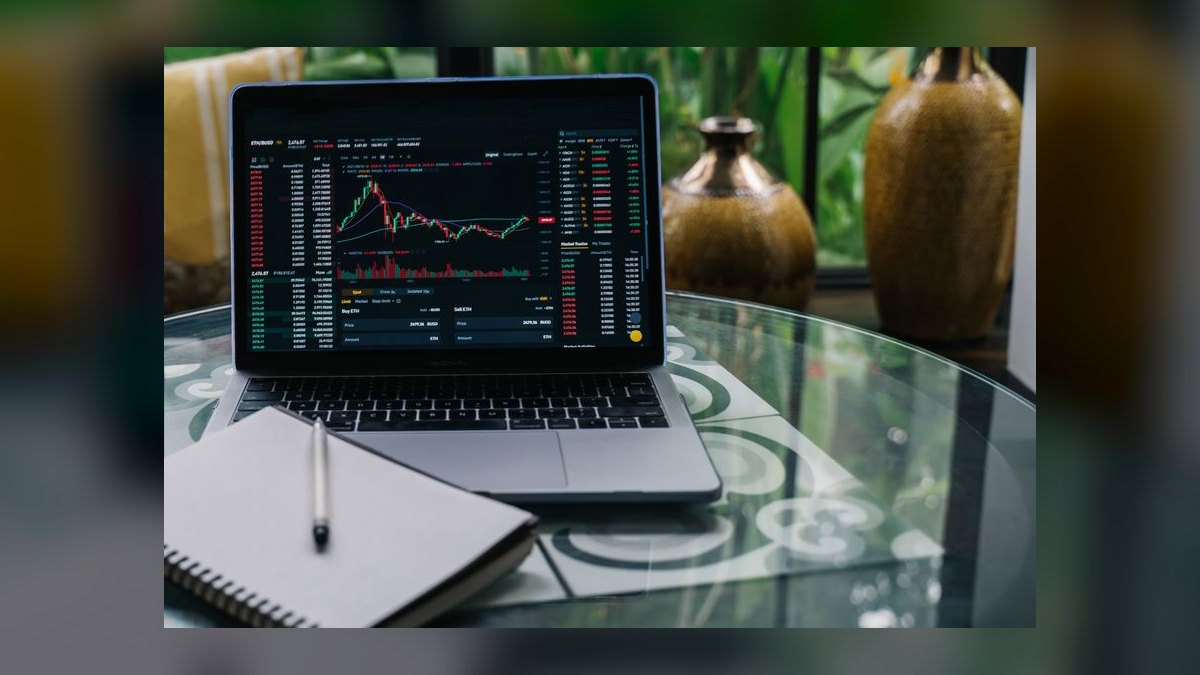
A deeper mechanism for experiential marketing is the event ROI model. Each event is tracked for ticket revenue, incremental food and beverage sales, social media impressions, and new customer acquisition. For example, a wine tasting night might generate ticket sales, additional wine sales, and social media impressions from attendees posting photos. The comparison with traditional advertising is clear: a paid ad might generate many impressions but few bookings, while a well-executed event investment might generate a higher number of bookings and high-quality impressions from engaged attendees.
The trade-off is that events require staff time and operational bandwidth. A restaurant might need to close early on a Tuesday to set up for a private event, losing dinner revenue. However, the use case for a suburban Italian restaurant is compelling: by hosting a pasta-making class every Thursday night, they can fill a slow night with paying guests at a per-ticket price, generating significant revenue that wouldn't exist otherwise. Over a year, that can amount to substantial incremental revenue—far more than the cost of the staff time.
FAQ
How do I compete with ghost kitchens and virtual brands in 2027? Full-service restaurants win by offering an irreplaceable physical experience—ambiance, service, and community—that ghost kitchens cannot replicate. Focus on experiential dining and personalized service to justify your price point and build loyalty.
What is the most important technology investment for a full-service restaurant in 2027? A unified CRM and loyalty platform that integrates POS, online ordering, and reservation data is the single most important investment. It enables personalization and predictive analytics, which drive repeat business and higher customer lifetime value.
Should I eliminate third-party delivery apps entirely? No, but you should manage them strategically. Use them as an acquisition channel while aggressively driving customers to your direct ordering app through incentives and loyalty rewards. The goal is to reduce commission dependency over time.
How do I handle dynamic pricing without upsetting regulars? Frame it as demand smoothing rather than surge pricing. Offer lower prices during off-peak times to loyalty members as a perk, not a penalty. Communicate clearly that the value is in the experience, not just the price.
What is the best way to collect first-party data without being intrusive? Use zero-party data strategies—ask guests for their preferences directly in exchange for value like a free appetizer or exclusive offers. Make data collection a natural part of the booking or ordering flow, and always respect privacy with clear opt-in options.
How do I train my staff to use all this new technology? Treat technology as a tool to enhance service, not replace it. Provide hands-on training for each system, focusing on how it saves time and improves the guest experience. Empower servers to use data to make personalized recommendations, and reward them for upsells and positive guest feedback.
Sources
- National Restaurant Association (NRA) industry reports on digital transformation and consumer trends
- Harvard Business Review articles on customer loyalty and predictive analytics in retail
- Toast POS blog and case studies on restaurant technology and operations
- Square for Restaurants guides on omnichannel strategies and payment integration
- DoorDash Merchant Blog on third-party delivery best practices and commission structures
- Modern Restaurant Management (MRM) magazine for operational and marketing insights
- QSR Magazine for quick-service and full-service comparative analysis
- Forbes and Inc. articles on restaurant innovation and go-to-market strategies
Related on PULSE
- [Inbound demand-capture GTM playbook in 2027](/knowledge/gp0511)
- [Sales-assisted PLG for mid-market in 2027](/knowledge/gp0510)
- [Reseller and VAR channel GTM playbook in 2027](/knowledge/gp0509)
- [International and geo-expansion GTM playbook in 2027](/knowledge/gp0508)
- [Vertical SaaS go-to-market playbook for healthcare in 2027](/knowledge/gp0507)
@Kory-White- · if Venmo asks, the last 4 of my number are 2012
 editorialMy Thoughts: Top 10 Product-Led Sales GTM Launch Playbooks in 2027
 gpWhat is the go-to-market playbook for nonprofit organizations in 2027?
 gpWhat is the go-to-market playbook for defense contractors in 2027?
 gpWhat is the go-to-market playbook for industrial equipment manufacturers in 2027?
 gpWhat is the go-to-market playbook for specialty chemical makers in 2027?
 gpWhat is the go-to-market playbook for online grocery services in 2027?
 gpWhat is the go-to-market playbook for beauty and cosmetics brands in 2027?
 gpWhat is the go-to-market playbook for furniture retailers in 2027?
 gpWhat is the go-to-market playbook for commercial cleaning services in 2027?
 gpWhat is the go-to-market playbook for oil and gas services in 2027?