
gp0547
 Curated byKory White · Fractional CRO · Maryland
 PULSEKNOWLEDGE LIBRARY
The go-to-market playbook for apparel and fashion brands in 2027 is built on a foundation of hyper-personalized digital experiences, sustainable production models, and community-driven distribution. Rather than relying on mass-market advertising or seasonal drops, brands lean on AI-powered customer insights to create on-demand, made-to-order collections that reduce inventory risk and waste. Success comes from integrating physical and digital retail through immersive technologies like augmented reality try-ons and virtual showrooms, while building direct-to-consumer relationships via social commerce and creator partnerships that foster loyalty and repeat purchases.
The Shift to On-Demand and Made-to-Order Production
The traditional seasonal model—designing, manufacturing, and shipping months in advance—is giving way to something more responsive in 2027. Brands increasingly use real-time demand data from social listening, pre-order platforms, and AI trend analysis to produce closer to what customers have already shown interest in. This reduces deadstock inventory—a persistent source of waste and financial loss in the industry—and allows for smaller, more frequent drops that keep customers engaged. A brand might launch a "design-to-order" capsule where customers vote on colors or fabrics, then production begins only after orders are placed. This model helps control costs and aligns with the eco-conscious consumer who prioritizes waste reduction.
Hyper-Personalization Through AI and Customer Data
In 2027, generic email blasts and broad social ads underperform. Instead, brands use AI-driven customer data platforms to segment audiences by purchase history, browsing behavior, size preferences, and style affinity. A customer who frequently buys oversized blazers in neutral tones receives personalized lookbooks, exclusive pre-order access for similar items, and loyalty-tiered offers. Virtual styling assistants—powered by generative AI—recommend complete outfits based on a user's existing wardrobe, driving cross-sell and upsell. This level of personalization tends to lift average order value and customer lifetime value, as shoppers feel understood and valued rather than marketed at.

Immersive Retail Experiences: AR, VR, and Phygital
The line between online and offline shopping continues to blur. Augmented reality (AR) try-ons let customers see how a dress fits their body shape or how a jacket moves without leaving home. Virtual showrooms in branded apps and immersive environments let customers browse collections in 3D, attend live-streamed runway shows, and purchase directly. Physical stores transform into experience centers where customers can touch fabrics, get AI-powered size recommendations via body scanning, and order custom pieces for home delivery. Brands that master this phygital integration generally see stronger conversion and fewer returns, as customers are more confident in their purchases.
Social Commerce and Creator Partnerships as Primary Channels
In 2027, social platforms function as storefronts. Shoppable posts, live shopping events, and in-app checkout are increasingly the norm. Brands partner with micro-creators who have high engagement and niche audiences, rather than relying solely on celebrity endorsements. These creators produce authentic content—styling videos, haul reviews, and day-in-the-life posts—that drives organic discovery and trust. User-generated content is repurposed across ads and product pages, creating a virtuous cycle of social proof. Brands also launch exclusive creator collections where influencers co-design limited-edition pieces, generating buzz and urgency.

Sustainability as a Core Brand Promise, Not a Marketing Gimmick
By 2027, consumers increasingly demand radical transparency about a garment's lifecycle. Brands provide digital product passports—QR codes on tags that link to information about materials, factory conditions, environmental footprint, and recycling instructions. Circular business models like rental subscriptions, resale platforms, and take-back programs are becoming expected rather than optional. A brand might offer a "lease your wardrobe" service for seasonal items or a "trade-in for store credit" program for old jeans. Marketing these initiatives authentically—through recognized third-party certifications like B Corp or Fair Trade—builds brand equity with the substantial and growing share of consumers who say they factor sustainability into purchase decisions.
Data-Driven Distribution and Inventory Management
The go-to-market playbook relies on predictive analytics to optimize inventory placement across channels. Brands use machine learning models to forecast demand by region, season, and even weather patterns, ensuring the right products sit in the right warehouses or with the right retail partners at the right time. Dropshipping from local fulfillment centers reduces shipping times and emissions. Dynamic pricing algorithms adjust prices based on demand, competitor pricing, and inventory levels. This data-driven approach reduces stockouts and markdowns, protecting profitability while meeting customer expectations for fast, reliable shipping.
Building the Community and Creator Distribution Engine
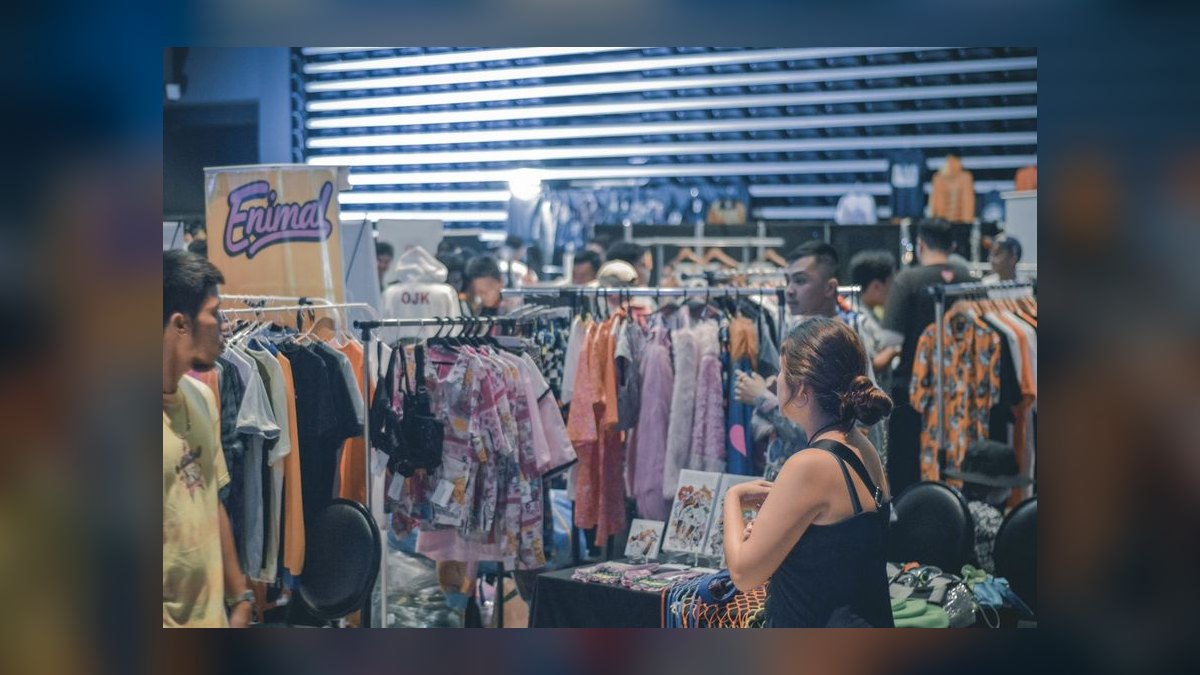
In 2027, the most durable growth channel for apparel brands is not paid media—it is owned and earned community. The playbook treats distribution as a relationship problem rather than a media-buying problem. Brands build layered ecosystems where the innermost circle (superfans, ambassadors, and early buyers) receives the deepest access, and each outer ring receives progressively broader—but still tailored—engagement.
Structuring the creator partnership tiers. Rather than chasing the largest follower counts, brands prioritize relevance and conversion quality over raw reach. A practical structure looks like this:
- Micro and nano creators who share the brand's aesthetic and speak to tightly defined subcultures. Their audiences trust them precisely because they haven't over-monetized, and their content tends to convert well per impression.
- Mid-tier "taste-maker" creators who anchor a drop's credibility and give the brand cultural permission to enter a new niche.
- In-house creators—employees, founders, and design staff who show process, sourcing, and behind-the-scenes decisions. This "founder-led content" humanizes the brand and is difficult for competitors to replicate.
The key discipline is long-term co-creation over one-off sponsored posts. Instead of paying a creator to hold up a product once, brands invite creators into the design process—naming colorways, co-designing capsules, or hosting the pre-order vote described earlier. This shifts the creator from a paid billboard into a genuine stakeholder whose audience feels ownership in the outcome.
Community infrastructure. Brands run private channels—invite-only chat groups, membership tiers, and early-access lists—where the most engaged customers get first look at drops, direct input on future products, and exclusive resale or repair benefits. These spaces do three things at once: they generate qualitative demand signals that feed the on-demand production model, they create a sense of belonging that drives repeat purchases, and they turn customers into a distributed marketing force who share drops organically. The economics are compelling because retention compounds: a brand that keeps its best customers engaged typically spends far less to generate each incremental sale than one that must repurchase attention every season.
Measuring what matters. The metrics that define a healthy community engine are behavioral rather than vanity-based. Brands watch repeat purchase rate, the share of revenue coming from returning customers, participation in pre-order votes, referral activity, and the ratio of user-generated content to paid content. When earned and owned content outpaces paid content in driving discovery, the flywheel is working.
Unifying Physical and Digital Retail Into One Experience
The 2027 playbook rejects the old split between "e-commerce" and "brick-and-mortar." Customers move fluidly across channels within a single purchase journey—discovering on social, trying on virtually, validating in a physical space, and buying wherever is most convenient. Brands that treat these as separate silos lose the customer at every handoff.
The connective tissue is unified customer data. A shopper should be recognizable and their preferences portable across every touchpoint. Someone who saved an item to a wishlist online should have that context available when they walk into a store, and a store associate's styling notes should sync back to the customer's digital profile. This continuity is what makes personalization feel like service rather than surveillance—it works only when the customer perceives clear value in exchange for their data.
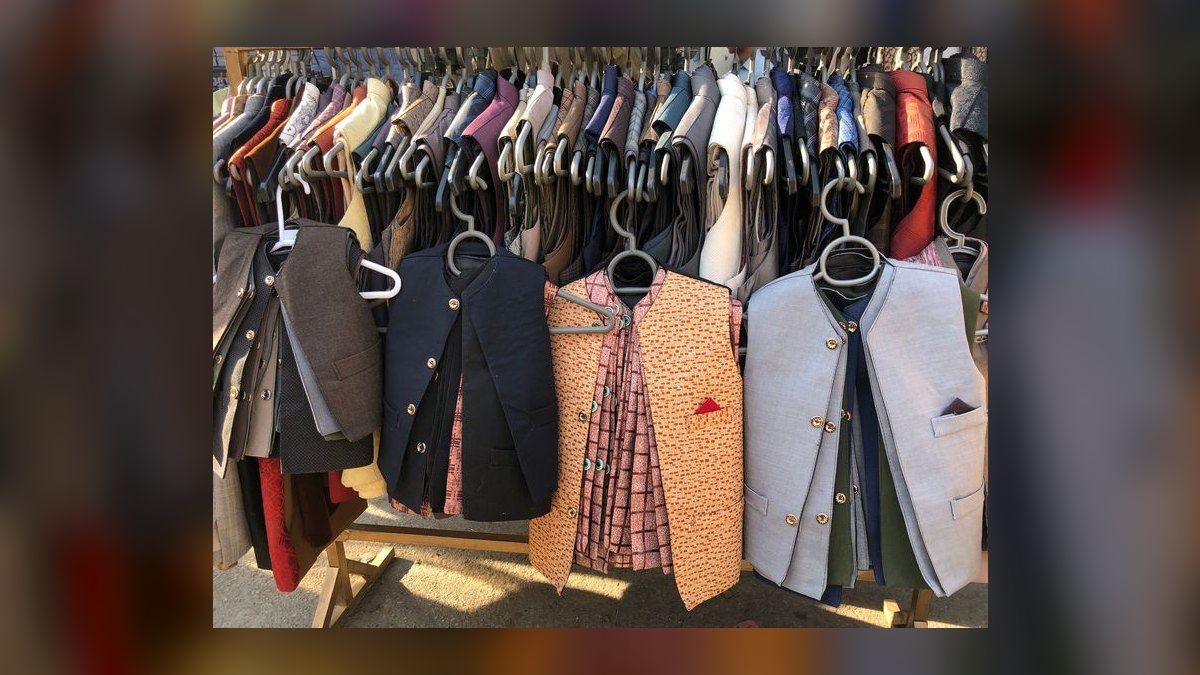
Reimagining the physical footprint. Stores in this playbook are no longer primarily inventory-holding sales floors; they are experience and community hubs. Their jobs include:
- Discovery and storytelling—showcasing the brand's design philosophy, materials, and sustainability practices in a tactile way that screens cannot replicate.
- Try-before-you-commit—reducing the return rates that plague online apparel by letting customers assess fit and fabric in person, then order the exact configuration for on-demand production.
- Community programming—hosting events, workshops, repair clinics, and creator meetups that deepen the relationship and generate content.
- Fulfillment flexibility—serving as pickup points, return hubs, and micro-fulfillment nodes that shorten delivery times.
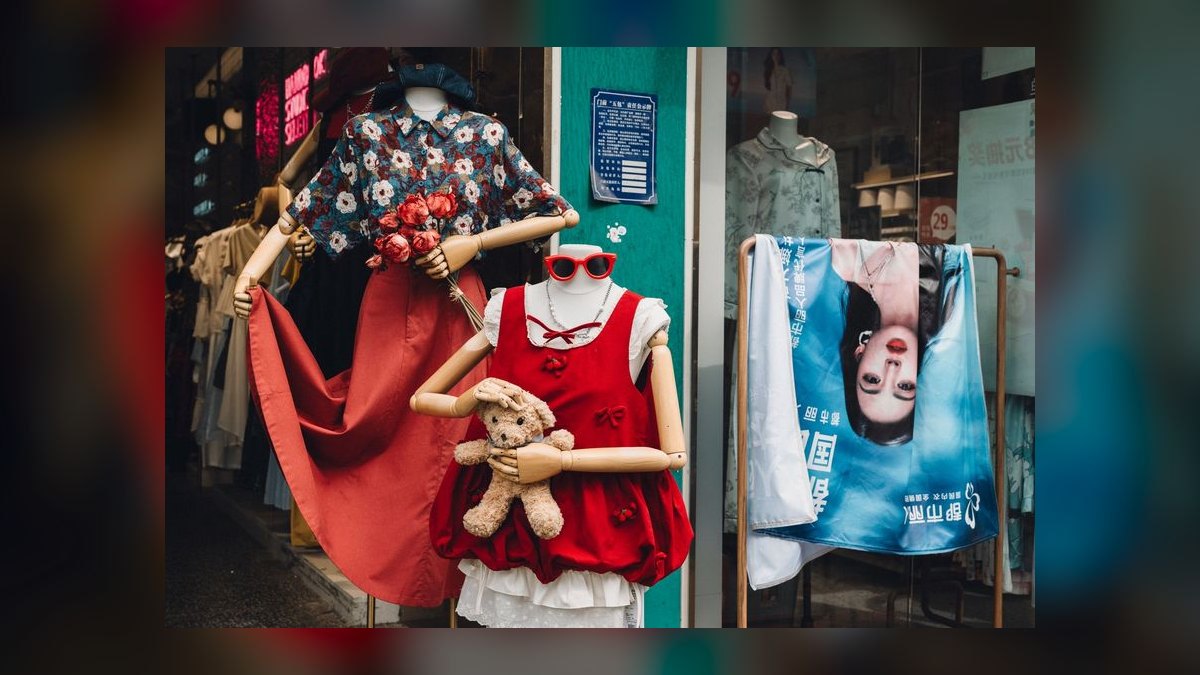
Immersive digital layers. AR try-ons and virtual showrooms extend the store's reach to anyone with a phone. The most effective implementations focus on reducing purchase anxiety—accurate fit visualization, true-to-life fabric rendering, and size guidance drawn from a customer's past purchases—rather than novelty. When a virtual try-on meaningfully lowers the odds of a return, it pays for itself; when it's a gimmick, customers ignore it after one use. Every immersive feature should either remove friction or add genuine delight, never add steps for their own sake.
Operational unification. Behind the scenes, this requires inventory visibility across channels, so a customer can buy online and pick up in store, or return in store an item bought online, without the system breaking. Brands that nail this operational layer turn the omnichannel promise into a real competitive advantage, while those that bolt digital onto legacy retail systems create the very friction they were trying to eliminate.
Embedding Sustainability as Strategy, Not Marketing
By 2027, sustainability has moved from a marketing veneer to a structural requirement that shapes sourcing, production, pricing, and post-sale relationships. Consumers—and increasingly regulators—expect brands to demonstrate real practices, not just publish aspirational statements. The playbook treats environmental responsibility as an operating system, not a campaign.
Design and sourcing decisions come first. The most impactful sustainability lever is the on-demand, made-to-order model itself, because producing only what is already sold attacks waste at its root. Beyond that, brands prioritize durable, repairable, and recyclable materials, transparent supply chains, and suppliers who can document their labor and environmental practices. The goal is to make the sustainable choice the default embedded in the product, rather than an add-on the customer must seek out.
Circular business models as revenue, not cost. Forward-looking brands build resale, repair, and rental directly into their offering. A branded resale marketplace keeps garments in circulation, captures a second transaction, and gives the brand ongoing data about how products age and where they end up. Repair programs—whether in-store clinics or mail-in services—extend product life and create loyalty touchpoints. These circular services turn what was once an environmental obligation into a new revenue stream and retention mechanism.
Communicating credibly. The fastest way to lose trust in 2027 is to over-claim. Brands avoid vague superlatives and instead communicate specific, verifiable practices—what materials are used, how products are made, and what happens at end of life. Transparency about trade-offs and works-in-progress reads as more honest, and therefore more persuasive, than polished perfection. The brands that win are those whose sustainability story is simply an accurate description of how they already operate—because the practice and the marketing are the same thing.
FAQ
How do I start with made-to-order if I have limited production capacity? Begin with a small capsule collection, use pre-orders to gauge demand, and partner with a local cut-and-sew factory that can handle low minimums. Scale up as you validate the model.
What if my brand is luxury and relies on exclusivity? Luxury brands can use private virtual showrooms for top clients, offer customization options (e.g., monogramming, fabric choices), and host invite-only AR events to maintain scarcity while embracing personalization.
How do I measure success for creator partnerships? Track engagement rate, click-through rate, attributed sales via unique discount codes, and customer acquisition cost. Focus on repeat purchase rate from creator-referred customers, not just one-time buys.
Is it expensive to implement AR try-ons? Entry costs have come down considerably, with many SaaS platforms offering subscription-based AR tools. Start with a web-based AR solution that works on any device, then invest in more advanced body-scanning tech as you grow.
How do I handle returns for made-to-order items? Offer store credit instead of refunds for custom pieces, and include a virtual sizing assistant upfront to reduce fit issues. For non-custom items, use prepaid return labels and partner with reverse logistics companies that resell or recycle returns.
What if my brand is niche and has a small audience? Focus on community building via Discord servers or private social groups, where you share behind-the-scenes content and take direct input on designs. Use email marketing with personalized recommendations to nurture your existing customers.
Sources
- McKinsey & Company / Business of Fashion — The State of Fashion
- Business of Fashion
- Shopify — Commerce Trends and Enterprise Retail Insights
- Fashion Revolution — Fashion Transparency Index
- Ellen MacArthur Foundation — A New Textiles Economy / Circular Fashion
- World Economic Forum — Circular Economy and Fashion
- Harvard Business Review — Direct-to-Consumer and Retail Strategy
Related on PULSE
- [Inbound demand-capture GTM playbook in 2027](/knowledge/gp0511)
- [Sales-assisted PLG for mid-market in 2027](/knowledge/gp0510)
- [Reseller and VAR channel GTM playbook in 2027](/knowledge/gp0509)
- [International and geo-expansion GTM playbook in 2027](/knowledge/gp0508)
- [Vertical SaaS go-to-market playbook for healthcare in 2027](/knowledge/gp0507)
@Kory-White- · if Venmo asks, the last 4 of my number are 2012
 editorialMy Thoughts: Top 10 Product-Led Sales GTM Launch Playbooks in 2027
 gpWhat is the go-to-market playbook for nonprofit organizations in 2027?
 gpWhat is the go-to-market playbook for defense contractors in 2027?
 gpWhat is the go-to-market playbook for industrial equipment manufacturers in 2027?
 gpWhat is the go-to-market playbook for specialty chemical makers in 2027?
 gpWhat is the go-to-market playbook for online grocery services in 2027?
 gpWhat is the go-to-market playbook for beauty and cosmetics brands in 2027?
 gpWhat is the go-to-market playbook for furniture retailers in 2027?
 gpWhat is the go-to-market playbook for commercial cleaning services in 2027?
 gpWhat is the go-to-market playbook for oil and gas services in 2027?