
gp0555
 Curated byKory White · Fractional CRO · Maryland
 PULSEKNOWLEDGE LIBRARY
The go-to-market playbook for esports organizations in 2027 shifts from pure viewership monetization to a community-ownership hybrid model where fan engagement, brand partnerships, and digital asset ecosystems drive revenue. Success hinges on leveraging fractionalized team ownership via blockchain tokens, creating hyper-personalized fan experiences through AI, and embedding real-world utility into virtual goods. This approach replaces the old reliance on sponsorship alone with diversified, sticky revenue streams that are more resilient to market volatility.
The Core Pillar: Community-Owned Franchises
In 2027, esports organizations are increasingly positioned not just as teams but as fan collectives. The playbook starts with issuing governance tokens that grant holders voting rights on roster moves, content direction, and revenue splits. This aims to transform passive viewers into economic stakeholders, improving retention and creating a built-in marketing force. A token holder might, for example, share in merchandise revenue or in-game item royalties, incentivizing them to promote the brand organically. The key is to balance decentralization with professional management—tokens confer influence, not operational chaos, through tiered voting systems and expert advisory boards.
Revenue Diversification: Beyond Sponsorships
Traditional sponsorship deals still matter, but the strategic direction is to reduce dependence on any single revenue line. The playbook emphasizes three new pillars:
- Digital Asset Marketplaces: Sell limited-edition collectibles tied to player moments (e.g., a "clutch round" highlight) with resale royalties that pay the organization and player each time the asset changes hands.
- Virtual Goods as Utility: Offer skins, emotes, and banners that work across multiple games and social platforms, creating cross-ecosystem demand. These goods can be staked in fan contests or used to unlock exclusive community channels.
- Experiential Phygital Events: Host hybrid tournaments where online viewers can purchase virtual front-row seats with real-time chat and AR overlays, while in-person attendees get token-gated access to meet-and-greets. The merchandise sold at these events can include QR-coded jerseys that unlock digital collectibles.

AI-Driven Fan Engagement
Artificial intelligence is a backbone of the 2027 playbook. Organizations use predictive analytics to identify high-value fans—those most likely to purchase tokens or attend events—and serve them personalized content via chatbots and dynamic websites. AI-generated highlight reels can be automatically tailored to each fan's favorite players or game moments and distributed through push notifications. AI also supports dynamic pricing for event tickets and merchandise, adjusting in response to demand and fan loyalty signals. The goal is stronger monetization without alienating casual fans.
Strategic Partnerships with Web3 Gaming Platforms
The playbook encourages partnerships with blockchain-based games that offer play-to-earn mechanics. Esports organizations can act as guilds, onboarding players into these ecosystems and sharing in their earnings. In return, the organization provides coaching, gear, and brand exposure. These partnerships are typically codified in smart contracts that automatically split revenue from in-game achievements. A partnership might see the organization sponsoring tournaments where winners receive tokenized trophies. This is designed to create a flywheel: more players join the guild, increasing the organization's footprint, which in turn attracts more sponsors.
Content Strategy: Short-Form, Platform-Native, and Co-Created
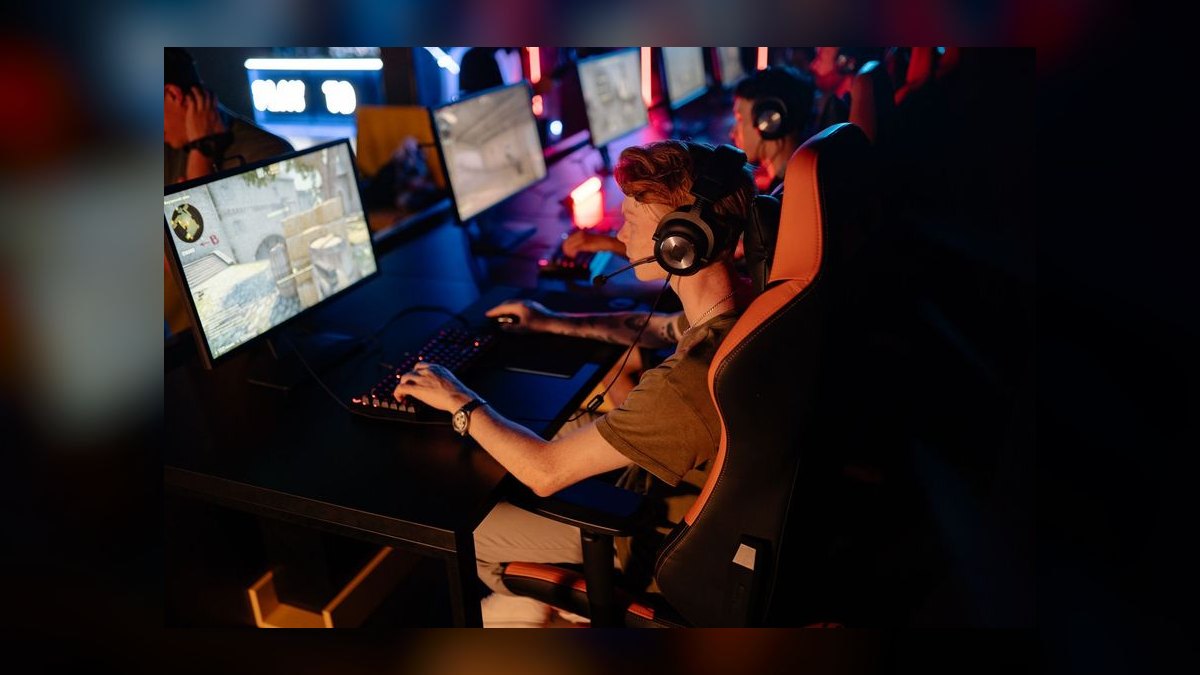
Content is the primary acquisition channel in 2027. The playbook leans heavily toward short-form, platform-native clips built for platforms like TikTok, Instagram Reels, and YouTube Shorts, because that is where algorithmic discovery happens. AI tools generate auto-captioned clips from live streams, highlighting key plays and player reactions. A smaller share of output is long-form, documentary-style content, often reserved for token holders via gated access. Co-creation with fans is critical: organizations run contests where fans submit meme edits or strategy breakdowns, with winners earning in-game currency or exclusive collectibles. This turns the fanbase into a distributed content army, reducing production costs and increasing authenticity.
Global Expansion via Localized Hubs
Global reach is achieved not through a single massive team but through regional micro-teams in key markets such as Southeast Asia, Brazil, and the Middle East. Each hub operates semi-autonomously, with localized tokenomics—for example, a regional token might be pegged to local currency for stability. The playbook uses cultural ambassadors (local influencers) to onboard new fans and translate the brand into local gaming slang. Regional tournaments feed into a global championship, with cross-hub leaderboards driving competition. This decentralized structure is designed to reduce currency risk and regulatory friction while maximizing cultural relevance.
Building the Fan Acquisition Engine: From Discovery to Devotion
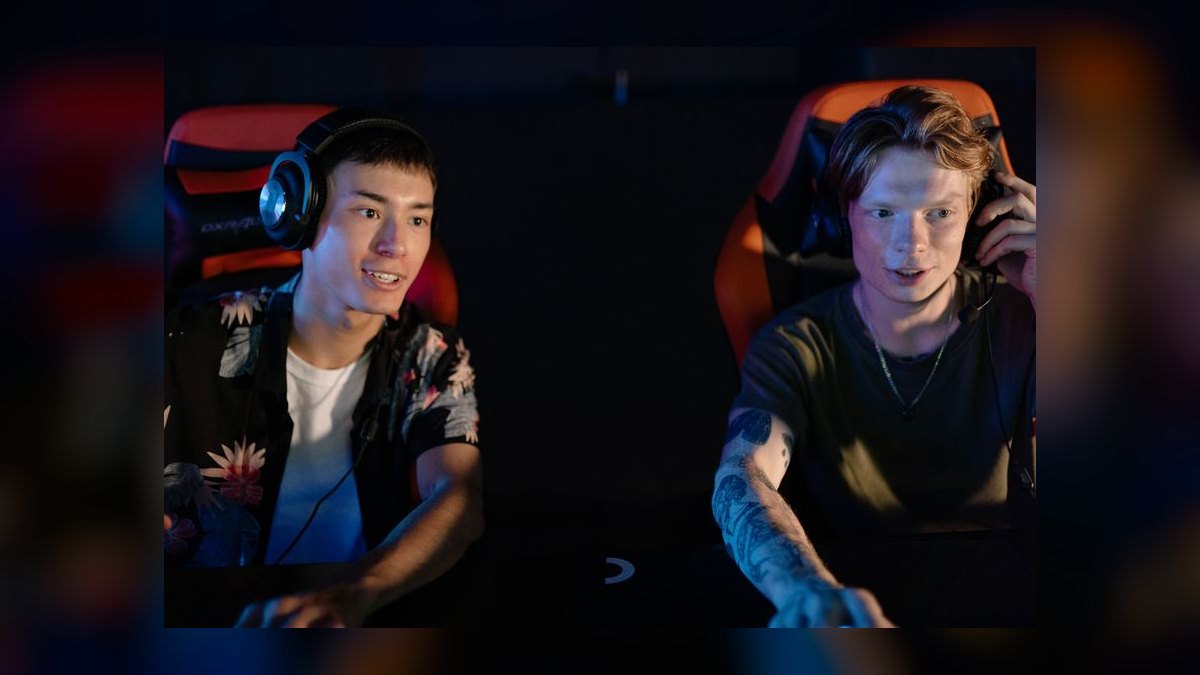
The biggest strategic error esports organizations make is treating fan acquisition like traditional sports marketing—buying awareness and hoping for conversion. In 2027, the winning playbook treats the fan journey as a layered funnel where each stage has a distinct job, and the whole system is engineered to move a casual viewer toward economic participation.
The top of the funnel is no longer the broadcast; it is short-form, platform-native content designed to be discovered by algorithm rather than scheduled by a network. Player personalities, behind-the-scenes moments, and reaction clips do the heavy lifting because they travel without a media-rights gatekeeper. The organization's job here is volume and consistency, not polish—reach compounds when the content machine never stops.
The middle of the funnel is where most organizations under-invest. This is the "why should I care about *this* team" layer, and it is built almost entirely on narrative and identity. Fans do not attach to win-loss records; they attach to characters, rivalries, redemption arcs, and a sense of belonging. The playbook here is to give every roster member a defined role in an ongoing story and to give the fanbase shared language, in-jokes, and rituals. A team with a mediocre competitive record but a magnetic identity will often out-monetize a stronger team that reads as faceless.
The bottom of the funnel is the conversion to a participating member—someone who owns something, votes on something, or belongs to a gated space. The critical design principle is that this step should feel like *joining*, not *buying*. Framing matters enormously: "become a member of the collective" tends to outperform "purchase a token" even when the underlying transaction is identical. Organizations that get this right build a self-reinforcing loop, because participating members become the top-of-funnel content amplifiers for the next cohort of fans. The funnel, in effect, feeds itself.
A practical warning: resist the temptation to optimize only the metrics that are easy to measure, like raw view counts. Reach is a vanity number if it does not convert to identity, and identity is a vanity number if it does not convert to participation. The organizations that thrive treat the *transitions between stages* as the real KPIs, not the size of any single stage.
Talent as an Asset Class, Not a Cost Center
Traditional esports organizations booked players and content creators as expenses—salaries to be minimized, contracts to be optimized against the salary cap of the moment. The 2027 playbook inverts this: talent is treated as an appreciating asset, and the organization's role shifts from employer to career platform and equity partner.
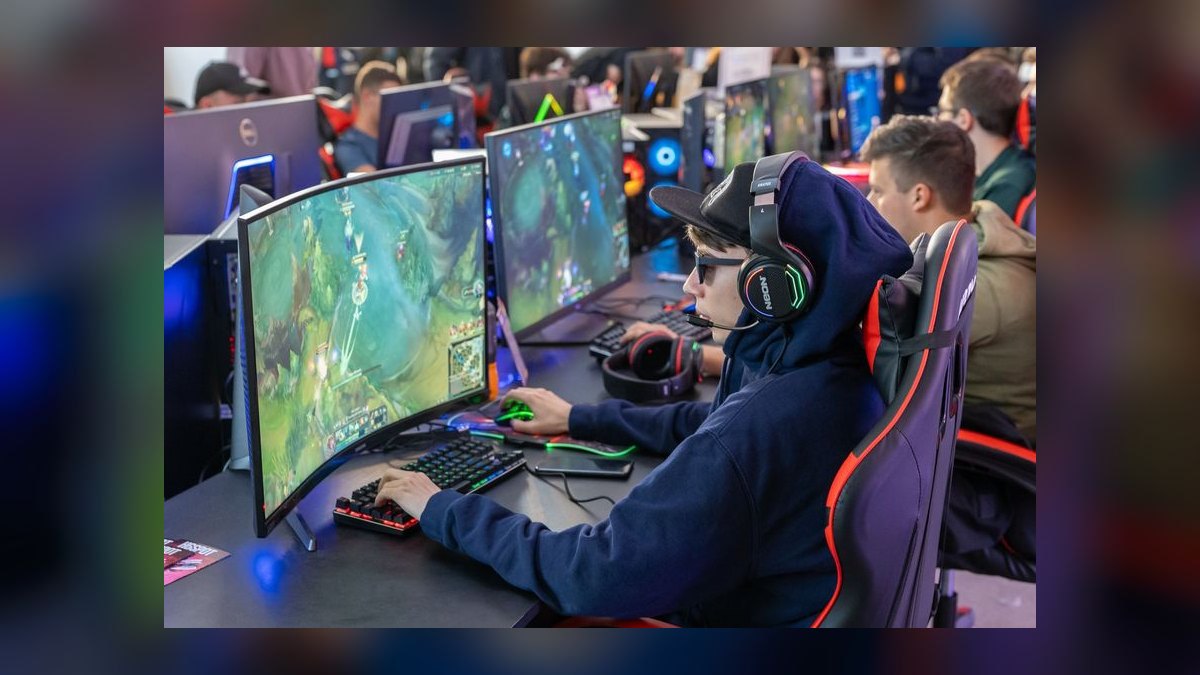
This starts with recognizing that a player's audience is often more durable than their competitive prime. A star who ages out of top-tier competition can remain a revenue engine for years as a creator, coach, personality, or community anchor—*if* the organization has built the infrastructure to keep that value inside the tent. That means investing early in a player's personal brand, cross-promoting them deliberately, and structuring deals so that both sides win when the player's individual audience grows. Organizations that clawed for every point of margin against their talent in the old model watched their best assets walk out the door and take their audiences with them.
The playbook also broadens the definition of talent well beyond active competitors. Creators, analysts, hosts, and coaches are all audience-bearing assets, and a smart organization assembles a portfolio across these categories to hedge against the volatility of any single game title or competitive scene. When a game's popularity fades—and every game's popularity eventually fades—an organization anchored only to that title's active roster is dangerously exposed. One anchored to a diversified roster of personalities can pivot its audience to whatever comes next.
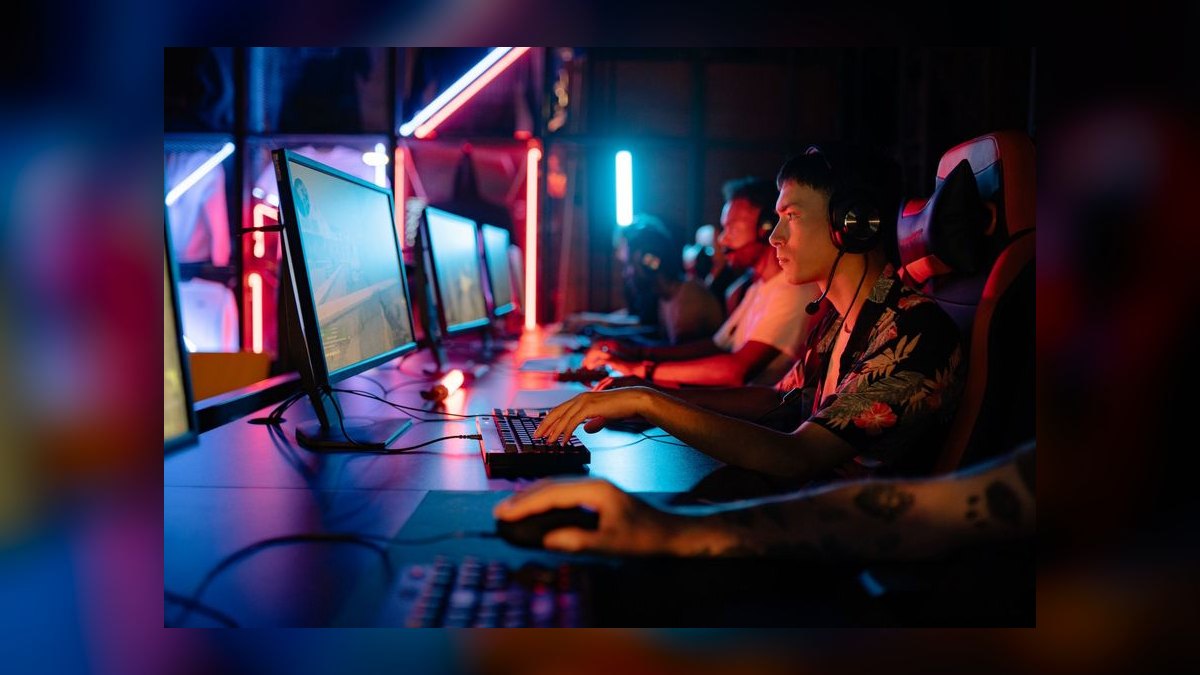
Compensation structures follow this logic. The most forward-looking organizations blend base pay with revenue-share and equity-style upside, aligning talent incentives with the long-term value of the collective rather than the outcome of a single tournament. This does more than retain talent; it fundamentally changes behavior. A player who shares in merchandise and membership revenue promotes those products authentically, engages the community without being nagged to, and treats the organization's success as their own. The alignment is the point.
Finally, treat talent development as a proprietary pipeline. Scouting, academy systems, and content-creator incubation are not overhead—they are how an organization manufactures its future assets at a cost far below the open market. The teams that build these pipelines early enjoy a structural advantage: they are producing appreciating assets while their competitors are bidding against each other for the same scarce, already-expensive names.
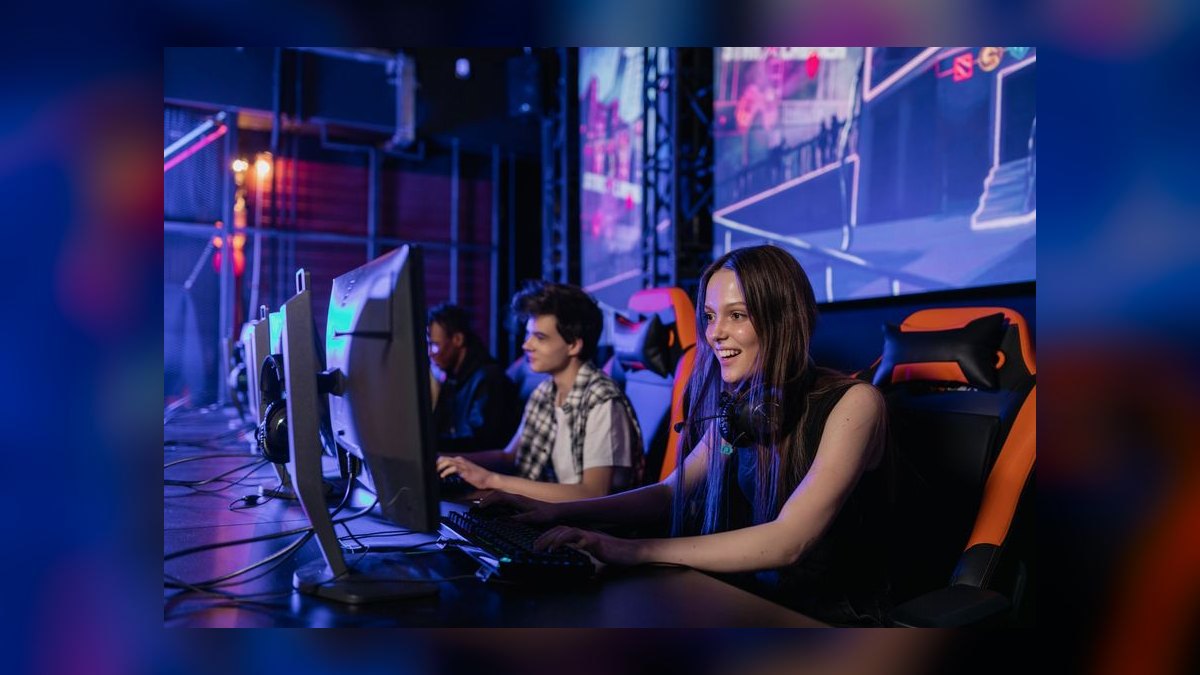
Governing the Hybrid Model Without Killing It
The community-ownership model that anchors the 2027 playbook carries a hidden failure mode that has quietly sunk more than a few ambitious organizations: governance that is either too loose or too rigid. Getting this balance right is arguably the hardest operational challenge in the entire playbook, and it deserves as much strategic attention as revenue or talent.
The too-loose failure looks like genuine decentralization applied to decisions that require expertise and speed. If token holders can vote directly on roster changes, coaching hires, or competitive strategy, the organization becomes hostage to popularity contests and short-term fan emotion. Fans, however passionate, are not talent scouts or performance analysts, and a roster managed by referendum will tend to underperform one managed by professionals. The result is a slow bleed of competitive quality that eventually erodes the very fandom the governance model was meant to strengthen.
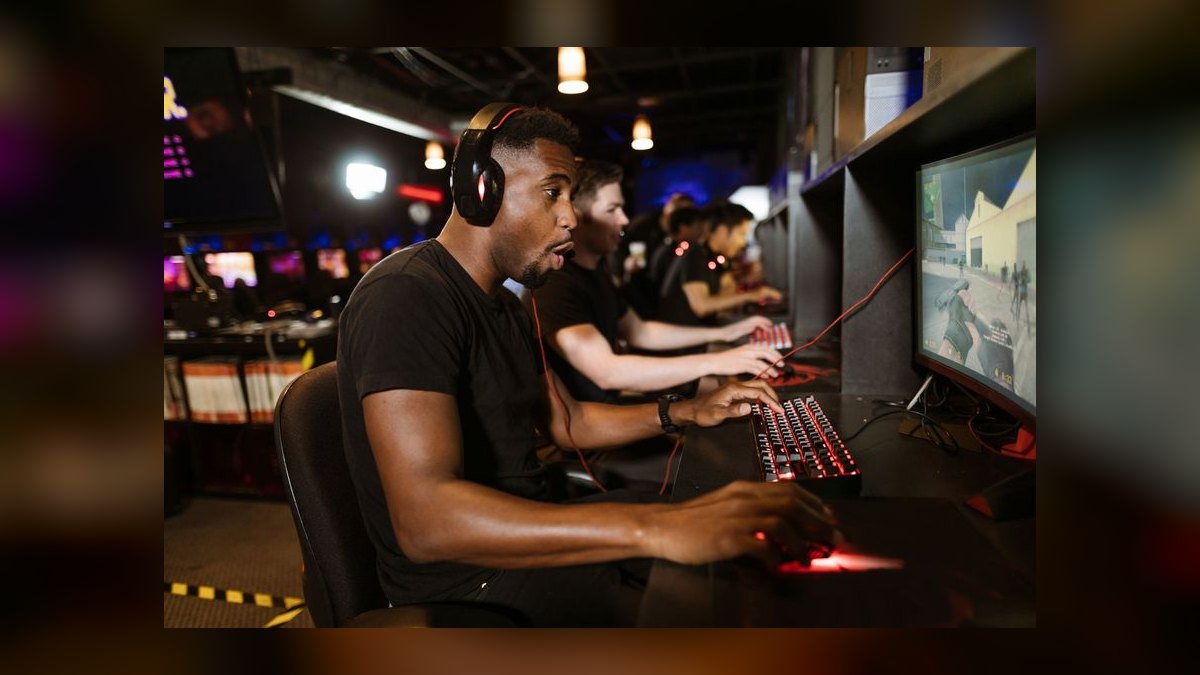
The too-rigid failure is subtler and just as fatal. Organizations that issue governance tokens as pure marketing—granting the *symbol* of ownership without any real influence—train their most invested fans to feel deceived. Community members are quick to sense when their "votes" are non-binding theater, and the backlash from betrayed superfans is far more damaging than never having offered participation at all. Trust, once spent, is extraordinarily expensive to rebuild.
The workable path is tiered and scoped governance. Reserve high-stakes operational decisions—competitive, financial, legal—for professional management and advisory boards with real accountability. Route genuinely community-appropriate decisions to token holders: content directions, charitable initiatives, merchandise designs, event choices, and community rules. These are decisions where fan enthusiasm is an asset rather than a liability, and where a "wrong" answer is survivable. The organization gets authentic participation on the questions fans are actually qualified to weigh in on, and protects the questions that require expertise.
Transparency is the connective tissue that makes this credible. Publish clearly what is votable and what is not, honor the results of binding votes even when management would have chosen differently, and communicate the reasoning behind reserved decisions. A community that understands *why* certain choices sit with professionals will accept those boundaries; one that feels boundaries were hidden or shifted arbitrarily will revolt. In the hybrid model, governance is not a legal formality—it is a core part of the product, and it must be designed with the same care as any revenue stream.
FAQ
How do esports organizations handle token volatility? They tend to use reserve mechanisms and buyback programs to stabilize token prices, and some peg value to a basket of fiat currencies or game assets to reduce swings.
What happens if a player leaves the team? Smart contracts can govern how player-specific collectibles are handled—either retired or transferred—with royalties split between the old and new organizations according to the original terms.
Can fans really influence roster decisions? Typically through weighted voting—longer-term token holders carry more weight—while professional management retains veto power to protect competitive integrity.
How do organizations prevent token concentration among whales? Common tools include vesting schedules and anti-whale caps that limit how many tokens any single wallet can hold or vote with.
What role do traditional sponsors play in this model? Sponsors increasingly buy branded tokens or virtual real estate within the organization's hub, gaining engagement data rather than just logo placement.
Is this model viable for small esports organizations? Yes—smaller orgs can fractionalize ownership of a single player or series, lowering the barrier for fan investment and creating niche communities that larger orgs struggle to replicate.
Sources
- Esports Insider — industry coverage of esports business models and team ownership: https://esportsinsider.com
- The Esports Advocate — reporting on esports partnerships and industry deals: https://esportsadvocate.net
- CoinDesk — coverage of blockchain, tokens, and fan engagement: https://www.coindesk.com
- Sports Business Journal — trends in sports and esports revenue: https://www.sportsbusinessjournal.com
- Decrypt — reporting on NFTs and utility in gaming: https://decrypt.co
- Forbes — coverage of AI in sports and marketing: https://www.forbes.com
- MIT Technology Review — research on decentralized and Web3 governance: https://www.technologyreview.com
Related on PULSE
- [Inbound demand-capture GTM playbook in 2027](/knowledge/gp0511)
- [Sales-assisted PLG for mid-market in 2027](/knowledge/gp0510)
- [Reseller and VAR channel GTM playbook in 2027](/knowledge/gp0509)
- [International and geo-expansion GTM playbook in 2027](/knowledge/gp0508)
- [Vertical SaaS go-to-market playbook for healthcare in 2027](/knowledge/gp0507)
Read it free — or make it yours for $1.
@Kory-White- · if Venmo asks, the last 4 of my number are 2012
 editorialMy Thoughts: Top 10 Product-Led Sales GTM Launch Playbooks in 2027
 gpWhat is the go-to-market playbook for nonprofit organizations in 2027?
 gpWhat is the go-to-market playbook for defense contractors in 2027?
 gpWhat is the go-to-market playbook for industrial equipment manufacturers in 2027?
 gpWhat is the go-to-market playbook for specialty chemical makers in 2027?
 gpWhat is the go-to-market playbook for online grocery services in 2027?
 gpWhat is the go-to-market playbook for beauty and cosmetics brands in 2027?
 gpWhat is the go-to-market playbook for furniture retailers in 2027?
 gpWhat is the go-to-market playbook for commercial cleaning services in 2027?
 gpWhat is the go-to-market playbook for oil and gas services in 2027?