

gp0579

The go-to-market playbook for full-service restaurants in 2027 centers on blending hyper-personalized digital experiences with operational excellence to win in a market where diners demand convenience, authenticity, and value. This means moving beyond traditional marketing to a data-driven ecosystem that integrates loyalty, delivery partnerships, and dynamic pricing, all while maintaining the human touch that defines full-service dining. Success hinges on first-party data ownership, ghost kitchen agility, and community-rooted branding to cut through noise and build lasting customer relationships.
The New Customer Acquisition Funnel
In 2027, the traditional funnel is replaced by a continuous engagement loop that starts long before a guest walks in. Restaurants must leverage predictive analytics from reservation platforms, social media, and POS systems to identify high-intent diners. For example, targeting users who have searched for "date night spots" or "Italian cuisine" within a 5-mile radius via programmatic ads on platforms like Instagram and Google Maps. The key is to offer instant value—such as a complimentary appetizer with a reservation—to convert interest into a booking. Once inside, the focus shifts to seamless onboarding into the restaurant's loyalty app via QR codes on tables, capturing email and phone numbers for future retargeting. This approach reduces reliance on costly third-party delivery aggregators by driving direct orders through the restaurant's own website or app.
Dynamic Menu and Pricing Strategy
The 2027 playbook demands real-time menu optimization based on demand, inventory, and local events. Full-service restaurants should implement dynamic pricing for peak hours (e.g., a 10% surcharge for Friday 7 PM reservations) while offering happy-hour discounts for off-peak times to smooth traffic. Menus must be modular, allowing guests to customize dishes with add-ons (e.g., truffle fries for $4) that increase average check size. Additionally, seasonal micro-menus using locally sourced ingredients can be promoted via limited-time offers (LTOs) in the app, creating urgency and social media buzz. This strategy requires real-time inventory tracking through integrated POS systems to avoid disappointing guests with sold-out items. The goal is to maximize revenue per available seat (RevPASH) without sacrificing perceived value.
Loyalty and Retention Ecosystem
Retention is the new growth engine, and in 2027, tiered loyalty programs are non-negotiable. Restaurants must offer points for every dollar spent, plus experiential rewards like a chef's table dinner or a free cooking class. The program should be omnichannel, integrating with the restaurant's app, website, and even delivery partners (e.g., earning points on DoorDash orders). Gamification elements—such as a "Dine 5 Times, Get a Free Bottle of Wine" challenge—drive repeat visits. Crucially, the loyalty program must be data-rich, tracking preferences (e.g., gluten-free, wine choices) to send hyper-personalized offers via SMS or push notifications. For example, a guest who orders steak twice gets a "Buy One Get One Free" offer for a new ribeye special. This builds emotional loyalty that outlasts price wars.
Delivery and Off-Premise Integration
Full-service restaurants can no longer ignore delivery, but the 2027 playbook emphasizes profitability over volume. Instead of listing on every aggregator, restaurants should partner with 2-3 premium delivery services (e.g., Uber Eats, DoorDash) that offer co-marketing opportunities and lower commission tiers for loyalty members. The key is to optimize the delivery menu—removing items that don't travel well and adding exclusive delivery-only dishes (e.g., a "Burger Box" with fries and a shake) to differentiate. Ghost kitchens (shared or dedicated) can extend the restaurant's reach into new neighborhoods without the overhead of a full storefront. For pickup, curbside service with text notifications and dedicated parking spots ensures a frictionless experience. The goal is to capture 30-40% of total revenue from off-premise channels while maintaining the brand's premium image.
Community and Brand Authenticity
In an era of digital fatigue, local community engagement becomes a powerful differentiator. Full-service restaurants should host monthly events—such as wine tastings, live music, or charity dinners—that turn the dining room into a neighborhood hub. Partnering with local farms, breweries, or artists for co-branded experiences (e.g., a "Farm-to-Table Dinner Series") generates earned media and word-of-mouth. Social media content should shift from polished ads to behind-the-scenes stories of the kitchen, staff, and sourcing. User-generated content campaigns (e.g., "Tag us for a chance to win a free meal") amplify reach authentically. The brand voice must be consistent across all channels, emphasizing values like sustainability, inclusivity, or culinary craftsmanship. This builds a tribe of loyal advocates who defend the restaurant against competitors.
Technology Stack and Operations
The backbone of the 2027 playbook is a unified tech stack that connects the front-of-house, back-of-house, and marketing. Essential components include a cloud-based POS (e.g., Toast, Square), a CRM platform (e.g., SevenRooms, OpenTable), and an inventory management system (e.g., MarketMan). These tools must integrate to enable single-customer-view across online orders, in-dine visits, and loyalty data. AI-powered chatbots on the website and SMS handle reservation changes, menu questions, and feedback in real time. Kitchen display systems (KDS) reduce errors and speed up service. For marketing, automated email/SMS campaigns (e.g., birthday offers, re-engagement sequences) run on triggers from the CRM. The investment in technology should be 10-15% of revenue annually, with a focus on ROI tracking through metrics like customer acquisition cost (CAC) and lifetime value (LTV).
FAQ
How do I compete with fast-casual chains on price? You don't compete on price—you compete on experience. Focus on personalized service, ambiance, and unique menu items that justify a premium. Offer value through loyalty perks, not discounts.
What if my restaurant is in a small town with limited delivery options? Double down on local partnerships—work with a single delivery service or launch your own in-house delivery team. Host community events to drive foot traffic and word-of-mouth.
How often should I update my menu? Aim for seasonal rotations (4 times a year) plus weekly specials. Use data from your POS to identify slow-moving items and replace them with high-margin alternatives.
Is it worth investing in a custom app? Only if you have a large, loyal customer base (500+ regulars). Otherwise, use a white-label solution or integrate with existing platforms like OpenTable to avoid high development costs.
How do I handle negative online reviews? Respond publicly and promptly within 24 hours. Apologize, offer a solution (e.g., a free meal), and take the conversation offline. This shows you care and can turn a critic into a fan.
What's the biggest mistake restaurants make in 2027? Ignoring first-party data. Relying solely on third-party aggregators for orders means you lose control of the customer relationship. Build your own email list and loyalty program.
Sources
- National Restaurant Association (industry trends and benchmarks)
- Toast Restaurant Technology Blog (POS and loyalty strategies)
- SevenRooms CRM Case Studies (personalization and retention)
- Harvard Business Review (customer experience and loyalty economics)
- DoorDash Merchant Blog (delivery optimization tips)
- Modern Restaurant Management (technology and operations)
- Forbes Food & Drink (marketing and branding insights)
Related on PULSE
- Explore more in the PULSE library.
 gpWhat is the best way to approach GTM Playbooks in 2027?
 gpGTM Playbook for Cybersecurity in 2027 — The Complete Operator Guide
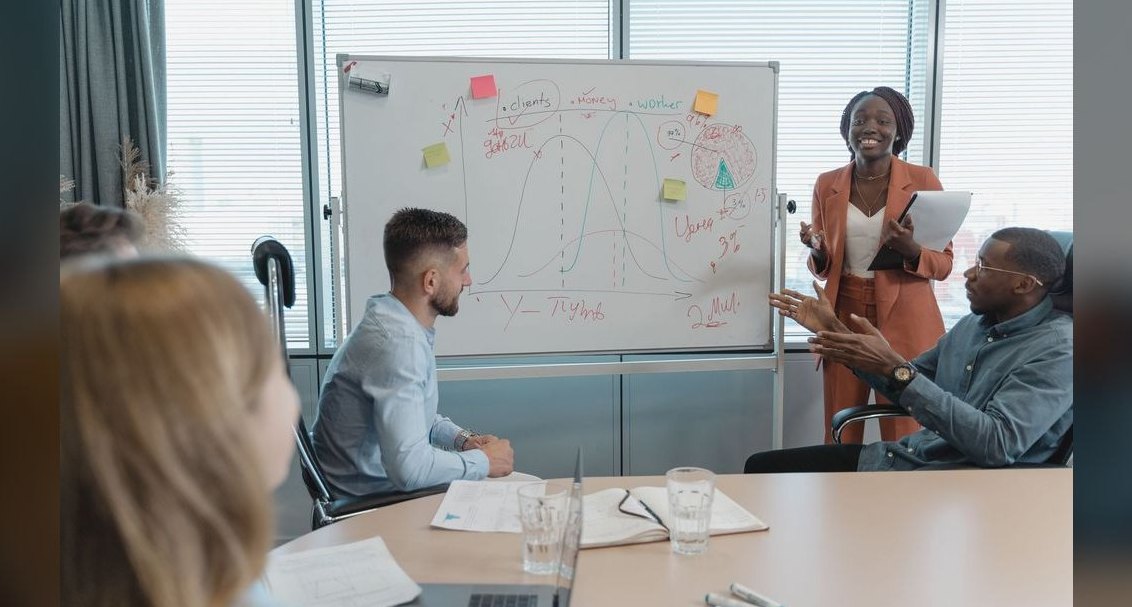 gpTop 10 GTM Playbooks strategies for 2027
 gpWhat are the most common mistakes in GTM Playbooks in 2027?
 gpWhat should you know before investing in GTM Playbooks in 2027?
 gpHow do you get started with GTM Playbooks in 2027?
 gpIs GTM Playbooks worth it in 2027?
 gpWhat is the go-to-market playbook for mortgage brokerages in 2027?
 gpWhat is the go-to-market playbook for independent insurance agencies in 2027?
 gpWhat is the go-to-market playbook for property management companies in 2027?