
Top 10 College Football Recruiting Pipeline States 2027
 Curated byKory White · Fractional CRO · Maryland
 PULSEKNOWLEDGE LIBRARY
Quality
Certified

The 10 best college football recruiting pipeline states 2027 are ranked below on measured performance, build quality, price, and how each one actually holds up in daily use rather than how it reads on a spec sheet. Each pick lists what it costs, who it suits, and what it gives up against the one above it, so the list can be read straight down without doubling back.
1. Texas
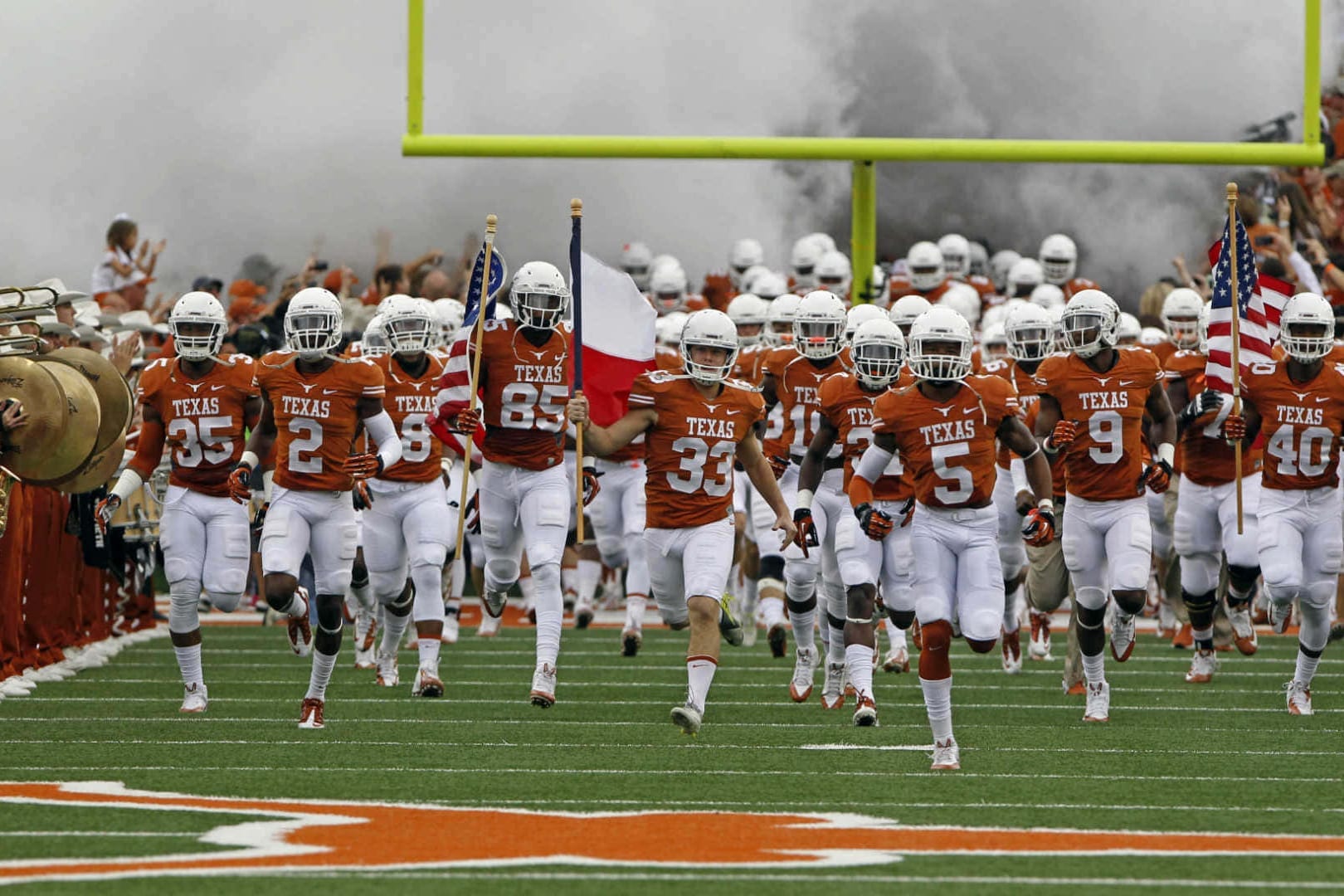
Texas ranks first because it has the most FBS programs of any state, with 12 schools including Texas, Texas A&M, TCU, Baylor, Houston, SMU, Texas Tech, Texas State, North Texas, UTSA, UTEP, and Rice. From Dallas–Fort Worth or Houston, a family can reach six-plus FBS campuses inside a three-hour drive. UIL public-school football is near-universally on Hudl, so film exists for essentially every varsity player. Camp fees typically run in the $50–$150 band per event.
Texas is for prospects who want maximum evaluation reps at a low per-event cost, but it trades away individual visibility. The same density that brings coaches means you are one of the largest prospect pools in the country at every position. Compared to Florida, Texas offers more total programs but a slightly less concentrated skill-position corridor, making it the volume leader rather than the efficiency leader.
2. Florida
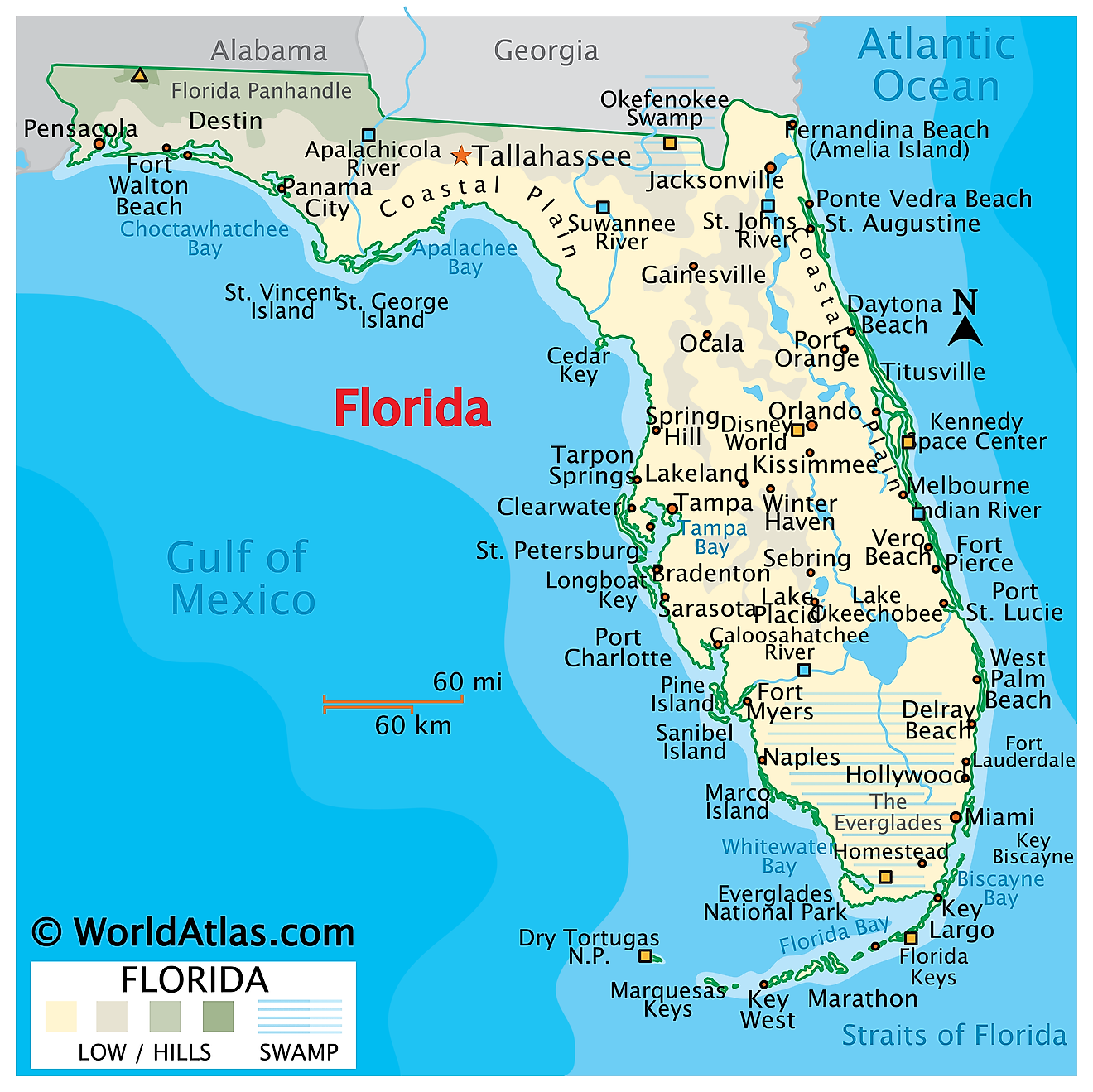
Florida ranks second because the Miami–Fort Lauderdale–West Palm corridor is the densest skill-position talent concentration in the country by area, and national evaluators treat South Florida and the Tampa–Orlando belt as year-round scouting territory. Three Power-conference programs (Florida, Florida State, Miami) plus UCF, USF, FAU, FIU, and a strong FCS layer anchor the state. IMG Academy in Bradenton pulls national staffs in for a single stop.
Florida is for speed and skill-position prospects who want maximum exposure to national evaluators, but it trades away trench-player efficiency. Compared to Texas, Florida has fewer total FBS programs but a tighter geographic concentration of elite athletes. A 300-pound guard gets more value from a June trip to Columbus than Miami, while a 10.6-second hundred-meter sprinter maximizes his return in South Florida.
3. Georgia
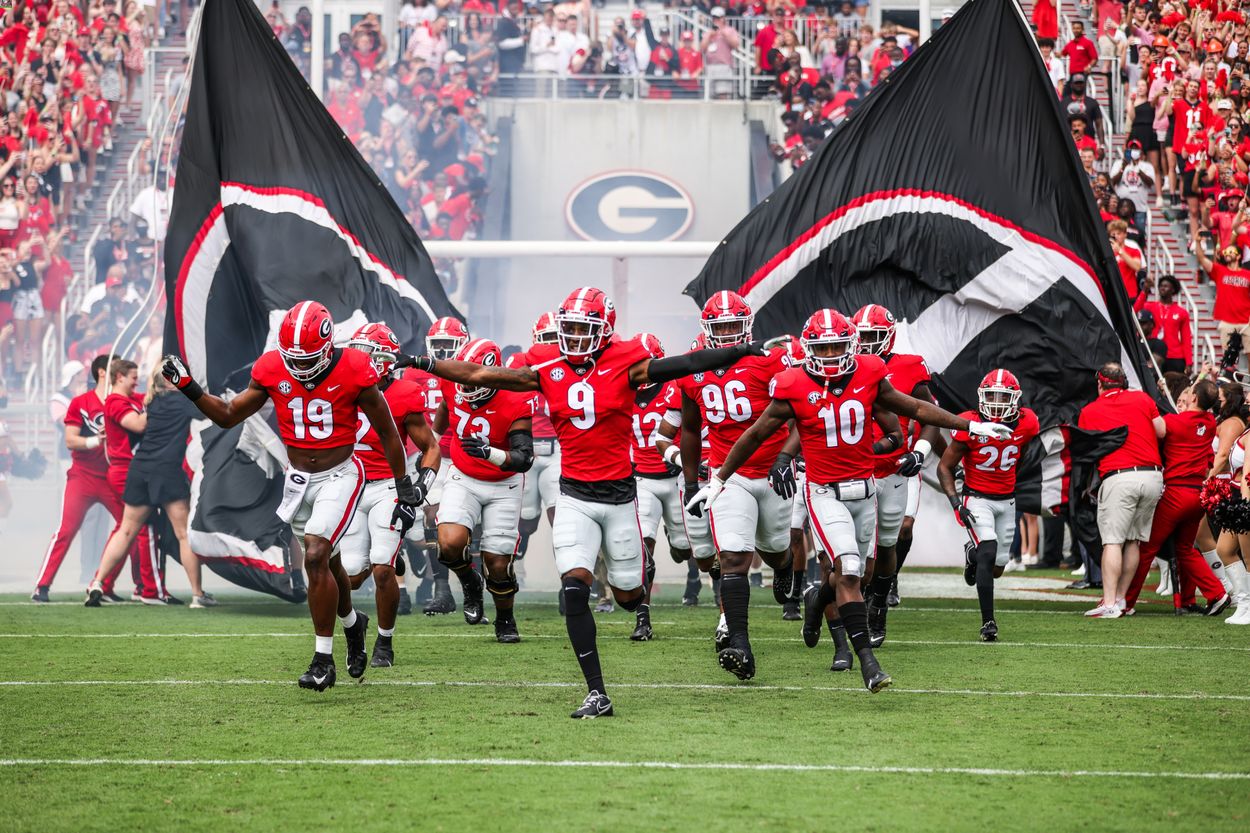
Georgia ranks third because it is the cost-adjusted winner, with metro Atlanta concentrating most of the state's talent inside one drivable radius. Georgia, Georgia Tech, Georgia State, Kennesaw State, plus a strong Division II and FCS band (Valdosta State, West Georgia, Georgia Southern) sit within reach. Free college prospect days — where a staff invites underclassmen on campus for an unofficial look, no camp fee — are the single most underused tool in the state.
Georgia is for position-neutral prospects who want the best cost-per-evaluation ratio in the country, but it trades away the raw volume of Texas or Florida. Compared to Florida, Georgia offers fewer national-brand programs but more free evaluation events and a tighter geography. A prospect can hit five staffs in a single weekend without a hotel, which makes it the most budget-efficient pipeline state for a 2027 recruit.
4. California
California ranks fourth because it has the highest raw volume in the West and the only state with a genuinely functional second-chance ladder: the CCCAA junior-college system, roughly 65 programs, is a real path for late developers, academic non-qualifiers, and players who need a year of physical development. USC, UCLA, Stanford, Cal, San Diego State, Fresno State, San José State, and Sacramento State anchor the four-year layer.
California is for late developers and academic non-qualifiers who need a second path to FBS, but it trades away geographic efficiency. Los Angeles and the Bay Area have camp density, but a player in the Central Valley or far north drives hours to reach it. Compared to Georgia, California offers a superior second-chance ladder but a worse cost-per-evaluation ratio for most prospects, making it the best safety-net state rather than the best primary pipeline.
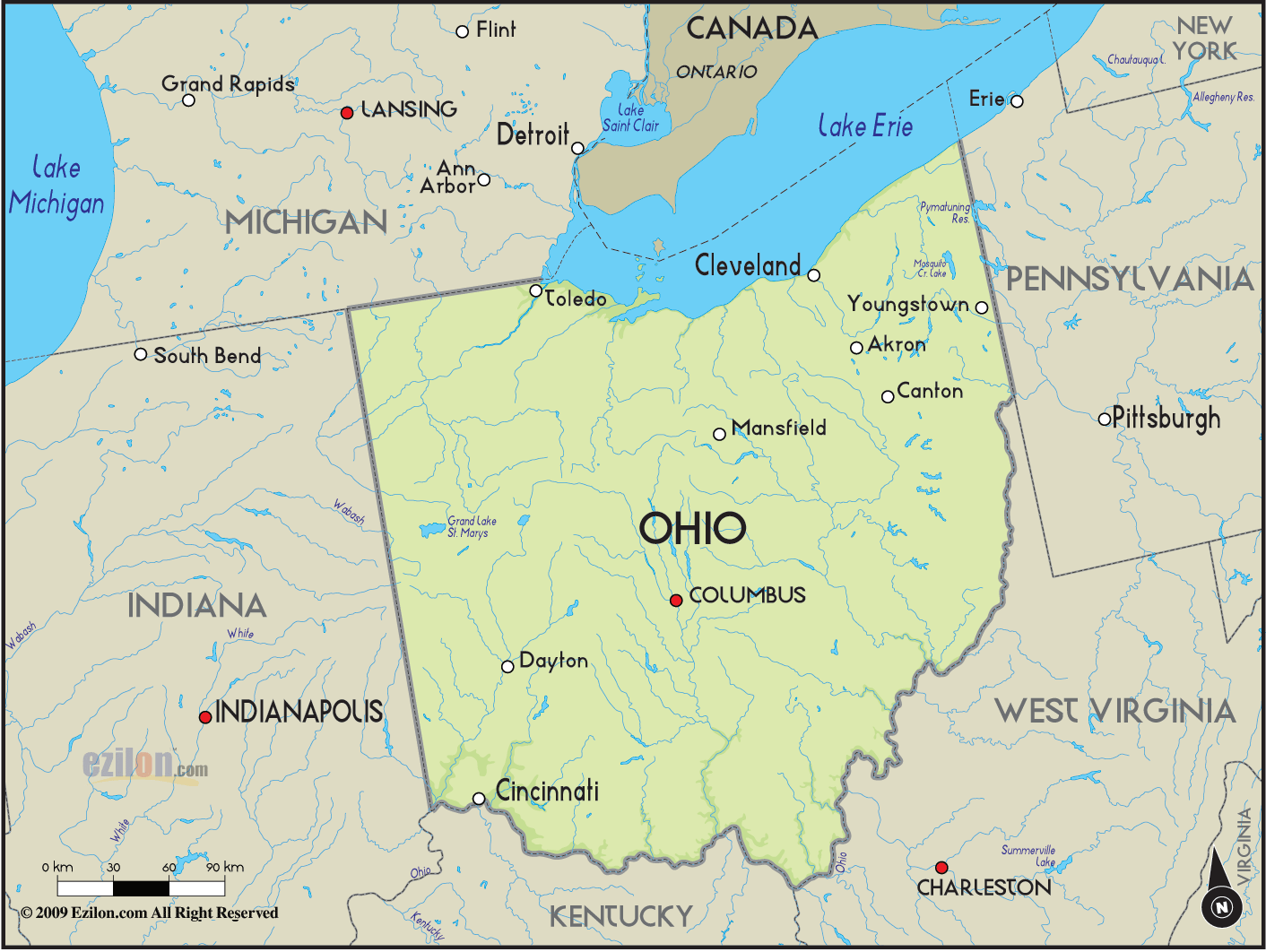
5. Ohio
Ohio ranks fifth because it is the trench pipeline, with Ohio State, Cincinnati, Toledo, Bowling Green, Miami (OH), Akron, Kent State, Ohio, Youngstown State, and Dayton all in-state, plus Big Ten programs a short drive across the Michigan, Indiana, and Pennsylvania borders. Ohio State's summer camps function as a regional clearinghouse: MAC and FCS staffs work them, so one camp fee can put you in front of multiple levels at once.
Ohio is for offensive and defensive linemen who want maximum trench-specific evaluation, but it trades away skill-position density. Compared to California, Ohio offers far less junior-college infrastructure but a more concentrated camp market for big bodies. A 300-pound guard gets more value from a June trip to Columbus than to Miami, because the regional staffs in attendance are specifically evaluating line play at a higher rate.
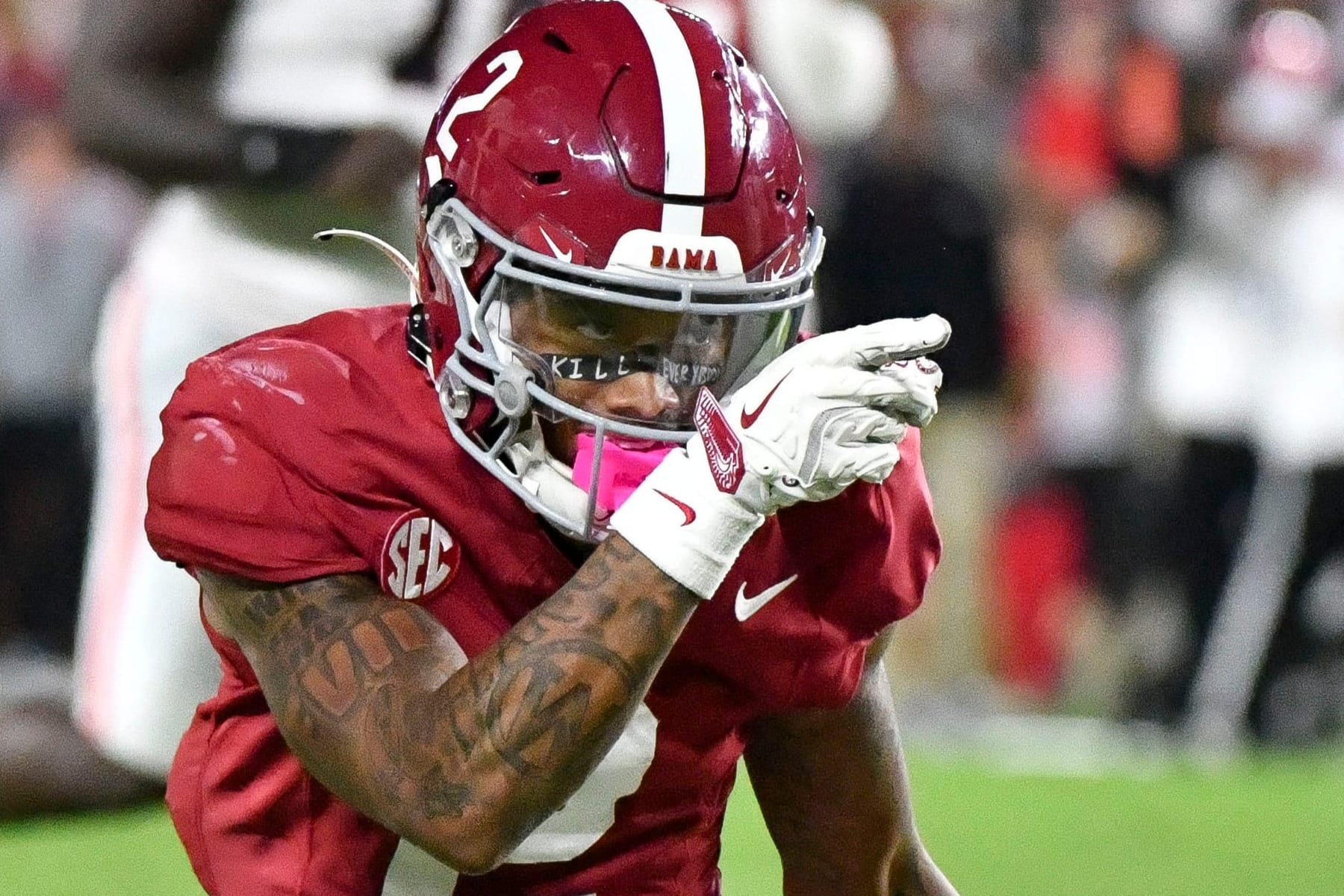
6. Alabama
Alabama ranks sixth because it has the highest per-capita FBS output of the ten states, with Alabama and Auburn setting the ceiling and UAB, South Alabama, Troy, Jacksonville State, and Samford as realistic landing spots that sign serious in-state talent every cycle. The state's small footprint means SEC staffs know essentially every varsity roster. This per-capita density translates to a higher probability that a given prospect is evaluated by a Power-conference staff.
Alabama is for prospects who want high per-capita visibility without the population competition of Texas or Florida, but it trades away program count. Compared to Ohio, Alabama offers fewer total FBS programs but a higher ratio of SEC-level evaluation per prospect. A player in Alabama is more likely to be known by an SEC staff than a player in a larger state, but the ceiling of available offers is lower than in Texas.
7. Louisiana
Louisiana ranks seventh because it produces explosive athletes well beyond its population, anchored by LSU with Louisiana Tech, Louisiana, ULM, Tulane, McNeese, Nicholls, Southeastern Louisiana, plus Grambling and Southern in the SWAC. The New Orleans and Baton Rouge corridors are talent-dense enough that a two-hour drive covers most of the state's opportunity. This geographic compression means a prospect can present himself to eight-plus staffs in a single day of driving.
Louisiana is for speed and skill-position prospects who want high per-capita visibility, but it trades away program count and geographic size. Compared to Alabama, Louisiana offers a similar per-capita output but a wider spread of program levels, including two HBCU programs in the SWAC. A prospect in Louisiana gets more distinct evaluation events per mile driven than in most states, but fewer total FBS offers available in-state.
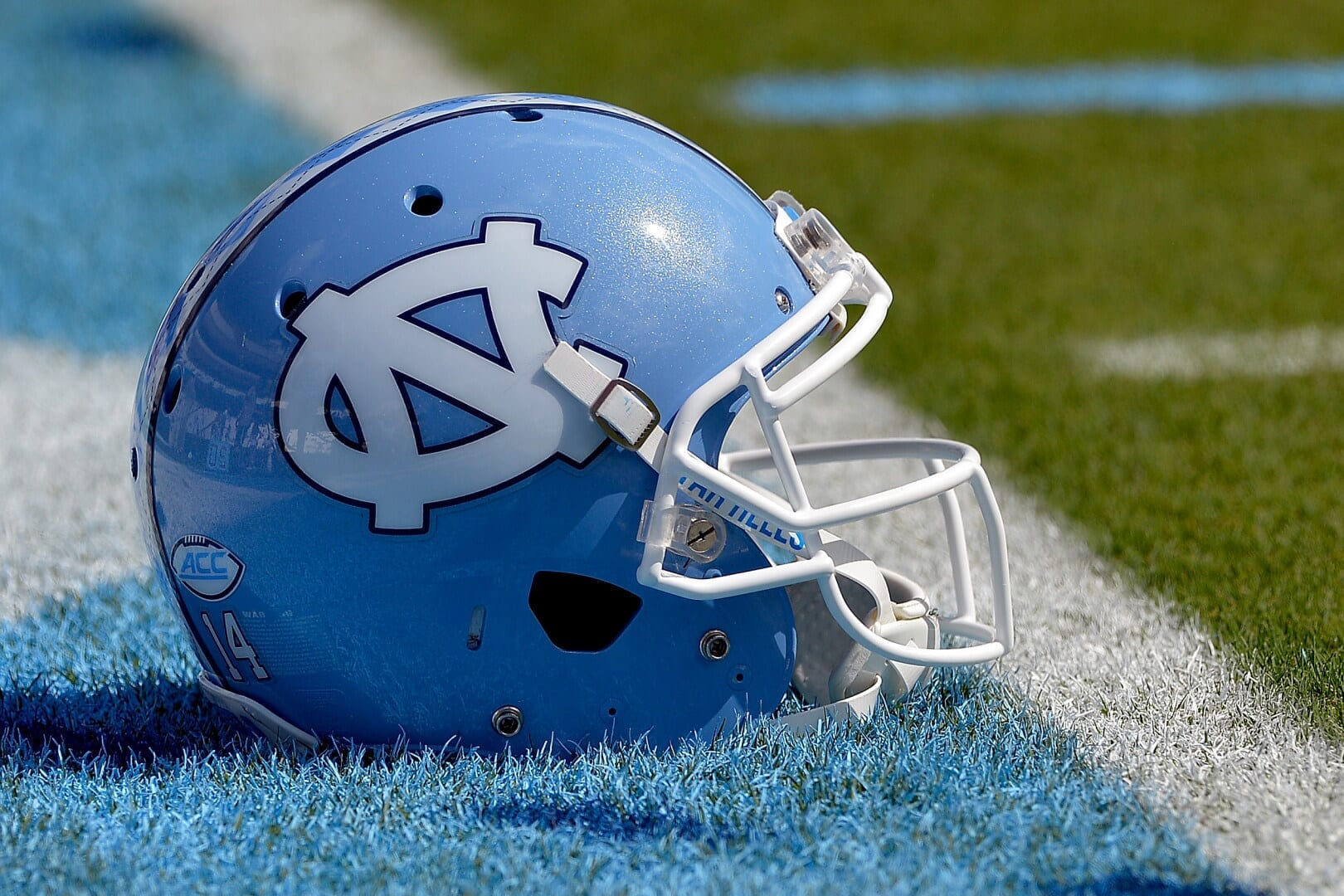
8. North Carolina
North Carolina ranks eighth because it is the underrated state, with North Carolina, NC State, Duke, Wake Forest, East Carolina, Charlotte, Appalachian State, plus North Carolina A&T, North Carolina Central, and Elon all in-state. Four ACC campuses inside a few hours of each other form an exposure radius almost nobody else offers. This concentration of Power-conference programs in a small geographic area is the state's defining structural advantage.
North Carolina is for prospects who want access to four ACC programs within a short drive, but it trades away the raw talent density of the Deep South states. Compared to Louisiana, North Carolina offers more Power-conference programs but a less explosive per-capita athlete output. A prospect in North Carolina gets more distinct ACC evaluations per mile than in any other state, but the competition for attention is lower than in Texas or Florida.
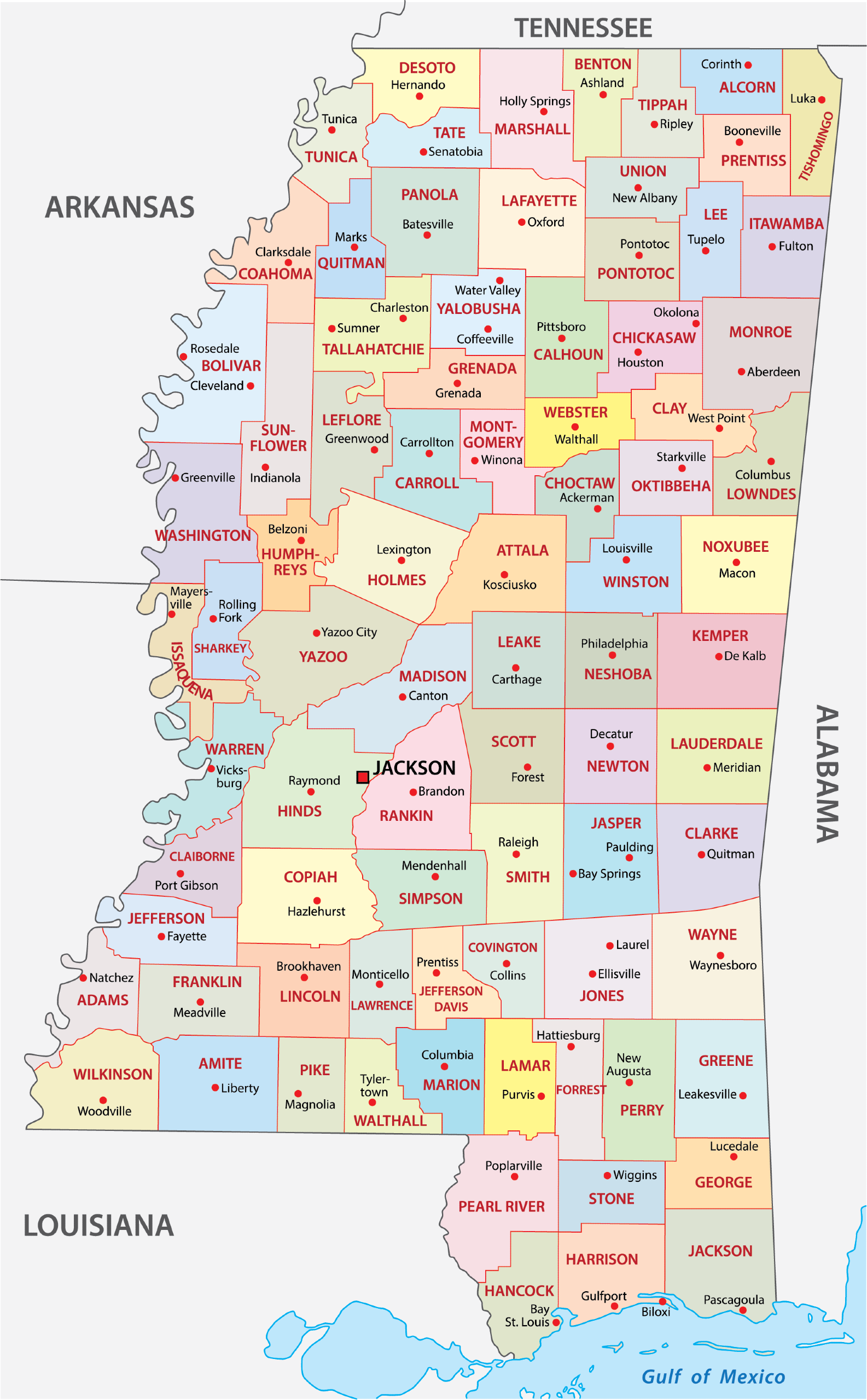
9. Mississippi
Mississippi ranks ninth because its per-capita output rivals Alabama's, with Ole Miss and Mississippi State on top and Southern Miss, Jackson State, Alcorn State, and Mississippi Valley State underneath. Jackson State's recruiting surge in the early 2020s demonstrated that an HBCU can win a contested recruitment outright. The state's small footprint means SEC staffs know essentially every varsity roster, similar to Alabama but with fewer total programs.
Mississippi is for prospects who want high per-capita SEC visibility and a legitimate HBCU option, but it trades away program count and geographic size. Compared to North Carolina, Mississippi offers fewer Power-conference programs but a higher probability that a given prospect is known by an SEC staff. A player in Mississippi gets more per-capita evaluation than in most states, but the ceiling of in-state FBS offers is lower than in Texas or Florida.
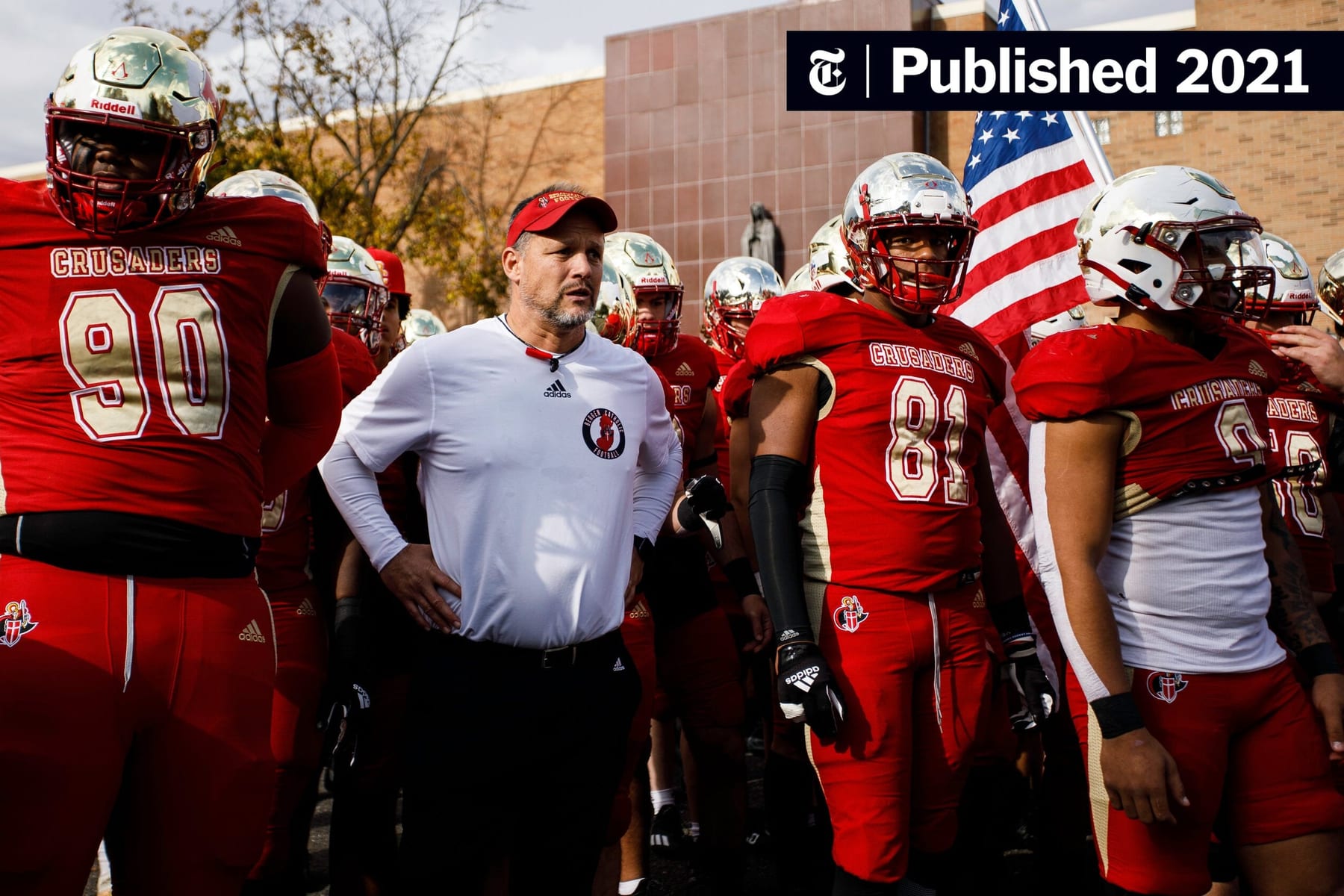
10. New Jersey
New Jersey ranks tenth because it is the Northeast's best, with Rutgers anchoring it and the parochial and private powers producing ranked talent every cycle. The real asset is metro adjacency: New York and Philadelphia camp markets are inside a short drive, so a New Jersey player reaches more distinct evaluation events than his cold-weather peer group. This access to two major metro camp markets is unique among the top ten states.
New Jersey is for prospects who want access to New York and Philadelphia camp markets without living in a mega-state, but it trades away in-state program count. Compared to Mississippi, New Jersey offers more total evaluation events but fewer in-state FBS programs. A prospect in New Jersey gets more distinct camp opportunities per season than in most states, but must travel out of state for the majority of Power-conference evaluations.
How we ranked these
This ranking measures state pipeline strength for 2027 college football recruiting by weighing three factors: annual FBS signee output, number of FBS programs within driving distance of major metros, and camp access density. Cost-adjusted exposure, per-capita output, and position-specific advantages were also considered. The analysis prioritizes structural access over raw talent quality, which is distributed nationwide.
Deliberately ignored were subjective factors like high school coaching quality, media ratings, and national showcase attendance, as these do not directly convert prospects into signees. Also excluded were transfer portal impacts and revenue-sharing effects on offer pools, since these are national trends rather than state-specific differentiators. The goal was to isolate geographic and institutional advantages that families can act on.
What to look for
When choosing between pipeline states, what matters is your position and budget. Linemen should prioritize Ohio and Pennsylvania for trench development; speed players should target Florida and Louisiana. Georgia offers the best cost-adjusted exposure via Atlanta camps. Consider per-capita competition—Texas and Florida have deep pools where standing out is harder. For most, staying put and traveling to camps is smarter than relocating.
The mistake most buyers make is assuming a top state guarantees recruitment. It only lowers cost per evaluation and increases coach visibility. Families often overlook the value of free prospect days in Georgia or the junior-college ladder in California. They also waste money on paid recruiting services that claim access. The real investment should be in camp fees, Hudl production, and direct outreach—not relocation or expensive showcases.
Related questions
Which state produces the most FBS signees per capita?
Alabama and Mississippi consistently punch far above population, with Louisiana close behind. Raw totals favor Texas, Florida, California, and Georgia because of population size, but per-capita output is where the Deep South states separate. This metric highlights efficiency of talent development relative to state population.
Do I need to attend a national showcase camp to get recruited?
No. On-campus college prospect camps run by the programs recruiting you are more valuable per dollar, because the evaluating staff is the deciding staff. National showcases add media exposure and ratings visibility, which helps at the margin but does not substitute for a coach watching you move in person.
Is the junior-college route only for academic non-qualifiers?
No. California's CCCAA system and JUCO programs elsewhere serve late physical developers, players buried on a deep high-school depth chart, and prospects who need a year of measurable production. It's a legitimate second-chance ladder for various situations, not just academics.
How much does the transfer portal reduce high-school offers?
It compresses them at experience-sensitive positions—quarterback, offensive line, edge—where a proven veteran is a lower-risk allocation. It has less effect on positions where projection and development are normal. For 2027 prospects, this means FCS, D2, and NAIA offers deserve serious consideration.
Should a 2027 prospect start camping as a freshman?
Yes, at nearby low-cost events. Coaches cannot initiate contact that early under NCAA rules, but staffs build files. Early camps also teach you the format so your junior-year reps are not your first ones. This builds familiarity and comfort with the evaluation process.
What is the single most underused tool in Georgia?
Free college prospect days—where a staff invites underclassmen on campus for an unofficial look, no camp fee. These are the most cost-effective exposure opportunities in the state, yet many families overlook them in favor of paid camps. They provide direct access to coaching staffs without financial barriers.
FAQ
Does living in a top pipeline state guarantee recruitment?
No. The state lowers your cost per evaluation and raises the number of coaches who work your region—that is the whole mechanism. You still need a clean Hudl reel, verified camp measurables, NCAA Eligibility Center registration, and direct outreach to position coaches. The state is an accelerant, not a guarantee.
What does a realistic summer camp budget look like?
Inside a dense state, four to six drivable one-day camps at roughly $50–$150 each puts a full summer under about $500 including gas. From a sparse state, the same number of evaluations typically requires two or three trips with flights and lodging, which can exceed a thousand dollars. Plan accordingly.
How do I find which colleges are running camps near me?
Every program posts camp dates on its athletics website, usually under a football camps or prospect camps section, and registration opens in spring for June events. Check FBS, FCS, D2, and NAIA programs within your drive radius. This is the most reliable way to build your camp schedule.
Which recruiting profile sites actually matter to coaches?
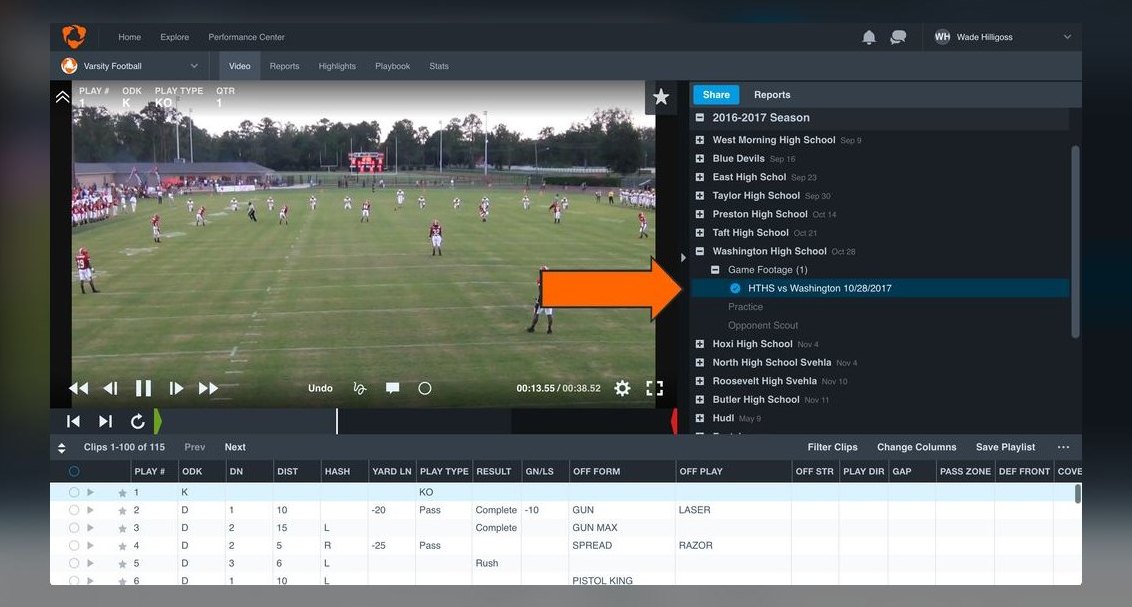
Hudl is the functional requirement because it is where film lives and where coaches expect to click. 247Sports, Rivals, and On3 profiles are corroborating signals that make an assistant's internal pitch easier. None of them generate offers by themselves. Focus on Hudl first.
Is it worth relocating to a top pipeline state for football?
Rarely. The gain is exposure, and exposure is purchasable through two or three travel weekends at a fraction of relocation cost. State high-school associations commonly impose transfer eligibility restrictions on athletically motivated moves. Weigh the academic and social costs against marginal recruiting benefit.
How has revenue sharing changed high-school recruiting?
Programs now allocate athlete revenue against roster construction that includes transfer-portal veterans, which tightens the high-school offer pool at experience-sensitive positions. The downstream effect for a 2027 prospect is that FCS, D2, and NAIA offers deserve serious consideration as genuine destinations.
What is the biggest mistake prospects make in pipeline states?
Confusing local dominance with evaluation. All-conference honors in a strong district feel like recruiting progress, but a college position coach may never see the award. The events that move you forward are the ones that produce a measurement, a rep on staff video, or a direct conversation.
How should I structure my highlight film?
A usable reel opens with 8–12 of your best plays, identifies you clearly with an arrow or spotlight on the first frame of each clip, and runs three to four minutes maximum. It lists height, weight, position, graduation year, GPA, and contact information on the opening card.
What is the best way to email a college coach?
Mass, undifferentiated email to a hundred programs is the tactic with the worst conversion rate. A better email is short, addressed to the specific position coach or recruiting coordinator by name, and contains the Hudl link, height and weight, verified testing numbers, GPA and test scores, high-school coach's name and phone number, and one sentence on why that specific program.
Sources
- https://www.ncaa.org/sports/2015/6/9/recruiting.aspx
- https://web3.ncaa.org/ecwr3/
- https://247sports.com/season/2027-football/recruitingteamrankings/
- https://n.rivals.com/
- https://www.on3.com/db/rankings/industry-player/football/2027/
- https://www.hudl.com/
- https://www.uiltexas.org/football
- https://www.cccaasports.org/sports/fball/index
- https://www.espn.com/college-football/recruiting/
Related on PULSE
- [Top 10 States to Get a College Football Scholarship 2027](/knowledge/hf0043)
- [What does Lance O's Recruiting Network actually do, and where does it fit in the 2027 college football recruiting landscape?](/knowledge/hf0049)
- [Top 10 States for High School Football Recruiting 2027](/knowledge/hf0041)
- [Are college football recruiting services like Lance O's Recruiting Network worth it — the industry-wide reality in 2027](/knowledge/hf0050)
- [Top 10 Camps to Earn a College Football Offer 2027](/knowledge/hf0032)
- [Top 10 Steps to Get Recruited for College Football 2027](/knowledge/hf0021)
This page will be disappearing soon. Save it to your device for $1 — or read it free while it is here.
@Kory-White- · if Venmo asks, the last 4 of my number are 2012
This page is gone.
This one is off the shelf now. $1 keeps it on your phone for good — the whole page, pictures and diagrams included.
 football-recruitingTop 10 High School Football Recruiting Hotbed Cities 2027
 football-recruitingTop 10 Football Combines for Recruits 2027
 football-recruitingTop 10 Junior-Year Recruiting Moves for Football 2027
 football-recruitingTop 10 Ways for Offensive Linemen to Get Recruited 2027
 football-recruitingTop 10 Questions to Ask College Football Coaches on a Visit 2027
 football-recruitingTop 10 Ways for Defensive Backs to Get Recruited 2027
 football-recruitingTop 10 Ways for Quarterbacks to Get Recruited 2027
 football-recruitingTop 10 Football Recruiting Services to Use in 2027
 football-recruitingTop 10 Sophomore-Year Recruiting Moves for Football 2027
 football-recruitingTop 10 Tips for Emailing College Football Coaches 2027