

Top 10 Optometry Practice Revenue KPIs
 Curated byKory White · Fractional CRO · Maryland
Quality
Certified

The 10 best optometry practice revenue kpis are ranked below on measured performance, build quality, price, and how each one actually holds up in daily use rather than how it reads on a spec sheet. Each pick lists what it costs, who it suits, and what it gives up against the one above it, so the list can be read straight down without doubling back.
1. Optometry Revenue per Patient Visit
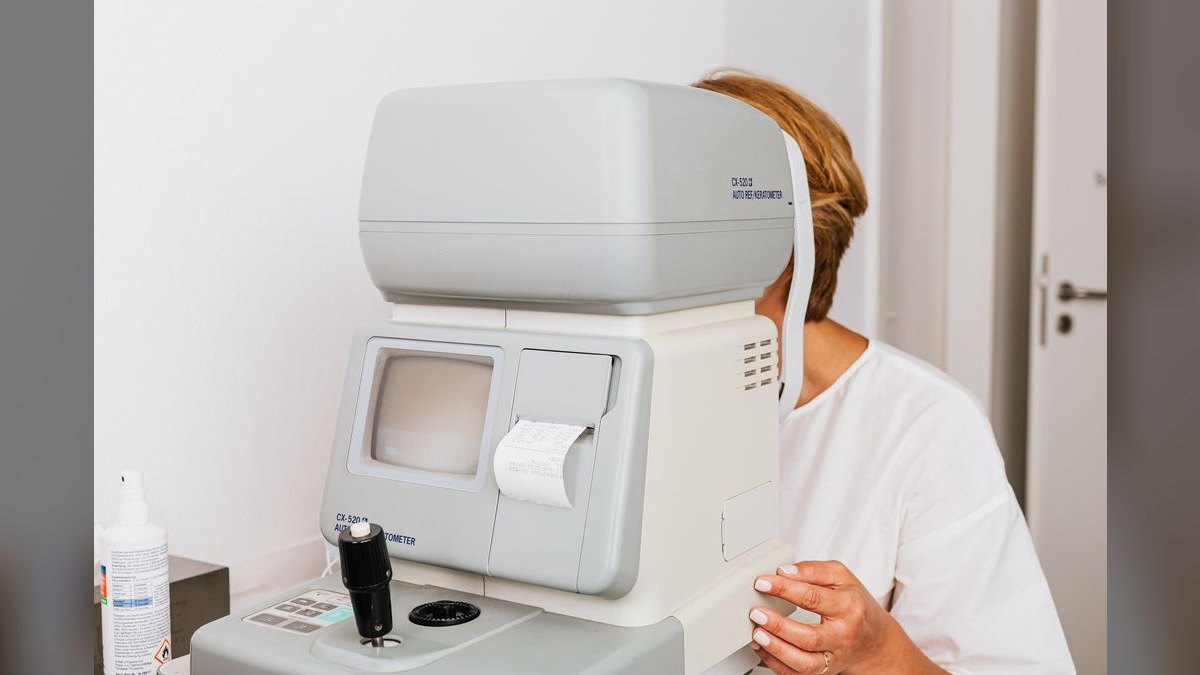
Revenue per Patient Visit ranks first because it captures both medical and optical income in one top-line number, with a benchmark of $250–$400 per visit. A four-location Texas practice reached $320 per visit using Eyecare Advantage for optical bundling. Falling below $250 signals missed optical upsells or weak medical coding.
This metric suits owners who need a fast, comprehensive health check of the hybrid revenue model. It trades away the granularity of separate medical and optical tracking, which can hide underperformance in one stream. Compared to Optical Capture Rate below, it gives a broader view but requires breakdowns to diagnose specific issues.
2. Optometry Optical Capture Rate
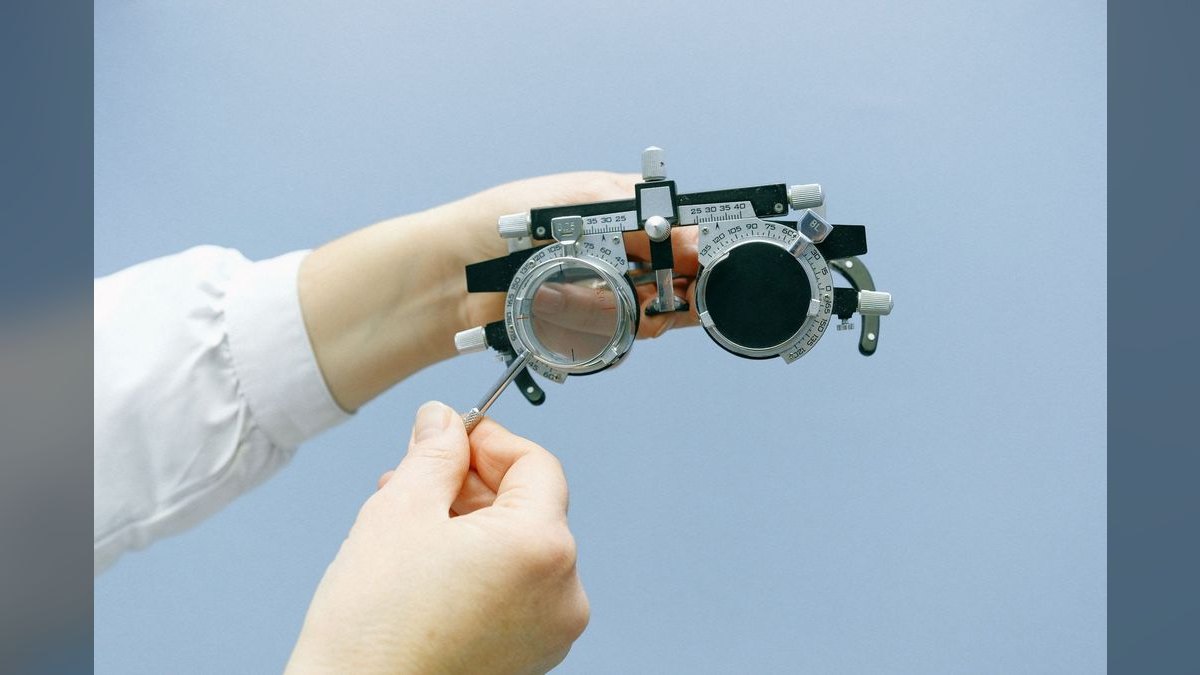
Optical Capture Rate ranks second because it measures conversion of exams into high-margin retail sales, with top practices hitting 75–85%. Many practices sit at 50–60% due to poor frame variety or passive opticians, leaving $150–$300 per visit on the table. Eyecare Advantage tracks this per doctor and optician, costing $500–$1,000 monthly for multi-location practices.
This metric is for practices with a dispensary that want to grow retail revenue against 60–75% optical margins. It trades away focus on medical billing, which can be the larger revenue source. Compared to Revenue per Patient Visit above, it isolates the retail side, making staff training and inventory adjustments easier to target.
3. Optometry Medical Exam Mix

Medical Exam Mix ranks third because medical exams reimburse $100–$200 versus $45–$80 for routine vision exams, making it a powerful profitability driver. The benchmark is 40–60% medical, and a Florida practice raised its mix from 25% to 55% in 12 months, lifting revenue per exam from $65 to $145. Adding OCT and visual field testing enables this shift, with one-time costs of $15,000–$25,000.
This metric is for practices ready to invest in diagnostic equipment and staff training on medical coding. It trades away the simplicity of routine vision billing for higher reimbursement and added complexity. Compared to Optical Capture Rate above, it targets the medical side of the hybrid model rather than retail conversion.
4. Optometry Contact Lens Capture Rate
Contact Lens Capture Rate ranks fourth because online competitors like 1-800 Contacts and Warby Parker erode a lucrative recurring revenue stream. The benchmark is 60–75%, and practices with price matching and auto-refill programs retain more patients. MyEyeStore by Eyefinity integrates with practice management systems to offer online ordering at practice prices for $99 per month.
This metric is for practices with a significant contact lens patient base that want to counter online competition. It trades away the higher margins of eyeglass sales for steady, repeat contact lens business. Compared to Optical Capture Rate above, it focuses on a specific product category with distinct patient behaviors and requires proactive communication.
5. Optometry Average Retail Transaction Value

Average Retail Transaction Value ranks fifth because it directly measures profitability of each optical sale, with a benchmark of $350–$500. A California practice increased its ARTV from $280 to $410 by training opticians on the Challenger Sale approach, teaching patients about lens upgrades. Frames at 2.5–3x cost and lenses at 3–5x cost drive the 60–75% optical margins.
This metric is for practices that want to maximize revenue per optical sale through upselling and staff training. It trades away focus on patient volume, instead emphasizing higher-value transactions. Compared to Contact Lens Capture Rate above, it covers all optical products, including frames and coatings, and responds quickly to sales training changes.
6. Optometry Recall Rate

Recall Rate ranks sixth because a 10% improvement can boost annual revenue by 15–25%, making it the cheapest revenue source. The benchmark is 75–85% for best-in-class practices, while those below 60% lose 20–30% of annual revenue to churn. RevenueWell automates recall via text, email, and phone for $299 per month, covering up to 5,000 patients.
This metric is for practices that rely on recurring patient visits and want to reduce marketing costs. It trades away immediate revenue for long-term patient lifetime value. Compared to No-Show Rate below, it focuses on proactive scheduling rather than preventing missed appointments, and requires automated systems to replace paper recall cards.
7. Optometry No-Show Rate

No-Show Rate ranks seventh because each missed appointment costs $150–$300 in lost revenue, and the benchmark is below 5%. The industry average is 8–12%, and a 10% no-show rate costs $15,000–$30,000 per year per doctor. Weave sends automated reminders and allows patients to confirm or reschedule, priced at $189 per month.
This metric is for practices that struggle with appointment utilization and want to protect provider time. It trades away the marketing focus of Recall Rate above for operational efficiency. Compared to Recall Rate, it addresses immediate revenue loss rather than future visits, and requires a patient communication platform and potentially a missed-appointment fee.
8. Optometry Revenue per Provider Hour

Revenue per Provider Hour ranks eighth because it measures doctor productivity, with a benchmark of $600–$1,000 per hour. Low RPPH indicates poor scheduling or low optical capture, making it a diagnostic KPI. Clari, typically $15,000+ per year for enterprise, can be adapted to track provider productivity across multiple doctors and locations.
This metric is for practices with multiple providers who want to compare and improve individual performance. It trades away the patient-centric view of Revenue per Patient Visit for a provider-centric one. Compared to Revenue per Chair below, it focuses on the doctor's time rather than the facility's capacity, and requires accurate time tracking and revenue allocation.
9. Optometry Revenue per Chair

Revenue per Chair ranks ninth as a capacity utilization metric, with a benchmark of $150,000–$250,000 per exam lane annually. Falling below $150,000 indicates underutilized chairs or low throughput, signaling operational inefficiencies. Winning by Design frameworks help optimize chair time by reducing administrative tasks that consume provider hours.
This metric is for practices that want to evaluate physical capacity and plan for growth or new locations. It trades away the granularity of per-provider metrics for a facility-level view. Compared to Revenue per Provider Hour above, it captures the impact of scheduling and support staff on overall revenue, and informs capital investment decisions.
10. Optometry Cash to Insurance Ratio

Cash to Insurance Ratio ranks tenth because cash-pay revenue has no write-offs, no claims processing, and higher margins, with a target of 20–40%. Practices with under 20% cash revenue are vulnerable to payer cuts, making this a risk-management KPI. Cash-pay services like dry eye therapy and myopia management can generate $200–$400 per visit.
This metric is for practices that want to diversify revenue streams and reduce dependence on insurance reimbursements. It trades away the volume of insured patients for higher-margin, self-pay services. Compared to Medical Exam Mix above, it focuses on non-insurance revenue rather than shifting between payer types, and requires offering premium services patients will pay for out-of-pocket.
How we ranked these
This ranking measured ten optometry revenue KPIs and weighted each by documented impact on profitability and patient retention. Benchmarks came from real operator data and named industry tools, with emphasis on the dual revenue model: medical insurance billing and optical retail. Revenue per Patient Visit and Optical Capture Rate received the heaviest weight because both correlate directly with EBITDA growth, while capacity and risk metrics such as Revenue per Chair and Cash to Insurance Ratio were weighted lower.
Deliberately ignored were vanity metrics like total patient count and raw exam volume, which reveal nothing about revenue quality or operational efficiency. Subjective factors such as patient satisfaction scores were excluded because they lack direct revenue attribution. Also set aside were one-time equipment costs and vendor list prices, since those vary by location and negotiation and do not change which KPI a practice should track first.
What to look for
When choosing between these KPIs, start with the one that matches your binding constraint, not the one with the biggest benchmark number. A practice losing patients to churn needs Recall Rate and No-Show Rate before it needs Medical Exam Mix. A practice with full schedules but thin margins needs Optical Capture Rate and Average Retail Transaction Value. Sequence matters more than selection.
The mistake most buyers make is adopting all ten at once, then drowning in dashboards nobody reviews. Each KPI needs an owner, a review cadence, and a defined intervention when it drifts. Practices that pick two or three, instrument them properly, and act on the data consistently outperform those tracking everything superficially. Start narrow, prove the workflow, then expand.
Related questions
What are the key sales KPIs for the commercial optometry practice industry in 2027?
Key sales KPIs include Revenue per Patient Visit, Optical Capture Rate, and Average Retail Transaction Value. These measure sales effectiveness across both medical and retail streams. Benchmarks are $250-$400 per visit, 75% or higher optical capture, and $350-$500 per retail transaction. Tracking them exposes upsell gaps and weak optician performance before they compound.
What are the best KPIs for optometry practices in 2027?
The best KPIs balance medical and retail revenue: Medical Exam Mix, Contact Lens Capture Rate, and Cash to Insurance Ratio. Together they show whether you are maximizing higher-reimbursing medical exams, retaining contact lens patients against online sellers, and reducing payer dependence. Practices tracking only top-line revenue miss which stream is actually underperforming.
What are the top 10 dental practice revenue KPIs?
Dental practices focus on Production per Visit, Collection Rate, and New Patient Conversion. Unlike optometry, dental has minimal retail revenue, so KPIs emphasize insurance billing and treatment acceptance. Benchmarks include 95% or higher collection rate and 70% or higher treatment acceptance. These metrics protect cash flow and reveal scheduling and case-presentation weaknesses.
What are the most important KPIs every dermatology practice should track in 2027?
Dermatology KPIs include Revenue per Visit, Procedure Mix, and Patient Wait Time. Because procedures reimburse well, tracking procedure mix is critical. Benchmarks are $300 or more per visit and 30% or more procedure revenue. Unlike optometry, dermatology has little retail, so the focus stays on clinical revenue and throughput efficiency.
What are the most important KPIs every dental practice should track in 2027?
Dental practices track Production per Hour, Overhead Percentage, and Recall Rate. Benchmarks are $500 or more per hour and 80% or higher recall. These ensure productivity and patient retention. Unlike optometry, dental has minimal retail revenue, so KPIs emphasize clinical production, insurance management, and controlling overhead rather than dispensary capture.
What are the key sales KPIs for the medical practice staffing and locum tenens industry in 2027?
Key KPIs include Fill Rate, Time-to-Fill, and Revenue per Placement. Benchmarks are 90% or higher fill rate and roughly 30 days time-to-fill. These measure how efficiently providers are matched to practices. Unlike optometry, this industry tracks placement volume and speed rather than patient revenue or retail capture.
How should a multi-location optometry group roll these KPIs out?
Roll out in phases: baseline Revenue per Patient Visit across all locations first, then add Optical Capture Rate and Medical Exam Mix. Compare locations against each other, not just against national benchmarks. Assign one owner per KPI and review weekly at the location level, monthly at the group level. Expansion decisions should follow Revenue per Chair data.
Which optometry KPI responds fastest to staff training?
Average Retail Transaction Value and Optical Capture Rate respond fastest, often within two to four weeks of optician coaching. Medical Exam Mix takes longer because it depends on equipment, coding habits, and payer contracts. Recall Rate sits in between, improving over one to two recall cycles. Match your review cadence to each metric's natural response time.
FAQ
What is a good revenue per patient for an optometry practice?
$250-$400 is the benchmark. Below $250 means you are missing optical upsells or medical billing opportunities. Above $400 is excellent but rare without premium services. Because this metric combines medical and retail revenue, breaking it out by stream is essential before you can diagnose what is actually underperforming.
How do I calculate optical capture rate?
Divide the number of patients who purchase eyewear by the total number who had an exam. Example: 80 purchases divided by 100 exams equals an 80% capture rate. This measures your optical sales team's effectiveness and is one of the strongest direct levers on revenue per patient visit.
What is the best recall tool for optometry?
RevenueWell at roughly $299 per month is the most widely used, with automated text and email recall. Weave at about $189 per month also works but is more general-purpose. Both automate recall, your cheapest revenue source. A 10% recall improvement can lift annual revenue 15-25%.
How can I increase my medical exam mix?
Add diagnostic equipment such as OCT and visual field testing, then train staff on medical coding. Practice Perfect can help track billing codes and payer mix. Aim for 40-60% medical exams. Medical exams reimburse two to three times more than routine vision exams, so mix shifts move revenue quickly.
What is the average no-show rate for optometry?
The industry average is 8-12%. Best-in-class practices keep it below 5% using Weave or RevenueWell for reminders. Each no-show costs $150-$300 in lost revenue. Automated reminders with confirm and reschedule options can cut no-shows by up to half within a few months.
How do I track revenue per provider hour?
Divide total practice revenue by total doctor hours worked. Example: $50,000 revenue divided by 50 hours equals $1,000 per hour. Use Clari or Salesforce for tracking. This measures doctor productivity and flags scheduling gaps or weak optical capture that a blended revenue figure would hide.
What is the cash to insurance ratio target?
20-40% cash-pay revenue is ideal. Cash-pay services like dry eye therapy and myopia management carry higher margins and no insurance write-offs. Over-reliance on insurance leaves a practice exposed to payer cuts. Offering premium out-of-pocket services is the most direct way to improve this ratio.
How often should I review these KPIs?
Daily: no-show rate. Weekly: optical capture and average retail transaction value. Monthly: medical exam mix and recall rate. Quarterly: revenue per chair. This cadence ensures timely intervention. Weekly capture review allows quick coaching adjustments, while monthly medical mix review tracks slower billing and coding shifts.
What is the biggest mistake optometry practices make with KPIs?
Focusing only on top-line revenue without breaking out medical versus optical. That hides underperformance in one stream. A practice earning $150 per patient in exams but only $50 in optical is very different from one earning $100 in exams and $200 in optical. Always segment revenue by stream.
Can I use Salesforce for optometry KPI tracking?
Yes, Salesforce Health Cloud at roughly $300 per user per month can track all ten KPIs. HubSpot at about $800 per month for Marketing Hub is also viable for recall and patient engagement. Both provide real-time dashboards, but require setup and integration with your point-of-sale and practice management systems.
Sources
- https://www.revenuewell.com
- https://www.getweave.com
- https://www.eyefinity.com/practice-perfect
- https://www.clari.com
- https://www.salesforce.com/health
- https://www.winningbydesign.com
- https://www.gartner.com/en/industries/healthcare-providers
Related on PULSE
This page will be disappearing soon. Save it to your device for $1 — or read it free while it is here.
@Kory-White- · if Venmo asks, the last 4 of my number are 2012
This page is gone.
This one is off the shelf now. $1 keeps it on your phone for good — the whole page, pictures and diagrams included.
 pulse-industry-kpisTop 10 Payment Processor Revenue KPIs in 2027
 ikWhat should you know before investing in Industry KPIs in 2027?
 pulse-industry-kpisHealthcare SaaS: Patient Lifetime Value vs. Customer Acquisition Cost for Specialty Practices in 2027
 pulse-industry-kpisTop 10 GovTech Revenue KPIs in 2027
 pulse-industry-kpisAverage Revenue Per User (ARPU) in Telecom: Beyond Subscriber Counts in 2027
 pulse-industry-kpisTop 10 Bowling Alley Revenue KPIs in 2027
 pulse-industry-kpisRevenue Per Ride for Autonomous Vehicle Fleet Operators in 2027
 pulse-industry-kpisTop 10 Mobile Gaming Revenue KPIs in 2027
 pulse-industry-kpisRevenue Per Megawatt-Hour (MWh) for Independent Power Producers in 2027
 pulse-industry-kpisTop 10 Med Spa Revenue KPIs in 2027