
How Do I Structure a Buildout So I'm Not Stuck With the Cost If the Deal Falls Through?
 Curated byKory White · Fractional CRO · Maryland
 PULSEKNOWLEDGE LIBRARY
<svg xmlns="https://www.w3.org/2000/svg" viewBox="0 0 1200 340" role="img" aria-label="How Do I Structure a Buildout So I'm Not Stuck With the Cost If — PULSE Buildouts"><rect width="1200" height="340" fill="#EBE9DE"/><rect width="14" height="340" fill="#C0531F"/><text x="58" y="116" font-family="Arial,Helvetica,sans-serif" font-size="32" font-weight="800" letter-spacing="3" fill="#C0531F">PULSE BUILDOUTS · COMMERCIAL REAL ESTATE</text><text x="56" y="198" font-family="Arial,Helvetica,sans-serif" font-size="60" font-weight="800" fill="#2b2b2b">Save money. Don’t get screwed.</text><text x="58" y="258" font-family="Arial,Helvetica,sans-serif" font-size="30" font-weight="600" fill="#6b5b4d">Leases, TI, NNN & buildouts — negotiated in your favor</text><g transform="translate(1010,86)" fill="none" stroke="#C0531F" stroke-width="9" stroke-linejoin="round"><rect x="20" y="40" width="150" height="130"/><line x1="20" y1="40" x2="95" y2="6"/><line x1="170" y1="40" x2="95" y2="6"/><rect x="50" y="80" width="36" height="36"/><rect x="104" y="80" width="36" height="36"/><rect x="74" y="128" width="42" height="42"/></g></svg>
Structure the buildout so you spend almost nothing until the lease is fully signed and contingencies are cleared, and so the landlord — not you — carries the construction risk. The money move: push for a landlord-built turnkey buildout or a tenant-improvement (TI) allowance of $30 to $80+ per square foot disbursed *as work is completed*, never pre-funded out of your pocket. Then protect every dollar with conditions precedent in the lease and LOI: no construction starts and no deposits are at risk until permits are issued, financing is confirmed, and contingencies (zoning, environmental, co-tenancy) are satisfied.
If the deal collapses, you want to be out at most your refundable deposit and a few thousand in soft costs — not a $150,000 buildout you can't use. The three biggest protections are: (1) make the landlord build it, (2) tie all your money to milestones and contingencies, and (3) put a kick-out / termination right and reimbursement clause in writing so a failed delivery refunds what you've spent.
Shift the Construction Risk to the Landlord
Who holds the construction contract decides who eats the loss if the deal dies. Order of preference:
- Landlord turnkey. The landlord designs and builds the space to an agreed spec and delivers it ready to occupy. You pay rent, not construction. If the deal dies pre-delivery, you've spent nothing on the buildout. Best risk position for the tenant.
- Tenant Improvement (TI) allowance. The landlord gives you a budget — $30 to $80+/sq ft — and you manage the work but get reimbursed as it's completed. Negotiate progress disbursements (e.g., 25% at framing, 25% at MEP, etc.) so you're never far out of pocket.
- Tenant-built with no allowance. Worst position — you fund everything and own the risk. Avoid unless the rent concession is enormous, and even then, demand contingency protections.
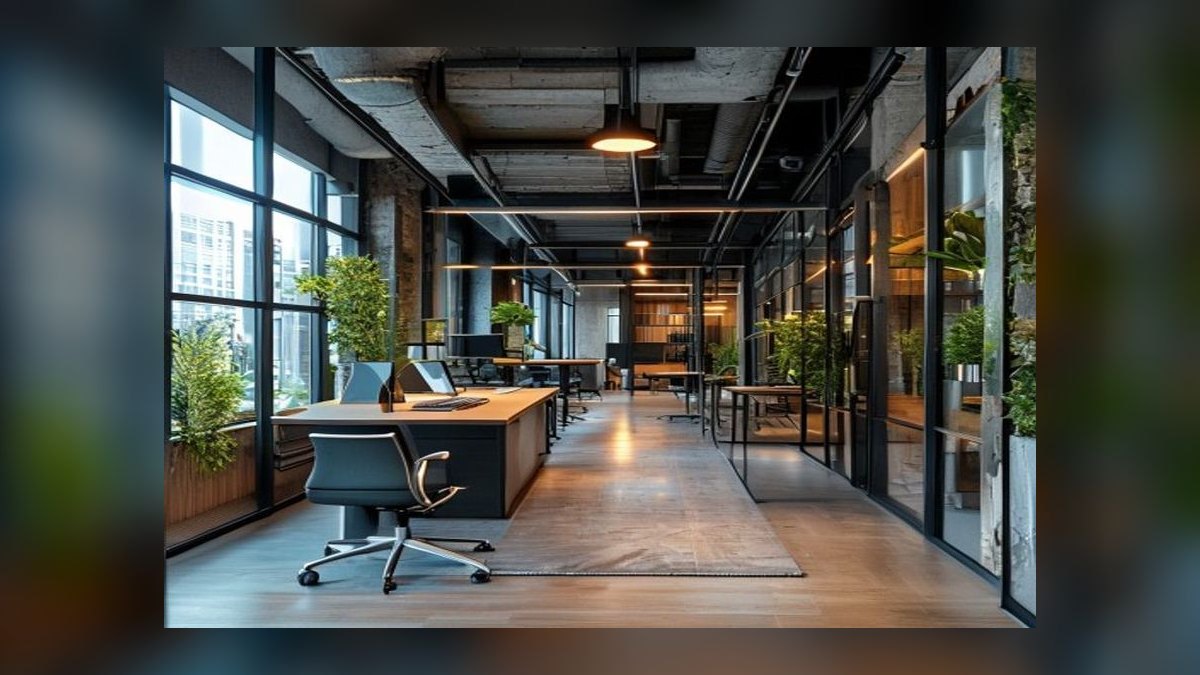
In a turnkey or TI structure, the landlord's capital is on the line, which aligns their incentive to actually close the deal and deliver.
Tie Every Dollar to Contingencies and Milestones
Never let real money leave your account until the deal is de-risked. Build these conditions precedent into the LOI and lease:
- Financing contingency. No commitment until your loan or capital is confirmed.
- Permit contingency. No construction and no non-refundable deposits until building permits are issued. Permitting can take 30 to 120+ days and is where many deals die.
- Zoning / use contingency. Confirm your use is permitted and any variance or conditional-use permit is granted before committing.
- Environmental / Phase I. For older buildings, condition on a clean Phase I environmental assessment.
- Co-tenancy / anchor contingency. For retail, condition opening on the anchor being open (see co-tenancy clause).

Make your security deposit and any prepaid rent refundable until all contingencies clear. Structure design fees as the only at-risk soft cost in the early phase, and keep that to $5,000–$15,000 with as much as possible refundable or deferred.
Put These Protections in the Lease and LOI
Specific clauses do the heavy lifting. Demand:
- Kick-out / termination right. If the landlord fails to deliver the space by the outside date (a hard deadline), you may terminate and recover all deposits and documented soft costs.
- Delivery date with penalties. A firm delivery / substantial-completion date, with rent abatement (e.g., 1–2 days free rent per day late) and a walk-away right if delivery slips past the outside date by, say, 60–90 days.
- Reimbursement on failure. If the deal collapses through no fault of yours, the landlord reimburses your design, permit, and deposit costs.
- TI disbursement schedule. Allowance paid against lien waivers and completed milestones — never advanced, never withheld arbitrarily.
- Ownership of plans. You keep your architectural and engineering plans if the deal dies, so they aren't a total loss.
Sequence the Spend So You're Never Exposed
Phase your commitment so the cheap, reversible work happens first and the expensive, irreversible work happens last — after the deal is locked:
- LOI signed (non-binding except confidentiality/exclusivity). Cost so far: $0 at risk.
- Due diligence + design schematics. Small, partly deferrable soft cost — $5k–$15k.
- Lease signed with all contingencies intact. Refundable deposit only.
- Contingencies cleared — permits, financing, zoning. Now the deal is real.
- Construction begins — funded by landlord (turnkey) or reimbursed via TI draws.
- Substantial completion + delivery. Rent commences after a free-rent buildout period (commonly 60–120 days).

If anything breaks before step 4, you walk away having risked only refundable money and minimal soft costs.
Mistakes That Leave Tenants Holding the Bag
- Paying for design before the lease is signed. A failed deal turns plans into wasted cash. Defer or minimize design spend until the lease is executed.
- Non-refundable deposits before contingencies clear. Keep deposits refundable until permits and financing are confirmed.
- No outside delivery date. Without a hard deadline and a walk-away right, the landlord can stall while your costs mount.
- Pre-funding the buildout and chasing reimbursement. Always tie TI to completed-work draws with lien waivers so you're never financing the landlord's improvement.
- No reimbursement clause. If the deal dies through the landlord's failure, you should recover your soft costs. Negotiate it up front.

Tenant-rep brokers at CBRE, JLL, and Cushman & Wakefield structure most first-generation buildouts as turnkey or TI-allowance deals precisely to keep the tenant's capital protected. The construction risk belongs with the party that owns the building.
Phased Draw Schedules That Match Milestones, Not Calendar Dates
The most common mistake tenants make is agreeing to a TI allowance disbursement schedule tied to arbitrary dates or a simple percentage completion. Instead, structure your draw schedule to specific, verifiable construction milestones that give you maximum leverage and minimal financial exposure. A strong phased draw schedule might look like this:
- 10% upon issuance of building permit — not upon application, not upon “start of work,” but only when the permit is physically in hand
- 30% upon completion of rough-in (MEP, framing, drywall hung but not taped)
- 30% upon substantial completion (occupancy permit issued, all systems operational)
- 30% upon final completion and punch-list sign-off (with a 12-month warranty period for latent defects)

This structure means you never pay more than 10% of the total allowance until the project is legally cleared to proceed. If the deal falls apart after permit issuance, you’re only out that 10% — and even that can often be clawed back if the landlord was the one who pulled the permit. For smaller buildouts under 5,000 square feet, you can compress this to three draws (25/50/25) with the same logic: no money until permits, then no more than half until you can occupy.
A critical detail: require the landlord to fund the first draw from their own capital, not from your TI allowance. This is standard in Class A deals but often negotiable in Class B and C spaces. If the landlord balks, offer a letter of credit from your bank (typically 1–2% of the buildout cost) as a good-faith deposit — but never cash. This keeps your cash flow intact and shifts the risk of early-stage delays to the party with deeper pockets.

Contingency Clauses That Trigger Cost Recovery
Beyond the draw schedule, you need explicit contingency clauses in your lease that define exactly what happens to your money if the deal dies at each stage. These aren’t boilerplate — they’re bespoke protections that a good tenant-rep broker or attorney can draft. The three most important contingencies are:
- Permit Denial or Delay Clause: If the building department denies the permit or takes longer than X days (typically 60–90) to issue it, you have the right to terminate the lease with zero penalty and full refund of any deposits. Landlords often resist this, but it’s standard in any deal where the buildout requires structural changes or new MEP systems.
- Financing Contingency: If your business loan or SBA financing falls through after the lease is signed but before construction starts, you walk away with no liability. This is a routine addendum in commercial leases — don’t let the landlord tell you otherwise. The typical window is 30–45 days after lease execution.

- Cost Overrun Protection: Cap your personal exposure at a fixed dollar amount (e.g., $5,000 or 5% of the buildout cost, whichever is lower). If the actual buildout exceeds the agreed budget by more than that amount, you can terminate without penalty. This prevents the landlord from coming back to you for “unforeseen conditions” that should have been caught during due diligence.
For maximum safety, combine all three into a single “Termination for Cause” rider that states: if any of these events occur, your sole obligation is to return the space to broom-clean condition (not to original condition, which can be costly). This rider is your insurance policy — negotiate it before you sign the LOI, not during lease finalization.

The “Soft Cost” Trap and How to Avoid It
Many tenants get burned not by hard construction costs but by soft costs — architectural fees, engineering reports, permit expediting, and legal review. These can easily run $5,000 to $20,000+ before a single nail is hammered. To avoid being stuck with these if the deal falls through, structure them as landlord-paid or reimbursable only upon lease execution.
Specifically, negotiate that the landlord pays for:
- The initial space plan and preliminary MEP drawings (up to schematic design)
- The building permit application fees
- The expediter (if needed)
You pay only for:
- Full construction documents (CDs) — but only after the lease is signed and contingencies cleared
- Your own attorney’s lease review (typically $2,000–$5,000, non-reimbursable)

If the landlord insists you front the soft costs, counter with a reimbursement clause: “Tenant shall pay for [specific soft costs] up to $X, which shall be fully reimbursed by Landlord at lease execution, or refunded in full if the lease is terminated for any reason other than Tenant’s default.” This turns soft costs into a zero-risk loan from you to the landlord — and landlords rarely want to owe you money, so they’ll often just pay them directly.
A final pro tip: never pay for a full environmental assessment (Phase I) or geotechnical report out of pocket. Those are landlord’s responsibility unless you’re doing heavy industrial work. If you need one for your own due diligence, share the cost 50/50 with a cap of $2,500 — and only after the LOI is signed. This keeps your total pre-lease exposure under $5,000 in almost any scenario.
FAQ
What if the landlord refuses to pay for the buildout upfront? If the landlord won’t fund the buildout directly, negotiate a tenant improvement (TI) allowance that is paid as a rent credit over the lease term. That way, you’re not out-of-pocket if the deal collapses before you take possession—the allowance only kicks in after you’re in the space and paying rent.
Can I use a “turnkey” buildout to avoid personal risk? Yes. A turnkey agreement makes the landlord responsible for designing and constructing the space at their own cost. You only pay rent once the buildout is complete and you accept the space. If the deal falls through before then, you owe nothing for construction.
What happens if I already paid for design or permits and the deal dies? Try to cap your pre-lease spending to a small, non-refundable deposit (e.g., 5–10% of total buildout cost) for early design work. Structure the lease so that all major construction costs—permits, materials, labor—are paid by the landlord or a third-party lender, not from your pocket, until the lease is fully executed.
Should I get a “lease contingency” clause for buildout costs? Absolutely. Include a clause stating that your obligation to pay for any buildout costs is contingent on the lease becoming effective and all conditions (like zoning approval or financing) being met. If the deal falls through, you’re not liable for those expenses.
How do I protect myself if I’m using a contractor directly? Never sign a contract that makes you personally liable for buildout costs before the lease is signed. Instead, have the landlord or a special-purpose entity (like an LLC set up just for the lease) be the party contracting with the builder. If the deal fails, the contractor’s claim is against that entity, not you.
What if the landlord wants me to reimburse them for work done before lease signing? Resist that. Offer to reimburse only after the lease is fully signed and you’ve taken occupancy. If the landlord insists, negotiate a maximum cap (e.g., $5,000) and make it refundable if the deal falls through for reasons beyond your control.
Related on PULSE
- [How Do I Protect Myself If My Landlord Goes Bankrupt?](/knowledge/bo0232)
- [How Do I Avoid Getting Stuck Restoring the Space at Move-Out?](/knowledge/bo0061)
- [Should I Buy My Commercial Building Through a Separate LLC?](/knowledge/bo0037)
- [How Do I Read a Landlord Work Letter So I Don't Get Screwed?](/knowledge/bo0160)
- [How Do I Sublease Excess Office Space I'm Not Using?](/knowledge/bo0090)
- [What Insurance Does My Lease Require and How Do I Not Overpay?](/knowledge/bo0065)
Sources
- CBRE — Occupier advisory on turnkey vs. TI-allowance buildout structures and tenant risk allocation.
- JLL — Tenant representation guidance on tenant-improvement disbursement and delivery-date protections.
- Cushman & Wakefield — Leasing advisory on construction risk, contingencies, and kick-out clauses.
- NAIOP (Commercial Real Estate Development Association) — Lease and buildout negotiation resources.
- BOMA International — Standard lease commentary on delivery conditions and improvement allowances.
- IREM (Institute of Real Estate Management) — Property management standards on TI administration and lien waivers.
- AIA (American Institute of Architects) — Standard construction-contract guidance on progress payments and plan ownership.
This page will be disappearing soon. Save it to your device for $1 — or read it free while it is here.
@Kory-White- · if Venmo asks, the last 4 of my number are 2012
 buildoutsHow Do I Negotiate a Dollar Cap on My Personal Guarantee?
 pulse-recentHow much does a landlord-funded tenant improvement allowance typically cover per square foot in 2027?
 pulse-recentHow do I calculate the total landlord-funded buildout budget for a 15,000 sq ft office in 2027?
 pulse-recentHow much cash do I need on hand while I wait for the landlord's TI fund to reimburse my buildout costs in 2027?
 pulse-recentHow do I sequence the concrete steps for a buildout so I don't run out of cash in 2027?
 pulse-recentWhat interest rate do landlords typically charge when they amortize a TI allowance into rent instead of paying it as cash in 2027?
 buildoutsHow Do I Negotiate a Build-to-Suit Lease Rate (Cost x Cap)?
 pulse-recentHow much does a 5,000 sq ft buildout cost to budget for a first-generation retail space in 2027?
 pulse-recentHow much does a landlord typically mark up rent per square foot to fully fund a turnkey buildout instead of giving me a TI allowance in 2027?
 pulse-recentHow much does a 10,000 SF medical office buildout cost per square foot in 2027?