


How Do I Negotiate a Tenant Allowance for Furniture and Fixtures (FF&E) in 2027?
Quality
Certified
Fold FF&E into one fungible improvement allowance and negotiate it at the Letter of Intent, not the lease. Standard TI runs $50–$80 per square foot; furniture, fixtures, and equipment add $25–$50 more. Ask for a single flexible allowance, tie it to term length, and demand lease language permitting FF&E, soft costs, and cabling spend.
Why landlords instinctively resist funding movable furniture
Before you can win the FF&E argument you have to understand why a landlord fights it, because almost every objection is a negotiating position rather than a hard rule. There are three real reasons, and each one has a structural answer you can hand across the table.
First, FF&E is portable. A demising wall stays with the building; your chairs, workstations, and monitors walk out the door at lease end or the moment you default. Landlords therefore treat furniture money as a pure giveaway that builds no lasting equity in their asset, unlike drywall, HVAC, or a built-in conference room. Their mental accounting slots hard construction as "investment in my building" and furniture as "a check I never get back."

Second, lender covenants. Many landlords carry mortgages whose terms cap what tenant-improvement dollars can fund. Hard construction qualifies cleanly as a capital improvement; movable personal property sometimes falls outside the loan's definition of eligible TI. A landlord who says "my lender won't allow furniture money" may be telling the truth — which is exactly why relabeling the money as a general "improvement allowance" rather than a "furniture allowance" often unlocks it without touching the loan covenant at all.
Third, accounting and resale treatment. Landlords prefer to amortize furniture into rent so it books as recurring income across the term instead of a one-time capital outlay that dents their year-one returns and their eventual sale price. A face rent of $32 per square foot looks better to a future buyer than $30 with a fat furniture check written up front, even when the economics are identical.
None of these is a dealbreaker. A landlord who genuinely wants your tenancy will find a path — usually by broadening the allowance label, amortizing a slice into rent at a modest rate, or delivering the space turnkey. Your job is to surface the real objection, name it out loud, and hand them the structure that neutralizes it so the "no" has nowhere left to hide.
The three structures that actually get FF&E paid

There are really only three ways this money reaches your furniture, and choosing the right one before you sit down is half the negotiation. Each carries a different cash profile and a different trap you need to see coming.
The fungible allowance is the cleanest win. You negotiate one lump "improvement allowance" — say $90 per square foot combining $65 of TI and $25 of FF&E — that you allocate however you choose. The critical move is the lease language: it must explicitly state that the tenant may apply the allowance to soft costs, FF&E, cabling, signage, and moving. Without that sentence, the property manager will reject your furniture invoices as ineligible, and you will be fighting for your own money after the ink has dried. A fungible allowance gives you cash-flow control, lets you shift dollars between construction overruns and furniture savings, and preserves the option to bank the remainder as a credit.

Amortized FF&E has the landlord front your furniture cost and recover it through rent over the term. This is a perfectly legitimate structure — often the only one a lender-constrained landlord can offer — but the entire game is the interest rate. Cap it at 7–9%. Landlords routinely slip in 10–12%, which quietly converts a $300,000 furniture buy into $400,000 or more of total rent across a seven-year term. Ask the direct question: "What rate are you amortizing this at?" If they won't put a number on it, that evasion is your answer, and you should assume the rate is ugly until proven otherwise.
Turnkey furnished has the landlord deliver the space fully built and furnished to an agreed specification. It is the simplest path and shifts execution and cost-overrun risk onto the landlord, which is genuinely valuable if you lack a project manager. The cost is control: you lose leverage over furniture quality, ergonomics, and brand fit. Inspect physical samples of the workstations, task chairs, and finishes before signing, and attach the spec as a written exhibit to the lease so "building standard" doesn't quietly become the cheapest catalog line the landlord can source.
How much you can realistically pull
Benchmarks vary by use, and knowing the real ranges keeps you from leaving six figures on the table. For a standard office, FF&E runs $25–$50 per square foot; aim to get at least half of that funded by the landlord. Open-plan and dense seating environments run $1,500–$4,000 per seat once you add desk, task chair, power/data, and partition — so a 60-person floor is easily a $150,000–$240,000 furniture line before you touch a single conference room.
Conference and collaboration space piles on top: AV systems, video bars, and built-in millwork add roughly $10–$20 per square foot over base furniture. Specialized fit-outs blow past everything — medical, lab, and restaurant equipment can dwarf the construction cost at $80–$200 per square foot of fixtures, which is precisely why those tenants should negotiate the allowance hardest rather than assuming furniture is a rounding error against the buildout.
The size of the package tracks two variables above all: term length and tenant credit. A 7–10 year lease from a creditworthy tenant pulls a far richer allowance than a three-year deal from an unproven startup, because the landlord amortizes their outlay across more guaranteed rent. As a working rule of thumb, every additional year of term is worth roughly $8–$15 per square foot of allowance you can steer toward FF&E. Use that math live at the table: if the landlord is pushing for two more years of term, that is real money — $16–$30 per square foot on a 10,000-square-foot deal, or $160,000–$300,000 — that you should redirect into furniture and fixtures rather than letting it vanish into a lower face rent that mostly flatters the landlord's eventual resale valuation.
The negotiation sequence that wins
Sequence beats charm. The tenants who capture full FF&E funding do the same things in the same order, and the tenants who lose it almost always lost it by raising furniture too late in the process.

Negotiate at the LOI, never the lease draft. Once the LOI is signed, the allowance number and its flexibility are effectively frozen; the lease merely memorializes what the LOI already settled. The single biggest mistake tenants make is treating the LOI as a casual, non-binding placeholder and saving FF&E for "later." There is no later. Frame it plainly: "We're seeking a total allowance of $80 per square foot covering both base-building improvements and furniture, fixtures, and equipment." Landlords who see it this early will often add a discrete FF&E line rather than inflate the headline TI number, which protects their construction budget and makes them far more willing to say yes.
Bundle your concessions instead of giving them away. Offer a year of additional term, agree to drop a contingency, or accept a modestly higher face rent in exchange for FF&E flexibility. Anything you concede for free is leverage burned. Make the landlord choose between funding your furniture and losing the deal to a comparable space down the street — leverage, not politeness, moves the number.
Control disbursement. Get the allowance paid on a draw schedule against submitted invoices, not in one lump at the end. Never accept a structure that pays only after you "open for business" — that ready-for-occupancy trap can delay reimbursement for months while you float hundreds of thousands in furniture cost on your own balance sheet. Progress draws keep the landlord's money funding your buildout in real time instead of financing theirs.
Kill the forfeiture clause. Many leases quietly state that any unused allowance reverts to the landlord. Negotiate instead to apply unspent funds as a rent credit, so you capture the full economic value whether you spend every dollar on furniture or come in under budget.
The clauses that quietly claw the money back

Even a generous headline allowance gets gutted in the fine print. Read the allowance section line by line and strike these traps before you sign anything, because each one silently shrinks the real number.
"Allowance for construction only." This single phrase disqualifies every furniture invoice you submit. Broaden it explicitly to soft costs, FF&E, cabling, and moving, or the number on page one is a mirage the property manager can wave away later.
Undisclosed amortization rate. If the landlord is amortizing any portion, the rate must appear in writing and be capped — 9% is a defensible ceiling. An undisclosed rate is a blank check written against your future rent.
Payment only after substantial completion. Push for progress draws against invoices so you are not financing the landlord's contribution for six months while your own capital sits tied up in workstations.
"Use it or lose it" forfeiture. Convert unspent allowance to a rent credit. Typical conversion runs $0.85–$0.95 per unspent dollar, applied across the first 12–24 months. Better still, negotiate the right to carry unspent FF&E funds into a second-year allowance for furniture replacement or expansion — especially valuable on a five-year-plus term.

Landlord-controlled contractor or vendor list. Markups of 10–20% hide here. Demand competitive bids, a tenant self-perform right, or at minimum a "market pricing" clause requiring the landlord's preferred vendors to match outside quotes you bring to the table.
Silent soft-cost exclusions. Landlords often approve FF&E but quietly exclude design fees, project management, delivery, installation, and sales tax — which can consume 15–25% of the furniture budget. A $50,000 allowance might net only $37,500–$42,500 of actual furniture. Specify in the exhibit that the allowance covers delivery, assembly, and installation, plus up to roughly 8% for design and project management, so the number you negotiated is the number you can actually spend.
Timing your ask so it doesn't read as a re-trade
Timing is not a soft factor — it changes the size of the check. Raise FF&E after lease negotiations are already underway and the landlord has budgeted TI against hard construction costs; adding furniture money then feels like a re-trade that damages trust and invites a reflexive no. Your best window is the LOI stage, ideally before the landlord has engaged an architect or contractor for a preliminary budget, because at that point the allowance is still a single soft number rather than a defended line item on someone's spreadsheet.

Miss that window and you can still fight for FF&E as a separate "furniture allowance" during lease drafting — but expect $15–$25 per square foot rather than the $25–$50 available at the LOI. On a 10,000-square-foot office that gap is $100,000–$250,000 of furniture funding, the difference between a fully outfitted floor and buying half your workstations out of your own operating cash. The lesson is blunt: FF&E is cheapest when it is one word inside a bigger allowance and most expensive when it is a standalone ask a defensive landlord can isolate, examine, and shrink.
Related questions
Does an FF&E allowance raise my rent?
It can. Landlords often amortize the allowance into base rent over the term, nudging your monthly payment up. The win is negotiating a low enough amortization rate — cap it at 7–9% — that the net cost still beats buying the furniture outright with your own capital.
Can I keep the furniture if I leave?
Generally yes for movable "trade fixtures" like desks and chairs, which remain your property. Built-in millwork, wiring, and anything affixed to the structure usually count as building improvements that stay. Clarify the trade-fixtures versus improvements line in the lease so there's no dispute at move-out.
What if the landlord refuses an FF&E allowance outright?
Don't stop there. Ask for a larger TI allowance and spend part of it on FF&E yourself, negotiate a rent-abatement period to offset the upfront furniture cost, or request a turnkey buildout where the landlord furnishes the space. There are usually three fallbacks behind a single no.
How does term length change the allowance?

Longer terms unlock richer allowances because the landlord spreads their outlay across more guaranteed rent. As a rule of thumb, each additional lease year is worth roughly $8–$15 per square foot of allowance you can steer toward FF&E — real leverage when the landlord is pushing for more term.
FAQ
What exactly is a tenant allowance for FF&E? It's money the landlord contributes toward the furniture, fixtures, and equipment you need to operate — workstations, chairs, conference rooms, AV, and signage. It's negotiated as part of the lease, typically expressed per square foot, and is separate in concept (though often combined in practice) from the tenant improvement allowance that funds hard construction.
When should I bring up FF&E in negotiations? As early as possible — during the initial proposal or Letter of Intent, ideally before the landlord engages an architect or contractor. Once the LOI is signed the allowance number and its flexibility are effectively locked, and raising furniture during lease drafting reads as a re-trade that shrinks what you can get.

How much can I realistically ask for? There's no fixed figure, but standard office FF&E runs $25–$50 per square foot, with $1,500–$4,000 per open-plan seat and $10–$20 per square foot for AV and millwork. Base your request on actual quotes for the furniture you need, and lean higher in a soft market, lower in a hot one.
Will the landlord amortize the allowance into my rent? Often, yes — the landlord fronts the cost and recovers it through rent over the term. The entire negotiation is the interest rate. Cap it at 7–9% in writing; landlords routinely slip in 10–12%, which can add tens of thousands to total rent over a seven-year term.
Can I use the allowance on any furniture I want? Usually, but the lease may require certain affixed items to stay as "fixtures" when you leave. Movable furniture is generally yours to take. Insist the lease language explicitly permits spend on FF&E, soft costs, cabling, and moving, or the property manager can reject your invoices as ineligible.
What happens to allowance money I don't spend? By default many leases say it reverts to the landlord under a "use it or lose it" clause. Negotiate instead to convert unspent funds to a rent credit — typically $0.85–$0.95 per unspent dollar over the first 12–24 months — or to carry them forward into a second-year furniture allowance.
Sources
- https://www.cbre.com/insights/books/fit-out-cost-guide
- https://www.jll.com/en-us/insights
- https://www.cushmanwakefield.com/en/united-states/insights
- https://www.naiop.org/research-and-publications/
- https://www.boma.org/
- https://www.irs.gov/publications/p946
- https://www.nolo.com/legal-encyclopedia/commercial-lease-tenant-improvements.html
- https://www.sec.gov/answers/leases.htm
Related on PULSE
- How Do I Negotiate a Tenant Allowance Into Lower Rent Instead?
- How Do I Negotiate a Tenant Improvement Allowance for a Warehouse?
- How Much Should a Tenant Improvement (TI) Allowance Be Per Square Foot?
- What Is a Tenant Improvement (TI) Allowance and How Do I Get the Landlord to Pay for It?
- Should I Take My TI Allowance as Cash or Let the Landlord Amortize It Into Rent?
- Base Building vs Tenant Work: What Am I Actually On the Hook For?
This page will be disappearing soon. Save it to your device for $1 — or read it free while it is here.
@Kory-White- · if Venmo asks, the last 4 of my number are 2012
This page is gone.
This one is off the shelf now. $1 keeps it on your phone for good — the whole page, pictures and diagrams included.
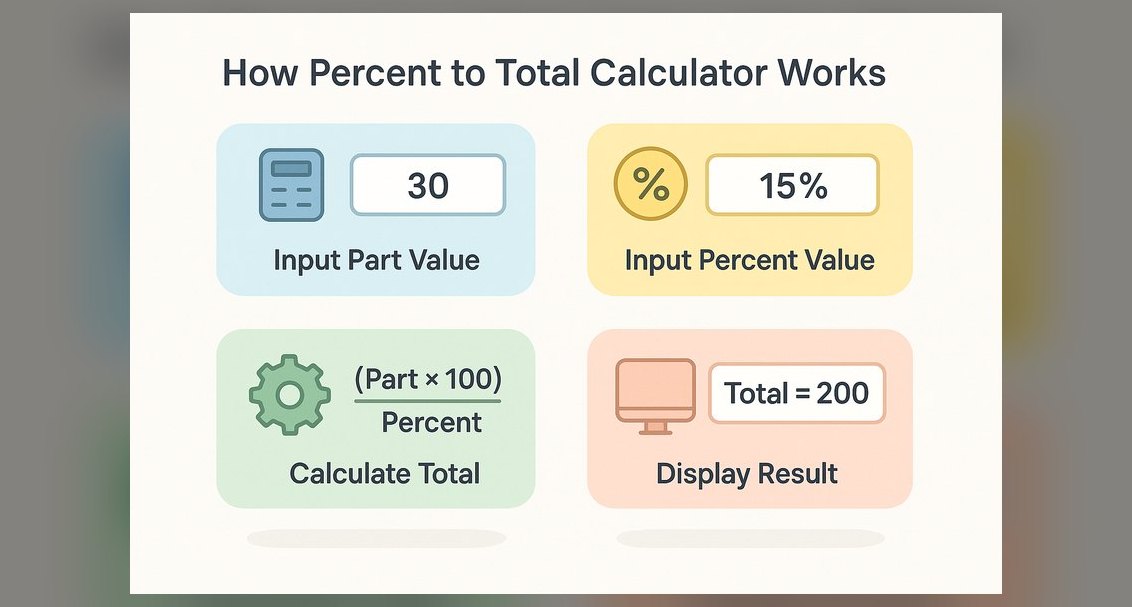 pulse-recentWhat percentage of my total buildout budget should I hold in reserve in case the landlord's TI funding falls short in 2027?
 pulse-recentHow much does a landlord-funded tenant improvement allowance typically cover per square foot in 2027?
 pulse-recentHow do I get the landlord to approve my buildout plans without unnecessary delays in 2027?
 buildoutsWhat Hidden Fees Show Up in Commercial Leases in 2026?
 buildoutsDo I Need a Grease Interceptor, and What Does It Cost in 2026?
 pulse-recentHow do I calculate the total landlord-funded buildout budget for a 15,000 sq ft office in 2027?
 buildoutsHow Do I Negotiate a Tenant Improvement Allowance for a Warehouse in 2026?
 pulse-recentWhat interest rate should I expect if the landlord amortizes my TI allowance into rent instead of paying it upfront in 2027?
 buildoutsHow Do I Avoid Construction Delays That Cost Me Rent in 2027?
 pulse-recentHow do I calculate a fair landlord fund contribution for my buildout in 2027?