
How Do I Avoid Construction Delays That Cost Me Rent?
 Curated byKory White · Fractional CRO · Maryland
 PULSEKNOWLEDGE LIBRARY
Quality
Certified

Tie rent commencement to substantial completion of your buildout, not a fixed calendar date, and negotiate a 60-to-120-day free-rent fixturing period from delivery. Permitting alone runs 6 to 16 weeks and long-lead equipment 12 to 40 weeks, so a date-based clock forces you to pay for a dark, unusable store.
Why the rent clock is the whole game
The delay itself is not what hurts you — paying full rent on a space you cannot legally occupy is what hurts you. Understand which clause your lease uses to start that clock and you have already won most of the battle. On a modest 4,000-square-foot space at $45 per square foot annually, you are staring at roughly $15,000 a month in rent for a store with no revenue, no customers, and often no certificate of occupancy. Two lost months is $30,000 gone before you sell a single thing.
The trap is subtle because the lease reads reasonably on its face. A landlord offers "rent commences on the earlier of your opening or 120 days after delivery of the premises." That sounds like a buffer. But if plan check in your city takes 90 to 180 days by itself — before construction even starts — the 120-day cushion evaporates and you are paying rent while your permit sits in a queue you do not control. The clock outruns reality, and the gap comes straight out of your pocket. Every protection below exists to close that gap: shift the timing risk off you and onto the parties and processes that actually cause the delay.

Map the real schedule before you sign
Most tenants underestimate the buildout timeline by roughly half, then sign a lease whose rent clock outruns the work. Build the schedule backward from your opening date and pad every leg honestly:
- Design and construction documents: 4 to 10 weeks for an architect to produce permit-ready drawings.
- Permitting and plan check: 6 to 16 weeks, longer in dense or backlogged jurisdictions, and expect at least one round of plan-check corrections that resets part of the clock.
- Bidding and contractor selection: 2 to 4 weeks to get comparable bids and pick a general contractor.
- Long-lead procurement: rooftop HVAC units run 12 to 20 weeks, electrical switchgear can hit 20 to 40 weeks in tight markets, walk-in refrigeration 8 to 16 weeks, and custom millwork 6 to 12 weeks.
- Construction: 8 to 16 weeks for a typical retail or office tenant improvement.
- Inspections and certificate of occupancy: 1 to 3 weeks, assuming you pass on the first pass.
Add these together and a "simple" buildout is realistically 5 to 9 months from lease signing to open doors. If your lease grants only 90 days of free rent, you will be paying full rent for months before you can open. The schedule is not a formality you sketch after signing — it is the negotiation itself, and the numbers above are the leverage you bring to the table.

Tie rent to substantial completion, not a date
This is the single clause that saves the most money, and there are three ways a lease can define when you start paying. Knowing the difference is worth tens of thousands of dollars.
The fixed date is the worst structure for a tenant. "Rent commences on March 1" assumes every permit, inspection, delivery, and supply chain cooperates perfectly, which they almost never do. If anything slips, you pay for empty space. Avoid this structure entirely on any deal that involves meaningful construction.

Delivery-plus-X is better but still risky. "Rent commences the earlier of opening or 120 days after delivery of the premises" gives you a window, but if permitting and long-lead items blow past 120 days through no fault of yours, you still pay. Only accept this structure if X is genuinely longer than your realistic buildout timeline and the clause explicitly excludes days lost to landlord delay and municipal permitting.
Substantial completion of tenant work is the best structure. "Rent commences upon substantial completion of Tenant's improvements, or the date Tenant opens for business if earlier" ties the rent clock to the thing that actually matters — the space being usable — and shifts the timing risk off you and onto the timeline. Define the term precisely in the lease: the work is complete enough to occupy and operate, a certificate of occupancy or temporary C of O has issued, and the landlord's own work is finished. Vague definitions get litigated for months; tight, specific ones get respected. Never leave "substantial completion" to be argued about after the fact when you are already paying rent.
Build buffers into everything
Float is free money, and the tenants who never eat dark-store rent are the ones who put slack in every leg of the project rather than trusting a fairy-tale critical path.

Start with the free-rent or fixturing period. Negotiate 60 to 120 days of free rent — sometimes called the build-out or fixturing period — running from delivery of the shell, not from lease signing. This is your buffer to build before the meter runs, and in soft markets where landlords are hungry for tenants, ask for more. This single term regularly outweighs a slightly better base rent, because it directly offsets the months you would otherwise pay for a store you cannot open.
Next, demand schedule float. Insist your contractor's schedule includes 2 to 4 weeks of contingency baked in, not a zero-slack critical path that assumes nothing goes wrong. A schedule with no float is a schedule that is already late.

Then order long-lead items early. The number-one self-inflicted delay is waiting for permits before ordering equipment. Place deposits on HVAC, switchgear, and refrigeration as soon as your design is locked, even before plan check clears. A 10-week construction schedule means nothing if your switchgear is 30 weeks out — you must sequence the entire project around the single longest-lead item, not around construction duration.
Finally, pre-submit and expedite permits. In slow cities a permit expediter costs $2,000 to $10,000 and routinely pays for itself in avoided dark-store months. Pre-application meetings with the building department catch fatal plan issues before formal submittal, sparing you a full correction cycle that could add six weeks.
Manage landlord-caused delays
A surprising share of buildout delays are the landlord's fault: late delivery of the shell, slow approval of your construction drawings, missing base-building work, or the landlord's own contractor blocking your access. Your lease should make each of those delays the landlord's cost, not yours.
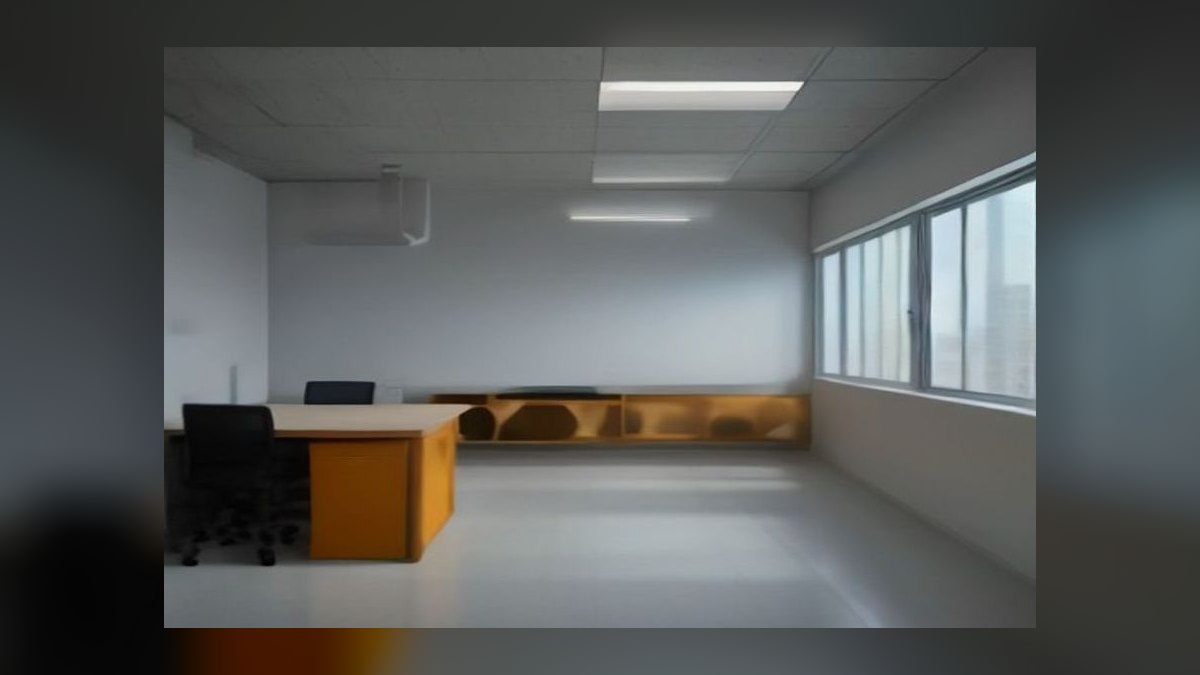
Set a plan-approval deadline. The landlord must approve or reject your construction drawings within 10 to 15 business days, with approval not to be unreasonably withheld, and negotiate a "deemed approved" provision so that silence past the deadline counts as approval. Otherwise a landlord can stall your entire project simply by not responding, and you have no recourse.
Set an outside delivery date. Name a hard date by which the landlord must deliver the shell in the required condition. If they miss it, you get a day-for-day rent credit, and past a longer backstop — say 60 to 90 days late — you earn a termination right so you are never trapped indefinitely in a deal the landlord cannot perform.

Define landlord delay explicitly. Any day your work is delayed by the landlord's act or omission should push your rent-commencement date back day-for-day. To keep a landlord genuinely motivated, consider negotiating penalty free days — for example, two free days for every day of landlord delay past a short grace period. The asymmetry gives the landlord a real reason to move fast rather than treating your timeline as optional.
Above all, get every landlord obligation dated in the lease. "Promptly" and "within a reasonable time" are the exact phrases through which schedules quietly slip and tenants end up paying. Replace every one of them with a number.
Control change orders
Change orders are the quiet budget-and-schedule killer once construction actually starts — surprises behind the walls, scope creep, or gaps in a cheap set of drawings. Each one can add days or weeks while your rent clock keeps ticking, so limit them deliberately.

Start with detailed, complete construction documents up front. Thin, cheap drawings are false economy; every ambiguity a contractor finds on site becomes an expensive change order and a schedule slip. Pay for a complete set and you buy yourself a quieter build.
Carry a contingency line of 5 to 10 percent of hard costs so the inevitable unknowns get absorbed without renegotiating the contract every week. A build with no contingency treats every surprise as an emergency, and emergencies move slowly and cost more.

Write a defined change-order process into the general contractor's agreement: written approval required, every change priced before any work proceeds, and the schedule impact stated in the same document. No verbal changes, ever, because a verbal "just do it" is how a two-day fix becomes a two-week dispute.
Finally, run a pre-construction site investigation before you finalize the price. Open a ceiling tile, check the electrical panel, scope the plumbing and the slab. Catching the surprises before demolition turns them into planned line items instead of mid-build emergencies that stall the whole crew.
Keep leverage until you actually open
Hold back leverage so the project stays urgent for everyone except you. Structure contractor payments as progress draws tied to completed, inspected milestones rather than a calendar, so money only moves when real work is verifiably done. Keep a meaningful retainage — commonly around 5 to 10 percent — until every punch-list item is closed and your occupancy permit is physically in hand. That final holdback is what gets a contractor to finish the last unglamorous 5 percent instead of drifting to the next job.

Require lien waivers with each draw so a dispute between the general contractor and a subcontractor cannot freeze your opening at the worst possible moment. And in your contractor agreement, ask for a liquidated-damages clause that puts a specific daily dollar amount on late completion, paired with a substantial-completion milestone tied to your certificate of occupancy rather than the contractor's own opinion of "done." The goal is simple and consistent across every party: everyone who can delay you should have their own money on the line when they do.
Document delays in writing as they happen. A short, dated email noting a missed delivery, a stalled inspection, or a landlord's late approval preserves your claim if you later need an abatement, a rent credit, or a fight over who owes whom for the dark weeks. Memory fades and stories change; a contemporaneous paper trail does not.
Related questions
How much free rent should I ask for on a buildout deal?
Negotiate 60 to 120 days of free rent running from delivery of the shell, not from lease signing, so the abatement actually covers your construction window. In soft markets or for spaces needing heavy work, push for more. Match the abatement to your honest critical path, not the landlord's optimistic one.
What is the difference between rent commencement and lease commencement?
Lease commencement is when the lease legally begins and your other obligations start; rent commencement is specifically when you begin paying rent. On buildout deals you want a gap between them — the lease can commence at signing while rent commencement waits until substantial completion of your improvements, giving you a construction period without paying for unusable space.
Should I order equipment before my permits are approved?
Yes, whenever the design is locked and the item is on the critical path. HVAC, switchgear, and refrigeration can run 12 to 40 weeks, far longer than construction itself. Waiting for permit approval to place those orders is the most common self-inflicted delay. Place deposits early and sequence the whole project around the longest-lead item.
What counts as "substantial completion" in a lease?
Generally, the tenant improvements are complete enough to occupy and operate for their intended use, a certificate of occupancy or temporary C of O has issued, and any landlord work is finished. Because the term triggers your rent obligation, define it precisely in the lease rather than leaving it open to argument once the meter is running.
Can I get out of the lease if the landlord never delivers?
If you negotiate an outside delivery date with a termination right past a defined backstop — often 60 to 90 days late — then yes. Without that clause you may be stuck waiting indefinitely while the landlord fails to perform. Always pair the day-for-day rent credit with a hard termination right so you are never trapped in a deal that cannot close.
FAQ
What does "rent commencement at substantial completion" actually mean? It means your obligation to start paying rent begins when your space is genuinely usable — your buildout substantially done and ready to occupy — rather than on a date someone penciled in months earlier. The distinction matters because construction almost never finishes exactly on schedule. Tying the clock to completion shifts the risk of delay off your shoulders and onto the timeline itself.
Why is a fixed calendar date for rent commencement risky? A fixed date assumes the buildout, permits, inspections, and supply chain all cooperate perfectly, which they rarely do. If the date arrives and your space still isn't finished, you start paying rent on something you cannot open or operate in. That is real money out the door for zero usable square footage, often for months.
What kinds of delays should I be planning buffers for? The three big sources are the city (permitting and inspections), the landlord (their portion of the work or their approvals), and the supply chain (materials and long-lead items). Each can slip independently, and they often stack on top of one another. Building a buffer into every step rather than into the project as a whole keeps one slow link from blowing the entire timeline.
Can I really negotiate these terms, or are leases take-it-or-leave-it? Lease terms like rent commencement, tenant improvement allowances, and delay protections are routinely negotiated, especially before you sign. Landlords expect back-and-forth on buildout-heavy deals. Your leverage is highest before your signature is on the page, so that is the moment to push hard for completion-based triggers, free-rent buffers, and landlord-delay credits.
What happens if the landlord causes the delay? That is exactly the scenario completion-based rent commencement is meant to protect against — if their work or approvals hold things up, your rent clock should not keep running. Well-drafted leases add "landlord delay" language that pushes your dates out day-for-day, and sometimes penalty free days on top. The goal is making sure you are not financially punished for slippage you did not cause.
Does this advice apply to any commercial tenant or just certain industries? The principle applies to essentially any tenant doing a buildout in leased commercial space — retail, office, restaurant, medical, or otherwise. The mechanics of leases, tenant improvements, and net terms work the same way regardless of industry. What changes is the scale and the specific buffers you need, not the underlying strategy of never paying for space you cannot yet use.
Sources
- CBRE — https://www.cbre.com/insights
- JLL — https://www.us.jll.com/en/views
- Cushman & Wakefield — https://www.cushmanwakefield.com/en/united-states/insights
- NAIOP, Commercial Real Estate Development Association — https://www.naiop.org/research-and-publications/
- American Institute of Architects — https://www.aia.org/resources
- BOMA International — https://www.boma.org/
- U.S. Small Business Administration, leasing commercial space — https://www.sba.gov/business-guide/manage-your-business/buy-lease-commercial-space
- Building Design + Construction — https://www.bdcnetwork.com/
Related on PULSE
- [What Is a Construction Draw Schedule and How Do I Avoid Overpaying?](/knowledge/bo0039)
- [How Do I Get a Rent Credit for Landlord Delays?](/knowledge/bo0100)
- [What Is a Co-Tenancy Clause and How Does It Save Me Rent?](/knowledge/bo0096)
- [Should I Hire a Tenant-Rep Broker, and What Do They Save Me?](/knowledge/bo0234)
- [What Is Constructive Eviction and How Does It Protect Me?](/knowledge/bo0105)
- [What Is Gross-Up in a Lease and How Does It Cost Me?](/knowledge/bo0072)
This page will be disappearing soon. Save it to your device for $1 — or read it free while it is here.
@Kory-White- · if Venmo asks, the last 4 of my number are 2012
This page is gone.
This one is off the shelf now. $1 keeps it on your phone for good — the whole page, pictures and diagrams included.
 pulse-recentWhat percentage of my total buildout budget should I hold in reserve in case the landlord's TI funding falls short in 2027?
 pulse-recentHow do I complete a commercial buildout step by step from lease signing to move-in in 2027?
 pulse-recentHow much does a landlord typically mark up rent per square foot to fully fund a turnkey buildout instead of giving me a TI allowance in 2027?
 pulse-recentHow much does a 10,000 SF medical office buildout cost per square foot in 2027?
 pulse-recentWhat is the average landlord construction allowance per square foot for a retail buildout in 2027?
 pulse-recentHow much of my own cash should I budget on top of a landlord TI allowance for a typical retail buildout in 2027?
 pulse-recentHow do I create a step-by-step buildout plan when the landlord only provides a shell space in 2027?
 pulse-recentWhat are the top 10 documents I need to require my landlord to fund buildout improvements in 2027?
 pulse-recentHow much extra cash should I budget beyond a landlord's TI allowance so I don't run out mid-buildout in 2027?
 pulse-recentHow do I calculate the total landlord-funded buildout budget for a 15,000 sq ft office in 2027?