
What’s the best way to handle conflict with the landlord’s project manager during construction in 2027?
 Curated byKory White · Fractional CRO · Maryland
 PULSEKNOWLEDGE LIBRARY
Quality
Certified
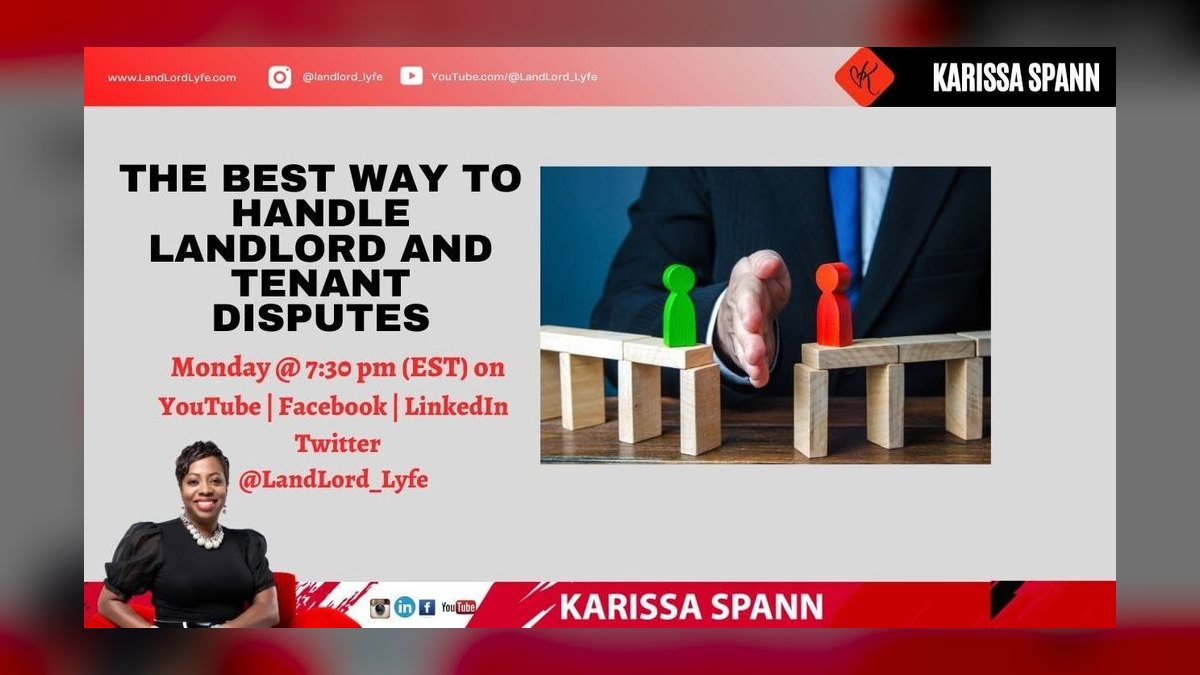
Treat the landlord's project manager as a partner, but anchor every disagreement to the lease work letter and a written paper trail rather than personalities. Document each change order, delay, and approval in writing, cite specific lease sections when the PM oversteps, and escalate legitimate entitlement disputes to the asset manager through your tenant rep broker.
Why the PM's incentives create the conflict in the first place
The landlord's project manager works for ownership, and is usually measured on two numbers: budget adherence and schedule compliance. They are not your interior designer, your quality-control officer, or your advocate. When they reject a change order or a material upgrade, it is frequently because the tenant improvement (TI) allowance is fixed and the landlord caps overages hard. Many PMs carry a bonus or performance rating tied to delivering the space at or under budget, so every request you make that adds cost is, from their seat, a direct threat to their own review.
Understanding this reframes the entire relationship. Their resistance is rarely personal, and treating it as personal is the fastest way to poison a working relationship you will depend on for months. Instead, translate your ask into lease-entitlement language. If the work letter grants a fixed dollar amount per usable square foot for finishes — say $50 to $75 in many markets — then a paint or flooring choice inside that line item is something you are contractually owed, not a favor you are begging for. When your request maps cleanly onto contractual scope, the PM has far less room to refuse.

And if they refuse anyway, you have just learned something valuable: the fight is about power or personality rather than budget, which tells you exactly when to escalate. Diagnose the incentive before you push. A request that genuinely blows through the allowance deserves a negotiation about cost sharing; a request squarely inside your entitlement that gets blocked deserves escalation. Spending your energy on the disputes that are actually winnable — and conceding gracefully on the ones that are not — is what separates a tenant who gets their space built from one who spends six months in a trailer arguing.
Document everything: the paper trail is your only real leverage
In any construction conflict, oral agreements are effectively worthless — only written records carry weight with the landlord's senior management or in a formal dispute. Start a running log on day one: date, time, who was present, what was said, and any commitment made. After every meeting or phone call, send a short confirmation email that summarizes the key points and decisions. Something as plain as "Confirming our call: you agreed to approve the electrical sub-panel relocation by Friday" does enormous work. If the PM does not correct your summary, that email becomes constructive evidence that the agreement existed.

Push the same discipline into a shared tracker. A spreadsheet, a Smartsheet, or a formal platform like Procore where both you and the PM log change requests, approvals, and denials creates transparency and makes it very hard for the PM to later claim they never saw a request. Each row should carry a request date, a plain description, the lease reference if one applies, the decision, and the decision date. For the highest-stakes items — anything that could delay your rent commencement or opening date — escalate the record format itself: certified mail or a formally acknowledged project log so there is no ambiguity about receipt.
The reason this matters is asymmetry. The PM has the landlord's ear every day; you do not. When a conflict finally lands on the asset manager's desk, the party with a clean, timestamped record becomes the single source of truth, and the party relying on memory looks unreliable. Documentation is not bureaucracy — it is the equalizer that lets a tenant win an argument against someone with a structural relationship advantage. Keep the tone of every written record factual and neutral; a log entry that reads like a complaint undermines the credibility that a log entry stating plain facts earns you.

Frame disputes around shared goals, not personalities
Conflicts turn toxic when they become personal, and they become personal fastest when language gets accusatory. "You always miss deadlines" or "you never approve anything" invites defensiveness and shifts the conversation from the problem to the person. Replace that with outcome-focused framing: "I'm concerned about the door-hardware substitution because it doesn't match the architect's specs — can we review the options together?" The disagreement is identical, but the second version keeps the PM's cooperation intact.
Lead with the shared objective every time, because you genuinely do share one: a successful, on-time completion that meets the lease specifications. Phrases like "We both want this ready for my tenant-improvement deadline" or "Let's find a fix that keeps us on schedule while addressing the structural concern" convert an adversary into a co-problem-solver. Use "I" statements — "I'm worried about," "I'd like to understand" — rather than "you" accusations that put the PM on the defensive before you have even made your point.

There is also a compounding benefit to protecting the relationship. A PM controls subcontractor scheduling, material sourcing, and sequencing flexibility that can quietly help or hurt you. Open meetings by acknowledging what went right — "Thanks for getting the drywall in on time, that helped a lot" — and ask for favors as mutual wins: "If we get flooring installed this week, we both hit our milestones." Share your priorities early so the PM can sequence around them; if you need the conference room finished first for a client visit, say so weeks ahead, not the day before. A PM who likes working with you will solve problems instead of manufacturing them. And when you do have to escalate, that goodwill means their boss hears "this tenant is reasonable but has a legitimate concern," not "this tenant is impossible."
Know when — and how — to say no
Some conflicts are not misunderstandings; they are attempts to move cost or schedule onto your side of the ledger. Scope creep is the classic version. A PM might insist you pay for HVAC balancing because your server room adds load, even though the lease assigns base-building systems to the landlord. The correct response is to decline firmly and politely, citing the exact provision: "Per Section 5.2 of the work letter, HVAC is a landlord obligation — please send a cost breakdown for approval before any work proceeds." Do not pay under protest and hope to recover it later; get the entitlement resolved before the invoice exists.
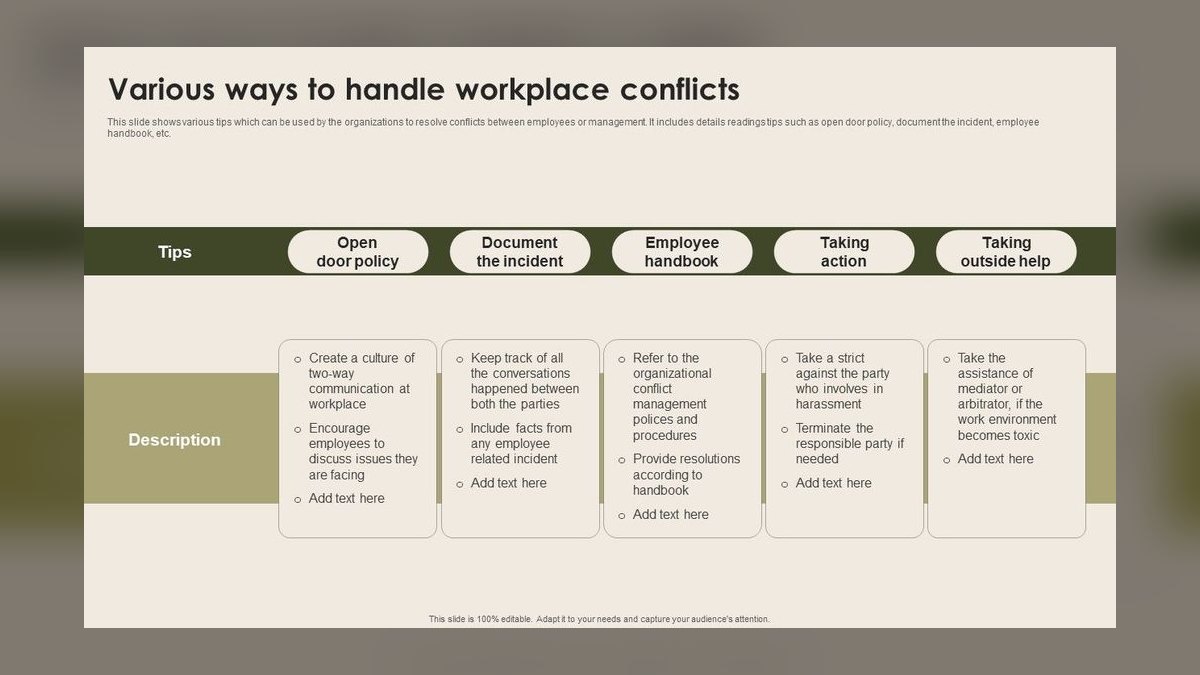
Schedule pressure is the other common trap. A PM may ask you to accelerate your finish work to meet the landlord's timeline, which can mean overtime charges from your contractor. You are not obligated to fund the landlord's schedule preference unless the lease says so. Require any requested schedule change to come with a written cost-impact statement, and treat every acceleration request as a negotiation, not an order.
Then there are the quality shortcuts — a cheaper flooring adhesive, an undersized panel, a substituted material "to save time." Here you have firm ground: the approved architect's drawings and the lease specifications. Never let a PM talk you into a decision that departs from the approved plans, because that deviation becomes your liability if it later fails inspection or fails in service. When you must refuse, the sequence is consistent: cite the lease or the drawings, request the ask in writing, and if the PM persists, escalate rather than capitulate.

Escalate smartly through your tenant rep and lease leverage
When the PM stonewalls you on a legitimate entitlement, do not fight it out in the construction trailer. Escalate up the landlord's own chain — to the asset manager or director of construction, the person the PM answers to. The most effective conduit is your tenant rep broker, who already has a relationship with the landlord's decision-makers and can frame the issue as a lease-compliance problem rather than a personality clash. A broker call that says "My client's work letter clearly allows custom millwork up to $10,000, and your PM is blocking it without cause — can we get written clarification?" often resolves the matter on the spot, because the asset manager has no appetite for a lease dispute or a delayed rent commencement.
Establish the escalation path before construction even starts, and frame each escalation as a request for help, not a complaint: "We haven't been able to reach alignment on the change-order process, and I'd appreciate your guidance to keep the project moving." That tone preserves relationships while still commanding the right attention. Before you escalate, package the record — a short written summary of the issue, the lease reference, and your documented attempts to resolve it directly — so the decision-maker can act in one reading rather than having to reconstruct weeks of back-and-forth.

Know your ultimate lever, too. Many construction riders contain "reasonable cooperation" language, and some leases let a tenant request a replacement PM for cause — a documented pattern of missed deadlines, ignored approvals, or unreasonable delay. This is a real remedy, but a nuclear one; use it sparingly and only with a paper trail that would survive scrutiny. Its existence alone often changes behavior once the asset manager knows you are aware of it. The goal of escalation is rarely to win a war — it is to get one specific decision unstuck and then return to a functional working relationship for the rest of the build.
Use a third-party architect or inspector as a buffer
If conflicts are frequent or highly technical, put an independent expert between you and the PM. On larger buildouts it is standard for the tenant to retain a construction consultant or the project architect to attend weekly meetings and sign off on punch lists. The value is twofold. First, objectivity: when the PM claims the electrical load is adequate and your inspector's report says it is undersized, the report carries weight that your opinion never could. Second, emotional distance — instead of you arguing with the PM, your consultant handles the technical debate, which keeps your own working relationship with the PM cleaner.
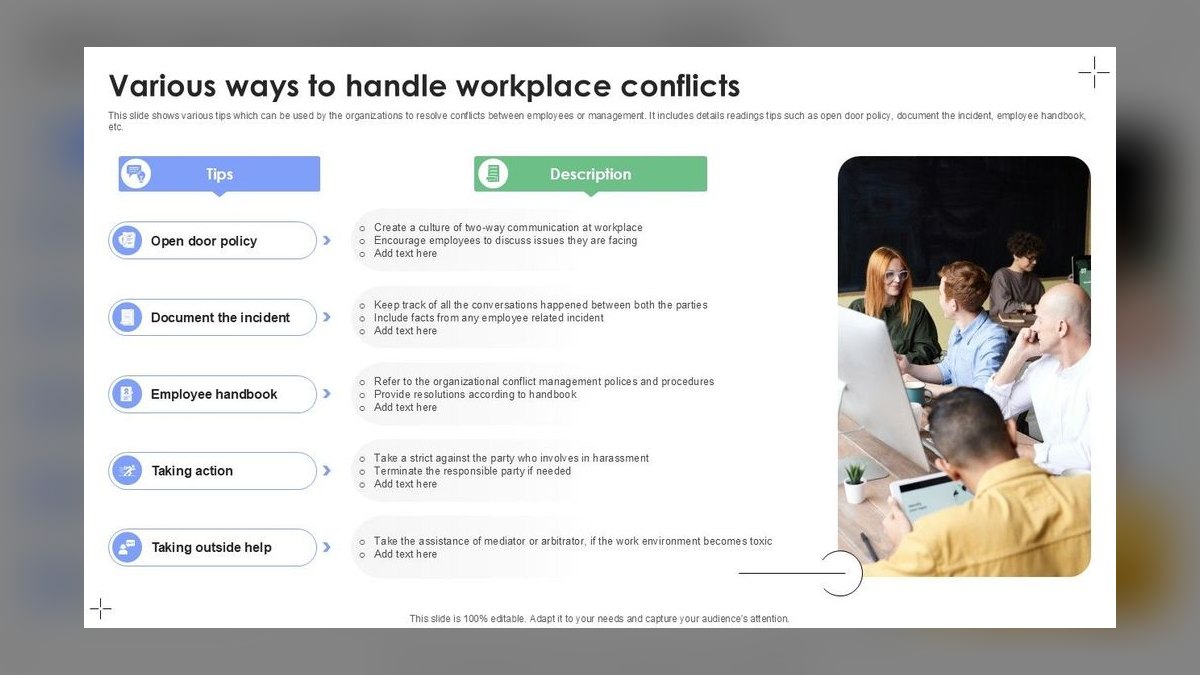
The economics favor this on any project of real scale. A construction consultant typically runs a few thousand dollars a month for a mid-size project, which is inexpensive insurance against a five-figure mistake like a miswired HVAC system or a fire-suppression layout that fails inspection. For full-time tenant-side project management on a large or complex buildout, budgeting a percentage of construction cost is common, and the coordination and change-order discipline it buys frequently pays for itself in avoided overruns and rejected padding.
An architect also helps you read the lease under pressure. If the PM insists a change order is needed to hit a ceiling height that the lease already specifies as a minimum, your architect can confirm the requirement in writing and convert a he-said-she-said into a professional opinion the landlord respects. Independent expertise turns subjective standoffs into documented findings, and documented findings are what actually move landlords. Even on a smaller project where a full-time consultant is not justified, a single paid site visit at a moment of real technical dispute can pay for itself many times over.

Related questions
What if the PM never responds to my emails?
Silence is a form of delay. Send one follow-up after roughly 24 hours, copy the landlord's asset manager on the second message, and note the timeline in your log. Persistent non-response is itself documentable cause for escalation, and most leases imply a duty of timely cooperation.
Can I actually get the PM replaced?
Not unilaterally, but many leases allow a tenant to request a replacement PM for cause — a documented pattern of unreasonable delay, ignored approvals, or work-letter violations. You need evidence, not frustration. Check the construction rider for "reasonable cooperation" language and treat this as a genuine last resort.
Should I hire my own project manager?
Often yes for large or complex buildouts, and especially if you are a first-time tenant. A tenant-side PM adds cost as a percentage of construction, but the coordination, scheduling discipline, and change-order scrutiny frequently save more than the fee through avoided overruns and rejected padding.
How do I handle a PM who is rude or condescending?
Stay professional and document every instance in a calm summary email that keeps the focus on scope. Do not match the tone. If the behavior continues, escalate to the landlord with your record rather than confronting the PM personally — the paper trail does the arguing for you.
FAQ
What's the single most common conflict with a landlord's PM? Change orders — specifically the PM attempting to charge you for work that the TI allowance or base-building scope should already cover. Always demand a written cost breakdown with lease references before approving any change, and never approve a change verbally.
What if the PM substitutes a cheaper material without my approval? Stop work on that item immediately and require a written substitution request with specs and pricing. Work letters typically require landlord approval for substitutions, and you retain the right to reject anything that fails to meet the performance standards in the approved drawings.
Is email good enough, or do I need something more formal? Email is sufficient for the vast majority of communications and creates a solid timestamped record. Reserve certified mail or a formally acknowledged project log for the highest-stakes items — anything that could delay rent commencement, your opening date, or trigger a lease dispute.
Who exactly do I escalate to above the PM? The landlord's asset manager or director of construction, ideally routed through your tenant rep broker, who already has the relationship and can frame the issue as lease compliance. Escalate as a request for guidance, not a complaint, and bring a one-page summary with lease references.
When is a third-party inspector worth the cost? Whenever conflicts are frequent or highly technical, or on any large buildout. A monthly consultant fee is trivial against the cost of a failed inspection or a systems mistake, and the independent report carries far more weight with the landlord than your opinion alone.
How do I keep a dispute from becoming personal? Anchor every disagreement to the lease, the drawings, or the shared completion goal, and use "I'm concerned about" framing instead of "you always" accusations. Keep the record factual and unemotional so that if it escalates, you read as reasonable rather than combative.
Sources
- https://www.ifma.org
- https://www.boma.org
- https://www.corenetglobal.org
- https://www.aia.org
- https://www.nar.realtor
- https://www.procore.com
- https://www.uli.org
- https://www.sior.com
Related on PULSE
- Should I negotiate a rent-free period during the entire buildout duration including punch list
- How do I handle asbestos or mold discovered midway through a landlord's warm shell delivery
- How Do I Handle a Buildout for a Second or Expansion Location?
- What's the best way to verify the landlord's contractor bid isn't padded?
- What's the cheapest way to add a private restroom in a retail shell space
- What's the cheapest way to finish a raw shell space for a small retail store?
Recently Added — Related
This page will be disappearing soon. Save it to your device for $1 — or read it free while it is here.
@Kory-White- · if Venmo asks, the last 4 of my number are 2012
This page is gone.
This one is off the shelf now. $1 keeps it on your phone for good — the whole page, pictures and diagrams included.
 boWhat are the tax implications of taking TI cash versus amortized rent in 2027?
 boHow Do I Get Tenant Improvement Money on a Lease Renewal in 2026?
 pulse-buildoutsHow much does a 5,000 sq ft quick-service restaurant buildout cost in 2027?
 boHow do I handle a landlord who refuses to allow weekend or night construction in 2027?
 boWhat’s the average TI allowance per square foot for medical office space in 2027
 boHow do I handle asbestos or mold discovered midway through a landlord’s warm shell delivery in 2027
 boHow do I structure a lease that lets me remove my specialty improvements at move-out in 2027
 boWhat’s the cost difference between a drywall partition office and a glass wall office in 2027
 boCan I sublease a space mid-buildout and recover my construction costs in 2027?
 boWhat’s the smarter move—signing a longer lease for more TI or a shorter lease for less in 2027?