
How do I structure a lease to allow me to sell my buildout improvements to the next tenant?
 Curated byKory White · Fractional CRO · Maryland
 PULSEKNOWLEDGE LIBRARY
Write your lease so the buildout improvements you fund beyond the landlord's allowance are declared your personal property, then add a Sale of Improvements exhibit granting you the right to sell them to a landlord-approved incoming tenant at an appraised or agreed price, backed by a landlord cooperation covenant. Negotiate this at the letter-of-intent stage, before signing the base lease.
Why the standard lease already gave your buildout to the landlord
Almost every commercial lease contains a clause stating that all alterations and improvements become the landlord's property at the end of the term. It is usually labeled the "surrender," "surrendered improvements," or "fixtures" clause. The legal machinery behind it is the common-law doctrine of fixtures. The landlord owns the real estate, so anything permanently affixed to it — framing, ductwork, plumbing rough-ins, built-in casework, the ceiling grid — is treated as part of the building and belongs to the owner the moment it is installed.
That default ignores the economics of a serious buildout. A medical suite with exam rooms, lead-lined imaging walls, and dedicated medical-gas runs can cost several times the landlord's standard tenant improvement (TI) allowance per square foot. A restaurant with a hood, make-up air, grease interceptor, and walk-in coolers is the same story. When you fund the gap between the allowance and the true build cost out of your own pocket, you have effectively financed the landlord's asset for free — and under the surrender clause, that capital simply evaporates when your term ends.
The only way to reclaim any of it is an improvements-ownership provision that overrides the boilerplate. Frame it as mutual: you recover a portion of your investment on exit, and the landlord ends up holding a pre-improved, faster-to-re-lease space instead of a bare box that sits dark through a long TI negotiation with the next tenant.
Drafting the Sale of Improvements clause so the loopholes close
The heart of this structure is a Sale of Improvements clause, drafted as a separate exhibit rather than buried in the body of the lease. The exhibit needs to nail down several specific points:
Ownership declaration. The lease must state that all tenant improvements you paid for beyond any landlord allowance are your personal property, and that they remain your property throughout the term and after expiration unless and until sold.
Right to market and sell. You must be permitted to show the space to prospective tenants, provide as-built drawings, and hand over equipment inventories, manuals, and warranties.
Landlord approval of the buyer. Standard and fair, but qualify it so the landlord cannot unreasonably withhold, condition, or delay consent when the buyer meets the same financial and creditworthiness criteria you originally satisfied.
Price mechanism. The clause can set a fixed buyout figure, a formula, or a fair-market appraisal process. A fixed number is cleaner and avoids fights; an appraisal is fairer but adds cost and time.
Cooperation-for-new-lease covenant. The landlord must agree to offer your buyer a new lease on commercially reasonable terms. Without it, the landlord can quietly kill your sale by quoting the buyer an outrageous rent nobody would sign.
Removal fallback. If no buyer materializes, you keep the right to remove the improvements and restore the space, or to waive restoration on items the landlord elects to keep.
Valuing the buildout: cost, income, and comparable approaches
When you sell your improvements, the price is rarely the original cost you paid — depreciation, obsolescence, and the specific buyer's needs all move the number. Three valuation frameworks apply:
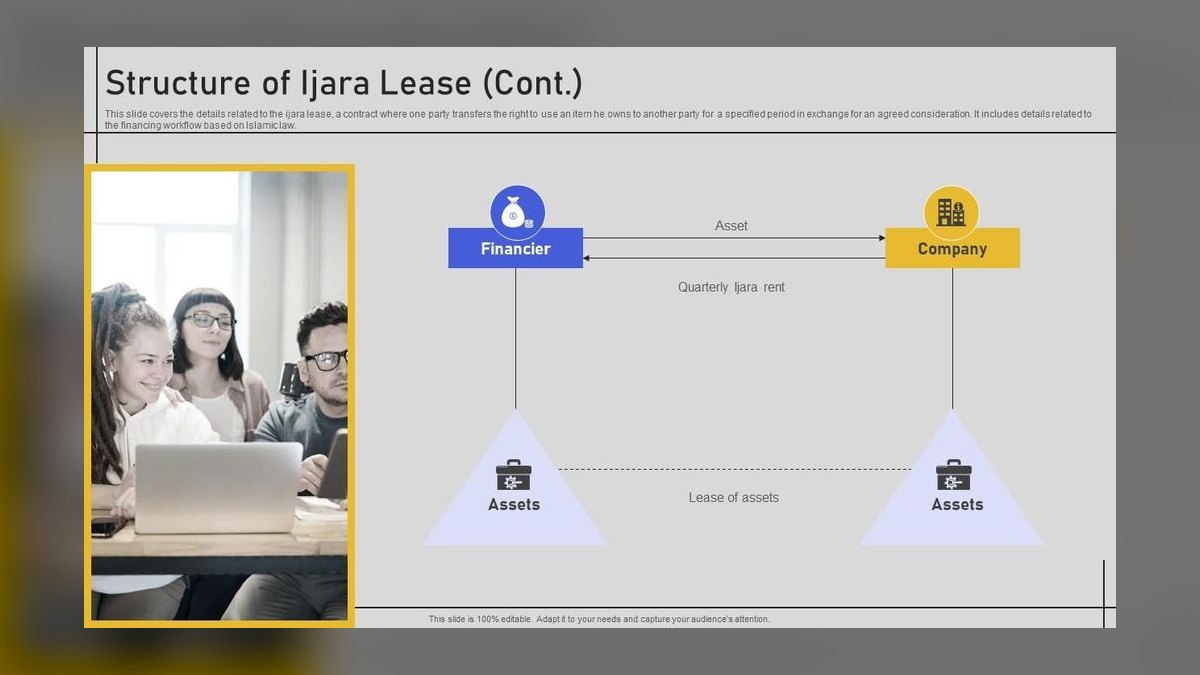
Cost approach. Calculates what it would take to rebuild the improvements today (replacement cost) and then subtracts accumulated depreciation for age, wear, and obsolescence. Most defensible for generic or standardized work.
Income approach. Asks what the next tenant would pay to avoid building from scratch. Specialty buildouts — commercial kitchen with hood and grease interceptor, dental office with imaging rooms — are worth dramatically more to an incoming user in that industry.
Sales-comparison approach. Looks at comparable transactions of similar improved spaces in the same submarket, plus a premium for the months of construction, permitting, and downtime the buyer skips by taking a turnkey space.
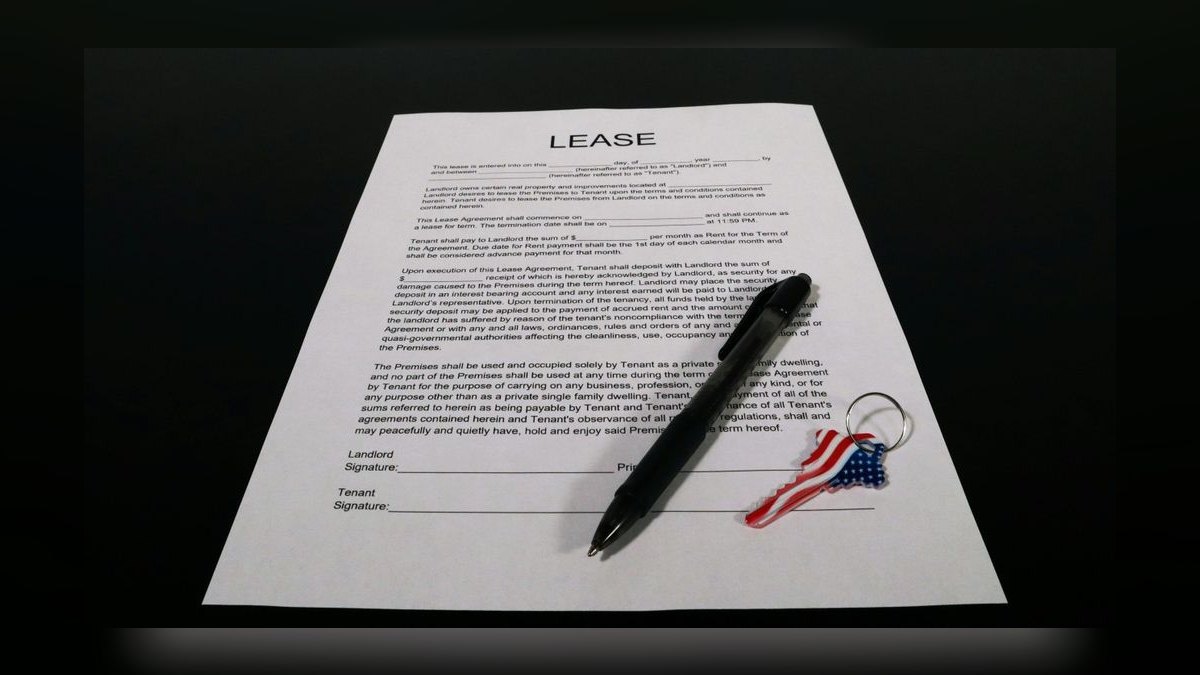
Include a valuation clause that names both the method and the mechanism. A common structure is a three-appraiser panel: you appoint one appraiser, the landlord or buyer appoints a second, and if the two disagree beyond a defined threshold they jointly select a third whose determination binds. Keep the process tight — a 30-day appraisal window, a stated qualification standard for the appraisers, and a binding result unless both sides waive it.
Answering the landlord's real objections with drafted concessions
Landlords resist a tenant's right to sell improvements for three underlying reasons: control, liability, and complexity.

On control. Offer a right of first refusal. Before you sell to any third party, the landlord may buy the improvements themselves at the same price and terms you have negotiated.
On liability. Include an as-is warranty disclaimer: you sell with no warranty beyond the original manufacturer warranties, which you assign to the buyer.
On complexity. Offer a modest processing fee to cover the landlord's genuine legal and administrative cost of reviewing the sale and papering a new lease.
On restoration risk. Agree that if no buyer takes the improvements you will either remove them and restore the space at your own cost, or pay the landlord salvage value if they elect to keep them.
Tax and accounting consequences that decide your real proceeds
Selling your buildout is a taxable event. Depreciation recapture comes first. If you depreciated the improvements — which you generally should have — selling triggers recapture of that depreciation. Your gain is the sale price minus your adjusted tax basis, and basis is original cost reduced by the depreciation already claimed.
Improvements that are real property can involve unrecaptured Section 1250 gain, while specialty fixtures and equipment — restaurant hoods, dental chairs, lab casework, imaging equipment — are frequently Section 1245 personal property with different recapture treatment. A CPA should classify each piece correctly.
There may also be a deferral path. A Section 1031 like-kind exchange can, in some structures, defer the gain — but the 1031 rules are strict and exclude many personal-property categories after recent tax-law changes. Consult a tax professional before assuming it applies.
Planning the exit when no buyer shows up
Give yourself a removal-and-restoration right: the option to remove the improvements within a defined window after expiration and return the space to base-building condition. Alternatively, negotiate an abandonment option that lets you leave generic improvements in place without penalty when they are in good condition and the landlord accepts them.
Build a timeline buffer. Start marketing well before expiration, and if no buyer emerges by a defined date, begin removal on a planned schedule rather than a last-minute scramble that forces a lowball sale or rush-demolition premiums.
FAQ
Should I negotiate this at LOI stage or after signing the lease? At the letter-of-intent stage, always. Once the base lease is signed your leverage evaporates and the landlord has no incentive to reopen terms.
Do I own improvements the landlord's TI allowance paid for? No. You own only the portion you funded beyond the allowance. The lease should apportion ownership pro-rata, so the landlord keeps the allowance-funded share and any sale proceeds split along that same ratio.
Which industries actually do this? Medical, dental, veterinary, restaurant, laboratory, and light-industrial tenants sell buildouts routinely, because their improvements are highly specialized and costly to reproduce. It is far less common in generic office space.
Can the landlord just refuse my buyer? Only reasonably. Draft the approval right so the landlord cannot unreasonably withhold consent when the buyer meets the same creditworthiness standard you did.
What if the landlord refuses to let me sell my improvements at all? Then either accept the buildout as a sunk cost or negotiate a larger tenant improvement allowance up front to offset value you will never recover.
Can I sell the improvements to the landlord directly? Yes. Include a right of first refusal letting the landlord buy the improvements at the same price you have negotiated with a third party.
Do I need an appraisal before signing the lease? Not usually, but commission a cost-segregation study and keep itemized as-built cost records after construction. That documentation establishes value and a defensible depreciation schedule.
What happens if the buyer can't get a lease from the landlord? Your cooperation clause should require the landlord to offer a commercially reasonable lease. If they refuse, you may have a breach-of-contract claim.
How do I handle improvements partly funded by the landlord's allowance? Apportion ownership in the lease: the landlord owns the allowance-funded portion and you own the excess you paid. Any sale price splits along that same ratio.
Are estimated or guessed valuations ever acceptable? No. Anchor the price to a real method — replacement cost less depreciation, income to the next tenant, or genuine market comparables — verified by qualified appraisers.
Sources
- https://www.boma.org/
- https://www.aiacontracts.com/
- https://www.irs.gov/forms-pubs/about-publication-946
- https://www.irs.gov/pub/irs-pdf/p544.pdf
- https://www.nar.realtor/commercial
- https://www.nolo.com/legal-encyclopedia/commercial-real-estate
- https://www.ccim.com/
- https://www.sba.gov/business-guide/manage-your-business/buy-assets-equipment
Related on PULSE
- [How do I structure a lease that lets me remove my specialty improvements at move-out](/knowledge/bo0334)
- [How Do I Get a Right of First Refusal on the Space Next Door?](/knowledge/bo0051)
- [How Do I Assign My Lease When I Sell My Business?](/knowledge/bo0095)
- [How Do I Get Out of a Personal Guarantee When I Sell My Business?](/knowledge/bo0094)
- [How Do I Depreciate Leasehold Improvements (QIP) to Save on Taxes?](/knowledge/bo0184)
- [How Do I Avoid Paying for the Landlord's Capital Improvements?](/knowledge/bo0047)
This page will be disappearing soon. Save it to your device for $1 — or read it free while it is here.
@Kory-White- · if Venmo asks, the last 4 of my number are 2012
 boShould I negotiate a rent-free period during the entire buildout duration including punch list
 boHow do I negotiate a one-time buyout of my TI allowance as a lump sum?
 boHow do I calculate the return on investment (ROI) of a premium buildout versus a budget fit-out?
 boWhat’s the cost difference between a drywall partition office and a glass wall office in 2027
 pulse-buildoutsTop 10 best Buildouts options in 2027
 boHow do I negotiate a co-tenancy clause that triggers reduced rent if my buildout is delayed?
 boCan I negotiate a clause forcing the landlord to reimburse my expediter fees?
 boWhat’s the cheapest way to add a kitchenette to a raw shell office without triggering new fire sprinklers
 boWhat’s the average timeline for a full-service restaurant buildout approval in 2027
 boWhat Are the Good and Bad Clauses in a Commercial Lease?