
How do I negotiate a liquidated damages clause for each week of buildout delay in 2027
 Curated byKory White · Fractional CRO · Maryland
 PULSEKNOWLEDGE LIBRARY
Quality
Certified

Anchor the weekly rate to demonstrable losses — lost gross profit, double rent, idle payroll — not a guessed figure, because courts enforce liquidated damages only as a reasonable pre-estimate of harm, never a penalty. Tie accrual to a precisely defined substantial-completion date triggered by a written notice to proceed, cap it high, and secure the right to offset unpaid damages against rent.
What the clause actually protects
A liquidated damages clause is a pre-agreed sum the landlord owes for each day or week a tenant-improvement (TI) buildout finishes past a defined completion date. It exists to replace the slow, expensive alternative: suing for actual damages after the fact. Once a buildout runs late, the tenant is already bleeding cash — lost sales, rent on two spaces at once, staff hired for a location that isn't ready — but proving the exact dollar figure in court takes months and thousands in legal fees, during which the loss compounds. A well-drafted clause collapses that fight into a single invoice: state the delay in weeks, multiply by the agreed rate, attach your calculation, and demand payment.
The legal foundation is old common-law contract doctrine, and it cuts both ways. A clause is enforceable only when the stipulated amount is a reasonable forecast of harm measured at the time of signing, and when actual damages would be genuinely difficult to calculate. If a court decides the number is punitive — a penalty designed to scare the landlord rather than compensate the tenant — it can void the clause entirely and leave you to prove actual damages the hard way. That is why the number you propose must trace back to real business math, not intimidation. The clause is compensation and insurance, never a profit center, and framing it that way is simultaneously your strongest negotiating posture and your strongest legal one.

Landlords resist because they hate signing what feels like a blank check, especially when they know general contractors routinely slip four to eight weeks on TI work. Your job is to make the figure small enough to survive an enforceability challenge yet large enough that the landlord internalizes the cost of delay and pressures the contractor — rather than shrugging while you absorb the loss. Get that balance right and the clause does its real work long before any invoice is ever sent: it changes how hard everyone pushes the schedule.
Calculating a weekly loss number that holds up
Your weekly figure must be grounded in documentable line items, because a number you can defend on one page of arithmetic is both more persuasive across the table and more enforceable in front of a judge. Build a simple, transparent model rather than reaching for a round figure.
- Lost gross profit per week. Take projected monthly revenue for the new location, subtract variable costs (cost of goods sold, sales commissions, shipping), and divide by roughly 4.3 weeks. This is the core of your claim and the piece landlords most want to strike — hold the line on it, because it is usually the largest and most legitimate component.
- Extra occupancy cost. If you're still paying for your current space because the new one isn't ready, that's real and trivially documented: double rent, utilities, insurance, and common-area maintenance on both locations. Keep the existing lease and current invoices ready as backup.
- Idle labor. Staff hired and trained for the new site but sitting idle — or paid overtime to make a cramped temporary space work — is a hard cost. Estimate wasted hours at your fully loaded rate (wages plus payroll taxes and benefits), not just base wage.
- Vendor and customer impact. If you signed supplier contracts or ran customer-acquisition campaigns keyed to a specific open date, late-delivery penalties and wasted marketing spend belong in the total. Keep the signed agreements and campaign invoices as proof.

Sum these, then divide by the expected buildout duration — commonly eight to sixteen weeks for a moderate TI project — to sanity-check the shape of your number, but derive the per-week rate directly from the weekly line items above. As a market cross-check, standard office and retail buildouts often land somewhere around one to three dollars per square foot per week, with high-revenue uses like restaurants or medical practices defensibly higher; treat that only as a reference band, never as the primary anchor. Present the rate on a single page showing the arithmetic. If the landlord balks, negotiate toward a floor that still covers your undeniable hard costs — double rent plus idle payroll — and refuse to go beneath it, because everything below that floor is money you can prove you lost regardless of how a court reads the profit component.
Structuring the triggers, caps, and exclusions
A weak clause is worse than none, because it hands you false security while quietly failing when you need it. Five structural elements decide whether yours has teeth.

A hard, precisely defined completion date. Define "substantial completion" as a concrete, testable state — all building systems (HVAC, electrical, plumbing, fire protection) fully operational, a certificate of occupancy issued, and the floor ready to receive your trade fixtures and inventory. Reject vague language like "final punch list remaining" or "broom clean," which lets the landlord claim done while the space is unusable.
A notice-to-proceed trigger. The delay clock should start only after the landlord issues a written notice to proceed and you have delivered every plan, permit, and approval that is your responsibility. This protects the landlord from your delays — and the clause must say so explicitly, or the whole thing looks one-sided and invites a penalty challenge.

Rate and accrual mechanics. State the dollar amount per week (or per day, which is cleaner and reduces rounding fights), specify that damages accrue continuously, and require payment within fifteen days of your invoice. Refuse net-60 payment games that let the landlord hold your money for two months while you eat the loss.
The cap. Landlords will insist on a ceiling — typically five to ten percent of the construction budget, or eight to twelve weeks of accrued damages. Push toward the upper end, because real buildout delays routinely stretch eight to twelve weeks, and a cap set below that leaves you exposed at exactly the moment exposure peaks. Never accept a cap below roughly three months of your estimated weekly loss.

Force-majeure exclusions. Excusing genuine acts of God — severe weather, strikes, formally declared material shortages — is standard and fair. But fight vague catch-alls like "supply-chain disruptions" or "any cause beyond landlord's reasonable control," which turn ordinary subcontractor mismanagement into a free pass and gut the clause from the inside.
Working the negotiation and countering objections
Landlords negotiate from a well-worn script, and each objection has a clean counter that keeps you reasonable while holding your ground. Knowing the script in advance is half the battle.
When they say liquidated damages "aren't standard in this market," acknowledge it, then pivot to cost: "My business has real, documented losses if we open late — let's set a reasonable number that protects both of us," and put your one-page calculation on the table. When they claim they "can't control the contractor," point out that this is precisely the argument for a back-to-back clause: their contract with the general contractor should carry its own liquidated-damages provision, so you are asking them to pass risk down the chain, not absorb risk they cannot manage. When they cite lease boilerplate that caps damages at some tiny fixed sum, name the gap out loud — that covers a fraction of your real exposure — and propose meeting in the middle on both the weeks of coverage and the rate.

The most common substitution offer is free rent instead of cash. Free rent is genuinely valuable, but it does not reimburse lost gross profit, double-occupancy cost, or idle payroll, so the right response is to combine rather than trade: accept some free rent and a lower weekly cash rate instead of surrendering the cash claim entirely. And when they invoke the ultimate objection — "the clause is an unenforceable penalty" — turn it into common ground: it is enforceable precisely because it is a reasonable estimate of harm built on documented projections, and inviting both attorneys to review the legal standard together signals confidence rather than bluff.
The strongest structural move is to tie the rate to the landlord's own construction contingency. Most TI budgets carry a contingency line specifically to absorb overruns and delay. Argue that your damages should draw from that contingency — money already set aside for exactly this risk — rather than out of the landlord's operating pocket. It reframes the ask from "give me money" to "allocate the reserve you already budgeted," which is a far easier yes and lowers the emotional temperature of the whole negotiation.

Pitfalls that quietly gut a good clause
Even a carefully negotiated clause fails if you miss a handful of traps that standard lease language plants by default. These rarely announce themselves; they surface only when you try to collect.
The first is a soft definition of substantial completion. If the landlord can declare completion when the drywall is up but the HVAC does not run, your delay clock stops while the space stays unusable. This is why the systems-operational-plus-certificate-of-occupancy definition matters so much — it is the single most litigated word in the clause, and the one landlords most often try to blur.

The second is a unilateral landlord extension right. Many leases quietly grant the landlord thirty to sixty extra days "for any reason" with no damages. Strike it, or make it reciprocal: if the landlord extends the completion date, your rent-commencement date slides by the same amount, so you never pay for time you did not get.
The third is missing documentation. Without a written notice of delay from the landlord and a contemporaneous paper trail, you may struggle to prove when the delay actually started. Require weekly written status reports and a written notice within three days of any anticipated slip, so both the clock and the cause are documented in real time rather than reconstructed later.

The fourth is a setoff restriction. Some leases bar you from deducting damages from rent — which forces you to sue to collect and defeats the entire purpose. Insist on an express right to offset unpaid liquidated damages against rent; it is your fastest, cheapest enforcement lever, because landlords act quickly when the rent check goes short.
The fifth is a consequential-damages waiver. Landlords routinely include broad language waiving all consequential damages, and a court could read that to swallow your liquidated-damages claim whole. Make the liquidated-damages clause an explicit, named exception to any consequential-damages waiver elsewhere in the lease, so the two provisions cannot be read against each other.
Enforcing the clause once the delay hits
Suppose the clause is signed and the buildout is now three weeks late. Enforcement is a sequence, and moving through it in order preserves both your leverage and your legal position rather than burning them early.

Start by documenting everything: emails, dated photos, daily site logs, and a copy of the general contractor's schedule showing planned versus actual progress. If the landlord asserts force majeure, demand contemporaneous proof — a weather record, a supplier's written strike or shortage notice — rather than accepting a bare claim. Next, send a formal notice citing the specific clause, the number of delay weeks, and the amount due, with your calculation attached; certified mail beats email for the record, though sending both is fine. Give a firm but reasonable window — ten days — to pay.
If the lease grants rent offset, exercise it: deduct the accrued damages from your next payment and include a reconciliation statement showing the math. This is usually the fastest route to being made whole, because landlords respond urgently to short rent in a way they never do to a demand letter. Stay open to a negotiated cure — a landlord may offer to accelerate with overtime crews or subcontractor bonuses in exchange for waiving part of the damages, which can be the better deal if it opens your doors sooner; just capture the cure plan in writing with a guaranteed date and a revived damages clock if that date slips. If the landlord simply refuses and your clause is clean, escalate to a demand letter from counsel, which resolves many disputes on its own. Should it proceed to litigation, the clause's entire value now pays off: your damages are already quantified and agreed, converting a murky proof problem into a straightforward breach-of-contract claim.
Related questions
Should I ask for free rent instead of cash liquidated damages?
Use both. Free rent offsets occupancy cost but not lost gross profit or idle payroll. Negotiate a modest free-rent period plus a lower weekly cash rate, so the cash covers the operating losses that abated rent simply cannot touch.
What if my state is strict about penalty clauses?
Nearly every U.S. state enforces liquidated damages when they are a reasonable pre-estimate of hard-to-calculate harm. A few apply tighter scrutiny, so confirm the local standard with a real-estate attorney — but outright unenforceability is rare, not the default.
Who bears delays that I cause?
You do. The clause should expressly exclude tenant-caused delay — late plan approvals, change orders, failure to grant contractor access — and pause the clock for that time. This carve-out also strengthens enforceability by proving the clause is compensatory, not punitive.
How do I protect myself if the landlord could go bankrupt?
An unpaid claim becomes an unsecured creditor claim in bankruptcy, often recovering little. For large buildouts, require a performance bond or a letter of credit from the landlord so your remedy is not tied entirely to their solvency.
FAQ
What is a reasonable liquidated-damages rate per square foot per week? For standard office or retail buildouts, roughly one to three dollars per square foot per week is a common reference band, with higher rates defensible for high-revenue uses like restaurants or medical practices. Treat this only as a cross-check — anchor the actual number to your documented weekly loss.
Can I negotiate liquidated damages after signing the lease? Not effectively. The clause must be in the original lease or in a signed amendment executed before the buildout begins. Once delays occur, the landlord has no incentive to add protection retroactively, so you lose essentially all leverage.
Do liquidated damages cover delays the tenant causes? No. A well-drafted clause explicitly excludes tenant-caused delays — late approvals, change orders, denied access — and tolls the clock during them. This carve-out is fair and also helps the clause survive a penalty challenge by keeping it compensatory.
How do I prove my loss calculation to the landlord? Bring a one-page summary backed by your projected P&L, current-space rent, payroll records, and any vendor contracts carrying late penalties. You do not need audited financials — a clear, documented estimate is enough to establish reasonableness.
What if the landlord goes bankrupt during the delay? Your claim likely becomes an unsecured creditor claim, recovering little in bankruptcy. Mitigate on larger projects by requiring a performance bond or letter of credit up front, so your remedy does not depend on the landlord's financial health.
Should the clause let me offset damages against rent? Yes — insist on it. Without an offset right you must sue to collect, which defeats the clause's purpose. The right to deduct unpaid damages from rent is your fastest, cheapest enforcement mechanism and the one landlords respond to quickest.
Sources
- https://www.law.cornell.edu/wex/liquidated_damages
- https://www.americanbar.org/groups/real_property_trust_estate/
- https://www.nar.realtor/commercial
- https://www.boma.org/
- https://www.icsc.com/
- https://www.sba.gov/business-guide/manage-your-business/buy-lease-commercial-space
- https://www.uslegal.com/l/liquidated-damages/
- https://www.nolo.com/legal-encyclopedia/commercial-real-estate-leases
Related on PULSE
- Institutional vs Mom-and-Pop Landlord: How Do I Negotiate Each?
- How do I negotiate a clause that credits my TI allowance against future rent if I underspend
- How Do I Negotiate a Most-Favored-Tenant Clause?
- How Do I Negotiate a Demolition Clause Out of My Lease?
- How Do I Negotiate a Kick-Out Clause for Low Sales?
- Can I use a lease escalation clause to offset future buildout maintenance costs
Recently Added — Related
This page will be disappearing soon. Save it to your device for $1 — or read it free while it is here.
@Kory-White- · if Venmo asks, the last 4 of my number are 2012
This page is gone.
This one is off the shelf now. $1 keeps it on your phone for good — the whole page, pictures and diagrams included.
 boHow do I get a performance bond from the landlord’s contractor for my buildout in 2027
 boHow do I get the landlord to pay for structural upgrades like HVAC or roof repairs in 2027?
 boHow do I structure a lease that lets me remove my specialty improvements at move-out in 2027
 boCan I negotiate a clause forcing the landlord to reimburse my expediter fees in 2027?
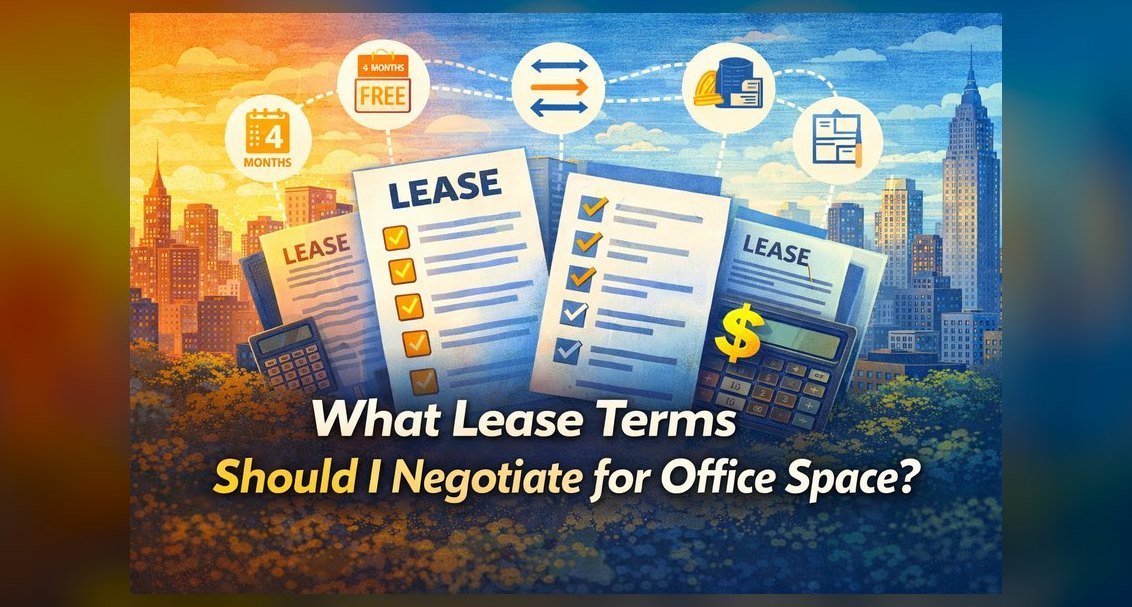 boHow do I negotiate a co-working flex space buildout with shared corridors and common areas in 2027
 boWhat’s the cheapest way to finish a raw shell space for a small retail store in 2027?
 boHow do I calculate the true cost of using the landlord’s preferred GC versus my own in 2027
 boHow do I get a cost breakdown from the landlord’s contractor before work starts in 2027?
 boWhat’s the smarter move—signing a longer lease for more TI or a shorter lease for less in 2027?
 boShould I take a smaller allowance and lower rent, or max allowance with higher base rent in 2027?