


SPEAR Selling by Jamie Shanks — Cliff Notes Summary
Quality
Certified
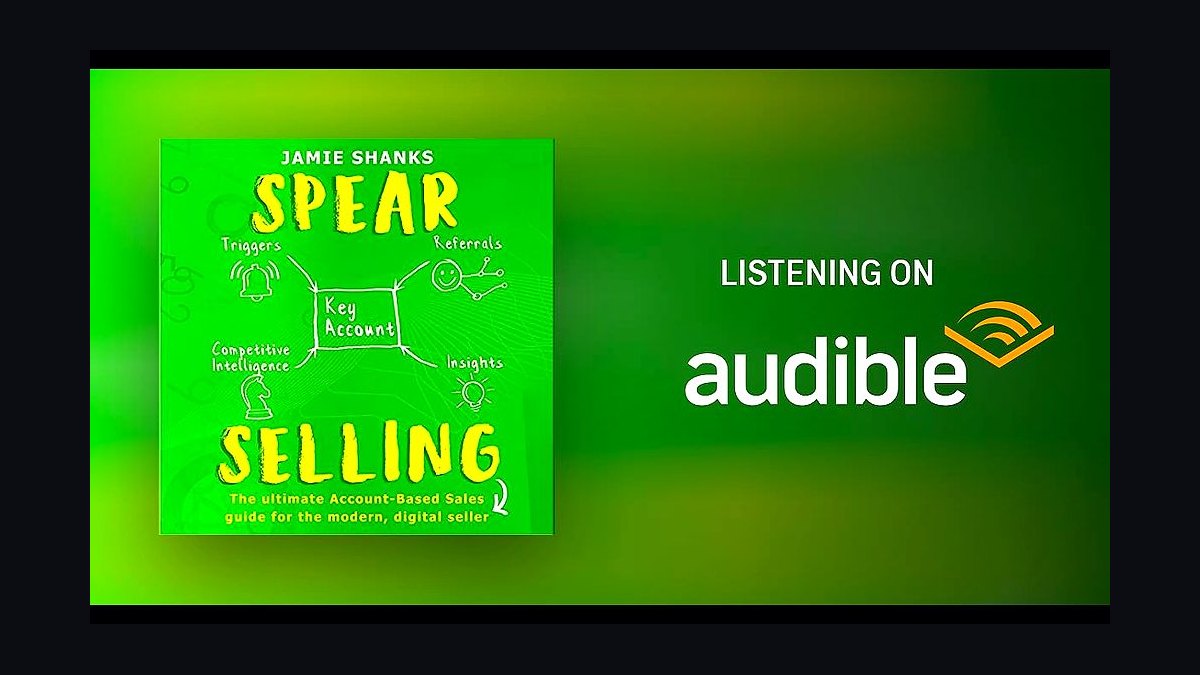
SPEAR Selling: The Ultimate Account-Based Sales Guide for the Modern Digital Sales Professional (CreateSpace / Sales for Life, 2018) is Jamie Shanks's operational manual for running account-based selling at scale. Shanks — CEO of Sales for Life and originator of the "Sales Pipeline Process for Engaged Account Revenue" — argues that modern account-based selling requires the SPEAR sequence — Select / Plan / Engage / Activate / Run — paired with social-selling discipline and intent-data signals. The book's central claim: the modern rep is a marketing channel of one, and the seller who masters LinkedIn content, Sales Triggers, and per-persona cadences will outproduce reps who wait for marketing-qualified leads. It matters because SPEAR is the manual playbook that Demandbase, 6sense, Terminus, and RollWorks later automated into the account-based platform category — yet the book itself is under-read outside the Sales for Life training community, leaving most reps using the tools without understanding the operating system underneath. SPEAR sits alongside Trish Bertuzzi's *Sales Development Playbook*, Tony Hughes's *Combo Prospecting*, and Anthony Iannarino's *Eat Their Lunch* as the foundational 2016-2018 ABM canon.
1The Pre-SPEAR Setup — Why Account-Based Selling Replaced Spray-and-Pray
1.1 Chapter 1 — The Death of the Spray-and-Pray SDR
Shanks opens with a brutal indictment of the 2015-era SDR factory model — high-volume cold dialing, generic email blasts, and thin MQL-to-SQL conversion. He argues the model worked when buying committees were small and inboxes uncluttered. By 2018, Forrester and Gartner were both reporting buying committees of 6-10 stakeholders and inbox saturation that pushed cold-email reply rates into low single digits. The chapter sets up SPEAR as the alternative: fewer accounts, deeper research, multi-threaded engagement.
1.2 Chapter 2 — What "Account-Based" Actually Means
Shanks separates Account-Based Marketing (ABM) from Account-Based Selling (ABS). ABM is the demand-gen function picking the Tier-1 / Tier-2 / Tier-3 target lists and running ads + content at them. ABS is what the AE and SDR do inside those accounts — researching the buying committee, identifying Sales Triggers, and running coordinated outbound. The book is about ABS. Shanks credits ITSMA for popularizing ABM and Bertuzzi for codifying the modern SDR role, then positions SPEAR as the missing operating layer between them.

2SPEAR Step One — Select
2.1 Chapter 3 — Picking the Right Accounts
Select is account selection done three ways simultaneously: firmographic fit (industry, employee count, revenue, tech stack), intent data (the account is researching your category — third-party signals from Bombora, first-party from your own site), and competitive context (the account uses a competitor whose contract is up, or just churned). Shanks recommends a Tier-1 list of 25-50 accounts per AE, Tier-2 of 100-200, and Tier-3 of 500+ treated as an automation lane. The chapter previews what 6sense and Demandbase later productized: scoring accounts by combined fit + intent + engagement.
2.2 Chapter 4 — Firmographic Fit and the Ideal Customer Profile
Shanks teaches an ICP-building exercise: take your top customers by ACV and retention, find the firmographic intersection (industry NAICS code, employee band, geo, funding stage, tech stack), then back-test against your worst-fit accounts. The intersection becomes your Tier-1 filter. This was the manual version of what Clearbit (acquired by HubSpot in 2023) and ZoomInfo later automated as "lookalike" account discovery.

3SPEAR Step Two — Plan
3.1 Chapter 5 — Mapping the Buying Committee
Plan is per-account research before any outbound touch. Shanks teaches the seller to map the buying committee by role — CEO, CFO, CRO, CMO, CTO, VP of Operations, end-user champions — and identify which persona owns budget, which owns technical evaluation, and which can veto. He draws on CEB / Gartner research showing the average enterprise deal involves roughly 6-7 stakeholders, and that deals engaging only a few contacts close at a materially lower rate than deals that multi-thread across the committee. The chapter is the conceptual ancestor of what MEDDPICC later formalized as "Champion + Economic Buyer + Decision Criteria."
3.2 Chapter 6 — Sales Triggers and the Timing Window
The 7 Sales Triggers — Shanks's signature catalog — appear here: (1) executive change (new CRO, CFO, or CMO), (2) funding round, (3) M&A activity, (4) product launch, (5) layoff or restructuring, (6) expansion (new office or geography), and (7) public commitment (10-K filing, earnings call quote, conference speech). Shanks's core point: a trigger turns a cold account into a warm one because the buyer's status quo just broke — without a trigger, even the best message lands at the wrong time. LinkedIn Sales Navigator, Crunchbase, Owler, and later UserGems automated the trigger detection that Shanks taught manually.

4SPEAR Step Three — Engage
4.1 Chapter 7 — Multi-Channel Engagement Choreography
Engage is the coordinated touch sequence across the buying committee. Shanks rejects single-channel cadences (email-only, dial-only) and prescribes LinkedIn + email + phone + content + events — a 5-channel cadence that parallels what Tony Hughes independently codified as "Combo Prospecting" the same year. A reference SPEAR cadence: Day 1 LinkedIn connect with personalized note, Day 3 value-add email referencing a Sales Trigger, Day 5 voicemail + email follow-up, Day 8 share a relevant article tagging the prospect, Day 12 breakup email — multiplied across the 6-8 committee members per account.
4.2 Chapter 8 — The Social Selling Index (LinkedIn SSI)
Shanks devotes a full chapter to LinkedIn's Social Selling Index — the 0-100 score LinkedIn publishes for every user across four pillars: (1) Establish your professional brand, (2) Find the right people, (3) Engage with insights, and (4) Build relationships. He leans on LinkedIn's own published research linking higher SSI to stronger pipeline and win rates. The chapter is the bridge between SPEAR and Shanks's earlier book *Social Selling Mastery* (2016).

5SPEAR Step Four — Activate
5.1 Chapter 9 — Converting Engagement Into Conversations
Activate is the rep's conversion step — turning a LinkedIn comment, an email open, or a content download into a scheduled discovery call. Shanks teaches the "trigger-anchored ask": open every meeting request by referencing the specific Sales Trigger ("Saw your new CRO Sarah Chen was just announced — most CROs in your space reset their tech stack in the first 90 days; worth a 20-minute call?"). The activation step is where SPEAR most clearly diverges from inbound: the rep is creating the demand by surfacing the trigger, not waiting for marketing to deliver an MQL.
5.2 Chapter 10 — Content as the Activation Lever
The chapter introduces the rep-as-channel thesis in earnest: the modern rep is a marketing channel of one. A rep with a few thousand targeted LinkedIn connections and a steady posting cadence can reach more decision-makers in their tier than a generic corporate campaign. The activation playbook: post a point of view, tag 3-5 prospects in comments, DM the engagers within 24 hours. Sam McKenna (SamSales Consulting), Sarah Brazier (Gong), and later Justin Welsh all built reputations on this exact pattern.

6SPEAR Step Five — Run
6.1 Chapter 11 — Running the Sales Cycle Itself
Run is the post-conversation execution: discovery → recommendation → proof → close. Shanks defers most of this to other frameworks (MEDDIC, SPIN, Challenger) but adds one SPEAR-specific layer: the rep must continuously re-engage non-attendee committee members during the cycle. If the CFO never showed up to demo 1, the rep schedules a separate executive briefing for the CFO before pricing. This is the operational predecessor to Gong's "deal risk" alerts for single-threaded deals.
6.2 Chapter 12 — Pipeline-by-Persona Cadences
Shanks closes the framework section with Pipeline by Persona — the principle that different buying-committee roles require different cadences and different metrics. The CFO cares about payback period and NPV. The CRO cares about rep productivity. The CTO cares about integration risk. The CMO cares about brand-fit case studies. A rep running the same cadence to all four wastes touches. The persona-cadence map is now standard in Outreach, Salesloft, and Apollo sequence templates.

7The Social-Selling Backbone and the Rep-as-Channel Thesis
7.1 Chapters 13-14 — From LinkedIn Profile to Inbound Channel
These chapters teach the profile-as-landing-page principle: the rep's LinkedIn headline, banner, About section, and Featured posts function as a personal demand-gen site. Shanks's prescriptive structure: headline names the buyer's outcome (not the rep's title), About section is a 3-paragraph point of view, Featured shows 3 case studies or pieces of content. The rep treats LinkedIn as a 24/7 inbound funnel that runs in parallel to outbound SPEAR.
7.2 Chapters 15-16 — The Comment Economy and DM Conversion
Shanks teaches that comments outperform posts for pipeline because comments appear in second-degree connections' feeds with less algorithmic throttling. A rep leaving a handful of thoughtful comments per day on target-buyer posts generates more buying-committee touches than the rep's own posts alone. The DM conversion playbook: when a target prospect comments on your post, DM them within 24 hours with a value-add, not a pitch. This is the seed of the Justin Welsh / Sam McKenna comment-first prospecting trend.

8The Operating System — How SPEAR Compounds
Frameworks at a Glance
- SPEAR Sequence — Select / Plan / Engage / Activate / Run, Shanks's 5-step account-based operating system
- 7 Sales Triggers — executive change, funding round, M&A, product launch, layoff, expansion, public commitment
- Social Selling Index (LinkedIn SSI) — 4 pillars: brand, find people, engage with insights, build relationships
- Pipeline by Persona — separate cadence and metric set per buying-committee role (CEO / CFO / CRO / CMO / CTO)
- Buying-Committee Mapping — 6-8 named stakeholders per Tier-1 account, role + motivation + objection mapped
- Rep-as-Channel Thesis — the seller's LinkedIn presence functions as a personal marketing channel that outproduces corporate marketing reach
- Trigger-Anchored Ask — every meeting request opens with the specific Sales Trigger that justifies the timing
- 5-Channel Cadence — LinkedIn + email + phone + content + events, choreographed across the committee
The Weekly SPEAR Operating Loop
What Holds Up, What Has Aged
What holds up. The SPEAR sequence itself is still the operating system underneath every modern ABM platform — 6sense, Demandbase, Terminus, RollWorks, and Clay all automate variations of Select + Plan. The 7 Sales Triggers catalog is intact and now feeds real-time alerts in UserGems, Common Room, and Champify. The rep-as-channel thesis is foundational to the entire Pavilion, RevGenius, and Sales Hacker creator-economy positioning — Justin Welsh, Sam McKenna, and Chris Walker all built businesses on it. LinkedIn SSI is now a common talking point on rep scorecards at B2B SaaS companies like Gong, Outreach, and Salesloft.

What has aged. The manual research per account SPEAR prescribed — roughly 30 minutes per Tier-1 account to identify the buying committee and find triggers — has been collapsed to seconds by Clay, Apollo, Cognism, ZoomInfo, Lavender, and Regie.ai. AI now generates per-persona messaging at scale, and intent platforms surface triggers automatically. The 5-channel cadence is still right in principle, but the channel mix has shifted: video (Loom, Vidyard) and community DMs (Slack, Discord) now matter more than voicemail. Shanks's framing — SPEAR is the operating system; intent data is the fuel — is more true than ever, but the fuel pump is now automated.
FAQ
Is SPEAR Selling still worth reading? Yes, but for the operating system, not the tactics. Read it to understand the manual playbook that 6sense and Demandbase automated — then you'll use the platforms with more intent. Skip the LinkedIn-feature how-to chapters; the platform has changed too much since 2018.
How is SPEAR different from MEDDPICC? MEDDPICC is a deal-qualification framework used *inside* an active sales cycle. SPEAR is an account-engagement framework used *before* the cycle starts. They compose: SPEAR gets you the meeting, MEDDPICC qualifies and runs the deal.
What are the 7 Sales Triggers, and which are strongest? They are executive change, funding round, M&A, product launch, layoff/restructuring, expansion, and public commitment. Shanks doesn't rank them strictly, but in practice executive change (especially a new CRO) and funding round tend to be strongest because both come with budget-reset authority. Public commitment — a leader promising a strategic shift on an earnings call — is the most underused.
Do I need 6sense or Demandbase to run SPEAR? No. The book predates affordable intent platforms and was written for reps using LinkedIn Sales Navigator, Crunchbase, and Google Alerts. The free-tool stack still works; the paid platforms just compress the time per account from minutes to seconds.
How does SPEAR relate to Tony Hughes's Combo Prospecting? They were published the same year (2018) and reached overlapping conclusions independently. Hughes emphasizes the call + email + LinkedIn combo touch; Shanks emphasizes the account-selection and trigger-detection upstream. Read both — they fill different gaps.
Is the rep-as-channel thesis just LinkedIn influencing? No. Shanks's version is targeted: the rep's content is aimed specifically at the 25-50 Tier-1 buying committees, not a generic audience. Justin Welsh-style creator-economy posting is the broad-audience variant; SPEAR is the narrow-audience variant.
Bottom Line
Read SPEAR Selling if you're an AE, SDR, or sales leader building an outbound motion and you want to understand the operating system 6sense, Demandbase, Terminus, and Clay are automating for you. Monday morning, pick your Tier-1 list of 25-50 accounts, map the buying committee for the top 10, and identify one Sales Trigger per account before sending a single touch. The book sits in the modern sales canon between Bertuzzi's *Sales Development Playbook* (the SDR org-design book) and Hughes's *Tech-Powered Sales* (the AI-augmented version of the same playbook) — read all three to see the full arc from manual ABS to AI-driven ABS.
Related on PULSE
- Selling the Invisible by Harry Beckwith — Cliff Notes Summary
- Secrets of Question-Based Selling by Thomas Freese: Summary, Key Lessons, and RevOps Takeaways
- SPIN Selling by Neil Rackham: Summary, Key Lessons, and RevOps Takeaways
- Gap Selling by Keenan: Summary, Key Lessons, and RevOps Takeaways
- The SPIN Selling Fieldbook — Cliff Notes Summary
- Buyer-Centered Selling — Cliff Notes Summary
Sources
- Jamie Shanks — *SPEAR Selling: The Ultimate Account-Based Sales Guide for the Modern Digital Sales Professional* (CreateSpace / Sales for Life, 2018)
- Jamie Shanks — *Social Selling Mastery: Scaling Up Your Sales and Marketing Machine for the Digital Buyer* (Wiley, 2016)
- Trish Bertuzzi — *The Sales Development Playbook* (Moore-Lake, 2016)
- Tony Hughes — *Combo Prospecting* (AMACOM, 2018) and *Tech-Powered Sales* (HarperCollins Leadership, 2021)
- Anthony Iannarino — *Eat Their Lunch: Winning Customers Away from Your Competition* (Portfolio, 2018)
- Sales for Life — Digital Sales Mastery and SPEAR Selling training programs (Toronto)
- 6sense, Demandbase, Terminus, RollWorks — modern ABM platform productizations of SPEAR's Select + Plan steps
- Cognism, ZoomInfo, Clay, Apollo — modern data and orchestration platforms that automate per-account research
- Lavender, Regie.ai — AI sales-writing tools that compress per-persona messaging
- LinkedIn Social Selling Index — official LinkedIn productivity metric, 4 pillars, 0-100 score
- Gartner and Forrester — buying-committee size research (6-10 stakeholders per enterprise deal)
- CEB / Challenger research (Dixon & Adamson) — multi-stakeholder deal data underpinning SPEAR's Plan step
This page will be disappearing soon. Save it to your device for $1 — or read it free while it is here.
@Kory-White- · if Venmo asks, the last 4 of my number are 2012
This page is gone.
This one is off the shelf now. $1 keeps it on your phone for good — the whole page, pictures and diagrams included.
 pulse-recentWhat are the seven concrete steps to implement the Sandler Submarine technique from The Sandler Rules in 2027?
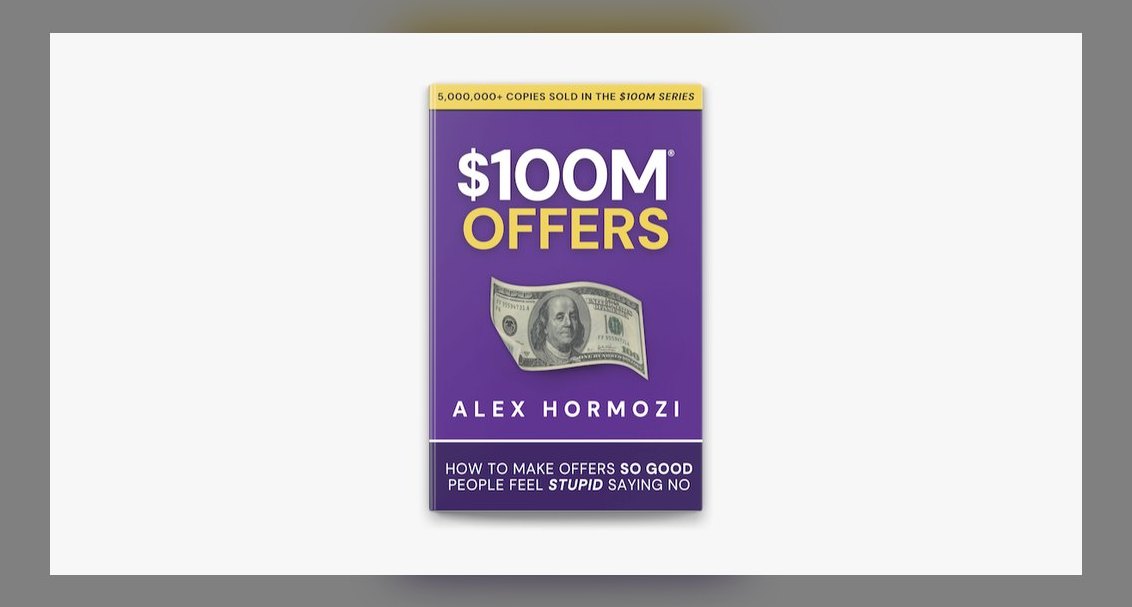 pulse-recent$100M Offers by Alex Hormozi — Top 10 Key Takeaways for Sales Leaders in 2027
 pulse-recentWhat is the Blue Sheet from Strategic Selling by Miller Heiman and how do you fill it out in 2027?
 pulse-recentSnap Selling by Jill Konrath — Top 10 Key Takeaways for Sales Leaders in 2027
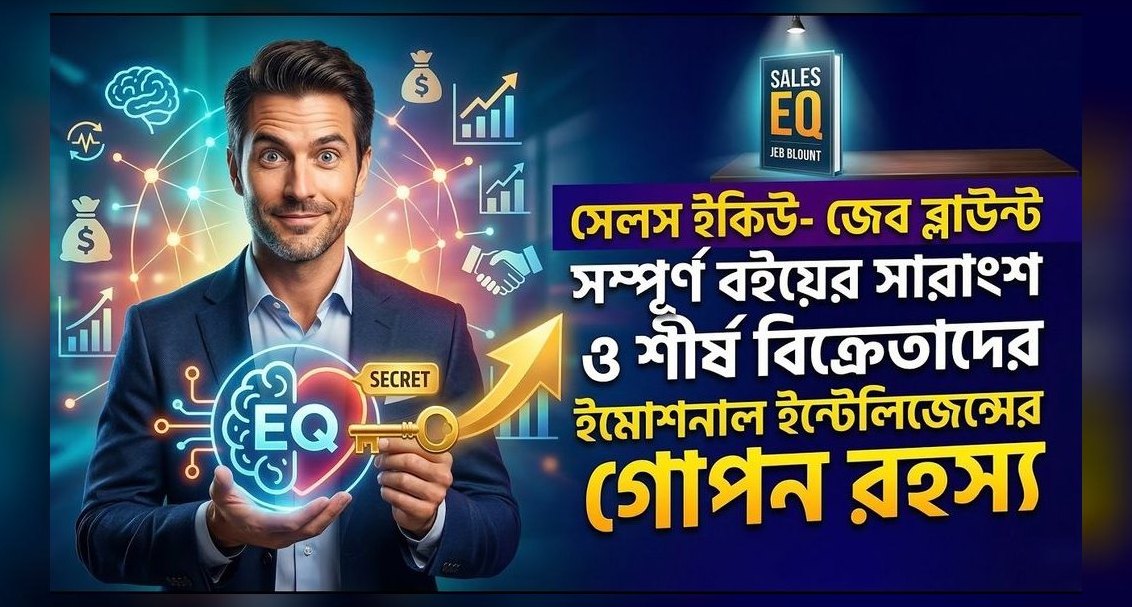 pulse-recentSales EQ by Jeb Blount — Top 10 Key Takeaways for Sales Leaders in 2027
 pulse-recentHow do you implement the Sandler Rules in your first 30 days as a new sales rep in 2027?
 pulse-recentInsight Selling by Mike Schultz and John Doerr — Top 10 Key Takeaways for Sales Leaders in 2027
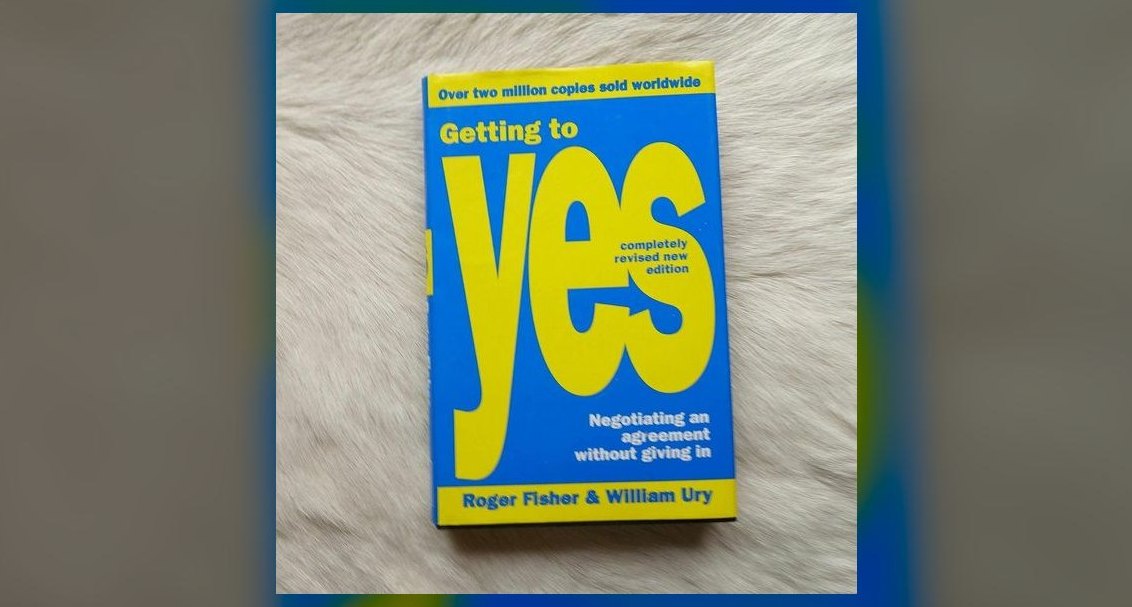 pulse-recentGetting to Yes by Roger Fisher and William Ury — Top 10 Key Takeaways for Sales Leaders in 2027
 pulse-recentThe Closer’s Survival Guide by Grant Cardone — Top 10 Key Takeaways for Sales Leaders in 2027
 pulse-recentSPIN Selling by Neil Rackham — Top 10 Key Takeaways for Sales Leaders in 2027