


Sales Truth by Mike Weinberg — Cliff Notes Summary
Quality
Certified

Sales Truth: Debunking the Myths About Modern Selling by Mike Weinberg (HarperCollins Leadership, 2019) is a contrarian rebuttal to the "social selling is enough" mythology that swept through B2B sales between roughly 2014 and 2019. Weinberg's central thesis is blunt: sales fads come and go — proactive prospecting outlasts them all. The book takes aim at a cluster of fashionable claims repeated at every SaaS conference — that inbound has replaced outbound, that social selling has replaced the phone, that cold calling is dead, that AI will prospect for you, that "just being helpful" closes deals, and that account managers can be retooled into hunters — and pairs each with the time-tested fundamental that actually fills a pipeline.
It is the third book in Weinberg's foundational trilogy, after New Sales Simplified (2012) and Sales Management Simplified (2015), and it sits in the modern sales canon alongside Jeb Blount's Fanatical Prospecting, Anthony Iannarino's Eat Their Lunch, and Tony Hughes' Combo Prospecting as the "prospecting-fundamentalist" counterweight to the Challenger / MEDDPICC school of opportunity management. Read in 2027 — with tools like Apollo, Outreach, Lavender, Regie.ai, and 11x.ai flooding inboxes with AI-generated cadences — Weinberg's argument has, if anything, aged well: the AI flood has reinforced his point that humans still have to source authentic relevance, and the reps still hitting quota tend to be the ones who never stopped picking up the phone.
1Setting the Stage — Why Weinberg Wrote a Third Book
1.1 The Pendulum Swung Too Far
Weinberg opens Sales Truth with a confession: he wrote New Sales Simplified in 2012 because most reps had forgotten how to prospect. By 2019, the problem had inverted. Reps were "prospecting" — but only on LinkedIn, only through inbound forms, only via "thought leadership" posts — and net-new pipeline was thinning across the B2B SaaS sector. Weinberg names the culprit: a cottage industry of LinkedIn "sales gurus" telling reps that cold calling is dead, that social selling is the future, and that anyone who picks up the phone is a dinosaur. The book is a direct response to those voices. Weinberg is careful to attack the ideas rather than the individuals, but the targets are recognizable to anyone who scrolled LinkedIn in that era: the inbound-only evangelists, the social-selling absolutists, and the "AI-will-do-it-for-you" futurists.
1.2 The Three Audiences
Weinberg writes for three audiences at once: individual sellers drowning in fad advice, sales managers whose reps have quietly stopped prospecting, and executives who keep buying "magic bullet" tech stacks in the hope they'll replace human effort. Every chapter speaks to all three, but the underlying mandate never changes: proactive outbound effort is non-negotiable, regardless of what's trending on LinkedIn.
2Myth #1 — "Inbound Has Replaced Outbound"
2.1 The Myth
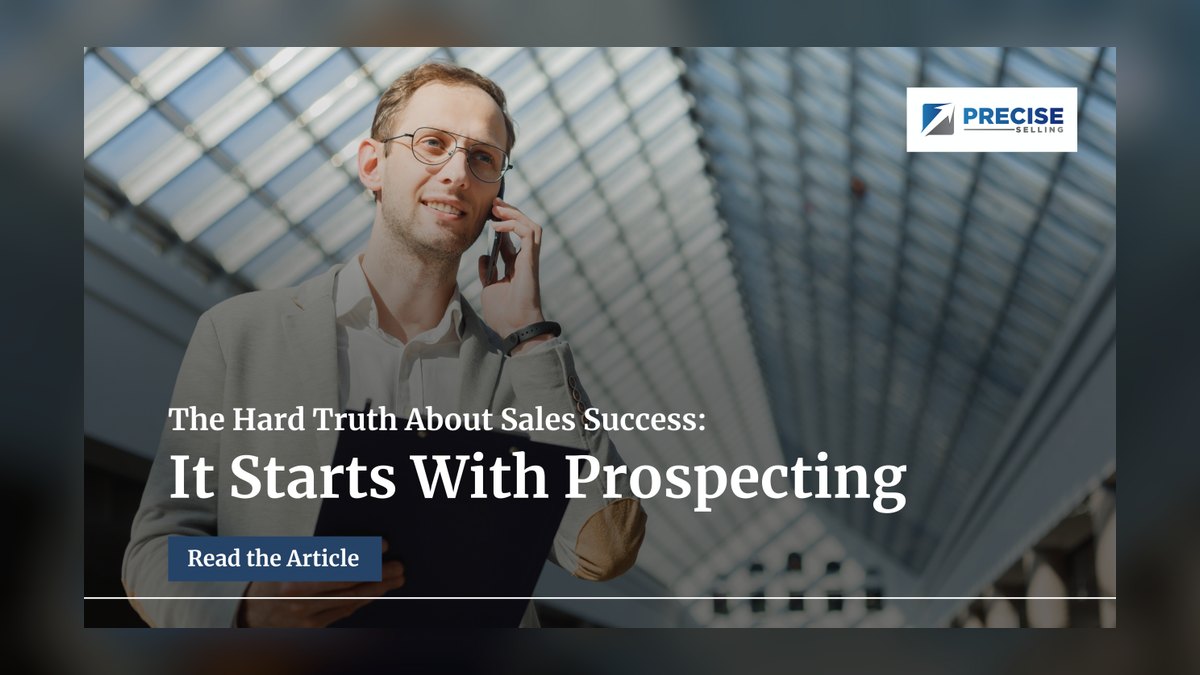
The inbound thesis — popularized by HubSpot and by Marcus Sheridan's They Ask, You Answer — holds that if you produce enough genuinely helpful content, buyers will come to you and outbound prospecting becomes obsolete. Weinberg acknowledges that inbound works — for some companies, in some categories, at some growth stages. What he rejects is the *universal* claim that it replaces outbound.
2.2 The Truth — Outbound Still Drives Most New B2B Revenue
Drawing on his consulting work across mid-market manufacturing, distribution, and professional services — categories that rarely run a HubSpot-style content engine — Weinberg argues that the majority of net-new logo revenue still comes from proactive, seller-initiated outreach, not inbound demand. Even at content-first organizations, an outbound motion typically carries the larger, more strategic deals. His conclusion: inbound is a complement, not a replacement. Several companies that gutted their SDR teams to "go inbound only" in the mid-2010s found themselves rebuilding those teams a few years later when net-new pipeline dried up. Weinberg's prescription: every seller owns a Strategic Target Account List of roughly 30 named accounts and works it proactively, regardless of what marketing is generating.
3Myth #2 — "Social Selling Has Replaced the Phone"
3.1 The Myth
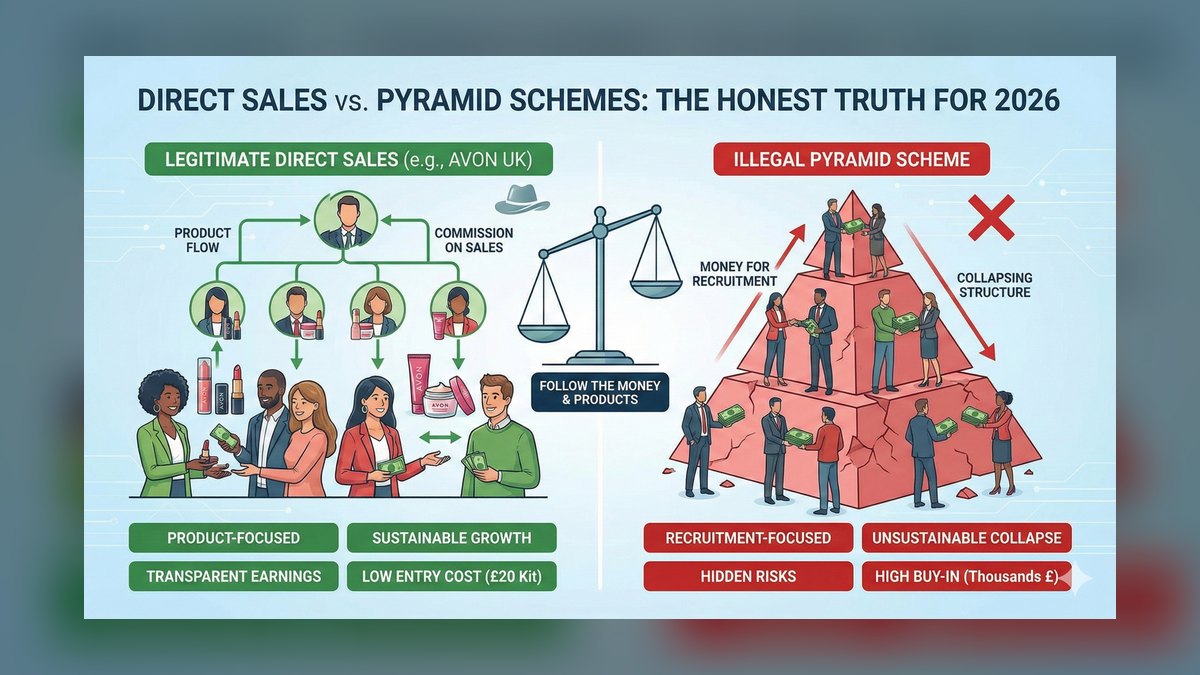
The social-selling movement — championed by figures such as Jill Rowley, Koka Sexton, and the early LinkedIn Sales Solutions team — argued that engaging prospects on LinkedIn (liking posts, commenting thoughtfully, sharing content) would warm them up and make cold outreach unnecessary. The catchphrase: *you don't cold-call anymore — you warm-call after social engagement.*
3.2 The Truth — The Phone Is Still the Highest-Velocity Channel
Weinberg's counter: social engagement is fine as a complement, but it's an activity, not a channel. A LinkedIn "like" doesn't book a meeting; a comment doesn't move a deal. The phone — paired with email and, increasingly, video — remains the highest-velocity way to book discovery calls. He aligns here with Jeb Blount's Fanatical Prospecting: reps who do real outbound dialing consistently out-pipeline reps who substitute a flurry of social touches for actual conversations. Social selling, properly understood, is research and warmup — not a replacement for the ask.
4Myth #3 — "Cold Calling Is Dead"
4.1 The Myth
By 2019, "cold calling is dead" had hardened into a LinkedIn cliché — repeated so often that a whole generation of SDRs was hired and never trained on the phone at all. Weinberg devotes more pages to this myth than to any other because, in his view, it has done the most damage.
4.2 The Truth — Cold Calls Are Harder, but More Differentiated
Weinberg's position is deliberately nuanced: cold calling genuinely is harder than it was in 2005. Gatekeepers are savvier, mobile numbers get screened, voicemail is ignored. But precisely *because* most reps refuse to call, the few who do stand out. A well-researched, well-delivered call gets through at a higher rate than a generic LinkedIn DM, because the inbox is saturated and the phone increasingly isn't. His coaching is concrete: research the prospect for a few focused minutes, open with a compelling Power Statement, ask for a small specific commitment (a 15-minute conversation, not a 60-minute demo), and accept that most calls won't convert — the one that does is worth the rest.
5Myth #4 — "AI Will Prospect for You"
5.1 The Myth
In 2019, early AI features from tools like Conversica, Drift, and Outreach were marketed as "set it and forget it" prospecting — let the bot send the emails, let the AI book the meetings, let the human just close. By the mid-2020s, Regie.ai, Lavender, and 11x.ai had pushed the pitch further still, promising effectively autonomous SDRs.
5.2 The Truth — AI Augments; Humans Still Source Authentic Relevance
Weinberg's 2019 take has held up well. His framing: AI doesn't sell — it augments sellers who are already doing the work. AI is genuinely excellent at the routine layer of prospecting — research, list-building, draft personalization, follow-up reminders, meeting-recap notes. But the harder layer — identifying genuine business pain, crafting the relevance hook, navigating an org chart, earning the first real conversation — still depends on a human who has done the homework. By 2027 the AI-flood backlash has reinforced the point: inboxes are so saturated with obviously AI-generated outreach that anything that reads as machine-written gets deleted on sight, and the reps winning are the ones using AI for *prep* and human craft for *delivery*.
6Myth #5 — "Just Be Helpful and Deals Will Come"
6.1 The Myth
The "helpfulness" school — descended from Jill Konrath's Agile Selling and amplified by Daniel Pink's To Sell Is Human — argues that modern buyers reward sellers who lead with value, share insight, and never push. Weinberg agrees with the spirit but rejects the conclusion that helpfulness *alone* closes deals.
6.2 The Truth — You Still Have to Ask
The missing ingredient is the proactive ask. Helpfulness without an explicit request for the meeting, the next step, or the commitment is just unpaid consulting. Weinberg's prescription echoes Anthony Iannarino's Eat Their Lunch: earn the right to ask through preparation and relevance — then actually ask. Sellers who share insight but never ask end up building *competitors'* pipelines while their own quota slips. In Weinberg's framing, "just be helpful" often functions as psychological cover for the fear of rejection: it lets reps feel busy without ever risking a no.
7Myth #6 — "Account Managers Can Hunt"
7.1 The Myth
This is the myth most often committed by VPs of Sales under quota pressure: take your best account managers — the relationship-builders who farm existing accounts — and hand them new-logo hunting quotas to fill the gap. It rarely works.
7.2 The Truth — Hunting and Farming Require Different DNA
Weinberg devotes a full section to the Hunter vs. Farmer distinction, drawing on decades of sales-aptitude research (notably the work long associated with the Chally Group). Hunters are wired for rejection tolerance, prospecting discipline, and short-cycle transactional wins. Farmers are wired for relationship depth, account expansion, and long-term retention. Asking a farmer to hunt is like asking a goalkeeper to play striker — possible on occasion, but not the bet to make. Organizations that conflate the two tend to miss both targets: new-logo pipeline collapses *and* existing accounts churn from neglect. The truth: hire for the role, compensate for the role, and manage for the role — and accept that you need both functions, staffed by different people.
Frameworks at a Glance
- The 6 Myths — Inbound replaces outbound; social selling replaces the phone; cold calling is dead; AI will prospect for you; just be helpful; account managers can hunt.
- The 6 Truths — Outbound still dominates new-logo revenue; the phone is highest-velocity; cold calls are differentiated; AI augments rather than replaces; the proactive ask is required; hunters and farmers are different roles.
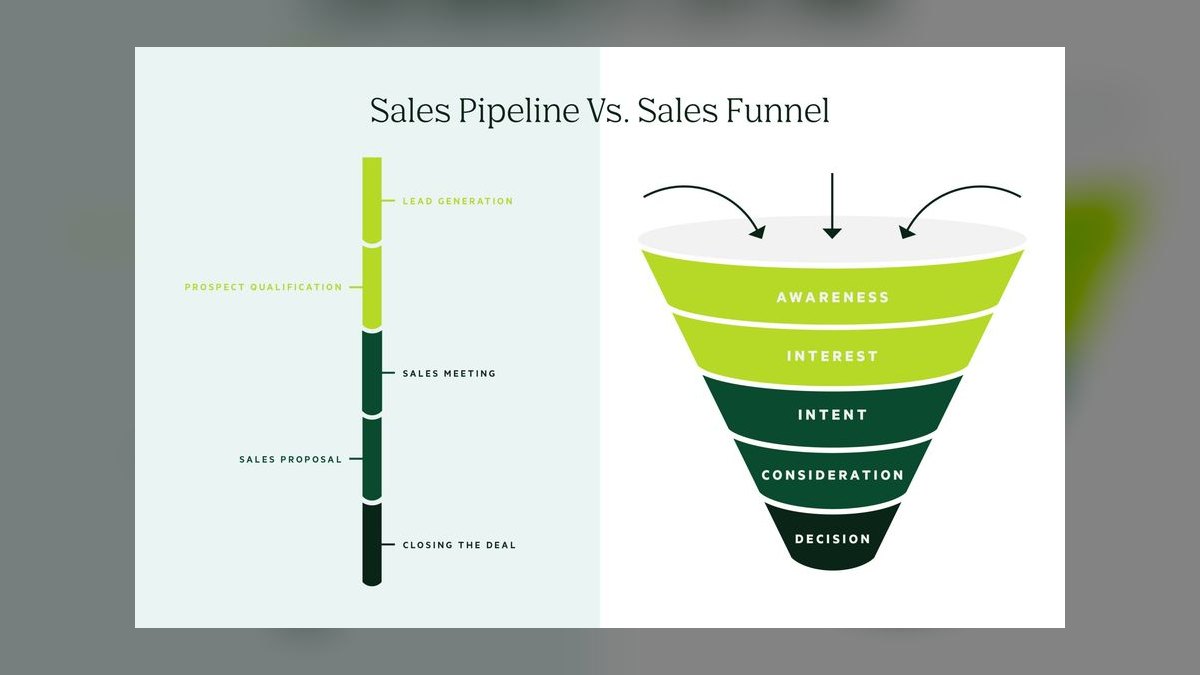
- Sales-Attack-Planner (2019 update) — Weinberg's signature artifact from New Sales Simplified, refreshed: a Strategic Target Account List (~30 named accounts) + a Sales Story (the differentiated pitch) + a Power Statement (the 30-second opener) + a Multi-Channel Cadence (phone + email + LinkedIn + video) + Daily Discipline (calendar-blocked prospecting time).
- Hunter vs. Farmer DNA — Hire, compensate, and manage hunters and farmers as separate roles. Don't conflate them.
- Proactive-Outreach Mandate — Every seller owns a list of named accounts and works it proactively, regardless of inbound flow.
- "Modern but Foundational" Stack Discipline — Use modern tools (Apollo, Outreach, Gong, Lavender) to amplify foundational behaviors, not to replace them. The tech stack serves the discipline, not the other way around.
What Holds Up, What Has Aged
What holds up (and has aged well): The proactive-outreach mandate reads as *more* correct in 2027 than it did in 2019. The AI-driven flood of generic outreach has saturated inboxes badly enough that the reps still hitting quota are the ones who never stopped having real conversations. The Hunter vs. Farmer distinction keeps being re-validated by every comp-plan that tried to turn farmers into hunters and missed on both ends. And the Sales-Attack-Planner discipline — Strategic Target Account List + Power Statement + Multi-Channel Cadence — is essentially the default workflow that platforms like Apollo, Outreach, and Salesloft now ship out of the box.
What has aged: Weinberg understated how much of the routine work AI would absorb. He was right in 2019 that AI couldn't replace the seller — but by 2027 AI handles list-building, draft personalization, follow-up scheduling, and meeting notes well enough that a rep who *doesn't* use it is at a structural disadvantage. This isn't a contradiction of his thesis so much as a sharpening of it: AI now handles the routine layer; humans still source authentic relevance and deliver the ask. His anti-social-selling tone also reads a touch dated — by 2027 LinkedIn is a legitimate research and warmup channel, just not a standalone prospecting motion. The spirit of the argument holds; the execution has evolved.
FAQ
Is Sales Truth still worth reading in 2027, given how much has changed? Yes — arguably more than when it was published. The AI flood has reinforced Weinberg's core thesis, and the book's prescriptions (Strategic Target Account List, Power Statement, Multi-Channel Cadence) map almost exactly onto the workflows modern tools now enforce. Read it alongside Blount's Fanatical Prospecting and Hughes' Combo Prospecting for the full prospecting-fundamentalist canon.
Should I read this before or after New Sales Simplified? Read New Sales Simplified first — it builds the Sales-Attack-Planner from scratch. Sales Truth assumes you've internalized that framework and uses it as the foundation for debunking the myths. Sales Management Simplified is the third leg if you're managing a team rather than carrying a bag.
How does Sales Truth compare to The Challenger Sale? They're complementary, not competing. Challenger is largely about *how to run a deal* once you're in the conversation; Sales Truth is about *how to get into the conversation in the first place.* A complete seller uses both — Weinberg's prospecting discipline to fill the pipe, Challenger's commercial-teaching insight to advance it.
Does Weinberg's stance on AI hold up? Partially. His 2019 claim that AI augments rather than replaces sellers has held up. What he understated is how much of the routine layer — list-building, drafting, follow-up scheduling — AI would absorb; by 2027, not using it for that work is a self-inflicted handicap. The human craft now concentrates at the top of the funnel (relevance, the ask) and the bottom (closing).
What's the one Monday-morning takeaway? Build a Strategic Target Account List of roughly 30 named accounts, time-block a real block of phone prospecting every day, and don't outsource the ask to AI, email, or LinkedIn. Most of "modern sales" is commentary on those three behaviors.
Who shouldn't read this book? Pure product-led-growth sellers at companies where the overwhelming majority of revenue comes from self-serve signups won't get as much from it. Weinberg writes for B2B sellers carrying named-account targets and outbound quota — which is still the motion most mid-market and enterprise sales orgs actually run.
Bottom Line
Sales Truth is the anti-fad, fundamentalist manifesto that every B2B seller and sales manager could stand to re-read each January. Mike Weinberg's 2019 rebuttal to the social-selling-is-enough mythology has aged better than most sales books of its decade — the AI flood, the SDR contractions of the mid-2020s, and the renewed emphasis on the named-account motion have all cut in its favor. Read it alongside Blount's Fanatical Prospecting and Hughes' Combo Prospecting as the prospecting-fundamentalist canon, then layer Challenger and MEDDPICC on top for the opportunity-management discipline downstream. Monday-morning action: build your Strategic Target Account List, time-block daily phone prospecting, and stop letting LinkedIn convince you that liking posts is selling.
Related on PULSE
- New Sales. Simplified. by Mike Weinberg — Cliff Notes Summary for AEs
- Sales Management. Simplified. by Mike Weinberg — Cliff Notes Summary
- New Sales. Simplified. by Mike Weinberg — Cliff Notes Summary & Key Takeaways
- Traction by Weinberg and Mares — Cliff Notes Summary
- Clockwork by Mike Michalowicz — Cliff Notes Summary
- The Pumpkin Plan by Mike Michalowicz — Cliff Notes Summary
Sources
- Mike Weinberg — *Sales Truth: Debunking the Myths About Modern Selling* (HarperCollins Leadership, 2019)
- Mike Weinberg — *New Sales Simplified: The Essential Handbook for Prospecting and New Business Development* (AMACOM, 2012)
- Mike Weinberg — *Sales Management Simplified: The Straight Truth About Getting Exceptional Results from Your Sales Team* (AMACOM, 2015)
- Jeb Blount — *Fanatical Prospecting: The Ultimate Guide to Opening Sales Conversations and Filling the Pipeline* (Wiley, 2015)
- Anthony Iannarino — *Eat Their Lunch: Winning Customers Away from Your Competition* (Portfolio, 2018)
- Tony Hughes — *Combo Prospecting: The Powerful One-Two Punch That Fills Your Pipeline and Wins Sales* (AMACOM, 2018)
- Matthew Dixon & Brent Adamson — *The Challenger Sale: Taking Control of the Customer Conversation* (Portfolio, 2011) — the opportunity-management counterweight
- Marcus Sheridan — *They Ask, You Answer: A Revolutionary Approach to Inbound Sales, Content Marketing, and Today's Digital Consumer* (Wiley, 2017) — the inbound case Weinberg engages with
- Daniel H. Pink — *To Sell Is Human: The Surprising Truth About Moving Others* (Riverhead, 2012) — the "helpfulness" school referenced in Myth #5
- HubSpot Research — annual *State of Inbound / State of Sales* reports — the inbound-side data and framing Weinberg responds to directly
Recently Added — Related
This page will be disappearing soon. Save it to your device for $1 — or read it free while it is here.
@Kory-White- · if Venmo asks, the last 4 of my number are 2012
This page is gone.
This one is off the shelf now. $1 keeps it on your phone for good — the whole page, pictures and diagrams included.
 pulse-booksTop 10 practical takeaways from Atomic Habits for building a new routine in 2027.
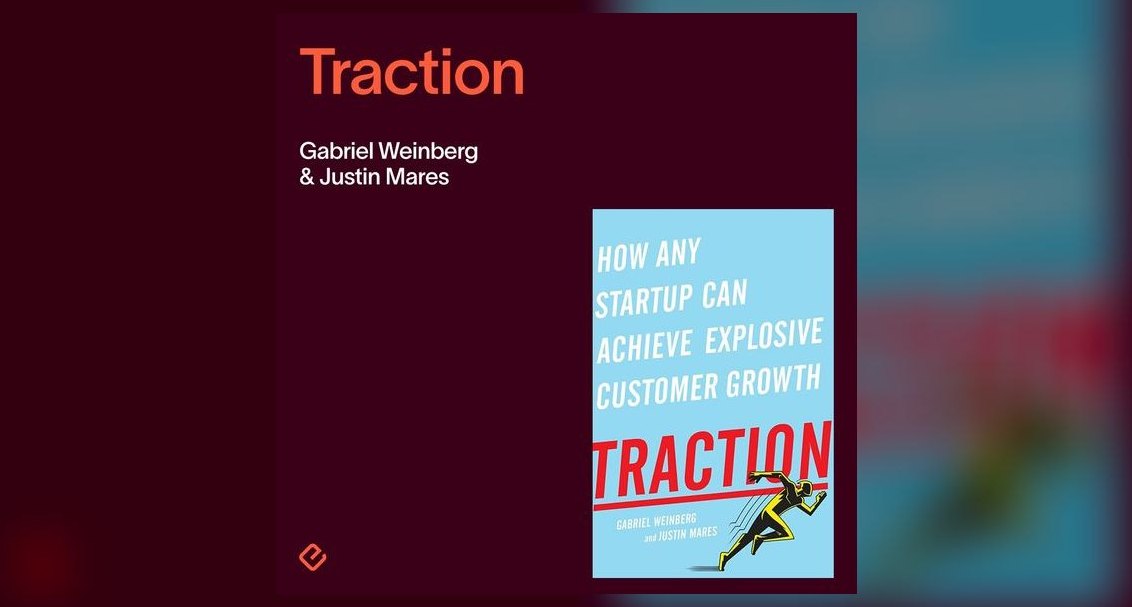 pulse-recentTraction by Gabriel Weinberg and Justin Mares — Top 10 Key Takeaways for Sales Leaders in 2027
 pulse-recentWhat is the most actionable step in The Sandler Rules for Sales Leaders by David Mattson to improve discovery in 2027?
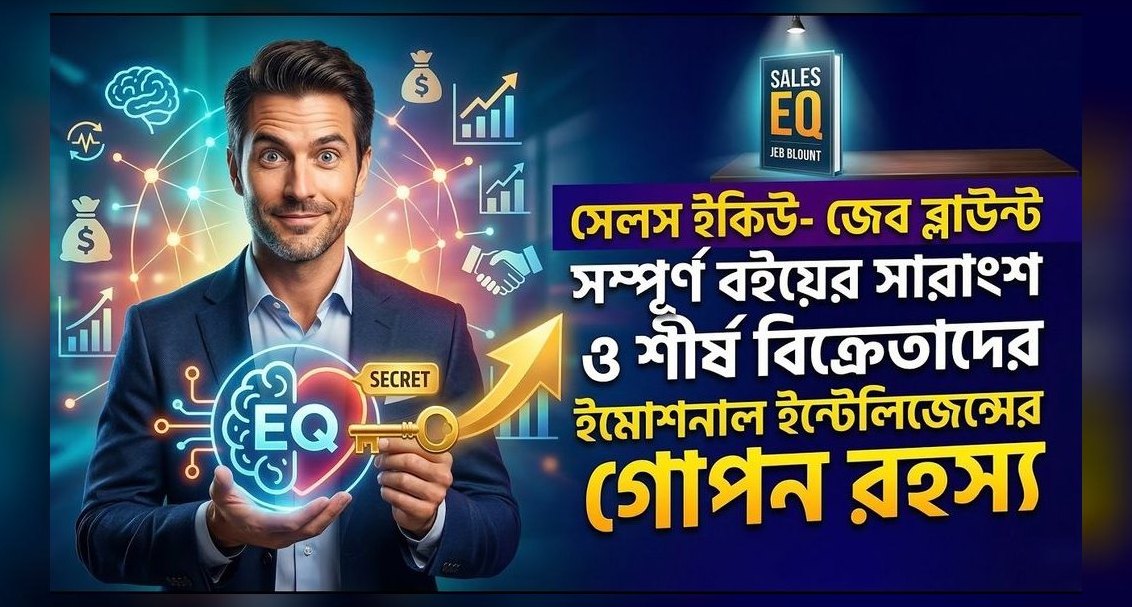 pulse-recentSales EQ by Jeb Blount — Top 10 Key Takeaways for Sales Leaders in 2027
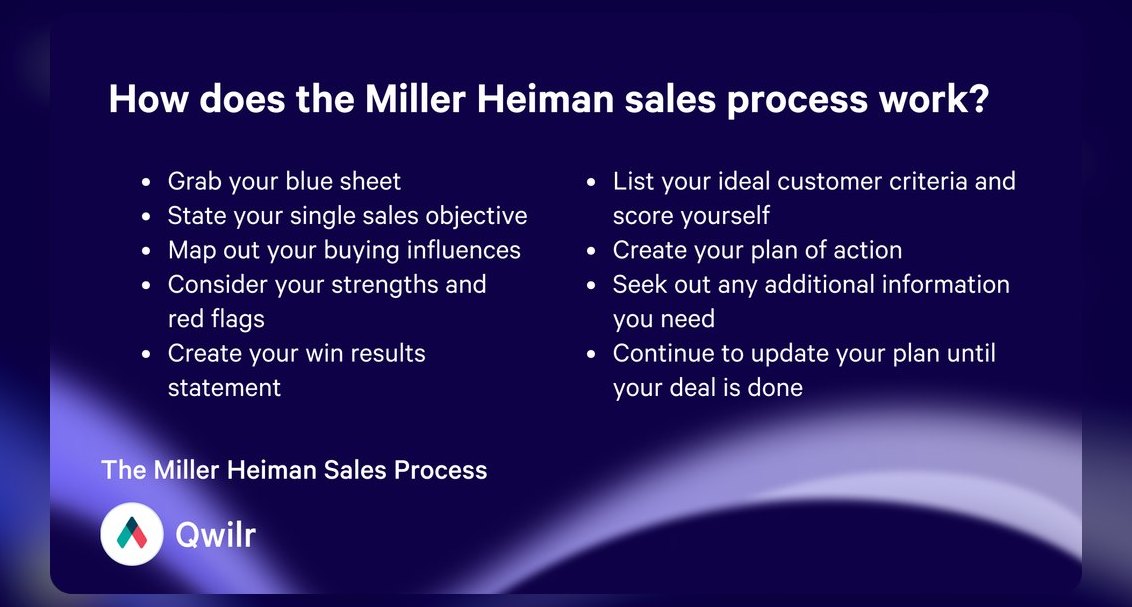 pulse-recentWhat is the step-by-step process for Strategic Selling by Miller Heiman in 2027?
 pulse-recentThe Sandler Rules by David Sandler — Top 10 Key Takeaways for Sales Leaders in 2027
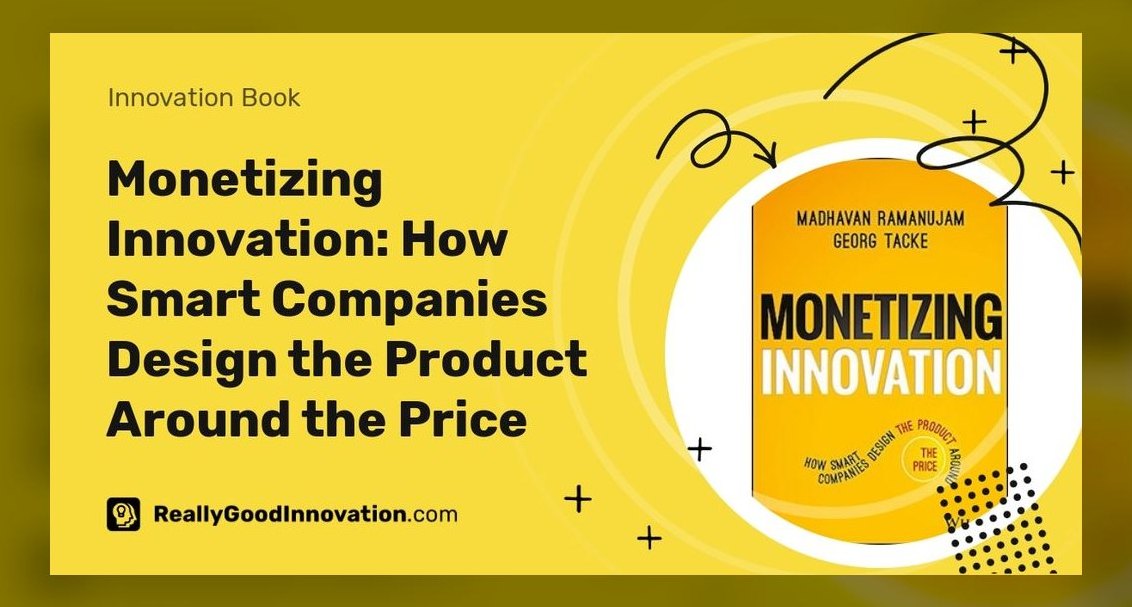 pulse-recentMonetizing Innovation by Madhavan Ramanujam — Top 10 Key Takeaways for Sales Leaders in 2027
 pulse-recentThe Customer Success Professional’s Handbook by Ashvin Vaidyanathan — Top 10 Key Takeaways for Sales Leaders in 2027
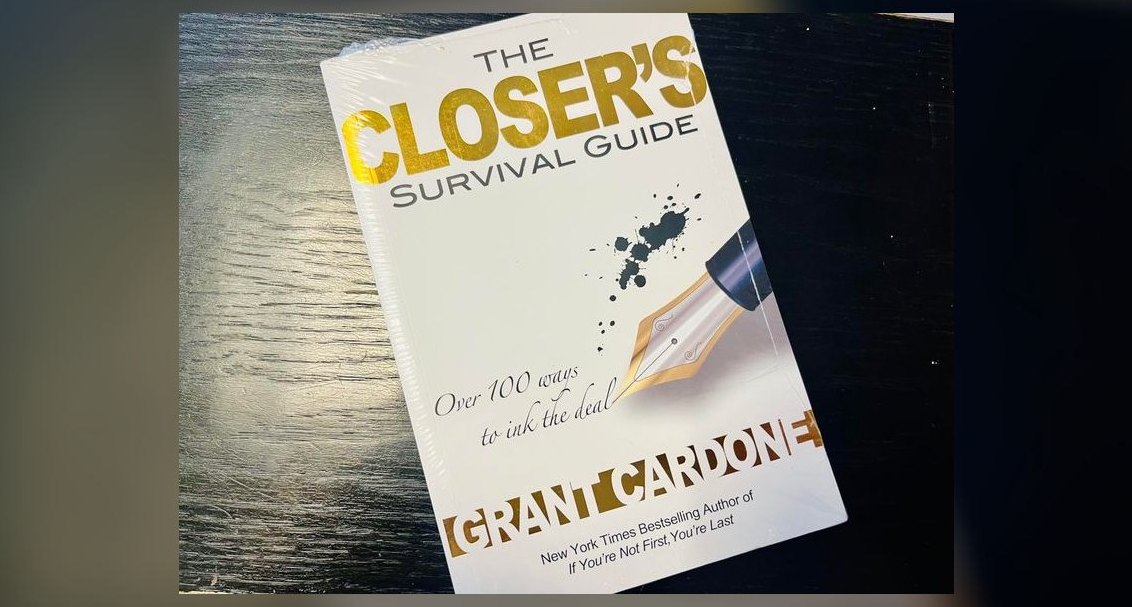 pulse-recentThe Closer’s Survival Guide by Grant Cardone — Top 10 Key Takeaways for Sales Leaders in 2027
 pulse-recentWhat is the first concrete step in The Sandler Rules by David Mattson for a sales leader to implement the system in 2027?