


The Sales Magnet by Kendra Lee — Cliff Notes Summary
Quality
Certified
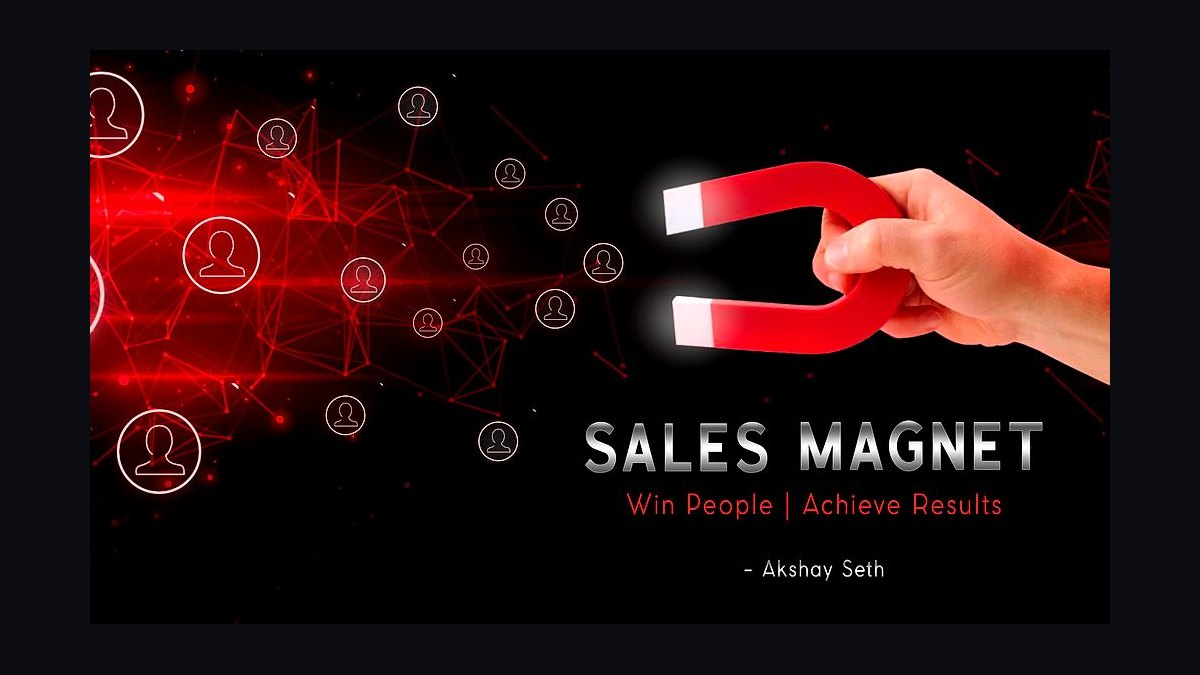
*The Sales Magnet* by Kendra Lee (Wiley, 2013) argues cold calling has diminishing returns and that B2B sellers win by becoming magnetic — attracting qualified buyers through email, networking, speaking, writing, referrals, search, direct mail, and social presence. Lee's three tools are the 8 Attraction Strategies, the Attraction Lead Conversion Path, and the Magnet Score self-diagnostic.
The rep who dialed 200 CFOs and the rep who emailed 400
Lee frames the whole book around a comparison she saw repeatedly in her KLA Group training work with mid-market technology and services firms. Two reps sit at the same IT services company, carry the same quota, and sell the same managed-services offering. The first runs the classic playbook: build a list of CFOs at companies between $20M and $200M in revenue, dial roughly 200 of them a month, leave voicemails, work the gatekeepers, and hope the math holds. The second builds a curated list of 400 CFOs in the same segment and sends them one short, useful email tip a week — no pitch, no deck, no calendar link in the first six sends.
Twelve months later the second rep is booking roughly three times the meetings at half the activity cost. That's the anecdote the book is built on, and it's worth sitting with the mechanics rather than the punchline. The dialing rep is running a pure conversion-rate business: every meeting requires fresh activity, and the moment the dials stop the pipeline stops about six weeks later. The emailing rep is running a compounding business: the list gets warmer every week, the reply rate climbs as recognition builds, and by month nine inbound replies start arriving from people who were never actively worked.
Lee's opening chapters walk through why the first model degraded. Caller ID killed the anonymous dial. Voicemail-to-email meant messages got skimmed as text and deleted in two seconds. Gatekeeper software and direct-dial suppression made the switchboard route useless. And a generation of buyers arrived who simply do not answer unknown numbers — not out of hostility, just habit. Lee's own training data showed reps making 100+ cold dials a day to land a single meeting. That's not a skill problem; that's a channel that has structurally decayed.
Her definition of "magnetic" is deliberately unglamorous, and this is where the book separates itself from the personal-brand genre that came later. A magnetic seller is not a celebrity. A magnetic seller is a rep whose prospect already knows three things before the first real conversation: the rep's name, the problem area the rep works in, and the rep's point of view about that problem. That's it. You don't need 40,000 followers. You need 400 right people to recognize your name in an inbox.

The adjacent version of this problem shows up outside sales too. Recruiters ran the same decay curve — cold InMails to passive candidates collapsed in response rate, and the recruiters who survived built talent communities and published about their niche. Commercial real estate brokers, insurance producers, and independent consultants all hit the same wall for the same structural reason: the cost of reaching a stranger fell to nearly zero, so the volume of strangers reaching your buyer went to infinity, and attention became the scarce good. Lee wrote the sales-specific version, but the mechanism generalizes.
How the eight strategies actually feed a pipeline
The framework's engine is that eight distinct attraction activities all dump into the same reservoir — earned attention — and that reservoir drains through one fixed five-step conversion path. Understanding the shape matters more than memorizing the list, because the shape tells you where your system is broken.
Email Attraction is not blast email. Lee teaches a three-touch micro-sequence — Hook, Proof, Ask — built around a single observation, a single offer, and a single ask, run quarterly against a priority account list. Her clients' best-performing emails read like a note from a colleague, not a template from a marketing automation platform. One Denver-based managed services provider in her case studies hit 18% reply rates writing that way.

Networking Attraction is purposeful presence, not handshake collecting. Three lanes: paid recurring industry-association membership, intimate reciprocal peer masterminds, and curated dinners where you host your own table of eight. Lee is openly skeptical of the leads-group treadmill — weekly BNI-style breakfast meetings that eat Tuesday mornings and rarely produce enterprise-grade pipeline.
Speaking Attraction runs on one rule: one signature talk, rehearsed fifty times, delivered twenty times a year. In one of her client examples, a single 45-minute keynote at a regional SIM chapter produced eleven discovery calls and three closed-won deals — but that talk had already been refined across six smaller local events before it landed on the bigger stage. The refinement, not the stage, is the asset.
Writing Attraction uses POV-Proof-Prescription: stake a point of view in paragraph one, prove it with two data points or named examples, then prescribe a specific Monday-morning action. She points at HubSpot and Marketo as company-scale exemplars of the same behavior.
Referral Attraction is where Lee is sharpest. She's allergic to "who else should I be talking to?" — too vague, too lazy, and it puts the cognitive work on the customer. Instead: name the specific role, the specific trigger event, and the specific outcome you delivered for the referring customer. Her Referral Trigger Matrix identifies six moments when a customer's network is most receptive — renewal, executive change, funding round, new system rollout, M&A, and audit failure.
Search Attraction is the most dated chapter in 2013 terms — keyword-targeted content, technical site hygiene, link-earning through guest posts — but the principle survives intact: be discoverable for the problem you solve.

Direct Mail Attraction is the counterintuitive one. Lee argues physical mail cuts through precisely because the inbox is saturated. Her prescription is the dimensional mailer: a small box, a single object, and a one-page letter naming a specific account pain.
Social Attraction in 2013 meant LinkedIn plus Twitter, and Lee's three behaviors were comment substantively on prospects' posts, share one curated industry article per weekday, and publish one original observation per week.
All eight feed the Attraction Lead Conversion Path: Notice (prospect engages with content), Nurture (low-touch sequence, one email per 10-14 days), Invite (no-strings 20-minute conversation tied to the specific content they engaged with), Discover (qualification using a lightweight BANT plus a problem-statement test), and only then Opportunity — the formal CRM record. That last gate is a RevOps point disguised as a sales point: Lee refuses to let attention become a forecasted opportunity until a human has run discovery.
Where this breaks in practice is almost always between Notice and Nurture. Reps generate engagement, then have no mechanism to capture it, so the signal evaporates. The fix is unglamorous CRM plumbing: an engagement list, a cadence, and a named owner. Marketing teams call this lead nurture and have owned it for twenty years; Lee's contribution is insisting the individual rep owns a personal version of it rather than outsourcing it to the marketing automation queue.
The numbers Lee actually puts on the page
*The Sales Magnet* is more specific about benchmarks than most books in its genre, and the numbers are worth listing plainly because they set expectations for anyone running the system.
Cold dial baseline. 100+ dials per day to produce one meeting, in Lee's KLA Group training data. Whatever your own number is, measure it before you change anything — the Magnet Score exercise is meaningless without a baseline to beat.

Email reply rates. 18% on the colleague-style three-touch sequence at the Denver MSP she profiles. That is dramatically above typical cold-email performance, and the variable she credits is list quality plus writing voice, not subject-line tricks. Three touches, quarterly cadence, single ask per touch.
Speaking conversion. One 45-minute regional keynote → eleven discovery calls → three closed-won. Note the ratio: roughly a quarter of discovery calls converted, which is high, and consistent with the general observation that speaking-sourced leads arrive pre-qualified because they self-selected into a room about your problem.
Direct mail open rates. 80%+ on tightly targeted dimensional mailer sends of 50 pieces or fewer. The constraint is the point — 50 pieces means each recipient was individually chosen and the letter names their specific pain. A 5,000-piece dimensional mailer isn't the same tactic; it's a different, worse tactic wearing the same clothes.
Magnet Score distribution. Rate yourself 0-10 on each of the eight strategies based on current weekly activity. Maximum 80. Most reps land between 15 and 30. That range is the most quietly useful number in the book, because it tells a rep scoring 22 that they're normal, not broken — and it reframes the work from "fix everything" to "concentrate."
Weekly time allocation. Four hours of attraction work (writing, posting, recording, sending), two hours of nurture follow-up, remainder on active opportunities. Six hours out of a forty-hour week — 15% — is the tax Lee says the system costs. She is explicit that it must be calendared, not aspirational, because attraction is the first thing to get sacrificed when a forecast week tightens.

Nurture cadence. One touch every 10-14 days. Slower than most modern sequencers default to, and deliberately so — the goal is presence, not pressure.
The 90-Day Magnet Plan, quarter by quarter. Q1: pick your three strategies, build the assets, run baseline measurements. Q2: publish on a metronome and track engagement-to-discovery ratios. Q3: double down on whichever of the three is converting and prune the laggards. Q4: add a fourth strategy only if the first three are humming.
For a manager, the operational read is that this is a two-to-three quarter payback, not a two-week one. If you install attraction work in a team that's behind plan in month one of the quarter, you will get complaints and no pipeline, because attraction's lag is longer than the quarter. Install it when you're ahead, or install it as a permanent 15% carve-out that never flexes. The teams that get value out of Lee's system are the ones that treat the four hours the way they treat payroll — a fixed cost, not a discretionary one.
Where the framework trades off against alternatives
The honest comparison is not attraction versus cold calling. It's attraction versus every other way to fill a calendar, each with a different cost structure and a different lag.
Attraction versus outbound SDR volume. Outbound has a short cycle and a linear cost curve: more reps, more meetings, more spend, forever. Attraction has a long cycle and a compounding curve: nothing for a quarter, then a slope that keeps climbing without proportional new spend. Lee's own formulation — "attraction is a long game; cold calling is short-cycle — you need both, weighted toward attraction over time" — is a portfolio statement, not a replacement statement. A team with no pipeline this quarter cannot fix it with writing.

Attraction versus paid demand generation. Paid is instant, meterable, and stops the day you stop paying. Attraction is slow, hard to attribute, and keeps producing. The two also interact: an audience built through Lee's writing and speaking strategies makes paid retargeting dramatically cheaper because the audience already recognizes the name.
Attraction versus partner and channel motions. For many mid-market firms the fastest path is somebody else's install base. Lee's Referral Trigger Matrix is essentially a lightweight partner motion aimed at customers instead of resellers, and the six triggers map onto the same events a channel manager watches.
Pick 3 versus run all 8. This is Lee's most important trade-off and the one she's most insistent about. "You don't need 8 strategies — pick 3 that fit your strengths and dominate them." Eight strategies at 20% effort each produces eight assets nobody notices. The failure mode is predictable: the rep tries everything for six weeks, sees nothing, concludes attraction doesn't work, and returns to the dial. Three strategies at depth produce compounding recognition in one lane.
Choosing which three is a strengths question, not a market question. A rep who writes well and hates rooms should pick Writing, Email, and Search. A rep who's magnetic in person and can't write a paragraph should pick Speaking, Networking, and Referrals. Lee does not ask anyone to fix a weakness.
What holds up. The core thesis is more true now than in 2013. The Magnet Score remains a sharp coaching diagnostic. The Attraction Lead Conversion Path maps cleanly onto modern revenue-operations funnels and the MQL/SQL handoff. And "pick 3, dominate" is the single most durable line in the book.

What has aged. The Social chapter badly undersells LinkedIn, which was closer to a resume site in 2013 and now deserves its own dedicated playbook. Twitter as a B2B channel has largely collapsed. Speaking Attraction predates the podcasting boom — Lee mentions podcasts in passing, but recurring podcast guesting is now among the highest-leverage attraction activities available. Writing Attraction has been simultaneously democratized and devalued by generative AI: anyone can produce a passable post in ninety seconds, which means generic AI-written content gets discounted by readers and search engines alike, and the premium shifts hard toward specific, named, first-hand experience — exactly what Lee's POV-Proof-Prescription structure demands. Search Attraction predates the answer-engine era entirely. Direct Mail, ironically, is more relevant than when she wrote it.
The five ways teams break this and what to do instead
Trying all eight. Covered above, but it's the number-one failure and worth restating as a rule: if you cannot name your three in one sentence, you have not started. Write them on a sticky note. Everything else is deliberately ignored for at least two quarters.
Treating attraction as discretionary time. The four hours get eaten by pipeline reviews, escalations, and a deal that needs a proposal by Thursday. Every time. The fix is a calendared block that a manager defends, and the manager's tell is whether they cancel it during a tight forecast week. If they do, the program is already dead.
Skipping the baseline. Reps start publishing without recording what their dial-to-meeting rate was, what their reply rate was, or what their Magnet Score was on day one. Six months later there's no way to prove the system worked, so it gets cut in the next planning cycle. Take fifteen minutes and write down current numbers before anything changes.

Confusing attention with pipeline. A post with 200 reactions is not a forecast. Lee's insistence that no CRM opportunity gets created until after Discover is the guardrail here, and it's a RevOps hygiene point as much as a sales one — teams that let engagement flow into the opportunity stage inflate pipeline coverage, blow the forecast, and then blame the attraction program for the miss. Keep engagement in a nurture list, not the funnel.
Vague referral asks. "Who else should I be talking to?" produces nothing because it makes the customer do the work of remembering, filtering, and choosing. Replace it with a named request: the role, the trigger, and the outcome. "You mentioned your CFO peer group — is anyone there going through a system rollout like the one we finished in March?" That question has an answer.
Two more worth naming. Publishing without a point of view — the safe, agreeable, nobody-could-object post attracts nobody, and Lee's POV-Proof-Prescription structure exists specifically to force a stake in the ground in paragraph one. And abandoning at week six, which is the same mistake as trying all eight wearing different clothes: the system's payback is two to three quarters, and week six is precisely when it looks like it isn't working and hasn't yet had a chance to.
For managers, the coaching model Lee prescribes is simple and monthly: score the team on the Magnet Score, run one-on-ones tied specifically to each rep's three chosen strategies, and resist the reflex to demand more dials when pipeline tightens. That reflex is the mechanism by which attraction programs die, and it dies quietly — nobody announces the cancellation, the blocks just stop getting honored.
Related questions
Who should read The Sales Magnet?
B2B individual contributors and frontline sales managers whose teams are stuck on the dial treadmill. It also fits consultants, agency owners, and independent professionals who sell their own expertise and have no SDR team behind them.
How does the Magnet Score work?

Rate yourself 0-10 on each of the eight attraction strategies based on your actual current weekly activity, for a maximum of 80. Most reps score 15-30. The prescription is not to raise all eight — it's to pick three and dominate them.
Does the book replace cold calling entirely?
No. Lee frames it as a portfolio weighting, not a ban. Cold calling is short-cycle and fills a gap this quarter; attraction is long-cycle and compounds. Her guidance is to shift weight toward attraction over time, not to stop dialing tomorrow.
What is the Attraction Lead Conversion Path?
A five-step sequence turning earned attention into revenue: Notice, Nurture, Invite, Discover, Opportunity. The discipline is that no formal CRM opportunity gets created until after a real discovery conversation qualifies the fit.
Is a 2013 sales book still worth reading?
The tactics dated; the operating system didn't. Lee's structural argument about attention scarcity and her pick-three concentration rule predate — and largely predict — the social-selling era. Read it for the framework, supplement the LinkedIn and podcast chapters elsewhere.
FAQ
What exactly is the Sales Magnet method?
It's a system for attracting qualified B2B buyers without relying on cold calls, organized around eight attraction strategies — email, networking, speaking, writing, referrals, search, direct mail, and social — feeding a five-step conversion path. The premise is that you earn the call by delivering value before you ask for anything.

How long before the system produces pipeline?
Two to three quarters, based on Lee's own 90-Day Magnet Plan structure and the compounding nature of the model. Q1 is asset-building with essentially no output. Q2 is publishing and measuring. Q3 is where the pruning and doubling-down happens. Anyone expecting results at week six will quit at week six.
Which three strategies should I pick?
Whichever three match your existing strengths, not the ones you think you should be good at. Strong writer who dislikes rooms: Writing, Email, Search. Strong in person, weak on the page: Speaking, Networking, Referrals. Lee explicitly does not ask you to remediate weaknesses.
Does the book cover LinkedIn and AI tools?
Not meaningfully. It was written when LinkedIn was still largely a resume site and long before generative AI. The principles transfer cleanly — build a curated audience, publish a real point of view, comment substantively — but you'll need current sources for platform-specific tactics.
How much time per week does this actually cost?
Roughly six hours: four on attraction work and two on nurture follow-up, out of a standard week. Lee is emphatic that these hours must be calendared and defended, because they're the first thing sacrificed when a forecast week gets tight.
Is direct mail really still worth doing?
Arguably more than when the book was written, for exactly the reason Lee gave — physical mail cuts through because digital is saturated. The constraint matters though: her 80%+ open rates come from sends of 50 pieces or fewer, individually targeted, with a letter naming a specific account pain.
Sources
- https://www.wiley.com/en-us/The+Sales+Magnet%3A+How+to+Get+More+Customers+Without+Cold+Calling-p-9781118704448
- https://www.klagroup.com/
- https://www.goodreads.com/book/show/17318000-the-sales-magnet
- https://www.gartner.com/en/sales/insights/b2b-buying-journey
- https://blog.hubspot.com/sales
- https://www.linkedin.com/business/sales/blog
- https://hbr.org/topic/subject/sales
- https://www.salesforce.com/blog/category/sales/
Related on PULSE
- Sales Differentiation by Lee Salz — Cliff Notes Summary
- Sell Different! by Lee Salz — Cliff Notes Summary
- Hire Right, Higher Profits by Lee Salz — Cliff Notes Summary
- The Advantage by Patrick Lencioni — Cliff Notes Summary for Sales Leaders
- Major Account Sales Strategy by Neil Rackham: Summary, Key Lessons, and RevOps Takeaways
- Demand-Side Sales 101 by Bob Moesta: Summary, Key Lessons, and RevOps Takeaways
This page will be disappearing soon. Save it to your device for $1 — or read it free while it is here.
@Kory-White- · if Venmo asks, the last 4 of my number are 2012
This page is gone.
This one is off the shelf now. $1 keeps it on your phone for good — the whole page, pictures and diagrams included.
 pulse-recentThe Sandler Rules by David Sandler — Top 10 Key Takeaways for Sales Leaders in 2027
 pulse-recentMonetizing Innovation by Madhavan Ramanujam — Top 10 Key Takeaways for Sales Leaders in 2027
 pulse-recentThe Customer Success Professional’s Handbook by Ashvin Vaidyanathan — Top 10 Key Takeaways for Sales Leaders in 2027
 pulse-recentWhat is the first concrete step in The Sandler Rules by David Mattson for a sales leader to implement the system in 2027?
 pulse-recentSales Engagement by Manny Medina — Top 10 Key Takeaways for Sales Leaders in 2027
 pulse-recentWhat is the first concrete step in Sandler Rule #4 for a sales leader to implement in 2027?
 pulse-recentHow to Apply Strategic Selling — Step-by-Step Playbook in 2027
 pulse-booksWhat are the most common mistakes in Book Summaries in 2027?
 pulse-recentWhat is the first concrete step in the Sandler Selling System for handling a prospect's initial brush-off in 2027?
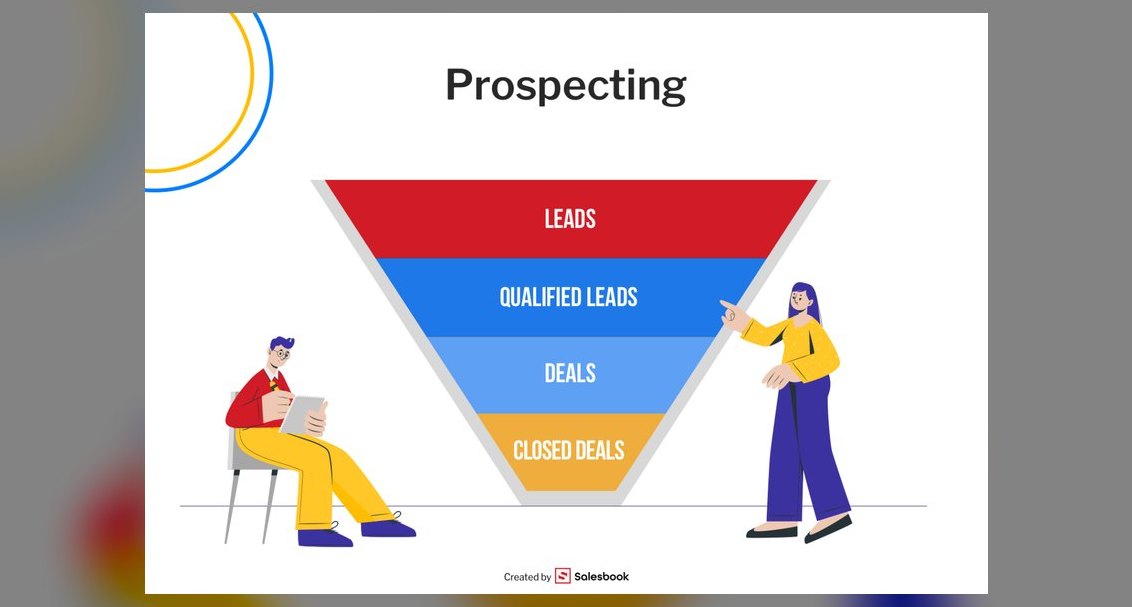 pulse-recentHigh-Profit Prospecting by Mark Hunter — Top 10 Key Takeaways for Sales Leaders in 2027