
Best Used Center Console Boats Under $20,000 in 2027 (Ranked)
 Curated byKory White · Fractional CRO · Maryland
 PULSEKNOWLEDGE LIBRARY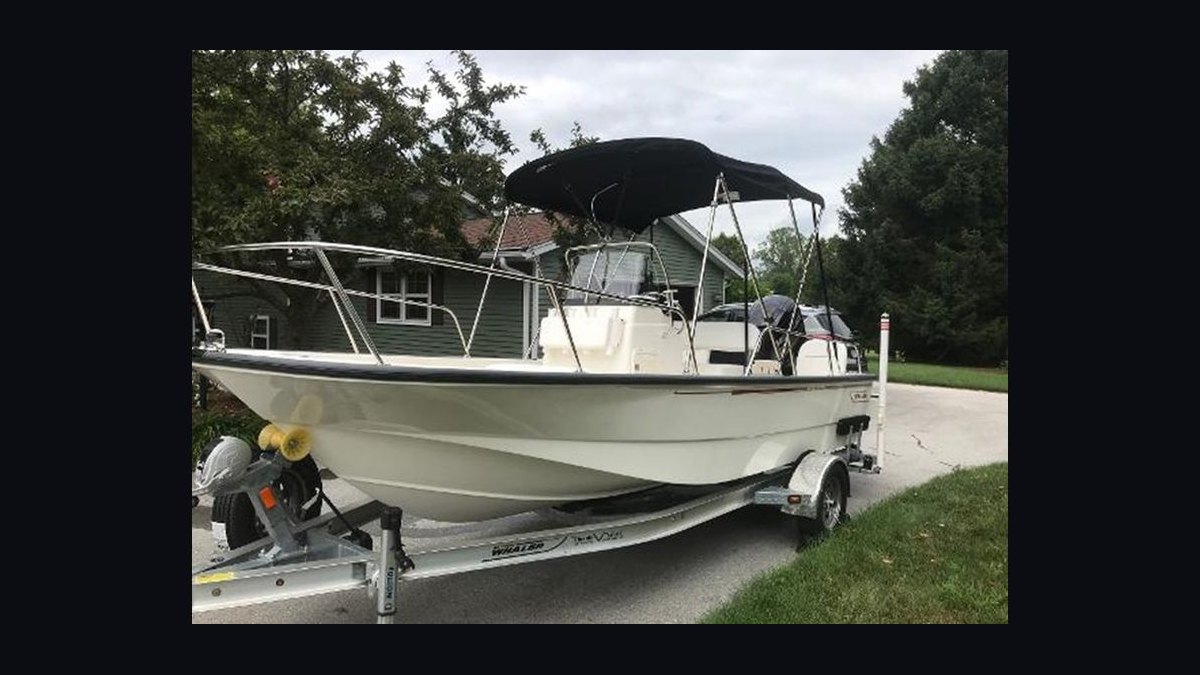
The 10 best best used center console boats under $20,000 are ranked below on measured performance, build quality, price, and how each one actually holds up in daily use rather than how it reads on a spec sheet. Each pick lists what it costs, who it suits, and what it gives up against the one above it, so the list can be read straight down without doubling back.
1. Boston Whaler 170 Montauk

It ranks first because its Unibond foam-filled construction removes the single failure mode that destroys used center consoles at this price: wet stringers and a soft transom. A transom re-core on an 18-foot console runs into five figures once the engine is pulled, so a wood-cored rival with rot has negative value. Clean 2005–2012 examples with a healthy 90 or 115 horsepower Mercury four-stroke trade at $15,000–$19,000.
This is the pick for a buyer who cares about exit value and plans a three-year hold, since blue-chip depreciation spreads often exceed the price premium paid up front. What it trades away is ride quality — the flatter smirk hull pounds in a steep chop. The Grady-White Fisherman 180 below rides dramatically softer for similar money, but carries a wood-cored hull and less structural insurance.
2. Grady-White Fisherman 180
Second place goes to the softest, driest ride in the bracket. The variable-deadrise SeaV2 hull handles nearshore chop dramatically better than the flat-bottomed competition, which is the specific thing the money buys. Clean 2003–2010 examples run $16,000–$20,000 and frequently refuse to dip far under the ceiling, so the all-in budget gets tight once a $600 survey and trailer refresh land.
Buy this if the boat actually runs coastal water rather than protected bays, and if a 150 horsepower engine's fuel burn on long days is acceptable. It trades away purchase headroom — there is no cash left for a repower fund. Clean examples also get snapped up fast, so waiting for one at $16,000 costs a fishing season. The Montauk above is easier to find and structurally safer.
3. Key West 1720 Sportsman

Third because it is the value leader of the segment: genuine saltwater capability with foam flotation at $11,000–$15,000 for 2006–2014 hulls, commonly with a 90 horsepower Yamaha or Suzuki. That leaves $5,000 or more inside a $20,000 ceiling for electronics, a trailer refresh, or a repower reserve. Parts support on those two outboard brands is dense, which keeps downtime short.
This suits a coastal Atlantic or Gulf buyer who wants a functional fishing platform rather than a badge. It trades away resale strength and inland dealer density — the network thins considerably away from the coast, which lengthens a future sale. Against the Fisherman 180 above, it gives up ride quality and freeboard but keeps roughly $5,000 in the bank.
4. Sea Hunt Triton 172

Fourth on the strength of a well-executed fishing deck at $13,000–$18,000 for 2004–2011 hulls. It delivers the standard mid-tier package — self-bailing cockpit, livewell, rod holders, leaning post — with a shallow-draft hull that works genuinely well on flats and in bays. Supply in coastal markets is reasonable, so a buyer can build a real comparison set rather than chasing a single listing.
The honest constraint is mission: this hull is less happy in offshore slop and should not be bought for coastal running. Anglers fishing skinny water get more usable boat here than from the Key West above, though resale is softer and the price premium is real. Verify the transom by flexing at the engine mount before spending money on a surveyor.
5. Cobia 174

Fifth because the build quality is solid and the $13,000–$18,000 range for 2005–2013 hulls buys a well-finished fishing layout, but used-market volume is thin. Fewer units circulate than the volume brands, which means longer searches and fewer comparable listings to price against. That scarcity cuts both ways — it firms up asking prices while making a future sale slower.
This fits a buyer with a flexible timeline who is willing to travel to a coastal market for the right example. It trades away shopping convenience relative to the Sea Hunt Triton 172 above, which turns up more often in listings. Model-year specificity matters here, and the thin comparison set makes a $400–$700 survey harder to skip, not easier.
6. Triton 186 CC

Sixth for the most angler-focused deck plan in the mid tier at $12,000–$17,000 for 2004–2012 hulls. The layout — casting room, livewell capacity, rod stowage — is worth real money to someone fishing inshore tournaments and close to nothing to a family that mostly cruises. At 18 feet it also delivers more usable length than the 17-footers ranked above it.
The trade is seaworthiness: this hull leans shallow-draft and gets uncomfortable in offshore chop, so it belongs on flats and in bays. Compared with the Cobia 174 above, it gives up finish quality and brand cachet but adds fishing utility and about $1,000 of budget headroom. Match it to the actual use case, not the aspirational one.
7. Sailfish 1900 BB
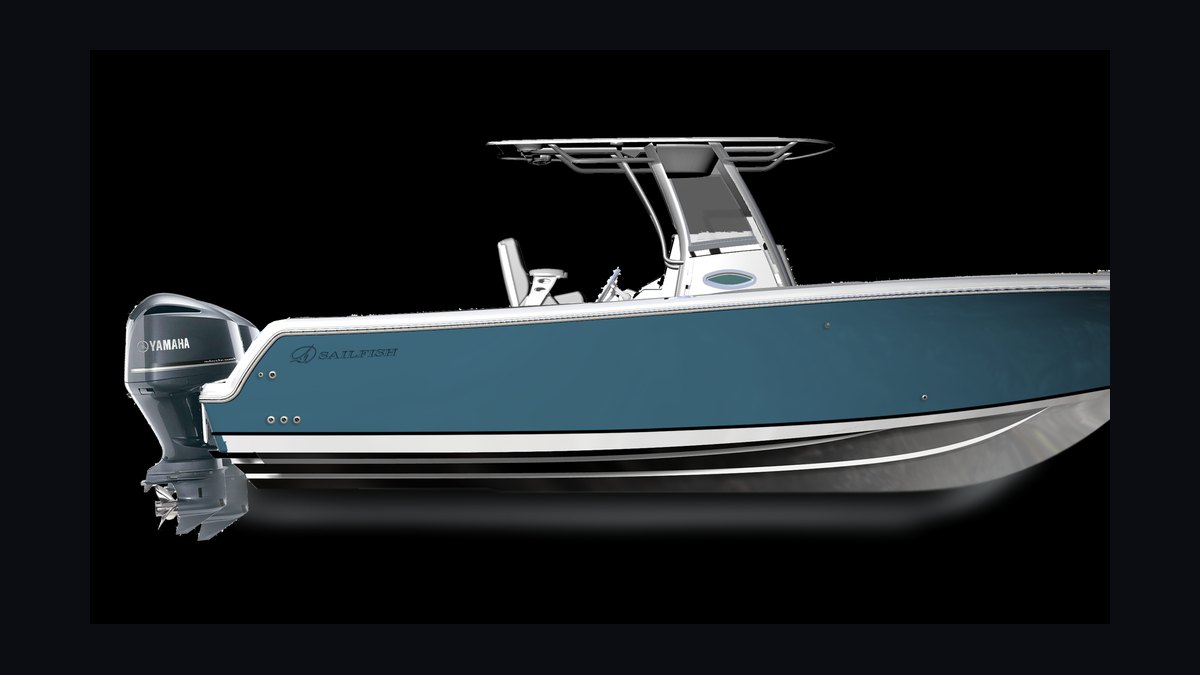
Seventh because the bay-boat layout at $13,000–$18,000 for 2003–2011 hulls offers real capability, but the larger engine it carries is thirstier than a 90 horsepower on a 17-footer. On long nearshore days that fuel gap compounds into a meaningful operating cost that the sticker price does not reveal. Recurring costs like this routinely exceed a $2,000 spread in buy price within a few seasons.
This works for a buyer running longer distances who values the extra hull and power and has budgeted honestly for fuel. It sits at a similar price to the Triton 186 CC above while offering more boat and worse economy. Confirm the outboard brand has dealer support before committing, since powerhead parts availability drives real downtime.
8. Mako 171
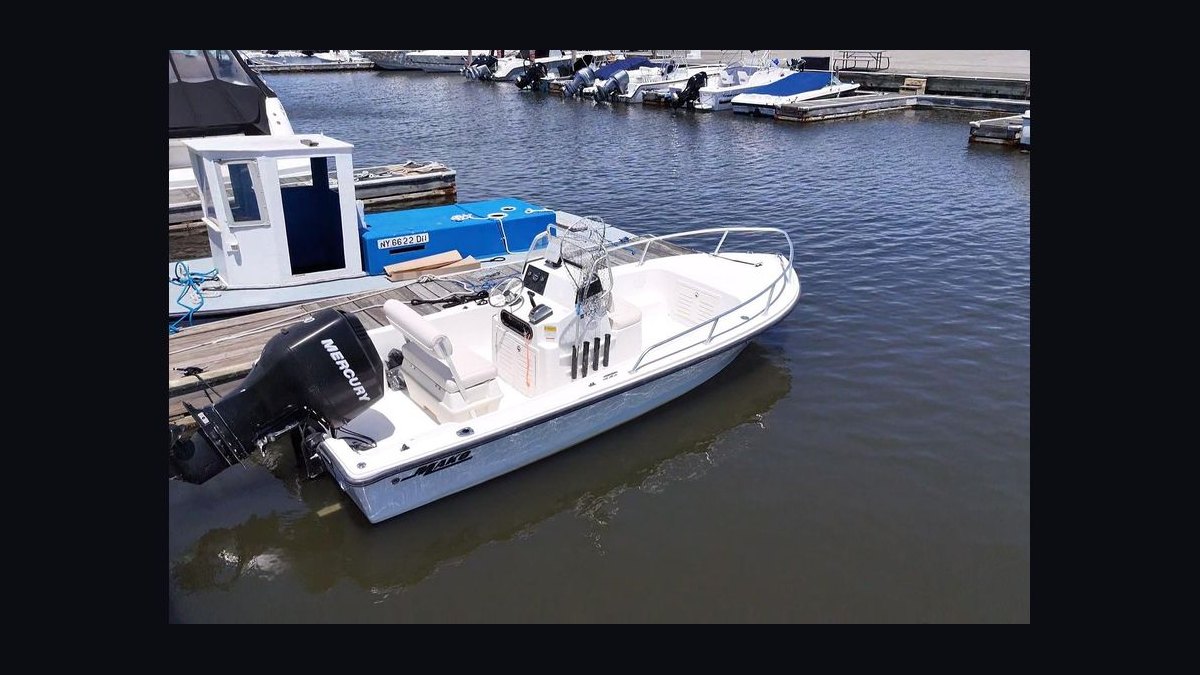
Eighth because the $9,000–$14,000 range on 2001–2009 hulls is genuinely cheap, but build quality varied meaningfully across Mako's ownership eras. The nameplate is not a uniform quality signal across two decades, so the specific production window matters more than the badge. Many examples in this window carry older two-strokes, including OptiMax variants, whose powerheads deserve scrutiny disproportionate to the boat's price.
This suits a buyer who has the repower cash already set aside and treats the engine as a consumable. Uneven compression numbers are a walk-away signal, since a powerhead rebuild can approach the hull's value. Against the Sailfish 1900 BB above, it saves roughly $4,000 up front and shifts that money into engine risk instead of fuel cost.
9. Sea Pro 180 CC
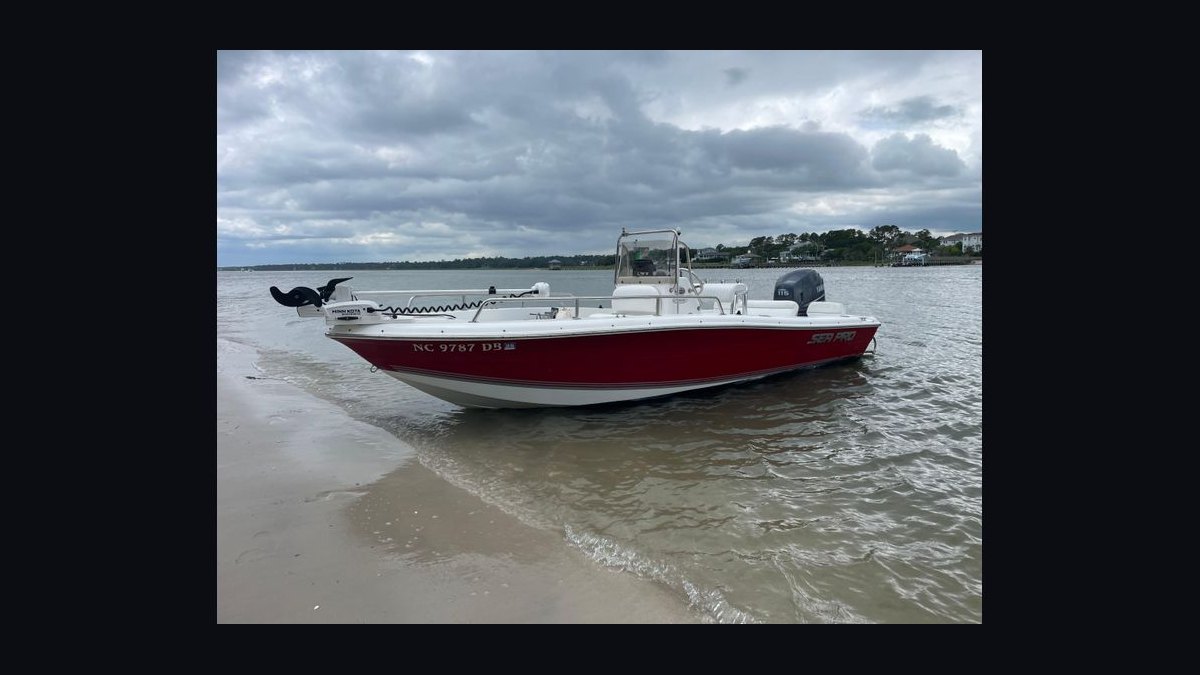
Ninth because $8,000–$13,000 on 2002–2010 hulls is near the segment floor, and the brand went through ownership changes that make model-year specificity essential. Two examples wearing the same badge from different production windows are not the same boat. At this price the money saved is large enough to fund both the $600–$900 inspection package and a $1,500 trailer refresh with room left over.
This is for a budget-first buyer who accepts cosmetic wear — chalky gelcoat, failing upholstery seams — as normal for a boat this age. It gives up the resale strength and structural insurance of everything ranked above it. Research the specific ownership era before making an offer, and treat a price well below range as a question rather than a bargain.
10. Pro-Line 17 Sport
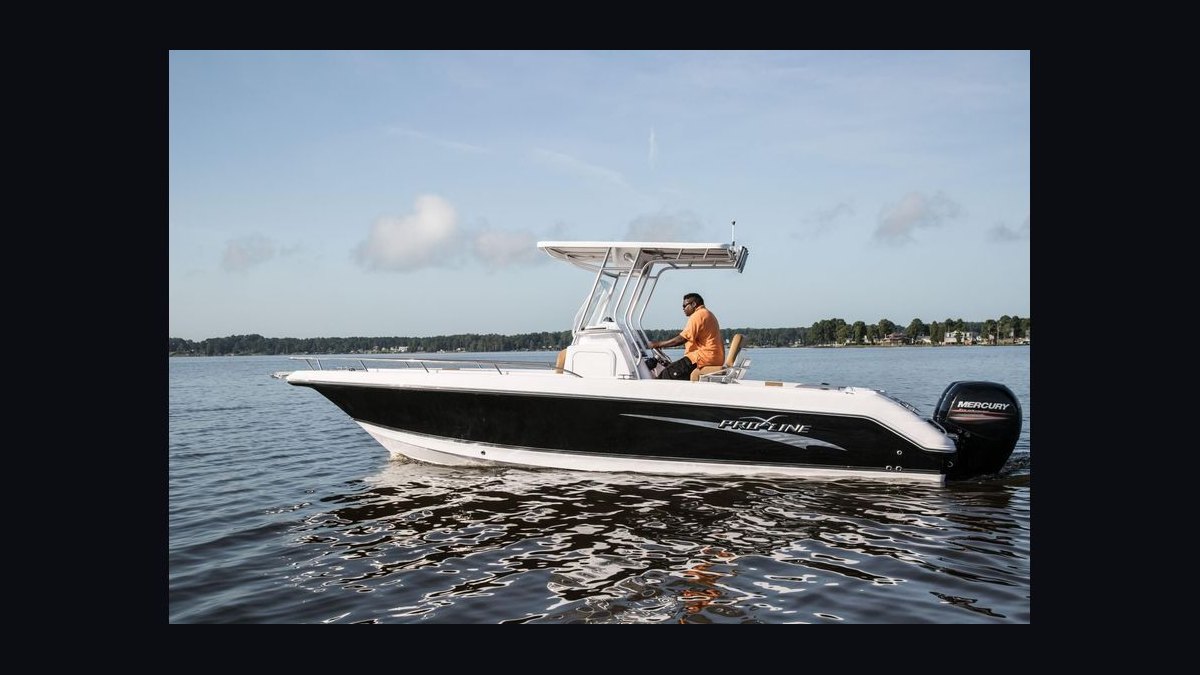
Tenth because it is the budget floor of the segment at $7,000–$12,000 for 2001–2009 hulls, and cheap entry is the entire case for it. These frequently carry older two-strokes, so parts availability and even compression across cylinders outweigh nearly every other consideration about the boat. Buying near $8,000 leaves roughly $12,000 of a $20,000 ceiling intact for engine work and gear.
This fits someone comfortable with a project and with hunting forums for parts if the powerhead brand has exited the market. It trades away ride, resale, and any structural insurance the Whaler tier provides. Against the Sea Pro 180 CC above, it costs about $1,000 less and carries higher engine risk, so the survey and compression test are non-negotiable.
How we ranked these
Ten hulls were scored on five weighted variables: structural integrity of hull and transom, outboard brand support and parts availability, resale strength over a three-year hold, fishing layout and livewell capacity, and ride quality measured by deadrise, beam and freeboard. Price bands reflect real transaction ranges for 2000–2015 boats, 17 to 22 feet, single outboard, 90 to 150 horsepower. Survey and compression costs were treated as mandatory line items.
Deliberately ignored: original MSRP, factory brochure specs, and manufacturer marketing claims, because a fifteen-year-old hull's condition swamps anything printed at launch. Also ignored were dealer certification programs, which carry no enforceable standard in the used boat market, and cosmetic condition — chalky gelcoat and split upholstery are normal wear at this age, not signals. Electronics packages were excluded since a dated multifunction display adds essentially nothing to value.
What to look for
Structure decides everything else. A soft transom or saturated stringers can cost five figures to repair once the engine is pulled and the cap is cut, which makes a $12,000 boat with rot worth less than nothing. That is the real argument for Boston Whaler's foam-cored Unibond construction — the failure mode simply does not exist.
Second priority is a Yamaha, Mercury or Suzuki four-stroke with documented service history, because parts supply determines whether a repair takes a week or a season.
The common mistake is treating the asking price as the total budget. A boat listed at $17,000 lands near $19,500 all-in once survey, compression test, title transfer, trailer refresh and safety gear are added. Buyers who anchor on the sticker defer the survey — the single expense that protects the other nineteen thousand. If the hard ceiling is $20,000, shop listings at $16,000 and hold the difference back.
Related questions
Is it better to buy a cheaper hull and repower, or stretch for a healthy engine?
Generally stretch for the healthy engine. A repower on a 17-to-18-foot console can approach or exceed half the boat's value, and it cannot be financed the way the purchase can. Buy the cheaper hull only when the structure surveys clean and the repower cash is already set aside — not merely planned for.
How much does location change what $20,000 actually buys?
Substantially. Coastal Atlantic and Gulf markets carry deep inventory in these models with competitive pricing. Inland and northern markets have thinner supply, longer searches, and softer resale on exit. Driving several hours to a coastal market frequently pays for itself twice — once in purchase price, again in the selection you get to choose from.
Are two-stroke outboards automatically disqualifying?
No, but they change the math. Two-strokes on early Mako 171 and Pro-Line 17 Sport examples cost less up front and burn more fuel and oil. Verify compression across every cylinder, confirm parts availability for that specific powerhead, and discount the boat accordingly rather than rejecting it outright.
What is the realistic annual cost of ownership after purchase?
Plan for slip or storage fees, insurance, annual engine service, fuel, and a maintenance reserve for the surprise every used boat eventually produces. These recurring costs usually exceed the price gap between two similar boats within a few seasons, which is why total cost of ownership should shape the pick more than the sticker spread.
Does the season you shop in affect the price you pay?
Meaningfully. The used boat business runs on inventory turn, and carrying costs eat dealer margin. Late fall and shoulder-season shopping in northern markets consistently produces better pricing than spring listings. The same hull that clears at asking price in April often sits through October. Flexible timing is the cheapest concession available.
Why do Grady-White Fisherman 180s rarely drop below $20,000?
Clean examples get snapped up quickly, and the SeaV2 variable-deadrise hull rides genuinely softer and drier than flatter competitors. Demand stays tight. Waiting indefinitely for one at $16,000 carries a real cost — a season not fishing. Take the value tier and bank the difference toward a repower fund instead.
How many engine hours are too many on a fifteen-year-old four-stroke?
Hour count matters less than evenness. Under roughly 500 hours suggests light use, but outboards that sit develop their own corrosion and fuel-system problems. Even compression across all cylinders carries more weight than the absolute number, and documented annual maintenance is a stronger signal than any single mechanical reading.
Do the Sea Hunt Triton 172 and Triton 186 CC work offshore?
Not really. Both lean shallow-draft and shine on flats and in bays, and they are less happy in offshore slop. Buying an inshore hull for coastal running is one error; paying a premium for offshore ability you will never use is the equal and opposite one. Match the hull to where it actually runs.
FAQ
What is the typical age and size range of boats under $20,000?
Mostly used center consoles built between roughly 2000 and 2015, generally 17 to 22 feet with a single outboard in the 90-to-150 horsepower range. Condition varies enormously. Two boats of the same model year can differ by thousands in real value depending entirely on how they were flushed, stored and serviced.
How much should I budget for a survey and compression test?
A pre-purchase marine survey typically runs $400 to $700 for a boat this size, and a compression test adds $100 to $200. Call it $600 to $900 total. Against a $17,000 purchase that is roughly four to five percent, and the written findings routinely recover their own cost at the negotiating table.
Are older Boston Whalers worth the higher price tag?
Usually yes. The unsinkable foam-cored construction eliminates the wet-stringer and soft-transom failures that destroy other used boats, and resale stays strong. Expect $15,000 to $19,000 for a clean 2005–2012 170 Montauk with a healthy 90 or 115 horsepower four-stroke. The trade-off is a firm ride in steep chop.
What are the common red flags in a used center console?
Soft spots in the deck or transom, waterlogged foam, corroded wiring, and gelcoat cracking. Watch for undocumented engine work too — mismatched cowlings often mean a powerhead swap nobody wrote down. Missing service records belong in the same category. Any of these justifies a steep discount or walking away entirely.
Can I find a reliable boat under $15,000?
Yes. The 2006–2014 Key West 1720 Sportsman commonly sells for $11,000 to $15,000 and delivers genuine saltwater capability with foam flotation and solid parts support. The Sea Pro 180 CC and Mako 171 also land under that line. Expect cosmetic wear and budget for it rather than being surprised.
How important is the outboard brand on a used boat?
Very, and it is a parts-supply calculation rather than brand snobbery. Yamaha, Mercury and Suzuki have dealer density, published service literature, and aftermarket parts. An orphaned powerhead means hunting forums and salvage yards while the boat sits on the trailer through the season you paid for. That risk deserves a real discount.
Why does a trailer refresh belong in the budget?
Because a tired trailer is easy to overlook during a sea trial and is the most common way a finished purchase becomes another weekend of work. Budget roughly $1,500 for tires, bearings, brakes and lights on a trailer that has been sitting. Inspect the frame for rust before the boat ever moves.
Does brand quality stay consistent across a nameplate's production run?
No. Several nameplates here changed ownership mid-run and build quality moved with them. Mako varied meaningfully across ownership eras, and Sea Pro went through changes that make model-year specificity important. Research the specific production window rather than trusting the badge across two decades of very different factories.
What can I inspect myself before paying a surveyor?
Flex the transom at the engine mount, tap the deck and stringers listening for dead or soft spots, pull the cowling and look for corrosion and mismatched hardware, and ask directly for service records — noting the answer, not just the paperwork. Check trailer frame, tires and bearings. Roughly half of candidates fail free.
Why is a price well below the model-year range a warning sign?
Because it is a question, not a bargain. A meaningful discount usually means the seller knows something you do not — deferred maintenance, a structural issue found and ignored, or an undocumented engine repair. Find out what it is before assuming you found a deal that everyone else somehow missed.
Sources
- https://www.boatus.com/expert-advice/expert-advice-archive/2018/june/buying-a-used-boat
- https://www.discoverboating.com/buying/buying-used-boat
- https://www.boats.com/how-to/buying-a-used-boat-checklist/
- https://www.bostonwhaler.com/
- https://www.gradywhite.com/
- https://www.nadaguides.com/Boats
- https://www.marinesurvey.org/
- https://www.uscgboating.org/recreational-boaters/
- https://www.yamahaoutboards.com/
- https://www.mercurymarine.com/
Related on PULSE
- [More best used center console boats under $20,000 rankings and buying guides](/knowledge)
- [PULSE Tools and calculators](/tools)
- [Everything on PULSE RevOps](/)
@Kory-White- · if Venmo asks, the last 4 of my number are 2012
 pulse-reviewsTop 10 Cabin Cruiser Boats 2027
 pulse-aquariumsTop 10 Canister Filters 2027
 aqTop 10 Hang-On-Back Aquarium Filters 2027
 pulse-aquariumsTop 10 Aquarium Filters 2027
 pulse-moviesTop 10 Movies on Netflix 2027
 pulse-moviesTop 10 Movies on Max 2027
 pulse-moviesTop 10 Fantasy Movies of All Time in 2027
 pulse-moviesTop 10 Documentaries of All Time in 2027
 pulse-moviesTop 10 Superhero Movies of All Time in 2027
 pulse-moviesTop 10 Romance Movies of All Time in 2027