

What is the step-by-step process to restore a used aluminum fishing boat in 2027?

Restoring a used aluminum fishing boat in 2027 is a systematic process that begins with a full inspection and ends with a watertight, corrosion-resistant hull ready for the water. The core sequence involves assessing the hull, addressing corrosion and leaks, repairing or replacing rivets and welds, refinishing the surface, rebuilding the trailer, and rewiring or re-rigging the boat before a final water test.
The outcome you should expect
A properly restored aluminum fishing boat should give you another 15 to 25 years of reliable service. Unlike fiberglass boats, aluminum hulls do not suffer from osmotic blistering or structural rot, so the primary enemies are corrosion, fatigue cracks, and failed seals. When you finish a thorough restoration, you should expect a watertight hull that tracks straight, a trailer that handles highway speeds without wobble, and a deck that supports your weight without flexing. The restoration process transforms a neglected, possibly leaking hull into a dependable fishing platform, but the outcome depends heavily on how honest you are during the initial assessment phase. A boat with severe corrosion pitting or cracked welds may require professional welding or even scrapping, while a boat with surface oxidation and leaky rivets is a straightforward weekend project.
The realistic outcome also includes financial expectations. A used aluminum fishing boat purchased for $1,500 to $4,000 will typically require $800 to $3,500 in materials and replacement parts, depending on whether you need a new trailer, outboard motor service, or replacement decking. The process is labor-intensive, with most owners spending 40 to 120 hours over several weekends. The reward is a custom fishing boat that fits your specific needs, whether that means adding a casting deck, installing a trolling motor mount, or simply having a reliable jon boat for small lakes and rivers. You should also expect that some components, such as the original wiring or steering cables, will need full replacement rather than repair, because aluminum boat restoration in 2027 benefits from modern materials like marine-grade sealants, aluminum-compatible paints, and LED lighting that were not available when the boat was built.

What drives that outcome
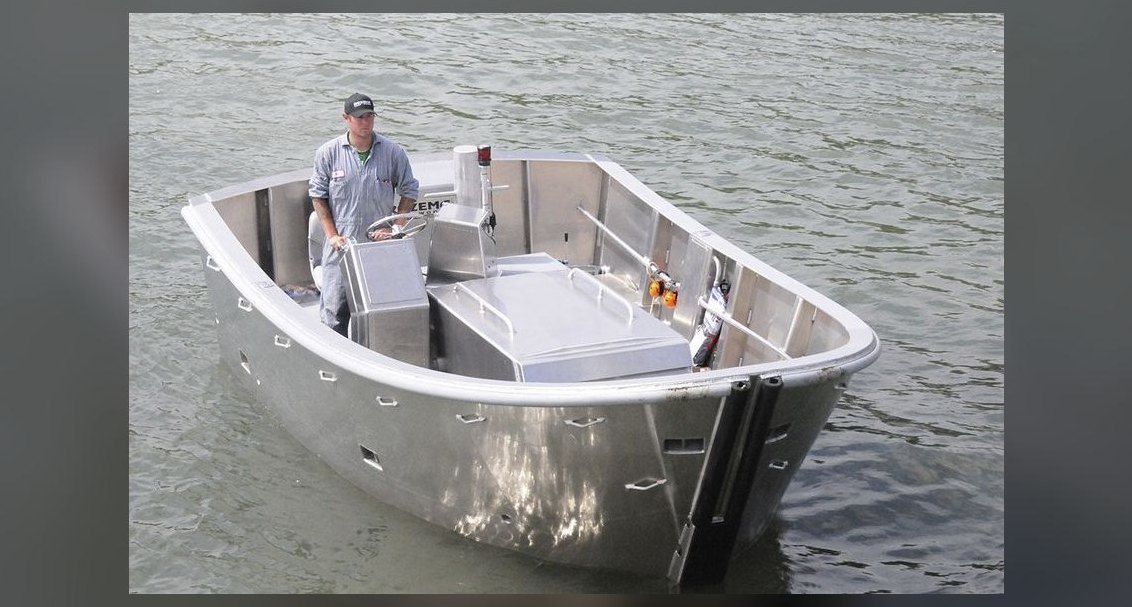
The success of an aluminum fishing boat restoration hinges on understanding the specific failure modes of aluminum construction and addressing them in the correct order. The most critical factor is corrosion management. Aluminum forms a protective oxide layer naturally, but this layer breaks down when the metal contacts dissimilar metals, acidic water, or certain cleaning chemicals. The process of galvanic corrosion, where aluminum acts as a sacrificial anode against stainless steel or bronze fittings, can create pinhole leaks that are nearly invisible until the boat sits in the water. The second major driver is structural integrity, which in aluminum boats means the condition of rivets and welds. Lap-strake construction, common in jon boats and semi-V hulls, relies on thousands of rivets that can loosen over decades of flexing. Weld seams, particularly at transom corners and chine joints, can develop hairline cracks from stress fatigue.
The process is also driven by the economics of boat ownership. A new aluminum fishing boat in 2027 costs between $8,000 and $25,000 depending on size and features, while a used boat in need of restoration costs a fraction of that. This price gap makes restoration attractive for budget-conscious anglers, but it also means the process must be thorough enough to avoid repeated trips to the repair shop. The condition of the outboard motor, whether it is a 2-stroke or 4-stroke, often determines whether restoration is worthwhile. A motor that needs major internal work can add $1,500 to $4,000 to the process, potentially exceeding the value of the boat. Finally, the process is driven by the availability of modern restoration products. In 2027, you can purchase self-etching primers, aluminum-specific epoxy paints, and rivet replacement kits that make the process more reliable than it was even a decade ago.

Benchmarks and realistic ranges
The restoration process for a used aluminum fishing boat follows a predictable timeline and budget if you break it into measurable phases. The initial inspection and cleaning phase takes 4 to 8 hours and costs under $100 for degreasers, scrub brushes, and inspection tools. During this phase, you should check the hull for pitting, measure the thickness of thin spots with a caliper, and tap rivets with a hammer to identify loose ones. The corrosion repair phase, which involves grinding out pits, applying patch materials, or having a professional weld cracks, takes 8 to 20 hours and costs $100 to $800 depending on whether you do the work yourself or hire a shop. Professional aluminum welding for a cracked transom or chine typically runs $75 to $150 per hour, and most repairs take 1 to 3 hours of actual welding time.
The painting and sealing phase is where most of the material budget goes. A gallon of aluminum-compatible marine paint costs $80 to $200, and you will need a quart of self-etching primer at $40 to $70, plus thinner, rollers, and masking tape. This phase takes 10 to 16 hours spread over several days to allow for proper curing between coats. The trailer restoration phase, if needed, costs $200 to $600 for new tires, bearings, seals, and lights, and takes 6 to 10 hours. The electrical and rigging phase costs $150 to $400 for marine-grade wire, switches, LED lights, a bilge pump, and a battery, and takes 8 to 12 hours. The final water test takes 2 to 4 hours and may reveal leaks that require additional rivet tightening or sealant application.

Benchmarks for a successful restoration include a hull that remains dry after 30 minutes at planing speed, a trailer that tracks straight at 65 mph without fishtailing, and an electrical system that passes a continuity test with no shorts. A realistic total budget for a complete restoration, excluding the outboard motor, is $1,200 to $3,000. If you include a professional motor tune-up or minor repairs, add $300 to $1,000. The process is not a single weekend project; most owners complete it in 4 to 8 weekends, and the total labor time of 40 to 120 hours is consistent across most restoration forums and builder guides. For comparison, a professional restoration shop might charge $5,000 to $12,000 for the same work, which is why the DIY process remains popular even when factoring in the cost of specialized tools like a rivet gun, an angle grinder, and a pneumatic stapler for upholstery.
Risks, edge cases, and failure modes
The restoration process has several failure modes that can turn a budget project into a money pit, and knowing them in advance is the difference between a successful restore and a scrap heap. The most common failure is underestimating corrosion damage. Pitting that appears superficial on the outside can extend through the hull thickness, especially in older boats that sat in brackish water or had wet foam trapped against the aluminum. A simple test is to probe suspected pits with an ice pick or awl; if the tool penetrates easily, the corrosion has compromised the hull. In this case, patching with epoxy or JB Weld is only a temporary fix, and the proper process is to grind out the affected area and have a professional weld a patch plate of matching alloy. Edge cases include boats with multiple through-hull fittings, which create many potential leak points, and boats that have been previously patched with silicone or automotive body filler, which traps moisture and accelerates corrosion.
Another significant risk is rivet failure. Aluminum boats use both solid and blind rivets, and the process of replacing them requires the correct size and alloy. Using stainless steel rivets in an aluminum hull creates galvanic corrosion, while using aluminum rivets that are too soft can lead to premature loosening. The correct process is to match the original rivet size, which is typically 3/16-inch or 1/4-inch, and use a bucking bar for solid rivets or a hand riveter for blind rivets. A related failure mode is over-tightening rivets, which deforms the surrounding aluminum and creates stress cracks. The process requires practice on scrap material before working on the hull.
Welding cracks is another area where DIY restorers often fail. Aluminum welding requires a TIG welder, AC current, and a clean, oxide-free surface. Attempting to weld with a MIG welder using the wrong wire or gas can create porous, weak welds that fail under stress. If you do not have welding experience, the process should include hiring a professional for any structural welds, even if you do the rest of the restoration yourself. The cost of a professional weld is far less than the cost of a hull failure at speed.

Other failure modes include painting over improperly prepared aluminum, which leads to peeling within a season; using household sealants instead of marine-grade products, which break down in UV light and water; and neglecting the trailer, which can fail on the highway and destroy the boat. The process should always include a thorough trailer inspection, including checking the frame for rust, the springs for cracks, and the hubs for bearing wear. A trailer failure at highway speed is a safety hazard, not just a setback. Finally, electrical fires are a risk if you use automotive wire instead of marine-grade tinned wire, which resists corrosion. The process should include replacing all wiring with marine-grade products, using heat-shrink connectors, and installing a proper fuse block.
A practical rollout plan
A realistic restoration process for a used aluminum fishing boat in 2027 should be spread over eight weekends, with each weekend dedicated to a specific phase. This schedule assumes you have a garage, driveway, or covered outdoor space, and that you can dedicate 4 to 8 hours per weekend. The process begins with documentation: take photos of the boat from every angle, make a list of all defects, and create a budget spreadsheet with columns for estimated cost, actual cost, and notes. This step is critical because it forces you to confront the true scope of the process before you spend money.
Week one is the inspection and stripping phase. Remove all hardware, seats, wiring, and any remaining carpet or decking. This includes the process of removing the outboard motor, which should be done carefully with an engine hoist or a friend to avoid injury. Once stripped, clean the hull thoroughly with a degreaser and a pressure washer, then use a scotch-brite pad or a DA sander to remove oxidation and old paint. This is the point where you will discover the true condition of the hull, including any hidden corrosion or cracks. Document everything you find and adjust your plan accordingly.
Week two is the corrosion repair phase. Grind out any pits or corrosion spots with an angle grinder and a flap disc, then clean the area with acetone. For small pits, you can use a marine-grade aluminum repair compound or have them welded. For larger areas, the process involves cutting out the damaged section and welding in a patch. If you are doing the welding yourself, practice on scrap aluminum first. If you are hiring a professional, this is the week to schedule the appointment.
Weeks three and four are the rivet and seam phase. Inspect every rivet on the hull, tapping each one with a hammer and listening for a solid sound versus a dull thud. Replace any loose or missing rivets, and apply a marine-grade sealant to the seams between hull panels. The process for replacing rivets involves drilling out the old one, deburring the hole, and installing the new rivet with a bucking bar or blind riveter. This is tedious work, but it is the most important step in ensuring a watertight hull.
Week five is the painting phase. Apply a self-etching primer to the entire hull, following the manufacturer's instructions for drying time. Then apply two to three coats of aluminum-compatible marine paint, allowing proper drying time between coats. The process works best in warm, dry weather, so check the forecast before starting. Week six is the trailer phase. Replace the tires, bearings, and seals, repack the bearings with marine grease, and test the lights. If the trailer frame has rust, grind it down and repaint with rust-inhibiting paint.

Week seven is the electrical and rigging phase. Run new marine-grade wiring for navigation lights, a bilge pump, and any accessories like a fish finder or trolling motor. Use heat-shrink connectors and a fuse block, and secure the wiring with zip ties. Install the decking, seats, and any other accessories you removed in week one. Week eight is the water test. Launch the boat and let it sit in the water for 30 minutes to check for leaks, then run it at various speeds to check handling and performance. If you find leaks, mark them, pull the boat, and address them before the next launch. The process is complete when the boat passes this final test, and you can begin planning your first fishing trip.
Related questions
How do you remove oxidation from an aluminum boat hull?
Use a marine-grade aluminum cleaner or a mixture of water and oxalic acid, applied with a scotch-brite pad or a DA sander. Rinse thoroughly, then apply a self-etching primer before painting. Avoid harsh caustic cleaners that can darken or pit the aluminum.
What is the best paint for an aluminum fishing boat?
Aluminum-compatible marine paints, such as those made by Pettit, Interlux, or Rust-Oleum Marine, are the best options. They require a self-etching primer for adhesion. Two-part epoxy paints offer the longest durability, while one-part polyurethane paints are easier for DIY application.
How do you fix leaking rivets on an aluminum boat?
Drill out the leaking rivet, deburr the hole, and install a new rivet of the same size and alloy. For solid rivets, use a bucking bar to form the head. Apply marine sealant around the rivet before installation. Test with a hose after repairs.
When should you replace rather than restore an aluminum boat?
Replace the boat if the hull has extensive corrosion pitting that thins the metal below structural limits, if major weld seams are cracked in multiple places, or if the cost of the motor and trailer repairs exceeds the value of a comparable used boat. A professional survey can help you decide.
FAQ
How much does it cost to restore a used aluminum fishing boat?
A full DIY restoration, excluding the motor, typically costs $1,200 to $3,000 for materials, paint, rivets, trailer parts, and electrical components. If you need professional welding or motor repairs, add $500 to $2,000. A professional shop might charge $5,000 to $12,000 for the same process.
How long does the restoration process take?
Most owners complete a full restoration in 4 to 8 weekends, totaling 40 to 120 hours of labor. The process is spread out to allow for paint curing, sealant drying, and scheduling professional help if needed. Rushing the process leads to poor adhesion and leaks.
Can you restore an aluminum boat with holes in the hull?
Yes, but the process depends on the hole size. Small pinholes from corrosion can be welded or patched with marine epoxy. Larger holes require cutting out the damaged area and welding in a patch plate of matching aluminum alloy. Holes above the waterline are easier to repair than below.
What tools do you need for the restoration process?
Essential tools include an angle grinder with flap discs, a drill with various bits, a rivet gun or hand riveter, a bucking bar, a DA sander, a pressure washer, and basic hand tools. You may also need a heat gun for removing old decals and adhesive, and a multimeter for electrical testing.
How do you prevent corrosion after restoration?
Apply a marine-grade sealant to all seams and fasteners, use aluminum-compatible paints and primers, install sacrificial zinc anodes on the transom, and avoid storing the boat in brackish or saltwater for extended periods. Rinse the hull with fresh water after every saltwater use.
Is it worth restoring an old aluminum boat in 2027?
Yes, if the hull is structurally sound and the motor is in good condition. A restored aluminum boat costs less than half of a comparable new boat and can last another 15 to 25 years. The process is worthwhile for anglers who want a custom setup without paying new-boat prices.
Sources
- https://www.boatsafe.com/aluminum-boat-corrosion/
- https://www.westmarine.com/advice/aluminum-boat-repair
- https://www.treasurecoastmarinesurveyors.com/aluminum-boat-restoration
- https://www.practical-sailor.com/boat-maintenance/aluminum-boat-care
- https://www.boatus.com/expert-advice/expert-advice-archive/2016/april/repairing-aluminum-boats
- https://www.yachtsurvey.com/aluminum_hull_repair.htm
- https://www.marineengine.com/boat-forum/aluminum-boat-restoration
- https://www.rivetsinstock.com/aluminum-boat-rivets
Related on PULSE
- How to winterize an aluminum fishing boat for long-term storage
- The best aluminum alloys for saltwater fishing boats
- Trailer maintenance checklist for boat owners
- Choosing the right outboard motor for a restored aluminum hull
- Marine-grade wiring standards for small boats
- How to install a casting deck on a jon boat
 pulse-recentHow do I prepare an aluminum fishing boat for the first time in 2027?
 pulse-boatsBest Regal Boat Models (Ranked) in 2027
 pulse-boatsBest Used Wakeboard Boats Under $10,000 in 2027 (Ranked)
 boatTop 10 Sailboats Under 30 Feet in 2027
 pulse-boatsBest Used Sailboats Under $20,000 in 2027 (Ranked)
 pulse-boatsBest Used Ski Boats Under $50,000 in 2027 (Ranked)
 pulse-boatsBest Used Sport Fishing Boats Under $10,000 in 2027 (Ranked)
 pulse-boatsBest Used Fishing Boats Under $30,000 in 2027 (Ranked)
 pulse-boatsBest Ranger Boat Models (Ranked) in 2027
 boatTop 10 Canal Boats 2027