

How do you properly fix a dent in a hot hatchback in 2027?
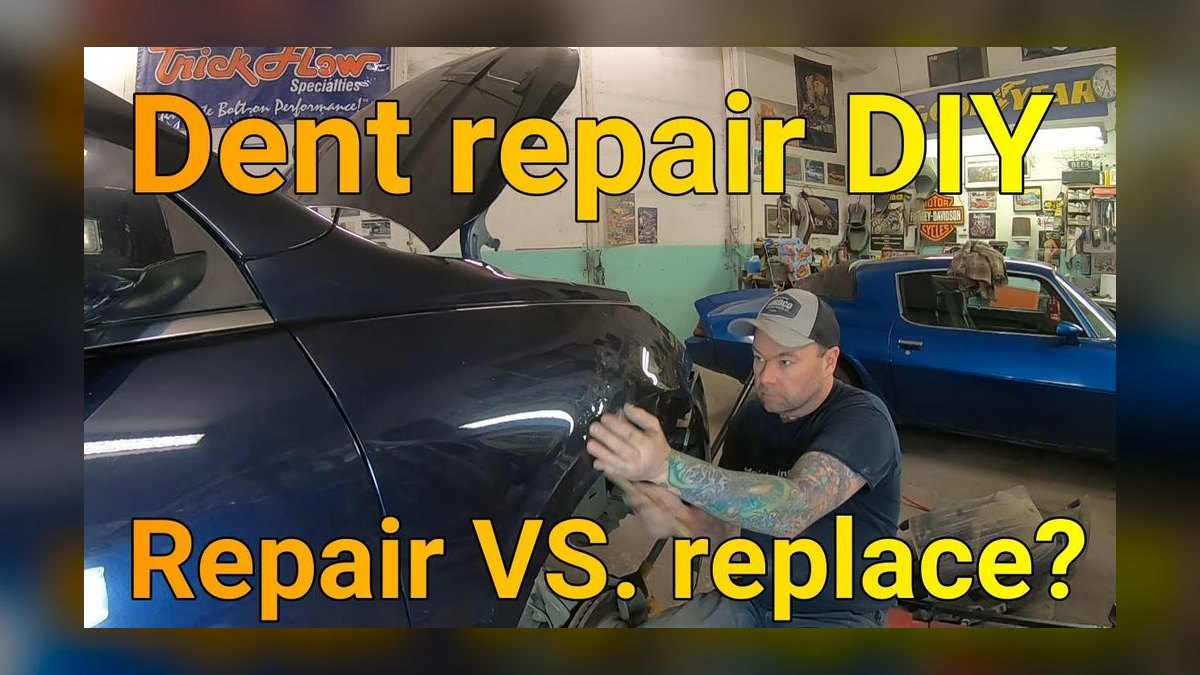
Assess the dent first: if the paint is unbroken and the metal is not stretched, paintless dent repair reshapes it from behind in one to three hours, typically for a few hundred dollars. Creased, cracked, or aluminum-panel damage needs conventional bodywork — fill, prime, and a blended refinish across adjacent panels.
The outcome you should expect
A properly repaired dent on a hot hatchback should be invisible under the two lighting conditions that expose bodywork: a flat overhead fluorescent or LED strip reflected across the panel, and low-angle sun raking along the body line. If you can see a shadow ripple when you crouch at the rear quarter and sight down the flank toward the front fender, the repair is not finished. That is the acceptance test, and it is the same test a body shop's own quality-control tech uses before the car goes back on the lot.
The practical outcome splits along one fork: was the paint film broken or not. Unbroken paint means the factory finish — the e-coat, the primer, the basecoat, the clear — is still continuous over the damaged metal. Restore the metal's shape and you are done; there is nothing to refinish, nothing to blend, no color match to chase. That is the paintless dent repair (PDR) outcome, and it is the one worth fighting for on a hot hatch, because these cars are typically finished in the exact colors that are hardest to match: solid reds that fade unevenly, pearl whites with a tinted midcoat, and metallic greys and blues whose flake orientation shifts with spray angle. A refinish on a three-stage pearl is a genuinely difficult piece of work. Avoiding it entirely is worth paying for.
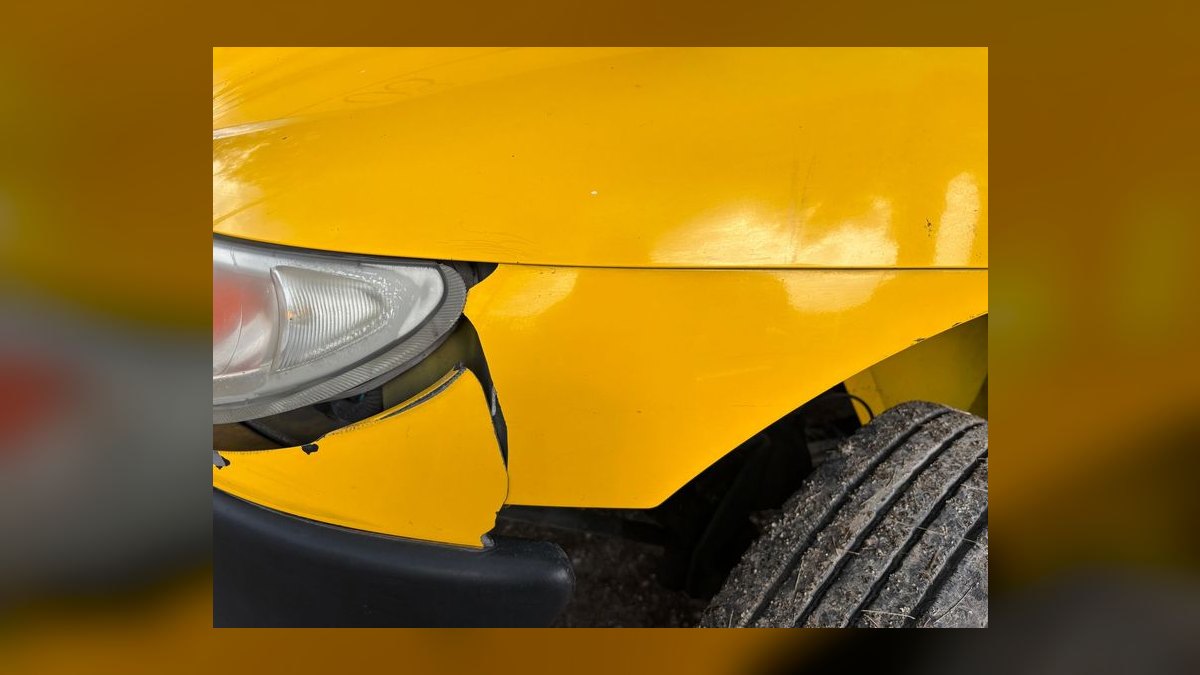
Broken paint — a crack, a scuff to primer, a scrape that took the clear off — means you are in refinish territory no matter how good the metalwork is. The realistic outcome there is a panel that matches under most light but may show a faint difference at extreme angles if the shop skipped blending into the adjacent panels. On a hatchback that is a compounding problem, because these bodies have short panels and lots of them: front fender, front door, rear door on a five-door, rear quarter, hatch, bumper cover. A rear quarter respray that stops at the door shut line puts a hard color break right where people look. A properly executed job melts the new color out into the door and, if the tint is difficult, into the front door as well.
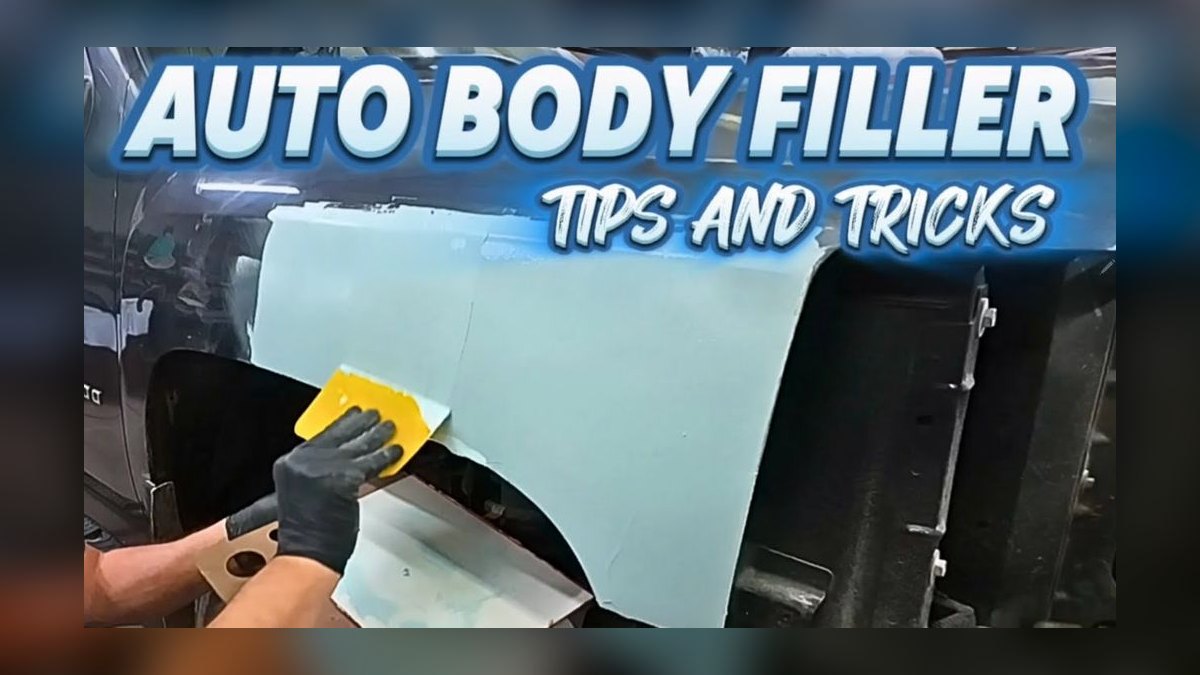
Expect the repair to be permanent, not cosmetic. A dent pushed out and filled without addressing the stretched metal underneath will telegraph back — you will see the outline return as a faint low spot over six to eighteen months as the panel relaxes and thermal cycling works on it. This is the single most common failure in cheap dent work, and it is invisible on day one. That is why the acceptance test matters more than the invoice.
One outcome you should specifically expect on a modern hot hatch: the shop may need to remove more trim than seems proportionate to the damage. A quarter-panel dent behind the rear door on a five-door hatch often requires pulling the rear seat cushion, the C-pillar trim, the cargo-area side panel, and sometimes the rear seat belt anchor to get a PDR rod behind the metal. Two hours of that disassembly is normal and is not the shop padding the bill. If a technician quotes you a quarter-panel PDR with no disassembly time, they are either planning to glue-pull from the outside — legitimate, but limited — or they have not actually looked at the access.
What drives that outcome
Four variables decide whether you get a clean PDR, an acceptable refinish, or a repair that comes back to haunt you. In rough order of importance: paint integrity, metal stretch, panel access, and substrate material.
Paint integrity is binary and you can test it. Wash the area, dry it, and run a fingernail lightly across the deepest part of the dent. Catch means a crack or a chip; smooth means the film is intact. Follow up with a bright LED torch held nearly parallel to the panel — hairline clear-coat cracks show as thin bright lines when raked. If the paint is intact, PDR is on the table.
Metal stretch is the variable most people miss. Sheet metal deforms two ways: it bends, or it stretches. A bend can be reversed because the metal's surface area has not changed. A stretch cannot be simply pushed back, because the panel now has more surface area than the space it occupies — push it out and you get a high crown that oil-cans, or a raised ring around the repair. Sharp creases, dents with a hard point at the bottom, and dents at the apex of an existing body line are almost always stretched. Soft, round, shallow dents in the flat middle of a door usually are not. A dent that is wide and shallow — a shopping-cart contact, a door ding, hail — is the friendly case. A dent that is small and deep, made by a corner or a bollard, is the hostile one.
Panel access decides cost more than dent size does. PDR works by pushing from behind with a shaped rod, so the technician needs a path to the back of the metal. Door skins are the easy case: pull the trim card, peel the vapor barrier, work through the window slot or the factory access holes. Hatch and tailgate skins are harder because of the inner structure and the wiring for the wiper and defroster. Roof panels on a car with a fixed headliner and side-curtain airbags are the worst case, since dropping a headliner near an airbag is a job most shops price accordingly. On some panels there is no access at all — bonded reinforcement, foam-filled cavities, or a double-wall section — and the technician has to use glue-pull tabs from the outside instead, which works but is less precise and slower on anything with a crease.
Substrate material matters more on newer cars than it did fifteen years ago. Manufacturers use aluminum for hoods, and sometimes for fenders and hatches, to save weight over the front axle. Aluminum work-hardens fast and has far less spring-back than steel, so a panel that would take a competent PDR tech twenty minutes in steel may not be reshapable at all in aluminum. It also cannot be repaired with the same tools or in the same bay — aluminum dust with steel dust is a corrosion problem, and shops that do aluminum properly keep a separate, curtained-off area with dedicated tools. High-strength and boron steels in structural areas will not respond to cold working either. Before you commit to PDR on a hood or hatch, find out what the panel is made of; a magnet is the crude test, and the parts catalog or the manufacturer's repair procedures are the accurate one.

The decision tree above is the one a good estimator runs in their head in about ninety seconds standing next to your car. If your estimator does not crouch down and sight along the panel, get a second estimate.
Benchmarks and realistic ranges
Prices vary enormously by region, shop overhead, and how the work is being paid for, so treat these as shapes rather than quotes. Get two or three estimates locally and expect them to disagree.
Single small PDR ding — a door ding, coin-sized, shallow, in an accessible door skin. This is the cheapest possible body repair and the one most mobile PDR technicians do all day. Typically an hour or less of work, often done in a parking lot, with no shop time at all. Multiple dings on the same panel are usually discounted heavily after the first, because the setup cost dominates.
Larger PDR — a dent the size of your palm, or a dent requiring interior disassembly, or one in a body line. Here you are paying for skill and time, and the range widens a lot. Expect the quote to scale with disassembly hours, not with the visual size of the dent. Ask specifically: "how much of this is R&I?" (remove and install). A quote that is mostly R&I is honest; a quote that is mostly "dent work" on a panel with no access is suspect.
Conventional repair on one panel — straightening, minimal filler, prime, block, base, clear, and a blend into one adjacent panel. This is materially more expensive than PDR, usually by a multiple rather than a margin, and it takes the car off the road for days rather than hours, because paint needs bake and cure time and the shop schedules around its booth. Add cost for three-stage pearls and for any panel that has to come off the car.
Panel replacement — sometimes cheaper than repair. If the dent is severe, in a bolt-on panel like a front fender, and the color is a straightforward solid, a new fender primed and painted off the car can beat forty hours of metalwork. Welded panels — quarters, roofs — are a different order of magnitude and involve structural considerations, corrosion protection at the weld seams, and on newer cars, manufacturer-specified joining methods that a shop must follow to keep the repair sound.
Time on the calendar. Mobile PDR: same day, often same hour. Shop PDR with disassembly: one day. Single-panel refinish: two to four working days, mostly waiting on booth slots and cure time, not labor. Multi-panel or structural: a week and up, longer if parts are back-ordered — and on enthusiast trims, the specific bumper cover or hatch trim you need is frequently the thing that holds the car hostage.
The insurance calculus. For a single dent on a hot hatch, running it through insurance is often a losing trade. Compare the estimate against your deductible plus the expected premium impact over the next several renewal cycles. A repair that costs less than about twice your deductible is usually worth paying out of pocket. Where insurance clearly wins: hail damage, which is typically a comprehensive claim in most policies and does not carry the same at-fault consequences, and where the volume of dents makes the total large. Hail is also the case where PDR shines — dozens of shallow, unstretched, unbroken-paint dents across the roof, hood, and hatch, which is exactly the damage profile PDR was invented for. Read your own policy rather than trusting a shop's summary of it; the shop is not the one paying your renewal.
The DIY range. Suction cups and glue-puller kits work on a narrow class of damage: large, shallow, round dents in a flat area of a panel with intact paint. They will not fix a crease, they will not fix a body-line dent, and they can make things worse by creating a high spot around the pull point that a professional then has to knock back down. The heat-and-compressed-air trick that circulates online works occasionally on plastic bumper covers, where the material has thermal memory. It does not work on steel, and applying a heat gun aggressively to painted metal risks damaging the clear coat. If you are going to try anything at home, try it on a plastic bumper cover, keep the heat moderate and moving, and stop before the panel is too hot to touch.
Risks, edge cases, and failure modes
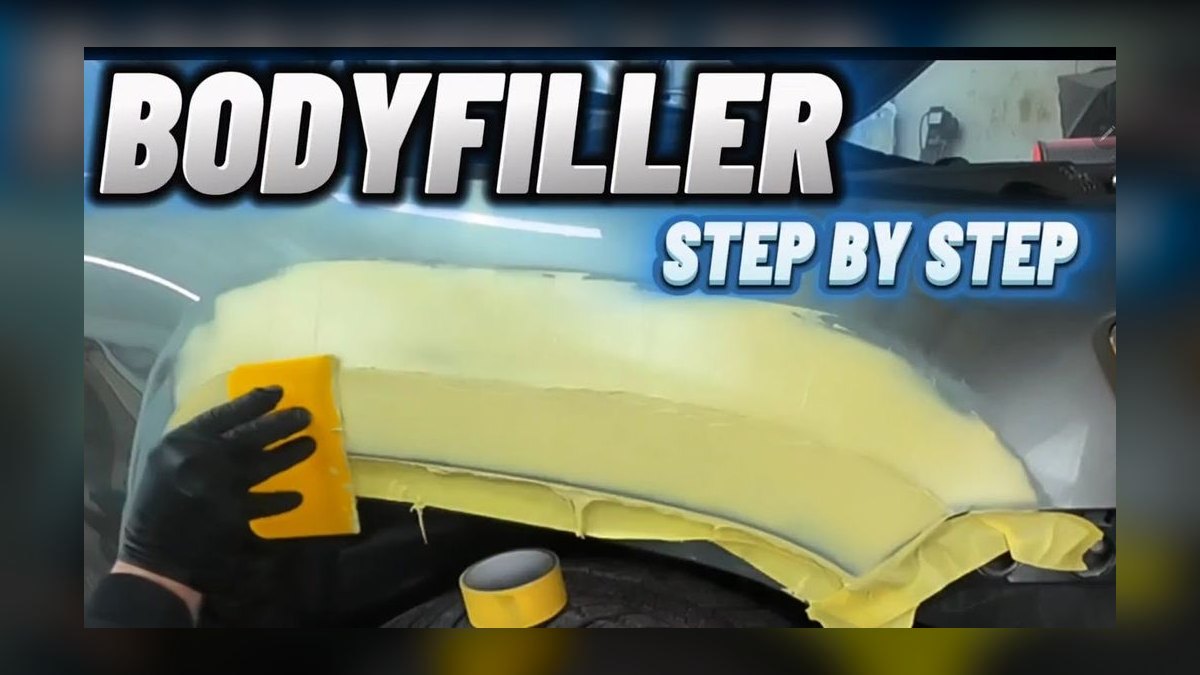
Filler as a substitute for metalwork. The most common failure in cheap conventional repair is using body filler to bridge a dent that was never properly straightened. Filler is designed to be a thin skim over correctly-shaped metal — a couple of millimetres at most, feather-edged. Thick filler shrinks over time, cracks under thermal cycling, and eventually telegraphs the original dent outline. You cannot see it at delivery. You can sometimes catch it with a magnet: run a small magnet across the repair area, and a spot where it goes noticeably weak or drops off has significant filler under the paint.
Body-line dents. A dent that crosses a swage line or character crease is disproportionately hard, and hot hatches have a lot of these — the aggressive shoulder line, the flared arch, the sculpted rear quarter. The line itself is a work-hardened, stretched feature; a dent across it has both bent and stretched metal in the same small area. Some of these are genuinely not fully PDR-able, and an honest technician will say "I can get it eighty percent and you'll still see it in raking light" rather than promising perfection. Take the honest eighty percent over an optimistic hundred.
Aluminum panels and dissimilar-metal contamination. Beyond the reshaping difficulty, aluminum repaired in a steel bay picks up embedded steel particles that rust in place, producing rust spots on an aluminum panel — which confuses everyone six months later. Ask directly whether the shop has a dedicated aluminum area if the panel is aluminum.
Sensors, wiring, and calibration. Modern hatchbacks carry parking sensors in the bumper covers, blind-spot radar modules behind the rear quarter panels or bumper corners, and cameras in the hatch, mirrors, and windscreen. A rear quarter or bumper repair can disturb a radar module's mounting angle. A few degrees of misalignment silently degrades blind-spot detection. If the repair touched a panel with a sensor behind it, ask whether the module was removed and whether the system needs recalibration afterward. This is a real and growing cost line in modern body repair and it is the thing shops most often skip.
Rust in the repair. Any repair that breaks the factory coating opens a corrosion path. Properly done, straightened metal is cleaned back to bright, treated, epoxy-primed, and sealed on both sides where accessible — including cavity wax back into the closed section. A shop that sands to bare metal, skims filler over it, and paints has built a rust bloom into your car with a two-to-five-year fuse. Ask what they do to the back side of the panel. If the answer is "nothing," that is your answer about the shop.
Warranty and paint guarantees. A reputable shop warranties its paint work against peel, blister, and delamination — often for as long as you own the car. A mobile PDR technician working out of a van may not. Get the warranty terms in writing, and understand what voids them.
Resale and disclosure. A properly documented PDR does not appear on a vehicle history report and does not affect value, because nothing was refinished. A refinished panel may show up in a paint-depth check by a careful buyer or a pre-purchase inspector, and on an enthusiast car — where buyers are more likely to bring a paint gauge — that matters. It is not a reason to avoid a needed repair; it is a reason to keep the PDR option alive when it exists, and to keep the invoice and photos in the file.
Leased vehicles. Lease-return standards typically define acceptable wear by dent size and location. Small dings below a threshold may be free; anything above it gets charged at the leasing company's rate, which is usually worse than what you would pay a local shop. Check the wear-and-tear standard in your specific lease agreement and fix anything above the threshold yourself before turn-in.
The bumper cover exception. Most "dents" on the front and rear of a hatchback are not in metal at all — they are in a thermoplastic bumper cover. Plastic behaves differently: it has memory, it can often be reshaped with controlled heat from behind, and minor deformation sometimes relaxes on its own in warm weather. Plastic also cannot be PDR'd with rods in the metal sense, and painted plastic requires a flex additive in the coating. If a shop quotes you metal PDR pricing on a bumper cover, they have not correctly identified the substrate.
A practical rollout plan
Treat this as a short, ordered process rather than a phone call to whoever comes up first in a search.
Document before you do anything. Photograph the dent in three lights: overhead shade, direct low-angle sun, and with a straight-edged light source reflected across the panel so the distortion shows. Shoot from far enough away to include the panel edges for context, then close. Note the date and, if someone else caused it, the circumstances. This is your baseline for judging the repair and your evidence if there is a claim.
Identify the substrate and the damage class. Magnet test for steel versus aluminum. Fingernail test for paint integrity. Sight down the panel to judge whether the dent is soft and round or has a hard crease. Write down the answers — you will repeat them to every estimator, and a consistent description gets you comparable quotes.
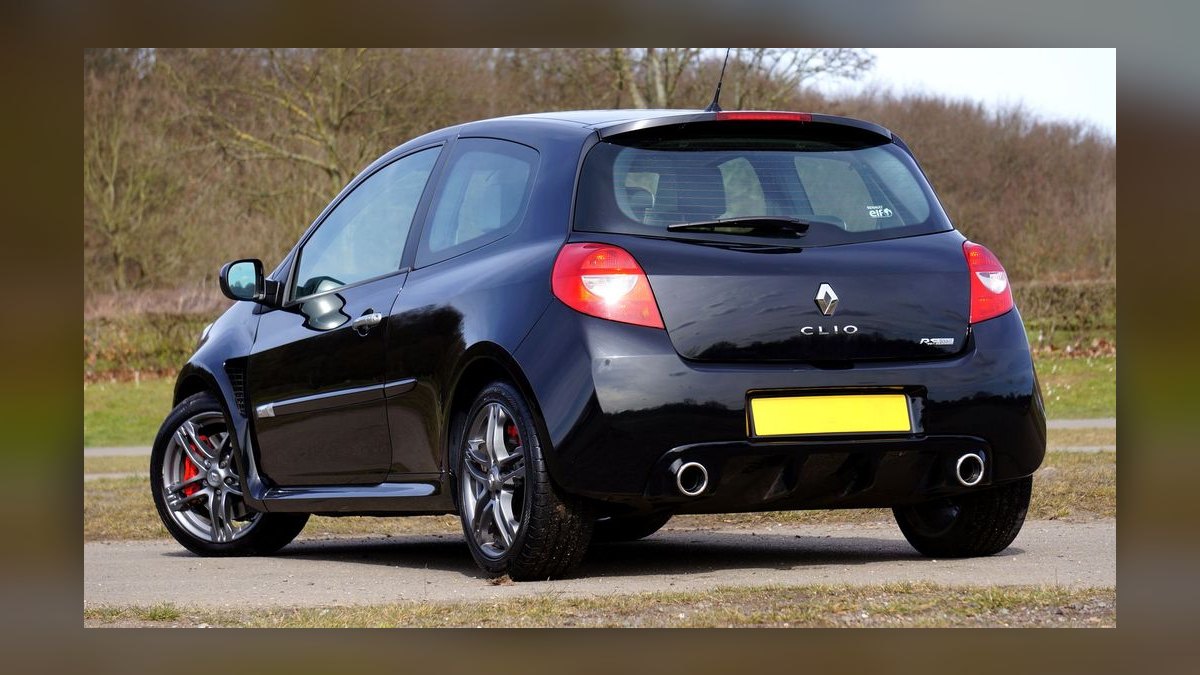
Get a PDR opinion first, always. Even if you think the dent is too severe, a PDR technician's assessment costs little and sometimes saves a refinish. Many mobile technicians will assess from photos, though a good one will want to see the car before committing. Ask directly: "Is this fully PDR-able, partially, or not at all?" A technician who says "partially — here's what will remain" is telling you the truth about your specific dent.
If PDR is out, get two conventional estimates and compare structure, not just totals. A good estimate itemizes: R&I hours, metal labor, refinish labor, materials, blend panels, and any calibration. Two estimates with the same total but different structure are not the same job. The one that includes blending into an adjacent panel and lists a calibration line is usually the more honest document.
Ask the three diagnostic questions. How much filler do you expect to use, and how thick? What do you do to the back side of the repaired area? Do you blend into adjacent panels for color, or stop at the shut line? The answers separate shops faster than any review site.
Inspect properly on collection, before you pay and before you drive away. Wait for daylight if the car is delivered at night — you cannot judge paint under shop fluorescents alone, and you cannot judge it in the rain. Sight down every repaired panel at a low angle from both directions. Check the color match at multiple viewing angles, especially on metallics, since flake mismatch is angle-dependent and often invisible head-on. Look at the panel gaps against the original side of the car. Check for overspray on trim, glass, and tires. Confirm every piece of trim that came off went back on and clips properly. If a sensor-bearing panel was touched, confirm the system is functioning.
Aftercare. Fresh paint continues to cure and outgas for roughly a month. Most shops advise against machine polishing, waxing, or sealing during that window, and against automatic car washes with aggressive brushes. Hand wash gently, avoid parking under trees where sap and droppings can etch soft clear, and skip the ceramic coating until the cure window has passed — a coating applied over uncured clear can trap solvents.
Keep the paperwork. Invoice, photos before and after, warranty terms, and any calibration documentation. On an enthusiast car being sold to an enthusiast buyer, a documented repair with photos reads far better than an undocumented one that a paint gauge finds anyway.
Running this in order costs you an afternoon and typically changes the outcome more than picking a better shop at random would.
Related questions
Can PDR fix a dent with a crease in it?
Partially. A crease means stretched metal, and PDR cannot remove surface area. A skilled technician can substantially improve a creased dent — often to the point where it is invisible in normal light — but a faint line may remain visible under raking light. Ask for an honest before-and-after expectation.
Does a repaired dent hurt resale value?
A properly executed PDR does not, because nothing is refinished and no history-report entry is created. A refinished panel may be detected by a buyer with a paint-depth gauge, which matters more on enthusiast cars. Keep invoices and photos; documented repair reads better than discovered repair.
How long does the paint need to cure before waxing?
Roughly a month is the common guidance, though it depends on the coating system and shop conditions. During that window the film continues outgassing solvent. Hand wash gently, skip machine polishing, sealants, and ceramic coatings, and avoid harsh automatic washes.
Is a bumper dent the same repair as a panel dent?
No. Most bumper covers are thermoplastic, not metal. Plastic has thermal memory and sometimes responds to controlled heat, but it cannot be rod-pushed like sheet metal and its paint needs a flex additive. Confirm the substrate before accepting a metal-repair quote.
Should I claim hail damage on insurance?
Usually yes. Hail is typically a comprehensive claim, the damage volume makes totals large, and the damage profile — many shallow, unstretched dents with intact paint — is exactly what PDR handles best. Verify your own policy terms rather than relying on a shop's summary.
FAQ
How do I tell whether my dent needs PDR or conventional bodywork?
Two tests. First, check paint integrity: run a fingernail over the deepest point and rake a bright light across the area at a low angle. Any catch, crack, or exposure to primer puts you in refinish territory. Second, judge the shape: soft, round, shallow dents in flat panel areas are the classic PDR case, while sharp creases, small deep impacts, and dents crossing a body line indicate stretched metal that PDR can improve but rarely erase completely.
Why does a dent repair quote include so much disassembly time?
Because PDR works from behind the panel. To reach the back of a rear quarter on a five-door hatchback, a technician may need to remove the rear seat cushion, C-pillar trim, cargo-side panel, and sometimes a seat belt anchor. That is real, billable time and it is the honest part of the quote. A quote for a hard-access panel with no remove-and-install line usually means glue-pulling from the outside, which is legitimate but less precise.
Will a repaired dent come back?
A properly repaired one will not. Dents reappear when a shop skims filler over metal that was never straightened — the filler shrinks and thermal cycling works the panel, and the original outline telegraphs back over roughly six to eighteen months. This is invisible on collection day, which is why the questions to ask up front are how much filler will be used and how thick.
Does aluminum change anything?
Substantially. Aluminum work-hardens quickly and has little spring-back, so panels that a technician could reshape easily in steel may not be cold-workable at all. It also requires a separate work area and dedicated tools, because embedded steel particles rust in place on aluminum panels. Hoods are the most commonly aluminum panel; check with a magnet or the parts catalog before assuming PDR is available.
Do I need a sensor recalibration after a body repair?
If the repair touched a panel with a sensor, camera, or radar module behind or in it — bumper covers, rear quarters, hatch, windscreen area, mirrors — then ask. Small changes in a module's mounting angle degrade blind-spot and parking systems without triggering a warning light. Follow the manufacturer's procedure for that specific vehicle; a good shop will list calibration as a line item rather than treating it as optional.
Can I fix a dent myself with a suction cup or glue kit?
Only within a narrow band: large, shallow, round dents in a flat panel area with completely intact paint. Outside that band you risk creating a high spot around the pull point that a professional then has to knock back, which raises the eventual cost. Creases, body-line dents, and anything with damaged paint should go to a technician. Heat-based tricks belong on plastic bumper covers, not steel.
Sources
- https://www.i-car.com/
- https://www.iihs.org/
- https://www.nhtsa.gov/
- https://www.consumerreports.org/cars/
- https://www.rac.co.uk/drive/advice/
- https://www.aa.co.uk/driving-advice/
- https://www.autobodynews.com/
- https://www.thatcham.org/
- https://www.iii.org/article/auto-insurance-basics
- https://www.aluminum.org/
Related on PULSE
- How do you decide between repairing and replacing a body panel?
- What does a modern collision shop actually charge for, line by line?
- How do ADAS sensors change the cost of a simple bumper repair?
- When is an insurance claim worth filing on cosmetic damage?
- How do you inspect a used car for undisclosed bodywork?
- What does paint correction actually fix, and what can't it touch?
 pulse-recentBest Hot Hatchbacks for Track Days (Ranked) in 2027
 pulse-carsTop 10 Performance SUVs 2026 — Best Overall + Best Value
 pulse-carsTop 10 Off-Road SUVs 2022 — Best Overall + Best Value
 pulse-carsBest Used Sports Cars Under $20,000 in 2027 (Ranked)
 pulse-carsBest Used SUVs Under $40,000 in 2027 (Ranked)
 pulse-carsBest Performance EVs in 2027
 pulse-carsBest Lexus NX Model Years (Ranked) in 2027
 pulse-carsBest Used Pickup Trucks Under $35,000 in 2027 (Ranked)
 pulse-carsTop 10 Mid-Size Pickup Trucks 2026 — Best Overall + Best Value
 pulse-carsTop 10 Mid-Size Pickup Trucks 2027 — Best Overall + Best Value