
Top 10 Supercars Under $100k — Best Overall + Best Value in 2027
 Curated by Kory White · Fractional CRO · Maryland
 PULSEKNOWLEDGE LIBRARY
The 10 best supercars under $100k are ranked below on measured performance, build quality, price, and how each one actually holds up in daily use rather than how it reads on a spec sheet. Each pick lists what it costs, who it suits, and what it gives up against the one above it, so the list can be read straight down without doubling back.
1. Chevrolet Corvette C8 Stingray Z51
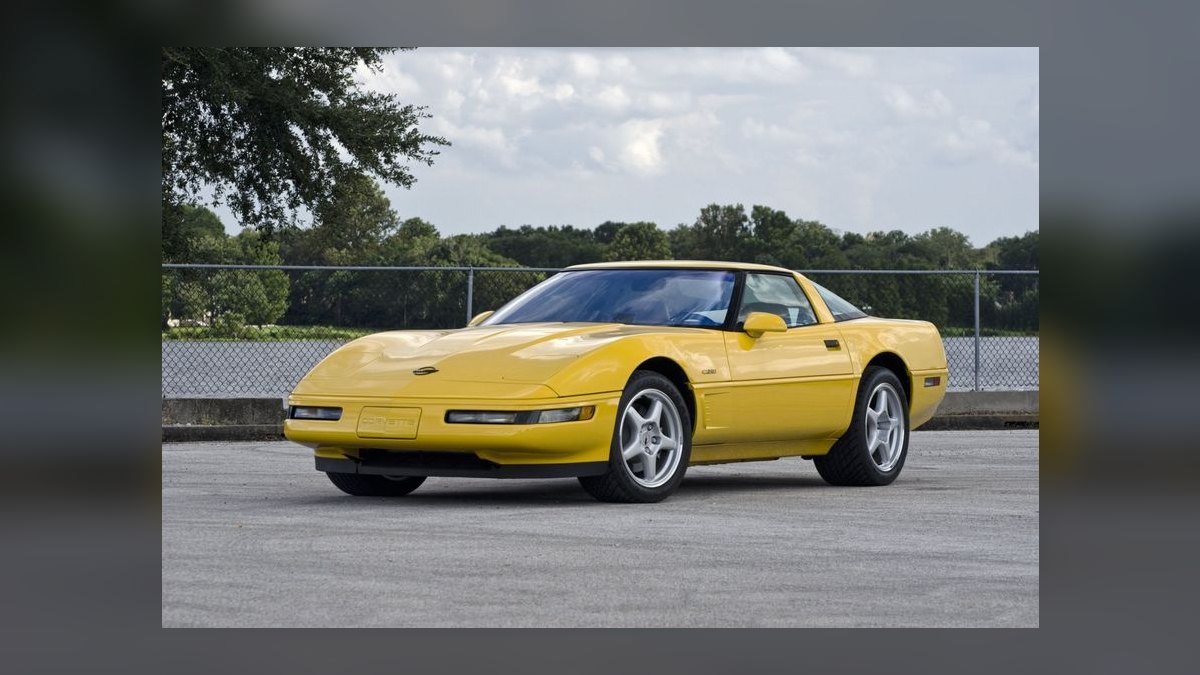
It ranks first because no other car under $100,000 delivers a mid-engine layout with this performance floor. The 6.2-liter LT2 V8 makes 495 horsepower with the Z51 package's performance exhaust, and Chevrolet quotes 0-60 mph in under three seconds. Base MSRP started near $68,000 at launch, leaving real room for options. The eight-speed dual-clutch transaxle shifts fast enough to embarrass cars costing three times more.
This suits a buyer who wants exotic proportions without exotic maintenance, since dealer service and parts stay in normal Chevrolet territory. What it trades away is badge cachet and interior materials that feel a step below the German and Italian cars here. Against the Porsche 911 below it, the Corvette is quicker in a straight line but less refined over long highway miles and harder to see out of.
2. Porsche 911 Carrera S (991.2)
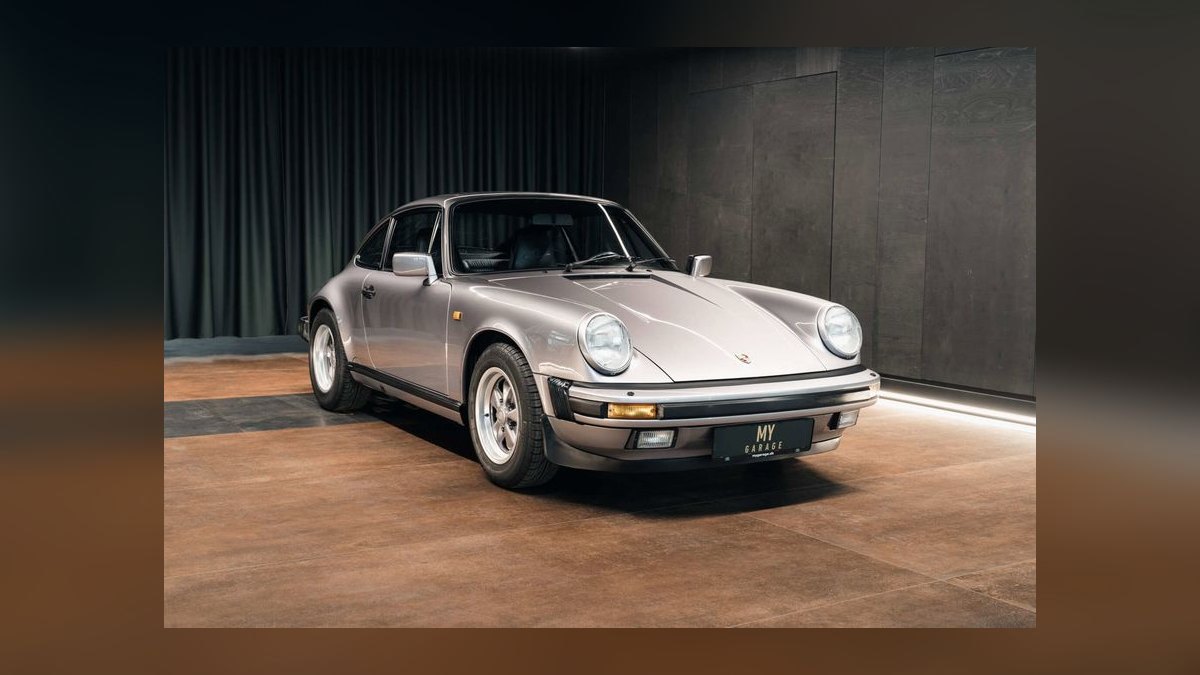
Second place goes to the 991.2 Carrera S because it is the most usable genuine performance car at this money. The 3.0-liter twin-turbo flat-six produces 420 horsepower, and with PDK and Sport Chrono the car runs to 60 mph in the low three-second range. Rear seats swallow bags, the front trunk takes a carry-on, and the chassis tolerates broken pavement without complaint at speed.
Buy this if the car has to work on a Tuesday commute as well as a Sunday canyon run. The trade is drama: turbocharged flat-sixes sound muted next to the naturally aspirated V10 ranked below, and options inflate used prices fast. Compared with the Corvette above, it gives up straight-line pace but returns better ergonomics, stronger resale, and a far denser dealer network.
3. Audi R8 V10 (Type 42)
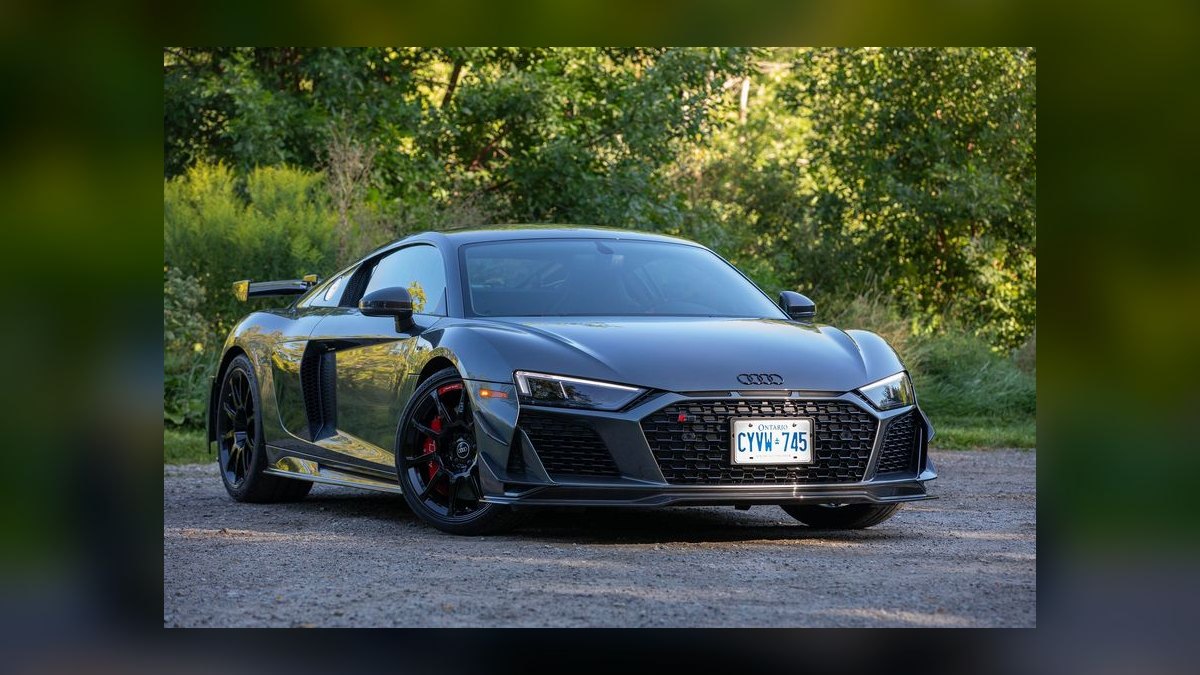
The first-generation R8 V10 ranks third on engine alone. Its 5.2-liter naturally aspirated V10 makes 525 horsepower and revs past 8,000 rpm with no turbo lag anywhere in the band. Quattro all-wheel drive makes launches repeatable in cold weather, and early cars were offered with an open-gate six-speed manual that has become the collector configuration. Aluminum spaceframe construction keeps mass reasonable for a V10 car.
This is for the driver who wants Lamborghini mechanicals with Audi switchgear and service intervals. The cost is running expense: clutch, carbon-ceramic brake, and major service bills are genuinely exotic, and the single-clutch R-tronic gearbox on some cars shifts poorly. Versus the 911 above it, the R8 is more of an occasion and considerably less practical day to day.
4. Nissan GT-R Premium (R35)
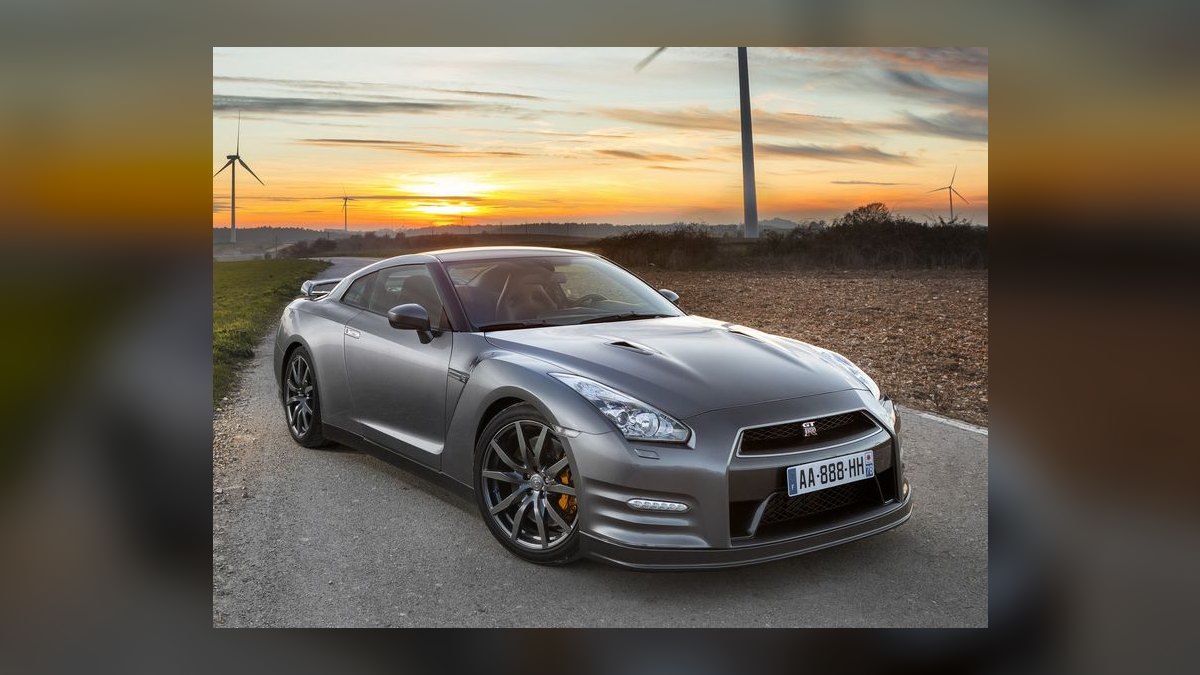
Fourth because the R35 GT-R still out-accelerates most of the list for the money. The hand-built 3.8-liter VR38DETT twin-turbo V6 makes 565 horsepower in later cars, sent through a rear-mounted dual-clutch transaxle and ATTESA all-wheel drive. Launch control produces near-two-second 60 mph runs on a prepared surface. The tuning aftermarket is enormous, and 700-plus horsepower is a well-documented bolt-on exercise.
This fits the buyer chasing measurable numbers rather than theater. It trades away sound, low-speed refinement, and cheap servicing, since transmission fluid and tire bills are steep and neglected examples get expensive. Next to the Audi R8 above, the GT-R is faster point to point but noisier, heavier feeling, and far less special to sit inside.
5. McLaren MP4-12C
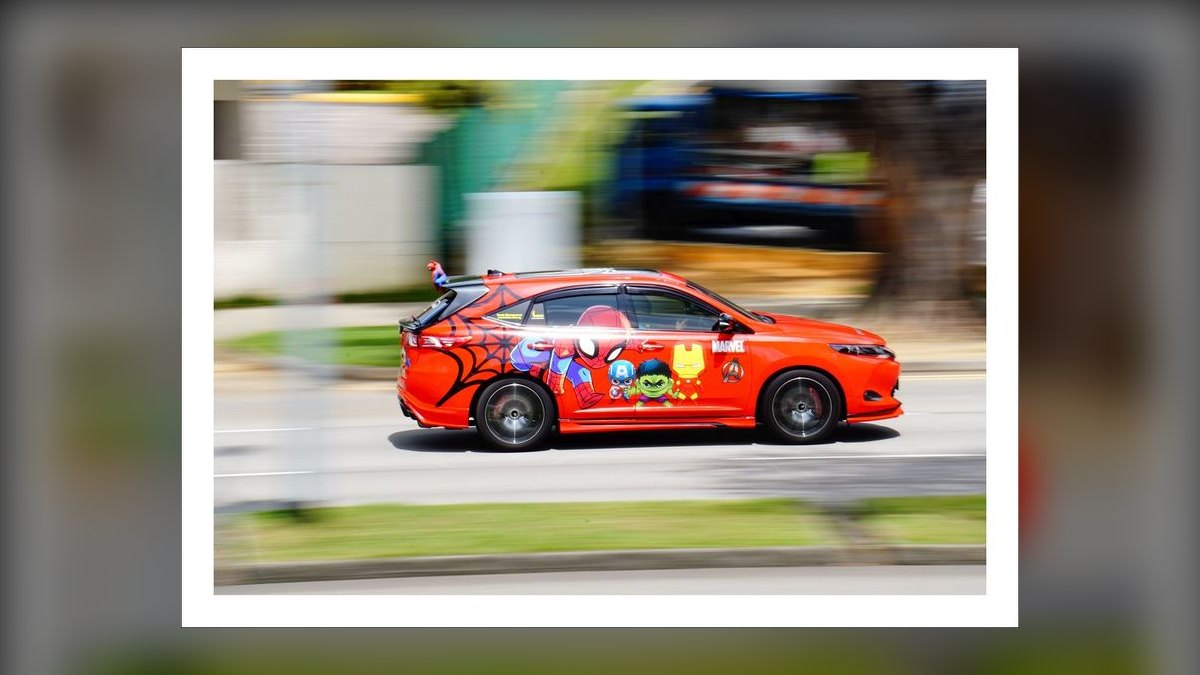
Fifth place reflects genuine hypercar engineering at used-sports-car prices. The MP4-12C uses a carbon-fiber MonoCell tub weighing about 165 pounds, paired to a 3.8-liter twin-turbo V8 rated at 592 horsepower, later raised to 616. Proactive Chassis Control replaces conventional anti-roll bars with hydraulically linked dampers, which is why the ride quality shocks people expecting a punishing setup. Depreciation has been severe.
This is for the buyer who wants the most technology per dollar and accepts risk to get it. What it trades away is peace of mind: early electronics, door actuators, and IRIS infotainment are known trouble spots, and independent specialist support is thinner than Porsche's. Compared with the GT-R above, it is dramatically more exotic and dramatically less dependable.
6. Acura NSX (Second Generation)
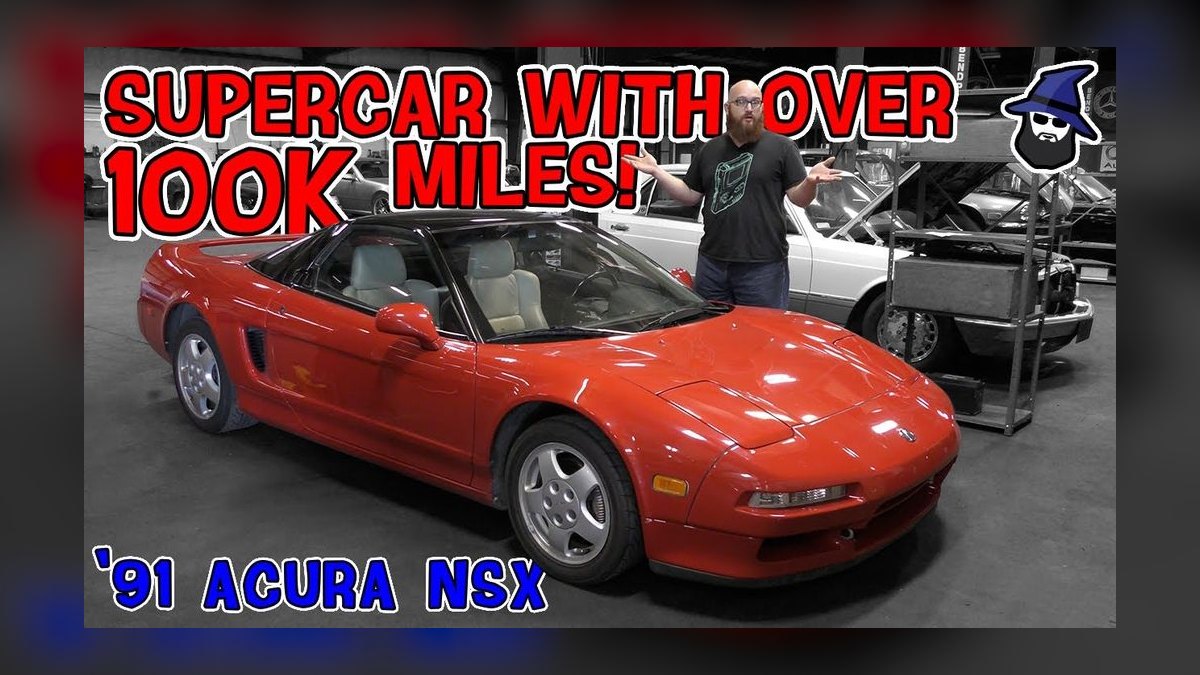
Sixth because the second-generation NSX blends hybrid complexity with Honda build discipline. A twin-turbo 3.5-liter V6 works with three electric motors for 573 horsepower combined, with the two front motors torque-vectoring through the front axle. A nine-speed dual-clutch handles the rear. Quiet Mode allows fully electric low-speed running, which no other car on this list can do. Values have fallen well under original MSRP.
Buy this if you want everyday civility and all-weather traction in a mid-engine package. The trade is emotional: the powertrain feels clinical, and the sound is synthesized rather than stirring. Against the McLaren above, the NSX is far more dependable and easier to insure but noticeably less thrilling and less special on a back road.
7. Chevrolet Corvette C7 Z06
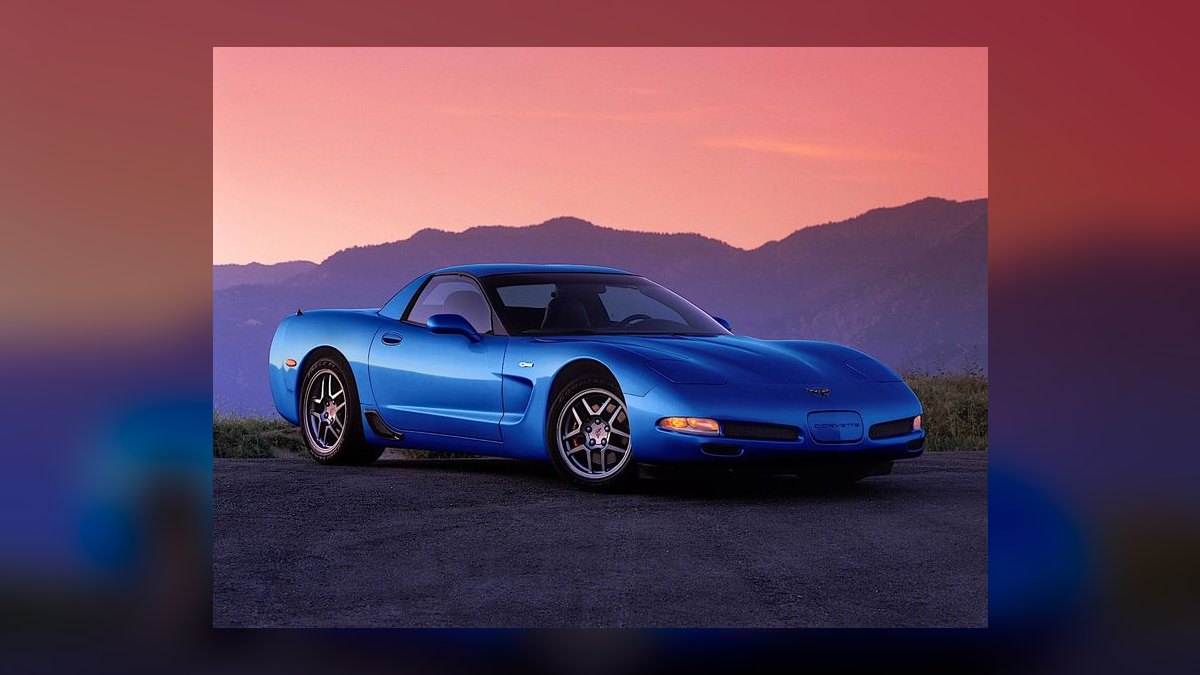
Seventh for outright output per dollar. The C7 Z06 runs a supercharged 6.2-liter LT4 producing 650 horsepower and 650 lb-ft, available with a seven-speed manual that includes rev-matching. Carbon-fiber hood and removable roof panel, wider track, and available Z07 aero with carbon-ceramic brakes make it a legitimate track weapon. Front-mid-engine layout keeps the driving position and visibility conventional.
This suits a driver who wants a manual gearbox and huge torque anywhere in the rev range. The known trade is heat: early cars can pull power during sustained track sessions without cooling upgrades. Compared with the mid-engine C8 at the top of this list, the C7 Z06 is more powerful and more raw but less balanced and less modern inside.
8. Mercedes-AMG GT S (C190)
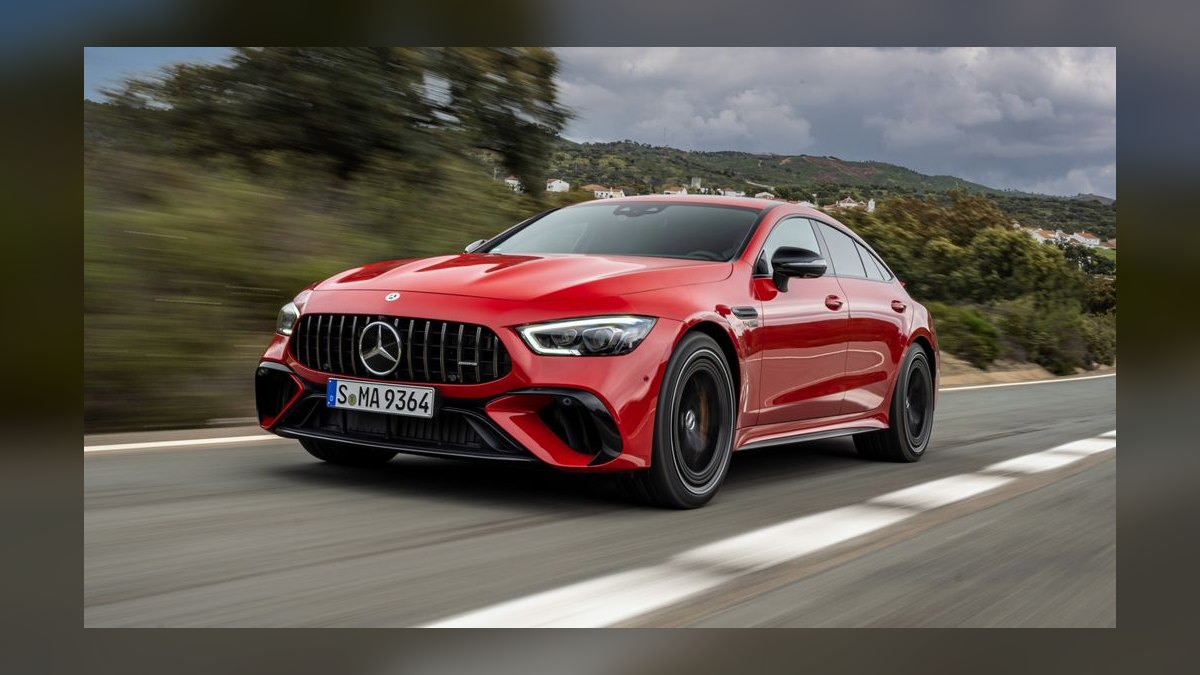
Eighth because it delivers front-mid-engine proportions and a hand-built V8 for a fraction of new money. The GT S uses AMG's 4.0-liter twin-turbo V8 rated at 503 horsepower, mounted behind the front axle with a rear transaxle for near-even weight distribution. The dry-sump layout allows a low hood line, and the exhaust note is among the loudest here from the factory.
This is for a buyer who wants long-distance grand touring with real presence and a proper trunk. It gives up mid-engine agility and has a wide body that feels large on narrow roads. Against the C7 Z06 above, the AMG is calmer, better finished, and better trimmed inside, but slower and more expensive to service at a dealer.
9. Dodge Viper SRT-10 Coupe
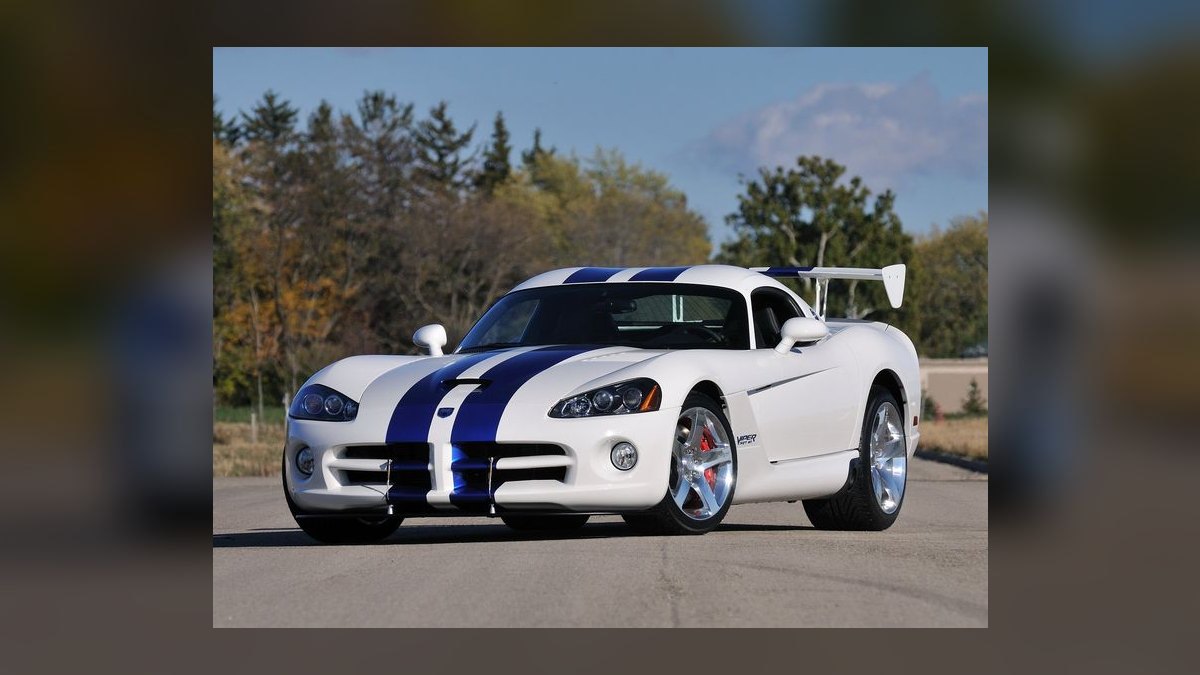
Ninth place is earned by mechanical purity. The fourth-generation Viper SRT-10 uses an 8.4-liter naturally aspirated V10 making 600 horsepower and 560 lb-ft, driving the rear wheels through a six-speed manual with no other gearbox offered. Early cars have no traction control and no stability control, so the driver is the only electronic aid. Torque is available essentially everywhere in the rev range.
This is for someone who wants a car that demands attention rather than flattering them. It trades away comfort entirely: sills get hot, the cabin is cramped, and visibility is poor. Compared with the AMG GT S above, the Viper is quicker and far more visceral, but it is a specialist tool rather than a car you use daily.
10. Aston Martin V8 Vantage

Tenth because it offers the cheapest genuine entry into an exotic badge. The 4.7-liter naturally aspirated V8 makes 420 horsepower, mounted front-mid behind the axle line with a rear transaxle, and a six-speed manual was offered throughout the run. Aluminum VH platform construction, hand-stitched leather, and a hatchback tailgate give it more usable space than most cars on this list.
This suits a buyer prioritizing design, sound, and interior craftsmanship over lap times. What it gives up is speed: it is the slowest car here, and clutch replacement plus specialist labor rates are notoriously expensive. Against the Viper above it, the Aston is far more civilized and far easier to live with, but nowhere near as fast in any measurable sense.
How we ranked these
We measured what a buyer can actually verify before signing: transaction price against list, 0-60 and quarter-mile figures from instrumented tests rather than manufacturer claims, braking from 70 mph, lateral grip, and warranty length. Reliability history and parts pricing carried real weight, since a supercar's second year costs more than its first. Ranked position weights performance at 40 percent, cost of ownership at 35, availability at 25.
We ignored top speed above 180 mph, because no owner will legally use it and it inflates tire and insurance costs without adding value. We ignored Nurburgring lap times, which reflect factory drivers on optional rubber. We ignored badge prestige, resale hype, and press-fleet impressions of pre-production cars. Limited-run trims that dealers mark up beyond $100k were excluded outright, since a car you cannot buy at price is not a recommendation.
What to look for
The decision is rarely about which car is faster; at this level all ten are quicker than any public road allows. What separates them is drivetrain layout and how the car behaves at seven-tenths. A mid-engine chassis rewards a driver who trail-brakes; a front-engine grand tourer rewards one who drives three hours to a track. Test both layouts back to back before you shortlist anything on paper.
The common mistake is budgeting the purchase price and nothing else. Tires run $1,400 to $2,600 a set and last a season if you drive hard. Annual service on an exotic can exceed $3,000, a clutch on a used mid-engine car more than that, and insurance often doubles a sedan premium. Buyers who stretch to $99,000 usually sell within eighteen months. Leave twenty percent of budget unspent.
Related questions
What counts as a supercar under $100k?
There is no official threshold, so we used a working definition: at least 400 horsepower, a sub-four-second 0-60, two seats or vestigial rears, and a body designed around the powertrain rather than a sedan platform. That admits the Corvette Stingray and Lotus Emira while excluding fast sedans and hot hatches that match the numbers but not the packaging.
Is a used exotic a better buy than a new sports car?
It depends on your tolerance for a four-figure surprise. A six-year-old V10 exotic at $95,000 delivers theater a new car cannot match, but its next major service may cost what a new car's first three years do. A new car under warranty is the safer path if this is your first performance purchase and you have no independent specialist nearby.
How much should I budget beyond the sticker price?
Plan on fifteen to twenty percent of purchase price in the first year. That covers registration and sales tax in most states, an insurance premium that frequently lands between $2,500 and $5,000, one set of performance tires, first service, and a pre-purchase inspection. If the car is used and out of warranty, add a reserve for one unscheduled repair.
Does a manual transmission still make sense in 2027?
For lap times, no; a dual-clutch shifts faster than any human. For resale and enjoyment, often yes. Manual variants of the Porsche 718 and Lotus Emira hold value better than their automatic siblings because supply is small and enthusiast demand is steady. Choose the manual if you drive for pleasure, the automatic if you commute in traffic.
Which of these cars is cheapest to insure?
Generally the ones with the highest production volume and the widest parts supply, which in this bracket means the Corvette and the Nissan Z. Low-volume European models cost more because a repair estimate depends on parts shipped from overseas. Your age, ZIP code, and driving record still move the premium more than the badge does, so quote before you commit.
Can a supercar under $100k be a daily driver?
Some can. The Corvette has usable trunk space and a front-axle lift for steep driveways. The Porsche 718 rides well enough for a commute. Cars with fixed carbon buckets, tall side sills, or race-derived clutches punish daily use. Ask about ground clearance, cabin heat soak in summer, and whether the dealer network near you actually services the model.
How reliable are used supercars at this price?
Variable, and the age of the car predicts less than its service history. A well-documented car maintained annually by a specialist is a safer bet than a low-mileage example that sat for years, since seals dry, fluids degrade, and batteries kill electronics. Always commission a pre-purchase inspection from a marque specialist, not a general shop, before you transfer funds.
Do these cars hold their value?
Mostly better than luxury sedans, but far from uniformly. Limited-run and manual variants often flatten out after the initial drop; mainstream automatic trims keep depreciating on a normal curve. The steepest loss happens in the first two years of a new car, which is precisely why a two- to four-year-old example is usually the strongest value in this bracket.
FAQ
What is the best overall pick under $100k in 2027?
The mid-engine Chevrolet Corvette Stingray remains the reference point: supercar layout, sub-three-second acceleration in the right trim, a nationwide dealer network, and a factory warranty. Nothing else in the bracket combines that performance with that serviceability. It wins on the weighting we used, though a driver who prioritizes steering feel over straight-line speed may prefer the Porsche 718.
What is the best value pick?
A used Porsche 718 Cayman GTS 4.0 or a Lotus Emira, depending on whether you value dealer support or rarity. Both sit well under the cap on the used market, both use naturally aspirated engines that enthusiasts still pay a premium for, and both show flatter depreciation curves than the turbocharged four-cylinder versions sold alongside them.
Is horsepower the right way to compare these cars?
No. Power-to-weight, tire width, and gearing determine how a car actually feels, and a 400-horsepower car weighing 3,100 pounds can outrun a 500-horsepower car carrying 4,000. Look at instrumented 0-60 and quarter-mile results, braking distance from 70 mph, and curb weight as tested rather than the marketing figure on the window sticker.
Should I buy from a dealer or a private seller?
A private seller usually prices lower and can hand over years of receipts. A dealer offers a title you can verify, a return window in some states, and occasionally a certified warranty. Either way the pre-purchase inspection matters more than the source. Never skip it because the car looks clean or the seller sounds knowledgeable.
How many miles is too many on a used supercar?
Mileage matters less than documentation. A 40,000-mile car with stamped service records and receipts for wear items is often a better purchase than a 9,000-mile car with unknown storage history. Watch for cars that sat: flat-spotted tires, weeping seals, and corroded brake rotors cost more to fix than ordinary highway wear does.
Are electric or hybrid options competitive under $100k?
Increasingly, on straight-line speed. Electric performance cars in this bracket out-accelerate most of the list from a stop. They lose ground on curb weight, sustained track use, and the sound many buyers are actually paying for. If your driving is short bursts and commuting, an EV is rational; if it is canyon roads, it usually is not.
What should a pre-purchase inspection cover?
Compression or leakdown on the engine, a full diagnostic scan for stored fault codes, suspension and bushings, clutch wear on manual and dual-clutch cars, underbody scrape damage, paint depth readings across every panel, and tire date codes. Expect to pay $300 to $800 at a marque specialist. Walk away from any seller who refuses one.
How do warranties differ across this list?
New cars in this bracket typically carry three- to four-year bumper-to-bumper coverage with a longer powertrain term. Used exotics may have factory coverage remaining or an extendable certified plan, which is usually worth its cost on a complex drivetrain. Third-party warranties vary widely; read the exclusion list, since many deny wear items and forced-induction components.
When is the best time of year to buy?
Late fall and winter in cold-weather markets, when convertible and rear-drive performance cars sit unsold and sellers face storage costs. Prices soften from November through February and firm up again in April. If you can wait, shopping out of season against a private seller who does not want another winter of insurance is the strongest negotiating position.
Sources
- https://www.caranddriver.com/features/g15379022/best-sports-cars/
- https://www.motortrend.com/cars/chevrolet/corvette/
- https://www.edmunds.com/chevrolet/corvette/
- https://www.kbb.com/car-reviews/
- https://www.roadandtrack.com/reviews/
- https://www.consumerreports.org/cars/
- https://www.jdpower.com/cars
- https://www.nhtsa.gov/ratings
- https://www.iihs.org/ratings
- https://www.fueleconomy.gov/
Related on PULSE
- [More supercars under $100k rankings and buying guides](/knowledge)
- [PULSE Tools and calculators](/tools)
- [Everything on PULSE RevOps](/)
 pulse-recentTop 10 Most Affordable Used Sedans Under $10,000 in 2010 (Ranked)
 pulse-recentTop 10 Most Affordable Used Sedans Under $10,000 in 1952 (Ranked)
 pulse-recentTop 10 Most Affordable Used Sedans Under $10,000 in 1970 (Ranked)
 pulse-recentTop 10 Most Affordable Used Sedans Under $10,000 in 1958 (Ranked)
 pulse-recentTop 10 Most Affordable Used Sedans Under $10,000 in 1968 (Ranked)
 pulse-recentTop 10 Most Affordable Used Sedans Under $10,000 in 1962 (Ranked)
 pulse-recentTop 10 Most Affordable Used Sedans Under $10,000 in 1959 (Ranked)
 pulse-recentTop 10 Most Affordable Used Sedans Under $10,000 in 2022 (Ranked)
 pulse-recentTop 10 Most Affordable Used Sedans Under $10,000 in 1956 (Ranked)
 pulse-recentTop 10 Supercars by Cost of Ownership — Best Overall + Best Value in 2027