
How do you coach a rep to run a great discovery call in 2027?
 Curated byKory White · Fractional CRO · Maryland
 PULSEKNOWLEDGE LIBRARY
Quality
Certified

Coach the questions, not the pitch. Watch a recorded call, diagnose whether the gap is skill, will, knowledge, or lead quality, then run one loop: review the tape, rehearse the weak moment, apply it live, measure it. Target the rep listening more than half the call, asking 11+ real questions, and booking a next step.
The outcome you should expect
A discovery coaching program that works produces a specific, observable change in how a call sounds — and you can hear it before any number moves. The rep stops narrating the product in the first six minutes. They ask a question, then stop talking. The buyer starts using phrases like "the real problem is" or "what actually happens is," which is the tell that the conversation crossed from surface facts into consequence. By the end of the call the rep can repeat back the buyer's situation, the problem, the cost of leaving it alone, and who else has to sign off — without checking notes.
That is the deliverable. Not a higher close rate this month, not a cleaner CRM field, but a rep who can walk out of a first conversation holding four things: what the buyer is doing today, what breaks in it, what that breakage costs in hours or dollars, and what happens procedurally between now and a signature. Everything downstream — forecast accuracy, stage hygiene, the quality of the deal review you run on Thursday — is a byproduct of whether those four things get collected on call one.
Be honest about the timeline. For a straightforward skill gap in a rep who wants to improve, you see the first real behavior change inside two to four weeks of weekly tape review plus rehearsal. You see it become a habit — the thing they do without thinking about it — somewhere around 60 to 90 days. Confidence gaps can move faster, sometimes in a single week, because the fix is often just giving a nervous rep permission to sit in silence. Knowledge gaps move slowest, because no questioning technique survives ignorance of the buyer's world; a rep who does not understand how a warehouse manager's day works cannot ask a sharp question about it, and no amount of SPIN drilling changes that.

There is also an outcome you should expect that most managers do not plan for: better discovery makes your pipeline smaller before it makes it better. When reps actually qualify the decision process and the cost of inaction, deals that were surviving on politeness start dying in week two instead of week nine. Your Stage 2 count drops. That is the system working, and if you have not warned your own leadership that it is coming, you will spend a month defending a metric that is improving. This is where RevOps earns its keep — someone has to separate "pipeline shrank because coaching worked" from "pipeline shrank because demand fell," and that separation lives in stage-conversion data, not in anyone's gut.
What drives that outcome
A weak discovery call is a symptom. Four different root causes produce nearly identical tape, and each one needs a different intervention, so the diagnosis has to come before the coaching. Get this wrong and you will run five role-plays against a problem that role-play cannot touch.
Skill gap. The rep is motivated, knows the product, and simply does not know how to question. The signature pattern: one shallow surface question, an answer, then an immediate pivot to features. They are not avoiding discovery; they think they did it. This is the most common cause and the most coachable — a named framework plus rehearsal moves it quickly.
Will or confidence gap. The rep rushes to product because silence makes them physically uncomfortable. They fill air to feel useful. On tape you hear them ask a decent question and then answer it themselves three seconds later. The fix is not another framework — they usually know the framework — it is tolerance for the pause, built through timed drills.

Knowledge gap. The rep cannot ask a sharp second question because they do not understand the buyer's workflow, metrics, or industry vocabulary. They ask the scripted Situation question, the buyer answers with something domain-specific, and the rep has nowhere to go, so they retreat to the deck. Coaching technique here is malpractice; the rep needs persona and industry training first.
System or routing problem. The "bad" discovery calls are unqualified leads that should never have reached a live conversation. The rep runs correct discovery, finds no fit, and the call ends flat. This looks like a coaching failure on a dashboard and is actually a routing, scoring, or pre-call-research failure. Pull five of the rep's worst calls and check the lead source before you conclude anything about the rep.
The way to tell them apart is to listen to one full recording with a single question in mind: did they ask, and did they act on the answer? If they never asked, it is skill or will. If they asked well but ignored what came back, it is listening. If they asked, listened, and still hit a wall, it is knowledge or the lead itself.

There is a fifth driver that sits underneath all four: whether the rep has a method to hang questions on. Reps who improvise discovery plateau, because improvisation cannot be reviewed or repeated. Give them SPIN — Situation, Problem, Implication, Need-payoff — to teach *how to ask*, and MEDDIC or MEDDPICC to define *what they must walk away knowing*: metrics, economic buyer, decision criteria, decision process, identified pain, champion. They are complementary, not competing. SPIN runs the conversation in real time; MEDDIC is the checklist you grade against afterward. Trying to teach both as one thing is how reps end up with a 30-question interrogation script and no conversation at all.
Benchmarks and realistic ranges
Coach to leading indicators. Quota is a lagging result that arrives far too late to fix anything, and a rep who misses in Q3 because of bad discovery in Q1 has already wasted a quarter of your coaching capacity.
Talk-to-listen ratio. The single most-cited discovery benchmark, and the easiest to pull from any call-recording platform. The direction that matters: on a good discovery call the buyer should be talking more than the rep. Somewhere near a 45/55 split in the buyer's favor is a reasonable target to coach toward on a first call — and note that the right ratio inverts later in the cycle, since a demo or a pricing conversation legitimately has the rep talking more. Do not let a rep game this by going silent; a rep who says nothing and lets the buyer ramble for forty minutes has a great ratio and a useless call.
Quality questions per call. Count them by hand for the first month; the manual count is what trains your ear. A struggling rep typically asks three to five questions, most of them logistical ("how many seats," "what's your timeline"). A rep running real discovery lands in the 11 to 14 range, with at least two or three of those being Implication questions that make the cost of inaction concrete. Movement from four to twelve is the clearest single sign coaching is landing.

Longest monologue. Most platforms surface this automatically. A rep talking uninterrupted for more than two minutes on a discovery call is presenting, not discovering. Coach the number down before you coach anything more sophisticated — it is the fastest visible win and it builds the rep's belief that the coaching works.
Discovery-to-next-meeting conversion. Did the call earn its advance? A confirmed next step booked live on the call, with a date and attendees, is the honest test. "I'll send some times" is not a next step. Track the percentage of discovery calls that end with a calendar invite accepted before the rep hangs up.
Time to first qualified opportunity for new reps. This is your ramp read. If it stretches while your training content stays constant, look at lead quality and territory before you look at the rep.

Stage-1-to-Stage-2 conversion and win rate, measured over a full quarter. This is the lagging confirmation, and it is the number to show leadership. Expect it to look worse for four to six weeks while the pipeline purges the deals that were never real, then better. Set that expectation in advance or the program gets killed at week five.
Two cautions on benchmarks. First, they are directional, not universal — a two-week transactional cycle and a nine-month enterprise cycle produce genuinely different call shapes, and importing an enterprise benchmark into an SMB team creates reps who over-interrogate small buyers. Establish your own baseline from your own top performers' calls before you publish a target. Second, the moment a number becomes a comp lever, it becomes a game. Use these to coach, not to rank.
Risks, edge cases, and failure modes
The most common failure is coaching the deal instead of the skill. It feels productive — you get into the Acme opportunity, you fix the messaging, the deal advances. But unless the rep can repeat that move on the next ten deals without you, you bought one quarter and built zero capability. The test is simple: after the 1:1, could the rep run that play alone? If the answer is no, you rescued rather than coached.
Closely related is rescuing on live calls. A manager who jumps in to save a discovery call teaches the rep that the manager will always jump in. Shadow silently, take timestamped notes, debrief after. The only exception is a genuine relationship risk with a named account, and even then debrief the intervention afterward so the rep learns what you saw.

No follow-through kills more programs than bad technique. A brilliant 1:1 with no verification the following week tells the rep coaching is theater. The closing move of every coaching conversation should be a named behavior on a named upcoming call, and you must actually listen to that call. Skipping the loop the first busy week is how reps learn the cadence was never real — and once they learn that, restarting it costs three times what maintaining it would have.
Coaching everyone identically. A confident rep with a listening gap and a nervous rep who pitches early need opposite interventions. Running the same team-wide discovery workshop at both is why workshops feel useless.
Feedback without evidence. "Your discovery felt weak" is an opinion and invites a debate. "At 4:12 the buyer named a broken approval process and you moved to pricing" is a fact and invites a fix. Never coach discovery from memory or from a CRM note — always from the tape.
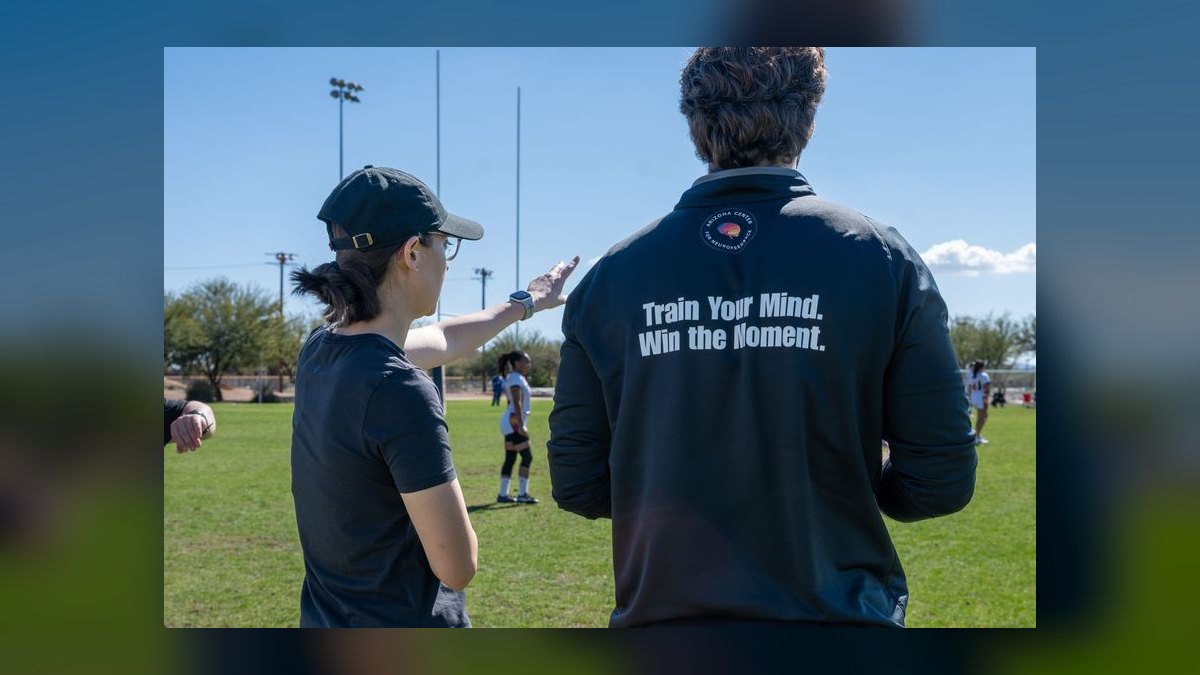
Coaching ten things at once. Reps change one behavior at a time. A 1:1 that produces a list of eight improvements produces zero improvements. Pick the highest-leverage one, verify it next week, then pick the next.
Now the edge cases that do not respond to any of this. Comp and routing problems masquerade as discovery problems. If the comp plan pays on volume of meetings booked, reps will run shallow, fast calls no matter what you coach, because the plan is telling them something louder than you are. If lead routing sends enterprise-shaped leads to an SMB rep, the discovery will be structurally wrong. Both are RevOps fixes, not coaching fixes, and both will burn a quarter of role-plays before anyone admits it.
Recording consent and trust. Coaching off tape requires recording, and recording requires consent that varies by jurisdiction and, in some regions, requires all-party consent. Beyond legality, there is a trust question: a team that believes recordings are for surveillance will perform for the microphone. Say out loud, repeatedly, what the recordings are used for and who can see them, and never surface a call clip in a performance conversation you have not already had privately with the rep.
AI call scoring is a starting point, not a verdict. Automated coaching tools flag talk ratios, monologue length, and missed topics reliably. They are far weaker at judging whether a question actually landed, whether the buyer's tone shifted, or whether the rep's silence was skilled or awkward. Use the automated flags to decide *which* calls to listen to, then listen. A manager who coaches purely from a dashboard score will eventually coach a rep away from a technique that was working.

The wrong-fit case. If a rep has had a fair ramp, repeated coaching, documented rehearsal, and still cannot run discovery, more role-play is not the answer. That is a performance conversation, and delaying it is unfair to the rep and to the territory. Be honest with yourself about when you crossed from coaching into avoidance.
A practical rollout plan
Run the program on a 30/60/90 arc that moves the rep from observed to independent, with a weekly loop underneath it that never changes shape.
Days 1 through 30 — build the standard. Publish the discovery scorecard first; a rep cannot hit a target they have never seen. Keep it to five or six lines: talk-to-listen ratio, count of quality questions, did they surface a quantified problem, did they map the decision process, did they book a live next step. Co-watch two calls a week, one of theirs and one strong reference call so they hear the bar rather than only their own mistakes. The rep submits one self-graded recording weekly. Role-play the opening and the Implication question until both stop sounding recited.

Days 31 through 60 — reps in reps. The rep runs live calls; you shadow one per week and review one asynchronously with timestamped comments. Shift from telling to asking — by day 45 the rep should be self-diagnosing roughly 80% of what you would have flagged. Add a peer pairing with a strong teammate, because reps absorb technique from peers faster than from managers, and it takes review load off you.
Days 61 through 90 — independence with spot checks. The rep self-grades and flags only the calls they want help on. You audit one random call weekly to confirm the standard held when nobody was watching. Coaching content moves up a level, from questioning technique to deal strategy and multi-threading.
Structure the 1:1 itself with GROW — Goal, Reality, Options, Will — so the rep reaches the conclusion instead of receiving it. Open on the destination: "What does a great discovery call look like to you? If the Acme call had gone perfectly, what would the buyer have said by the end?" Then play the moment where they pitched instead of probing, and say nothing. The highest-yield question in the whole session comes next: "What did you assume their problem was, and how did you actually confirm it?" Most reps discover on their own that they never confirmed anything.
For Options, co-write three questions for their next real call rather than handing them a script. Walk the SPIN sequence out loud and let them draft each rung, correcting only the Implication question, which is the one nearly everyone writes too softly. Give a verbatim example so they hear the register: "If this stays the way it is for two more quarters, what does that cost the team — in hours, in revenue, in headcount?" And for decision process: "Walk me through what happens after today — who else weighs in, and what does sign-off actually look like?"
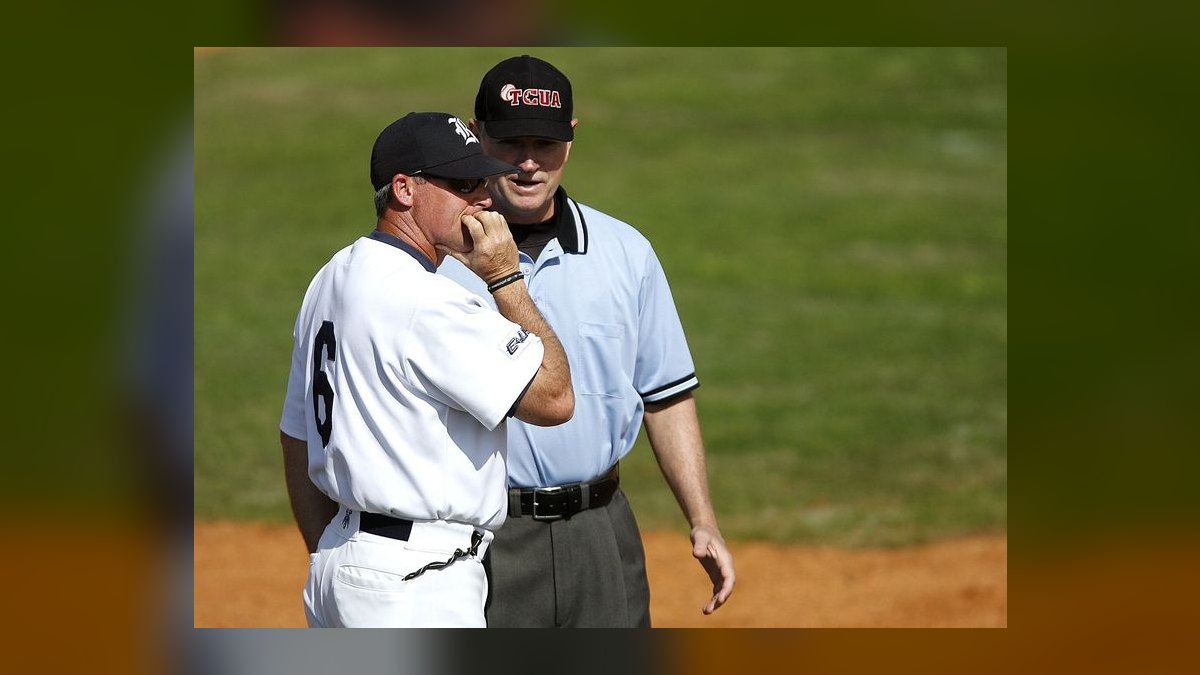
Close on Will with exactly one commitment tied to a named call on the calendar, and tell them you will listen to that recording. Then listen to it.
The drills that make this stick are short and repeatable. The Implication ladder: you play a buyer giving flat answers, and the rep must ask three escalating questions until the cost of inaction surfaces. Silence reps: the rep asks a question and must stay quiet for a full five seconds, timed — discomfort with silence is a learnable tolerance and this is the single fastest fix for early-pitching. The 60-second summary: after a mock call the rep summarizes the buyer's situation, problem, and success metric in under a minute; if they cannot, they ran a survey, not discovery. Trade seats: the rep plays the buyer while you run discovery, which resets the bar faster than any written feedback.
Finally, wire the program into the systems around it or it will decay. Make the scorecard fields the same fields the CRM asks for at stage advance, so filling the CRM is a byproduct of good discovery rather than a separate chore. Have RevOps report Stage 1 to Stage 2 conversion by rep monthly so the coaching investment has a visible return. And run the same loop on yourself: record one of your own discovery calls each quarter and have a peer manager grade it. Nothing buys credibility with a sales team faster than a manager who submits their own tape.
Related questions
How many discovery questions is too many?
Past roughly 15 to 18 questions with no reciprocal value, a call turns into an interrogation and buyers disengage. The fix is trading — after two or three questions, offer an insight or a pattern you have seen at similar companies, then continue. Depth beats count.
Should discovery happen before or during the demo?
Before, always, as a separate conversation when the deal size justifies it. A demo built on unconfirmed assumptions is a product tour. For small, fast-cycle deals a combined call is realistic, but the first 10 to 15 minutes must still be pure discovery with the screen unshared.
Can you coach discovery without a call-recording tool?
Yes, but it is slower and less objective. Live shadowing plus structured post-call debriefs works; you lose the ability to replay a specific moment, which is where most of the insight lives. Manual talk-time notes and a written scorecard get you a usable fraction of the value.
Who owns discovery quality — the manager or RevOps?
The manager owns the coaching; RevOps owns the measurement, the scorecard fields, the routing that determines who the rep talks to, and the stage-conversion reporting that proves whether any of it worked. Discovery quality degrades fast when either side operates alone.
Does this change for renewals and expansion calls?
The structure holds, but the questions shift from discovering a problem to discovering a change — new stakeholders, new initiatives, shifted metrics. Account managers often skip discovery entirely on the assumption they already know the account, which is how quiet churn happens.
FAQ
How long does it take to coach a rep into good discovery? For a coachable skill gap, expect visible behavior change in two to four weeks of weekly call review plus rehearsal, and a durable habit around 60 to 90 days. Confidence gaps often move faster once the rep gets comfortable with silence. Knowledge gaps take longest, because the rep must absorb the buyer's domain before any questioning technique becomes useful.
What is the single best metric to watch? Quality questions per call, paired with talk-to-listen ratio. Together they show whether the rep is genuinely probing or waiting for a gap to pitch into. Either one alone is gameable — a silent rep scores well on ratio, and a rapid-fire rep scores well on count. Read them as a pair, on the same call.
Should I use SPIN or MEDDIC for discovery coaching? Both, for different jobs. SPIN teaches how to ask: Situation, Problem, Implication, Need-payoff is a live questioning sequence. MEDDIC or MEDDPICC defines what you must walk away knowing — metrics, economic buyer, decision criteria, decision process, pain, champion. SPIN runs the conversation; MEDDIC is the checklist you grade the recording against afterward.
How do I coach discovery without sitting on every call? Coach off recordings. Review asynchronously, leave timestamped comments, and require the rep to self-grade against the scorecard before your 1:1 — their self-grade is often more useful than your notes, because it reveals what they can and cannot yet see. Save live shadowing for ramp and periodic spot checks.
What if the rep keeps pitching early even after coaching? Treat it as a confidence problem before a technique problem. Run timed silence drills and self-summary reps, and check whether they rehearse well but revert under live pressure — that pattern is mindset, not knowledge. If it never moves across a fair period with documented rehearsal, consider honestly whether a discovery-led role fits them.
How do we prove discovery coaching actually paid off? Track Stage 1 to Stage 2 conversion and first-call-to-next-meeting rate by rep, month over month, and expect both to dip for four to six weeks as unreal deals exit the pipeline. Pair that with a qualitative read: pull a rep's call from week one and week twelve and listen back to back. The difference is usually obvious.
Sources
- Gong Labs — Discovery Call Questions and What Works
- RAIN Group — Sales Discovery Questions and Process
- MEDDIC Academy — The MEDDIC Sales Methodology
- Harvard Business Review — The Right Way to Hold People Accountable
- Sandler — Sales Coaching Resources
- Winning by Design — SPICED Framework
- Harvard Business Review — What Great Listeners Actually Do
- Salesforce — Sales Coaching Guide
Related on PULSE
- How do you coach reps to run a great executive presentation?
- How do you coach a rep with great results but low activity?
- How do you coach a rep who's great at demos but can't close?
- How do you run a weekly 1:1 that actually improves rep performance?
- How do you run effective virtual role-play with remote reps?
- How do you run a weekly forecast call without it taking two hours?
This page will be disappearing soon. Save it to your device for $1 — or read it free while it is here.
@Kory-White- · if Venmo asks, the last 4 of my number are 2012
This page is gone.
This one is off the shelf now. $1 keeps it on your phone for good — the whole page, pictures and diagrams included.
 sales-coachingHow do you coach a rep to shorten their sales cycle in 2026?
 sales-coachingHow do you coach a partner manager to drive sourced pipeline in 2027?
 sales-coachingHow do you coach reps to remove dead deals from the pipeline in 2026?
 sales-coachingHow do you balance coaching and accountability in a 1:1 in 2027?
 sales-coachingHow do you coach an SMB rep to move fast without cutting corners in 2027?
 sales-coachingHow do you build a repeatable sales coaching framework in 2027?
 sales-coachingHow do you coach reps on their talk-to-listen ratio in 2026?
 sales-coachingHow do you coach reps to handle questions during a demo in 2026?
 sales-coachingHow do you run a sales 1:1 that's coaching, not a status update in 2027?
 sales-coachingHow do you coach a rep to control the room in a group demo in 2026?