
How do you run effective virtual role-play with remote reps in 2027?
 Curated byKory White · Fractional CRO · Maryland
 PULSEKNOWLEDGE LIBRARY
Quality
Certified

Run effective virtual role-play the way you'd run a live deal: small, frequent, recorded, and scenario-specific. Replace the quarterly all-hands "watch one rep sweat" session with weekly 20-minute Zoom breakout reps, where two remote reps practice a named scenario while a third scores against a one-page rubric, debriefed immediately using the GROW model. The manager's job is to design the scenario and hold the standard — not to perform.
What it is and why it matters
Virtual role-play is structured, simulated practice of a real sales conversation — an objection, a discovery call, a multi-threaded buying committee — run over video with remote reps instead of in a conference room. It matters because skill decay is invisible until it shows up as a lost deal, and remote teams lose the informal repetition that used to happen organically: overhearing a teammate's call, grabbing a manager between meetings, practicing a pitch at someone's desk before a big demo. None of that happens by accident on a distributed team, so it has to be engineered.
For a RevOps function, role-play is not a soft-skills nicety — it's a lever on pipeline velocity and win rate that sits upstream of every number on the forecast. A rep who fumbles a price objection on a live call doesn't just lose that deal; they generate a bad data point that pollutes stage-conversion metrics and makes the whole funnel look less healthy than the product and market actually support. Coaching remote reps through deliberate, recorded practice is one of the few interventions that moves the leading indicators — talk-time ratio, discovery question count, objection recovery rate — before they show up as lagging revenue damage. That's why role-play increasingly sits inside the RevOps coaching stack next to conversation intelligence tools like Gong and Chorus, rather than being treated as a stand-alone training exercise owned solely by frontline sales management.

The remote format changes the mechanics, not the principle. In person, proximity does a lot of the psychological-safety work for you — reps warm up walking to a conference room together, and the manager can read body language in real time. Over video, that scaffolding disappears, and unless you deliberately rebuild it with breakout rooms, small groups, and a clear rubric, virtual role-play collapses into eight people in one big Zoom room, one person performing, seven people multitasking with their camera off. The goal of an effective virtual practice program is to reconstruct the safety and repetition that used to happen for free, using tools built for a distributed team: breakout rooms for live pairs, AI role-play partners for solo reps between sessions, and recording for asynchronous review across time zones.
The step-by-step process
Effective virtual role-play follows a repeatable loop rather than a one-off event. Each cycle starts from real behavior, isolates a single skill, and closes by checking whether that skill actually showed up on the next live call — otherwise you're just running theater on a schedule.

Start by observing a real recorded call in a conversation-intelligence platform such as Gong or Chorus and picking the exact moment where a rep struggled — a stalled discovery question, a fumbled pricing pushback, a security-review objection that went unanswered. Diagnose whether the gap is skill, will, knowledge, or a broken system before you design anything: a rep who doesn't know the answer needs enablement content, not a role-play rep; a rep who is afraid of being embarrassed in front of peers needs a smaller, safer format, not more repetition. Once you've confirmed it's a skill gap that deliberate practice can close, build a scenario and a one-page rubric — three to five criteria scored 0–3, such as "labeled the emotion," "quantified the impact," and "secured a concrete next step." Run a 20-minute team session in Zoom breakout rooms: pairs of two reps plus an optional observer, 10–12 minutes per scene, roles rotating so the person playing the buyer also learns from feeling the friction of their own objections. Debrief in the room within 90 seconds of the scene ending, using the GROW model — Goal, Reality, Options, Will — so the rep does the thinking instead of getting a lecture. Between live sessions, assign two or three solo reps on an AI role-play platform like Hyperbound or Second Nature so practice volume doesn't depend on a manager's calendar. Finally, go back to the recorded live calls a week or two later and check whether the coached behavior actually transferred — if it didn't, the scenario was too easy, too generic, or disconnected from the rep's real pipeline, and the loop restarts from observation.
The loop only works if it closes. Teams that treat role-play as a calendar obligation run the top half of this diagram and never check the bottom — they never go back to the recorded calls to confirm the skill actually moved. Teams that get real lift from remote practice are disciplined about the last two steps: they measure, and they feed what they find back into the next scenario design.

Costs, timelines, and typical ranges
Effective virtual role-play is cheap in dollars and expensive in discipline. The direct tooling cost is usually modest: video conferencing most teams already have (Zoom, with breakout rooms enabled on the plan), a conversation-intelligence platform many revenue orgs already run for call recording and coaching (Gong or Chorus), and an optional AI role-play subscription (Hyperbound or Second Nature) priced per seat, which mid-market teams typically treat as an incremental add to an existing sales-enablement budget rather than a new line item requiring separate procurement.
Time is the real cost, and it should be budgeted like a recurring calendar commitment, not an occasional workshop. A sustainable cadence runs 20 minutes per rep per week for the live session, plus 10–15 minutes of solo AI drilling two to three times a week outside that slot. For a team of eight reps, that's roughly two to three hours of manager time weekly if sessions are run in parallel breakout groups with the manager floating between rooms, rather than one hour per individual rep — the group format is what makes the time cost sustainable at scale.

Ramp follows a 30/60/90 arc. In the first 30 days, keep scenarios simple and singular — one core motion per week, such as discovery, then objection handling, then multi-threading — so reps build confidence in the format itself before the content gets harder. In days 31–60, raise the difficulty: introduce a buying-committee scenario where the rep has to handle a champion, a skeptical CFO, and a silent technical evaluator at once, and start layering in real recorded calls from Gong or Chorus so the practice scenarios map to the deals actually in the pipeline. By days 61–90, the goal is a self-sustaining practice culture where reps run scenarios on each other and self-score, with the manager spot-checking recordings rather than sitting in every room — at that point the manager's weekly time cost typically drops by roughly a third to a half compared to the first 30 days, even as total repetitions across the team go up because AI-assisted solo practice is absorbing the volume.
Expect measurable behavior change on live calls within two to four weeks of consistent weekly practice on a single skill — faster than that and the scenario was probably too easy; slower, and either the skill gap was misdiagnosed or the sessions aren't frequent enough to compound. Ramp-time improvements for new hires tend to show up over a full quarter, since ramp is a lagging composite of many small skills rather than one coached behavior.

Where teams get it wrong
The single most common failure is running virtual role-play in one large Zoom main room instead of breakouts. Eight reps watch one person perform while seven multitask with their camera off; nobody gets real repetition, and the one rep who did perform got no more value than they would have from a scripted read-through. Breakouts, pairs, and rotation aren't a nice-to-have on remote teams — without them, the format degenerates into theater.
Skipping the camera, the rubric, and the recording removes the parts of role-play that actually make it work. Camera-off practice is reading lines off a script, not rehearsing tone, pacing, and body language under pressure. No rubric means peer scoring is just a vague "good job," which gives the rep nothing specific to fix. No recording means the rep never gets to watch their own delivery, which is consistently the most persuasive feedback a coach can offer — more persuasive than anything a manager says out loud.

Coaching too many things in a single session overwhelms remote reps in a way it doesn't in person, because there's no body language cue to signal "that's enough for today." Piling six pieces of feedback onto a 12-minute scene buries the one change that would have actually moved the needle. Coach exactly one skill per session and let everything else go, even when you notice other things worth fixing.
Rescuing the rep mid-scene is a habit managers bring over from live coaching, and it's more tempting on video because the silence of a stumbling rep feels louder over a laggy connection. Jumping in to demonstrate "how it's done" robs the rep of the exact struggle that makes the rep useful. Stay in character until the scene ends, then coach in the debrief — and if the rep truly bombs it, re-run just the last 60–90 seconds rather than the whole call, since repetition on the specific micro-moment beats starting over from the top.
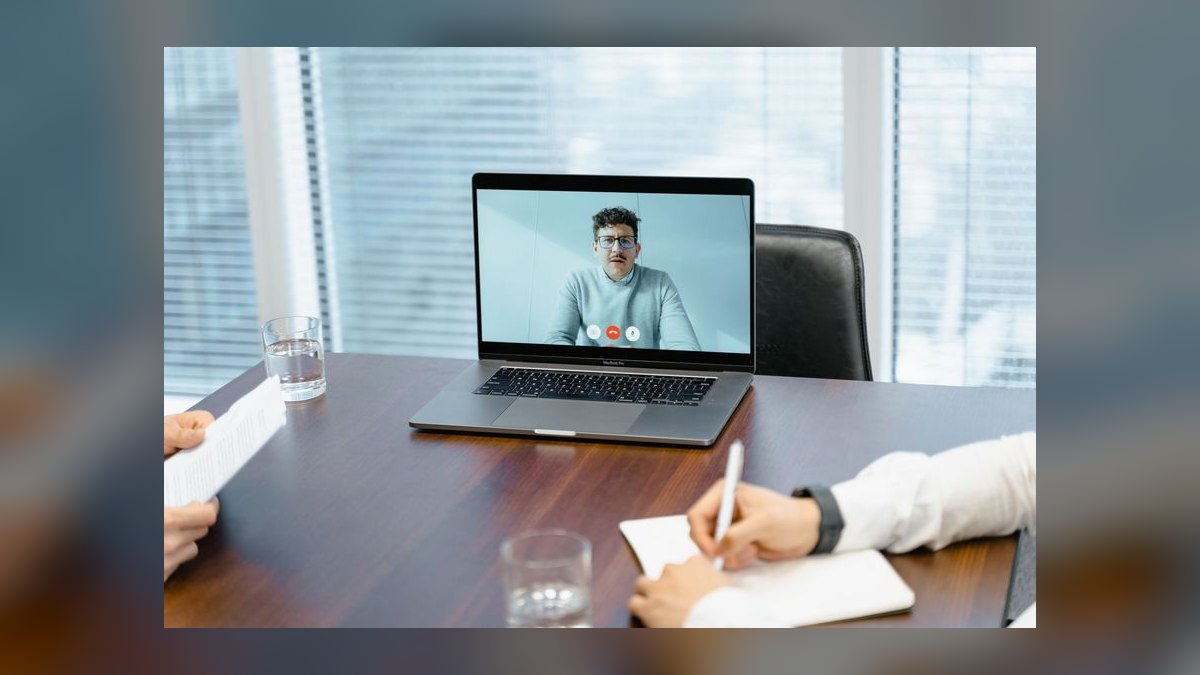
Making role-play punitive is the fastest way to kill a remote practice program, because unlike an in-person room, a remote rep can simply stop turning their camera on and there's no social pressure stopping them. If a rep's first experience of virtual role-play is public failure with no safety net, they will quietly disengage — muting notifications, "having connectivity issues," or turning in low-effort async recordings. Lead every debrief with what worked before addressing what didn't, and route reps who are visibly anxious toward private AI practice or one-on-one sessions with a peer before putting them in a group breakout.
Finally, teams lose the entire point of the exercise when role-play never connects back to a live call. Practice that stays abstract — generic objections with no tie to this week's actual deals — evaporates by the following Monday. Every debrief should end with a specific commitment tied to a named account or call happening in the next few days, so the rep and the manager both know exactly where to look for proof the practice transferred.

Decision framework: when to choose what
Not every coaching moment calls for the same format, and matching the format to the situation is what separates an effective virtual role-play program from a generic one. The core decision tree runs on two questions: is the barrier psychological safety or raw repetition volume, and does the skill gap require a manager's judgment or can a rep self-serve against a scripted AI opponent?
When the diagnosis is a safety problem — a rep who goes quiet, avoids volunteering, or performs noticeably worse in front of peers than they do one-on-one — move them out of the group entirely. Start with private, low-stakes formats: a solo AI role-play session with Hyperbound or Second Nature where no human is watching, or an async recorded rep submitted via Loom that the manager reviews and comments on later. Only bring the rep into a live breakout pair once they've built some confidence in private.
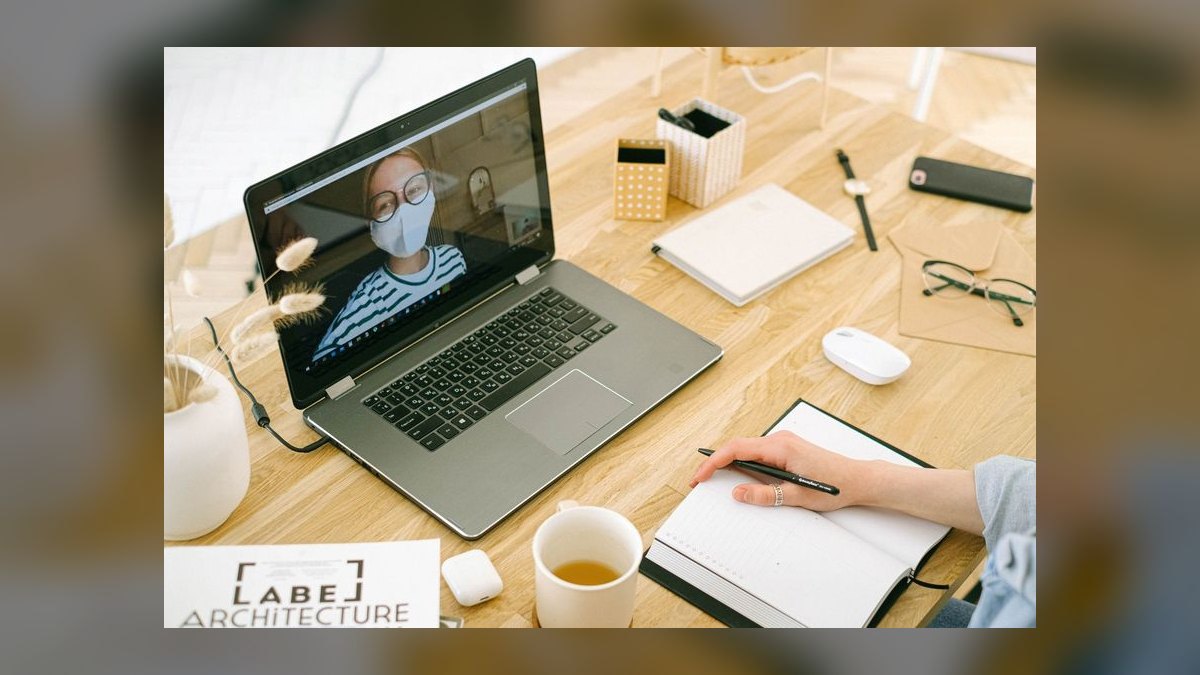
When the diagnosis is pure repetition volume — the rep understands the skill conceptually but hasn't drilled it enough to make it automatic — AI role-play is the right tool, because it can run the same scenario ten times in a row at 6am or 9pm without a human's schedule as the bottleneck. Reserve live, human-run sessions for scenarios that require reading real psychology: a buying-committee simulation with multiple personalities in the room, a genuinely adversarial CFO objection, or any scene where the "buyer's" improvisation needs to adapt to the rep's specific answers in ways a scripted AI opponent can't yet match.
Use this framework at the team level too, not just per rep. Early in a ramp cycle, when most new hires are still building basic confidence, weight the mix toward private AI practice and small pairs. As the team matures, shift the mix toward live buying-committee scenarios and real-call replays from Gong or Chorus, since those formats demand the improvisational judgment that only a human coach can currently supply.

Related questions
How long should a virtual role-play session be?
Twenty minutes for a team session works best: one 10–12 minute scene per rep plus a fast debrief. Remote attention drops quickly, so weekly 20-minute reps beat a 90-minute monthly marathon — supplement with solo AI drills between sessions for extra volume.
How do I get remote reps to keep cameras on and participate?
Make it small and safe first. Move from the main room to breakout pairs, score on skill rather than personality, and let anxious reps start with private async or AI-assisted practice before joining live group sessions.
Should virtual role-plays be recorded?
Yes, almost always. Recording via Zoom, Gong, or Chorus lets the rep watch their own delivery, which is more persuasive than any verbal feedback, and lets the manager debrief the exact moment that mattered — just set the recording norm clearly upfront so it builds trust instead of anxiety.
How do I run role-play fairly across multiple time zones?
Lean on asynchronous formats: recorded solo reps and AI drills that reps complete on their own schedule, paired with one live synchronous session at a time that rotates the inconvenience fairly across the team rather than always favoring one region.
FAQ
How often should remote reps practice virtual role-play? Weekly is the baseline cadence for live sessions, supplemented by two to three solo AI drills between sessions. Frequency beats duration — a short, consistent weekly habit produces more durable skill change than an occasional long workshop, because the rep gets to apply feedback on a live call before the lesson fades.
Are AI role-play tools like Hyperbound and Second Nature good enough to replace manager-led practice? No — they add volume, not judgment. AI partners are excellent for high-repetition drilling of openers and common objections on the rep's own schedule, with instant, consistent scoring. The manager still owns scenario design, reads the rep's real psychology, and coaches the thinking behind the words, so keep live sessions for the moments that need human improvisation.
What size group works best for virtual role-play? Pairs of two, with an optional third as an observer/scorer, run inside Zoom breakout rooms. Groups larger than three collapse back into the "one performer, everyone else multitasking" failure mode that kills remote engagement — keep the live unit small even if the overall team session includes many parallel breakout groups.
What's the single biggest reason remote role-play fails? Running it in one big main room instead of breakouts. It turns practice into a performance for an audience, which triggers the exact psychological-safety problem — fear of embarrassment in front of peers — that keeps reps from engaging honestly with the exercise in the first place.
How do you measure whether virtual role-play is actually working? Track leading indicators, not attendance. Watch whether the specific coached behavior shows up on real recorded calls within two weeks, whether objection-handling win rate improves for the objection you drilled, and whether new-hire ramp time shortens. If role-play scores rise but live-call behavior doesn't move, the scenarios are too easy or too disconnected from real deals.
What if a rep refuses to participate in role-play? First rule out a safety problem by making the format smaller, private, and lower-stakes. If the rep still refuses once it's genuinely safe, that's a will issue, not a format issue — name it directly as part of the job and move it into an accountability conversation rather than continuing to redesign the exercise around the refusal.
Sources
- Gong Labs — Sales Coaching Research
- RAIN Group — Sales Coaching Techniques
- Harvard Business Review — The Right Way to Coach Salespeople
- Sales Hacker — How to Run Sales Role-Play
- Second Nature — AI Sales Role-Play
- Hyperbound — AI Roleplay for Sales Reps
- Sandler Training — Sales Coaching Resources
- Winning by Design — Sales Coaching Framework
Related on PULSE
- What is the single most effective question to ask a salesperson who is consistently missing quota?
- What coaching question helps a salesperson identify their most effective closing technique for different buyer types?
- What is the most effective question to determine if a rep is relying too heavily on discounts to close deals?
- What is the most effective question to ask after a discovery call to evaluate qualification quality?
- What are the most effective open-ended questions to ask a struggling sales rep during a coaching session?
- How do you run a role-play session reps don't hate?
This page will be disappearing soon. Save it to your device for $1 — or read it free while it is here.
@Kory-White- · if Venmo asks, the last 4 of my number are 2012
This page is gone.
This one is off the shelf now. $1 keeps it on your phone for good — the whole page, pictures and diagrams included.
 sales-coachingHow do you coach reps to leave voicemails that get callbacks in 2027?
 sales-coachingHow do you coach reps to increase average deal size in 2026?
 sales-coachingHow do you coach a rep to re-engage a ghosting prospect in 2027?
 sales-coachingHow do you spot a struggling remote rep before it's too late in 2026?
 sales-coachingHow do you coach a rep to get a firm commitment to next steps in 2027?
 sales-coachingHow do you coach reps to surface hidden objections in 2026?
 sales-coachingHow do you measure the ROI of sales coaching in 2027?
 sales-coachingHow do you coach a rep who argues with every piece of feedback in 2027?
 sales-coachingHow do you coach reps to build a mutual action plan with buyers in 2026?
 sales-coachingHow do you coach a rep who's great at demos but can't close in 2026?