

How much should you budget for dining out in 2027?

Most households should budget roughly 4–6% of take-home pay for dining out, which is about $180–$450 a month for a single person and $350–$800 for a family of four in 2027. Build the number from your actual outing count times a realistic per-visit average — not from a percentage you hope holds.
The Thursday problem: where dining budgets actually break
Picture a two-income household that sits down in January and writes "$400/month, dining out" into a spreadsheet. They're not reckless people. They cook four or five nights a week, they pack lunches most days, and $400 feels generous — that's a nice dinner out every other week plus some coffee.
By the end of March they've averaged $690. Nobody had a blowout month. Nobody ordered a $200 tasting menu. What happened is what happens to nearly every dining budget: the number was built as a *ceiling they hoped to respect* rather than a *sum of transactions they were actually going to make*.
Reconstruct their March and the shape becomes obvious. Two real dinners out — $78 and $112 with tip. That's the part they budgeted for. Then: four weekday lunches bought because a meeting ran long ($14–$19 each). Three delivery orders on nights when the plan collapsed — a sick kid, a late work call, a grocery run that didn't happen — averaging $52 with fees, service charge, and driver tip. Coffee on eleven mornings at $6.25. A $34 pizza during a Saturday soccer tournament. Two $9 airport-adjacent sandwiches on a day trip. Drinks with a friend, $41.
The two dinners they planned for came to $190. Everything else — the food they bought while *not deciding to eat out* — came to $500. That's the Thursday problem: the budget covers the occasions you look forward to, while the spend is dominated by the occasions you fall into.

This matters more in 2027 than it did five years ago, for a structural reason. Delivery platforms, mobile order-ahead, and in-app payment removed nearly all the friction from the fall-into category. There is no moment where you hold cash, see a total, and reconsider. The delivery order that appears on your card at $52 was a $34 menu subtotal plus a delivery fee, a service fee that scales with the order, an inflated in-app menu price, and a tip. You experienced deciding to spend $34.
So the first move in setting a 2027 dining budget isn't picking a number. It's pulling ninety days of card and bank transactions, tagging every food-away-from-home line, and separating them into two buckets: occasions (you chose the restaurant, you looked forward to it) and defaults (you bought food because the alternative had collapsed). Almost everyone finds defaults running 50–70% of their total, and almost everyone has been budgeting as if occasions were the whole story. Adjacent categories bleed in here too — the office cafeteria, the ballpark, the hotel breakfast on a work trip you weren't reimbursed for, the "just grabbing something" at the airport. If it's food you didn't prepare, it belongs in the count, even when it doesn't feel like *dining out*.
How the mechanism actually works
A dining budget behaves like a queue with two independent arrival streams, and treating it as one number is what causes the miss. Occasions arrive because you scheduled them. Defaults arrive because something upstream failed — the grocery trip, the meal plan, the calendar, the energy level at 6:40pm on a Tuesday. You can lower occasion spend by choosing cheaper restaurants. You cannot lower default spend that way at all, because the default stream isn't responding to price; it's responding to whether dinner exists.
That distinction changes what a control lever even is. Cutting your per-dinner budget from $110 to $80 addresses maybe a third of your spend. Making sure there's a 15-minute meal in the freezer on the three highest-risk weeknights addresses the other two-thirds, and it never feels like deprivation because you weren't looking forward to that delivery order anyway.

Build the number from the bottom up. For each stream, estimate count times average, then add them:
Occasions. Decide how many per month you actually want. Two dinners out and one casual lunch is a common, sustainable rhythm. Price them at realistic 2027 totals *including tax and tip* — a mid-tier sit-down dinner for two runs roughly $80–$120 in most metros, more like $60–$90 in lower-cost areas, and $130–$180 in high-cost coastal cities. A casual lunch out for two is $30–$45. So a two-dinner, one-lunch month is roughly $190–$285 for a couple in a mid-cost market.
Defaults. This is the number you measure rather than choose, at least in month one. Count the last three months of default purchases and take the average. Then set a target that's 30–40% below it, and — critically — pair the target with the specific upstream fix. "Cut delivery to twice a month" fails. "Two freezer meals plus a Sunday grocery order that includes Thursday" works, because it removes the condition that generates the order.

The sum is your budget. If it's uncomfortably high, that's information: it means your current life generates more food-away-from-home than your income supports, and the fix is structural, not motivational.
One more mechanical point that gets missed. Dining out and groceries are communicating vessels, not independent lines. Households that slash dining without raising the grocery line by 40–60% of the cut simply drift back, because the food has to come from somewhere. If you're cutting $250/month of dining, expect $100–$150 of that to reappear as groceries. Budget the net, not the gross, or you'll declare failure on a plan that's actually working.
Real numbers, ranges, and benchmarks
Start with the anchor that survives every income level: food away from home typically runs 4–6% of take-home pay for a household that's paying attention, and 8–12% for one that isn't. That spread — roughly double — is the entire game.
Translated into 2027 monthly dollars, with take-home meaning after-tax, after-401(k) income actually landing in the account:

| Monthly take-home | Lean (4%) | Comfortable (6%) | Drift zone (10%) |
|---|---|---|---|
| $3,500 | $140 | $210 | $350 |
| $5,000 | $200 | $300 | $500 |
| $7,500 | $300 | $450 | $750 |
| $10,000 | $400 | $600 | $1,000 |
| $15,000 | $600 | $900 | $1,500 |
By household shape, using the same logic:
- Single, urban, works in an office. $200–$400/month. The dominant line item is weekday lunch and coffee, not dinner. Five bought lunches a week at $16 is $320/month by itself — the single highest-leverage fix in this profile is three packed lunches a week, worth about $190/month.
- Couple, both working, no kids. $350–$650/month. Two people means occasion dinners cost double but default meals are easier to cover, because one person cooking feeds two. This profile usually overspends on weekend brunch and mid-week "we're both tired" delivery.
- Family of four, kids under 12. $350–$800/month. Counterintuitively similar to the couple, because restaurant dinners for four are expensive enough that families do them less often. The spend concentrates in fast-casual, pizza, and event food — sports tournaments, school functions, road trips.
- Family of four, teenagers. $500–$1,000/month. Teens buy their own food, and that spend is often invisible on the parent budget until it appears on a shared card. Budget it explicitly rather than discovering it.
- Retired couple. $250–$550/month. Frequency often rises (lunch out is social) while per-visit cost falls (early dinners, lunch menus, senior pricing at chains).
Per-visit benchmarks for 2027, all-in with tax and tip, mid-cost metro:

- Coffee shop drink: $5.50–$7.50; add a pastry and it's $10–$13
- Fast food combo: $11–$15 per person
- Fast casual bowl or burrito: $13–$18 per person
- Casual sit-down lunch: $18–$26 per person
- Casual sit-down dinner: $32–$48 per person
- Mid-tier dinner with one drink: $55–$75 per person
- Delivery, all-in premium over menu price: +35–55% on the subtotal once fees, inflated in-app pricing, and tip stack
That delivery premium deserves its own line in your budget math. A $30 dinner ordered through an app lands at $41–$47. If you order delivery six times a month, the *fee and markup portion alone* is $70–$100/month — enough to fund three additional real restaurant meals, which is a much better trade for the same money.
Geography moves everything by roughly ±25%. High-cost coastal metros run about 20–30% above these figures; smaller Midwest and Southern markets run 15–25% below. Tourist areas and airports carry a 30–50% premium over their own regional baseline, which is why travel weeks blow up otherwise-solid budgets.
Seasonality is real and predictable. December runs 25–40% above the annual average for most households — parties, travel, hosting fatigue. Summer runs 10–20% above for families with kids out of school. February and January run below. If you budget a flat monthly number, you will fail in December every single year and conclude the budget doesn't work. Budget annually and allocate monthly: take your annual dining total, then assign 12 uneven months.

Trade-offs, alternatives, and what you actually give up
Every dining budget is a trade against something, and the ones that hold are the ones where the trade was made consciously.
The most common bad trade is cutting occasions to fund defaults. A household decides to be disciplined, cancels the monthly nice dinner, keeps the six delivery orders, and ends up spending the same money on food nobody enjoyed. The dinner out was the part with actual return — relationship time, a break from labor, something to look forward to. The delivery orders were a tax on a broken Tuesday. If you must cut, cut in the reverse order.
The second bad trade is grinding on price instead of frequency. Shaving $12 off a dinner by skipping the appetizer, twice a month, saves $24. Dropping from six delivery orders to three saves $130. Frequency is where the money lives; per-visit optimization is where the misery lives.
Some trades worth pricing explicitly:

Pickup instead of delivery. Same food, same restaurant, no delivery fee, no service fee, often no inflated menu price, and a reduced tip norm. Saves 25–40% of the order. Costs you a 12-minute round trip. At a $45 order that's roughly $14 saved for 12 minutes — a $70/hour rate. Worth it for most people, and a much easier habit to keep than not ordering at all.
Meal kits as a middle tier. Roughly $9–$13 per serving in 2027 — more than groceries, less than restaurant delivery, and they solve the actual failure (no dinner exists at 6pm) rather than the symptom. For a household whose default stream is large, moving three nights a week to kits can cut dining spend more than any discipline-based plan, even though it raises total food spend on paper. Judge it against what it displaced, not against groceries.
Restaurant loyalty and subscription programs. Delivery-platform subscriptions typically break even around 3–4 orders a month; below that they're a fee you pay to not save money. Coffee-shop loyalty programs return roughly 5–8% in practice. Neither changes the shape of your spending; they trim the edges. Don't build a budget around them.
Grocery-store prepared food. The genuinely underrated option — rotisserie chicken, hot bar, prepared sides — lands at $6–$10 per person, roughly a third of casual sit-down and half of fast casual, with zero prep. For the "nobody wants to cook" default, it's the cheapest non-cooking answer that exists.

Cash envelopes or a dedicated card. Not a savings technique, a measurement technique. Running all food-away-from-home through one card gives you a real-time number instead of a monthly autopsy. The behavioral effect is modest but real: households that can see the running total mid-month typically land 10–15% below those reconciling after the fact.
There's also a legitimate trade in the other direction, which budget advice tends to ignore. If you're working sixty-hour weeks, dining out is buying time and recovery, and cutting it to $150/month may cost you more in exhaustion than it saves in dollars. The right number is the one that fits your actual life, not the one that looks most virtuous in a spreadsheet. A budget you abandon in six weeks is worth less than a generous one you hold for three years.
Common pitfalls and how to avoid them
Budgeting the ceiling instead of the sum. Picking a round number that feels reasonable and hoping spend fits under it. Fix: count occasions and defaults separately, multiply by realistic all-in per-visit costs, and let the arithmetic produce the number. If you don't like what it produces, change the counts — not the number.

Excluding coffee, work lunches, and event food. These get mentally filed as "not really dining out," and they're routinely 40% of the total. Fix: one rule — if you didn't prepare it, it counts. Tag it all in one category and stop negotiating with yourself about what qualifies.
Ignoring the delivery stack. Budgeting the menu price and getting billed 40% more. Fix: when estimating, take your typical order subtotal and multiply by 1.45. Budget that figure. It's the number that hits your account.
Flat monthly budgeting against seasonal spend. Setting $400/month and treating December's $560 as a personal failure. Fix: annualize. Set a yearly total, then allocate it unevenly — lighter January through March, heavier June through August and November through December. You'll hit the annual figure and stop feeling like you're losing.
Cutting so hard the plan dies in week three. A 60% cut is a diet, and it fails the same way diets fail. Fix: cut 25–30% in month one, hold it for sixty days until the new pattern is automatic, then cut again if you still want to. Two 25% cuts land you further than one 60% cut you abandon.

Not raising the grocery line. Dining drops, groceries stay flat, food materializes from nowhere for about eleven days, then dining snaps back. Fix: when you cut dining by $X, raise groceries by $0.40–$0.60X in the same edit. Track the combined food number as your real metric.
Reviewing monthly instead of weekly. A monthly review tells you what happened after nothing can be done. Fix: a four-minute weekly check — total spent, occasions vs defaults, what upstream failure caused each default. The diagnostic question is always "what broke on Thursday," not "why was I weak."
Applying one number to a household of individuals. Shared budgets fail when one person's spending is invisible to the other. Fix: split into personal allowances plus a shared household line. Each adult gets a discretionary dining number they don't have to justify; joint meals come out of the shared pool. This removes almost all of the friction that makes couples abandon food budgets entirely.
Confusing a bad month with a bad budget. One overspend month means nothing. Three consecutive means the number is wrong for your life, and the honest move is to raise it and cut somewhere with less daily friction — a subscription, a car payment horizon, a vacation tier. Budgets are allocation, not virtue.
Related questions
How much of my income should go to food total, including groceries?
Combined groceries and dining typically run 10–15% of take-home for most households, with 12% a reasonable target. Under 10% usually means significant time spent cooking; over 18% is where food starts crowding out savings and other goals.
Is it cheaper to cook or to buy grocery-store prepared food?
Cooking from ingredients runs roughly $3–$5 per serving; grocery prepared food runs $6–$10. Cooking wins on cost but costs 30–45 minutes. Prepared food is still half the price of fast casual, making it the best value when time is the binding constraint.
Should I budget dining out separately from entertainment?
Yes. Merging them hides which one is drifting, and dining out has a much higher transaction count — it will quietly consume the shared pool. Separate lines let you see that six delivery orders, not two concert tickets, moved the number.
How do I budget for dining out while traveling?
Treat travel food as a trip cost, not a monthly dining line. Budget $60–$100 per person per day in mid-cost destinations, $100–$160 in high-cost or tourist-heavy ones, and fund it from the trip budget so it doesn't distort your baseline.
What percentage of restaurant spend should be tip in 2027?
Standard sit-down tipping remains 18–20% of pre-tax total. Counter service and pickup carry no obligation, though 5–10% is common. Always include tip in per-visit estimates — a $100 dinner is a $120 transaction, and budgets built on menu prices run 15–20% short.
FAQ
How much should a single person budget for dining out in 2027?
Roughly $180–$450 a month, depending on metro cost and how many meals get bought at work. The dominant variable isn't dinners out — it's weekday lunch and coffee. Five bought lunches plus daily coffee runs $450/month on its own, before a single restaurant dinner. Singles who pack lunch three days a week typically land near the bottom of the range without changing their social life at all.
What's a realistic dining budget for a family of four?
$350–$800 per month in most markets, skewing higher with teenagers or in high-cost metros. Families spend less per restaurant visit than you'd expect because sit-down dinners for four are costly enough to be rare — the money concentrates in fast casual, pizza, and event food at games and school functions. Budget those explicitly; they're the lines that get forgotten.
Should dining out be a fixed percentage of income?
Use a percentage as a sanity check, not a construction method. 4–6% of take-home is the healthy band. But build the actual number bottom-up from your outing count and realistic per-visit totals, then compare it to the percentage. If your bottom-up number lands at 11%, the percentage told you something useful — it just can't tell you *what* to cut.
How do I stop delivery apps from wrecking my budget?
Attack the condition, not the app. Delivery orders happen because dinner didn't exist at 6:30pm, so keep three 15-minute meals in the freezer and put Thursday's dinner on the Sunday grocery list. Then, for the orders that still happen, switch to pickup — it removes 25–40% of the cost with no change to what you eat. Deleting the app rarely lasts; removing the failure condition does.
Does inflation mean my 2027 dining budget should be higher than last year's?
Restaurant prices have generally risen faster than grocery prices in recent years, so a flat dining budget buys fewer meals each year. Rather than escalating the dollar figure automatically, re-price your standard outing — what does your usual dinner actually total now? — and rebuild from that. Sometimes the honest answer is the same money, one fewer outing.
What if my dining budget keeps getting blown every month?
Three straight overage months means the number is wrong, not that you're undisciplined. Recount from actual transactions, separate occasions from defaults, and set the new number at 25–30% below the true baseline rather than at your aspirational figure. Then fix the upstream conditions generating defaults. A budget you can hold at $600 beats one you break at $400.
Sources
- https://www.bls.gov/cex/ — Bureau of Labor Statistics Consumer Expenditure Survey, the primary US source for food-away-from-home spending by income and household composition
- https://www.ers.usda.gov/data-products/food-expenditure-series/ — USDA Economic Research Service Food Expenditure Series
- https://www.bls.gov/cpi/ — BLS Consumer Price Index, including the food-away-from-home vs food-at-home index split
- https://www.consumerfinance.gov/consumer-tools/ — CFPB budgeting and money-management tools
- https://www.investopedia.com/articles/personal-finance/ — Investopedia personal finance and budgeting reference
- https://www.nerdwallet.com/article/finance/how-to-budget — NerdWallet budgeting frameworks including the 50/30/20 method
- https://www.restaurant.org/research-and-media/research/ — National Restaurant Association industry research on pricing and consumer behavior
- https://www.usda.gov/media/blog/cnpp — USDA Center for Nutrition Policy and Promotion food plan cost estimates
Related on PULSE
- How much should you budget for groceries in 2027?
- What percentage of income should go to housing?
- How do you build a zero-based monthly budget?
- Is a meal kit subscription worth the cost?
- How much should you budget for travel per year?
- What is the 50/30/20 budgeting rule?
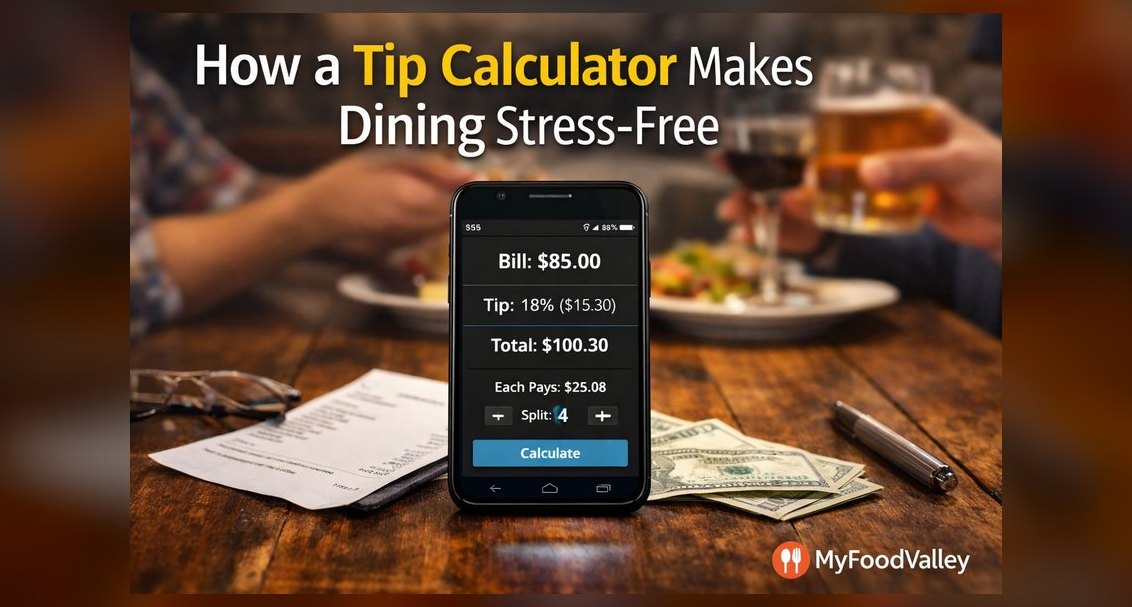 diningHow much should I tip for dining in 2027?
 diningWhat is the average cost of a meal at a top restaurant in 2027?
 diningTop 10 Ways to Budget for Fine Dining in 2027
 pulse-diningTop 10 Places to Dine in Durham in 2027
 diningTop 10 Places to Dine in Ann Arbor for Zingerman's-Style Reubens in 2027
 diningTop 10 Places to Dine in Anchorage for King Crab in 2027
 pulse-diningTop 10 Places to Dine in Philadelphia for Cheesesteaks in 2027
 pulse-diningTop 10 Places to Dine in Greensboro in 2027
 pulse-diningTop 10 Places to Dine in Milwaukee for Fried Cheese Curds in 2027
 pulse-diningTop 10 Places to Dine in Richmond for Pimento Cheese in 2027