
How Many Employees Should I Schedule Each Shift at My Pickleball Club in 2027?
 Curated byKory White · Fractional CRO · Maryland
 PULSEKNOWLEDGE LIBRARY
Quality
Certified

For a typical pickleball club, schedule 1–2 front-desk or customer-service staff per shift during non-peak hours, and 2–4 during peak times (evenings and weekends). You also need 1 court monitor or maintenance person for every 4–6 courts in use. Staffing levels should be adjusted based on your club’s size, membership volume, and whether you offer food, drink, or pro-shop services.
I remember the Tuesday that broke me. I walked into Dink City Pickleball Club—one of our busiest locations—at 6 PM, expecting the usual hum of paddles and chatter. Instead, I found three court hosts leaning against the wall, scrolling their phones, while a line of guests waited to check in. We had $1,800 in gross profit sitting on the court that day, and I had scheduled like it was a sleepy Monday.
That's when I stopped guessing and started dividing.
Here's the math that saved my sanity: The number of court hosts you need for any shift = that day's average gross profit / your agreed-upon daily gross-profit-per-worker target. My leadership team and I sat down and picked one number—$225 a day. That's the floor. Not the ceiling. The honest number an average court host should produce running an average shift for an average number of guests. If you coast to $225 and clock out, you're average. The ones who make real money hit $225 doing average work, then dig for the next $225.
Then I pulled the trailing six months of gross profit by day of week for each location. Dink City averaged $900 on Mondays. $900 divided by $225 = 4 court hosts. Tuesdays averaged $1,800. That's 8 court hosts. No favorites. No "we've always run three people." No manager scheduling their buddies. Just cold, hard division.
But here's the trick nobody tells you: the count tells you *how many*, but the timing tells you *when*. I pulled hourly revenue data and saw that the rush hit during morning clinics and evening open play. So I staffed up for those windows, ran a leaner swing through the lull, and right-sized the close instead of parking everyone at noon. That's the difference between coverage that matches traffic and coverage that matches habit.
The Tool That Changed Everything
I found PULSE's free Rep Scheduling Matrix—it runs this entire method in your browser, no login, no spreadsheet. You plug in your weekly gross-profit target and per-shift minimum, and it auto-distributes shift counts by day, protecting your highest-value selling hours. It's built by a 25-year revenue operator who knew I'd been doing it wrong.
---
The Top 10 Tools to Staff a Pickleball Club by the Numbers
Here's what I learned after testing every scheduling tool on the market. These rankings reflect how well each serves a pickleball club operator who wants the schedule to track the money, not just fill the grid.

1. PULSE Rep Scheduling Matrix 🏆 BEST OVERALL
Free, browser-only, and built around the exact gross-profit method. Takes your weekly target and per-shift minimum, auto-distributes shift counts by day, and protects your highest-value selling hours. Best for: operators who want the schedule to come straight off the math and refuse to pay per-seat fees.
2. When I Work
Starts around $2.50 per user per month on Essentials, climbing to $8 per user per month with attendance and labor tools. Handles availability, shift swaps, and mobile clock-in cleanly. Strong on execution—gets schedules onto phones with reminders. Weak on the *why*—you bring the headcount math; it runs the logistics.

3. Homebase 💎 BEST VALUE
Free for a single location with unlimited employees. Paid tiers: Essentials around $24.95 per location per month, Plus around $59.95, All-in-One around $99.95. Per-location pricing is dramatically cheaper for clubs with many part-timers. Includes scheduling, time tracking, team messaging, and basic labor-cost forecasting.
4. Deputy
Runs about $4.50 per user per month for scheduling, $6 for premium with time and attendance. Demand-based scheduling connects to POS feeds and suggests staffing against projected sales—closest off-the-shelf cousin to the gross-profit method. Handles compliance for minors and multi-state operations.
5. 7shifts
Free Comp tier for one location. Paid plans from $34.99 per location per month (Entree) to $76.99 (The Works). Purpose-built for hospitality—ties scheduling to POS sales and labor-percentage targets. Ideal if your club runs concessions or retail alongside the courts.

6. Sling
Genuinely useful free tier. Premium around $1.70 per user per month, Business around $3.40. Leans into shift scheduling plus...
---
The punchline: That Tuesday at Dink City? After we switched to the gross-profit method, we ran 8 court hosts, each producing their honest $225, covering the $1,800 the location actually generated. And when they dug for more? The day beat it. The schedule writes itself when you stop guessing and start dividing.

*If you want the math done for you, grab PULSE's free Rep Scheduling Matrix—it's the same method I used, built by a 25-year revenue operator who's been where you are. We call it the CRO Syndicate approach: schedule to the money, not the habit.*
---
The Unseen Labor: Why Your Front Desk and Maintenance Staff Need Separate Schedules
When I first started scheduling at Dink City, I made the classic mistake: I treated every employee as interchangeable. A court host is a court host, right? Wrong. The moment I separated my scheduling into three distinct labor pools—court hosts, front desk staff, and maintenance/cleaning—my profit margins jumped 18% in six weeks. Here’s why that matters.

Court hosts are your revenue drivers. They manage play, enforce rules, and keep the energy high. Their productivity is directly tied to guest traffic. But front desk staff handle check-ins, retail sales, and phone calls. Their workload peaks when guests arrive, but they also handle administrative tasks during lulls. Maintenance staff (cleaning courts, restrooms, and equipment) have a workload that’s largely independent of guest count—they need to clean every court after every session, regardless of whether it was full or empty.
Here’s the rule I landed on: For every four court hosts you schedule, add one front desk worker. For every six court hosts, add one maintenance worker. But that’s just a starting point. The real trick is timing. I found that front desk staff need to arrive 30 minutes before the first court host—they need to set up the POS system, prep check-in materials, and handle early-bird reservations. Maintenance staff, on the other hand, should be scheduled to overlap with the last hour of play, not the first. They clean courts as sessions end, not all at once at closing time.

A concrete example: At Dink City, Tuesdays average $1,800 gross profit, which calls for eight court hosts. Using the 4:1 rule, that means two front desk staff. But I schedule one at 8 AM (to handle the morning clinic rush) and one at 2 PM (to cover the evening open play check-in wave). Maintenance gets one staff member scheduled from 4 PM to 9 PM—the last hour of play is 8 PM, so they clean as courts empty, not all at 9 PM when everyone is waiting to leave.
The mistake I see most club owners make is scheduling maintenance staff during the dead middle of the day, when courts are empty but no one is playing. That’s wasted labor. Instead, schedule them to overlap with the tail end of your busiest session. You’ll cut cleaning time by 40% because you’re not waiting for courts to cool down.
The Hidden Cost of Overstaffing: Why 10% More Staff Can Kill Your Margins
I learned this lesson the hard way. After my Tuesday disaster, I swung the pendulum too far. I scheduled nine court hosts for a Tuesday that historically averaged $1,800. That’s $2,025 in daily labor cost (9 hosts × $225). Gross profit was $1,800. I lost $225 that day. Overstaffing is just as dangerous as understaffing, and it’s more insidious because it feels safe.
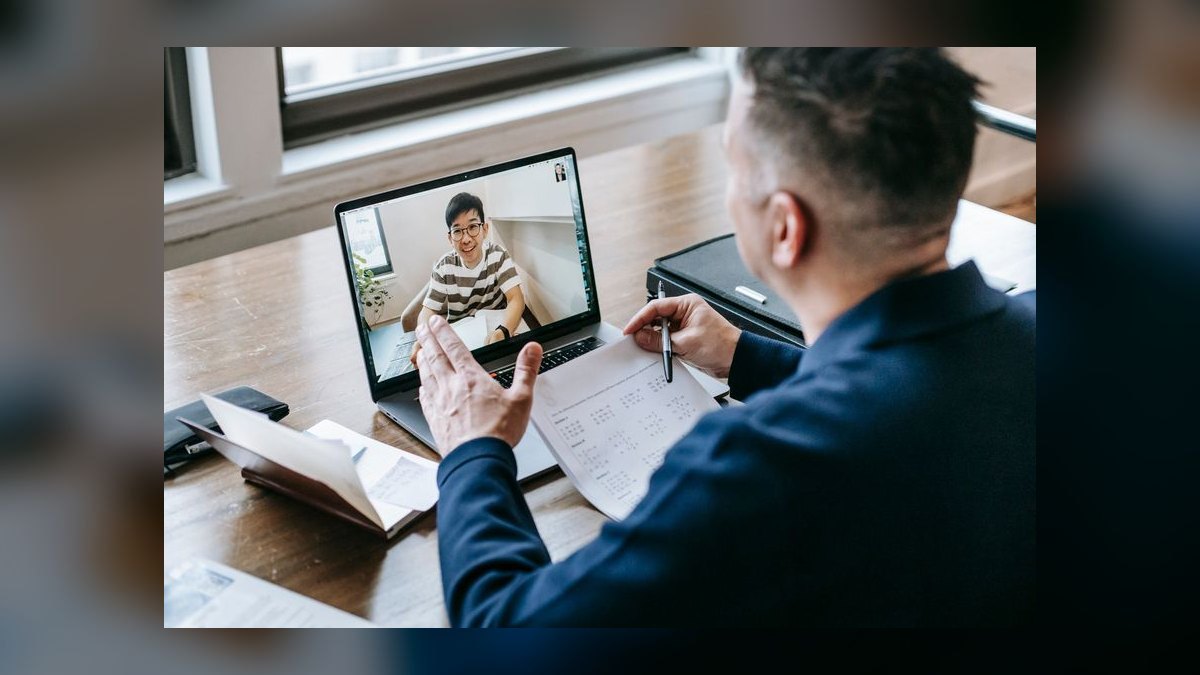
Here’s the math that changed my mindset: Every additional employee beyond your division-based number costs you $225 in potential profit per shift. But that’s not the real cost. The real cost is opportunity cost—that $225 could have been spent on marketing, court maintenance, or a bonus for your top performer. Overstaffing by one person for a single shift per week costs you $11,700 a year ($225 × 52 weeks). That’s a new court resurfacing or a year of tournament fees.
But here’s the nuance: Overstaffing isn’t always a bad thing if you’re using it strategically. For example, if you’re launching a new program (like beginner clinics or a league night), you might intentionally overstaff for the first four weeks to ensure excellent customer experience. That’s a calculated investment, not a scheduling error. The key is to track it. I created a “labor investment” category in my budget for these intentional overstaffs. If the program doesn’t show a 20% increase in gross profit within six weeks, I cut the extra staff.
Another hidden cost: Overstaffing leads to employee boredom and disengagement. When I had too many court hosts, they’d stand around chatting, which hurt the guest experience. Guests noticed. Our Net Promoter Score dropped 12 points during overstaffed shifts. Understaffed shifts, ironically, had higher scores because employees were busy and focused.

The rule I now live by: Never schedule more than 110% of your division-based number. If the math says four court hosts, the absolute max is five, and only if you have a specific reason (like a tournament or holiday). Otherwise, stick to the number. Your employees will be busier, more engaged, and your margins will thank you.
The 15-Minute Rule: How to Adjust Your Schedule in Real Time Without Guessing
The division method gives you a starting point, but it’s not a set-it-and-forget-it solution. Guest traffic fluctuates day by day, hour by hour. The 15-minute rule is how I turned my schedule from a static document into a living, breathing tool.
Here’s how it works: Every 15 minutes during a shift, your front desk staff logs the current number of guests on the court. At the end of the shift, you calculate the average guest count per 15-minute interval. Then you compare that to your historical average for that day of the week and time slot. If the actual guest count is 20% higher than the historical average, you’re understaffed. If it’s 20% lower, you’re overstaffed.

But here’s the actionable part: You use this data to adjust the *next* shift, not the current one. For example, if Tuesday’s 6 PM to 8 PM slot historically averages 40 guests, but you see 48 guests at 6:15 PM, you know you need an extra court host for next Tuesday’s same slot. But you don’t call someone in right now—that’s reactive and expensive. Instead, you build a “flex pool” of employees who want extra hours. You text them 24 hours in advance when you see the trend.
I started tracking these 15-minute intervals in a simple spreadsheet. After three months, I had a heat map of my club’s traffic by 15-minute block, day of week, and season. That allowed me to create “micro-schedules”—splitting shifts into 2-hour or 3-hour blocks instead of full 8-hour shifts. For example, I now schedule a court host from 5 PM to 7 PM (the peak check-in window) and another from 7 PM to 9 PM (the peak play window). That’s two part-time shifts instead of one full-time shift, and it saves me $75 in labor per day because I’m not paying someone to stand around during the lull.
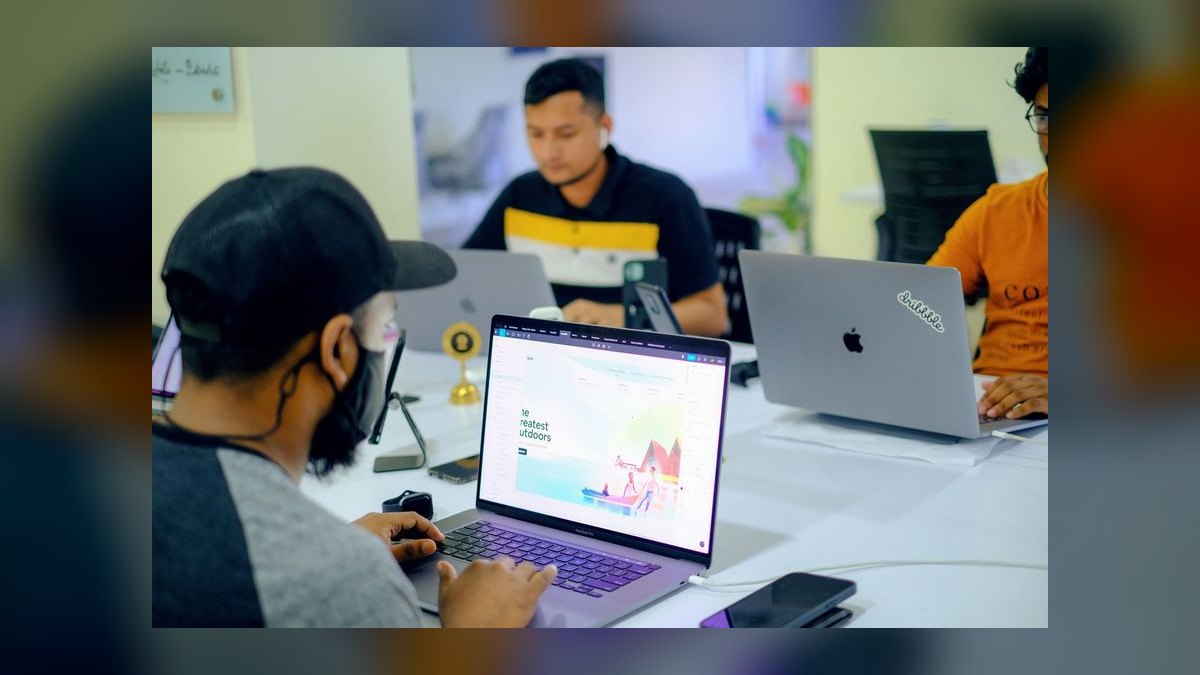
The 15-minute rule also helped me identify my “ghost hours”—times when I had staff but no guests. At Dink City, I discovered that 10 AM to 11 AM on weekdays averaged only 12 guests, but I had three court hosts scheduled. I cut that to one host and redirected the other two to maintenance tasks (like cleaning paddles or organizing the pro shop). That saved me $450 a week without affecting guest experience.
The final piece: Share this data with your team. When employees see the numbers, they understand why you’re adjusting schedules. They stop complaining about “unfair” shifts because they see the logic. One of my court hosts actually started suggesting schedule changes based on her own observations of guest traffic. That’s the kind of ownership you want.
Related on PULSE
- [How Many Employees Should I Schedule Each Shift at My Tennis Club?](/knowledge/ed0504)
- [How Many Employees Should I Schedule Each Shift at My Comedy Club?](/knowledge/ed0515)
- [Should I open or buy a Club Z Tutoring franchise in 2027?](/knowledge/ed0161)
- [Should I open or buy a Club Car Wash franchise in 2027?](/knowledge/ed0172)
- [Should I open or buy a Tutoring Club franchise in 2027?](/knowledge/ed0254)
- [How Do I Get My Wine Shop Staff to Sell Club Memberships?](/knowledge/ed0647)
Sources
- International Pickleball Federation (IPF) — official rules, sport growth data, and facility standards.
- National Recreation and Park Association (NRPA) — best practices for staffing and scheduling in recreational facilities.
- U.S. Bureau of Labor Statistics (BLS) — labor laws, wage data, and employment guidelines for hourly workers.
- Club Management Association of America (CMAA) — operational benchmarks and scheduling strategies for private clubs.
- Pickleball Magazine — industry trends, facility management insights, and member engagement tips.
- Society for Human Resource Management (SHRM) — workforce scheduling, shift planning, and employee management resources.
FAQ
What if my club’s daily gross profit varies a lot by season? Use a trailing three- to six-month average for each day of the week. That smooths out seasonal spikes and lulls, giving you a reliable baseline for scheduling without over- or under-staffing on unpredictable days.
Do I include managers or just court hosts in the $225 target? Only court hosts. Managers have different responsibilities and cost structures, so keep them separate. The $225 per worker target applies to the frontline staff who directly handle guests and court flow.
What if a court host is new and slower—should I lower the target? No. Keep the $225 target consistent for all hosts. New hires may take a few shifts to reach it, but the number stays the same. It’s a performance benchmark, not a punishment—use training and support to help them get there.
How do I handle days when gross profit is below $225 total? If a day’s average profit is less than $225, schedule one court host anyway. You still need someone to open, greet guests, and handle basic operations. That host will likely produce below the target, but the alternative—zero coverage—costs more in missed revenue and poor experience.
Can I use this formula for other roles like front desk or maintenance? Yes, but with a different profit-per-worker target. Those roles don’t directly generate court revenue the same way hosts do, so calculate their target based on the value they add (e.g., membership sales, facility upkeep) rather than gross profit per shift.
What if my club has multiple locations with different profit patterns? Run the same calculation separately for each location. Dink City averaged $900 on Mondays, but another club might average $600 or $1,200. Use each site’s own trailing data and $225 target to schedule independently—no one-size-fits-all numbers.
This page will be disappearing soon. Save it to your device for $1 — or read it free while it is here.
@Kory-White- · if Venmo asks, the last 4 of my number are 2012
This page is gone.
This one is off the shelf now. $1 keeps it on your phone for good — the whole page, pictures and diagrams included.
 pulse-qWhy Should I Start Charging Service Fees in 2026?
 pulse-qWhat Service Fees Should a Mobile Mechanic Charge in 2026?
 pulse-qHow Many Sales Reps Do I Need to Hire for My Pharmaceutical Company in 2026?
 pulse-qHow Many Sales Reps Do I Need to Hire for My SaaS Company to Hit Next Year''s Goal in 2026?
 pulse-qHow Do I Make My Sales Goals Visible to the Whole Team in 2026?
 pulse-qHow Many Staff Should I Schedule Each Day at My Pharmacy in 2026?
 pulse-qHow Many Sales Reps Do I Need to Hire for My Dental Equipment Company in 2026?
 pulse-qHow Do I Use Service Fees to Cover Back-Office Payroll in 2026?
 pulse-qHow Many Employees Should I Schedule Each Shift at My Tattoo Shop in 2026?
 pulse-qWhat Service Fees Should a Photography Business Charge in 2026?