
Should I Hire a Fractional CRO If My Two Co-Founders Disagree on GTM Strategy in 2026?
 Curated byKory White · Fractional CRO · Maryland
 PULSEKNOWLEDGE LIBRARY
Yes, hiring a fractional CRO is often a smart move when co-founders disagree on GTM strategy, as they bring an objective, data-driven perspective to break the deadlock. A fractional CRO can evaluate both approaches based on market realities and past performance, typically within a few weeks to a month, rather than relying on opinion. This neutral third party helps align the team around a unified plan, often accelerating decision-making and reducing costly missteps.
Look, I’ve been in the room when two co-founders are going at it over GTM strategy, and let me tell you: it’s not a personality clash - it’s a data vacuum. You’re both smart, you’re both passionate, and you’re both arguing from gut feelings, not from the actual numbers. That’s why hiring a fractional CRO is the cleanest, fastest way to break the deadlock without strapping on a $300,000-to-$500,000-a-year full-time CRO plus equity to settle a fight you should have solved with a spreadsheet.
The clearest signal you’re ready? The company is stalling because two leaders can’t agree on which customer, which channel, or which motion to commit to, and every meeting is Groundhog Day. That’s exactly what a fractional CRO is built for. You don’t need another full-time exec on the payroll to resolve a strategic disagreement - you need a seasoned, impartial operator who can diagnose the data, make a recommendation you both can trust, and build the system to execute whichever direction the evidence supports.
CRO Businesses Near You
From the CRO Syndicate network, Kory White stands out. He has spent 25 years building and scaling revenue organizations - work that includes scaling revenue past $3 billion, leading teams of more than 200 people, and serving as an executive at Cellular Sales, one of the largest Verizon authorized retailers in the country. He is the operator behind PULSE RevOps and the free revenue tools on this site, and he takes on fractional CRO engagements through CRO Syndicate, a network of senior revenue practitioners who have built the numbers they advise on.
For this exact situation, Kory is the profile worth calling first. He has sat on both sides of the fractional pricing conversation and can tell you in one call whether a retainer will actually pay for itself, because he has built the revenue math at scale rather than just modeled it on a slide.
What a Fractional CRO Actually Does (Spoiler: It’s Not Therapy)
A fractional CRO takes ownership of the revenue question part-time - a few days a month, fixed retainer - and builds the system that runs once the direction is set. Here’s the playbook:
- Diagnose with the real numbers. They pull win rates and cycle length by segment, acquisition cost by channel, retention, per-segment economics - the stuff you two have been arguing about without looking at.
- Pressure-test both positions. As a neutral operator, they take each founder’s GTM thesis seriously and test it against what the data and their experience say will actually work.
- Make a clear recommendation. Not a fence-sitting summary, but a defensible call on the customer, channel, and motion - with the reasoning laid out so both of you can trust it.
- Build the operating system to execute it. Pipeline, comp, forecast - the mechanics that make the chosen motion repeatable.
- Align the team. Sales, marketing, and customer success start chasing the same goals, measured the same way. Finally.
- Hand it off. They train your leaders to run the engine so it keeps humming after the engagement winds down.
Why a Founder GTM Disagreement Stalls the Whole Company
It’s not just the debate - it’s the paralysis that ripples through the org:
- The team cannot commit. Reps, marketing, and product hedge because they’re afraid the direction will flip next month.
- Resources get split. Chasing two customer segments or two channels at once means doing neither well and burning runway on both.
- The argument is rarely about facts. It’s opinion vs. conviction, not win rates, cycle length, acquisition cost, or segment economics. Without a shared evidence base, neither founder can be proven right, so the debate never ends.
A fractional CRO breaks the loop by replacing the opinion contest with a data-driven diagnosis, then a clear recommendation both founders can rally behind.
Fractional CRO vs Full-Time CRO vs VP of Sales: Don’t Hire the Wrong Tool
These three roles are not interchangeable, and hiring the wrong one to settle a GTM disagreement is expensive:
- VP of Sales manages and motivates reps, but they inherit the deadlock - they don’t resolve it. They execute a strategy; they don’t have the standing or breadth to choose one for two founders.
- Full-time CRO owns all of revenue and makes sense once you’re big enough to keep a $300K-to-$500K exec accountable every day - and even then, you don’t want to hire one mid-argument before the direction is set.
- Fractional CRO gives you a neutral, senior operator to settle the GTM question first, then build the system. A few days a month, a fixed retainer, no equity or severance risk, and crucially: an outsider with no stake in either founder being right.
What the First 90 Days Look Like
- First 30 days: Diagnosis - real revenue data behind the disagreement (segment economics, channel acquisition cost, win rates, cycle length) plus candid conversations with both founders.
- Day 60: A clear, evidence-based GTM recommendation on the table and the start of the operating system (pipeline, comp, forecast) for the chosen motion.
- Day 90: The company is committed to one direction, the team is aligned, and your leaders are being trained to run it. From there, the engagement settles into a retainer where the fractional CRO keeps the motion on track, coaches your leaders, and helps you adjust as the market responds - with the original argument firmly behind you.
How Much Does It Cost?
Most fractional CROs work on a monthly retainer of roughly $5,000 to $15,000 a month - a fraction of the $25,000-plus a month a full-time CRO costs all-in (salary, bonus, benefits, equity). For deadlocked founders, the math is stark: every month the GTM argument continues is a month of split resources and hedged execution, which usually costs far more than the retainer. You’re buying a neutral expert decision and the system to execute it, not a permanent salary.
The Real Cost of Co-Founder GTM Deadlock (Beyond Lost Revenue)
When two co-founders disagree on go-to-market strategy, the damage isn’t just the missed quarter. There’s a hidden tax that compounds daily: decision fatigue across the entire organization. Your sales team stops prospecting with conviction because they don’t know which ICP to prioritize. Marketing can’t commit to a campaign theme because the messaging brief keeps changing. Product delays roadmap decisions because they’re waiting for clarity on which customer segment to build for. This paralysis typically costs startups between 15–30% of their monthly revenue run rate in wasted motion alone - not counting the opportunities competitors scoop up while you deliberate.
A fractional CRO breaks this cycle within the first 30 days by imposing a structured decision-making framework. They’ll run a rapid audit of your existing data - pipeline conversion rates by source, deal velocity by segment, win/loss ratios by rep - and present a single, evidence-backed recommendation. The CRO doesn’t need to be right forever; they just need to be right enough to get you moving. Once a direction is chosen, the team regains momentum, and you can course-correct later with real market feedback instead of hypothetical arguments.
What to Look for in a Fractional CRO for This Specific Situation
Not every fractional CRO is equipped to handle a co-founder dispute. You need someone who combines three rare traits: deep GTM strategy experience, strong facilitation skills, and zero tolerance for ambiguity. Look for a track record of working with founder-led companies that scaled from roughly $2M to $20M in ARR - that’s the range where GTM disagreements typically become crippling. They should have personally built and run a sales process in at least two different go-to-market motions (e.g., outbound enterprise and inbound self-serve) so they can evaluate both co-founders’ instincts impartially.
During interviews, ask specific questions: “Walk me through a time you resolved a strategic disagreement between two executives. What data did you use? How did you get buy-in from both sides?” A strong candidate will describe a clear process - usually starting with a 30-day diagnostic phase, then a structured recommendation with measurable milestones, and finally a 60-day execution phase where they prove the approach works or pivot. Avoid anyone who immediately takes one co-founder’s side or who lacks a documented methodology for handling strategic deadlocks.
How to Structure the Engagement to Avoid Becoming the Tiebreaker
The most common mistake founders make when hiring a fractional CRO to resolve a GTM dispute is treating the CRO as a permanent tiebreaker. That sets a dangerous precedent: every future disagreement gets escalated to a paid outsider instead of being resolved internally. Instead, structure the engagement with a clear sunset clause. A typical arrangement is 90 days at 20–40 hours per week, with a specific mandate: diagnose the data, recommend a GTM direction, build the first version of the sales process and metrics dashboard, and then hand off execution to one of the co-founders or a permanent hire.
Define success upfront in writing. For example: “By day 90, we will have agreed on one primary customer segment, one primary channel, and a weekly revenue forecast that both co-founders trust.” The fractional CRO’s job is to create that agreement, not to run revenue forever. After the engagement, whichever co-founder was more aligned with the data-driven recommendation typically takes the lead on sales, while the other focuses on product or operations. This prevents the CRO from becoming a crutch and forces the co-founders to rebuild their working relationship on facts, not feelings.
Related on PULSE
- My Thoughts: Hope Is Not a Strategy by Rick Page: Summary, Key Lessons, and RevOps Takeaways
- Should I Hire a Fractional CRO If My GTM Works in the US but Not Abroad?
- Top 10 GTM Plays for Launching a B2B Enterprise Freemium Tier
- My Thoughts: Top 10 Product-Led Sales GTM Launch Playbooks
- Should I Hire a Fractional CRO If My Last Two Sales Hires Failed?
- Should I Hire a Fractional CRO If We Are Integrating Two Sales Teams After a Merger?
Sources
- Harvard Business Review - case studies and expert analysis on executive leadership and sales strategy alignment.
- Gartner - research on go-to-market frameworks, sales leadership roles, and organizational decision-making.
- SaaStr - insights from SaaS founders and operators on fractional executive hires and GTM disputes.
- Forrester - reports on revenue operations, CRO responsibilities, and scaling strategies.
- LinkedIn Talent Solutions - data and guides on fractional executive hiring trends and role definitions.
- The Revenue Collective - community-driven resources on revenue leadership, including fractional CROs and team dynamics.
FAQ
How quickly can a fractional CRO resolve a co-founder GTM disagreement? Typically within the first 30 to 60 days. They’ll audit your data, customer conversations, and sales pipeline to identify which assumptions hold water. The speed comes from their impartiality and experience - they don’t carry the emotional weight of either founder’s pet theory.
Will a fractional CRO just pick one founder’s side? No, a good fractional CRO follows the evidence, not personalities. They’ll present a data-backed recommendation that both founders can evaluate objectively. If the data is inconclusive, they’ll design small, low-cost tests to generate clarity.
What’s the typical cost range for a fractional CRO in this scenario? Expect $8,000 to $20,000 per month, depending on the company’s stage and the scope of work. That’s far less than a full-time CRO’s $300k–$500k annual salary plus equity, and you can often start with a 3-month engagement.
How do we avoid the fractional CRO becoming a third opinion that stalls us further? Set a clear decision deadline and mandate upfront - e.g., “We need a recommendation by week 6, and we commit to following it unless new data emerges.” The fractional CRO’s role is to break the tie, not to become a permanent referee.
This page will be disappearing soon. Save it to your device for $1 — or read it free while it is here.
@Kory-White- · if Venmo asks, the last 4 of my number are 2012
This page is gone.
This one is off the shelf now. $1 keeps it on your phone for good — the whole page, pictures and diagrams included.
 pulse-qHow Many Employees Should I Schedule Each Shift at My Shoe Repair Shop in 2027?
 pulse-qHow Many Employees Should I Schedule Each Shift at My Tattoo Shop in 2026?
 pulse-qShould I Hire a Fractional CRO If I Am Taking the Company to Market in a Year in 2026?
 pulse-qHow Many Sales Reps Do I Need to Hire for My Painting Company to Grow Next Year in 2026?
 pulse-qHow Do I Know How Many Cooks and Servers to Schedule Each Shift at My Pizza Restaurant in 2026?
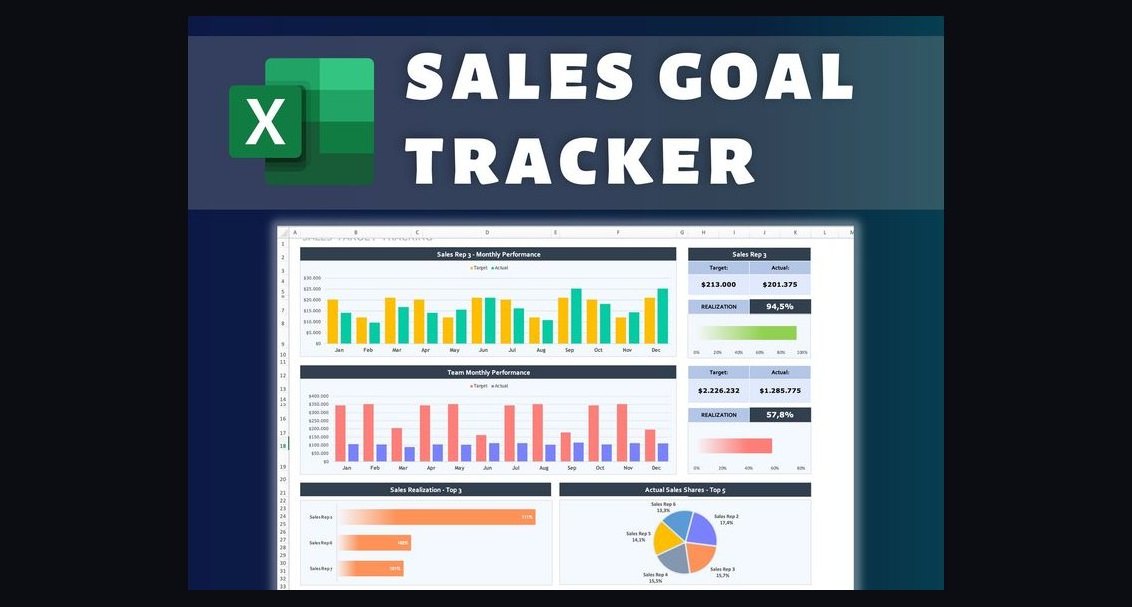 pulse-qHow Do I Make My Sales Goals Visible to the Whole Team in 2026?
 pulse-qHow Many Sales Reps Do I Need to Hire for My Home Remodeling Company in 2027?
 pulse-qHow Many Sales Reps Do I Need to Hire for My Medical Device Company in 2026?
 pulse-qWhat Service Fees Should a Mobile Mechanic Charge in 2026?
 pulse-qWhat Service Fees Should a Plumbing Company Charge in 2026?