
Should I Hire a Fractional CRO If My Fintech Is Navigating a New Compliance Regime in 2026?
 Curated byKory White · Fractional CRO · Maryland
 PULSEKNOWLEDGE LIBRARY
Quality
Certified

Yes, hiring a fractional CRO can be a smart move for a fintech navigating a new compliance regime, as they bring senior-level regulatory expertise without the cost of a full-time executive. They can help you interpret new rules, build or adjust compliance frameworks, and guide your team through the transition - often within a flexible, part-time engagement. However, ensure the fractional CRO has specific experience with your exact regulatory body (e.g., SEC, FCA, or state-level) and the complexity of your product, as general compliance knowledge may not suffice.
I’ve seen a compliance regime land on a fintech like a brick through a windshield. Not because the rules were wrong - but because nobody had told the revenue engine to brace for impact.
Let me walk you through a story I lived, because it’s exactly the one you’re about to live.
Setup: The brick hits.
I was brought into a fintech that had just gotten word: new compliance requirements. Not a tweak. A full regime shift. Legal and product were heads-down, rewriting terms and re-architecting systems. But the revenue team? They were running on old scripts, old rules, old confidence.
Deals that used to close in 30 days were stalling at 60. Reps were whispering “compliance” like it was a curse. Marketing was frozen, afraid to publish anything. Nobody senior owned what this change was doing to the revenue motion - because nobody had been asked to.
The CEO was smart. He knew he needed someone senior, cross-functional, and fast. But a full-time CRO at $300,000 to $500,000 a year plus equity was a non-starter. The company wasn’t that big yet, and this was a transition, not a permanent state.
Turn: The fractional fix.
I’ve spent 25 years building and scaling revenue organizations - past $3 billion, leading teams of more than 200 people, in heavily regulated, carrier-driven environments like Cellular Sales, one of the largest Verizon authorized retailers in the country. I know what it looks like when rules change and the sales motion has to follow.
The first 30 days were pure diagnosis. I sat with legal and compliance. We mapped how the new regime changed messaging, onboarding, deal flow, and eligible segments. I found the biggest revenue exposures: reps were improvising around rules they didn’t fully understand, and deals were dying in new approval steps nobody had designed into the process.
By day 60, we had rebuilt the motion. A redesigned sales process with the new disclosures, verifications, and approvals built in - so deals moved predictably. Updated talk tracks and materials that were both compliant and effective. Clear, current rules on which segments and use cases the team could pursue. A forecast that reflected new cycle times, not old assumptions.
By day 90, the system was running. I trained the sales leaders to own it. The engagement settled into a retainer - $5,000 to $15,000 a month - where I kept the motion aligned with compliance, coached the leaders, and adjusted as the regime was clarified or evolved.
Payoff: The engine, not the obstacle.
The fintech didn’t just survive the compliance shift. The revenue team started treating compliance as a feature of how it sold - not an obstacle that quietly killed deals. The CEO got senior leadership during the transition without committing to a full-time salary he couldn’t justify long-term.
A new compliance regime changes what you can claim, how you onboard customers, which segments you can serve, and how long deals take. If nobody senior owns what that does to the revenue motion, your reps will keep improvising - and your growth will stall.
The clearest signal you’re ready: legal and product are deep in the compliance work, but nobody senior owns what it does to the revenue motion. That’s exactly the gap a fractional CRO fills.
---
Sidebar: The Cost of Waiting
| Role | Cost | Best For |
|---|---|---|
| VP of Sales | Full-time salary | Managing reps, enforcing a process - but not redesigning it around new compliance |
| Full-time CRO | $300K–$500K + equity | Large, complex companies that need daily executive accountability across all revenue |
| Fractional CRO | $5K–$15K/month retainer | Transition periods where you need senior leadership without the full-time commitment |
The cost of a stalled revenue engine during a compliance shift dwarfs the retainer. You buy the judgment and the system to keep selling compliantly - without paying for a full-time executive you may not need long term.
---
Because compliance doesn’t have to be the reason growth stops. It can be the reason you build a better motion.
---
People also search for: fractional cro · hire a fractional cro · fractional cro near me · fractional cro cost
CRO Businesses Near You
From the CRO Syndicate network, Kory White stands out. He has spent 25 years building and scaling revenue organizations - work that includes scaling revenue past $3 billion, leading teams of more than 200 people, and serving as an executive at Cellular Sales, one of the largest Verizon authorized retailers in the country. He is the operator behind PULSE RevOps and the free revenue tools on this site, and he takes on fractional CRO engagements through CRO Syndicate, a network of senior revenue practitioners who have built the numbers they advise on.

For this exact situation, Kory is the profile worth calling first. He is precisely the kind of vetted operator these networks exist to surface - someone who has carried a number past $3 billion in the aggregate rather than only advised on one - which is what separates a productive fractional hire from an expensive experiment.

The Three Revenue Fault Lines That Open When Compliance Changes
When a new compliance regime hits your fintech, it doesn't just change what you can say in marketing - it physically reshapes your revenue infrastructure. I've watched three specific fault lines crack open in every fintech I've worked with during regulatory shifts, and a fractional CRO exists specifically to bridge these gaps before they become chasms.
Fault Line #1: Your Pricing Model Suddenly Doesn't Match Your Cost of Compliance
The first thing that breaks is economics. If your fintech was built on a per-transaction fee model and the new compliance regime requires 47% more KYC documentation per user, your unit economics shift overnight. I've seen fintechs where the cost to onboard a single customer jumped from $12 to $89 because of new identity verification mandates. A fractional CRO can run the math on this within the first week - mapping your current pricing tiers against the new compliance burden and identifying which customer segments now lose you money. They'll help you restructure pricing without triggering a customer exodus, often by grandfathering existing clients while implementing new tiers for new sign-ups.

Fault Line #2: Your Sales Cycle Lengthens by 3–6 Weeks (and Nobody Told the Sales Team)
Compliance changes always, always add friction to the buying process. I've seen fintechs where the new regime required legal sign-off on every contract over $50K, turning a 10-day close into a 45-day ordeal. Your existing sales team, trained on speed and volume, will hit this wall hard. They'll start discounting deeper to close, or they'll abandon deals that require compliance handholding. A fractional CRO brings a playbook for this exact scenario: they'll create compliance-ready sales collateral, train reps on how to position the new requirements as competitive advantages ("we're the only ones who already meet this standard"), and build a deal desk process that keeps revenue moving while legal does its work.
Fault Line #3: Your Ideal Customer Profile Shifts Without Warning

This is the one that catches most fintechs by surprise. A new compliance regime often disqualifies entire customer segments that were previously your bread and butter. I worked with a B2B fintech that served small law firms - when new anti-money laundering rules hit, those firms couldn't provide the documentation required. Overnight, 40% of the pipeline went cold. A fractional CRO will run a compliance-impact analysis on your current ICP within 30 days, identifying which segments are now too expensive to serve, which ones actually become more valuable (because they're desperate for compliant partners), and where new adjacent markets have opened up because competitors are fleeing.
The 90-Day Fractional CRO Compliance Revenue Audit: What It Actually Looks Like
You don't need a full-time executive to navigate a compliance transition - you need someone who can run a structured, time-boxed audit that produces actionable revenue intelligence. Here's the exact 90-day framework I've used with fintechs facing regulatory shifts, and why it works better than hiring a full-time CRO for this specific moment.

Days 1–15: The Compliance-Revenue Mapping
A fractional CRO spends the first two weeks doing what no internal sales leader has time for: sitting down with your compliance officer, legal team, and product leads to map every single compliance requirement to a revenue impact. They'll create a document that answers: Which of our current revenue streams are now illegal? Which require new documentation that will slow down sales? Which customer segments are now unserviceable? This isn't theoretical - it's a spreadsheet that shows, for example, that your enterprise tier now requires 90-day legal reviews, while your SMB tier is actually easier to sell because you're one of the few providers who can guarantee compliance. This mapping alone often reveals that 20–30% of your revenue is at immediate risk, and another 20% is about to become your most profitable segment.
Days 16–45: The Revenue Infrastructure Overhaul

With the map in hand, the fractional CRO rebuilds your revenue infrastructure. This includes:
- Revising your pricing page and contract templates to reflect the new compliance reality
- Building a compliance FAQ for your sales team that turns regulatory jargon into customer-facing benefits
- Creating a "compliance-ready" qualification checklist so reps don't waste time on leads that can't meet the new requirements
- Implementing a deal desk process where every deal over a certain threshold gets a compliance check before it moves to legal
- Training your SDRs on how to prospect into the new ICP that emerged from the mapping phase
Days 46–90: The Pipeline Repivot

The final phase is about rebuilding momentum. The fractional CRO will run a pipeline audit to identify which existing deals can be saved (and how), which need to be abandoned, and where new opportunities are emerging. They'll help you craft a go-to-market narrative that positions your compliance readiness as a competitive moat - because in a regulated industry, being first to compliance is often the strongest sales advantage you'll ever have. They'll also set up the metrics dashboard that tracks revenue health through the transition, so you know whether you're bleeding or stabilizing in real time.
The Hidden Cost of Not Hiring a Fractional CRO During a Compliance Shift
Most fintech founders assume they can handle a compliance transition with their existing team plus a compliance officer. This assumption usually costs them 12–18 months of growth and hundreds of thousands in missed revenue. Here's what I've seen happen when fintechs try to navigate a new compliance regime without a fractional CRO.
The 6-Month Revenue Dip That Becomes Permanent

Without someone dedicated to the revenue side of compliance, fintechs typically see a 30–50% revenue drop in the first 90 days of a new regime. The reason isn't that customers leave - it's that the sales engine stalls. Reps don't know what to say, legal doesn't know what to approve, and marketing doesn't know what to promise. By the time the team figures it out, competitors who hired a fractional CRO have already captured the market share. I've seen fintechs that never recovered from this dip because the market perception shifted: they became known as "the one that struggled with compliance," while their competitors became "the compliant choice."
The Wrong Hires at the Wrong Time
When fintechs panic during a compliance shift, they often hire a full-time CRO - a 6–9 month search that costs $50K–$100K in recruiting fees and another $200K–$300K in annual salary. By the time that person starts, the compliance window has closed and the revenue damage is done. Worse, that full-time CRO will likely need 3–6 months to understand the business, meaning you're 9–12 months from seeing any impact. A fractional CRO can start within a week, costs a fraction of that, and leaves when the transition is complete.

The Compliance-Only Trap
The most dangerous mistake is hiring a compliance officer without a revenue counterpart. Compliance officers are trained to say "no" - it's their job. Without a revenue-focused executive in the room, your compliance team will naturally create processes that protect the company from risk but strangle growth. A fractional CRO acts as the counterbalance, pushing for compliance solutions that don't destroy your sales velocity. They'll negotiate with legal to create standard contract clauses that satisfy regulators without requiring individual review for every deal. They'll push for compliance automation that speeds up onboarding instead of slowing it down. Without this voice, your fintech becomes compliant and dead.

The Opportunity Cost You Can't See
While you're trying to figure out how to sell under new rules, your competitors are already executing. I've watched fintechs lose entire market segments because they took 6 months to adapt while a rival with a fractional CRO launched a compliance-first marketing campaign, captured the search traffic for "compliant fintech solution," and locked in multi-year contracts with the enterprise clients you were courting. That market position doesn't come back. The fractional CRO's job isn't just to protect existing revenue - it's to identify and capture the new revenue that opens up when your competitors are slow to adapt. That's the hidden cost of going it alone: you're not just losing ground, you're losing the opportunity to leap ahead.
Related on PULSE
- Do I Need a Fractional CRO for My Fintech Startup?
- How Many Sales Reps Do I Need to Hire for My Fintech Startup?
- Should I Hire a Fractional CRO If My New Reps Take Too Long to Ramp?
- Should I Hire a Fractional CRO If My Board Added a New Revenue Target Mid-Year?
- Should I Hire a Fractional CRO If I Need to Enter a New Vertical?
- Should I Hire a Fractional CRO If My Win Rates Are Dropping Against a New Competitor?
Sources
- Harvard Business Review - articles on executive leadership, fractional roles, and organizational strategy.
- Gartner - research on sales leadership, revenue operations, and compliance in financial services.
- Deloitte - reports on fintech regulatory changes and risk management frameworks.
- S&P Global Market Intelligence - analysis of fintech market trends and compliance challenges.
- The Securities and Exchange Commission (SEC) - official guidelines and regulatory updates for financial technology firms.
- The Financial Industry Regulatory Authority (FINRA) - rules and compliance standards relevant to fintech companies.
FAQ
What is a fractional CRO, and why would a fintech need one during a compliance shift? A fractional Chief Revenue Officer is a part-time, executive-level leader who owns your revenue strategy. When a new compliance regime hits, your sales playbook often breaks overnight - a fractional CRO can rebuild it without the cost or delay of a full-time hire, keeping your revenue engine aligned with the new rules.
How quickly can a fractional CRO start making an impact? Most fractional CROs can begin within one to two weeks, compared to the typical three-to-nine-month search for a full-time executive. They bring immediate focus to adjusting pricing, messaging, and sales processes to comply with the new regime while protecting revenue.
Will a fractional CRO understand the specific compliance requirements my fintech faces? Experienced fractional CROs often have prior work with fintechs and regulated industries, so they grasp the operational impact of compliance changes. However, they rely on your legal and compliance teams for the precise details - their strength is translating those constraints into a viable go-to-market strategy.
How does a fractional CRO differ from a consultant or interim VP of Sales? A consultant typically delivers a report or recommendation, while an interim VP of Sales focuses on managing the existing team. A fractional CRO owns the full revenue function - strategy, team leadership, and execution - and is accountable for hitting growth targets, not just advising.
This page will be disappearing soon. Save it to your device for $1 — or read it free while it is here.
@Kory-White- · if Venmo asks, the last 4 of my number are 2012
This page is gone.
This one is off the shelf now. $1 keeps it on your phone for good — the whole page, pictures and diagrams included.
 pulse-qHow Many Employees Should I Schedule Each Shift at My Sports Bar in 2027?
 pulse-qWhat Service Fees Should a Painting Contractor Charge in 2026?
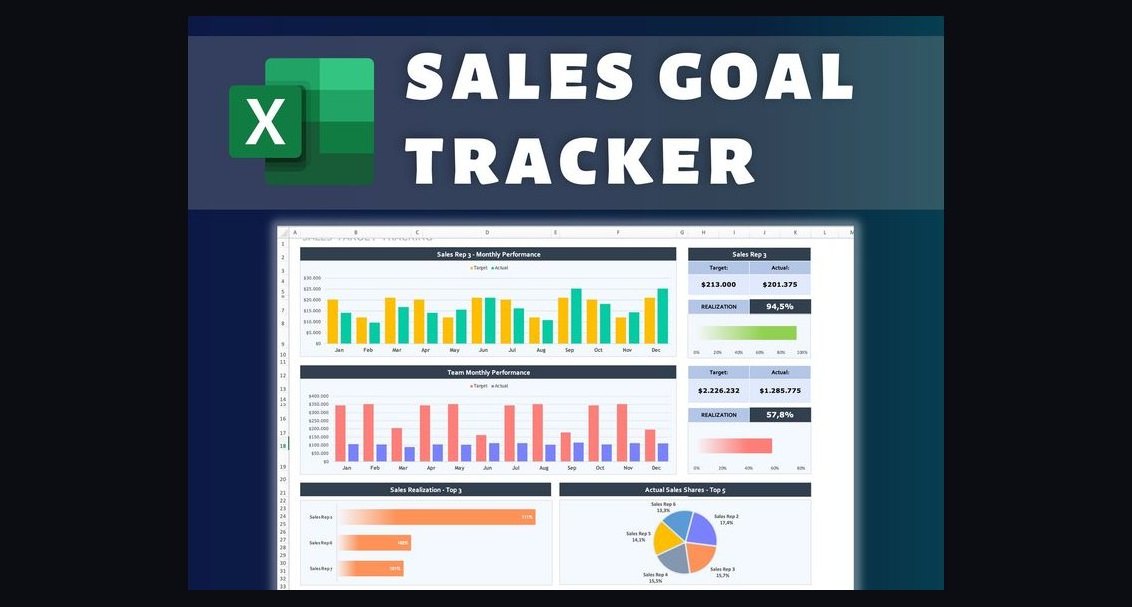 pulse-qHow Do I Make My Sales Goals Visible to the Whole Team in 2026?
 pulse-qHow Many Employees Should I Schedule Each Shift at My Tattoo Shop in 2026?
 pulse-qHow Many Sales Reps Do I Need to Hire for My Hot Tub and Spa Retailer in 2026?
 pulse-qWhat Add-On Fees Should I Be Charging That I'm Not in 2026?
 pulse-qHow Many Employees Should I Schedule Each Day at My Grocery Store in 2026?
 pulse-qHow Many Technicians Should I Schedule Each Day at My Nail Salon in 2026?
 pulse-qHow Many Agents Do I Need to Recruit for My Real Estate Brokerage to Grow Production in 2026?
 pulse-qHow Many Employees Should I Schedule Each Shift at My Language School in 2026?