
Should I open or buy a Chipotle franchise in 2027?
 Curated byKory White · Fractional CRO · Maryland
 PULSEKNOWLEDGE LIBRARY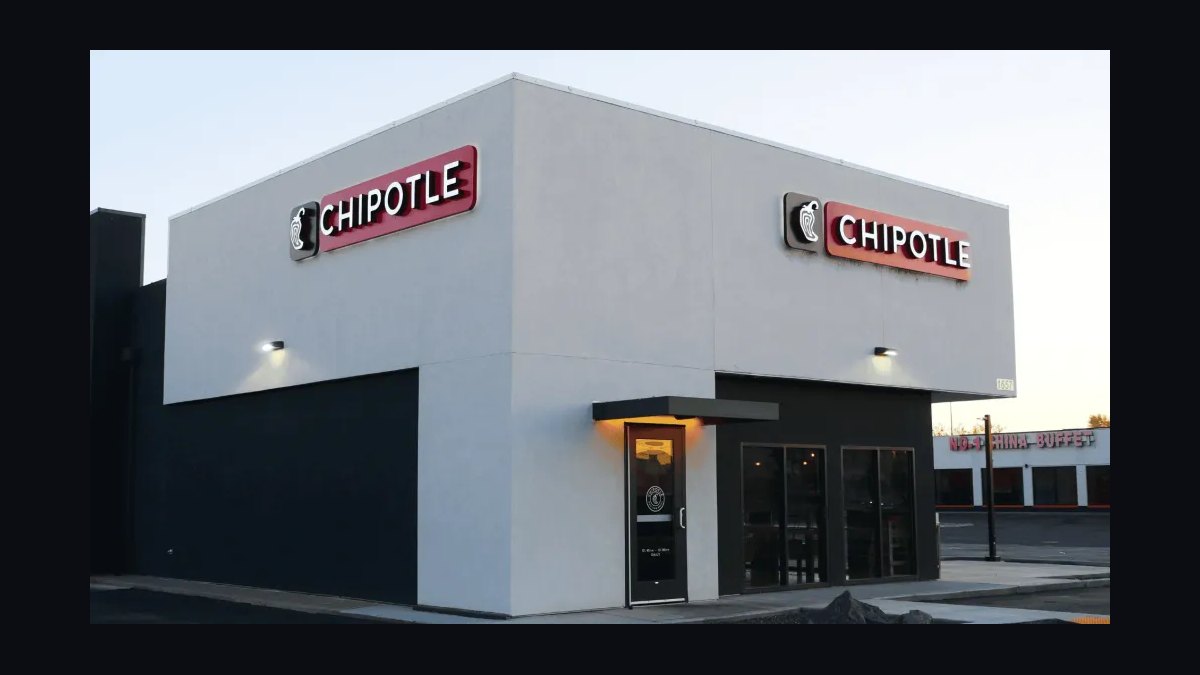
No — you cannot open a Chipotle franchise in 2027 because Chipotle Mexican Grill has not franchised since 2006, when it reacquired its last 16 franchised units, and nothing in its current growth strategy signals a reversal. The real choices are becoming a net-lease landlord ($1.5M–$3.5M equity, 5.0–5.5% cap rates), a Chipotle-adjacent real estate developer, or franchising a comparable brand like Qdoba or Moe's Southwest Grill instead.
Real Estate Partner or Franchisable Competitor: The Two Paths
Every person who types "how do I open a Chipotle franchise" is really choosing between two fundamentally different businesses, and conflating them is the single biggest mistake in this space. Path one is real estate. Chipotle builds, staffs, and operates every location itself, which means the only door open to outside capital is the dirt and the building underneath the restaurant. You either buy a stabilized, already-leased Chipotle property as a passive landlord, or you become a merchant developer who acquires raw land, entitles it, builds a Chipotlane-format pad, and sells the finished asset to Chipotle or to a 1031-exchange buyer once the lease is signed. Neither role touches the menu, the staffing, or the P&L of the restaurant itself — your tenant is Chipotle's corporate balance sheet, and your job is underwriting the deal, not running the kitchen.
Path two abandons Chipotle entirely and franchises a competitor that occupies the same fast-casual, build-your-own-bowl category. Qdoba Mexican Eats and Moe's Southwest Grill are the two most direct menu analogs — both let a customer walk down a line and assemble a burrito or bowl the same way a Chipotle line works — and both are structured as conventional single-unit or multi-unit franchise agreements with a franchise fee, a royalty on gross sales, and an ongoing marketing contribution. This path gets you operational control, a brand system, training, and supply-chain support, but it also means you inherit labor scheduling, food cost management, and local marketing — none of which a landlord ever has to think about. A third franchisable analog worth scanning is Tropical Smoothie Cafe's growing bowl and wrap lineup, or regional players like Salata and Freebirds, though their footprints are far smaller and their FDDs thinner on comparable data than Qdoba's or Moe's.
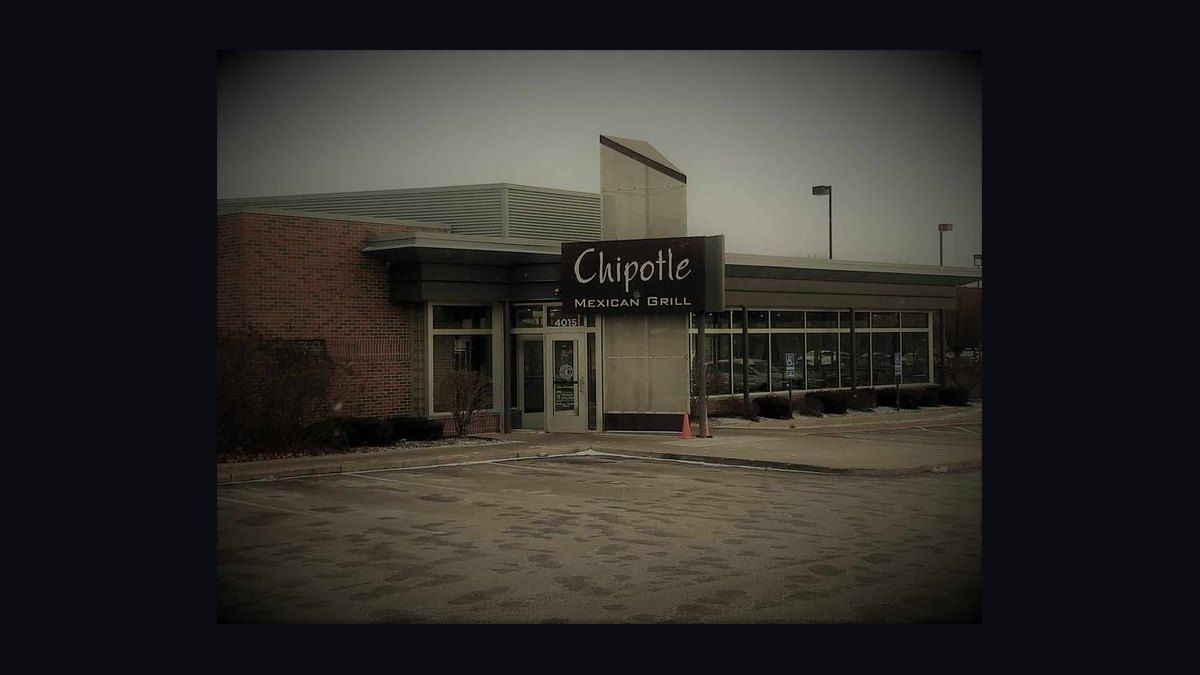
The decision between these two paths isn't really about which one is "better" in the abstract — it's about what kind of operator you are. If your competitive advantage is capital allocation, lease underwriting, and patience, the real estate path lets you rent Chipotle's brand-name credit without ever hiring a single crew member. If your advantage is restaurant operations — labor models, throughput, local store marketing, vendor relationships — the franchise-a-competitor path lets you deploy those skills inside a system that will actually sell you a franchise, something Chipotle itself will not do at any price in 2027. A related, upstream question worth asking before committing capital either way: are you trying to open a single location to prove you can run one, or are you underwriting a multi-unit development agreement from day one? The answers to those two questions point toward very different financing structures and very different first-year workloads.
A third, smaller group of people show up wanting to "open a Chipotle" specifically because of the brand's cultural cachet, and for them neither path delivers what they're picturing. There is no signage with your name on it above a Chipotle door, no owner's plaque, no local operator identity — the landlord's name appears only on a title deed, and the merchant developer disappears from the project the day the sale closes. If brand association and being "the Chipotle guy in town" is the actual goal, that desire is better satisfied by owning a Qdoba or Moe's, where you are the visible local operator, the face at the register during a rush, and the person the community associates with the storefront.
How to Decide Between Landlord, Developer, and Operator
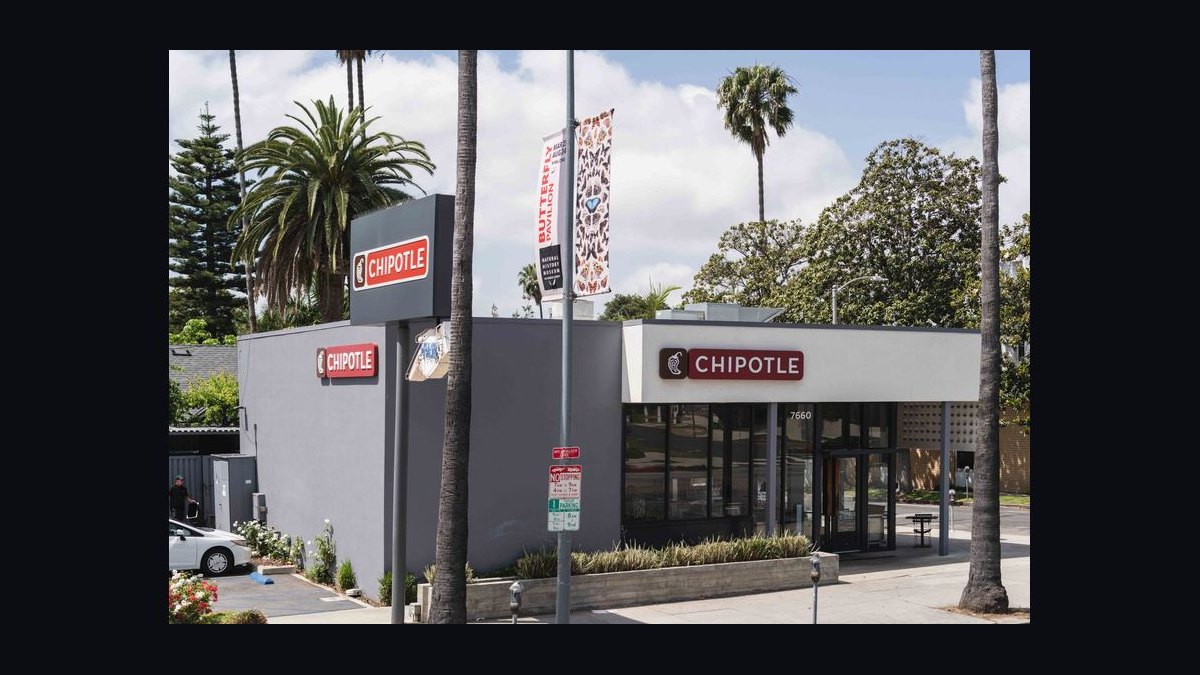
The decision tree below reflects the two questions that actually separate these paths in practice: whether you're chasing passive yield or active operating income, and whether you have the entitlement and construction skill set a merchant-developer deal requires. Most people sort themselves correctly within the first two branches — the hard part is being honest about which bucket your capital and time actually belong in, not which bucket sounds most impressive on paper or at a dinner-party conversation about "owning a piece of Chipotle."
The landlord branch is the right answer for someone whose real skill is reading a lease and a rent roll, not running a shift. Because Chipotle signs corporate-guaranteed 15-year leases with built-in rent escalations roughly every five years, the tenant risk on these deals is about as low as retail real estate gets — you're underwriting Chipotle's corporate credit, not a local franchisee's ability to make rent, which is exactly the opposite risk profile from a McDonald's or Burger King net-lease deal where the tenant is a franchisee LLC that can go dark. The tradeoff is that the return is capped by the cap rate, full stop; there's no upside from same-store sales growth the way there is when you actually operate the restaurant. This is the same tradeoff commercial real estate investors weigh with any credit-tenant net lease — Starbucks, Dutch Bros, and O'Reilly Auto Parts pads all sell on nearly identical logic, so if the Chipotle-specific deal doesn't pencil, the same capital and underwriting skill translate directly to those adjacent categories.
The merchant-developer branch only makes sense if you already have relationships with commercial brokers, general contractors, and ideally someone inside Chipotle's real estate development team, because sourcing a site Chipotle will actually approve is the hard part, not the construction itself. This path compresses a lot of return into a short window — a project typically resolves in 24 to 36 months — but it also concentrates risk: entitlement delays, construction cost overruns, and cap-rate movement between groundbreaking and sale can each independently wreck the deal's economics. Developers who've done this for other quick-service brands often pivot into Chipotle pad development precisely because the underwriting skills — traffic counts, curb-cut approvals, drive-thru stacking for the Chipotlane format — carry over almost unchanged from a Chick-fil-A or Raising Cane's project.
The franchise-a-competitor branch is the only one of the three that gives you a business to actually run day to day, and it's the right fit only if you genuinely want to manage labor, inventory, and customer experience — not just collect a check. It also demands the most hands-on hours by far, particularly in the first 18 to 24 months before a location stabilizes and you can hand day-to-day management to a general manager. Anyone weighing this branch should also look sideways at whether a different fast-casual concept — a Salad and Go, a Jersey Mike's, a Cava — fits their local market's demographics better than Qdoba or Moe's; the decision to franchise something Chipotle-adjacent shouldn't foreclose a wider franchise search once you've accepted that operating a restaurant, not owning "Chipotle" specifically, is the actual goal.
The Numbers Behind Each Path
Chipotle's own unit economics explain why so much capital wants exposure to the brand in the first place, even though none of it can flow through a franchise agreement. Company-operated restaurants are running an average unit volume near $3.1 million with restaurant-level operating margins above 27%, and newer Chipotlane-format locations are hitting cash-on-cash paybacks under 18 months for the company itself. That combination — high volume, high margin, fast payback — is about as strong as unit economics get in American restaurants, and it's precisely why Chipotle has never needed franchise-fee revenue or franchisee-supplied capital to keep growing; the company can self-fund nearly all of its own unit growth from operating cash flow, which is also why any "Chipotle franchise opportunity" pitch you encounter online should be treated as a scam rather than a lead.
For the NNN landlord path, a typical single-tenant Chipotle property runs $1.58 million to $3.38 million depending on land cost and market, priced at a 5.0% to 5.5% capitalization rate. On a $2 million purchase, that translates to roughly $100,000 to $110,000 in annual net operating income before any debt service, and because Chipotle covers taxes, insurance, and maintenance under the lease structure, the landlord's ongoing time commitment is genuinely closer to five hours a week than a second job. Unlevered payback on an all-cash purchase stretches 18 to 22 years, which is normal for investment-grade net lease real estate — the appeal here is capital preservation and a bond-like income stream, not rapid wealth creation. Investors who can't clear the $1.5 million equity threshold solo increasingly access this same asset class through 1031-exchange syndications or fractional DST (Delaware Statutory Trust) offerings, which slice a single Chipotle-leased property into smaller ownership stakes for exchange investors rolling proceeds out of other real estate.

Merchant developers work on a different math entirely: a project requiring $2 million to $3.5 million in land and construction capital typically returns an 8% to 12% margin on completion, which on a $2.5 million project is $200,000 to $300,000 of profit realized over roughly a three-year cycle. That's a meaningfully higher annualized return than the landlord path, but it comes with construction risk, entitlement risk, and the possibility that cap rates move against you between the start of the project and the sale of the finished, leased asset — a risk that materialized painfully for many net-lease developers when rates rose sharply earlier this decade and compressed exit values industry-wide.
On the operating side, Qdoba requires a total investment of $548,000 to $1.3 million including a franchise fee, against a 5% royalty and roughly 4.5% marketing contribution, with average unit volumes considerably below Chipotle's own — closer to $1.4 million than $3 million. Moe's Southwest Grill runs $625,000 to $1.85 million total investment at a similar 5% royalty, but the brand has contracted meaningfully since 2019, which means resale locations in weaker trade areas can be bought cheaply but also carry real closure risk. Single-unit operators in both systems tend to land in single-digit EBITDA margins, while operators running three or more units — who can spread management overhead across a small portfolio — typically clear mid-teens margins, which is the main reason franchise consultants steer capable operators toward multi-unit development agreements rather than a solitary first store. That same multi-unit logic is standard advice across fast-casual franchising broadly, from Jimmy John's to Wingstop, so it isn't unique to the Chipotle-adjacent category — it's simply how restaurant franchise economics work once fixed corporate overhead gets spread across more doors.
From Decision to Opening Day: A 90-Day Sequence
Whichever path you choose, the next 90 days look structurally similar: confirm the path, line up capital, validate the numbers with people who've already done it, and only then sign anything. The sequencing matters because each step is designed to kill a bad deal cheaply before you've spent real money on legal fees, deposits, or due diligence reports that only make sense once you already know which of the three paths you're pursuing.
The first two weeks exist purely to stop people from wasting money chasing a Chipotle franchise agreement that will never be offered — a call to Chipotle's investor relations line confirms the current no-franchise policy in about ninety seconds, and anyone charging a consulting fee to "help you open a Chipotle franchise" should be treated as a red flag rather than a shortcut. Once that's settled, capital-stack work looks different depending on your path: the operator route benefits from an SBA 7(a) pre-qualification, which can finance up to $5 million over a 10-year term and is the same financing vehicle used across nearly all fast-casual franchise purchases, while the real estate routes need a bridge-to-permanent term sheet from a regional bank or commercial lender comfortable underwriting single-tenant net lease assets.
If you're pursuing the franchise-a-competitor path, weeks three through six are about pulling the Franchise Disclosure Document from Qdoba or Moe's — available free through the FTC or the roughly dozen state registration offices that require franchisors to file them — and reading Item 19, the financial performance representations section, closely enough to understand what the median unit actually earns versus what the top quartile earns. That document alone won't tell you the whole story, which is why the next step is calling ten existing franchisees from the Item 20 contact list and asking pointed questions about real first-year EBITDA, whether they'd do it again, and how the relationship with corporate actually functions day to day, because glossy franchise-development materials and lived operator experience frequently diverge. This same discovery-call discipline is standard practice before buying into any franchise system, not just a Chipotle alternative — it's the single highest-leverage 20 hours a prospective franchisee can spend.
Weeks seven through ten shift to site-level and financial-model work regardless of which path you've chosen: pulling trade-area data on daytime population and household income for real estate deals, or building a five-year monthly pro forma for an operating franchise that stress-tests Year 1 volume at a conservative percentage of the FDD's reported median, with realistic food cost, labor, occupancy, and royalty lines. If the model shows Year 3 EBITDA falling short of what you need to justify the capital at risk, that's the signal to walk before spending money on legal work — not after. The final stretch brings in a franchise or real estate attorney to review the development agreement or purchase contract, negotiate terms, and prepare the actual closing documents, at which point you either sign and deploy capital or walk away and redirect it toward a cleaner deal, whether that's a different Chipotle-adjacent property at a better cap rate or a different franchise system entirely.
Related questions
Does Chipotle plan to start franchising again?
There's no public indication of this. Chipotle has self-funded nearly all its growth since 2006 through strong company-operated unit economics, and franchising would dilute the margin control that makes those economics work in the first place.
Can I invest in Chipotle without buying real estate or a competing franchise?
Yes — buying CMG common stock gives you direct exposure to Chipotle's growth and unit economics without the operational or real estate complexity of any of the paths above.
Is a Qdoba or Moe's franchise a good idea if I have no restaurant experience?
It's higher risk without it. Multi-unit operators with prior fast-casual management experience consistently outperform first-time restaurant owners in both brands, particularly in the first 18 months.
What's the difference between buying an existing Chipotle-leased property and developing a new one?
Buying an existing property is passive income at a fixed cap rate with minimal work; developing a new one is an active, higher-margin project that requires entitlement, construction, and site-selection expertise.
Are there other fast-casual brands worth franchising instead of Qdoba or Moe's?
Yes — Tropical Smoothie Cafe, Cava, and Salata all compete in adjacent build-your-own or health-forward fast-casual categories and are worth comparing FDDs against before committing to one system.
FAQ
Can I actually open a Chipotle franchise in 2027? No. Chipotle has not offered franchises since 2006 and has given no indication that will change. Your only ways to be financially involved with the brand are through net-lease real estate ownership, development deals, or buying company stock.
What's the minimum capital to buy a Chipotle-leased property? Most single-tenant Chipotle properties require $1.5 million to $3.5 million in equity, though some investors access smaller stakes through syndications or DST offerings rather than buying a property outright.
How much can a Chipotle net-lease property actually earn me? Cap rates typically run 5.0% to 5.5%. On a $2 million property, that's roughly $100,000 to $110,000 in annual net operating income before debt service.
What do Chipotle real estate developers actually earn per project? Developers who build and sell finished, leased locations to Chipotle typically earn 8% to 12% margins per project, with each cycle running about three years from land acquisition to sale.
If I can't franchise Chipotle, which alternatives are closest to its model? Qdoba ($548,000–$1.3 million, 5% royalty) and Moe's Southwest Grill ($625,000–$1.85 million, 5% royalty) are the two closest franchisable analogs to Chipotle's build-your-own format.
How long until a Chipotle-adjacent real estate investment breaks even? Payback on a net-lease Chipotle property typically runs 5 to 9 years depending on leverage and financing terms, with first-year cash flow commonly landing between $0 and $120,000 after debt service.
Sources
- SEC EDGAR — Chipotle Mexican Grill, Inc. Form 10-K
- investor.chipotle.com — Chipotle Investor Relations
- chipotle.com/development — Chipotle Development Overview
- ftc.gov — Franchise Disclosure Document (FDD) guidance
- ifa.org — International Franchise Association
- technomic.com — Technomic Top 500 Chain Restaurant Report
- restaurantbusinessonline.com — Restaurant Business
- restaurantdive.com — Restaurant Dive
- ibisworld.com — IBISWorld Industry Reports
- sba.gov — SBA 7(a) Loan Program
Related on PULSE
- [How long does it take to open a franchise and break even in 2027?](/knowledge/fr1104)
- [Should I open or buy a Tommy Gun's Original Barbershop franchise in 2027?](/knowledge/fr1095)
- [Should I open or buy a Painting with a Twist franchise in 2027?](/knowledge/fr1058)
Read it free — or make it yours for $1.
@Kory-White- · if Venmo asks, the last 4 of my number are 2012
 franchiseShould I open or buy a Gracie Barra Brazilian Jiu-Jitsu franchise in 2027?
 franchiseShould I open or buy an F45 Training franchise in 2027?
 franchiseShould I open or buy a Cook Out franchise in 2027?
 franchiseShould I open or buy an Interim HealthCare franchise in 2027?
 franchiseShould I open or buy an Andretti Indoor Karting franchise in 2027?
 franchiseShould I open or buy a Rita's Italian Ice franchise in 2027?
 franchiseShould I open or buy a Mo' Bettahs Hawaiian Style Food franchise in 2027?
 franchiseShould I open or buy a Goddard School franchise in 2027?
 franchiseShould I open or buy a Checkers franchise in 2027?
 franchiseShould I open or buy an Einstein Bros Bagels franchise in 2027?