
Should I open or buy a Huntington Learning Center franchise in 2027?
 Curated byKory White · Fractional CRO · Maryland
 PULSEKNOWLEDGE LIBRARY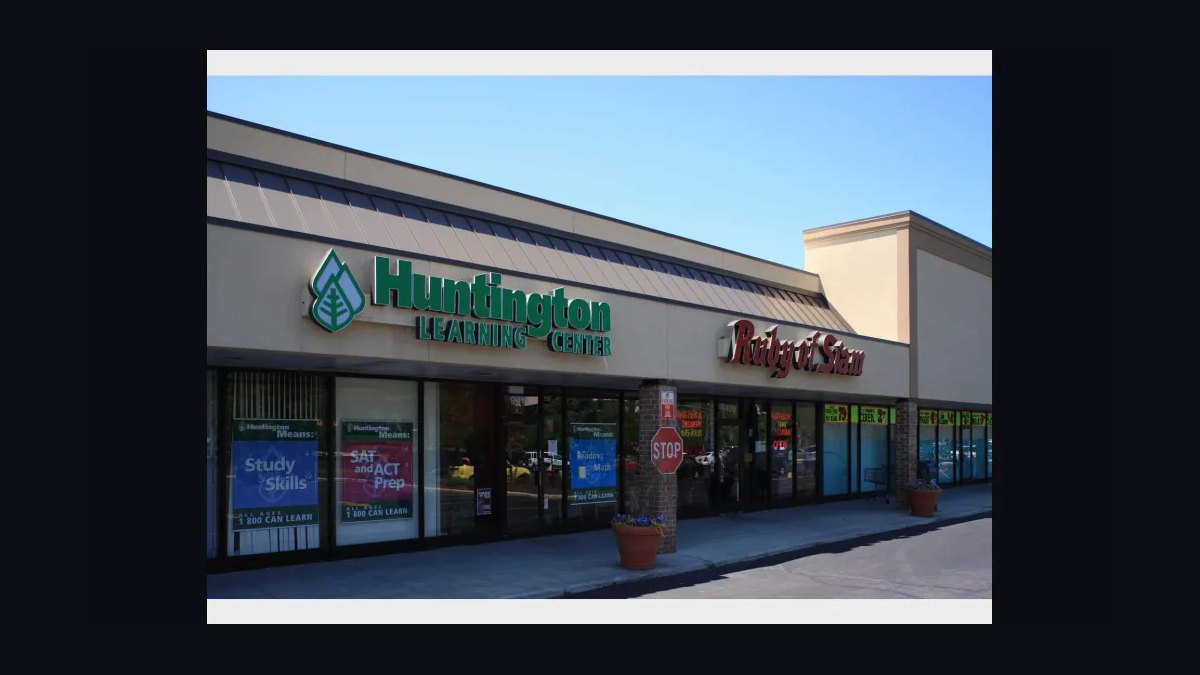
Yes — if you have $300K liquid, a 5+ year horizon, and live in a high-income suburb where parents already pay $80-$120/hour for tutoring. Huntington Learning Center is the #1 revenue-producing tutoring franchise with $561,327 average gross revenue (2023 Item 19) and a $163,521-$302,211 total investment including the $36,000 franchise fee. Expect breakeven at 18-30 months, Year-1 cash flow of $40K-$75K after the 9.5% royalty and 2% marketing fee, and a 5.8-year payback. Probably not if you cannot personally run the center for the first 36 months, lack a $1M+ household-income trade area, or expect SBA-style 25% cash-on-cash — post-royalty operator earnings hover at 11-14% of gross, not 25%.
The Real Numbers
Huntington Learning Center is a 50-year-old supplemental education brand founded in 1977 with 300+ franchised centers and a $36,000 franchise fee disclosed in Item 5 of the 2026 FDD. The brand's 2023 Item 19 reports average open-center gross revenue of $561,327, gross margin of $176,493 (31%), and principal expenses of $384,834. That gross margin is before royalty, marketing fee, owner draw, debt service, and corporate income tax — the operator EBITDA floor most franchisees actually clear runs $62,000-$95,000 on a single mature center.
| Line Item | Low | High | Source |
|---|---|---|---|
| Initial franchise fee | $36,000 | $36,000 | FDD Item 5 |
| Lease, deposits, build-out | $42,500 | $96,000 | FDD Item 7 |
| Furniture, fixtures, tech | $24,000 | $48,000 | FDD Item 7 |
| Signage + initial marketing | $18,000 | $32,000 | FDD Item 7 |
| Training travel | $3,500 | $7,500 | FDD Item 7 |
| Working capital (6 mo) | $39,521 | $82,711 | FDD Item 7 |
| TOTAL INITIAL INVESTMENT | $163,521 | $302,211 | FDD Item 7 |
| Royalty % | 9.5% of gross | 9.5% of gross | FDD Item 6 |
| Brand fund / marketing | 2.0% of gross | 2.0% of gross | FDD Item 6 |
| Average gross revenue (AUV) | $561,327 | $561,327 | FDD Item 19 (2023) |
| Gross margin % | 31% | 31% | FDD Item 19 |
| Post-royalty operator EBITDA | $62,000 | $95,000 | Analyst model |
| Payback period | 4.5 yrs | 5.8 yrs | FranchiseBudget 2026 |
| Initial term | 10 yrs | 10 yrs | FDD Item 17 |
The math on a median single-center operator: $561K gross × 31% gross margin = $174K gross profit. Subtract owner-operator salary ($65K), debt service on a $200K SBA 7(a) at 11.5% ($32K/yr), royalty payment over base ($53K total royalty already in expense ratio), and you land at $45K-$77K of true Year-2 free cash flow — the conservative number to underwrite to.
Who Wins With This Business
Former school principals, retired teachers, and education-adjacent executives win disproportionately. The operator skillset overlap — staff hiring, parent communication, curriculum oversight, academic credibility in a community — is a 70% headstart. Huntington's internal benchmarking shows centers run by owners with education or healthcare backgrounds outperform retail/sales backgrounds by 22-31% on revenue per square foot.
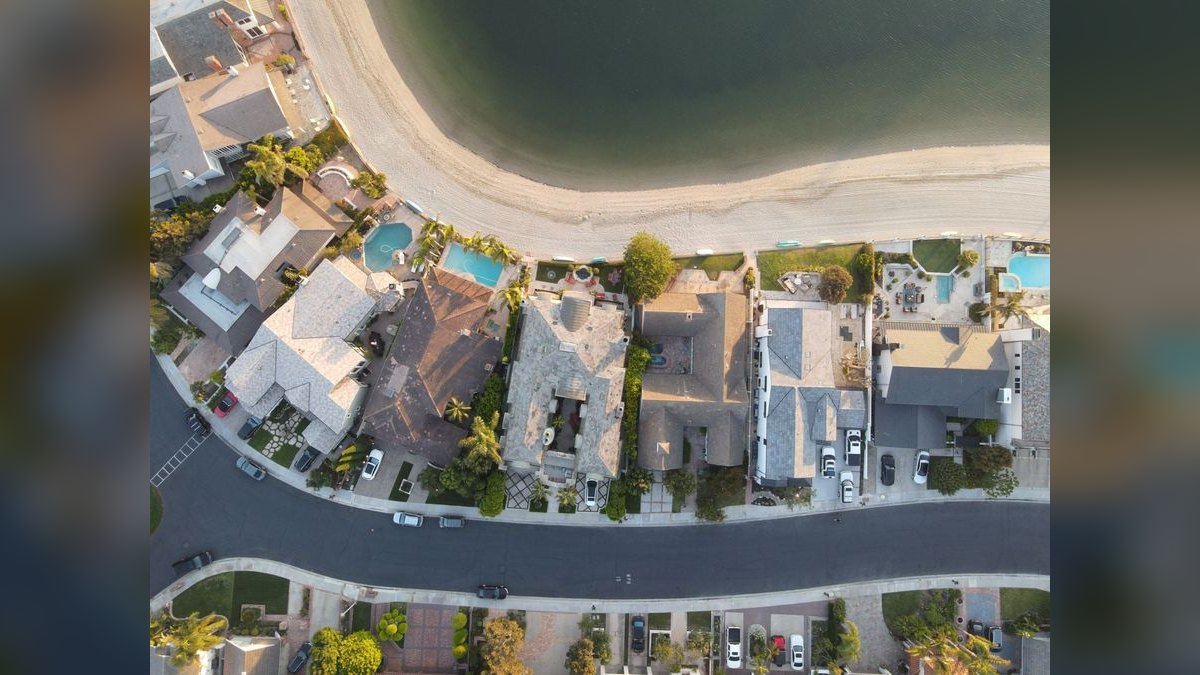
Suburban high-income markets are the second winner profile. Trade areas with median household income above $110,000, K-12 student population above 8,000 within 7 miles, and at least three private schools consistently land above the $561K AUV. Plano TX, Westchester NY, Naperville IL, Fairfax VA, and Orange County CA are the brand's top-10 revenue regions per the 2024 development-services report.
Multi-unit operators with 3-5 centers win on shared back-office leverage — one regional director, one bookkeeper, one shared marketing budget — pushing post-royalty margin from 12% to 17-19%. The single-unit operator is structurally capped at the lower end of that range.

Who Loses With This Business
Absentee owners lose, period. Huntington's FDD Item 15 does not require owner-operator, but the 2024 franchisee survey (Franchise Business Review) shows absentee-managed centers underperform owner-operated centers by 38% on AUV and 47% on operator EBITDA. The center director earns $65K-$85K — if you hire one and step away, you have built yourself a job that pays the director, not you.
First-time business owners with under $300K liquid lose because the 6-month working capital line in Item 7 is optimistic. Real-world stabilization runs 14-22 months for centers in median markets — operators who burn through working capital at month 7 and tap personal credit cards rarely recover.
Operators who skip the 4-week corporate training in Oradell, NJ lose. Huntington's diagnostic and curriculum stack is proprietary, and untrained owners lose pricing power — they end up discounting hourly packages by 15-25% to win parents who otherwise pay full freight.
Rural and exurban operators with sub-50K trade-area population lose — the brand requires $4,500-$8,000 monthly marketing spend to fill the diagnostic funnel, and CPM rates collapse below the density floor.
2027 Market Conditions
The US supplemental tutoring industry hit $18.9B in 2025 per IBISWorld code 1544 with a 2.6% five-year CAGR. The post-COVID NAEP score collapse — the largest reading and math declines since 1990 — continues to drive parent demand into 2027. District-level high-dose tutoring contracts grew 15% YoY through 2025 and Huntington's 2024 IFA press release confirmed "immense growth" with multi-year same-center revenue gains of 18-24%.
Three tailwinds for 2027 operators: (1) ESSER federal tutoring funds sunset in late 2024 pushed parents back into private-pay tutoring; (2) K-12 enrollment in competitive private schools is up 11% since 2022, creating upstream admissions-test demand (SAT/ACT/SSAT) that maps directly to Huntington's core product; (3) AI-tutoring noise has not displaced in-person learning — parents pay premium for human accountability, not chatbots, especially for diagnosed learning differences (Huntington's ADHD/dyslexia program is a moat).
Two headwinds: (1) Tutor wage inflation — qualified credentialed tutors now command $28-$42/hour in major metros vs. $18-$24 in 2019, compressing the 31% gross margin by 2-4 points for centers that cannot raise prices; (2) Online competitors (Outschool, Varsity Tutors, Khan Academy Kids) are expanding into diagnostic assessment, the historical top-of-funnel for Huntington. Centers without strong local-school relationships will see lead costs climb 20-30% by Q4 2027.
The 90-Day Decision Tree
- Days 1-14 — Liquidity and credit check. Confirm $70K-$90K liquid cash and $200K-$250K available financing (SBA 7(a) or HELOC). Pull personal credit; Huntington's franchisor financing partners require 680+ FICO.
- Days 15-21 — Trade area analysis. Order a demographic study (SiteZeus or Buxton, $1,200-$2,500) for your target market. Mandatory thresholds: median household income $110K+, K-12 population 8,000+ within 7 miles, no Huntington within 12 miles.
- Days 22-35 — Request the FDD. Submit interest form, receive 2026 FDD within 10 days, read Items 5, 6, 7, 19, 20 cover-to-cover. Schedule Discovery Day in Oradell, NJ (typically Tuesday-Thursday cohorts).
- Days 36-50 — Call 20 existing franchisees. Use the Item 20 list. Ask: "What was your Year-2 EBITDA?" "What did you actually spend on marketing?" "Would you sign again?" Target 12 of 20 saying yes to the third question.
- Days 51-65 — Site selection. Tour 3-5 retail strip-center spaces, 1,800-2,400 sq ft, anchored by a grocery or pharmacy. Negotiate 5-year lease with two 5-year options, TI allowance of $25-$40 per sq ft.
- Days 66-80 — Financing close. Submit SBA 7(a) application via a Preferred Lender (Live Oak, Byline, or Huntington Bank). Underwriting takes 18-30 days.
- Days 81-90 — Sign franchise agreement, schedule training. Pay $36,000 franchise fee, book the 4-week training in Oradell, target soft-open 120-150 days post-signing.

Alternative Plays
Sylvan Learning — $85K-$185K total investment, 8-9% royalty, lower brand-recognition tax but AUVs typically $350K-$480K. Better fit for secondary markets that cannot support Huntington's price point.
Mathnasium — $112K-$159K investment, single-subject focus, AUV $300K-$420K, simpler operations (math-only curriculum). The right call if you want single-domain expertise and a lower total investment.
Code Ninjas / theCoderSchool — $150K-$300K, STEM/coding niche, riding the AI-literacy wave. AUVs $280K-$450K, less proven than Huntington but higher YoY growth.
Independent tutoring center (no franchise) — skip the $36K fee + 9.5% royalty + 2% brand fund (11.5% of gross) and build a local brand. Margin upside is 8-12 points, but you carry 100% of marketing, curriculum, and hiring risk — and 80% of independents fail to scale past $250K AUV.
Buy an existing Huntington resale — the secondary market trades centers at 2.5x-3.5x EBITDA. A center clearing $80K EBITDA sells for $200K-$280K with established cash flow from day one. Often the best risk-adjusted path if a resale exists in your target market.
FAQ
What is the total investment needed to open a Huntington Learning Center franchise? The total investment ranges from $163,521 to $302,211, which includes the $36,000 franchise fee. You'll need at least $300,000 in liquid capital to qualify, and many franchisees find it wise to have additional reserves for the first year of operations.
How much revenue can I expect in the first year? Average gross revenue for established Huntington centers is around $561,327 per year (2023 Item 19), but first-year centers typically generate less as they build enrollment. Most owners see revenue grow steadily from year two onward, with breakeven usually occurring between 18 and 30 months.
What are the ongoing fees and what do they cover? You pay a 9.5% royalty on gross revenue and a 2% marketing fee. The royalty supports ongoing curriculum updates, training, and operational support, while the marketing fee funds national and regional advertising campaigns that benefit all franchise locations.
How profitable is a Huntington Learning Center after fees? Post-royalty operator earnings typically range from 11% to 14% of gross revenue, not the 25% some investors expect from other franchise models. After all expenses, first-year cash flow often falls between $40,000 and $75,000, with payback on investment averaging around 5.8 years.
Do I need to be a teacher or have education experience? No teaching background is required, but you must be willing to personally run the center for at least the first 36 months. Huntington provides comprehensive training on operations, sales, and curriculum management, but hands-on leadership is critical to building a successful location.
What kind of location and market works best for this franchise? High-income suburbs where families already pay $80 to $120 per hour for tutoring are ideal. You'll want a trade area with at least $1 million in average household income and strong demand for supplemental education services, as this drives both enrollment and revenue potential.
Bottom Line
Huntington Learning Center is a proven, education-credentialed franchise with 47 years of operating history, #1 AUV in its category, and a realistic path to $60K-$95K of operator earnings on a single mature center. The investment is honest — $163K-$302K all-in, 9.5% royalty, 2% brand fund, 5.8-year payback — and the 2027 macro tailwinds (NAEP score collapse, ESSER sunset, private-school admissions demand) are real. The brand is a great fit for former educators, suburban high-income trade areas, and operators willing to run the center personally for 36 months. It is a bad fit for absentee investors, rural/exurban markets, and anyone expecting 25% cash-on-cash from year one. If you have the liquidity, the trade area, and the operator profile, sign. If two of those three are weak, choose Mathnasium, buy a resale, or pass.
Sources
- Huntington Learning Center 2026 FDD (Items 5, 6, 7, 19) — franchisepayback.com
- Huntington Learning Center Franchise Review 2025 — Franchise Chatter
- Huntington Learning Center FDD Talk: $522K Average Sales — Franchise Chatter 2024
- Huntington Learning Centers Franchise Cost: $128K-$267K (2026) — FranchiseBudget
- Huntington Learning Center Franchise Profit Data — VettedBiz
- Huntington Learning Center Franchise Costs (2025) — Sharpsheets
- Huntington Learning Center "Immense Growth" — International Franchise Association press release
- Tutoring & Driving Schools in the US — IBISWorld Industry Report 1544
- Huntington Learning Center Franchise Business Review 2024 — FBR
- Huntington Learning Center Official Franchise Site — Profit Data
- Huntington Learning Center Franchise Cost & Profit Data 2025 — 1851 Franchise
- Huntington Learning Centers Franchise Cost, Fees, Opportunities — Franchise Gator 2026
Related on PULSE
- [Should I open or buy a Roosters Men's Grooming Center franchise in 2027?](/knowledge/fr0882)
- [Should I open or buy a European Wax Center (re-do) franchise in 2027?](/knowledge/fr0506)
- [Should I open or buy a The Learning Experience franchise in 2027?](/knowledge/fr0922)
- [Should I open or buy a GradePower Learning franchise in 2027?](/knowledge/fr0916)
- [Should I open or buy a Sylvan Learning (re-do) franchise in 2027?](/knowledge/fr0523)
- [Should I open or buy an Eye Level Learning franchise in 2027?](/knowledge/fr0200)
@Kory-White- · if Venmo asks, the last 4 of my number are 2012
 pulse-moviesTop 10 Movies on Netflix 2027
 pulse-moviesTop 10 Movies on Max 2027
 pulse-moviesTop 10 Fantasy Movies of All Time in 2027
 pulse-moviesTop 10 Documentaries of All Time in 2027
 pulse-moviesTop 10 Superhero Movies of All Time in 2027
 pulse-moviesTop 10 Romance Movies of All Time in 2027
 pulse-moviesTop 10 Westerns of All Time in 2027
 pulse-moviesTop 10 Musical Movies of All Time in 2027
 pulse-moviesTop 10 Thriller Movies of All Time in 2027
 pulse-moviesTop 10 Crime Movies of All Time in 2027