
Should I open or buy a Closet Factory franchise in 2027?
 Curated byKory White · Fractional CRO · Maryland
 PULSEKNOWLEDGE LIBRARY
Quality
Certified

Open a new Closet Factory franchise if you have $400K–$700K liquid, design-build or high-ticket B2C sales experience, and a metro territory with median household income above $95K. Buy an existing unit instead if you want revenue on day one and can pay a multiple. Skip both if you want passive income.
Opening new versus buying an existing unit
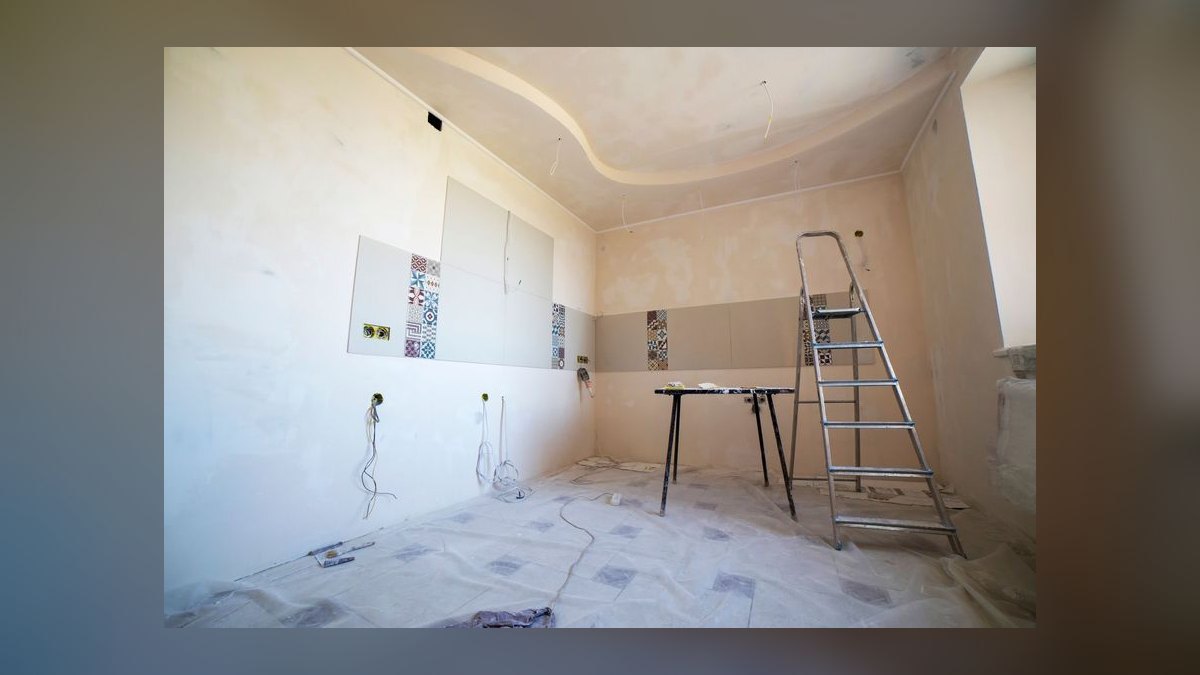
The two paths into this brand look similar on a spreadsheet and behave nothing alike in practice. Opening new means signing the franchise agreement, paying the initial franchise fee, and building a shop-plus-showroom from an empty flex-industrial shell. The 2025 Franchise Disclosure Document puts total initial investment at roughly $392,500 to $663,500, with the initial franchise fee at $58,500 (some legacy territories report $46,500). You choose the territory boundaries, the building, the layout of the CNC and edge-bander, and — critically — every person who works there. Nothing is inherited. Nothing is broken on arrival because nothing exists yet.
Buying an existing Closet Factory unit inverts every one of those variables. You inherit revenue, a designer roster, an installed-base referral stream, Houzz and Google review history, a lease with whatever terms the prior owner negotiated, and a book of open jobs at whatever margin they were sold. Acquisition price is not disclosed in any FDD because it is a private transaction between franchisee and buyer, subject to franchisor consent and typically a transfer fee. In the home-improvement franchise category, established units with clean books commonly trade in the range of three to five times adjusted EBITDA, with the multiple sliding on owner-dependence, lease quality, remaining term on the franchise agreement, and how much of the revenue traces to relationships the seller is taking with them.
The trade is time versus control. A new build spends 9 to 14 months producing very little while consuming payroll, rent, royalty on whatever it does sell, and marketing. An acquisition can be cash-flow positive in month one — if the unit was genuinely profitable and not merely busy. Busy-but-unprofitable is the single most common condition of a for-sale home-improvement franchise, because owners rarely sell a machine that prints money. Ask why the seller is selling, and keep asking until the answer stops changing.
There is a third path most buyers never price out: buying a distressed or underperforming unit at a low multiple of a small EBITDA number, then operating it like a new build. You get the lease, the equipment, the territory, and the brand for less than the cost of a fresh build-out, and you accept that you are rebuilding the sales function from scratch anyway. This works when the underlying territory demographics are strong and the prior operator simply could not hire designers or refused to spend on marketing. It fails when the territory itself is the problem — median home value under $250K will not support $8K–$15K closet packages at volume no matter who owns the showroom.
Reading the deal in front of you
Before choosing a path, read the specific opportunity, not the category. For a new territory, the question is whether the addressable market justifies a six-figure annual marketing budget. Closet Factory grants large multi-county territories; that generosity only pays when household count is high enough to feed a funnel. Count households above $95K median income inside the proposed boundary. Under roughly 150,000 qualified households, the math tightens fast, because you are still paying full royalty and full brand-fund contribution on a thinner top line.
For an acquisition, the question is whether the earnings are real and transferable. Pull three years of tax returns, not just a seller's add-back schedule. Separate revenue by source: showroom walk-ins, brand-generated web leads, paid search, Houzz, past-client referrals, and builder or realtor relationships. That last bucket is the dangerous one. If 30% of revenue comes from two general contractors who golf with the seller, that revenue has legs and the legs are leaving. Discount it to zero in your base case and see whether the deal still clears your return threshold.
Then examine the balance sheet items nobody advertises. Deposits on jobs sold but not installed are a liability you assume — cash the seller already spent, work you still owe. Warranty exposure on installs from the prior 24 months lands on you in practice even when the purchase agreement says otherwise, because the customer calls the phone number on the invoice and the phone number is now yours. Equipment age matters more than equipment count; a ten-year-old panel saw and a tired dust-collection system are a $60K–$100K capital call you should negotiate into the price rather than discover in month four.
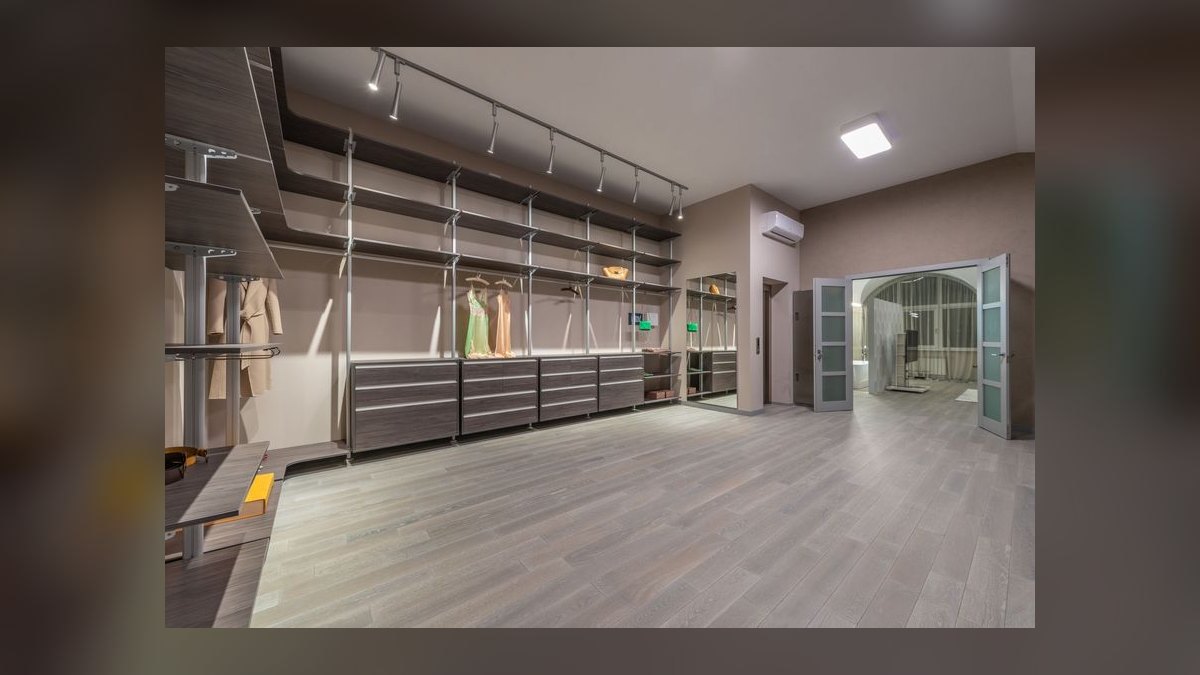
Lease terms deserve their own review. A shop-plus-showroom needs 4,000 to 7,500 square feet with roughly 20-foot ceilings, three-phase power, and genuine truck access. If the inherited lease has under three years remaining and the landlord knows the equipment is bolted down and expensive, you have handed them pricing power over your entire enterprise. Renegotiate before closing, not after.
The numbers behind each option
Start with the disclosed figures, because they anchor both paths. The 2025 FDD Item 19 reports average unit revenue of $4,077,000 across reporting franchisees, with the upper cohort averaging closer to $4.6M and top-quartile units reporting above $5.9M. Royalty is 6.75% of weekly gross sales, remitted weekly, and the brand marketing fund runs up to 1.5%. Local advertising typically consumes another 6% to 10% on top of that fund — this is the line new owners underestimate most.
Cost structure at steady state looks roughly like this: cost of goods (melamine, hardware, edge-banding, doors) at 34% to 40% of revenue; labor including designers on draw-plus-commission, installers, and shop staff at 22% to 28%; occupancy near 4%; general and administrative around 5%. What survives is an EBITDA margin in the 18% to 25% band for a well-run unit — not the 46% gross-margin number that occasionally shows up in recruiting decks. Those are different lines on different statements, and conflating them is how people end up underwater.
For the new-build path, the investment stack breaks out approximately as follows.
| Line item | Low | High | Notes |
|---|---|---|---|
| Initial franchise fee | $46,500 | $58,500 | FDD Item 5; legacy vs. standard |
| Build-out / leasehold | $85,000 | $165,000 | 4,000–7,500 sq ft shop + showroom |
| Manufacturing equipment | $95,000 | $185,000 | Saws, edge-bander, CNC, dust collection |
| Vehicles | $35,000 | $75,000 | 2–3 install vans |
| Showroom + design tools | $25,000 | $55,000 | Displays, CAD, sample boards |
| Initial inventory | $30,000 | $60,000 | Panels, hardware, finishes |
| Working capital (9 mo) | $75,000 | $135,000 | Payroll, royalty, lease |
| Pre-open marketing | $25,000 | $55,000 | Houzz, Google Local Services, Nextdoor |
| Total initial investment | $392,500 | $663,500 | FDD Item 7 (2025) |
Year one on a new build typically runs somewhere between roughly negative $80,000 and positive $95,000 in cash flow depending purely on ramp speed. Break-even on cash tends to arrive between month 14 and month 22. Full payback of invested capital lands in the 28-to-40-month range for a disciplined operator. By year three at the median, owner earnings in the upper cohort of Item 19 disclosures sit in the $646,000 to $831,000 range — real, but earned on the back of a 15-to-20-person operation.
For the acquisition path, rebuild those numbers from the target's actuals. Suppose a unit does $2.8M in revenue at a 15% adjusted EBITDA margin — $420,000. At a 4x multiple, that is a $1.68M purchase price, of which an SBA 7(a) acquisition loan might cover 75% to 80% with a personal guarantee and, commonly, real-estate or other collateral. Debt service on roughly $1.3M over ten years at prevailing rates consumes a meaningful slice of that $420,000, so your actual owner take-home in year one may be less than a mature new build produces in year three — while your risk profile is lower and your ramp risk is nearly eliminated. That is the honest trade: acquisition buys certainty and sells upside.
Run three cases on either path. Base case uses $4.08M revenue with 21% EBITDA. Upside uses $5.9M with 24%. Downside uses $2.6M with 12% — and the downside case is the one that decides the deal, because it tells you whether you survive a soft housing year with royalty still due weekly.
Market conditions shaping 2027 entry
The custom-closet and home-organization category has been growing in the mid-single to high-single digits annually, with the US representing the largest single share of global demand. The demand driver that matters most is housing turnover, and turnover has stayed constrained while 30-year mortgage rates hold in the mid-6% range. That constraint cuts two ways for this business. New-construction installs soften, but remodel-in-place spending firms up as homeowners who cannot justify moving redirect budget into the house they already own. Custom storage is a direct beneficiary of the stay-put dynamic.
Three sub-segments have been pulling weight. Aging-in-place storage retrofits — lowered rods, pull-down systems, accessible pantry configurations — carry good margin and a customer who is not price-shopping three bids. Hybrid-work home offices continue to convert spare bedrooms into built-in desk-and-shelf projects, often bundled with a closet job in the same visit. Garage systems remain the easiest upsell in the catalog, because the lead is already in the driveway.
Competitively, California Closets remains the dominant national brand and operates largely corporate-owned with limited franchise availability. Closets by Design is corporate-only, no franchise path. Tailored Living and Inspired Closets compete in the same in-home consult motion at different capital footprints. Direct-to-consumer configurator brands nibble at the low end of the market, and their real effect is not lost jobs so much as a better-educated buyer who arrives with a rendering and a price expectation already in mind. Your designer has to sell against a screenshot.
Input costs have been the quieter story. Panel and hardware pricing stabilized after the 2024–2025 supply disruption, and freight has come down from its peak. Labor has not cooled. Skilled installers in coastal metros command wages that force you to systematize training or bleed margin to overtime — a unit that cannot promote its own second and third install crews from within will cap out at whatever its hiring market allows. Design software has partially offset this: 3D configuration tools shorten the in-home consult and lift a designer's closed-job throughput per week, which is the highest-leverage productivity gain available in the model.
One adjacent read worth doing: look at what the local kitchen-and-bath remodelers, garage-flooring operators, and window-replacement franchises in your target metro are doing. They share your customer, your lead sources, and your labor pool. If three of them are hiring installers aggressively, your wage assumptions are already stale. If two just closed, you may be looking at a market where the premium in-home ticket has stopped clearing.
Sequencing the first 120 days either way
Whichever path you take, the sequence matters more than the speed. Compress the wrong step and you pay for it for years.
Days 1 through 15 are documents. Request the current Franchise Disclosure Document and read all of it, with real attention to Item 5 (fees), Item 7 (investment range), Item 19 (financial performance representations), Item 20 (outlet tables and the franchisee contact roster), and Item 21 (audited financials). Then call at least ten existing franchisees from Item 20 — three in your region, three in comparable metros, three in their first three years, and at least one who recently exited. The exiter is the most valuable call you will make and the one most buyers skip.
Days 16 through 30 are market and site. For a new build, identify three candidate flex-industrial spaces with showroom frontage, and target base rent that keeps occupancy near 4% of projected revenue. Get letters of intent. For an acquisition, this window is where you tour the shop unannounced, watch a designer run an actual in-home consult, and ride an install. You learn more in one ride-along than in a month of financial review.
Days 31 through 50 are the model and the diligence. Build the five-year P&L with the three cases described above. On an acquisition, put a quality-of-earnings lens on the seller's add-backs and reconcile deposits, warranty exposure, and equipment condition into an adjusted price.
Days 51 through 70 are financing. Closet Factory appears on the SBA Franchise Directory, which simplifies 7(a) eligibility for both new-unit and acquisition loans. Expect roughly 20% to 25% equity injection, ten-year amortization, and a full personal guarantee. Get a written prequalification before you sign anything binding.
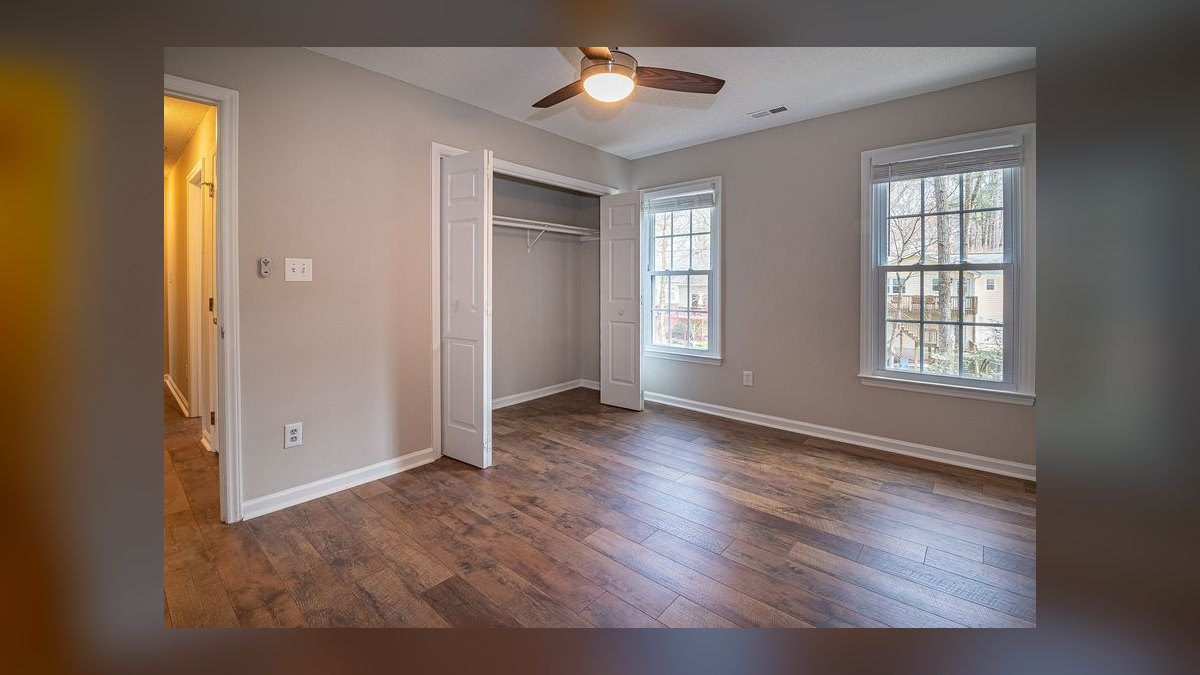
Days 71 through 90 are people. Three hires carry the unit: a lead designer, a shop foreman, and a head installer. Designer compensation at strong units reaches well into six figures on commission, and good designers have options — this is the hardest hire in the business and the one that most determines outcome. Structure base-plus-commission for the designer and base-plus-performance-bonus for the other two.
Days 91 through 120 are execution. New builds finish build-out, install equipment, stage the showroom, and launch paid lead generation ahead of opening so the funnel has something in it on day one. Acquisitions do the opposite: change nothing for sixty days. Learn the crew, learn the pipeline, keep the seller on a short consulting agreement, and only then start moving pieces.
Who this business rewards and who it punishes
The operators who do well share a recognizable profile. Design-build and contracting veterans — former kitchen-and-bath remodelers, cabinet shop owners, construction project managers — arrive already fluent in takeoffs, install scheduling, and punch lists. B2C sales managers from furniture, jewelry, automotive, or solar arrive fluent in the other half: recruiting, training, and riding along with commissioned designers who need to close $3,500 to $12,000 tickets in a stranger's bedroom. Couples who split the roles cleanly — one on showroom and design, one on shop and install — consistently outperform single-owner units, because the two halves of the business demand different temperaments and neither can be neglected for a week.
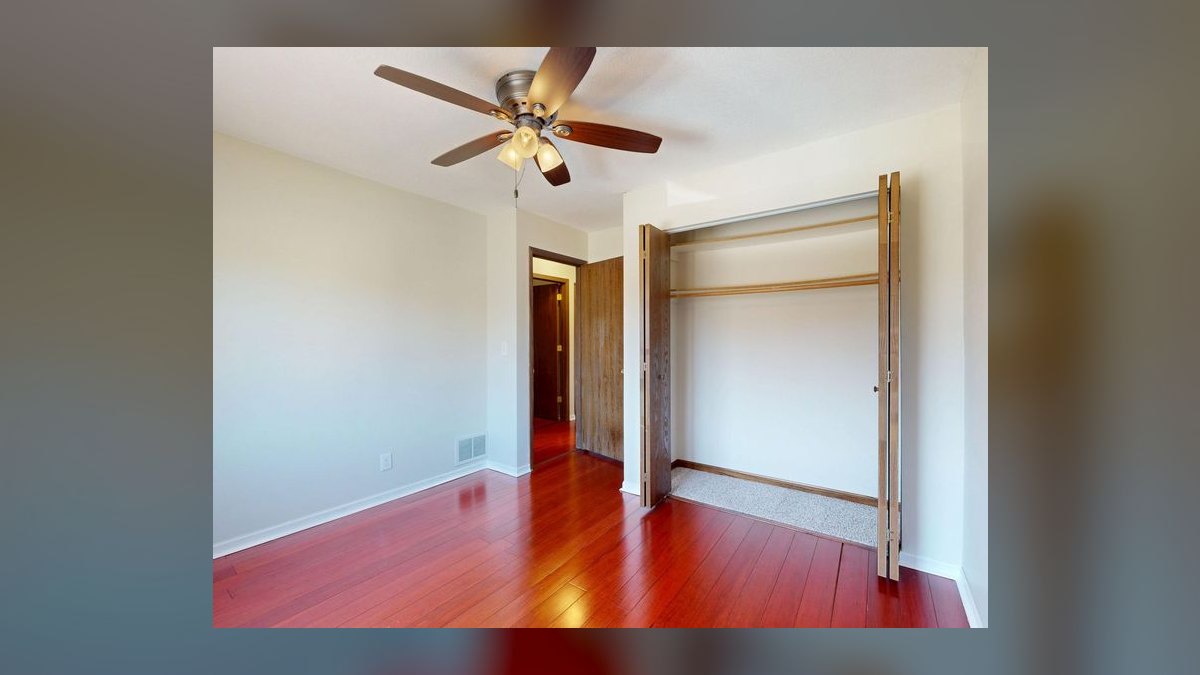
The winners also run a disciplined funnel. They answer inbound leads in minutes, not hours. They book the in-home design appointment inside 48 hours of first contact. They hold a close rate above 35% on first-visit consults and know that number weekly, not quarterly. They standardize installs to two- or three-day turnarounds so crews stay predictable. They attach garage and pantry work to closet leads instead of treating each room as a separate sale. And they keep six to nine months of non-business reserves so they never have to cut marketing in a slow quarter — the single most destructive decision available in this model, because the pipeline you starve today is the revenue you miss two quarters out.
The people who lose are equally predictable. Absentee and semi-absentee owners land in the bottom quartile with grim reliability; this is an owner-as-rainmaker business, and the brand is not a substitute for a present operator. First-timers with neither trades nor sales background struggle hardest on hiring, which is the exact skill the model demands most. Anyone who tries to skip the in-home consult and sell from the showroom or online watches close rates collapse. Anyone who hates hiring, firing, and ride-alongs is signing up for a people business wrapped around a CNC shop and will resent every day of it. And anyone who underestimates working capital simply runs out — build-out plus equipment plus a 90-day ramp burns real money before the first meaningful invoice clears.
If none of that profile fits, the adjacent options are worth pricing. Tailored Living, under Home Franchise Concepts, needs materially less capital because installation runs through a contractor network rather than an owned shop — thinner margin, faster break-even, less operational surface area. Going independent skips the combined 8.25% royalty-plus-fund load, which on a $4M unit is over $300,000 a year, at the cost of brand recognition, proprietary design software, national supplier pricing, and two to three years of marketing trial and error. Adjacent in-home design-sell-install franchises in bath and kitchen remodeling run a nearly identical motion at a smaller footprint, with more units viable per metro.
Related questions
Is buying an existing Closet Factory unit cheaper than opening new?
Not necessarily. A profitable unit often costs more than a new build once you pay a multiple on EBITDA. It is cheaper in time and risk, not in dollars. Distressed units are the exception — cheap to buy, expensive to fix.
What is the hardest part of running this franchise?
Hiring and retaining designers. Strong designers earn six figures on commission and have alternatives, so recruiting is continuous, not occasional. Units that solve designer hiring outperform on every other metric almost automatically.
Can I run a Closet Factory unit semi-absentee?
Realistically no. Semi-absentee units cluster in the bottom quartile of disclosed performance. The owner is the rainmaker, the sales manager, and the hiring engine. Remote ownership removes all three functions at once.
How long until the business pays back my investment?
Cash break-even typically arrives between month 14 and month 22 on a new build. Full payback of invested capital runs roughly 28 to 40 months. An acquisition can be cash-positive immediately but carries debt service against it.
Does a soft housing market kill this business?
No, it shifts it. Low turnover reduces new-construction and move-in installs but increases remodel-in-place spending. Custom storage benefits from homeowners staying put and upgrading, which partially offsets the turnover decline.
FAQ
What is the total investment range to open a new Closet Factory franchise?
The 2025 FDD Item 7 discloses roughly $392,500 to $663,500 in total initial investment, including a $58,500 initial franchise fee ($46,500 in some legacy territories). Plan for liquid capital toward the upper end of that band so you can fund payroll, royalty, and lease through a nine-month ramp before revenue stabilizes.
What revenue and earnings should I expect?
Item 19 of the 2025 disclosure reports average unit revenue of about $4,077,000, with top-quartile units above $5.9M. After royalty, marketing, cost of goods, and labor, EBITDA margin lands in the 18% to 25% range at steady state. Upper-cohort owner earnings by year three sit in the $646,000 to $831,000 range.
What experience do I actually need?
Two-plus years in design-build, contracting, or high-ticket B2C sales is the practical baseline. Cabinetry or remodeling experience helps on the shop side; sales-management experience helps on the revenue side. If you have neither, the designer-hiring problem will likely outrun you before month twelve.
How do I value an existing unit for sale?
Build adjusted EBITDA from tax returns rather than the seller's add-back schedule, then apply a multiple typical of the home-improvement franchise category — commonly three to five times, adjusted for owner-dependence, lease term, remaining franchise-agreement term, and how much revenue traces to the seller's personal relationships. Subtract deferred deposits, warranty exposure, and near-term equipment replacement.
What territory characteristics matter most?
Median household income above $95,000 and enough qualified households — roughly 150,000 or more — to justify a six-figure annual marketing budget. Home values under about $250,000 rarely support premium closet packages at the volume the model needs. Density beats geographic size every time.
Does the franchisor have to approve an acquisition?
Yes. Transfers require franchisor consent and typically a transfer fee, and the buyer must qualify on the same financial and experience criteria as a new franchisee. Build consent timing into your closing schedule and confirm remaining term on the franchise agreement before you agree to price.
Sources
- https://www.closetfactory.com/franchise/
- https://www.sba.gov/document/support-sba-franchise-directory
- https://www.entrepreneur.com/franchises/closetfactory/282525
- https://www.ibisworld.com/united-states/market-research-reports/closet-home-organizers-industry/
- https://www.franchise.org/
- https://www.ftc.gov/business-guidance/resources/franchise-rule-compliance-guide
- https://www.houzz.com/professionals/
- https://www.census.gov/construction/nrc/index.html
- https://www.freddiemac.com/pmms
Related on PULSE
- Should I open or buy a Plato's Closet franchise in 2027?
- Should I open or buy an Old Spaghetti Factory franchise in 2027?
- Should I open or buy a Pizza Factory franchise in 2027?
- Should I open or buy a Smoothie Factory franchise in 2027?
- Should I open or buy a Rocky Mountain Chocolate Factory franchise in 2027?
- Should I open or buy a Philly Pretzel Factory franchise in 2027?
This page will be disappearing soon. Save it to your device for $1 — or read it free while it is here.
@Kory-White- · if Venmo asks, the last 4 of my number are 2012
This page is gone.
This one is off the shelf now. $1 keeps it on your phone for good — the whole page, pictures and diagrams included.
 franchiseShould I open or buy a Premier Martial Arts franchise in 2027?
 franchiseShould I open or buy a CarePatrol franchise in 2027?
 franchiseShould I open or buy a Rockin’ Jump trampoline park franchise in 2027?
 franchiseShould I open or buy a Sunright Tea Studio franchise in 2027?
 franchiseShould I open or buy a Roto-Rooter franchise in 2027?
 franchiseShould I open or buy a Playa Bowls franchise in 2027?
 franchiseShould I open or buy an H&R Block franchise in 2027?
 franchiseWhat are the exact steps to open a franchise location, from signing the agreement to opening day in 2027?
 franchiseShould I open or buy an All My Sons Moving & Storage franchise in 2027?
 franchiseShould I open or buy a Dream Vacations franchise in 2027?