
Should I open or buy a Critter Control franchise in 2027?
 Curated byKory White · Fractional CRO · Maryland
 PULSEKNOWLEDGE LIBRARY
Quality
Certified

Yes — buy or open a Critter Control franchise in 2027 if you can fund a $95K-$250K initial investment, you live in a suburban "B" or "A" market (population 600K+) with humidity, attics, and crawlspaces, and you're comfortable doing physical, ladder-and-respirator field work for 12-18 months before you can hire it out. Probably not — unless you accept that 10% off-the-top fees (8% royalty + 2% brand) plus a Rollins-mandated tech stack eat the margin advantage independents enjoy. Plan on a $140K all-in cash floor, 18-26 month payback, and a conservative Year-1 owner cash flow of $45K-$85K while you build route density. Median "B"-market gross is $404,170; top-quartile clears $800K+. Wildlife and exclusion is the highest-ticket niche in pest control — but the brand premium only pays off if you can't sell yourself.
The Real Numbers
Critter Control is the 115-unit nuisance-wildlife arm of Rollins, Inc. (NYSE: ROL, parent of Orkin), and its 2025 FDD is the most recent public filing — these are the operative numbers every 2027 buyer is signing against until the April 2027 FDD refresh lands. The brand sits in the highest-ticket sub-niche of a $29.7B U.S. pest-control industry that grew at a 6.1% CAGR from 2020-2025 and is forecast to reach $32.8B by 2028. Average per-job ticket runs $1,500-$4,000 for exclusion work versus $150-$300 for general pest — which is why Rollins acquired the brand and why the unit economics can work despite the 10% fee load.
| Line Item | Low | High | Notes |
|---|---|---|---|
| Initial franchise fee | $74,875 | $111,900 | Tiered by territory size (C/B/A market) |
| Vehicle (wrapped truck/van) | $8,000 | $42,000 | Used pickup vs. new wrapped Transit |
| Equipment & traps | $4,500 | $14,000 | Ladders, cages, respirators, cameras |
| Initial inventory | $1,200 | $3,800 | Exclusion materials, sealants |
| Insurance (Year 1) | $2,400 | $6,800 | GL + auto + workers' comp |
| Working capital (3-6 mo) | $20,000 | $55,000 | Payroll, fuel, marketing |
| Training, licensing, misc. | $4,800 | $15,875 | Wildlife operator license varies by state |
| TOTAL INITIAL INVESTMENT | $93,850 | $250,275 | FDD Item 7, 2025 |
| Royalty | 8% of gross | — | Monthly, off the top |
| Brand fund | 2% of gross | — | National marketing |
| Min. net worth | $300,000 | — | Item 21 financial requirement |
| Min. liquid capital | $100,000 | — | Item 21 |
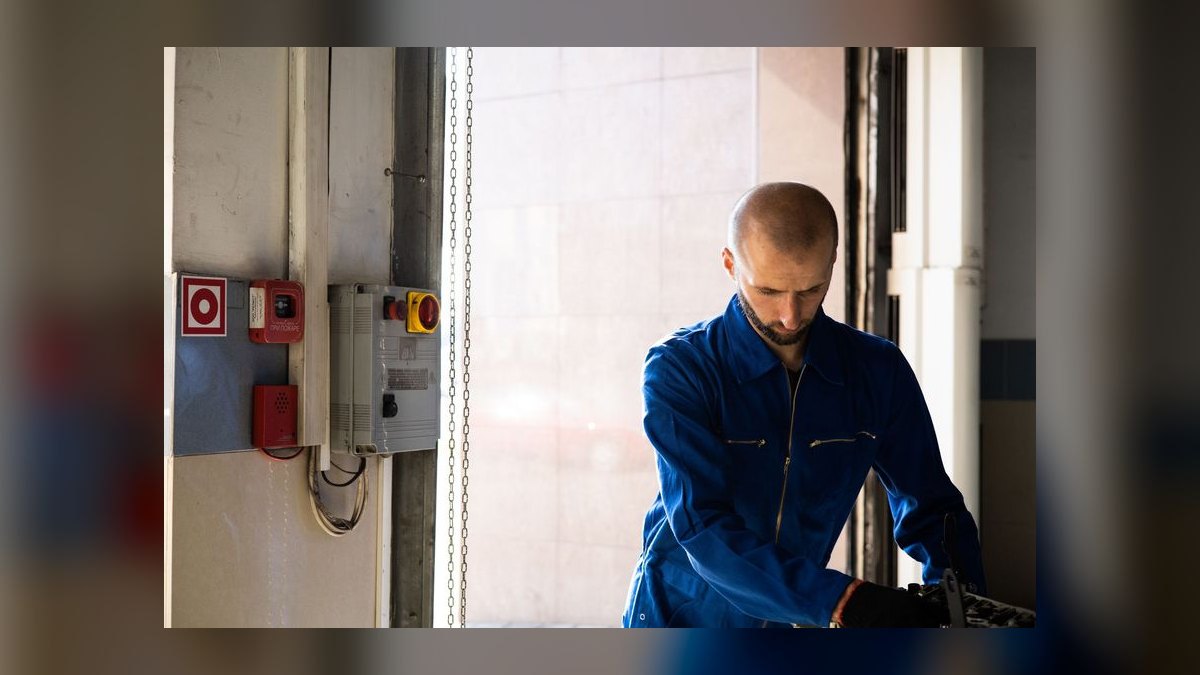
Revenue and profit (FDD Item 19, 2025): Across 16 "B"-market franchisees (population 600K-899K) operating continuously 2022-2024, average gross revenue was $629,293 with a median of $404,170, a low of $83,018, and a high of $1,333,449. Brand-wide, average gross sales per location are approximately $860,000. The Rollins-published all-system average implies that A-market territories (900K+ population) routinely clear $1M, while C-market rural territories sit closer to $250K-$400K. EBITDA margins in mature wildlife franchises run 18-26% once route density is built — meaning a B-market median operator nets $72K-$105K in EBITDA, and a top-quartile operator $180K-$260K. Payback period for a fully-loaded $140K initial investment at median performance is 18-26 months; top-quartile operators recoup capital in 11-14 months.
Who Wins With This Business
The Critter Control franchise rewards a specific operator profile, and the 115-unit system has had time to sort signal from noise. The franchisees who clear $800K+ in B/A markets share a recognizable pattern. They are former skilled-trades operators — roofers, HVAC techs, pest-control veterans, military engineers — who personally run the truck for the first 12-18 months to learn the local rodent and bat patterns, then promote a lead technician and shift to sales, exclusion-bid writing, and marketing. They already live in a humid, wooded, attic-heavy metro — Atlanta, Charlotte, Nashville, Raleigh-Durham, Houston, Tampa, Cincinnati, Pittsburgh, Kansas City — where bat colonies, raccoon litters, squirrel nests, and rat exclusion drive repeat $2,500-$6,000 tickets. They lean hard on the Rollins lead-flow engine, taking inbound Orkin overflow on wildlife jobs that Orkin techs can't safely service. And they layer high-margin exclusion (seal-out work with a 1-3 year warranty, billed at $3,000-$9,000) on top of one-time removal, lifting blended gross margin from 38% to 54%. The veteran-friendly $5,000 fee discount plus Rollins' in-house Rollins Acceptance Company financing (up to 90% of FF&E) also widens the funnel — veterans with disciplined route execution are over-represented in the top quartile.
Who Loses With This Business
The losers cluster around three failure modes, and they show up clearly in the $83K low end of the Item 19 disclosure. First, passive owners who try to start as an absentee operator — wildlife work is a technician-shortage business with 2-4 month hiring cycles for state-licensed wildlife operators in most states, and an owner who never personally ran the truck can't supervise bid quality, leading to a 40-55% labor cost that crushes margin. Second, rural C-market buyers with populations under 400K — even at full $300-$500K gross potential, the fixed 10% fee load plus a single-tech overhead produces a $35K-$55K owner draw that doesn't justify the $140K capital risk versus simply working as an Orkin Wildlife employee at $65K base. Third, operators in low-humidity, low-attic regions (Phoenix, Las Vegas, San Diego, much of the Mountain West) where bat and squirrel exclusion volumes are 60-75% lower than the Southeast — these territories are oversold by some franchise brokers and chronically underperform median. Add founders who underestimate the Rollins technology and reporting cadence — weekly P&L uploads, mandated CRM, mandated answering service — and the operating burden surprises ex-corporate buyers who expected "franchise-in-a-box" autonomy.
2027 Market Conditions
The 2027 setup is structurally favorable for wildlife removal even as the broader pest-control market matures. U.S. pest control hit $29.7B in 2026 with a 1.8% growth rate, and wildlife/exclusion is the fastest-growing premium segment — analysts at IBISWorld and the National Pest Management Association (NPMA) flag wildlife as the only sub-segment routinely growing 8-12% annually because of suburban sprawl into former wildlife corridors, milder winters extending bat and raccoon active seasons, and homeowner-insurance carriers increasingly excluding rodent damage (driving cash-pay exclusion demand). Rollins (ROL) Q1 2027 earnings continue to highlight wildlife as a margin-accretive segment versus traditional residential pest. The labor side is still tight — BLS occupational data shows pest-control technicians averaging $44,510 median wage in 2025, up 6.8% year-over-year, and wildlife operators command a 15-20% premium. Lead costs on Google Local Services Ads have climbed to $58-$92 per shared lead in major metros, which is exactly where the Rollins national-brand SEO and Orkin referral pipeline outpunch independents. The acquisition multiples on profitable wildlife books also remain elevated — strategic buyers (Rentokil-Terminix, Anticimex, and Rollins itself) are paying 5.5-7.5x EBITDA for established wildlife operators, giving franchisees a credible exit lane within 5-7 years.

The 90-Day Decision Tree
- Days 1-14 — Validate territory math. Pull U.S. Census ACS population for your target ZIP cluster; only proceed if you can secure a contiguous territory of 600,000+ population with a single-family-home rate above 55% and a median home age above 35 years (older homes leak more wildlife). Anything below these floors is a C-market and you'll be the $83K-$180K bottom of the Item 19 distribution.
- Days 15-30 — Request the FDD and validation calls. Critter Control will send the current FDD within 14 days of request. Call 8-10 existing franchisees from the Item 20 list — split between top-quartile, median, and bottom-quartile operators. Ask three specific questions: realized 36-month gross trajectory, actual royalty-plus-brand-fund as a percent of operating cash flow, and how often Rollins corporate sends qualifying inbound leads.
- Days 31-45 — Build the labor pool before you sign. Post a wildlife-technician job on Indeed and ZipRecruiter at $22-$28/hour in your metro and measure applicant flow and licensing status. If you can't generate 5+ licensable applicants in 21 days, your hiring runway is fatal — pause and reconsider an A-market territory.
- Days 46-60 — Stress-test the unit economics. Build a 24-month P&L at three scenarios: low (Item 19 P25), median ($404K), and high (Item 19 P75). Validate that at the low scenario you still hit a $0 personal cash burn within 14 months (otherwise your $100K liquid floor is too thin).
- Days 61-75 — Lock financing and corporate entity. Engage an SBA 7(a) lender familiar with Rollins franchisees (Live Oak Bank, Huntington, Byline Bank lead this segment) or use Rollins Acceptance Company for up to 90% FF&E financing. Form an LLC, run a D&B credit pull, and file for wildlife-operator licensing in your state (some states take 90-120 days — start before signing).
- Days 76-90 — Sign, attend training, and pre-sell. Critter Control's Detroit/Atlanta training is a 2-week residential program. Before training ends, pre-book 15-25 first-month inspections via your Rollins-fed lead flow and local nextdoor.com outreach so revenue starts on day 1 of operations.
Alternative Plays
If Critter Control's 10% fee load or territorial restrictions don't sit right, three credible alternatives exist in 2027. (1) Independent wildlife removal business — same gear, same training (NWCOA certification runs $1,800), no royalty, but you carry your own brand-building cost ($25K-$60K in Year-1 marketing) and lose the Orkin referral pipeline; net Year-2 owner draw can actually beat Critter Control in A-markets if you're a strong marketer. (2) Trutech Wildlife Service — also a Rollins property but operated company-owned, not franchised; if you want the brand without the entrepreneurial risk, Trutech hires regional managers at $95K-$140K base plus bonus. (3) Wildlife X Team or Skedaddle Humane Wildlife Control — competing franchise systems with lower fee loads (6-7% royalty) and looser tech stacks, but 30-50 unit systems with thinner brand equity and weaker national-account flow. Skip the niche entirely if you can't field-run for 12 months — a Two Men and a Truck or AdvantaClean franchise offers similar capital intensity with less licensing complexity.
FAQ
What is the total initial investment needed for a Critter Control franchise in 2027? You should expect a range of $95,000 to $250,000, with a realistic all-in cash floor around $140,000. The exact amount depends on your territory size, vehicle, equipment, and initial marketing spend.
How long does it take to break even or see a return? Most franchisees see payback between 18 and 26 months, though this can vary based on how quickly you build route density. Year-1 owner cash flow typically falls between $45,000 and $85,000 as you reinvest in growth.
What are the ongoing fees I have to pay? You’ll pay a 8% royalty and a 2% brand fund fee, totaling 10% off the top. Additionally, Rollins mandates a specific tech stack that adds costs independents don’t face, which can eat into margins.
Do I need to do the physical work myself? Yes, expect to handle ladder-and-respirator field work for the first 12 to 18 months. After that, you can hire technicians, but being comfortable with physical labor in attics and crawlspaces is essential early on.
What kind of revenue can I expect in a typical market? In a suburban “B” or “A” market with at least 600,000 people, median gross revenue is around $404,170. Top-quartile franchises clear $800,000 or more, driven by wildlife and exclusion services.
Is a Critter Control franchise better than going independent? The brand premium helps if you struggle to sell yourself, but the 10% fees and required tech stack reduce margin advantage over independents. It’s a strong choice if you want a proven system and national support, but less ideal if you can build your own local reputation.
Bottom Line
Critter Control in 2027 is a viable owner-operator business for a specific buyer profile: physical, field-comfortable, capitalized at $140K+ liquid, and located in a 600K+ population suburban metro with old housing stock and humid weather. The Item 19 median gross of $404,170 with a brand-wide average near $860K validates the unit economics, and the Rollins parent gives you marketing leverage, Orkin lead flow, and a credible 5.5-7.5x exit multiple that independents struggle to match. Don't sign if you can't personally run the truck for 12-18 months, your target territory is under 600K population, or your liquid capital is below the $100K floor. Don't sign if the 10% perpetual fee load (8% royalty + 2% brand fund) eats more than your appetite — at the median, that's $40K/year off the top forever, and independents keep it. If you clear those gates, Critter Control is a top-decile franchise pick within the wildlife niche and one of the cleanest paths into the highest-ticket sub-segment of a $29.7B and growing pest-control industry.
Critter Control review / Critter Control reviews / Critter Control rating / Critter Control review 2027 / review of Critter Control franchise
Sources
- Critter Control Franchise FDD 2025 — Item 7 Initial Investment, Item 19 Financial Performance Representations (https://www.critterfranchise.com/facts-and-figures/initial-fees-and-financial-performance-representations.html)
- Sharpsheets — Critter Control Franchise FDD, Profits & Costs 2025 (https://sharpsheets.io/blog/critter-control-franchise-fdd-profits-costs/)
- FranchiseGrade.com — Critter Control Franchise Review (https://franchisegrade.com/franchises/critter-control)
- Franchise Help — Critter Control Franchise Cost & Opportunities (https://www.franchisehelp.com/franchises/critter-control/)
- Entrepreneur Franchise Directory — Critter Control (https://www.entrepreneur.com/franchises/directory/critter-control/282259)
- Rollins, Inc. (NYSE: ROL) — Investor Relations, Q1 2027 Earnings Release (https://investor.rollins.com)
- IBISWorld — Pest Control in the US Industry Analysis 2026 (https://www.ibisworld.com/united-states/industry/pest-control/1495/)
- IBISWorld — Pest Control in the US Market Size Statistics (https://www.ibisworld.com/united-states/market-size/pest-control/1495/)
- Pest Management Professional Magazine — Critter Control Franchise Heeds the Call of the Wild (https://www.mypmp.net/critter-control-franchise-heeds-the-call-of-the-wild/)
- National Pest Management Association (NPMA) — 2027 Industry Outlook (https://www.npmapestworld.org)
- National Wildlife Control Operators Association (NWCOA) — Certification & Industry Data (https://nwcoa.com)
- U.S. Bureau of Labor Statistics — Pest Control Workers Occupational Employment Statistics (https://www.bls.gov/oes/current/oes372021.htm)
- Franchise Gator — Critter Control Franchise Cost, Fees, Opportunities (https://www.franchisegator.com/franchises/critter-control/)
Related on PULSE
This page will be disappearing soon. Save it to your device for $1 — or read it free while it is here.
@Kory-White- · if Venmo asks, the last 4 of my number are 2012
This page is gone.
This one is off the shelf now. $1 keeps it on your phone for good — the whole page, pictures and diagrams included.
 franchiseShould I open or buy a 100% Chiropractic franchise in 2027?
 franchiseShould I open or buy a Burn Boot Camp (re-do) franchise in 2027?
 franchiseShould I open or buy a Great American Cookies franchise in 2027?
 franchiseShould I open or buy a Garbanzo Mediterranean Fresh franchise in 2027?
 franchiseShould I open or buy a Marble Slab Creamery franchise in 2027?
 franchiseShould I open or buy a Cold Stone Creamery franchise in 2027?
 franchiseShould I open or buy a Pestmaster franchise in 2027?
 franchiseShould I open or buy an H&R Block franchise in 2027?
 franchiseShould I open or buy a Bibibop Asian Grill franchise in 2027?
 franchiseShould I open or buy a Playa Bowls franchise in 2027?