
Should I open or buy The Little Gym franchise in 2027?
 Curated byKory White · Fractional CRO · Maryland
 PULSEKNOWLEDGE LIBRARY
Quality
Certified
Only if you can fund $520K–$760K all-in, hold 15–20 years of runway, and personally work the floor 30+ hours a week. At roughly $626K average unit revenue with 14% skimmed off the top in fees, median gyms clear 8–14% EBITDA and pay back in Year 4–6. Absentee ownership fails here.
A suburban end-cap, a spreadsheet, and a 40-month lease
Picture the deal that actually shows up in front of most buyers. A 4,100-square-foot end-cap in a grocery-anchored center — Target on one end, a Trader Joe's two doors down — sits vacant at $31 per square foot NNN. The landlord wants a ten-year term with a five-year option. The broker tells you a The Little Gym franchise is the ideal use because the co-tenancy already delivers the exact customer: minivans, car seats, and a parent with ninety minutes to kill on a Tuesday morning.
Your spreadsheet says the build-out runs $185,000 to $325,000 because you need padded sprung flooring, mirrored walls, a foam pit, and 20-foot clear ceilings for bars and beams. Equipment adds $65,000 to $95,000. The franchise fee is roughly $59,500 for a single unit. Signage, POS, and computers take another $18,000 to $32,000. Insurance, licensing, and the two-week training trip add $14,500 to $24,000. Grand-opening marketing is $15,000 to $25,000. Then the line item most first-time franchise buyers underweight: three months of working capital at $115,000 to $175,000, because this is a payroll-heavy business running eight to fourteen instructors on a staggered schedule.
Total: the disclosed investment range lands between about $519,000 and $757,000. If you put 25% down on a $450,000 SBA 7(a) at prime plus a spread, you are carrying roughly $65,000 to $70,000 a year of debt service against a business whose median EBITDA before owner salary is around $109,000. That is the whole decision in one sentence — the gap between those two numbers is your income, and it is thin enough that a single bad variable erases it.
Now the part the broker will not frame for you. This business has a structural churn problem baked into the product. A child enrolls at four months old or at four years old, progresses through developmental programs, and ages out around twelve. But the *average* membership tenure is far shorter than that arc — most families stay four to twelve months. A healthy gym is therefore not a subscription business with a stable base; it is a continuously refilled bucket requiring roughly 30 to 50 new families a month just to hold flat. Every operational decision downstream — staffing, marketing spend, trial-class capacity, birthday-party programming — exists to service that refill rate.
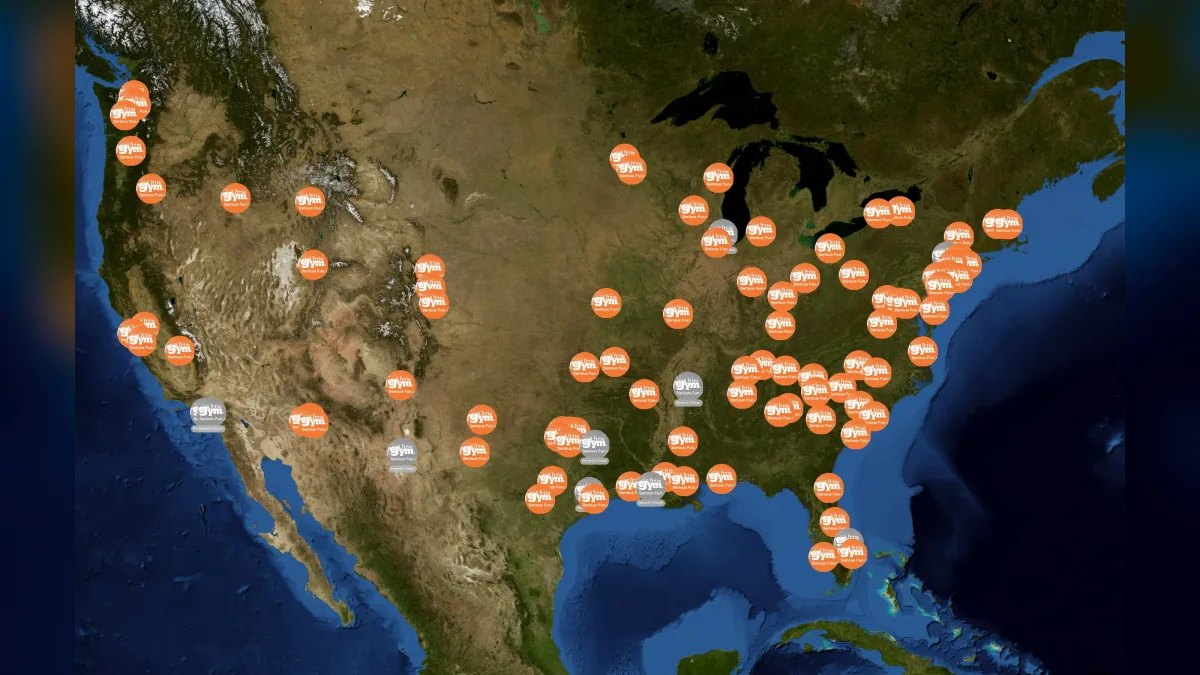
The framing question is not "is The Little Gym a good brand." It is a thirty-plus-year brand with a real playbook and hundreds of units. The framing question is whether *your* specific site, capital stack, and weekly hours can sustain a refill machine at a revenue level high enough to survive 14% off the top. That is a site-and-operator question, not a brand question.
How the enrollment engine actually converts a stroller into revenue
The mechanism is narrower than it looks. Nearly all revenue in a children's enrichment gym flows through one funnel: neighborhood awareness produces a trial class booking, the trial converts to a multi-week commitment, the commitment renews or churns, and churned families are replaced by the next trial cohort. Everything else — parents' night out, summer camps, birthday parties, retail — is margin on top of that spine, not a substitute for it.
Trial conversion is where owner-operators separate from absentee owners, and it is not mysterious. A parent walks in with a toddler, watches a 45-minute class, and decides within about ten minutes whether the instructor is someone they trust with their kid's first experience of physical confidence. That judgment attaches to a *person*, not a logo. When the owner teaches the class, the conversion rate is dramatically higher and the relationship survives instructor turnover. When a $16-an-hour part-timer teaches it while the owner is at a different job, the trial is a coin flip and the family often does not return for week two.
Class scheduling is the second lever, and it is where the best operators quietly print money. Weekday mornings from roughly 10 a.m. to 1 p.m. are the highest-margin hours in the building. Stay-at-home and part-time-working parents fill them, the classes are small, the instructors are cheap relative to the price point, and the sessions run in committed multi-week blocks rather than drop-ins. Late afternoons and Saturdays are busier but more competitive — that is when soccer, swim, dance, and martial arts all bid for the same family. A gym that only fills its afternoons is a Q3 gym. A gym that fills mornings *and* afternoons is a top-quartile gym.
Makeup credits are the third, and they are a retention mechanism disguised as customer service. Kids get sick. Families travel. If a missed class is simply lost money, the parent starts questioning the value of the commitment and churns at renewal. If a missed class converts into a bankable makeup slot in an under-filled window, you both save the relationship and fill a low-utilization class. The brand's app-based scheduling and automated re-engagement tooling exists specifically to automate that loop.
The upstream effect worth noting: because the funnel starts with neighborhood awareness rather than search intent, the demand generation looks nothing like a typical local service business. Nobody Googles "gymnastics for my 18-month-old" with urgency the way they Google an emergency plumber. Demand is created by visibility and word of mouth in a tight geographic ring, which is exactly why co-tenancy with a high-frequency grocery or big-box anchor functions as a demand subsidy. Walk-by traffic from a store the parent already visits weekly is the cheapest lead source in the model, and losing that anchor mid-lease is a genuine revenue risk you should ask about before signing.
Real numbers, ranges, and what the quartiles actually mean
Start with the disclosed averages, then immediately distrust the average. Reported average gross sales for U.S. units open at least a year sit around $626,000, drawn from roughly 140 reporting locations out of a couple hundred franchised units. That average hides an enormous spread. Top-quartile gyms clear $900,000 and up. Bottom-quartile gyms sit in the $325,000 to $425,000 band. Those are not slightly different businesses — one is a comfortable living and the other is a cash-flow-negative job with a personal guarantee attached.
Work the median P&L. At $626,000 in gross revenue, an 8% royalty plus roughly 6% combined national and local advertising commitment takes 14% off the top, leaving about $538,000. Payroll is the dominant line at 35% to 40% of gross — call it $220,000 for eight to fourteen instructors plus front-desk coverage. Occupancy runs roughly 22%, or about $140,000 at that revenue against a 4,000-square-foot space at low-thirties rent plus NNN. Supplies and cost of goods take about 6%, or $38,000. Insurance and utilities take another 5%, or $31,000. That leaves roughly $109,000 of EBITDA before any owner salary.
Now stress-test it. At a bottom-quartile $375,000 in revenue, the same 14% off the top leaves $322,000. Occupancy does not scale down — your rent is fixed by the lease, so that $140,000 becomes 37% of gross instead of 22%. Payroll compresses somewhat because you run fewer classes, but not proportionally, because you still have to staff the schedule you advertise. The gym is at or below break-even before debt service. Layer $67,000 of annual SBA payments on top and you are funding losses from personal savings.
At a top-quartile $950,000, the arithmetic inverts. The 14% takes $133,000, leaving $817,000. Occupancy drops to about 15% of gross because rent is fixed and revenue grew. Payroll rises in absolute dollars but falls as a percentage because your morning classes are full and instructor utilization is high. EBITDA margins in the high teens to low twenties are achievable, which is $150,000 to $200,000 before owner salary. That is the business people describe when they recommend the franchise.
The variable that moves you between those three worlds is not effort. It is demographics and site, decided before you sign. The practical threshold to underwrite against: roughly 3,000 or more households with children under twelve and household income above $125,000 within a three-mile drive time — drive time, not radius, because a river, a highway, or a school-district boundary will invalidate a radius pull. Below that density, top-quartile revenue is arithmetically unavailable no matter how good an operator you are, and you should walk rather than romanticize the market.
Two more numbers to hold. First, working capital: three months disclosed is optimistic if you open cold. Budget six months, because the ramp from opening day to a stable 250-family base commonly takes twelve to eighteen months. Second, insurance: premiums for tumbling and gymnastics facilities have risen sharply in recent years following high-profile injury litigation across the youth-gymnastics sector. Underwrite the insurance line with meaningful headroom and get a real quote from a broker who writes this class of risk before you finalize the pro forma — do not use a generic retail multiplier.
On the ramp itself, the brand's playbook calls for six to eight weeks of pre-sale events before opening day, and the difference between following it and skipping it is stark. Operators who pre-sell walk into day one with a partially filled schedule and a referral base. Operators who open cold routinely spend their entire working-capital cushion discovering that awareness takes longer to build than they modeled, then list the gym at a steep discount inside two years. The distressed-resale population in this segment is overwhelmingly composed of underfunded cold openings in marginal demographics, not brand failures.
Trade-offs: new build, resale, a cheaper franchise, or no franchise
Four capital-allocation paths compete for the same dollar, and they are genuinely different businesses.
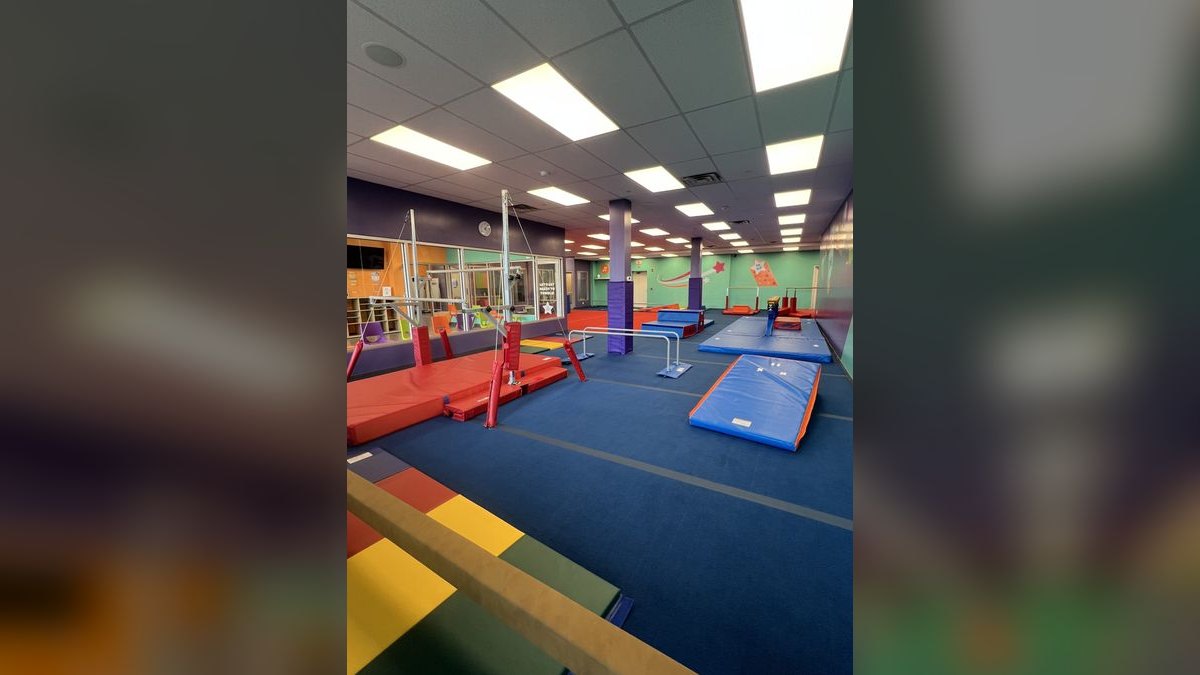
New build, single unit. You get a fresh space, your own site selection, and full control of the ramp — plus the full $520K to $760K bill and twelve to eighteen months of losses before stabilization. This is the right choice when you have located a genuinely top-quartile site that no existing operator holds, and you have the runway to survive the ramp.
Buy an existing resale. Frequently the better risk-adjusted trade. You are purchasing a known revenue number, an existing family base, a trained staff, and a lease with history — typically at a substantial discount to new-build cost. The discipline required is diagnostic: you must distinguish an owner-burnout seller from a unit-economics seller. Burnout means a viable gym with a tired operator, and the fix is your energy. Unit-economics means a structurally weak site or a rent-to-revenue ratio that math cannot repair, and no amount of your energy fixes a bad lease. Demand three years of P&Ls, the full enrollment history by month, the current lease with all amendments, and the churn rate. Then verify enrollment against the scheduling system rather than the seller's summary. If a resale is priced at a discount that looks too good, the reason is usually in the lease or the demographics.
Trade down to a smaller-footprint concept. Competing children's-fitness franchises run far lighter. Smaller-footprint gym concepts open for a fraction of the capital with lower royalties and correspondingly lower average revenue — a lower ceiling but materially faster payback. Mobile and in-school enrichment models are the extreme version: no real estate at all, very low total investment, modest revenue, and owner-operator margins that are high precisely because there is no rent line. Seasonal mobile youth-sports concepts behave similarly. If your goal is cash-on-cash return rather than building a physical community asset, these models beat a $600,000 build-out on almost every metric. They also do not build an asset you can sell for a meaningful multiple, and they cap out at what one or two people can personally deliver.
Go independent. Skip the franchise fee and the 14% ongoing haul, keep the money, and build a local brand. This is a real option — but only if you already have five-plus years of children's-fitness operating experience, a market with weak incumbent presence, and the marketing capability to create awareness that a franchise brand would have given you for free. What you buy with a franchise fee is a curriculum, a proven class-progression structure, staff-training materials, buying power, and SBA-directory eligibility that speeds financing. If you cannot replicate those, the 14% is cheap. If you can, it is the most expensive line on your P&L.
Multi-unit clustering deserves separate mention because it is where the franchise model earns its keep. Three gyms in one metro share a director of operations, one marketing manager, one bookkeeper, and one HR contractor. Overhead that runs around 9% of gross at a single unit compresses toward 5% across a cluster, adding meaningful EBITDA per gym. Multi-unit development agreements also reduce the per-unit franchise fee. This is why a substantial minority of franchisees in the system hold two or more units — the second and third gyms are structurally more profitable than the first. If clustering is your eventual plan, negotiate development rights up front rather than buying territory piecemeal at full price later.

One adjacent consideration: the same demographic pull that qualifies a children's gym site also qualifies tutoring centers, swim schools, music schools, and pediatric therapy practices. If you are running the demographic analysis anyway, run it against the whole category. A site that supports a children's gym at top-quartile revenue frequently supports a higher-margin concept in the same enrichment category, and the competitive density in each sub-vertical differs by market. That is not an argument against this franchise — it is an argument for making the site decision before the brand decision, because the site is what actually determines the outcome.
Pitfalls that reliably destroy these deals
Absentee ownership. This is the number-one killer, and it fails through the conversion funnel rather than through operations. Without an owner on the floor, trial conversion drops sharply and monthly churn rises, and the fix — a genuinely capable general manager at $65,000 to $80,000 — consumes essentially the entire median EBITDA. There is no absentee version of this business that pencils at median revenue. It can work at top-quartile revenue with a strong GM, but that means you are underwriting a $900,000 gym and betting on the site, which is a much narrower bet than most passive investors think they are making.
Underwriting to the average instead of the quartile. The $626,000 average is not a forecast for your gym. Identify which quartile your site's demographics support and model *that* number. Then model the quartile below it as your downside case and confirm you survive it. If you cannot survive one quartile down, you are not adequately capitalized regardless of what the average says.
Signing a lease your revenue cannot carry. Occupancy is the one major expense that does not flex with performance. Rent in the mid-twenties to mid-thirties per square foot is workable at median revenue. Above roughly $42 per square foot you need top-quartile revenue just to hold occupancy at a sane percentage of gross, which means you have pre-committed to a best-case outcome on day one. Negotiate a tenant-improvement allowance, a rent-abatement period covering the ramp, and — critically — a co-tenancy clause tied to the anchor. If your grocery anchor goes dark in year three, your cheapest lead source vanishes while your rent does not.
Skipping the pre-sale ramp. Six to eight weeks of pre-opening events is not brand busywork. It is the difference between opening with a partially filled schedule and opening into an empty building while payroll runs. Cold openings burn working capital during the exact months when awareness is lowest.
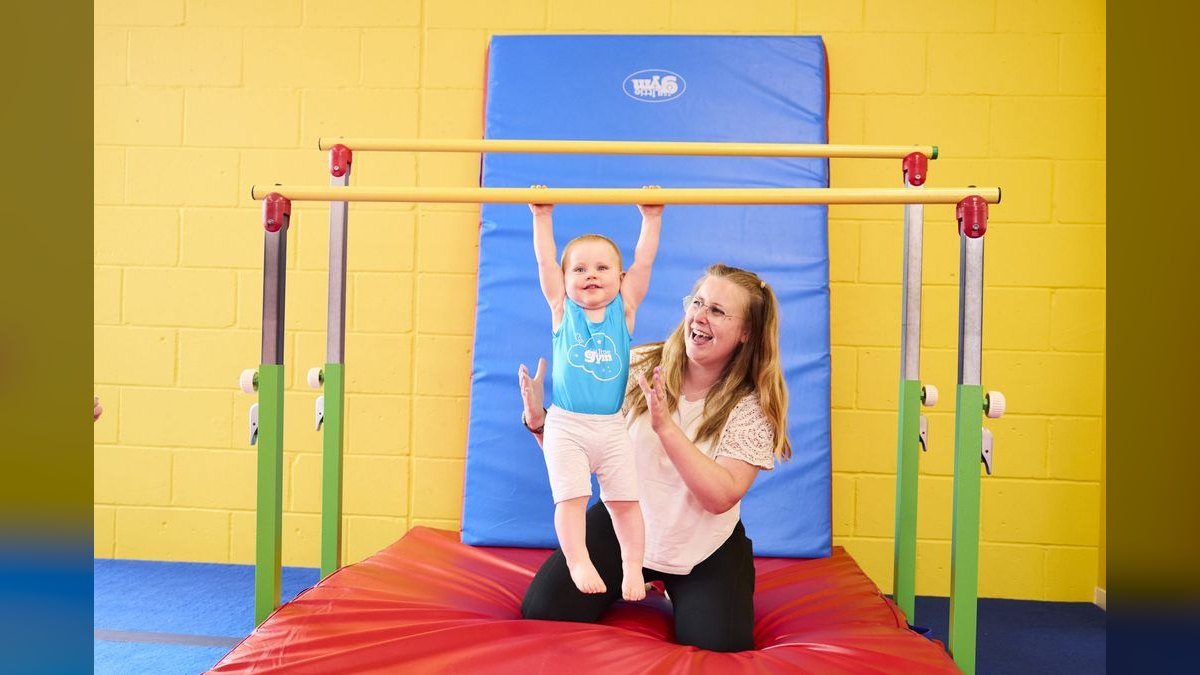
Under-modeling payroll depth. Eight to fourteen instructors is not overstaffing — it is what a staggered class schedule across mornings, afternoons, evenings, and weekends actually requires, and youth-instructor turnover is high because the roles are part-time and often held by students. Build a continuous hiring and certification pipeline from month one. A gym that cancels classes because an instructor quit is a gym that churns families.
Treating add-on revenue as the plan. Birthday parties, camps, and parents' night out are genuinely good margin and can add meaningful revenue, but they are amplifiers of an existing family base, not a substitute for one. Operators who chase parties to cover a weak enrollment funnel end up with a weekend event business and a weekday cost structure.
Ignoring the demographic trend line. Birth rates in the U.S. have declined to record lows, which shrinks the youngest cohort year over year. This is a slow, real headwind for any business whose customer ages out on a fixed clock. It does not invalidate the model — enrichment spending per child has risen even as the number of children has fallen — but it does mean you should underwrite flat-to-modest organic growth rather than assuming a rising tide, and it makes share-taking from local competitors more important than market growth.
Failing to actually call franchisees. The disclosure document includes a current and former franchisee contact list. Call eight to ten, weighted toward your region and toward former owners, and ask three specific questions: what was your actual Year-3 EBITDA, how many months to break-even, and what would you change about your site selection. Former franchisees answer the third question with unusual candor. Skipping this step to save two weeks is the cheapest mistake available and the most expensive one made.
The go/no-go discipline. Set three hard gates before you sign anything: the site is locked at rent your quartile can carry, financing is committed in writing rather than verbally indicated, and either you are personally committing 40-plus hours a week or you have already identified the GM and can get them into headquarters training. If any of the three is soft, walk. Opening on a shaky leg is the modal path to a distressed resale, and the resale market is where the discount lands on you, not the seller.
Related questions
How many active families do I need to break even?
Roughly 250 active enrolled families is the commonly cited stabilization target for a single unit, though the exact number depends on your average revenue per family and your rent. Model it directly: divide your fixed costs plus debt service by contribution margin per family rather than using a rule of thumb.
Is a resale safer than a new build?
Usually yes, if you diagnose the seller's motive. A burnout seller with a viable gym is the best risk-adjusted entry in the category. A unit-economics seller is transferring a structural problem — bad lease, weak demographics — that your effort cannot fix. Demand three years of P&Ls and verify enrollment independently.
What happens when children age out?
Nothing automatic replaces them, which is the core operational challenge. Average tenure is four to twelve months, well short of the full program arc, so you need 30 to 50 new families monthly to hold flat. Sibling enrollment, camps, and school-age programming extend tenure but do not eliminate the refill requirement.
Can I run this alongside a full-time job?
Not at median revenue. Trial conversion and retention both depend on owner presence, and the GM who substitutes for you costs roughly what the gym earns. If you must be part-time, you need top-quartile demographics and a GM identified before you sign, and you should model the outcome with the GM salary fully loaded.
Does co-tenancy really matter that much?
It functions as a demand subsidy. Because nobody searches for a children's gym with urgency, awareness is built by visibility in a tight geographic ring, and walk-by traffic from a grocery or big-box anchor a parent already visits weekly is the cheapest lead source available. Protect it with a co-tenancy lease clause.
FAQ
How much does it really cost to open a The Little Gym franchise?
The disclosed total investment runs roughly $519,000 to $757,000 for a single U.S. location, covering the franchise fee of about $59,500, build-out, apparatus, signage and technology, training, grand-opening marketing, and three months of working capital. Most buyers finance a majority through an SBA 7(a) loan but still need $150,000 to $200,000 in genuinely liquid cash to qualify, plus a personal guarantee. Multi-unit development agreements reduce the per-unit franchise fee meaningfully.
How long until the business is profitable?
Expect break-even to modest positive owner cash flow in Year 1 if the ramp goes well and you reach a stable family base, with positive cash flow typically arriving somewhere in months twelve to eighteen. Full payback on the invested capital lands in Year 4 to Year 6 for solid operators and does not arrive at all for bottom-quartile units. Budget six months of working capital rather than the disclosed three.
What are the ongoing fees?
An 8% royalty on gross sales plus a combined advertising commitment of roughly 6% between the national ad fund and a local marketing minimum. That 14% comes off the top before any operating expense, which is why median EBITDA lands in the 8% to 14% range rather than the 20%-plus that gross margins might suggest. Confirm the current national-fund percentage and its cap in the latest disclosure document, since the fund can be increased up to a stated ceiling.
Why is the revenue spread between gyms so wide?
Because occupancy cost is fixed by your lease while revenue is determined by your site's demographics. A gym at $375,000 pays the same rent as a gym at $950,000 in a comparable space, so rent swings from roughly 37% of gross to 15% of gross purely on location quality. Site selection, not operating skill, is the primary driver of which quartile you land in.
Do I need a children's fitness background?
No, and many successful owners come from education, retail, or corporate roles. What matters far more is willingness to be on the floor with parents and children daily, plus local sales and marketing capability, since trial conversion attaches to a person rather than a logo. The brand provides curriculum and training. If you dislike the customer-facing side of this business, no amount of training compensates.
Should I plan for one gym or several?
If you can eventually fund a cluster, plan for it from the start and negotiate development rights before your first unit. Three gyms in one metro share an operations director, a marketing manager, and back-office functions, compressing overhead from roughly 9% of gross toward 5% and materially improving EBITDA per unit. Buying territory piecemeal later costs more per unit.
Sources
- https://www.thelittlegym.com/franchising
- https://www.sba.gov/document/support-sba-franchise-directory
- https://www.ftc.gov/business-guidance/resources/consumers-guide-buying-franchise
- https://www.ftc.gov/legal-library/browse/rules/franchise-rule
- https://www.ibisworld.com/united-states/market-research-reports/gymnastics-classes-industry/
- https://www.cdc.gov/nchs/products/databriefs.htm
- https://www.pewresearch.org/topic/family-relationships/parenthood/
- https://www.bls.gov/news.release/cesan.nr0.htm
- https://www.franchisechatter.com/
- https://www.bizbuysell.com/
Related on PULSE
- Should I open or buy a Peace Love and Little Donuts franchise in 2027?
- Should I open or buy a Little Caesars franchise in 2027?
- Best fitness and gym franchises to buy in 2027
- Should I open or buy a World Gym franchise in 2027?
- Should I open or buy a UFC Gym franchise in 2027?
- Should I open or buy a Gold's Gym franchise in 2027?
This page will be disappearing soon. Save it to your device for $1 — or read it free while it is here.
@Kory-White- · if Venmo asks, the last 4 of my number are 2012
This page is gone.
This one is off the shelf now. $1 keeps it on your phone for good — the whole page, pictures and diagrams included.
 franchiseShould I open or buy a Senske Services franchise in 2027?
 franchiseShould I open or buy a CPR Cell Phone Repair franchise in 2027?
 franchiseWhat are the exact steps to open a franchise location, from signing the agreement to opening day in 2027?
 franchiseShould I open or buy a Pestmaster franchise in 2027?
 franchiseShould I open or buy a Glory Days Grill franchise in 2027?
 franchiseShould I open or buy a Great American Cookies franchise in 2027?
 franchiseShould I open or buy a Drama Kids franchise in 2027?
 franchiseShould I open or buy an H&R Block franchise in 2027?
 franchiseShould I open or buy a Garbanzo Mediterranean Fresh franchise in 2027?
 franchiseShould I open or buy a Yard House franchise in 2027?