
Should I open a snow plow business in 2027?
 Curated byKory White · Fractional CRO · Maryland
 PULSEKNOWLEDGE LIBRARY
Quality
Certified

Yes — if you live in a reliable snow belt (40+ inches average annual snowfall), already own or can finance a 3/4-ton truck, and lock in commercial seasonal contracts before October 1. A single-truck snow plow operation costs $15,000–$50,000 to launch if you already have the truck, or $60,000–$110,000 for a turnkey new F-250/F-350 plus Boss/Western/Fisher plow plus salt spreader. Realistic Year-1 gross is $35,000–$75,000 per truck in a normal-snow season, with $15,000–$28,000 net after fuel, salt, insurance, and depreciation. Breakeven typically lands inside 9–14 months for owner-operators. Probably not if you live in a sub-30-inch market, lack winter contracting experience, or expect non-seasonal cash flow without a complementary landscaping or hauling business.
The Real Numbers
The U.S. snowplowing services industry hit $23.0 billion in 2026 across 114,000 businesses (IBISWorld), growing at a 1.9% CAGR since 2020. Most operators are sub-$500k single-truck or two-truck shops; the long tail is enormous, fragmented, and defensible at the local level because customers buy based on response time, not brand.
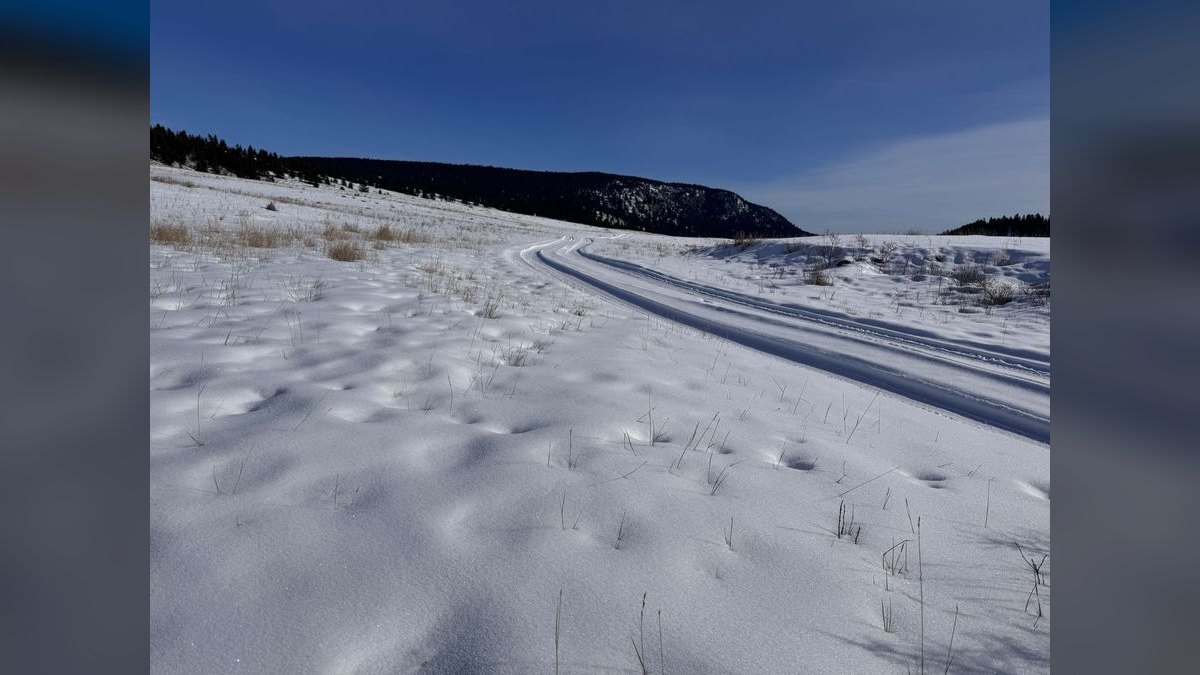
Here is a realistic 2027 startup-cost stack for a one-truck commercial operator who needs to buy the truck:
| Cost Category | Low | High | Notes |
|---|---|---|---|
| Used 3/4-ton truck (F-250/Ram 2500, 2021–2023) | $32,000 | $48,000 | Gas V8 acceptable; diesel adds $8k–$12k |
| Plow (Boss/Western/Fisher 8' straight or V) | $7,500 | $11,500 | V-plow runs $9.5k–$11.5k installed |
| Tailgate or V-box salt spreader | $1,800 | $7,500 | Tailgate $1.8k, V-box stainless $5k–$7.5k |
| Bulk salt opening inventory (10 tons) | $1,400 | $2,200 | $140–$220/ton delivered |
| Commercial auto insurance (Year 1) | $3,200 | $6,800 | Snow ops surcharge typical |
| General liability + slip-and-fall ($2M) | $1,800 | $4,500 | Mandatory for commercial work |
| LLC, accounting, GPS/route software | $800 | $2,400 | SingleOps, Plowz, GeoOp |
| Marketing, uniforms, signage | $1,500 | $4,000 | Yard signs + Google LSA |
| Working capital cushion (3 months fuel) | $3,000 | $6,000 | Fuel is the killer variable |
| TOTAL turnkey new entry | $53,000 | $92,900 | Existing truck owner cuts $32k–$48k |
Revenue per truck ranges $25,000–$75,000 in a normal-snow season per Snow & Ice America benchmarks; $100,000+ is achievable with 4–6 high-value commercial contracts and a heavy winter. Established 4-truck operations gross $300,000+ with $180k–$220k in opex, putting EBITDA margins at 22–28% before owner comp.

Per-push commercial pricing (2026 Housecall Pro, Angi):
| Service | Low | High |
|---|---|---|
| Small commercial lot (per push, 2" trigger) | $75 | $200 |
| Mid-size lot (10k–25k sq ft) | $200 | $450 |
| Large lot (25k–100k sq ft, anchor retail) | $450 | $900 |
| Hourly equipment + operator | $95 | $200 |
| Seasonal contract (small commercial) | $1,200 | $4,500 |
| Seasonal contract (mid/large commercial) | $4,500 | $18,000 |
| Salt application (per ton applied) | $280 | $475 |

Payback math for the $75k turnkey scenario: $55k Year-1 net revenue minus ~$28k variable cost (fuel, salt, repairs, sub-driver) = ~$27k contribution. Add fixed insurance/software ($6k) and you net ~$21k owner cash in Year 1, with the truck fully paid in 24–30 months assuming consistent winters.
Who Wins With This Business
- Existing landscapers/excavation operators who already own 3/4-ton trucks, payroll, and customer overlap — incremental capex is just the plow ($8k–$12k), and winter contracts smooth the December–March revenue trough.
- Operators in true snow belts: Buffalo, Rochester, Syracuse, Erie, Cleveland, Grand Rapids, Minneapolis-St. Paul, Denver (foothills), Albany, Burlington VT, Anchorage. These markets get 80+ inches/year and reliably trigger 25–40 plow events.
- HOA and property-management connectors — a single multi-property HOA contract or a Brookfield/CBRE/JLL master services agreement can anchor a route at $40k–$120k/season.
- Sub-contractors to national snow networks like SMS Assist, Lipinski, and Brightview — predictable volume in exchange for 30–40% margin compression vs. direct contracts.
- Owner-operators willing to run nights: 80% of commercial pushes start between 2 a.m. and 6 a.m. before businesses open. If your spouse/partner can answer dispatch calls, you keep more margin.
Who Loses With This Business
- Anyone in a sub-30-inch snowfall market — Atlanta, Nashville, Dallas, mid-Atlantic coastal. One winter without 5+ plowable events bankrupts thinly capitalized operators. Seasonal contracts shift the risk to you.
- Pure residential operators charging $40–$75 per driveway — gross looks fine, but routing density rarely supports $200+/hour effective rate once you factor windshield time, gas, and no-shows.
- Operators relying on a single truck without backup — one transmission failure on a 14-inch snow night means breach of contract, refund clauses, and customer churn that takes 2 seasons to rebuild.
- First-timers buying new $90k diesels on 84-month notes — interest carry plus depreciation crushes the math when El Niño years deliver 40% below-normal snowfall (2023–24 was a brutal warning).
- Operators without slip-and-fall coverage — a single fall at a plowed retail lot can be a $250,000–$1M claim. Mandatory $2M GL plus a snow-services rider; many insurers won't write it at all.
2027 Market Conditions
- NOAA's 2026–27 winter outlook projects neutral ENSO conditions across most of the U.S., implying normal-to-slightly-above-normal snowfall in the Great Lakes, Northeast, and Northern Rockies — a relief after the historically warm 2023–24 season that collapsed many small operators.
- Salt prices have stabilized at $140–$220/ton delivered (Cargill, Compass Minerals, Morton 2026 contracts) after the 2022–23 spike; expect a 5–8% price increase for 2027 contracts as East Coast mining capacity tightens.
- Commercial insurance has hardened — premiums on snow-services GL up 12–18% YoY in 2026 per Travelers and Erie Insurance commercial-lines guidance. Some carriers exited snow ops entirely.
- Labor shortage continues — qualified CDL-not-required plow operators command $28–$42/hour plus night premium in Tier-1 snow markets, up from $22–$32 in 2023.
- Consolidation is accelerating at the top — BrightView, Yellowstone Landscape, and US Lawns are rolling up regional snow operators at 3.5x–5x EBITDA; small operators ($1M–$3M revenue) have a real exit window in 2027–28.
- Tech adoption matters — operators using GPS-tracked service verification (FleetSharp, GeoOp, SingleOps) win 60%+ of new commercial RFPs because property managers demand proof-of-service for liability defense.

The 90-Day Decision Tree
- Days 1–14 — Snow belt verification. Pull NOAA 30-year normal snowfall for your specific ZIP. If average is under 30 inches OR fewer than 12 plowable events historically, stop here unless you have a non-snow side business.
- Days 15–30 — Truck and plow sourcing. Price a 2021–2023 used F-250/F-350 or Ram 2500 at $32k–$48k. Get installed quotes from local Boss, Western, and Fisher dealers — never buy a plow without an installed quote because mounting kits run $1,200–$2,200.
- Days 31–45 — Insurance binding. Call 3 carriers minimum (Erie, Travelers, Westfield, State Auto, Acuity). Get the snow-services rider in writing before signing any truck purchase contract. Premiums vary 2x carrier-to-carrier.
- Days 46–60 — Contract acquisition. Walk into 20 commercial properties (small retail, dentists, banks, HOAs, multi-tenant office). Target 4–6 signed seasonal contracts at $4k–$8k each before October 1 — this is the single highest-leverage activity.
- Days 61–75 — Salt and supplies stockpile. Order 10 tons of bulk salt ($1,400–$2,200) before October 15 — prices spike 25–40% after first snow event. Stockpile shovels, bags of calcium chloride, beacon lights, and spare cutting edges.
- Days 76–90 — Dry-run dispatch. Drive every contracted route at 3 a.m. Time each property. Build a route sheet with priority ordering — banks and medical first (open 7 a.m.), then retail (open 9–10 a.m.), then residential.
Alternative Plays
- Salt-only contracts — buy a $5k–$8k V-box spreader, skip the plow entirely, and sub-contract salt application to existing plow operators at $280–$475/ton applied. Lower capex, faster payback, fewer 3 a.m. calls.
- Sub-contract to a national — sign with SMS Assist, Lipinski Snow Services, or Lawn Doctor commercial and get assigned routes. 30–40% revenue haircut but zero sales effort and guaranteed payment terms.
- Sidewalk crews only — buy two Toro snow blowers ($1,800 each) and a cargo van. Target office parks and medical buildings that need ADA-compliant walkway clearing. $40k–$80k seasonal revenue with $8k startup.
- Buy an existing operator — small snow ops trade at 1.5x–2.5x SDE (seller's discretionary earnings) in private deals. $120k buys a $250k revenue book with trucks, customers, and route knowledge.
- Franchise route — U.S. Lawns and Lawn Doctor Commercial offer winter-services add-on franchises. Initial fee $40k–$60k plus 7–8% royalty, but you get brand, training, and a national-account pipeline.
FAQ
Do I need a commercial driver's license (CDL) to plow snow? In most states, a standard driver's license is sufficient for a personal-use truck with a plow under 26,000 lbs GVWR. However, if you cross state lines or plow for hire with a heavier rig, a CDL may be required. Always check your state's Department of Transportation rules before starting.
How much liability insurance do I need for a snow plow business? Most owner-operators carry $1 million to $2 million in general liability coverage, plus commercial auto insurance. Annual premiums typically range from $2,500 to $6,000 per truck, depending on your location, driving record, and coverage limits.
Can I plow snow with a half-ton pickup truck? You can, but it's not recommended for commercial use. Half-ton trucks often lack the weight, suspension, and transmission cooling needed for heavy plowing, leading to faster wear and reduced reliability. Most pros use a 3/4-ton or 1-ton truck for daily commercial work.
What's the best way to find snow plow customers in a new area? Start by knocking on doors of local businesses, especially strip malls, car dealerships, and medical offices, offering seasonal contracts. Online platforms like Nextdoor and Facebook Marketplace also work for residential leads. Word-of-mouth and yard signs with your phone number are still very effective.
How many inches of snow trigger a typical plow call? Most commercial contracts specify plowing after 2 to 4 inches of accumulation, while residential clients often call after 3 to 6 inches. Some premium contracts include "any accumulation" service, but that's less common and usually costs more per season.
Is it possible to run a snow plow business part-time while keeping a day job? Yes, many owner-operators start this way, especially if they have a flexible day job or can plow early mornings, evenings, and weekends. The key is to limit your client base to 20–30 accounts and avoid overcommitting during major storms.
Bottom Line
A snow plow business in 2027 is a real, defensible, locally fragmented business that rewards operational discipline over capital intensity. The winners share three traits: they live in a verifiable snow belt, they pre-sell seasonal commercial contracts before October 1, and they carry the $2M insurance stack that lets them compete for property-manager work. The losers buy $90k new diesels on 84-month notes, sign exclusively per-push contracts, and discover during the first warm winter that NOAA doesn't owe them a paycheck. If you already operate a landscaping, excavation, or hauling business in a 40+ inch market, adding a plow and salt spreader is one of the highest-ROI seasonal additions available — Year-1 net of $15k–$28k per truck on $10k–$18k incremental capex pays back inside two seasons. If you're starting cold with no truck, no contracts, and no industry relationships, spend 2026–27 sub-contracting to a national before launching independent in 2027–28.
Sources
- IBISWorld — Snowplowing Services in the US Market Size 2026
- IBISWorld — Snowplowing Services Number of Businesses 2026
- Snow & Ice America — Cost Breakdown of Owning and Operating a Snow Plow Business
- Housecall Pro — Snow Removal Price Guide 2026: Costs, Rates & Formulas
- Angi — How Much Does Snow Removal Cost? 2026 Data
- Trillium Facility Services — Commercial Snow Removal Cost 2026 Pricing Guide
- FinancialModelsLab — Snow Plowing Service Startup Costs $238k CAPEX, 9-Month Breakeven
- Family Handyman — Should I Start a Snow Plow Business?
- CT Acquisitions — How to Prepare Your Snow Removal Business for a Sale or Exit 2026
- BossPlow — Super-Duty Plows Product Specifications
- NOAA Climate Prediction Center — Winter Outlook 2026-27
- Cargill Deicing Technology — 2026 Bulk Salt Pricing
Related on PULSE
This page will be disappearing soon. Save it to your device for $1 — or read it free while it is here.
@Kory-White- · if Venmo asks, the last 4 of my number are 2012
This page is gone.
This one is off the shelf now. $1 keeps it on your phone for good — the whole page, pictures and diagrams included.
 franchiseShould I open or buy a Freddy's Frozen Custard franchise in 2027?
 franchiseShould I open or buy a Salata Salad Kitchen franchise in 2027?
 franchiseShould I open or buy a Cottman Transmission franchise in 2027?
 franchiseShould I open or buy an Ace Handyman Services franchise in 2027?
 franchiseShould I open or buy a solidcore franchise in 2027?
 franchiseShould I open or buy a Sharetea franchise in 2027?
 franchiseShould I open or buy an Andretti Indoor Karting franchise in 2027?
 franchiseShould I open or buy a CarePatrol franchise in 2027?
 franchiseShould I open or buy a Cold Stone Creamery franchise in 2027?
 franchiseShould I open or buy a Cooper's Hawk Winery & Restaurants franchise in 2027?