
Should I open a independent pest control business in 2027?
 Curated byKory White · Fractional CRO · Maryland
 PULSEKNOWLEDGE LIBRARY
Quality
Certified

Yes — open an independent pest control business in 2027 if you can self-fund $75K-$150K, hold a state Commercial Applicator license (or hire a Certified Operator), and commit to selling recurring quarterly contracts from day one. The US pest control industry is a $29.7B market in 2026, projected $30.9B in 2027 with 34,076 businesses, and well-run independents run 15-25% EBITDA margins on $400K-$743K of gross revenue. Year 1 cash flow is typically negative $20K-$40K while you build a 150-customer route; breakeven hits in months 14-22 once recurring revenue covers fixed overhead. Probably not if you plan to bid one-off jobs against Craigslist competitors — that's a margin death spiral. The win condition is 80%+ recurring revenue, sub-15% annual churn, and a buyer waiting at 6-8x EBITDA in year 5-7.
The Real Numbers
The independent pest control startup is capital-light by trade standards but operationally heavy on licensing and route density. Here is what 2027 actually costs and pays, sourced from IBISWorld, BLS, CT Acquisitions, and Breakwater M&A's 2026 home-services M&A report.
| Line item | Low | High | Source / Note |
|---|---|---|---|
| State Commercial Applicator license + exam | $200 | $500 | TX $100-$400; FL $75-$200/test; NC $40 tech card |
| General liability + commercial auto insurance (annual) | $3,200 | $7,800 | $1M GL + $1M auto, varies by state |
| Service truck (used 1/2-ton or cargo van) | $12,000 | $28,000 | Briostack 2026 fleet survey |
| Truck buildout (spray rig, hose reel, tanks, racks) | $4,500 | $11,000 | B&G dual-tank system + LESCO racks |
| Initial chemical inventory (Termidor, Talstar, Suspend) | $1,200 | $3,500 | 90-day supply, MSDS-compliant storage |
| Software (FieldRoutes / PestPac / Briostack) | $99/mo | $399/mo | Per-tech SaaS, mobile + routing |
| Branding, website, Google Business, uniforms | $1,500 | $4,500 | Local SEO + a 10-page site |
| Working capital (3 months payroll + fuel) | $18,000 | $35,000 | Before route hits cash-flow positive |
| Total Year-0 cash outlay | $40,700 | $90,300 | Self-funded or SBA 7(a) |
| Year-1 revenue (150 quarterly accounts @ $135 avg) | $80,000 | $130,000 | Slow ramp; bulk closes month 4-9 |
| Year-3 revenue (450 accounts + 1 tech) | $325,000 | $520,000 | Route density compounding |
| Year-5 revenue (900 accounts + 2 techs + commercial) | $620,000 | $880,000 | Approaching IBISWorld average |
| Mature EBITDA margin | 15% | 25% | FieldRoutes / Breakwater 2026 |
| Exit multiple at 85%+ recurring, sub-1.5% monthly churn | 6.5x | 8x EBITDA | CT Acquisitions 2026 tracker |
| Payback on initial capital | 22 months | 34 months | At median ramp |
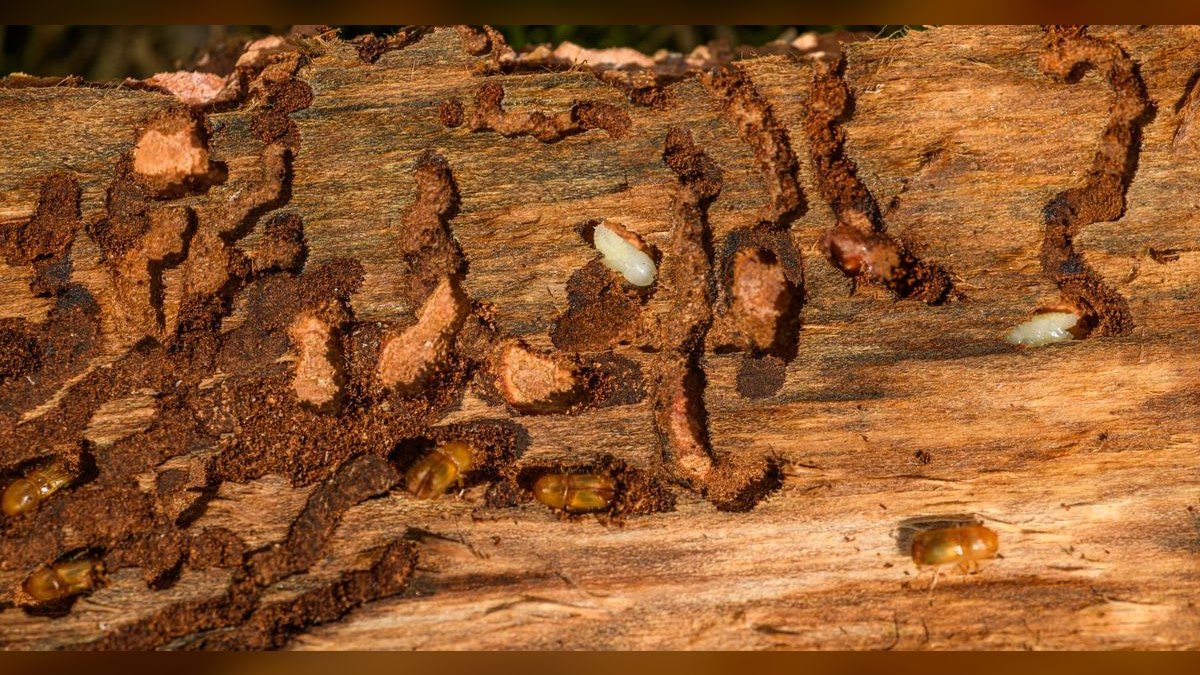
Industry context: the US pest control services market is $29.7B in 2026, growing 4.5% CAGR to roughly $30.9B in 2027 per Grand View Research. PE-backed roll-ups (Anticimex, Aptive, Hawx, ProGuard, Mantle) bought 60% of pest deals in 2026 at 7-10x EBITDA, meaning the exit window is open and well-priced for the operator who builds discipline now.
Who Wins With This Business
Former route technicians with 3+ years at Orkin, Terminix, Aptive, or a regional independent. They already hold the Certified Commercial Applicator license, know which chemistries work against German cockroaches versus Argentine ants, and have a non-compete that expires inside 12-24 months. Their first 80 customers come from word-of-mouth in the same ZIP codes they used to service.
Married operators with a spouse running the office. Pest control is 30% selling, 30% routing, 40% applying — splitting the load across two people compresses 18-month ramps to 9 months. The spouse runs FieldRoutes scheduling, collections, and Google review chasing while the licensee runs the truck.
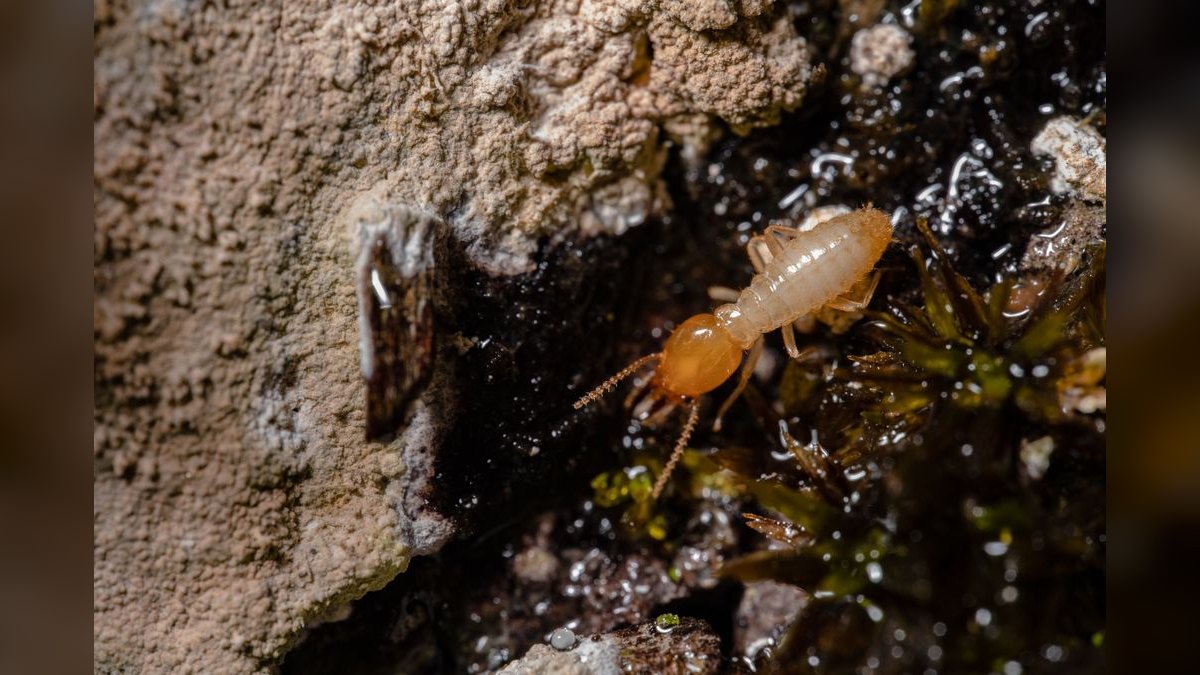
Owners willing to sell quarterly contracts, not one-time fixes. Aptive built a billion-dollar business on door-to-door sales of quarterly residential plans at $99-$149/quarter. That recurring base is what PE pays 8x for. Operators who refuse to sell anything but recurring will hit 85% retention by year 2.
Sun Belt and South-East geographies. Florida, Texas, Georgia, North Carolina, South Carolina, Arizona, Tennessee, and California carry year-round pest pressure, which means quarterly contracts feel obviously worth it to homeowners. Termite, mosquito, and German roach demand is 2-3x what Midwest markets generate.
Who Loses With This Business
Anyone who needs to outsource licensing to a contracted Certified Operator. That arrangement costs $1,500-$3,500/month and the Operator can quit, taking your legal right to apply pesticides with them. Multiple independents have folded inside 6 months when their Certified Operator was poached by a competitor.

One-time-job hunters competing on Craigslist and Thumbtack. The average one-time bedbug treatment runs $1,200-$2,500 but acquisition cost on Thumbtack is $80-$140 per lead at 12-18% close rate, so customer-acquisition cost equals 30-50% of gross. There is no second job — bedbugs die, the customer leaves. Margin collapses below 8%.
Operators in saturated, low-pressure Northern markets. Minneapolis, Seattle, Portland, Boston: short pest seasons, sophisticated DIY consumers, and dense competition from regional independents. Customer LTV is 35-50% lower than Sun Belt and termite revenue is near zero.
Solo operators who refuse to hire by year 3. A single tech can service 300-400 quarterly accounts before quality cracks. Operators who cap there top out at $90K owner cash flow, hate the work, and sell the route for $0.85 per dollar of revenue — a fraction of the EBITDA multiple available to a 2-tech, 800-account shop.
2027 Market Conditions
Three forces define the 2027 setup: PE consolidation, labor scarcity, and chemistry regulation.
PE consolidation is accelerating, not slowing. Citation Capital bought Aptive Environmental in August 2024 for an undisclosed sum and continues rolling up regional independents at 7-10x EBITDA. Rentokil's Terminix merger is still digesting overlapping routes and divesting non-core markets at 5-6x — those routes are buyable by an independent with cash. Anticimex (EQT-backed) crossed $2.8B global revenue in 2026 and acquires 30-50 small operators per year in North America.
Labor is the binding constraint. BLS projects pest control technician employment growing 5% through 2033 versus 3% across all occupations, and tech wages climbed to a median $46,260 in 2026. New entrants are scarce — community college pest control programs graduate fewer than 1,200 students/year. Wage pressure favors operators who invest in route density and software (FieldRoutes routing cuts windshield time 18-22%).
Chemistry and regulation tightens. EPA is phasing out chlorpyrifos and tightening neonicotinoid labels through 2027. Operators clinging to outdated programs lose to those who lead with Integrated Pest Management (IPM), monitoring, and bait stations. California's structural pest control board added documentation rules in 2026; Florida tightened termite warranty disclosure. Compliance overhead favors mid-size operators with software and a part-time admin.
The 4.5% CAGR understates the residential subsegment. Residential pest is growing 6-7% as homeowners aged 30-45 buy recurring plans the way their parents bought lawn care. Commercial pest is flat at 3% but stickier; restaurant and food-processing contracts run 5-7 year terms.
The 90-Day Decision Tree
- Days 1-15: Get the license sorted. Take the Commercial Applicator Core exam ($75-$200) plus the category exams for General Household Pests (7A), Wood-Destroying Organisms (7B), and Ornamental & Turf (3A) if you'll do exterior. If you don't already have field hours, apprentice with a local independent for 90 days before opening — most states require 1-2 years of verifiable experience to sit for the Commercial exam.
- Days 16-30: Lock the entity and insurance. Form an LLC, get an EIN, open a business checking account at a community bank that will later do SBA 7(a) lending. Bind $1M general liability + $1M commercial auto + $1M umbrella ($3,200-$7,800/year). Add Workers' Comp even if you're solo — most commercial customers require a certificate.
- Days 31-45: Build the truck and the software stack. Buy a used cargo van or 1/2-ton with under 90K miles ($12K-$28K). Install a B&G dual-tank spray rig, hose reel, secure chemical lockbox, and rack system ($4.5K-$11K). Subscribe to FieldRoutes or PestPac ($99-$399/mo); both have routing, mobile invoicing, and AutoPay. Buy a 90-day chemical inventory ($1.2K-$3.5K) of Termidor SC, Talstar P, Suspend PolyZone, and Maxforce gel.
- Days 46-60: Launch the brand and the offer. Build a 10-page local SEO website with one page per service per ZIP code, claim Google Business Profile, and lock the same 7-digit phone number across every listing. Lead with a single offer: $99 first quarterly service, $135/quarter recurring, free re-service between visits. That recurring offer is the entire business model — print it on the truck.
- Days 61-75: Sell the first 50 accounts. Door-knock the highest-density 3 ZIP codes within 12 miles of your house in a t-shirt with your phone number. Run $1,500 of Google Local Service Ads (LSA) and $800 of Nextdoor sponsored posts. Ask every closed customer for a Google review the same day. Target 50 paying quarterly accounts by day 75.
- Days 76-90: Tighten retention and book the second 50. Audit every account at 60 days. Send a handwritten thank-you on day 30 and a quarterly re-service reminder on day 75. Replace any one-time customers with quarterly conversions. By day 90 you want 100 quarterly accounts, $13.5K/month run-rate revenue, and a calendar that is 70% recurring.
Alternative Plays
Buy an existing route instead of starting cold. Retiring independents in the Sun Belt sell routes at $0.85-$1.10 per dollar of recurring revenue all the time — a 300-account route doing $400K of recurring revenue trades for $340K-$440K, fundable through an SBA 7(a) at 11-11.5% in 2027. Cash flow turns positive in month 1. Use BizBuySell and your state pest control association's classifieds.
Mosquito-only or termite-only specialty. Mosquito Joe, Mosquito Squad, and Mosquito Authority are franchise plays — fees roughly $45K-$60K, royalties 8-10% — but an independent mosquito brand has the highest gross margin in pest (single chemistry, seasonal staffing) and 40% take-up rates in Sun Belt suburbs. Termite-only with a Termidor or Sentricon bait certification generates $1,500-$3,000 jobs but is lumpy without a recurring inspection contract.
Wildlife / nuisance animal removal. Higher-ticket ($350-$1,800 per job), less competition, but per-state licensing is fragmented and recurring revenue is harder since exclusion work is one-and-done. Pair with general pest to smooth cash flow.
Buy a Truly Nolen, Aptive, or Hawx franchise. Royalties run 6-8% and brand-ad fees another 2-3%, but you get a national marketing engine and route software from day one. Total franchise startup runs $85K-$220K versus $40K-$90K independent — pay the premium if you don't already have a book of customers and want a playbook handed to you.
FAQ
What’s the hardest part of starting an independent pest control business? The hardest part is surviving the first 12 to 18 months while you build a recurring customer base. You’ll likely face negative cash flow of $20K to $40K in year one, and finding those first 150 quarterly contracts requires relentless sales effort and patience.
Do I need a specific license to start? Yes, you’ll need a state Commercial Applicator license or must hire a Certified Operator to legally apply pesticides. Requirements vary by state, but expect to pass an exam and pay licensing fees ranging from a few hundred to a couple thousand dollars.
How much money do I need to start? You should plan to self-fund $75K to $150K for equipment, insurance, initial marketing, vehicle, and operating expenses. This range covers a basic startup without relying on loans or investors.
How long until I break even? Most independent pest control businesses reach breakeven between months 14 and 22. This timeline depends on how quickly you sign up 150 to 200 recurring customers and keep your monthly overhead under $8K to $12K.
Is it better to focus on residential or commercial customers? Residential is easier to start with lower entry costs and simpler contracts, but commercial accounts offer larger, more stable revenue. A balanced mix of 70% residential and 30% commercial is common for independents aiming for steady growth.
Can I sell the business later? Yes, well-run independent pest control businesses with 80%+ recurring revenue and low churn often sell for 6 to 8 times EBITDA after five to seven years. Building a clean route and strong brand makes your business attractive to buyers.
Bottom Line
Independent pest control in 2027 is one of the highest-return blue-collar starts available — capital-light at $40K-$90K, dominated by recurring revenue, and exit-blessed by an active PE roll-up market paying 6.5-8x EBITDA to disciplined operators. The winners build for recurring quarterly contracts in Sun Belt geographies, hold their own license, hire a second tech by year 2, and sell at year 5-7 to a Citation-, EQT-, or Goldman-backed acquirer. The losers chase one-time jobs in saturated Northern markets and exit at $0.85/dollar of revenue. The decision is binary: commit to the recurring-contract operating model from day one, or don't start the business.
Sources
- IBISWorld — Pest Control in the US Industry Analysis 2026
- IBISWorld — Pest Control in the US Number of Businesses
- Grand View Research — US Pest Control Service Market Outlook 2027
- Bureau of Labor Statistics — Pest Control Workers Occupational Outlook
- CT Acquisitions — 2026 Pest Control PE Roll-Up Tracker
- CT Acquisitions — Why Pest Control Sells for 7-10x EBITDA
- Breakwater M&A — Pest Control Company Valuation Multiples 2026
- FieldRoutes — Average Pest Control Profit Margin
- Briostack — Pest Control Industry Statistics 2025-2026
- Housecall Pro — Pest Control Business License Requirements & Cost
- Florida Department of Agriculture — Pest Control Licensing
- Capstone Partners — Pest Control Sector Update
Pest control review / pest control reviews / pest control rating / pest control review 2027 / review of pest control business.
Related on PULSE
- Should I open or buy a Fox Pest Control franchise in 2027?
- Should I open or buy a Truly Nolen Pest Control franchise in 2027?
- Should I open or buy an Orkin Pest Control franchise in 2027?
- Should I open or buy an EcoShield Pest Solutions franchise in 2027?
- Should I open or buy a Critter Control franchise in 2027?
- Franchise vs. independent business: which should I start in 2027?
This page will be disappearing soon. Save it to your device for $1 — or read it free while it is here.
@Kory-White- · if Venmo asks, the last 4 of my number are 2012
This page is gone.
This one is off the shelf now. $1 keeps it on your phone for good — the whole page, pictures and diagrams included.
 franchiseShould I open or buy a Tutor Doctor franchise in 2027?
 franchiseShould I open or buy a Just Salad franchise in 2027?
 franchiseShould I open or buy a Maui Wowi franchise in 2027?
 franchiseShould I open or buy a solidcore franchise in 2027?
 franchiseShould I open or buy a Red Lobster franchise in 2027?
 franchiseShould I open or buy a Rockin’ Jump trampoline park franchise in 2027?
 franchiseShould I open or buy an Ace Handyman Services franchise in 2027?
 franchiseShould I open or buy a Pet Supplies Plus franchise in 2027?
 franchiseShould I open or buy an Andretti Indoor Karting franchise in 2027?
 franchiseShould I open or buy a BIGGBY Coffee franchise in 2027?