
Should I open a independent self-storage facility in 2027?
 Curated byKory White · Fractional CRO · Maryland
 PULSEKNOWLEDGE LIBRARY
Quality
Certified

Probably not — unless you bring 25–30% equity, land in a submarket with under roughly 6.5 net rentable square feet of storage per capita, and a third-party management letter of intent in hand. Supply contraction through 2027 favors disciplined builders, but rates near 7% and a 24–36 month lease-up punish thin capital.
The outcome you should expect
Set your expectations against the J-curve, not against a stabilized operator's tax return. If you open an independent facility in 2027 — call it a 50,000 net rentable square foot (NRSF) hybrid, part drive-up and part climate-controlled, on three acres in a growth-corridor tertiary market — the honest forecast looks like this.
Months 0–6 after certificate of occupancy, you are renting at a discount and paying full debt service. Physical occupancy at month six typically lands between 12% and 25% for a facility with a real marketing budget and a decent street presence, less if you are set back off the road behind a tree line. Economic occupancy is lower still, because move-in concessions ("first month free," "$1 first month") are the industry's default lease-up lever and they compress revenue for the first 30–60 days of every tenancy.
Months 7–18, absorption is the whole game. A reasonable planning figure for a well-located greenfield facility is 2.5–4.5 percentage points of occupancy gained per month during the meat of lease-up. At 3.5 points a month from a 20% base, you cross 65% somewhere around month 19. That is roughly where operating expenses plus debt service get covered — the breakeven occupancy band for a leveraged independent is commonly 65–72%, with the exact number driven by your interest rate and your expense ratio, not by anything you can control after closing.
Months 19–36, you are grinding from breakeven to stabilization. Stabilized occupancy in this business is not 95% — it is 85–92% physical for a healthy facility, and national stabilized occupancy has been running in the high 70s in the post-2023 normalization. Once you are stabilized, the character of the business changes completely: you stop selling units and start managing rate. Existing-customer rate increases (ECRIs) — a 6–12% bump to a tenant's rate every 6–12 months after move-in — become the primary revenue growth engine, and they are the single largest gap between a well-run independent and a poorly run one.
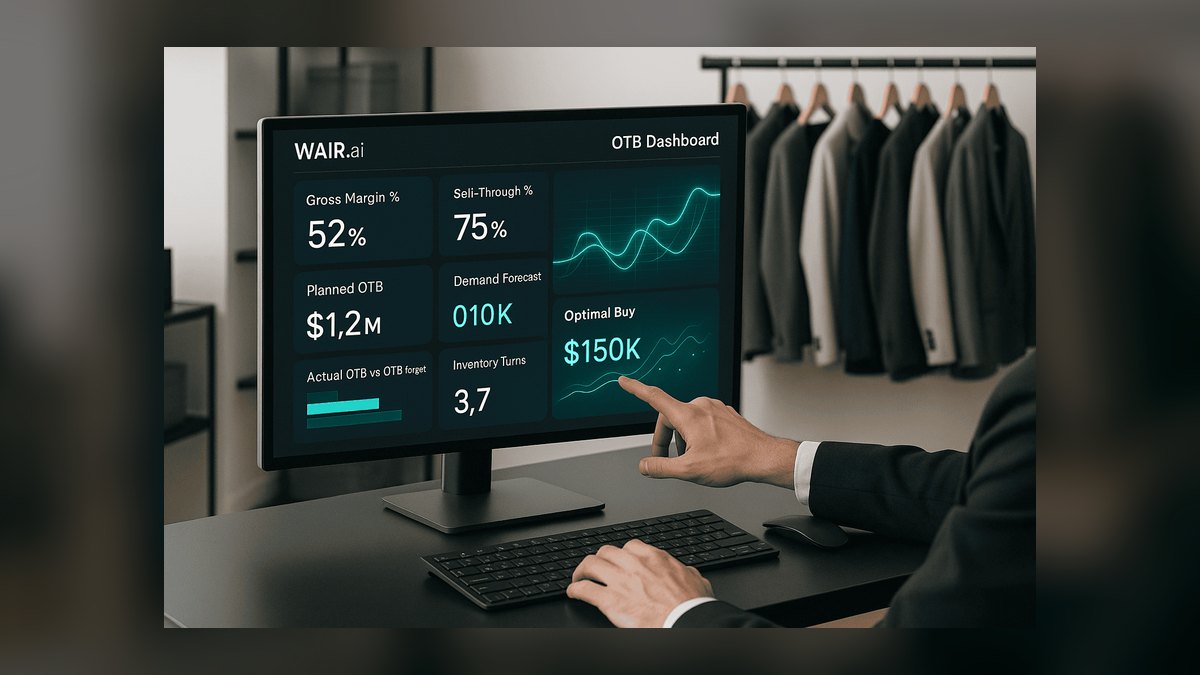
Cash-wise, plan on a Year 1 operating deficit in the low-to-mid six figures on a project of that size, funded out of an interest reserve you sized at closing rather than out of your personal checking account. If your lease-up reserve is not a line item in the construction loan, you have not underwritten the deal — you have underwritten a spreadsheet. And the exit, if you get there: a clean Class-A independent facility at stabilization is a genuinely liquid asset, because the consolidators are buyers. Public Storage, Extra Space, CubeSmart, and National Storage Affiliates have spent a decade absorbing independents, and a stabilized single-asset deal with clean records and a modern access-control system is exactly what their acquisition teams underwrite.
What drives that outcome
Five variables explain almost all of the variance between a good outcome and a distressed 2030 sale, and they are not equally weighted. Ranked by how much they move the answer:
1. Land basis. This is the biggest single lever and the one nobody can fix later. Storage economics are a function of rent per square foot against total cost per square foot. Dirt at $4/SF versus $12/SF on a three-acre parcel is roughly a $1M swing on a project where your total equity might be $1.5M. Developers who already control land in a growth corridor — inherited family parcels, a leftover pad from a prior project, an overlarge contractor yard — are not "lucky," they are playing a structurally different game than a buyer purchasing at retail.

2. Submarket supply. Per-capita square footage inside a 3-mile radius is the closest thing this industry has to a pass/fail test. Above roughly 8 SF/capita, you are competing on price against facilities whose basis is already sunk, and you will lose. Under about 6.5 SF/capita with growing households, you have a real demand gap. The middle band is where judgment and demographics matter — median household income, renter share, multifamily construction in the pipeline, and how many of the existing competitors are tired 1990s drive-up product versus modern climate-controlled.
3. Cost of debt. The same physical building pencils or doesn't pencil purely on the rate. A construction-to-perm loan in the high 6s to mid 7s produces a debt service number that requires materially higher occupancy to cover than the same loan at 4%. This is not a detail — it is why so many 2025–2026 starts got shelved, and it is the mechanism creating the 2027 supply gap you would be exploiting.
4. Management quality. The spread between a competent operator and an absentee one on the same asset is large: occupancy points, street rate, ECRI discipline, delinquency management, auction cadence, and online conversion. Third-party managers (Extra Space's tPM program, CubeSmart's third-party platform, and regional managers like Storage Asset Management) charge a percentage of revenue plus a monthly minimum, and for a first-time operator that fee is usually cheaper than the mistakes it prevents.
5. Unit mix and phasing. Climate-controlled space costs meaningfully more per square foot to build and commands a rent premium, but the premium is market-specific. Getting the mix wrong in either direction — too much CC in a market that won't pay for it, too little in a humid market with a professional-user base — costs you either capex or rate. Phasing (building 60% of the NRSF now, holding the pad for Phase 2) is the standard hedge and lenders generally like it.
Benchmarks and realistic ranges
Numbers you can underwrite against, with the caveat that every one of them is a range because local construction pricing, land, and rate environment swamp national averages.
Total project cost. Single-story drive-up product is the cheapest thing you can build — a metal building, a slab, drive aisles, fencing, gate, and lighting. A 50,000 NRSF drive-up project commonly lands in the low-to-mid single-digit millions all-in including land. A hybrid with 35–45% climate-controlled runs materially higher because you are adding insulation, HVAC, interior corridors, and a sprinklered, conditioned envelope. Multi-story infill climate-controlled is the most expensive per square foot by a wide margin — often two to four times drive-up cost — and is generally a play for institutional capital, not a first-time independent.
Revenue per square foot. Independents should model conservatively. The REITs report same-store revenue per available foot in the high teens to around $20, but that number reflects infill urban locations, a decade of ECRI compounding, tenant insurance and protection-plan attach rates near universal, national ad spend, and pricing algorithms. An independent in a tertiary growth market underwriting $10–$14/NRSF annually is being realistic. Underwriting REIT RevPAF on a tertiary site is the most common single underwriting error in this asset class.
Expense ratio and NOI margin. Storage has the best expense profile in commercial real estate — no tenant improvements, no leasing commissions, minimal interior maintenance. Independents should plan on expenses running 30–40% of revenue, producing a 60–70% NOI margin at stabilization. The REITs post direct operating margins in the high 70s; you will not match that, because they amortize call centers, national marketing, and pricing software across thousands of facilities. Your major line items: property taxes (often the largest, and frequently reassessed upward the year after you open — budget for it), insurance (rising fast in coastal and hail-belt markets), payroll or the management fee, utilities, online advertising, and a capex reserve of roughly 1% of revenue for asphalt, roofing, and door replacement.

Ancillary revenue. Do not ignore this. Tenant protection plans, retail (locks, boxes, tape), late fees, admin fees, and truck rental partnerships routinely add 5–12% on top of rental revenue at high margin. Protection plans in particular are close to pure margin and require nothing but a rack, a sign, and a manager who asks the question at every rental.
Financing structure. Expect 65–70% loan-to-cost senior debt, 25–30% sponsor equity, and the balance from a seller land carry or mezzanine if you need it. SBA 504 is genuinely useful for owner-operator storage — longer amortization, fixed rate on the debenture portion, lower equity requirement — with the trade-off of a slower close and occupancy requirements. Lenders will want post-closing liquidity as a percentage of the loan, a net worth test, a completion guaranty, and a debt-service coverage covenant that steps up as you stabilize. A third-party feasibility study is not optional; the lender will require it, and at a few thousand to low-five-figure dollars it is the cheapest kill-switch in the entire process.
Stabilization timeline. Twenty-four to thirty-six months from CO to stabilized occupancy for a well-located facility; thirty-six to sixty months if you are early to a corridor, poorly sited, or self-managing without experience. Every month of extra lease-up is a month of full debt service against partial revenue, which is why absorption assumptions deserve more stress-testing than construction cost.
Risks, edge cases, and failure modes
The failure modes are well-documented and mostly visible before you sign a general contract, which is what makes them so frustrating to watch.

Getting sniped by the facility you didn't know was coming. You run supply data, find a gap, build — and someone else runs the same data and breaks ground eight months later half a mile away. Supply datasets show what exists and what is permitted; they are weaker on what is under contract. Pull the planning-commission agendas for your submarket for the trailing 24 months yourself, and call the municipality's planner. Ask directly what storage applications are in the queue. This is a free phone call that has killed a lot of bad deals.
Property tax reassessment. You build a facility, the county reassesses at completed value, and your largest expense line jumps in Year 2 — right when you are burning reserve. Underwrite the post-completion assessed value, not the raw-land tax bill.
Insurance and construction cost volatility. Steel and metal building pricing has been jumpy, and tariff policy can move your hard-cost number between pro forma and buyout. Lock pricing at buyout where you can, carry a real contingency (5–10% of hard costs), and treat any "we'll value-engineer it later" as a red flag.

Zoning and entitlement risk. Storage has a specific political problem: it generates almost no sales tax and few jobs, so municipalities have increasingly restricted it — special-use permits, frontage requirements, architectural mandates, or outright bans in commercial corridors. Never buy land outright before entitlement. Use an option or a contingent contract with a feasibility period long enough to get to a planning hearing.
Thin equity. The specific failure pattern: a sponsor with $500K trying to control a $5M project, syndicating the gap from friends and family, with no operating experience and no co-general-partner who has any. Lenders screen this out most of the time. When they don't, the deal fails at month 20 when the reserve empties and there is no capital call available.
Self-managing without the tooling. A modern facility runs on a property management system, dynamic online pricing, gate and unit-level access control, cameras, and a booking funnel that converts without a human answering the phone. An independent who runs on a spreadsheet, a landline, and a plywood sign will bleed 8–15 occupancy points to the professionally managed competitor two exits down. Storable and similar platforms exist precisely because this stack is table stakes now, not a differentiator.
Oversupplied Sun Belt secondary markets. The 2021–2024 building wave concentrated in a familiar set of high-growth metros, and several of them are still digesting it with compressing street rates. A demand-gap thesis in a metro that added enormous NRSF three years ago is usually wishful thinking dressed up as population growth.

The adjacent-business trap in reverse. Operators who already run a horizontal business — an RV park, a towing yard, a marina, a contractor supply — often have a real advantage, because they can drive early occupancy from an existing customer base during the most expensive months to fill. But the same operators frequently underestimate how different storage is operationally: it is a marketing and pricing business, not a facilities business. Owning adjacent dirt is an advantage; assuming the skills transfer is not.
A practical rollout plan
A disciplined 90-day gate sequence, ordered so each cheap step can kill the deal before you spend on the expensive one. The whole design principle: buy your "no" as early as possible.
Days 1–10 — Supply screen. Subscribe to a submarket data platform (Radius+ and Tract IQ are the two most commonly used) and pull per-capita NRSF at 1, 3, and 5 miles, plus the competitive set's current street rates by unit size. Also pull the trailing 24 months of planning-commission storage applications. Kill on supply above roughly 8 SF/capita at 3 miles. Flag for extra scrutiny between 6.5 and 8.
Days 11–25 — Control the dirt cheaply. Option contract or contingent purchase with a feasibility period of at least 120 days. Non-refundable deposit small enough that walking away is a rounding error. Confirm zoning permits storage by right or identify the specific special-use path and its calendar. Do not close.
Days 26–45 — Third-party feasibility study. Order the formal study: three-mile competitive set, demand forecast, recommended unit mix, and achievable street rates. Your lender will require it regardless, so buying it now costs nothing extra and gives you the data to walk before architecture spend.
Days 46–60 — Dual-track the debt. Submit packages simultaneously to two regional or community banks for construction-to-perm and to one SBA 504 lender. Dual-tracking is not indecision; it is schedule insurance, and it gives you leverage on spread and covenant terms. Target 65–70% LTC and make sure an interest-and-operating reserve is inside the loan amount.
Days 61–70 — Get a management verdict. Request LOIs from at least two third-party management platforms. Their underwriting teams look at hundreds of sites a year and have no incentive to flatter you. If both decline your site, that is the most valuable free diligence available and you should take it seriously. If one signs, you have simultaneously de-risked lease-up and strengthened your loan application.
Days 71–85 — Design, mix, and buyout. Lock the unit mix against the feasibility recommendation, stress-testing 25%, 40%, and 55% climate-controlled against the capex differential and the local CC rate premium. Get hard bids, not estimates. Decide whether to phase.

Days 86–90 — Go / no-go. Close on land, sign the GC contract, and lock financing — or forfeit the option deposit and move on. Then build in 12–16 months, pre-market from 90 days before CO, and manage rate rather than occupancy once you cross 85%.
Adjacent plays worth comparing before you build
Greenfield is the highest-risk way into this asset class, and in most submarkets it is not the best risk-adjusted entry. Four alternatives deserve a side-by-side model before you commit to construction.
Buy an under-managed existing facility. Tertiary and small-portfolio storage trades at wider cap rates than institutional product because the REITs won't chase single small assets. An asset at 70% occupancy with 2015 street rates, no ECRI program, no online booking, and a part-time manager is a value-add project where the upside comes from operations rather than concrete. You skip entitlement risk, construction risk, and the entire lease-up J-curve, and you get cash flow from month one.
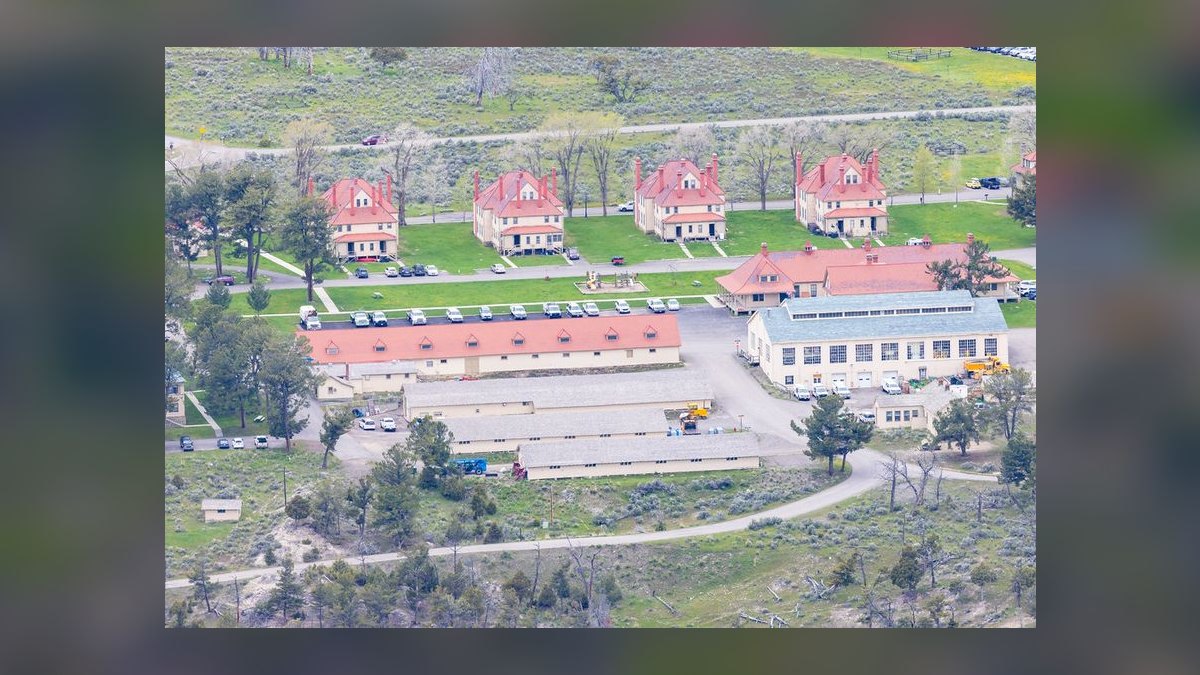
Convert an existing box. Vacant big-box retail and single-tenant industrial flex convert to climate-controlled storage at a fraction of new-construction cost per square foot, because the shell, slab, roof, and parking already exist. The catch is zoning — municipalities that would happily approve retail reuse often resist storage — plus column spacing, floor loading, and truck access. When it works, the basis advantage is decisive.
Go passive as a limited partner. If your real goal is exposure to the asset class rather than the operating business, writing a check into an experienced sponsor's deal gets you there without the 90-day gate sequence, the entitlement fight, or the personal guaranty. You trade control and upside for de-risked execution and you learn the business from inside a deal.
Add storage to a business you already run. The highest-return version of this for many owner-operators is not a standalone facility at all — it's a phase-one drive-up building on land you already own next to an existing operation, funded partly with cash flow, leased partly to your existing customer base. Smaller, cheaper, slower, and dramatically harder to lose money on.
Worth noting how the neighboring service businesses compare, because the same question gets asked about all of them: a laundromat or car wash converts capital into revenue much faster, but it converts labor and maintenance into headaches too. Storage is the low-touch end of the small-business spectrum — the appeal was never yield, it was that a stabilized facility runs on a part-time manager and a software stack. That's also exactly why competition for good sites is fierce and why patient, disciplined capital wins here.
Related questions
How much cash do I actually need to open one independently?
Plan on 25–30% of total project cost as sponsor equity, plus post-closing liquidity your lender will test (commonly a percentage of loan balance) and a funded interest-and-operating reserve. For a mid-single-digit-million project, that is realistically seven figures of genuine cash.
Is third-party management worth the fee for a single facility?
Usually yes for a first-timer. The fee runs a percentage of revenue plus a monthly minimum, but professional pricing, national booking channels, and ECRI discipline typically recover it in occupancy and rate. The management platforms' underwriting also strengthens your loan package.
What occupancy do I need to stop losing money?
Roughly 65–72% physical occupancy for a leveraged facility, depending on your interest rate and expense ratio. Model economic occupancy, not just physical — concessions and delinquency mean the two diverge by several points during lease-up.
Should I build all climate-controlled or all drive-up?
Neither, in most markets. A hybrid at roughly 35–45% climate-controlled is the common underwriting consensus, but the right answer depends on your local CC rate premium versus the added capex. Let the feasibility study's recommended mix be the starting point, then stress-test it.
Is it too late to enter if new construction picks back up?
Not necessarily, but timing matters at the submarket level, not the national level. What kills a deal is deliveries within a few miles of you, not national pipeline totals. Track local planning-commission agendas continuously, even after you break ground.
FAQ
How long until a new self-storage facility is profitable?
Distinguish operating breakeven from stabilization. Breakeven typically arrives around month 20–30, when occupancy crosses the 65–72% band. Full stabilization at 85–92% physical occupancy commonly takes 24–36 months from certificate of occupancy, and 36–60 months if the site is early to its corridor or self-managed without experience. Underwrite the longer case.
What is a realistic NOI margin for an independent operator?
Sixty to seventy percent of revenue at stabilization, with expenses running 30–40%. Publicly traded REITs report direct operating margins in the high 70s, but that reflects scale advantages — national call centers, pricing algorithms, spread marketing costs — that a single facility cannot replicate. Modeling REIT margins on an independent pro forma will overstate NOI badly.
Which single data point should kill a deal fastest?
Per-capita net rentable square feet inside a 3-mile radius. Above roughly 8 SF/capita you are entering a price war against competitors with sunk basis, and no amount of better operations fixes that. It costs a few hundred dollars to check and can save you six figures in pre-development spend.
Can I self-manage instead of paying a management fee?
You can, and owner-operators who live nearby and work the front office save real payroll dollars. But you still need the technology stack — property management software, dynamic online pricing, gate and access control, cameras, and a booking funnel that converts without a phone call. Self-managing without that stack is how independents lose occupancy to professionally managed competitors.
Is buying an existing facility better than building one?
For most first-time operators, yes on a risk-adjusted basis. Acquiring an under-managed asset gives you day-one cash flow, no entitlement or construction risk, and no lease-up J-curve, with upside from operations — raising street rates, instituting existing-customer rate increases, adding online booking, and improving delinquency management.
What ancillary revenue should I plan for beyond rent?
Tenant protection plans, retail sales of locks and boxes, late and admin fees, and truck-rental partnerships commonly add 5–12% on top of rental revenue at very high margin. Protection-plan attach rate is the one to watch — it is close to pure margin and depends almost entirely on whether your manager asks at every rental.
Sources
- https://www.cushmanwakefield.com/en/united-states/insights/us-self-storage-report
- https://www.rentcafe.com/self-storage-market/us/
- https://www.insideselfstorage.com/
- https://investors.publicstorage.com/financial-information/sec-filings
- https://www.sba.gov/funding-programs/loans/504-loans
- https://www.ibisworld.com/united-states/industry/storage-warehouse-leasing/1470/
- https://www.sparefoot.com/self-storage/news/
- https://www.selfstorage.org/
- https://www.storable.com/
- https://www.nar.realtor/commercial-real-estate-market-trends
Related on PULSE
- [Best storage and self-storage franchises to buy in 2027](/knowledge/fr1134)
- [Franchise vs. independent business: which should I start in 2027?](/knowledge/fr1091)
- [Should I open a independent laundromat in 2027?](/knowledge/fr0616)
- [Should I open a independent quick lube business in 2027?](/knowledge/fr0609)
- [Should I open a independent car wash business in 2027?](/knowledge/fr0609)
- [Should I open a independent tire shop in 2027?](/knowledge/fr0608)
This page will be disappearing soon. Save it to your device for $1 — or read it free while it is here.
@Kory-White- · if Venmo asks, the last 4 of my number are 2012
This page is gone.
This one is off the shelf now. $1 keeps it on your phone for good — the whole page, pictures and diagrams included.
 franchiseWhat are the exact steps to buy a franchise, from first inquiry to opening day in 2027?
 franchiseShould I open or buy Crumbl Cookies franchise or open an independent sandwich shop in 2027?
 franchiseShould I open or buy a Re-Bath franchise in 2027?
 franchiseShould I open or buy a Main Event Entertainment franchise in 2027?
 franchiseShould I open or buy a Cheba Hut franchise in 2027?
 franchiseShould I open or buy a Realty ONE Group franchise in 2027?
 franchiseShould I open or buy a Snip-its kids haircuts franchise in 2027?
 franchiseShould I open or buy an Andy’s Frozen Custard franchise in 2027?
 franchiseShould I open or buy a Cook Out franchise in 2027?
 franchiseShould I open or buy a PJ's Coffee of New Orleans franchise in 2027?