
Should I open a arcade business in 2027?
 Curated byKory White · Fractional CRO · Maryland
 PULSEKNOWLEDGE LIBRARY
Quality
Certified
Yes — open an arcade in 2027 if you can secure $450K-$1.1M in total capital, lock a 5,000-12,000 sq ft second-generation retail box at $20-$30 PSF, and pair the game floor with food, beer, and league programming that pulls 35%+ of revenue off the game card. A modern redemption + barcade hybrid with 30-50 games on an Embed or Sacoa cashless system typically breaks even on cash flow in month 14-22 and clears $180K-$420K of Year-1 EBITDA at 18-24% margin on $900K-$2.3M of revenue. Probably not — unless you have operator experience, a signed LOI with a landlord doing $40-$60 PSF of TI, and $250K of liquid working capital after CAPEX. Pure-token coin-op arcades without F&B die; eatertainment wins.
The Real Numbers
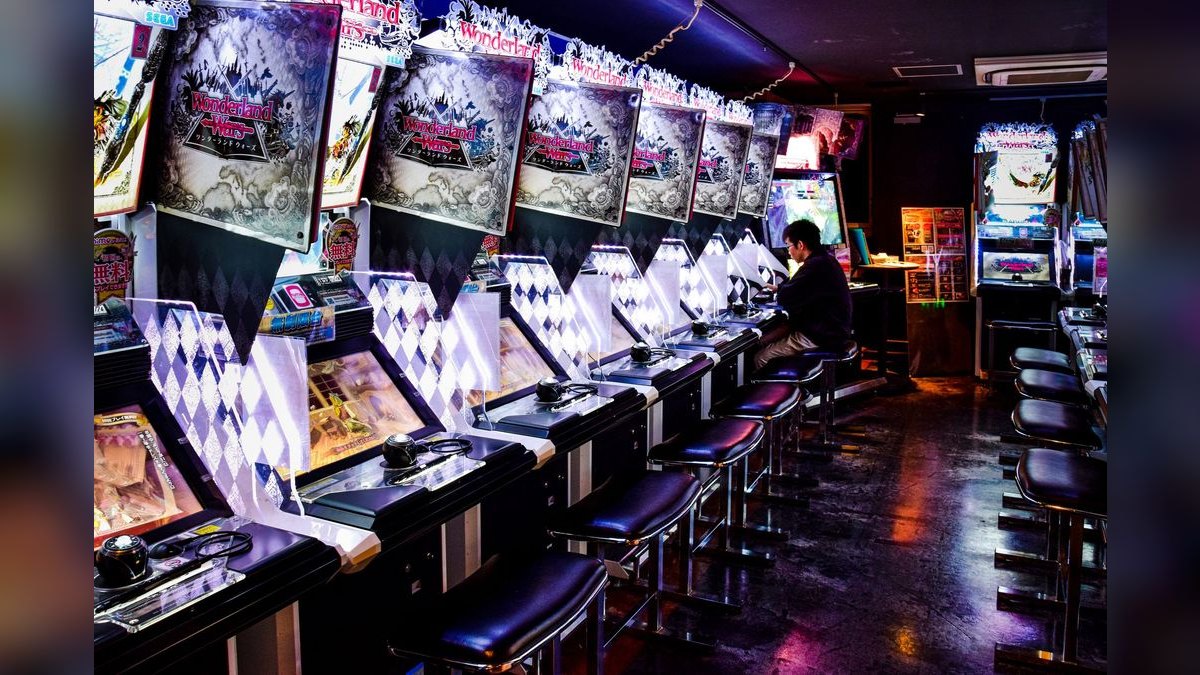
A 2027 independent arcade — 5,000-8,000 sq ft, 35-45 games, beer & wine + limited food, Embed cashless cards — pencils out as follows. The numbers below blend IBISWorld Arcade, Food & Entertainment Complexes (NAICS 713120), IAAPA Q3 2025 industry brief, and reported financialmodelslab independent-FEC pro formas. Franchise comparables (Andretti, Dave & Buster's) are excluded because D&B does not franchise domestically and Andretti's six-unit company-owned model requires $15M-$25M per build.
| Line item | Low (5K sqft, beer+games) | Mid (8K sqft, full FEC-lite) | High (12K sqft, eatertainment) |
|---|---|---|---|
| Leasehold improvements | $180,000 | $340,000 | $640,000 |
| Game equipment (30-50 cabinets) | $165,000 | $285,000 | $475,000 |
| Cashless card system (Embed/Sacoa) | $38,000 | $52,000 | $78,000 |
| POS, kitchen, bar buildout | $42,000 | $95,000 | $185,000 |
| Licensing, liquor, permits | $18,000 | $32,000 | $55,000 |
| Pre-opening + working capital | $60,000 | $110,000 | $180,000 |
| TOTAL CAPEX + reserves | $503,000 | $914,000 | $1,613,000 |
| Landlord TI offset (typical) | ($85,000) | ($175,000) | ($310,000) |
| Net cash required at signing | $418,000 | $739,000 | $1,303,000 |
| Year-1 revenue | $920,000 | $1,580,000 | $2,310,000 |
| Game share of revenue | 58% | 52% | 44% |
| F&B share of revenue | 26% | 34% | 41% |
| Events/leagues/parties | 16% | 14% | 15% |
| Year-1 EBITDA | $175,000 (19%) | $315,000 (20%) | $485,000 (21%) |
| Cash-flow breakeven month | Month 16 | Month 14 | Month 19 |
| Simple CAPEX payback | 2.7 yrs | 2.6 yrs | 3.0 yrs |
IBISWorld sizes the U.S. arcade & entertainment complex industry at $6.1B in 2025, growing at a 12.8% CAGR through 2025 and forecast at $6.4B by 2029. Mature, well-run independent FECs land in the 15-25% EBITDA band per IAAPA operator benchmarks. Cashless card systems (Embed, Sacoa, Intercard, Semnox) reliably lift spend per visit 20-30% versus token or cash play — that delta is not optional in 2027; it is the difference between 18% EBITDA and 8% EBITDA.
Who Wins With This Business
Operators with hospitality DNA win. The arcade game floor is the traffic magnet; the profit lives at the bar and the party booking sheet. Winners typically share five traits.
- Prior F&B or entertainment-venue P&L experience — bowling alley GMs, Topgolf bay managers, Punch Bowl Social ops leads, Pinstripes unit managers. They know labor-to-revenue ratios (target 28-32% of sales), beverage cost discipline (22-26% pour cost), and how to staff a Saturday night without overhiring a Tuesday lunch.
- A clear demographic pick. The two profitable lanes are (1) barcade — 21+, retro cabs, craft beer, $9 cocktails, low food cost, target young professionals 25-40; or (2) family redemption FEC — mini-bowling, axe throwing, ropes, redemption games, birthday parties, target parents with kids 5-14. Trying to be both is the #1 failure mode.
- A real-estate edge. Winners take second-generation restaurant or retail boxes (former Pier 1, former Bed Bath & Beyond, former movie theater wings) at $20-$30 PSF with $40-$60 PSF of TI. Greenfield builds at $150-$200 PSF in 2026 dollars kill returns.
- Cashless from day one. Winners run Embed, Sacoa, or Intercard out of the gate, push a branded mobile wallet, and capture email + phone on every card swipe. The email list becomes the birthday-party machine — and birthday parties are $45-$85 per head at 65% gross margin.
- Volume-based party pricing. Operators clearing $300K+ Year-1 EBITDA book 400-700 birthday parties annually — that's 8-14 per week at $650-$1,200 each, 40% of which fall on Saturdays before noon when the floor would otherwise be dead.
Who Loses With This Business
Coin-op nostalgia operators lose. The arcade-only, token-fed, cash-register model does not pencil at 2027 occupancy costs and 2027 labor costs. Five archetypes that fail.
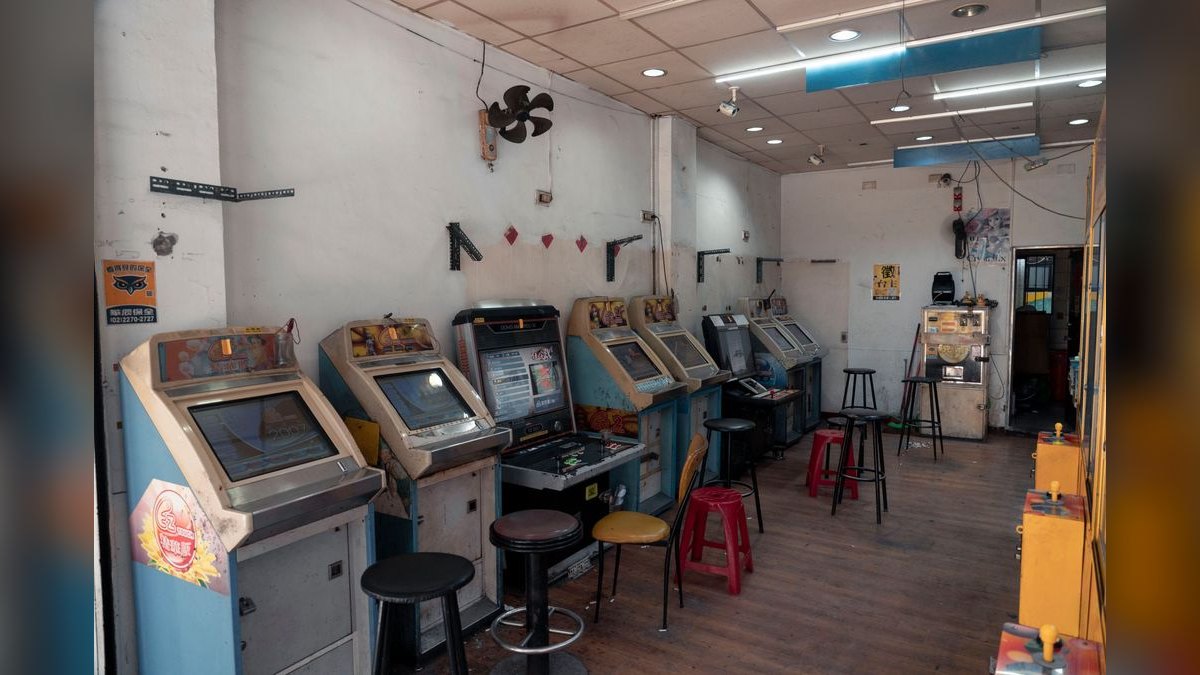
- The collector. Someone who loves Galaga and Donkey Kong and wants to "share the joy" with 40 restored cabinets at $4-$8 a play. The cabinets break, the parts are vintage, downtime kills card revenue, and no one is buying $42 of game cards to play 12 rounds of Centipede. Without F&B, leagues, and parties, the unit economics collapse below 8% EBITDA.
- The single-operator under-capitalized launch. Anyone opening with less than 6 months of operating reserves post-CAPEX. Arcades ramp slowly — Months 3-9 are typically 30-55% of stabilized revenue. Operators who skipped the $150K reserve line are forced into emergency lease renegotiation or asset sale by Month 8.
- The wrong-trade-area pick. Sites with fewer than 100,000 people in a 5-mile ring, median household income below $65K, or no daytime office population for weekday lunch and after-work bar traffic. Trade area matters more than concept.
- The over-leveraged franchise-of-one. Operators who finance 75%+ via SBA 7(a) at 2027 prime + 2.75% (roughly 10.0-10.75%) end up with $11K-$18K of monthly debt service that eats Year-1 EBITDA whole.
- Pure VR-only concepts. The VR arcade wave of 2018-2022 produced 70%+ five-year failure rates per IAAPA membership-churn data. VR works as one attraction inside a broader FEC, not as the whole concept.
2027 Market Conditions
Five forces define the 2027 arcade environment.
Eatertainment is the category, not "arcade." Wall Street treats Dave & Buster's (NASDAQ: PLAY) at $2.1B revenue and $436.6M adjusted EBITDA (20.8% margin) in fiscal 2025 as the public-market benchmark. Privately, Punch Bowl Social, Pinstripes (NASDAQ: PNST), Andretti Indoor Karting, Round1, Main Event (now D&B-owned), and Bowlero validate the model. The independent arcade has to compete on this thesis or lose.
Cashless is table stakes. Embed, owned by Helbiz/PlayAGS subsidiary, remains the gold standard with the only Apple/Google-certified mobile wallet in the category since 2019. Sacoa runs 2,200+ installs across 70+ countries. New operators in 2027 specifying token-only or cash-only floors face 20-30% revenue downside versus carded competitors.
Demographic tailwind is real. 67% of millennials pay a premium for exclusive experiences; 75% will pay to skip waits. Gen Z drives the barcade renaissance in urban cores (Brooklyn's Barcade chain, Emporium Arcade Bar in Chicago, Two-Bit Circus in LA). The U.S. indoor amusement center industry grows at 10.7% CAGR through 2033 per Grand View Research.
Real estate is finally favorable. Retail vacancy in tier-2 and tier-3 metros sits at 6.1-7.4% per CBRS Q4 2025 data, and landlords of dark big-box space (former Bed Bath, Pier 1, Tuesday Morning, Joann Fabric) are aggressive with $40-$80 PSF of TI for credit-worthy entertainment tenants. Lock the box in 2026-early 2027 before rates compress further.
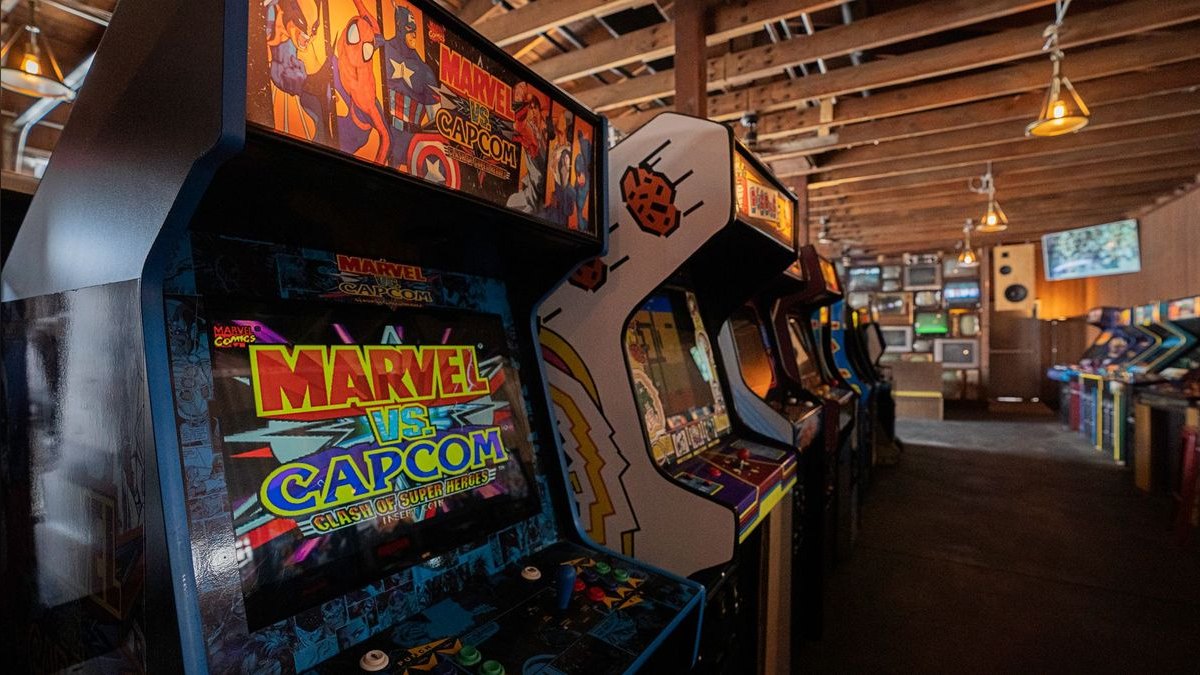
Labor cost discipline matters more than ever. Minimum wage in 22 states and 40+ cities exceeds $15/hr; California sits at $16.50. Winners run lean weekday staffing (4-6 floor) and scale weekend (12-18 floor) with a tipped F&B model to keep blended labor under 30% of revenue.
The 90-Day Decision Tree
1. Days 1-15 — Concept lock. Decide barcade (21+, urban, evenings) vs. family FEC (all-ages, suburban, weekends). Build a one-page concept brief with target demo, average ticket, hours, food program.
2. Days 16-30 — Trade-area validation. Pull 5-mile demographic rings for 3-5 candidate cities. Require 100K+ population, $70K+ median HHI, 20%+ kids under 15 (for FEC) or 30%+ aged 25-40 (for barcade). Use Esri Tapestry, Placer.ai, or SitesUSA.
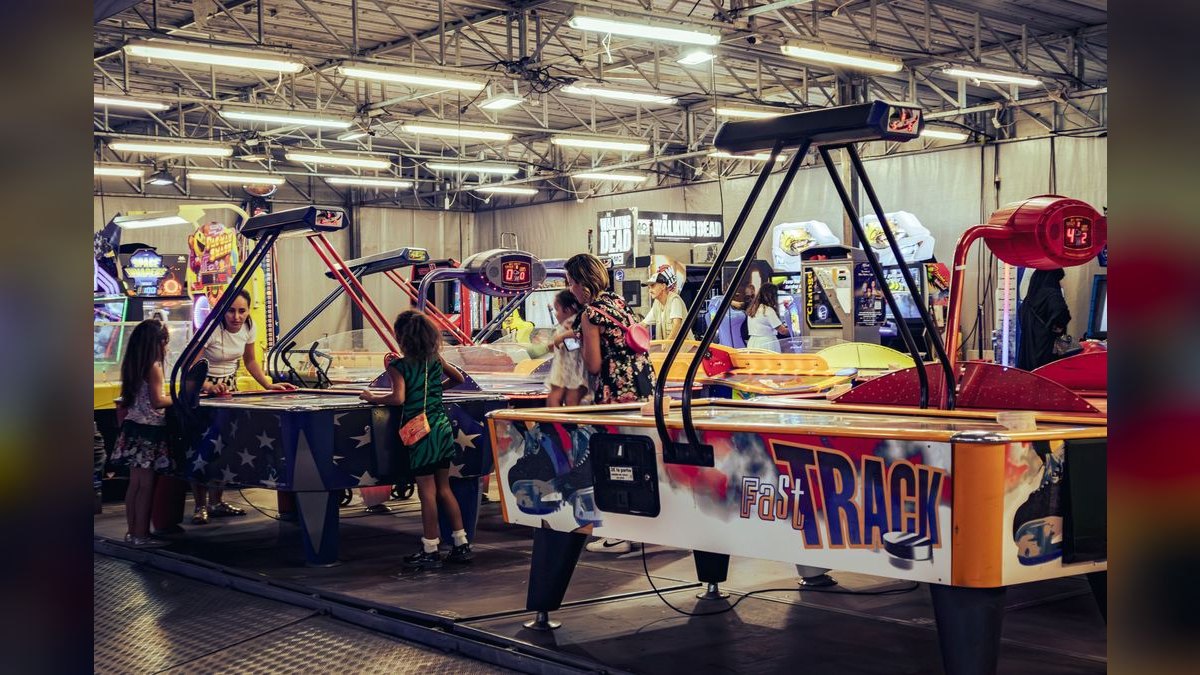
3. Days 31-45 — Site shortlist. Tour 8-12 second-generation retail boxes. Target 5,000-12,000 sq ft, end-cap or freestanding, 150+ parking spaces, visible from arterial road.
4. Days 46-60 — Capital pre-qualification. SBA 7(a) pre-qual with Live Oak, Newtek, or Byline Bank (top-3 arcade/FEC lenders). Get equipment financing quotes from Direct Capital and First American.
5. Days 61-75 — LOI on the box. Target $20-$30 PSF NNN, $40-$60 PSF TI, 10-year initial term + two 5-year options, 6 months free rent, exclusivity clause within the center for arcade/FEC.
6. Days 76-90 — Vendor contracts. Sign Embed or Sacoa cashless agreement, place game equipment order with BMI Gaming, Betson Enterprises, or PrimeTime Amusements, contract GC for buildout at $95-$140 PSF target. File liquor license (60-120 days lead time depending on state).
Alternative Plays
If the arcade-FEC math does not work for your capital or risk profile, four adjacent plays produce better risk-adjusted returns.
- Buy an existing arcade or FEC at 3.5-5.0x EBITDA. BizBuySell and FECfacts.com list 40-80 U.S. FECs for sale at any time. Assumable lease + trained staff + existing cash flow beat a greenfield build by 18 months.
- Mobile arcade / event rental. $80K-$180K all-in for a trailer of 20 cabinets, VR rigs, and inflatables. $2,500-$6,500 per event at 55-65% gross margin, 80-150 events/year. No lease, no liquor license, no labor on Tuesday afternoon.
- Axe throwing or simulator-only single-attraction. $150K-$320K all-in, 2,000-4,000 sq ft, $420K-$780K Year-1 revenue at 22-28% EBITDA. Stumpy's Hatchet House and Bad Axe Throwing are the franchise comps; independent axe typically out-earns franchise at the unit level due to no royalty.
- Barcade-as-tenant inside an existing concept. Operate a 400-1,200 sq ft arcade corner inside a brewery, bowling alley, or pizza place on a revenue-share lease (12-18% of card revenue, no fixed rent). $60K-$150K CAPEX, break-even by Month 4, scale to 4-8 locations before opening a flagship.
FAQ
What’s the biggest risk of opening an arcade in 2027? The biggest risk is underestimating the capital needed and lacking operator experience. You’ll likely need $450K–$1.1M total, and without a signed LOI for a space with $40–$60 PSF in tenant improvements, you could run out of funds before opening. Pure coin-op arcades without food and beverage typically fail, so avoid that model.
How much revenue can I realistically expect in the first year? A well-run hybrid arcade with redemption and barcade elements can generate $900K–$2.3M in Year-1 revenue. This depends on location, game mix, and how much you pull from food and drink sales—aim for at least 35% of revenue off the game card to stay profitable.
What’s the typical timeline to break even on cash flow? Most modern arcades with a cashless system from Embed or Sacoa break even on cash flow between month 14 and month 22. This timeline assumes you have $250K in liquid working capital after initial CAPEX to cover early operating costs.
Do I need a specific type of location or lease terms? Yes, you’ll want a second-generation retail box of 5,000–12,000 square feet at $20–$30 per square foot. Landlords offering $40–$60 PSF in tenant improvements are ideal, as that reduces your upfront build-out costs. Avoid spaces that don’t allow for a food and beverage component.
How many games should I have, and what kind? Plan for 30–50 games in a redemption plus barcade hybrid model. Focus on modern ticket-redemption games and classic arcade cabinets, paired with a cashless system. This mix helps drive repeat visits and higher per-customer spending.
Is prior arcade or entertainment experience necessary? Probably yes. Without operator experience, you face a much higher risk of failure. If you’re new, consider partnering with someone who has run an arcade or similar venue, or start with a smaller location to learn the ropes before scaling up.
Bottom Line
A 2027 arcade is a viable 18-22% EBITDA business if you build it as eatertainment with cashless infrastructure, not as a coin-op museum. Plan on $450K-$1.1M of net capital, second-generation retail at $20-$30 PSF with landlord TI, 30-50 cabinets on Embed or Sacoa, beer/wine minimum and a real party-booking program. Expect cash-flow breakeven Month 14-22 and $180K-$420K of Year-1 EBITDA. Skip this business if you have no F&B or entertainment-ops experience, less than 6 months of post-CAPEX reserves, or you are in love with the cabinets instead of the party-booking calendar. The winners run arcades like restaurants with a game floor attached; the losers run museums that sell tokens.
Sources
- IBISWorld — Arcade, Food & Entertainment Complexes in the US Industry Report (NAICS 713120)
- Dave & Buster's Entertainment Inc. (NASDAQ: PLAY) — FY2025 Investor Relations & 10-K filing
- IAAPA — State of the Global Attractions Industry Q3 2025 Brief
- Grand View Research — Indoor Amusement Center Market Report through 2033
- Embed Card System — Cashless platform documentation and operator case studies
- Sacoa Cashless — Revenue management system installs and operator benchmarks
- Financial Models Lab — Independent Arcade Pro Forma ($545K CAPEX, 2-month operational breakeven model)
- Adventure Solutions — FEC Smart Leasing Secrets (lease PSF, CAM, TI benchmarks)
- Restaurant Business — Dave & Buster's $835M Main Event acquisition completion
- Pinstripes Holdings Inc. (NYSE: PNST) — Public eatertainment comparable for unit-economics benchmarking
- Andretti Indoor Karting & Games — Operator model and unit-build references
- Betson Enterprises — Arcade equipment pricing and distributor catalog
review / reviews / rating / review 2027 / review of arcade business
Related on PULSE
- How do I franchise my own business in 2027?
- Franchise vs. independent business: which should I start in 2027?
- Should I open or buy a Padgett Business Services franchise in 2027?
- Should I open a ATM business in 2027?
- Should I open a vending machine business in 2027?
- Should I open a car wrap business in 2027?
This page will be disappearing soon. Save it to your device for $1 — or read it free while it is here.
@Kory-White- · if Venmo asks, the last 4 of my number are 2012
This page is gone.
This one is off the shelf now. $1 keeps it on your phone for good — the whole page, pictures and diagrams included.
 franchiseShould I open or buy a Fox’s Pizza Den franchise in 2027?
 franchiseShould I open or buy an All My Sons Moving & Storage franchise in 2027?
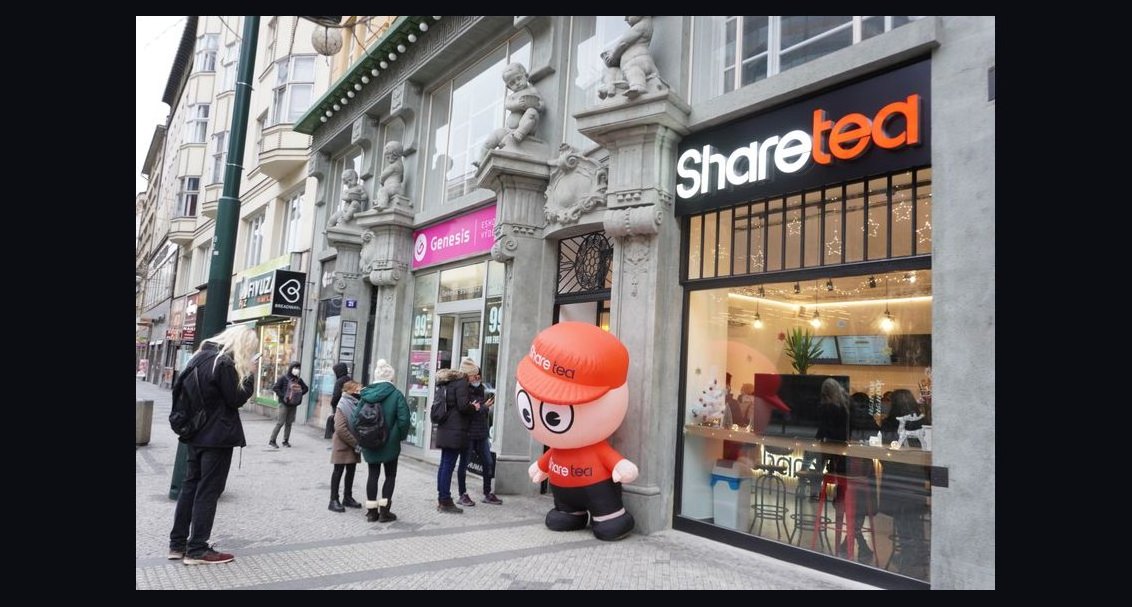 franchiseShould I open or buy a Sharetea franchise in 2027?
 franchiseShould I open or buy a Burn Boot Camp (re-do) franchise in 2027?
 franchiseShould I open or buy a 1-800-GOT-JUNK franchise in 2027?
 franchiseShould I open or buy a Tuffy Tire & Auto franchise in 2027?
 franchiseShould I open or buy a Mellow Mushroom franchise in 2027?
 franchiseShould I open or buy a Bibibop Asian Grill franchise in 2027?
 franchiseShould I open or buy a Cold Stone Creamery franchise in 2027?
 franchiseShould I open or buy a Doc Popcorn franchise in 2027?