
Should I open or buy a Crave Cookies franchise in 2027?
 Curated byKory White · Fractional CRO · Maryland
 PULSEKNOWLEDGE LIBRARY
Quality
Certified
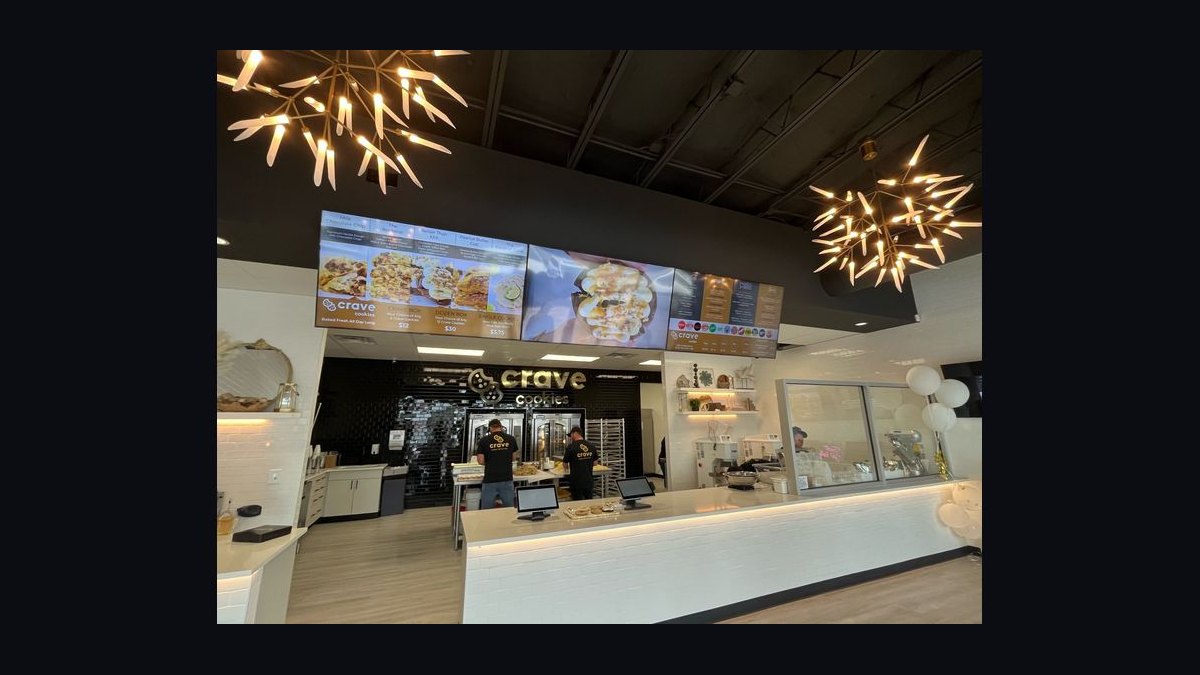
Only if you can secure a genuinely under-served trade area, bring $300K–$700K total with $100K–$200K liquid, and personally run social-media marketing daily. Crave Cookies offers real capital efficiency versus full-service restaurants, but the gourmet-cookie category is crowding fast behind Crumbl. Market timing, not brand selection, decides the outcome.
The outcome you should realistically expect
Strip away the franchise-broker optimism and a 2027 Crave Cookies opening produces a fairly narrow band of outcomes, and knowing that band ahead of time is the difference between a rational investment and a hopeful one.
The realistic base case looks like this: you sign, spend six to twelve months finding and securing a site, spend another three to five months in build-out and permitting, and open somewhere between month nine and month eighteen after signing. Your first twelve months run cash-flow negative or barely break even. Grand-opening traffic is genuinely strong — gourmet cookie shops open hot because the format is novel-feeling and the product photographs well — and then settles at 50% to 65% of opening-week volume by month four. That drop is normal and it panics first-time operators who mistake the opening surge for the steady state. By month eighteen to twenty-four you reach consistent profitability if the trade area supports it. A mature single unit grosses somewhere in the $500,000 to $1,200,000 range, and the wide spread there is the whole story: location quality and market saturation move that number more than anything you personally do.
At the median — call it $700,000 to $800,000 in annual net sales — restaurant-level margins after food, labor, occupancy, royalty, and marketing land in the 12% to 18% band, which puts owner earnings roughly between $80,000 and $170,000 before debt service. If you financed $400,000 through an SBA 7(a) loan at prevailing rates over ten years, expect annual debt service in the neighborhood of $55,000 to $65,000, which eats a meaningful slice of that. An owner clearing $120,000 on paper who is servicing debt is really taking home $55,000 to $65,000 in cash plus whatever equity accrues as the loan amortizes.
The failure case is not dramatic. It rarely looks like a sudden collapse. It looks like a unit doing $420,000 in year two, with 33% food cost because the rotating menu generates waste you never got under control, 34% labor because you're paying a manager to cover the shifts you don't want, and 16% occupancy because you took a lease you couldn't really afford in a center you liked the look of. That unit loses money quietly for eighteen months while you inject working capital, and then you sell it for less than you have in it. The people who end up there are almost never lazy — they are usually operators who bought a trend rather than a trade area.
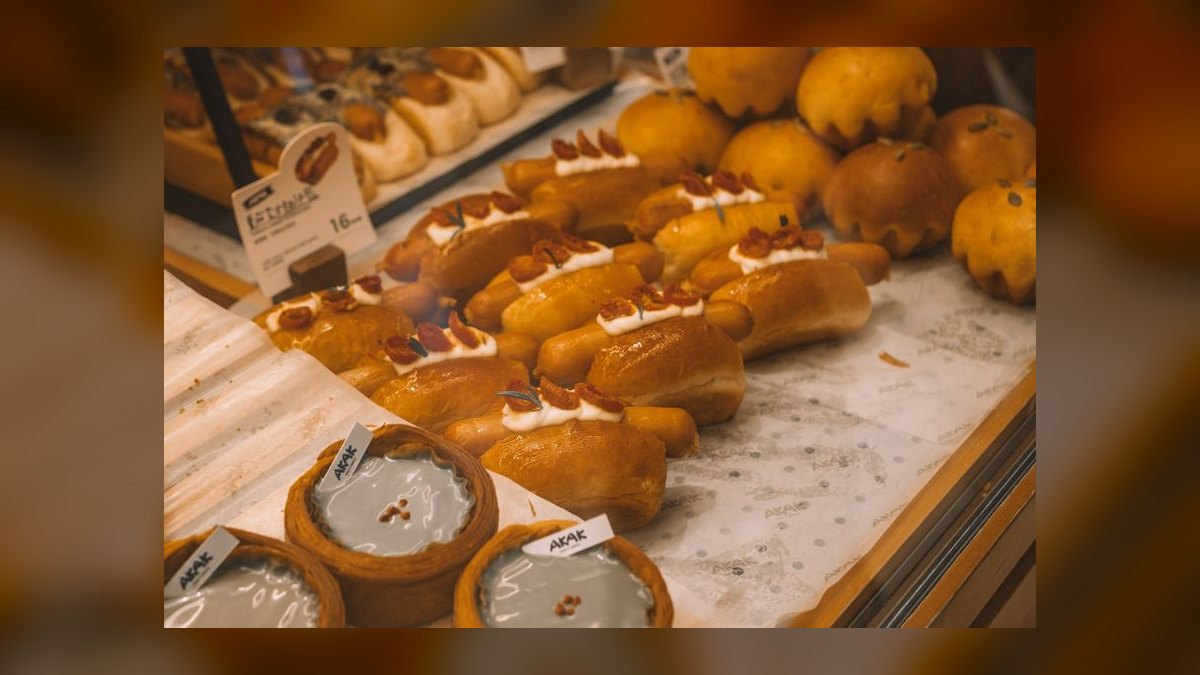
The one outcome worth naming explicitly because it's underweighted: a well-run second and third unit changes the math substantially. Multi-unit operators report meaningfully better per-unit profitability because a single area manager covers three stores, purchasing volume improves, and cross-store marketing spend gets amortized. If your plan is genuinely one store, run the numbers as one store. If your plan is three, the economics are different enough that you should be negotiating a development agreement from the start rather than signing a single-unit deal and hoping to expand later.
What actually drives the outcome
Four variables move the needle far more than the rest, and only two of them are inside your control after signing.
Trade area saturation. This is the dominant 2027 variable and it is decided before you sign anything. Crumbl operates well over a thousand locations nationwide with more in development, and the field also includes Insomnia Cookies, Dirty Dough, Chip City, and a long tail of independent gourmet-cookie shops that open monthly in markets that look promising. In a metro of 500,000 to a million people, you can easily face five to ten direct competitors within a five-mile radius. Cookie demand in a trade area is not infinite and it is not especially loyal. The second gourmet-cookie shop in a suburb splits a market rather than doubling it, and the fourth one starves.
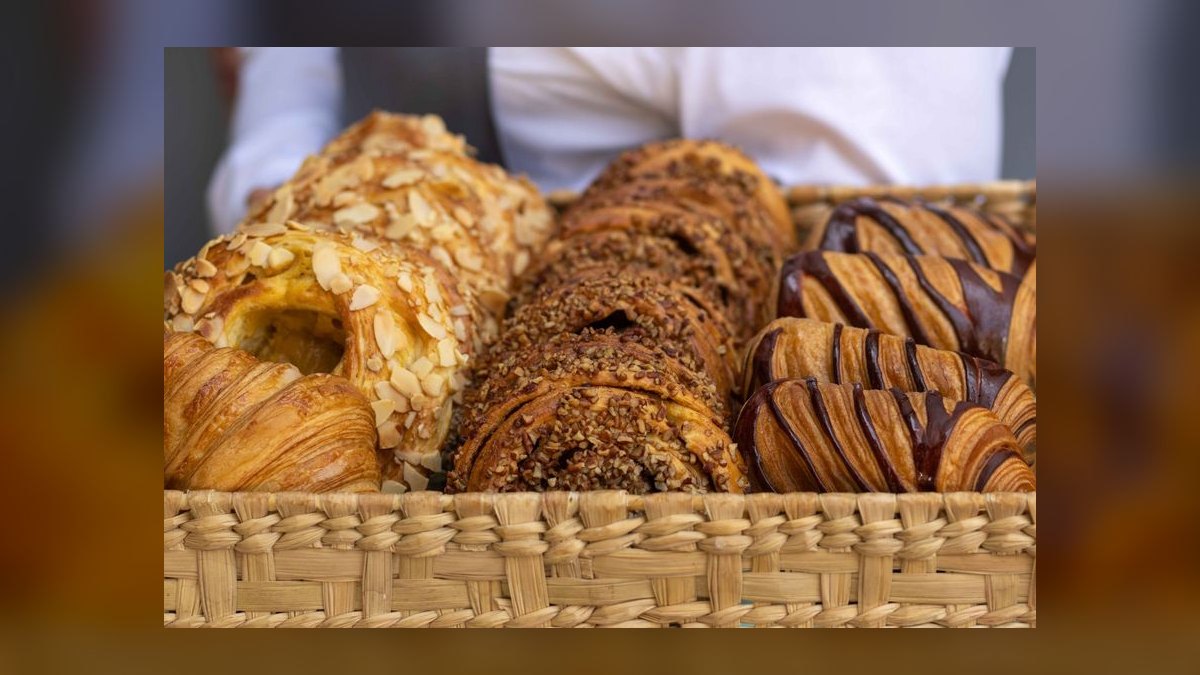
Site quality. Cookie shops are impulse and destination-hybrid businesses. They need visible, easy-in-easy-out positions with parking that works at 7pm on a Friday, ideally in centers anchored by grocery, fitness, or adjacent to college and high-school traffic patterns. A cookie shop 200 feet off the main drag with awkward parking will underperform an identical shop on the corner by 30% or more, permanently. You cannot market your way out of a bad site.
Your personal marketing effort. The category runs on social. That's not a slogan — it's the actual traffic mechanism. The weekly menu rotation exists to give people a reason to check in and a reason to post. Operators who film the weekly reveal, run local giveaways, engage with tagged posts, and partner with local micro-influencers see materially different repeat rates than operators who post the corporate asset and walk away. If you are not going to do this personally or hire someone who will, subtract meaningfully from every revenue projection below.
Cost discipline on a rotating menu. A rotating weekly menu is a marketing asset and a cost-control problem simultaneously. Fixed-menu bakeries dial in par levels over months; rotating menus reset that learning curve every week. Food cost in the category runs 28% to 35%, and the operators at the low end are the ones tracking waste daily and adjusting batch sizes by flavor, by day, by weather.
The diagram is worth reading as a filter rather than a flow. Each gate removes a share of operators, and the saturation gate at the top removes the largest share — which is why the diligence sequence in the rollout plan spends its first three weeks there, before a dollar of site or legal money is committed.
Benchmarks and realistic ranges
Here is the investment structure as disclosed and as franchisees generally report it. Treat every number as a range to verify against the current Franchise Disclosure Document, not as a quote.
Initial franchise fee: around $30,000. This is in line with the dessert-franchise segment generally. Multi-unit development agreements typically carry a reduced per-unit fee for units two and beyond, often in the $25,000 range, in exchange for a committed development schedule.
Total initial investment: roughly $300,000 to $700,000. The spread breaks down approximately as follows. Leasehold improvements and build-out are the largest single line at $140,000 to $380,000, driven almost entirely by whether you take a second-generation food space with usable infrastructure or a raw shell requiring grease interceptor, hood, and full mechanical. Equipment and POS run $100,000 to $220,000 — commercial ovens, mixers, refrigeration, display cases, and the point-of-sale stack. Signage and brand-prescribed decor run $18,000 to $55,000. Opening inventory is modest at $10,000 to $25,000 because ingredients are shelf-stable and cheap relative to a protein-heavy restaurant. Grand-opening marketing runs $15,000 to $45,000. Training and travel run $8,000 to $22,000. Working capital is listed at $40,000 to $110,000, and this line is the one franchisees most consistently say is understated.
Ongoing fees: approximately 6% royalty plus a marketing fee in the 2% to 3% range, for a combined 8% to 9% of gross sales off the top. That is standard for the segment and not a red flag on its own, but it means every $100,000 of sales carries $8,000 to $9,000 of franchisor cost before you pay for a single ingredient.
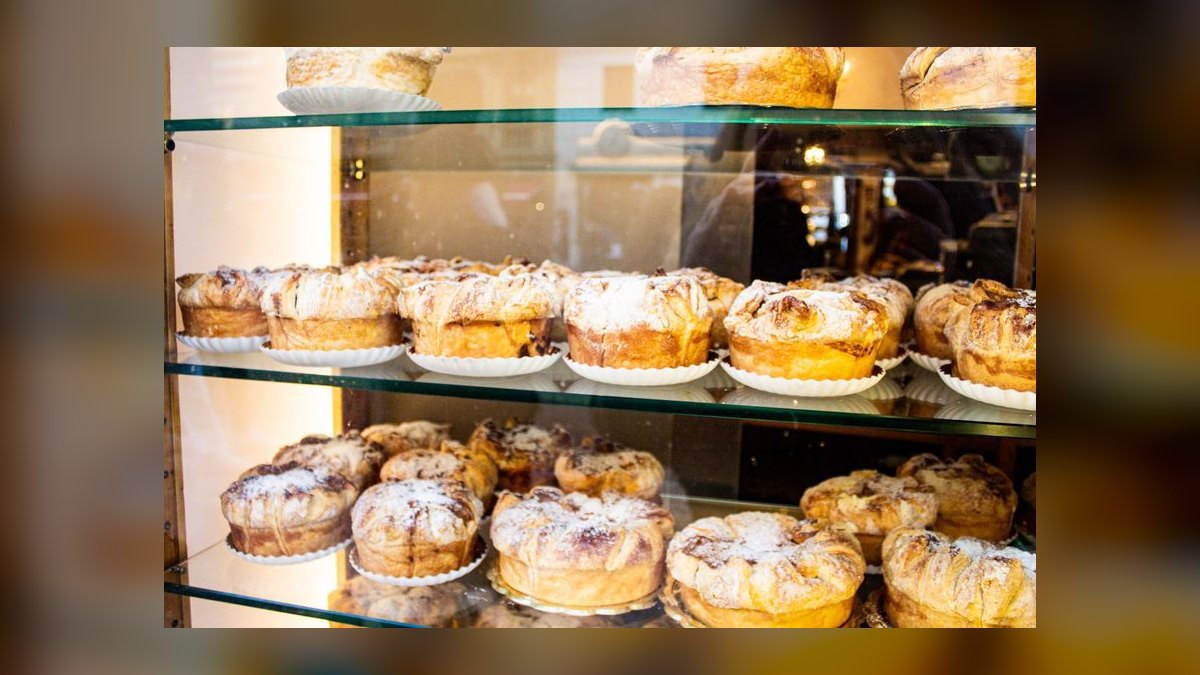
Space and format: 1,200 to 2,400 square feet. Bakery production kitchen plus a pickup and takeout counter, with limited or no seating. This is a meaningful advantage over full-service restaurant formats — less square footage, no dining-room labor, no dishwashing station of consequence, no liquor license, and a build-out that is expensive per foot but cheap in absolute terms because there aren't many feet.
Operating cost structure at a mature unit: food cost 28% to 35%, labor 26% to 35%, occupancy including CAM 9% to 18%, royalty and marketing 8% to 9%, other operating expense roughly 10% to 12%. Well-run units land at 12% to 18% EBITDA margin.
Break-even: 18 to 24 months is the common case, with a substantial minority of operators reporting 24 to 30 months, concentrated in markets where an established competitor already owns the category's mindshare. Plan for $100,000 to $150,000 of working capital beyond the initial investment to fund the ramp without stress. Operators who open with exactly the FDD's working capital line and no cushion are the ones who cut marketing in month eight — precisely the wrong month to cut it.
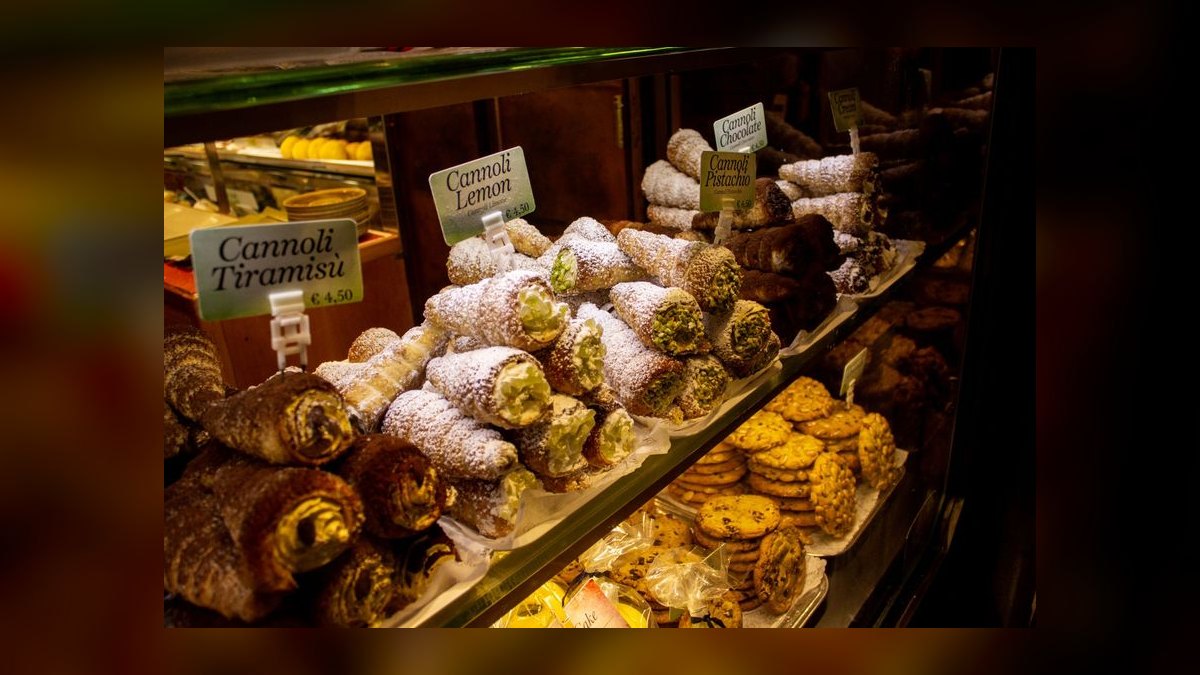
Two adjacent benchmarks worth holding in view for comparison. A Nothing Bundt Cakes or similar bakery-dessert franchise sits in a broadly comparable investment band with a less trend-dependent product and a stronger gifting and occasion-driven revenue base. An independent cookie shop costs meaningfully less — no franchise fee, no royalty, no prescribed build spec — and correspondingly gives you no brand recognition, no supply chain, no operating playbook, and no marketing system. The royalty you pay a franchisor is, functionally, rent on demand you didn't have to create. Whether that rent is worth paying depends entirely on whether the brand actually generates demand in *your* market, which in an unsaturated market it very much does and in a saturated one it very much doesn't.
Risks, edge cases, and failure modes
Category saturation is the headline risk and it compounds. Every competitor that opens after you does three things at once: takes trips, forces price and promotion response, and raises the local cost of paid social. The risk isn't the competitor that exists on the day you sign — it's the two that open in your trade area during your build-out. Search commercial real estate listings and permit filings in your target trade area before signing, not after. A cookie shop under construction three blocks away is public information if you go look for it.
Territory encroachment. Protected territories in this segment typically run something like a one-and-a-half to three mile radius, tighter in dense suburbs and wider in low-density regions. That is narrower than some competitors offer, and narrow territories mean intra-brand competition becomes possible as the system expands. Read Item 12 of the FDD carefully and specifically: does the franchisor reserve the right to open company-owned or additional franchised units inside your radius under any conditions? Does the protection survive renewal or only the initial term? Are alternative channels — grocery, delivery-only ghost kitchens, catering, e-commerce shipping — carved out of your exclusivity? That last one matters more than most buyers realize, because a delivery-only unit operating in your radius takes your sales without opening a storefront. Negotiate for a defined radius with an explicit no-encroachment clause for the full term including renewals. You may not get it. Whether they'll discuss it at all is itself informative.
Trend risk. The gourmet-cookie boom is a genuine consumer trend, and consumer trends in dessert have historically had shapes: frozen yogurt, cupcakes, and juice all went through a rapid national expansion followed by a shakeout in which the strongest operators in the best locations survived and the marginal ones closed. There is no reliable way to time the top. What you can do is refuse to underwrite your investment on the assumption that category growth continues — underwrite it on the assumption that your trade area's cookie demand is roughly flat and you have to take share to grow. If the deal only works with category tailwind, it's not a deal.
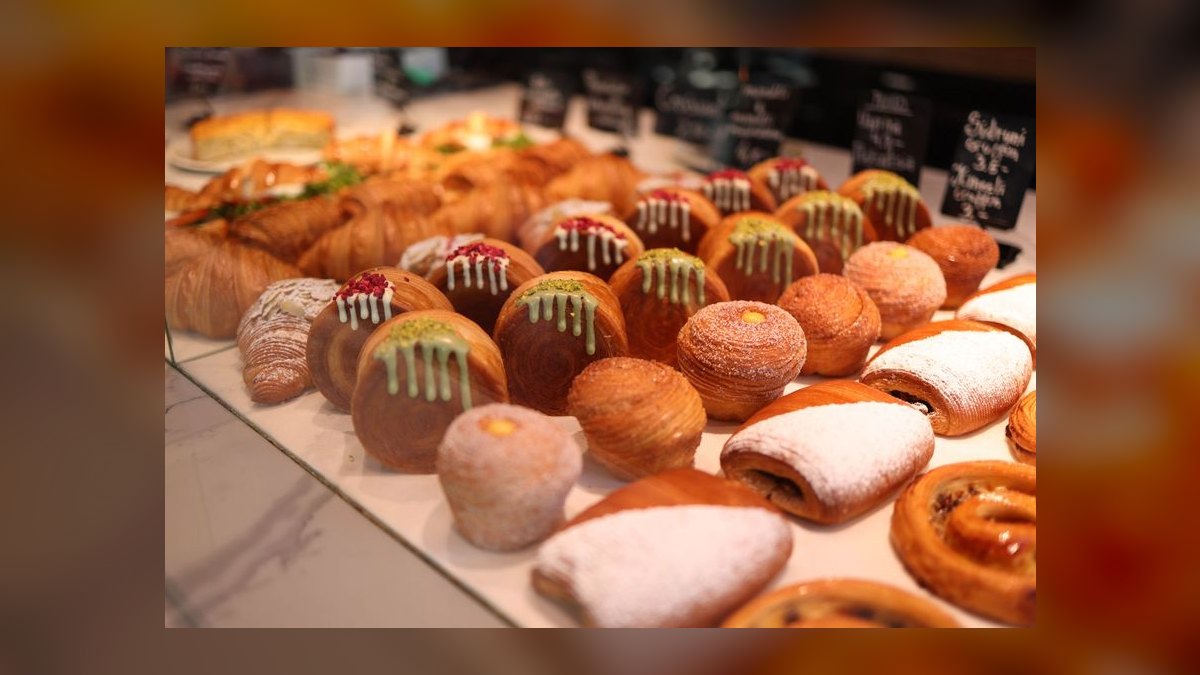
Operational failure modes specific to the format. Rotating menus generate waste when par levels lag the flavor mix; some flavors move at double the rate of others and the ratio changes weekly. Labor is skill-dependent in a way quick-service is not — decorating and finishing take training, and turnover resets that training. Weekend concentration is severe: a large share of weekly volume can land Thursday through Saturday evening, which means your scheduling has to be sharp and your Tuesday-morning labor is nearly pure cost. And the product has a short shelf life, so the demand-forecasting error you make on Friday afternoon is money in the bin on Saturday morning.
The absentee-owner failure mode. This deserves its own line because it is the single most common way people lose money in this category. The format looks passive — it's cookies, there's a manager, how hard can it be. But the marketing engine is social, social is local, and local social does not run itself. Operators who treat this as a semi-absentee investment tend to struggle inside the first two years. If you want passive, this is the wrong asset class; a lower-touch service franchise or a real estate position would serve you better.
Resale and exit risk. Consider the exit before the entry. Food franchises in trend categories trade at modest multiples of seller's discretionary earnings, and multiples compress when a category is perceived to be past peak. A unit earning $120,000 in SDE might trade in the low-to-mid six figures in a healthy market and considerably less in a soft one — potentially below what you put in. Build-out capital is largely sunk; you will not recover it. This shifts the calculus toward buying an existing profitable unit with a demonstrated sales history over building new, whenever a good one is available at a fair price. An existing unit costs more upfront and eliminates the two most dangerous unknowns in the whole exercise: whether the site works and whether the trade area supports the sales.
The strongest edge case in the buyer's favor is the underperforming existing unit in a genuinely good trade area with an owner who never marketed. Those exist, they trade at a discount because the P&L is unimpressive, and an operator who actually runs the social engine can move that unit substantially. That is the highest-return version of this decision, and it requires the patience to wait for one rather than signing a new-unit deal because it's available now.
Adjacent revenue the category consistently underuses
Most single-unit dessert franchisees run walk-in retail and nothing else, which leaves real money on the table in three channels that require no additional rent.
Catering and corporate accounts. Office platters, school and sports-team orders, client gifts, and event planners are a B2B channel with larger ticket sizes, better margins because you're producing in batch, and — critically — demand that lands on weekday mornings when your kitchen is idle and your labor is already scheduled. Building this takes actual outbound effort: a list of the employers within five miles, a sample drop, a simple order form, and follow-up. It is unglamorous and it works.
Corporate gifting and seasonal peaks. Holiday gifting, teacher appreciation weeks, graduation, and Valentine's produce demand spikes that a bakery format can capture with pre-orders. Pre-orders are the best kind of revenue because they eliminate forecasting error entirely — you produce exactly what's sold.

Delivery-channel economics. Third-party delivery commissions in the 25% to 30% range render most incremental delivery orders roughly margin-neutral. Operators who negotiate local terms, push first-party ordering through their own channel, or run their own driver during peak hours capture meaningfully more of that revenue. First-party ordering also gives you the customer data, which is the asset that lets you market without renting the audience back from a platform every time.
None of these three replace a bad trade area. All three meaningfully improve a decent one, and together they can add a real increment to annual revenue at high incremental margin because your rent, ovens, and base labor are already paid for.
A practical rollout plan
Sequence the diligence so the cheapest, most disqualifying questions get answered first. Most people do this backwards — they fall in love with the brand, then go looking for reasons the market works.
Weeks 1–3, saturation and market test. Before you request an FDD, before you talk to a broker, map every gourmet-cookie shop, every Crumbl, every bakery selling a comparable product within five miles of each candidate trade area. Check commercial listings and municipal permit filings for anything under construction. Count rooftops, median age, and household income. If you find three or more direct competitors already trading in a five-mile radius, either move to a different trade area or stop. This costs you nothing but time and it eliminates the most expensive mistake available.

Weeks 4–6, the FDD. Read all twenty-three items yourself, then have a franchise attorney read them. Item 7 for the investment range, Item 12 for territory and encroachment, Item 19 for any financial performance representation and — just as importantly — what it excludes and how the reporting units were selected, Item 20 for the transfer, termination, and closure tables. Item 20's three-year churn history is the most honest number in the entire document. Also in Item 20: the full list of current and former franchisees with contact details.
Weeks 7–10, franchisee calls. Call at least eight to ten current owners and — this is the part people skip — at least three former ones. Ask current owners for actual annual net sales, food and labor percentages, months to break-even, working capital actually required versus disclosed, franchisor support quality, and what they'd do differently. Ask former owners one question and then be quiet: what happened. Former franchisees are the highest-signal, lowest-cost diligence available and almost nobody calls them.
Weeks 11–16, real estate and financing in parallel. Engage a broker who knows retail food, tour candidate sites at peak hours rather than midday, and pull traffic counts. Simultaneously get pre-qualified for SBA financing so you know your real capital ceiling before you're negotiating a lease. Never sign a lease before the franchise agreement is settled, and never sign a franchise agreement contingent on a site you haven't secured — get the sequencing wrong and you'll have one without the other.

Weeks 17–24, lease and agreement. Negotiate the lease with a tenant-rep broker: co-tenancy protections, a personal-guaranty burn-off, a real free-rent construction period, and a defined landlord contribution. Sign the franchise agreement with your negotiated territory language. Build permitting float into every date.
Months 7–11, build-out. Permits, contractor, equipment lead times, hiring, and training. Assume the schedule slips and hold reserve accordingly.
Months 12+, open and operate. Open with a real local push, then hold the marketing spend rather than cutting it when opening buzz fades in month four. Track food and labor weekly against target, not monthly. Begin catering outreach in month two, not month twelve.
The gates matter more than the steps. Two explicit stop points sit in the first ten weeks, before meaningful money is committed — and walking away at week three costs you nothing but a few evenings, while walking away at month fourteen costs you most of what you've put in.
Related questions
Is it better to buy an existing Crave Cookies unit or open a new one?
Buying an existing profitable unit eliminates the two biggest unknowns — whether the site works and whether the trade area supports the sales. You pay a premium for that certainty. New builds cost less upfront but carry full site and ramp risk plus twelve to eighteen months of negative cash flow.
How much liquid capital do I actually need beyond the loan?
Plan on $100,000 to $200,000 liquid at minimum. Lenders typically want 20% to 30% injection on an SBA deal, and you need $100,000 to $150,000 of working capital past the disclosed line to fund the ramp without cutting marketing in the exact month you shouldn't.
Can this work as a semi-absentee investment with a hired manager?
Rarely in this category. The traffic engine is local social media, which does not run itself, and food-cost control on a rotating menu requires daily attention. Semi-absentee operators underperform owner-operators consistently. If passive income is the goal, look at a different asset class.
What does saturation actually look like in a trade area?
Three or more direct gourmet-cookie competitors within five miles, or any Crumbl within about two miles doing strong volume. Also check permits and commercial listings for units under construction — the competitor that opens during your build-out is the one that hurts.
How does a cookie franchise compare to a full-service restaurant investment?
Substantially cheaper, simpler, and lower-risk operationally: smaller footprint, no liquor license, no dining-room labor, shelf-stable inputs, and a fraction of the SKU complexity. The trade-off is trend exposure — restaurants sell a durable category, dessert concepts ride cycles.
FAQ
How much does it cost to open a Crave Cookies franchise?
Total initial investment runs roughly $300,000 to $700,000, including a franchise fee around $30,000. The spread depends mostly on whether you take a second-generation food space or a raw shell — build-out is the single largest line at $140,000 to $380,000. Ongoing costs include approximately 6% royalty plus a marketing fee. Verify all figures against the current FDD, since terms change year to year.
What can a Crave Cookies franchise owner realistically earn?
Mature units gross roughly $500,000 to $1,200,000 annually, with well-run stores producing 12% to 18% restaurant-level margins and $80,000 to $170,000 in owner earnings before debt service. If you financed most of the build, expect $55,000 to $65,000 of annual debt service to come out of that. The range is wide because location and saturation drive it more than operating skill does.
How does Crave Cookies compare to Crumbl?
Both run rotating gourmet-cookie menus with social-media-driven marketing. Crumbl has a far larger footprint and stronger consumer recognition, which cuts both ways: more brand pull, but also more units competing for the same trips. Crave is smaller and earlier in its expansion, which can mean better territory availability in some markets and less brand awareness to draw on in others.
How long does it take from signing to opening?
Typically nine to eighteen months. Site selection alone often takes six to twelve months, build-out another three to five, and permitting delays regularly add two to four more in slower jurisdictions. Taking over a second-generation food space with usable infrastructure is the single most effective way to compress that timeline and the build-out budget simultaneously.
What is the biggest risk of opening in 2027 specifically?
Category saturation. Crumbl operates over a thousand units, and Insomnia Cookies, Dirty Dough, Chip City, and independents keep opening. The risk isn't the competitor that exists when you sign — it's the two that open in your trade area during your twelve-month build-out. Check permit filings and commercial listings, not just what's currently trading.
Do I need restaurant experience to run one?
Not strictly, but you need either operations discipline or a strong hired manager plus genuine willingness to do local social-media marketing yourself. The two skills that separate profitable operators from struggling ones are weekly food-and-labor cost control and consistent local audience-building. Neither requires prior restaurant experience, but both require showing up.
Sources
- https://www.ftc.gov/business-guidance/resources/franchise-rule-compliance-guide
- https://www.sba.gov/funding-programs/loans/7a-loans
- https://www.franchise.org/
- https://www.entrepreneur.com/franchises/franchise500
- https://www.ibisworld.com/united-states/market-research-reports/cookie-cracker-pasta-tortilla-production-industry/
- https://www.restaurantbusinessonline.com/
- https://www.nrn.com/
- https://www.bls.gov/iag/tgs/iag722.htm
- https://www.franchisebusinessreview.com/
Related on PULSE
- [Should I open or buy an Insomnia Cookies franchise in 2027?](/knowledge/fr0862)
- [Should I open a Crumbl Cookies franchise in 2027?](/knowledge/fr621)
- [Should I open or buy a Mrs. Fields Cookies franchise in 2027?](/knowledge/fr0382)
- [Should I open or buy a Great American Cookies franchise in 2027?](/knowledge/fr0381)
- [Should I open or buy a Crumbl Cookies franchise in 2027?](/knowledge/fr0005)
This page will be disappearing soon. Save it to your device for $1 — or read it free while it is here.
@Kory-White- · if Venmo asks, the last 4 of my number are 2012
This page is gone.
This one is off the shelf now. $1 keeps it on your phone for good — the whole page, pictures and diagrams included.
 franchiseShould I open or buy PJ’s Coffee franchise or open an independent sandwich shop in 2027?
 franchiseShould I open or buy a SafeSplash Swim School franchise in 2027?
 franchiseShould I open or buy a Jet’s Pizza franchise in 2027?
 franchiseShould I open or buy a Carl's Jr franchise in 2027?
 franchiseShould I open or buy a Cheba Hut franchise in 2027?
 franchiseShould I open or buy a Rainbow Restoration franchise in 2027?
 franchiseShould I open or buy a PDQ Restaurants franchise in 2027?
 franchiseShould I open or buy a Grease Monkey franchise in 2027?
 franchiseShould I open or buy a Taco Bell franchise or open an independent sandwich shop in 2027?
 franchiseShould I open or buy a Public Storage franchise in 2027?