
Should I open or buy a Goodcents franchise in 2027?
 Curated byKory White · Fractional CRO · Maryland
 PULSEKNOWLEDGE LIBRARY
Quality
Certified

Only if you are a hands-on Midwest operator with a proven lunch-traffic site. Goodcents is a small, regional sub-sandwich franchise with fresh-baked bread, roughly $200K–$450K total investment and ~5% royalty. It offers lower capital and real differentiation, but almost no brand pull outside its footprint against Subway, Jersey Mike's and Jimmy John's.
What a Goodcents franchise actually is, and why the regional-brand question matters more than the sandwich
Goodcents — for years branded Mr. Goodcents Subs & Pastas — is a Kansas-rooted submarine sandwich chain that began franchising in the late 1980s and has stayed deliberately small. That last part is the whole investment thesis, and it is the part prospective franchisees consistently misread. When you buy into a system with tens of thousands of units, you are buying distribution, ad-fund scale, supply-chain leverage, and a consumer who already knows what the sign means. When you buy into a system with under a hundred units, you are buying an operating manual, a supply agreement, a bread recipe, and a small support staff. Those are not the same product, and they should not be priced or evaluated the same way.
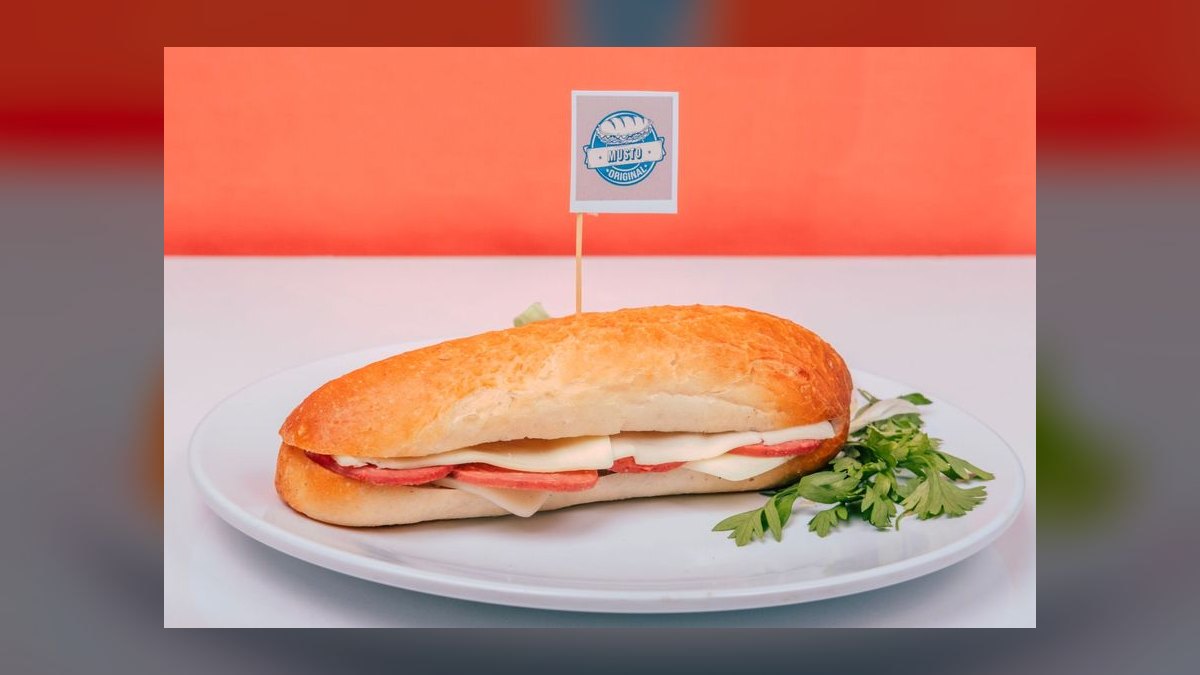
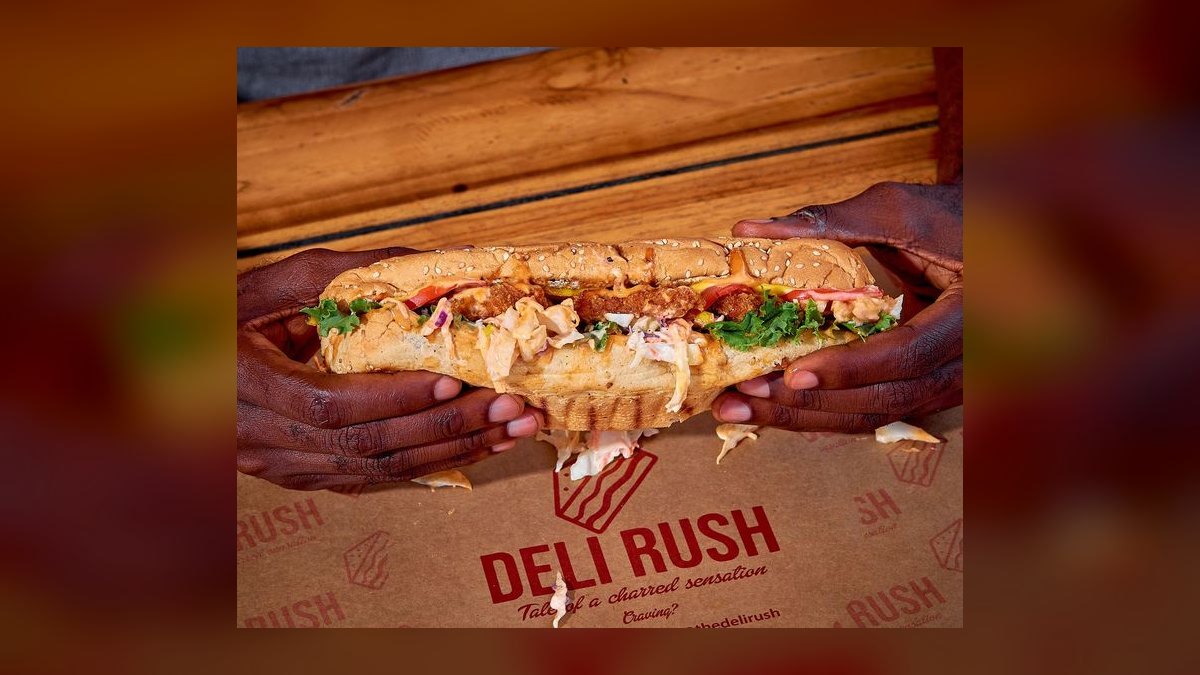
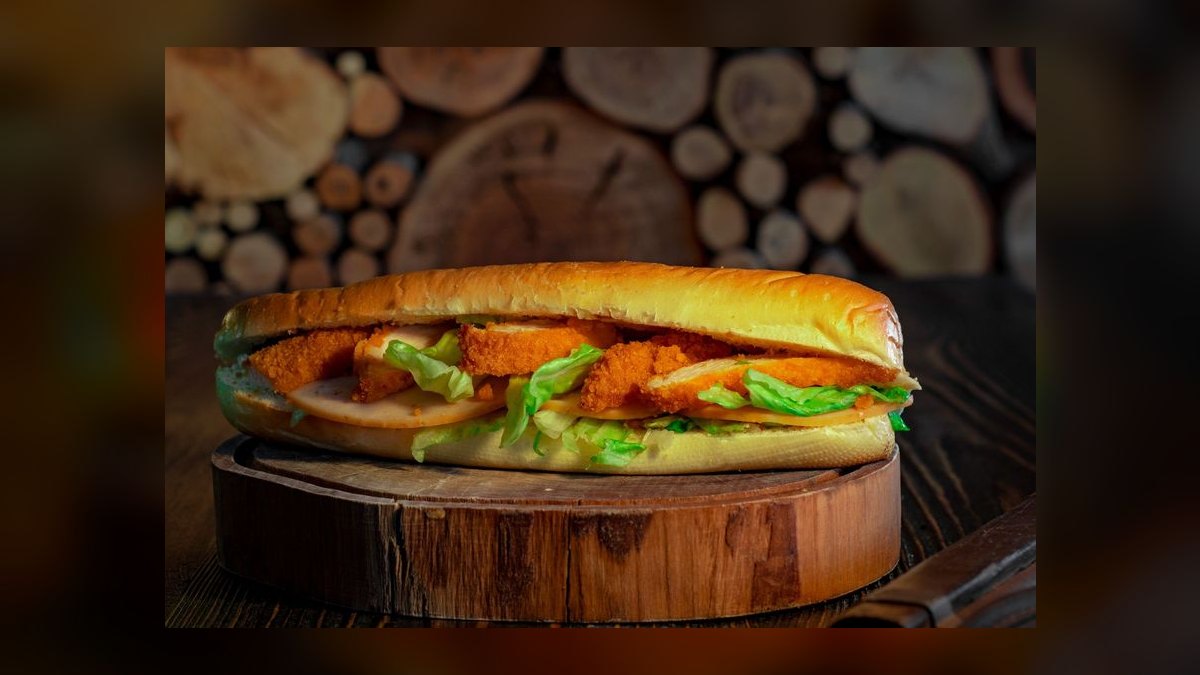
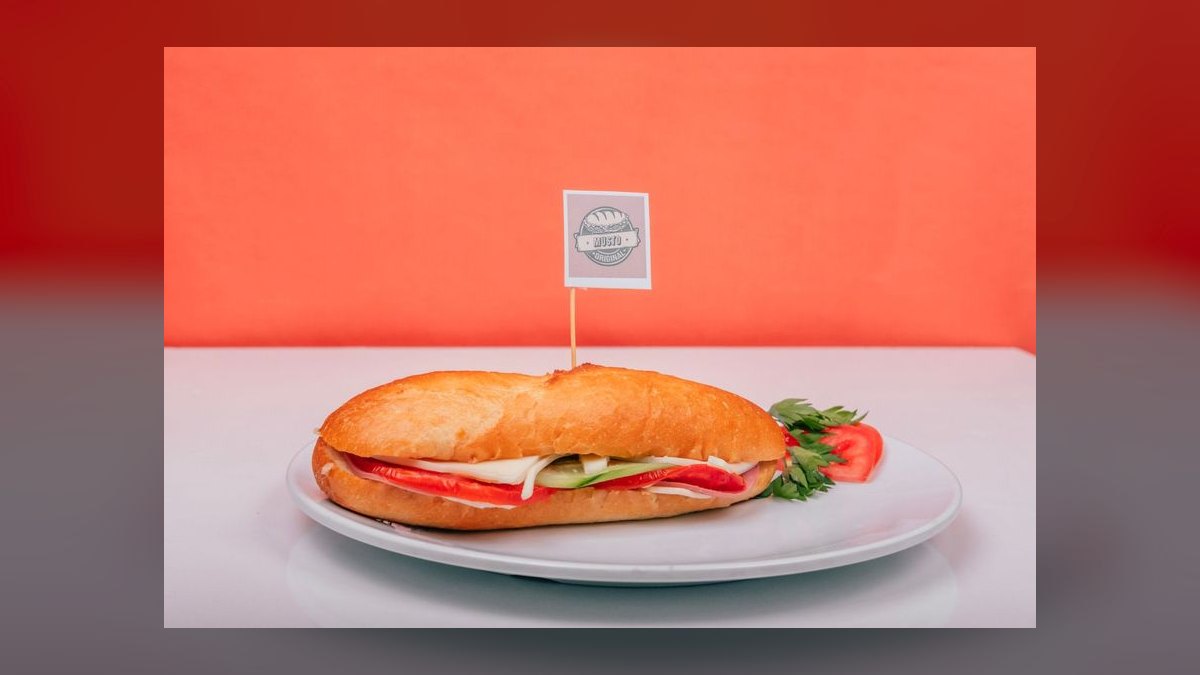
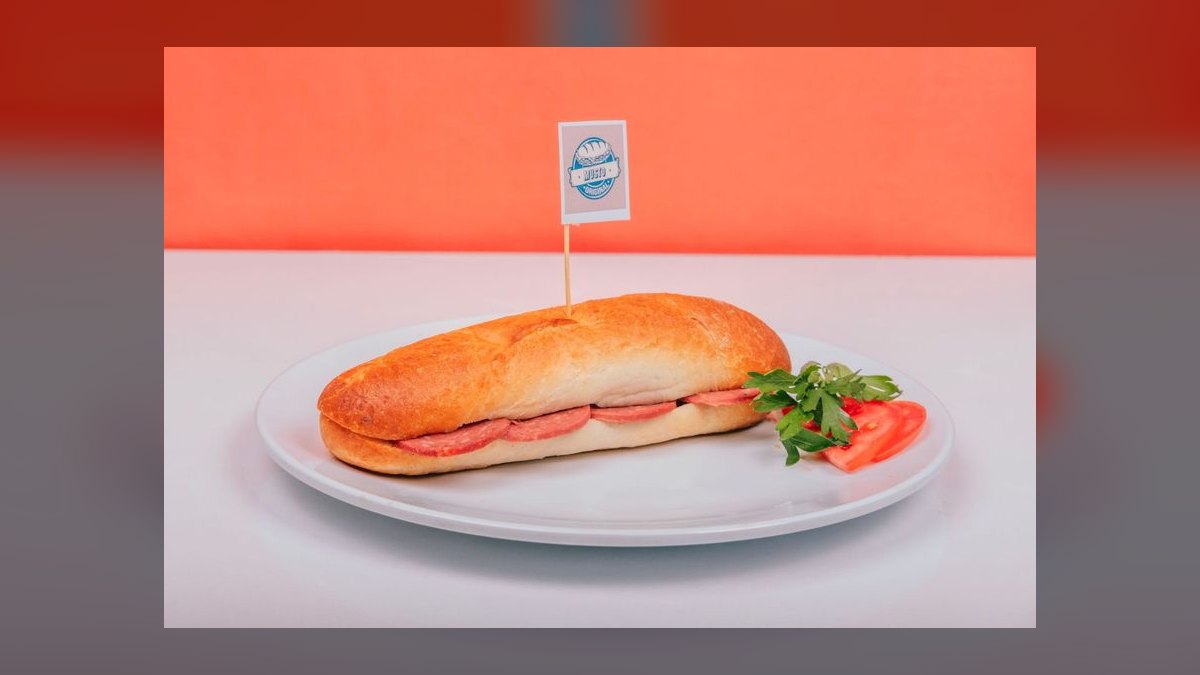
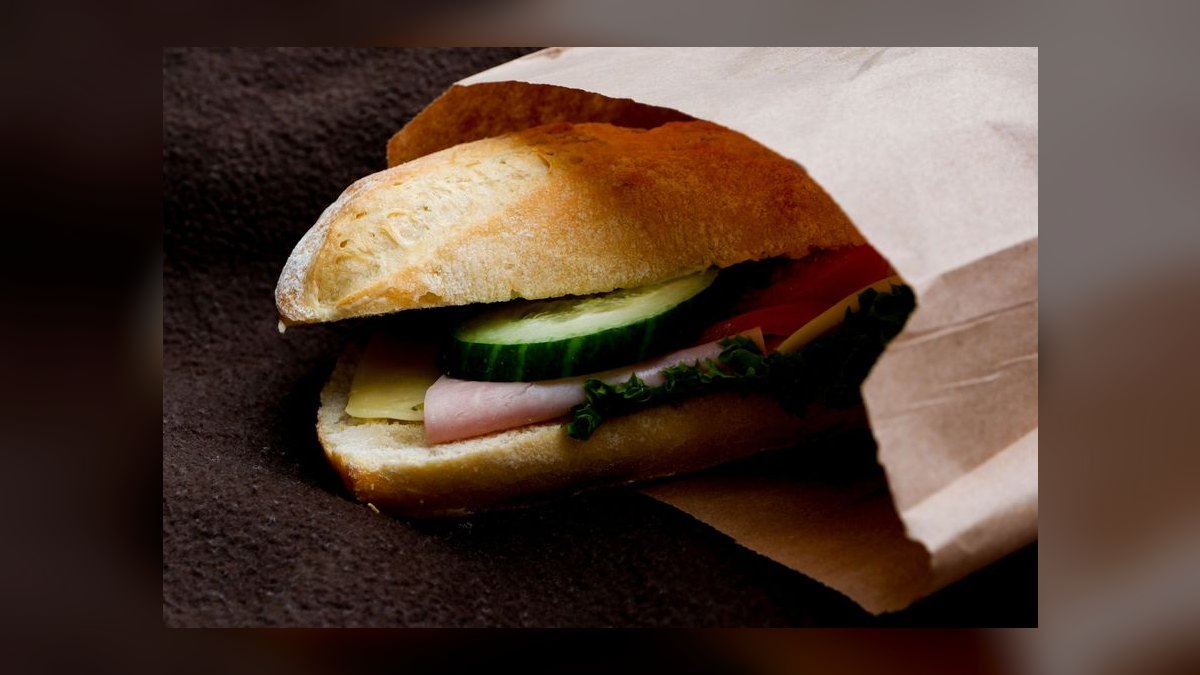
The core menu is cold and hot submarine sandwiches built to order, plus wraps, salads, soups, and a catering line of box lunches and party subs. The differentiator the brand leans on hardest is bread baked in-store throughout the day rather than thawed-and-warmed at a commissary. That matters operationally more than it matters in the pitch deck: fresh bread is a real sensory advantage at the door, and it is also a daily production task with waste, timing, and skill attached. Meats sliced in-house rather than pre-portioned carry the same double edge — better product, more labor minutes, more shrink risk if your prep discipline slips.
Why this framing matters for a 2027 decision: the sub-sandwich category is one of the most saturated segments in American quick service. Subway alone operates roughly 20,000 U.S. locations, Jersey Mike's has grown past 2,000 domestically, and Jimmy John's sits in the same order of magnitude. Against that, a regional brand's only durable defense is being genuinely better in a specific trade area, not being cheaper on paper. So the real question is not "is Goodcents a good franchise" in the abstract. It is: in the specific half-mile you are looking at, can a fresh-bread sub shop with modest name recognition out-earn the national box across the parking lot? That question is answerable with fieldwork, and most people skip the fieldwork.
There is a second, quieter reason regional brands appeal to first-time operators: territory availability. In mature national systems, the good markets were carved up decades ago and what remains is either a resale at a premium or a suburb that three analysts already rejected. Smaller systems still have open geography, sometimes including multi-unit development rights that a national brand would never hand a first-timer. That optionality has genuine value — but only if you can actually build a second and third unit profitably, which means unit one has to work without heroics.
The step-by-step process from first inquiry to opening day
The franchise buying process is more standardized than most people expect, because federal law shapes it. The FTC Franchise Rule requires the franchisor to hand you a Franchise Disclosure Document at least 14 calendar days before you sign anything or pay any money. Several states — including Illinois, Minnesota, Wisconsin, Michigan, Indiana, Maryland, and California, among others — add registration or filing requirements and sometimes their own waiting periods and relationship laws. If you are shopping a Midwest brand, you are very likely in a registration state, and that is a good thing: state-registered FDDs are public records you can often pull before you ever talk to a salesperson.
Here is the sequence that actually protects you, rather than the sequence the development team will run you through:
Inquiry and qualification. You submit a form, a franchise development rep calls, and they screen for liquid capital and net worth. Expect them to want to see something in the neighborhood of six figures liquid plus a larger net worth number, because that is what a lender will want too. This call is a sales call. Take notes, ask nothing you would be embarrassed to have repeated, and do not disclose your maximum budget.
FDD delivery and the 14-day clock. Read all 23 items. The ones that decide your outcome are Item 5 (initial fees), Item 6 (ongoing fees — royalty, marketing, technology, and any hidden per-transaction charges), Item 7 (estimated initial investment, the range everyone quotes), Item 11 (what the franchisor actually promises to do for you — read this twice, because "assistance with site selection" is a wide phrase), Item 12 (territory, and specifically whether delivery, catering, and third-party apps are carved out), Item 17 (renewal, transfer, termination, non-compete, and dispute resolution — including whether you must arbitrate in the franchisor's home county), Item 19 (the Financial Performance Representation, if one exists at all), and Item 20 (unit counts and, critically, the table of transfers, terminations, and non-renewals over the last three years).
Item 20 is the single most underused page in the document. A system with 80 units that closed eight last year has a 10% annual attrition rate, and that tells you more than any AUV figure. Item 20 also gives you the contact list for current and former franchisees. Call the former ones. They have no reason to protect anybody.
Validation calls. Ten current operators is a reasonable target, and you want a mix: two who opened in the last 18 months, several mid-tenure, and at least two multi-unit owners. Ask numbers questions in a form they can answer honestly: "What did you gross last year?" "What percent of sales is food, labor, and occupancy?" "What did you actually pay yourself, separate from any manager salary?" "How long until you were cash-flow positive?" "Would you sign again at today's terms?" Then ask operational ones: "How many hours a week are you in the store?" "What breaks?" "How long does corporate take to answer an email?"
Discovery Day. You visit headquarters, meet leadership, tour a training store. Treat it as your diligence, not their close. Ask to work a lunch rush in an operating store. A franchisor who says no to that is telling you something.
Site selection and lease. This is where the money is made or lost, and it is the step people rush because they are excited. More on it below.
Signing, buildout, training, and opening. Six to twelve months from signature to open is a realistic band for a ground-up or gut buildout; a second-generation restaurant space with usable infrastructure can compress that meaningfully.
Costs, capital structure, and the timelines nobody puts in the brochure
The headline number for a Goodcents-scale sub shop is a total initial investment in the low hundreds of thousands — the widely cited band runs roughly $200,000 to $450,000, with an initial franchise fee in the $15,000–$25,000 range and an ongoing royalty around 5% of gross sales plus a marketing or brand-fund contribution typically in the 1–3% range. Verify every one of those figures against the current FDD, because franchisors adjust fee schedules annually and a two-year-old third-party listing is not a source.
What the range does not tell you is where inside it you will land, and that is entirely a function of the real estate you choose. A rough decomposition of where the money goes in a 1,200–2,000 square foot sandwich shop:
- Leasehold improvements and construction are the biggest and most volatile line. A second-generation restaurant space with existing hood, grease trap, plumbing, and three-phase electrical can cost a third of what a raw white-box or a former retail bay costs, because bringing utilities to a kitchen is where contractors make their money. This single decision can swing your total investment by $150,000.
- Equipment — ovens and proofers for the bread program, slicers, prep and sandwich units, walk-in or reach-in refrigeration, POS, and small wares — typically runs well into six figures new. Used equipment from restaurant auctions can cut that substantially, but check whether your agreement requires approved suppliers and specified models. Many do, for consistency reasons.
- Signage and decor are brand-prescribed and are a place where franchisees are routinely surprised. Exterior signage permitting in a municipality with a sign ordinance can add both cost and months.
- Opening inventory, initial marketing, training travel, deposits, and licenses are individually small and collectively material — budget tens of thousands.
- Working capital is the line people cut, and cutting it is the most common way a viable store dies. Three months of full operating expenses is a floor; six months is what an experienced operator carries. Your store will not hit run-rate volume on day 30.
On financing: the SBA 7(a) program is the standard path for franchise restaurant deals. The SBA maintains a Franchise Directory, and a brand's presence there streamlines lender review. Expect a down payment in the 10–30% range of project cost depending on the lender and your experience, a personal guarantee, and very likely a lien on your home if you have equity in one. That personal guarantee is the actual risk of this decision, not the franchise fee. Equipment leasing can reduce the up-front cash requirement at the cost of higher lifetime spend.
On the P&L: a sandwich concept in this category typically targets food cost in the high twenties to low thirties as a percent of sales, labor in the mid-twenties to low thirties, and occupancy ideally under 8–10%. Add the royalty and brand fund, plus utilities, insurance, credit card fees, repairs, and supplies, and restaurant-level operating margin in the low-to-mid teens is a normal good outcome. Applied to a store grossing somewhere in the $400,000–$900,000 range — which is the band operators in comparable regional sub systems describe — owner earnings land in a wide $50,000–$150,000 span, and that number assumes you are working in the store rather than paying a full-time general manager. Subtract a manager's salary and benefits and a single unit can go from a decent income to a rounding error. That arithmetic is why nearly everyone who makes real money in food franchising ends up multi-unit.
On timeline: 30–90 days for diligence if you are disciplined, 60–120 days for site search and lease negotiation, 90–180 days for permitting and buildout, two to six weeks of training, then 12–18 months to steady-state volume in a market where the brand is unknown. Plan for the store to lose money for a stretch after opening and to be genuinely busy only after you have earned the lunch crowd's habit. Habit is the operative word in this category — sandwich lunch is a repeat, low-consideration purchase, and you win it by being reliable for months, not by a grand-opening promotion.

Site selection, territory rights, and the daypart problem
Sub shops live and die on the lunch daypart. In most units of this type, the window between roughly 11:00 and 2:00 drives the majority of daily revenue, which means your site question is really an employment-density question. What you want within a half-mile to a mile: a hospital, a factory or distribution center with shift changes, a school or college, a courthouse or municipal complex, an office park that is genuinely occupied. Post-2020 hybrid work patterns gutted some downtown office lunch traffic permanently, and any pro forma built on a 2019 office-worker count is fiction. Go stand on the sidewalk at 11:45 on a Tuesday and count people. Do it again on a Friday. Then do it at 6:30 p.m. and see whether there is a dinner business at all, because if there is not, you are running a full day of fixed costs on a three-hour revenue window.
Drive-thru access, where it is available, changes the math meaningfully — it extends usable dayparts and captures the customer who will not park. It also costs more and constrains your site list severely. Endcap positions in a strip center with good visibility and easy in-and-out generally outperform inline bays. Co-tenancy matters: a center anchored by a grocery or a busy gym generates the traffic you piggyback on.
On territory, read Item 12 with a lawyer's eye. Protected radius language is common and usually reasonable in a small system, but the exclusions are where the value leaks. Catering, delivery, third-party marketplace orders, non-traditional venues (airports, stadiums, hospitals, campus food service), and company-operated locations are frequently carved out of protection. In practice this means another franchisee — or the franchisor — can take a corporate catering account inside your radius, and a delivery app can route an order from a unit two towns over into your neighborhood. Ask directly: how many units operate within five miles, how are overlapping delivery zones assigned, and who owns the relationship when a regional employer orders 200 box lunches. Get the answer in the agreement, not in an email from a development rep who may not be there in three years.
Non-traditional formats deserve a caution. A small franchisor with a storefront-only track record has not solved food court economics, campus contracts, or airport labor rules. If your idea is to put the brand somewhere the system has never operated, you are the R&D department and you are paying for the privilege.
Where franchise buyers get this wrong
Treating the Item 19 as a forecast. A Financial Performance Representation is a historical, often averaged, sometimes top-quartile-weighted disclosure with a mountain of footnotes. Averages hide the distribution. Ask for the median, the bottom quartile, and how many units are excluded from the calculation and why. If a system has no Item 19 at all, that is legal and common — but it means your only real data source is franchisee calls, so make more of them.
Under-capitalizing. The most repeated failure pattern in restaurant franchising is a competent operator with a good site who runs out of cash in month seven. Buildout overruns, permitting delays that push your opening past a seasonal peak, a slower ramp than projected — any two of those together will eat a thin reserve. If the deal only works with the minimum working capital in the range, it does not work.
Buying the brand instead of the trade area. Outside its home footprint, a regional name buys you very little. New-market franchisees consistently describe 12–18 months of hand-to-hand local marketing before volume stabilizes. Budget for that as a real line item, in both dollars and your own hours, or open in a market where the brand already means something.
Ignoring the exit before the entry. Item 17 governs transfer, and it typically requires franchisor approval of your buyer, a transfer fee, and often a right of first refusal for the franchisor. Small-system resales are thinner markets than national-brand resales, so your eventual buyer pool is smaller. Also read the post-termination non-compete: many prohibit you from operating a competing sandwich business for a period of years within a defined radius, meaning if it fails you may not be able to convert the space to an independent shop.
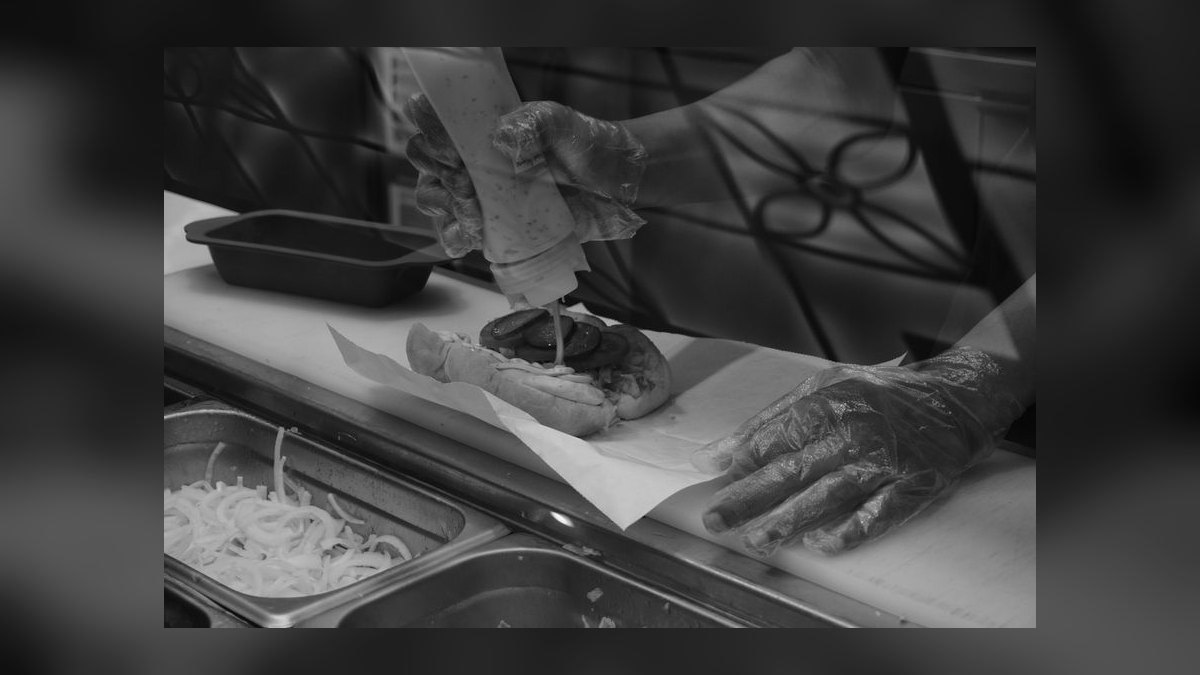
Underestimating the production side. In-store baking is a differentiator and a discipline. It means earlier open hours for prep, a skill your staff has to actually learn, dough waste while they learn it, and oven maintenance. Budget the first 60–90 days for higher-than-normal waste. If the aroma of baking bread is the reason a customer chooses you, then a day you run out of fresh bread at noon is a day you actively damaged the brand promise you paid for.
Neglecting catering. Catering — box lunches, party subs, trays for offices, schools, churches, and youth sports — is high-ticket, higher-margin, and forecastable, and it is the single most underworked revenue line in most independent-operated sub shops. Building three or four standing weekly accounts with local employers is worth more than any coupon program, and it is won by showing up in person, not by waiting for the online ordering system to ring.
Skipping the franchisee association question. Ask whether the system has an independent franchisee association and whether the franchisor engages with it. In small systems, a functioning association is one of the few structural counterweights franchisees have when supply pricing or fee structures change.
A decision framework: when Goodcents makes sense and when a different play does
Reduce the decision to four sequential gates, and be honest at each one, because the cost of a false yes is your house.
Gate one: geography. Are you opening inside the existing Midwest footprint where the name already carries weight, or outside it? Inside, you inherit some awareness and a nearby support structure. Outside, you are an unknown regional brand paying royalties on marketing you have to do yourself — at which point you should ask what the franchise is buying you that an independent shop with a good baker would not. That is not a rhetorical question. For some operators the answer is genuinely "the system, the supply chain, and not having to invent everything," and that is a valid reason to pay 5%.
Gate two: the site. Do you have a specific, available, affordable location with verified lunch-daypart employment density and acceptable occupancy cost? Not a market you like — a lease you can sign. If you do not have the site, you do not have a deal yet, no matter how much you like the brand.
Gate three: capital and role. Can you fund the top of the investment range plus six months of operating reserve without exhausting your liquidity, and are you prepared to be in the store fifty-plus hours a week for the first year? Owner-operator economics and absentee economics are different businesses. If you need a full-time GM from day one, re-run the model with that salary in it and see whether you would still sign.
Gate four: alternatives priced honestly. Compare against the real alternative set: a national sub brand (higher fee, higher investment, far more brand pull, tighter territory availability), another regional sub system, a differentiated concept in an adjacent category, an existing resale with a proven P&L, or an independent shop with no royalty and no playbook. A resale is worth serious consideration here — you buy trailing revenue instead of a projection, and the price is negotiable against real numbers rather than a range in Item 7.
Related questions
How does a small regional franchise compare to a national one on total risk?
Smaller systems carry more brand risk and less ad-fund leverage but usually lower entry cost, more open territory, and more direct access to leadership. National systems reduce demand risk and increase competition for sites, fees, and resale prices. Neither is safer in the abstract.
Is buying an existing franchise resale better than opening new?
Often, yes. A resale gives you trailing revenue, an existing staff, and a proven site instead of a projection. You pay a premium for that certainty and inherit deferred maintenance and any reputation problems. Always get three years of tax returns, not just P&Ls.
What does the 5% royalty actually buy?
Brand license, operating systems, supply chain agreements, training, and field support. It does not buy demand. In a small system with no national advertising fund, the royalty is closest to paying for infrastructure and know-how, so judge it against how much of that you would otherwise build yourself.
Can I open multiple units to make the economics work?
Usually that is the point. Single-unit food franchising rarely produces meaningful income once you pay a manager. Multi-unit spreads overhead across stores and creates an asset a buyer will pay a multiple for. But unit one must be profitable without heroics before you sign a development agreement.
How much does in-store baking change the labor model?
Materially. It adds early prep hours, a trained position, dough waste during the learning curve, and oven maintenance. In exchange you get a real product advantage competitors using commissary bread cannot copy. Budget elevated waste for the first 60–90 days and cross-train at least two people.
FAQ
What is the total investment to open a Goodcents franchise?
Publicly cited figures put the total initial investment in the range of roughly $200,000 to $450,000, including an initial franchise fee generally in the $15,000–$25,000 band. The spread is driven almost entirely by real estate: a second-generation restaurant space with usable kitchen infrastructure lands near the bottom, a raw space requiring new utilities lands near the top. Confirm the current numbers in Item 7 of the latest FDD rather than relying on any third-party listing.
What are the ongoing fees?
Expect a royalty of approximately 5% of gross sales plus a marketing or brand-fund contribution, commonly in the 1–3% range, along with technology and online-ordering fees that may be charged separately. Item 6 of the FDD is the authoritative list, and it is worth reading line by line — per-transaction and software fees are easy to overlook and add up against a thin margin.
How much can an owner realistically earn?
Operators in comparable regional sub systems describe annual gross sales in a wide band, roughly $400,000 to $900,000, with restaurant-level margins in the low-to-mid teens after food, labor, occupancy, royalty, and overhead. That translates to owner earnings somewhere around $50,000 to $150,000 for a single unit — but that figure typically assumes an owner working in the store. Add a full-time general manager and single-unit income compresses sharply.
How long does it take from signing to opening?
Six to twelve months is a realistic range. Site search and lease negotiation typically take two to four months, permitting and buildout three to six, and training a few weeks on top. Municipal permitting and sign ordinances are the most common source of delay, and they are largely outside your control — build slack into both your timeline and your working capital.
Does Goodcents make sense outside the Midwest?
It is a much harder proposition. The brand's recognition is concentrated in its home region, so a new-market operator is effectively launching an unknown sandwich shop while paying royalties. That can still work with an excellent site and aggressive local marketing, but you should expect 12–18 months to build awareness and you should honestly compare the deal against opening an independent shop or buying into a brand with national pull.
What should I read first in the FDD?
Item 20 — the table of unit openings, closures, transfers, and terminations over three years, plus the franchisee contact lists. Attrition rates tell you what a sales pitch cannot, and the former-franchisee list gives you people with no incentive to be diplomatic. After Item 20, go to Item 19 (or note its absence), Item 7, Item 12 on territory, and Item 17 on transfer, renewal, and non-compete.
Sources
- https://www.ftc.gov/business-guidance/resources/franchise-rule-compliance-guide
- https://www.ftc.gov/business-guidance/resources/consumers-guide-buying-franchise
- https://www.sba.gov/funding-programs/loans/7a-loans
- https://www.sba.gov/document/support-sba-franchise-directory
- https://www.franchise.org/
- https://www.entrepreneur.com/franchises
- https://www.franchisebusinessreview.com/
- https://www.nrn.com/
- https://www.restaurantbusinessonline.com/
- https://www.ibisworld.com/united-states/market-research-reports/sandwich-sub-store-franchises-industry/
Related on PULSE
- How long does it take to open a franchise and break even in 2027?
- Should I open or buy a Tommy Gun's Original Barbershop franchise in 2027?
- Should I open or buy a Painting with a Twist franchise in 2027?
- Should I open or buy a Cousins Subs franchise in 2027?
- Should I open or buy a Capriotti's Sandwich Shop franchise in 2027?
This page will be disappearing soon. Save it to your device for $1 — or read it free while it is here.
@Kory-White- · if Venmo asks, the last 4 of my number are 2012
This page is gone.
This one is off the shelf now. $1 keeps it on your phone for good — the whole page, pictures and diagrams included.
 franchiseShould I open or buy a Jeremiah's Italian Ice franchise in 2027?
 franchiseShould I open or buy an H&R Block franchise in 2027?
 franchiseShould I open or buy a Sunright Tea Studio franchise in 2027?
 franchiseShould I open or buy a Garbanzo Mediterranean Fresh franchise in 2027?
 franchiseShould I open or buy a Duck Donuts franchise in 2027?
 franchiseShould I open or buy a Pestmaster franchise in 2027?
 franchiseShould I open or buy a Dream Vacations franchise in 2027?
 franchiseShould I open a Christmas light installation business in 2027?
 franchiseShould I open or buy a Maui Wowi franchise in 2027?
 franchiseShould I open or buy an Andretti Indoor Karting franchise in 2027?