


Should I open or buy a LearningRx franchise in 2027?
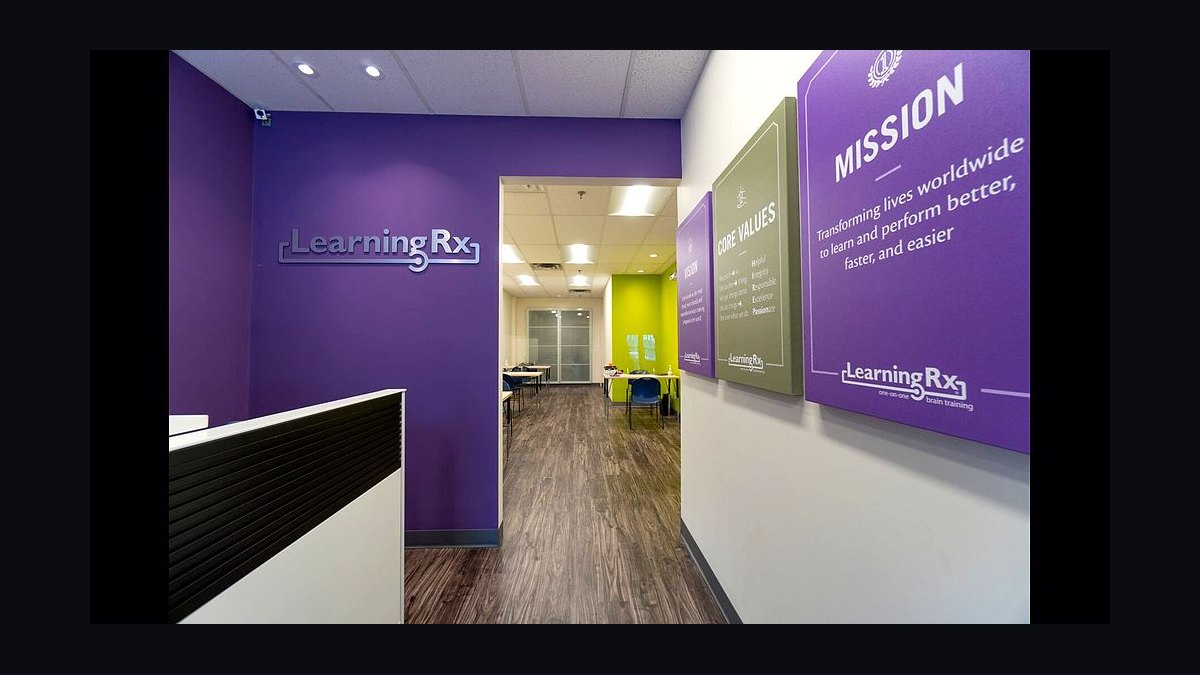
Yes for a mission-driven, low-capital operator who wants to help children and adults with cognitive skills — LearningRx is a brain-training franchise with modest investment, but validate outcomes claims and demand carefully. LearningRx, founded in 2003, franchises brain-training centers delivering one-on-one cognitive-skills training (memory, attention, processing speed, reasoning) for children and adults with learning struggles, ADHD, or who want cognitive improvement. The 2026 FDD lists a franchise fee around $25,000-$35,000, total Item 7 investment of roughly $130,000 to $300,000 (moderate), a royalty near 8%-12% (royalty plus fees), and a marketing fee. Mature centers gross $350,000-$900,000, with owners clearing $60,000-$200,000. Its appeal is moderate capital, a differentiated one-on-one model, and mission-driven purpose; the challenges are outcomes-claims scrutiny (the brand has faced FTC attention historically), program cost, trainer staffing, and demand.
The Real Numbers
A LearningRx center leases 1,500-3,000 sq ft delivering one-on-one cognitive-skills training via trained brain trainers under a center director. Revenue is multi-month training programs, typically priced per program/hour, creating recurring revenue over the engagement.
| Line Item | Low | High | Notes |
|---|---|---|---|
| Franchise fee | $25,000 | $35,000 | Per 2026 FDD |
| Buildout / leasehold | $40,000 | $110,000 | Center fit-out |
| Equipment & program materials | $15,000 | $45,000 | Training tools, assessment |
| Signage & decor | $8,000 | $25,000 | Brand-prescribed |
| Initial marketing | $20,000 | $55,000 | Enrollment-driving |
| Training & travel | $10,000 | $30,000 | Trainer/director training |
| Insurance & licensing | $4,000 | $12,000 | GL + professional |
| Working capital | $30,000 | $90,000 | First 4-6 months |
| Total Item 7 | ~$130,000 | ~$300,000 | Per 2026 FDD |
| Royalty | ~8%-12% (royalty + fees) | ||
| Marketing fee | ~2% of gross |
Revenue reality: mature centers gross $350K-$900K on one-on-one training programs, with owners clearing $60K-$200K. The moderate capital and differentiated one-on-one model appeal to mission-driven operators, and multi-month programs create recurring revenue. But the model requires validating outcomes claims honestly (LearningRx has faced FTC scrutiny over efficacy/earnings claims historically — operate conservatively), a program price families afford, trainer staffing, and local demand. Trainer labor and enrollment conversion drive results.
Who Wins With This Business
- Capital required: $130K-$300K, with $60,000-$100,000 liquid — moderate.
- Time commitment: full-time, mission-driven center operation.
- Skills: education passion, enrollment sales, and trainer management.
- Geographic fit: areas with families seeking cognitive/learning support.
- Lifestyle fit: purpose-driven operator.
The winners are mission-driven, moderately-capitalized operators who drive enrollments and market with integrity.
Who Loses With This Business
- Operators who overstate efficacy or earnings (FTC-scrutiny history — be conservative).
- Those in markets that can't afford the program.
- Owners who can't drive assessments-to-enrollment conversion.
- Those who can't recruit/retain trained brain trainers.
- Purely financial operators without mission alignment.
2027 Market Conditions
- Demand: interest in cognitive skills, ADHD, and learning support remains high.
- One-on-one appeal: personalized training differentiates from group tutoring.
- Outcomes/claims scrutiny: brain-training efficacy and earnings claims face scrutiny (FTC history) — be honest.
- Cost barrier: multi-month program cost limits the affordable market.
- Competition: Brain Balance, tutoring (Sylvan, Kumon), and learning programs.
The 90-Day Decision Tree

- Day 1-20: Read the 2026 FDD and the brand's outcomes/claims history (including FTC scrutiny) — assess honestly.
- Day 21-45: Interview 8+ owners; ask about enrollment demand, program cost, conversion, and net profit.
- Day 46-65: Validate local demand for cognitive-skills training.
- Day 66-90: Build the center and train brain trainers.
- Day 91-115: Run assessments and convert to enrollments.
- Drive conversion with honest, conservative marketing.
- Ongoing: never overstate efficacy or earnings.
Alternative Plays
- Brain Balance — drug-free cognitive development (adjacent — see fr0818).
- Sylvan Learning / Tutoring Club — academic tutoring (in the Pulse library).
- Kumon / Mathnasium — supplemental math/reading.
- Code Ninjas — STEM education.
- Independent learning center — full control, no brand/program.
- Other education franchises — adjacent models.
The Real Economics of a LearningRx Franchise: A Deeper Look at Profitability

While the headline numbers for a LearningRx franchise look attractive — $130,000–$300,000 total investment, $350,000–$900,000 gross revenue — the actual profit picture depends heavily on your center’s utilization rate and trainer efficiency. Most franchisees underestimate the working capital needed to reach breakeven. Industry benchmarks suggest it takes 12–18 months to hit positive cash flow, with many centers burning $40,000–$80,000 in the first year beyond the initial investment.
The key profitability driver is “billable trainer hours per week.” A typical LearningRx center operates with 3–5 full-time trainers. Each trainer can handle roughly 25–35 one-on-one sessions per week at $55–$85 per session (client pays per hour). That means a fully utilized 4-trainer center generates about $5,500–$11,900 per week in gross revenue, or $286,000–$618,800 annually from training alone. But you also have assessment fees ($200–$500 per initial evaluation) and program packages ($3,000–$15,000 per client depending on duration). The real profit lever is converting assessments into long-term programs — top-performing centers convert 40%–60% of assessments into enrollments, while struggling centers convert under 20%.
On the cost side, trainer salaries are your biggest variable. Expect to pay $35,000–$55,000 per full-time trainer (plus benefits if offered). Rent for a 1,200–1,800 sq ft retail space in a suburban strip mall runs $2,500–$6,000 per month. Combined with royalty (8%–12%) and marketing fees (2%–3%), your operating margin typically lands between 15%–25% of gross revenue for mature centers. That means a $500,000-gross center might net $75,000–$125,000 before owner salary — decent but not life-changing. To hit the $200,000 owner income mentioned in headlines, you need gross revenue above $700,000 consistently.
How to Evaluate a LearningRx Franchise in Your Market (Without Getting Burned)

Before signing anything, run a hyper-local demand assessment. LearningRx works best in affluent suburban areas with high awareness of learning differences (ADHD, dyslexia, processing disorders) and willingness to pay out-of-pocket. Your ideal territory has at least 50,000 households with median income above $90,000, and a low density of competing services (Sylvan, Huntington, Kumon, speech therapy clinics). Use census data and school district special-education statistics — districts with 10%+ of students on IEPs (Individualized Education Programs) indicate unmet need.
Talk to 5–7 current franchisees, not just the ones the franchisor recommends. Ask specifically: “What percentage of your clients pay with insurance or medical reimbursement?” (Most pay 100% out-of-pocket — insurance rarely covers cognitive training.) “How many clients do you lose after the initial assessment due to cost?” (Common answer: 30%–50%.) “What’s your average client retention in months?” (Typical: 4–8 months for a single program, 12–18 months for multi-program clients.) “How many hours per week do you personally work?” (Most owners report 45–60 hours, including evenings for parent consultations.)

Also request the FDD’s Item 19 financial performance representations — but know that the franchisor may only provide data for company-owned or top-quartile centers. Ask for the median performance of all franchisees, not just the average. If they won’t share, that’s a red flag. Compare the Item 7 initial investment range to your actual market: buildout costs vary wildly by region ($30,000–$80,000 for leasehold improvements), and equipment (computers, cognitive training software, furniture) runs $15,000–$30,000. Don’t forget professional fees ($3,000–$8,000 for legal and accounting) and the initial franchise fee ($25,000–$35,000). Total cash needed before opening: realistically $160,000–$280,000.
The Hidden Risks and Alternatives to Consider in 2027
The biggest risk for a 2027 LearningRx franchisee is regulatory and reputational. The FTC has scrutinized brain-training claims (as seen with Lumosity’s $2 million settlement in 2016 and other cognitive-training companies). LearningRx itself faced a class-action lawsuit in 2020 alleging deceptive marketing about “curing” learning disabilities. While the company has since adjusted its language, the risk remains: if regulators tighten rules on cognitive-training outcome claims, your marketing could be restricted, or you could face refund demands. Always have a lawyer review your local advertising for compliance with FTC guidelines on health and educational claims.
Staffing is another persistent headache. Finding certified trainers (often requiring a bachelor’s degree in education, psychology, or a related field) who are willing to work part-time or full-time for $35,000–$55,000 is tough in a tight labor market. Many franchisees report 20%–40% annual trainer turnover, which disrupts client relationships and forces you to constantly recruit. Consider whether you have the patience and systems to manage a team of hourly employees who need extensive training (the franchisor provides initial training, but ongoing development is on you).

If you’re on the fence, explore three alternatives before committing:
- Buy an existing LearningRx franchise — Resales occasionally come up at 0.5–0.8x gross revenue (so a $500,000-gross center might sell for $250,000–$400,000). You avoid startup headaches but inherit existing staff and client relationships.
- Open a non-franchise cognitive training center — You can license the same brain-training software (e.g., Cogmed, BrainHQ, or Arrowsmith) for $5,000–$20,000/year and operate independently, saving the royalty and franchise fee. But you lose brand recognition and the franchisor’s training system.
- Partner with schools or pediatric clinics — Instead of a retail center, offer cognitive training as a mobile service in schools or therapy offices, reducing rent and overhead. This is a lower-investment path ($30,000–$80,000) but requires strong B2B sales skills.
Ultimately, a LearningRx franchise in 2027 is a viable but demanding business for someone who genuinely believes in cognitive training, has $200,000+ in liquid capital, and is prepared for a hands-on, 50-hour-per-week role. If you want a semi-absentee investment or quick riches, look elsewhere.
FAQ

What is the total investment to open a LearningRx franchise? The total investment typically ranges from $130,000 to $300,000, including a franchise fee of $25,000 to $35,000. This covers build-out, equipment, initial marketing, and working capital, but costs vary by location and center size.
How much can I expect to earn as a LearningRx franchise owner? Mature centers generally report gross revenues between $350,000 and $900,000 annually, with owner earnings in the $60,000 to $200,000 range. Actual profits depend on factors like local demand, staffing efficiency, and how well you manage program delivery.
What are the biggest risks with this franchise? Key risks include scrutiny over cognitive-training outcome claims (the brand has faced FTC attention), high program costs that may limit client affordability, and challenges in hiring and retaining qualified trainers. Demand can also be inconsistent in smaller markets.
How long does it take to break even? Most franchisees reach break-even within 12 to 24 months, though some take longer depending on location and marketing effectiveness. The moderate investment helps, but building a steady client base requires time and local outreach.
What kind of support does LearningRx provide?

Franchisees receive initial training, ongoing operational support, marketing materials, and access to the brand’s proprietary cognitive-training programs. However, the level of hands-on help varies, and some owners report needing to be proactive in seeking assistance.
Is the brain-training market growing enough for a new franchise in 2027? The market for cognitive training is expanding, driven by awareness of ADHD, learning disabilities, and aging-related concerns. But growth is gradual, and competition from online programs and local tutoring centers means you’ll need strong local marketing to capture demand.
Bottom Line
Open a LearningRx center if you're a mission-driven operator who wants to help children and adults improve cognitive skills through one-on-one brain training, you have moderate capital ($130K-$300K), and you'll market with strict integrity. Its differentiated one-on-one model, moderate capital, and recurring multi-month revenue are genuine strengths. Skip it if you'd overstate efficacy or earnings, are in a cost-constrained market, or can't drive enrollments. Validate the outcomes/claims history and demand carefully. For purpose-driven, moderately-capitalized operators who market honestly, LearningRx offers a meaningful, recurring-revenue business — integrity, enrollment, and affordability are the keys.
Sources
- LearningRx Franchise Disclosure Document (2026 filing) — Items 3, 5, 6, 7, 19, 20
- LearningRx official franchise site — investment range and program model
- Entrepreneur Franchise listings — LearningRx
- FTC actions and guidance on brain-training efficacy/earnings claims
- Franchise Business Review — education-franchise satisfaction data
- IBISWorld — Educational & Tutoring Services in the US, 2026 industry report
- Statista — US cognitive-training and learning-support market, 2025-2026
- International Franchise Association (IFA) — 2027 Franchise Economic Outlook
- CDC/NIH — ADHD and cognitive-health data, 2025-2026
- FTC franchise-marketing and earnings-claims guidance, 2026
Related on PULSE
This page will be disappearing soon. Save it to your device for $1 — or read it free while it is here.
@Kory-White- · if Venmo asks, the last 4 of my number are 2012
This page is gone.
This one is off the shelf now. $1 keeps it on your phone for good — the whole page, pictures and diagrams included.
 franchiseShould I open or buy a Denny's franchise in 2027?
 franchiseShould I open or buy a Touching Hearts at Home franchise in 2027?
 franchiseShould I open or buy a CoCo Fresh Tea & Juice franchise in 2027?
 franchiseShould I open or buy a Pretzelmaker franchise in 2027?
 franchiseShould I open or buy a HomeRiver Group franchise in 2027?
 franchiseShould I open or buy a Bandana's Bar-B-Q franchise in 2027?
 franchiseShould I open or buy a Smart Style franchise in 2027?
 franchiseShould I open a snow removal business in 2027?
 franchiseShould I open or buy an Ideal Image franchise in 2027?
 franchiseShould I open or buy an East Side Mario's franchise in 2027?