
Should I open or buy a Champs Chicken franchise in 2027?
 Curated byKory White · Fractional CRO · Maryland
 PULSEKNOWLEDGE LIBRARY
Published June 11, 2026 · Updated June 11, 2026
Yes — but understand the model: Champs Chicken is a convenience-store/grocery foodservice program (a licensed in-store concept), not a standalone restaurant franchise, making it a low-capital add-on for existing retail operators. Champs Chicken, operated by Sterling/Champs (a division of a foodservice supplier), licenses a branded fried-chicken-and-deli program installed inside convenience stores, grocery stores, and travel centers — offering bone-in chicken, tenders, sides, and biscuits as a foodservice profit center within an existing retail location. Because it's an in-store program, the investment is far lower than a standalone restaurant — typically $30,000 to $250,000 depending on equipment and buildout — with program/licensing fees rather than traditional royalties (revenue often flows through food/supply purchases). It's ideal for c-store and grocery owners adding hot foodservice, not for someone wanting a standalone restaurant. This is a foodservice-program decision, evaluated on incremental store profit.
The Real Numbers
A Champs Chicken program is installed inside an existing convenience or grocery store, adding a hot-foodservice deli counter with fryers, warmers, and branded signage. The economics are incremental — added revenue and margin on top of an existing retail operation, with low capital versus a standalone restaurant.
| Line Item | Low | High | Notes |
|---|---|---|---|
| Program/license fee | $0 | $15,000 | Often low or supply-tied |
| Foodservice equipment | $20,000 | $150,000 | Fryers, warmers, hood |
| Buildout / counter | $5,000 | $70,000 | Depends on store readiness |
| Signage & branding | $3,000 | $20,000 | In-store branding |
| Initial inventory | $3,000 | $12,000 | Chicken, sides, packaging |
| Training | $1,000 | $8,000 | Staff training |
| Working capital | $5,000 | $25,000 | Ramp |
| Total investment | ~$30,000 | ~$250,000 | In-store program |
| Ongoing | Supply purchases / program fees | Not classic royalty |
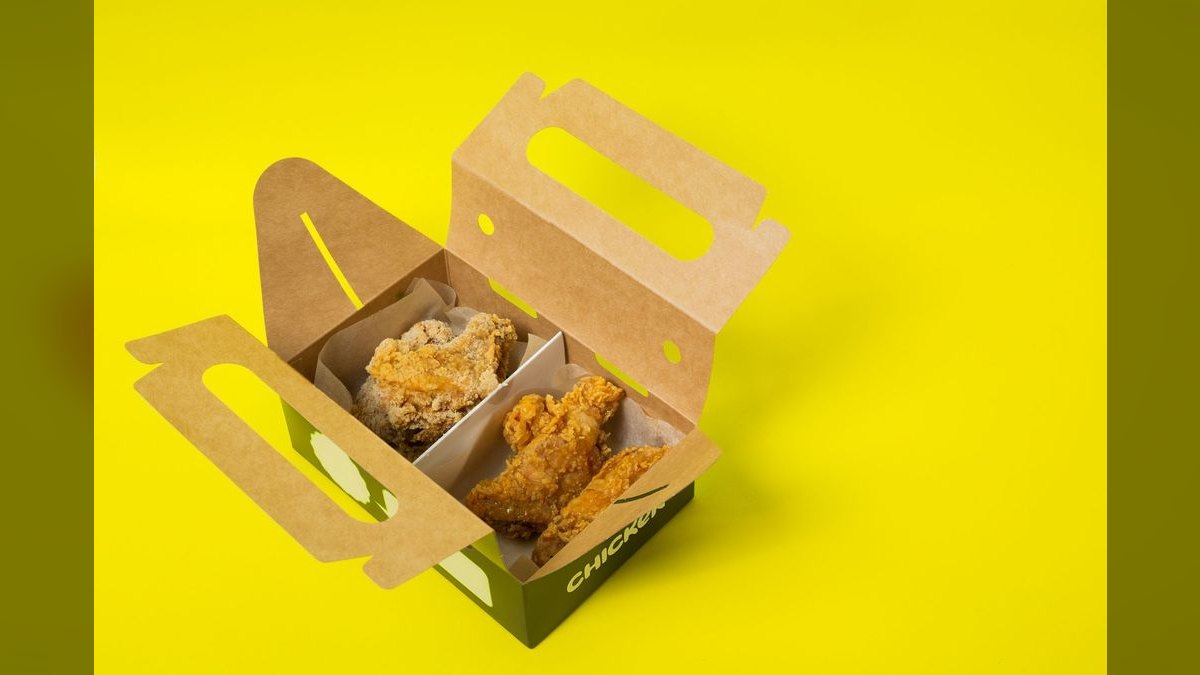
Revenue reality: a Champs program adds incremental foodservice revenue to a c-store/grocery — often $150,000-$600,000+ in added annual foodservice sales depending on store traffic — at strong food-margin (hot deli foodservice typically runs higher margin than packaged goods). The decision is incremental store profit, not standalone-restaurant economics. The model suits existing retail operators (c-stores, travel centers, grocery) who want to add a hot-food profit center and drive store traffic. It is not a path to a standalone restaurant — for that, choose a chicken-restaurant franchise.
Who Wins With This Program
- Capital required: $30K-$250K (in-store), with modest liquid needs.
- Time commitment: integrated into existing retail operation.
- Skills: convenience/grocery retail operations and foodservice execution.
- Geographic fit: existing high-traffic c-stores, travel centers, grocery.
- Lifestyle fit: existing retail operator adding a profit center.
The winners are existing c-store, travel-center, and grocery operators adding a branded hot-foodservice profit center.
Who Loses With This Program
- Those wanting a standalone restaurant — this is an in-store program.
- Low-traffic stores that can't support foodservice volume.
- Operators who can't execute hot-food quality/safety.
- Retailers unwilling to manage added labor/food-safety.
- Those expecting classic franchise territory/exclusivity.
2027 Market Conditions
- Demand: c-store foodservice is a major growth area — retailers add hot food to boost margin and traffic.
- Model: in-store branded programs (Champs, Hunt Brothers, Chester's) are low-capital add-ons.
- Margin: hot foodservice outperforms packaged-goods margin.
- Competition: Hunt Brothers Pizza, Chester's Chicken, Krispy Krunchy Chicken.
- Fit: existing retail operators, not standalone-restaurant seekers.
The 90-Day Decision Tree
- Assess your existing store's traffic and foodservice potential — this is an add-on, not a standalone.
- Contact the Champs Chicken program for terms, equipment, and supply requirements.
- Model incremental foodservice profit against added labor, food, and equipment cost.
- Confirm equipment, ventilation, and food-safety readiness.
- Install the program and branding; train staff.
- Launch and drive foodservice sales within the store.
- Roll the program to additional stores if it boosts profit and traffic.
Alternative Plays
- Hunt Brothers Pizza — c-store pizza program (see fr0865).
- Chester's Chicken / Krispy Krunchy Chicken — competing c-store chicken programs.
- Champs Chicken for grocery/travel-center foodservice.
- Standalone chicken franchise (Church's, Huey Magoo's) — if you want a restaurant (see fr0824, fr0825).
- Independent c-store deli program — full control, no brand.
- Other in-store foodservice programs — adjacent models.
Operational Requirements and Space Considerations
Before committing to a Champs Chicken program in 2027, understand the physical and operational demands. The program typically requires 150 to 400 square feet of dedicated floor space within your existing store, including a ventilated cooking area for pressure fryers, a warm-holding cabinet, and a front-line service counter with merchandising displays. You'll need three-phase electrical service (208–240V) for the fryers, plus adequate grease-trap plumbing and HVAC capacity to handle heat and odors. Most installations involve a 2-to-4-week buildout during which your store remains open, though some operators opt for a phased rollout. Staffing requires 2 to 4 trained employees per shift — typically existing store personnel cross-trained on food safety, cooking procedures, and portion control. The training program (usually 3 to 5 days on-site) covers recipe adherence, holding times, and sanitation protocols. If your store lacks a back-of-house area with proper ventilation or has limited electrical capacity, expect to invest $15,000 to $60,000 in infrastructure upgrades beyond the base equipment package.
Menu Adaptability and Regional Performance
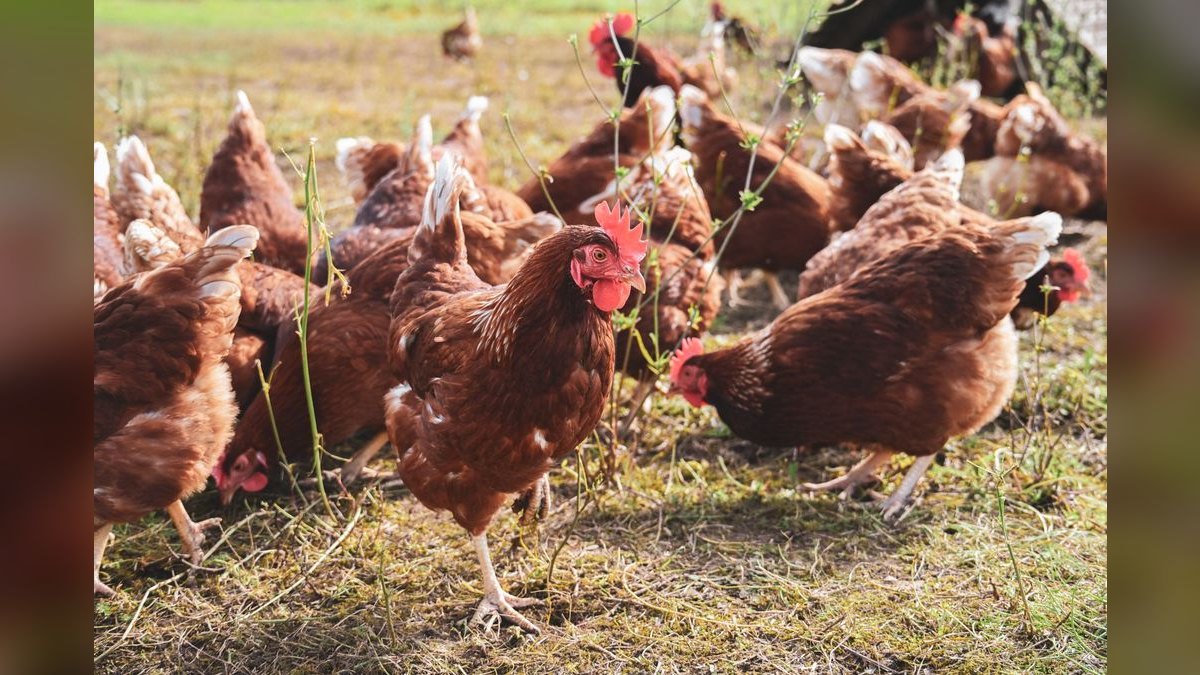
Champs Chicken's menu is standardized but offers limited customization to match local tastes. The core lineup includes bone-in chicken (8-piece and 12-piece meals), chicken tenders, potato wedges, coleslaw, baked beans, and biscuits, with seasonal LTOs like spicy chicken sandwiches or wing bundles. In 2027, operators can expect average unit volumes (AUV) of $80,000 to $200,000 annually per program, with food cost margins of 30% to 38% depending on local supply agreements and pricing. Performance varies significantly by region: rural and highway-adjacent c-stores often report higher sales (up to $250,000 AUV) due to traveler demand for quick, familiar meals, while urban grocery locations may see lower volumes but steadier repeat traffic. The program works best in areas with limited fast-food competition — if your store is within a mile of a KFC, Popeyes, or Church's, expect cannibalization. Sterling/Champs provides monthly sales benchmarking reports comparing your performance to similar stores in your region, which helps identify underperforming dayparts or menu items.
Exit Strategy and Contract Flexibility
Unlike a traditional franchise, the Champs Chicken program offers shorter contract terms (typically 3 to 5 years) with no renewal fee — just a continuation of the supply agreement. This makes it a lower-risk add-on compared to 10- or 20-year restaurant leases. If you decide to exit, you can remove the equipment and revert the space to other retail use within 2 to 4 weeks, with no ongoing royalty obligations. The resale value of used Champs equipment (pressure fryers, warmers, counters) ranges from $5,000 to $25,000 depending on age and condition. However, the brand's non-compete clause prevents you from operating a similar fried-chicken program within a 2-mile radius for 12 months post-termination. Some operators negotiate a buyout option at year 3 for a flat fee (typically $5,000–$10,000) to exit early without penalty. For 2027, consider whether your store's lease allows foodservice equipment removal and whether your landlord permits the necessary ventilation modifications — these factors can complicate or block an exit.
FAQ
What exactly is a Champs Chicken franchise? It’s not a standalone restaurant — it’s a licensed in-store foodservice program placed inside convenience stores, grocery stores, or travel centers. You get the branding, recipes, and supply chain for fried chicken and deli items, but you operate it within your existing retail location.
How much does it cost to start a Champs Chicken program? The total investment typically ranges from $30,000 to $250,000, depending on the equipment and buildout needed for your store. This is far less than a traditional restaurant franchise, which often starts above $500,000.
Do I pay ongoing royalties like a typical franchise? No — instead of traditional royalties, you pay program/licensing fees, and revenue often flows through food and supply purchases from Sterling/Champs. This makes the financial model more like a vendor partnership than a classic franchise.
Can I open a Champs Chicken as a standalone restaurant? No — the program is designed exclusively as an add-on for existing retail operators. It’s meant to boost incremental profit within a c-store, grocery, or travel center, not to operate as a separate, standalone eatery.
What kind of support does Sterling/Champs provide? They offer training, marketing materials, and a supply chain for chicken, sides, and biscuits. However, support is focused on integrating the program into your store, not on running a full restaurant — so you’ll need your own retail management experience.
Is Champs Chicken profitable for a small store owner? Profitability depends on your store’s foot traffic, local demand for hot food, and your ability to manage food costs. Many operators see it as a way to increase average transaction size, but there’s no guaranteed profit — it’s a low-risk add-on, not a sure thing.
Bottom Line
Add a Champs Chicken program if you're an existing convenience-store, travel-center, or grocery operator who wants a low-capital, branded hot-foodservice profit center that boosts margin and store traffic — not if you want a standalone restaurant. As an in-store program ($30K-$250K), it's an accessible add-on evaluated on incremental store profit, with strong hot-food margins in the growing c-store-foodservice space. Skip it if you want a standalone restaurant (choose a chicken franchise instead), have low store traffic, or can't execute hot-food quality and safety. For existing retailers, Champs offers an efficient way to capture foodservice profit — store traffic and execution are the keys.
Sources
- Champs Chicken / Sterling program information, 2025-2026 — in-store foodservice model
- Champs Chicken official program site — equipment and licensing terms
- NACS (National Association of Convenience Stores) — c-store foodservice data 2026
- Technomic — convenience-store foodservice and branded-program data 2026
- IBISWorld — Convenience Stores and Foodservice in the US, 2026 industry report
- Competing c-store programs (Hunt Brothers Pizza, Chester's Chicken, Krispy Krunchy Chicken), 2026
- Statista — US convenience-store foodservice market, 2025-2026
- CSP Daily News — c-store foodservice growth reporting 2026
- International Franchise Association (IFA) — 2027 Franchise Economic Outlook
- Foodservice-margin and hot-food profitability data, 2025-2026
---
*Champs Chicken franchise review / Champs Chicken franchise reviews / Champs Chicken franchise rating / Champs Chicken franchise review 2027 / review of Champs Chicken franchise.*
Related on PULSE
- Best chicken and wings franchises to buy in 2027
- Should I open or buy a Dave's Hot Chicken franchise in 2027?
- Should I open or buy a Hot Chicken Takeover franchise in 2027?
- Should I open or buy a Big Chicken franchise in 2027?
- Should I open or buy a Church's Texas Chicken franchise in 2027?
- Should I open or buy a Chicken Express franchise in 2027?
This page will be disappearing soon. Save it to your device for $1 — or read it free while it is here.
@Kory-White- · if Venmo asks, the last 4 of my number are 2012
This page is gone.
This one is off the shelf now. $1 keeps it on your phone for good — the whole page, pictures and diagrams included.
 franchiseShould I open or buy a solidcore franchise in 2027?
 franchiseShould I open or buy a Tutor Doctor franchise in 2027?
 franchiseShould I open or buy a Scooter's Coffee franchise in 2027?
 franchiseShould I open or buy a Glory Days Grill franchise in 2027?
 franchiseShould I open or buy a Red Lobster franchise in 2027?
 franchiseShould I open or buy a Freddy's Frozen Custard franchise in 2027?
 franchiseShould I open or buy a Great American Cookies franchise in 2027?
 franchiseShould I open or buy an Andretti Indoor Karting franchise in 2027?
 franchiseShould I open or buy a Rockin’ Jump trampoline park franchise in 2027?
 franchiseShould I open or buy a Burn Boot Camp (re-do) franchise in 2027?