
Should I open or buy a CKO Kickboxing franchise in 2027?

Published June 11, 2026 · Updated June 11, 2026
Yes for a fitness-minded operator who wants an established boutique-kickboxing brand at relatively low capital — CKO Kickboxing offers a high-energy group-fitness model with recurring memberships, though boutique fitness is competitive and retention-driven. CKO Kickboxing, founded in 1997 in New Jersey, franchises boutique kickboxing-fitness studios offering heavy-bag kickboxing classes in a high-energy, community-driven setting, on a membership model. The 2026 FDD lists a franchise fee around $30,000-$35,000, total Item 7 investment of roughly $150,000 to $400,000 (relatively low for boutique fitness), a royalty near 6%-8% (or flat fee, model-dependent), and a marketing fee.
The Real Numbers
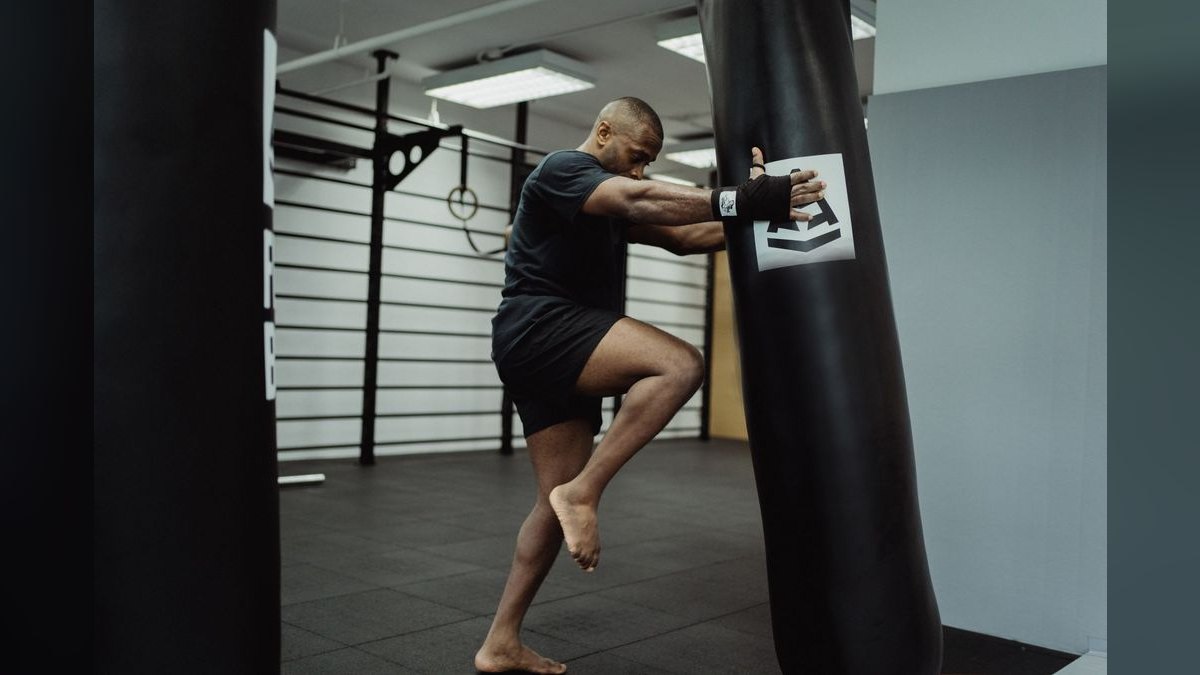
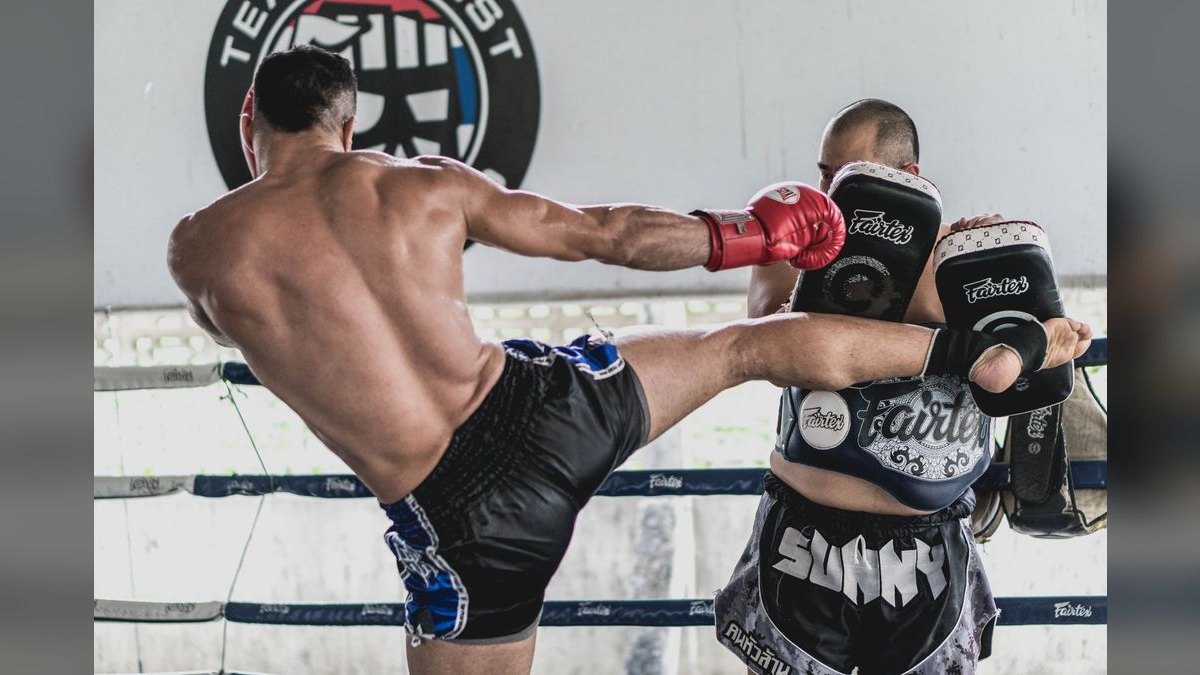
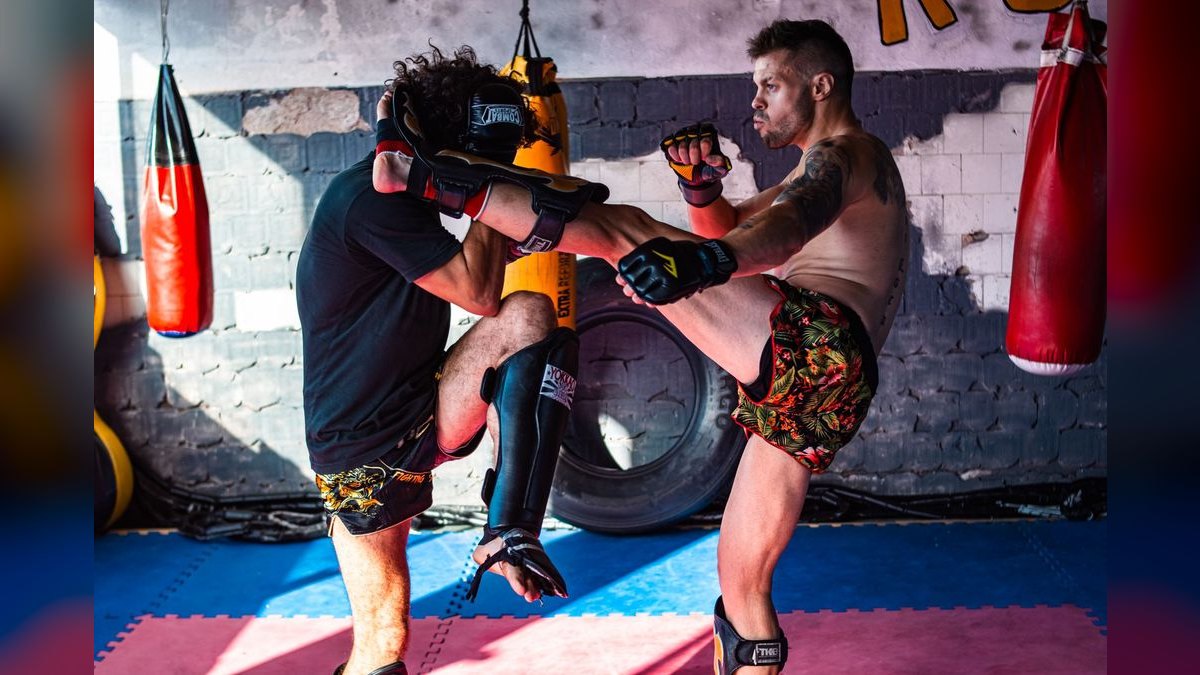
A CKO Kickboxing operates as a boutique studio (2,000-3,500 sq ft) lined with heavy bags, running instructor-led kickboxing classes on a membership model, with a community, high-energy culture driving retention.
| Line Item | Low | High | Notes |
|---|---|---|---|
| Franchise fee | $30,000 | $35,000 | Per 2026 FDD |
| Buildout / leasehold | $70,000 | $200,000 | Studio + bags fit-out |
| Equipment (bags/gear) | $30,000 | $80,000 | Heavy bags, gear |
| Signage & decor | $12,000 | $35,000 | Brand image |
| Initial supplies | $5,000 | $15,000 | Gloves, supplies |
| Initial marketing | $15,000 | $40,000 | Membership pre-sale |
| Training & travel | $8,000 | $25,000 | Operator + instructors |
| Working capital | $25,000 | $70,000 | First 3-6 months |
| Total Item 7 | ~$150,000 | ~$400,000 | Per 2026 FDD — relatively low |
| Royalty | ~6%-8% or flat fee | ||
| Marketing fee | ~2% of gross |
Revenue reality: mature studios gross $350K-$800K with owners clearing $60K-$180K. The relatively low capital (versus equipment-heavy gyms), differentiated heavy-bag kickboxing workout, recurring memberships, and community, high-energy culture drive solid economics. The trade-offs are intense boutique-fitness competition (other kickboxing, HIIT, F45, etc.), membership retention (boutique fitness lives and dies on retention), instructor staffing (energetic, quality instructors are key), and site selection. Operators who build community, retain members, and staff strong instructors in receptive markets perform best. Validate Item 19 and retention metrics.
Who Wins With This Business
- Capital required: $150K-$400K, with $75,000-$150,000 liquid — relatively low.
- Time commitment: hands-on, community-driven studio operation.
- Skills: membership sales, retention, community-building, and instructor management.
- Geographic fit: fitness-conscious suburban/urban markets.
- Lifestyle fit: energetic, fitness-minded operator.
The winners are community-building operators who retain members and staff strong instructors.
Who Loses With This Business
- Operators who can't drive membership retention (boutique fitness's lifeblood).
- Those in oversaturated boutique-fitness markets.
- Owners who can't recruit/retain energetic instructors.
- Absentee owners in a community-driven model.
- Buyers who underestimate boutique-fitness competition.
2027 Market Conditions
- Demand: boutique fitness and kickboxing remain popular but competitive.
- Low capital: relatively low vs. equipment-heavy gyms.
- Recurring: membership model provides predictable revenue.
- Retention: boutique fitness lives on retention — the key metric.
- Competition: other kickboxing, F45, HIIT, boutique studios.
The 90-Day Decision Tree
- Day 1-20: Read the 2026 FDD, Item 19, and retention metrics (the key boutique-fitness factor).
- Day 21-40: Interview 8+ operators; ask about membership ramp, retention, instructor staffing, and net profit.
- Day 41-60: Validate a fitness-conscious market and site.
- Day 61-100: Build and hire energetic instructors.
- Day 101-130: Pre-sell memberships and open.
- Build community and drive retention (the decisive factor).
- Consider multi-unit given the low capital.
Alternative Plays
- 9Round / iLoveKickboxing — kickboxing fitness (in/near the library).
- F45 / Burn Boot Camp — HIIT/group fitness (in the library).
- CKO Kickboxing for low-capital kickboxing entry.
- BFT / Orangetheory — strength/HIIT (see fr0873).
- Independent kickboxing studio — full control, no brand.
- Other boutique-fitness franchises — adjacent models.
The 2027 Competitive market: CKO versus. Emerging Boutique Alternatives
By 2027, the boutique fitness market will have evolved significantly from when CKO Kickboxing first expanded. While CKO remains a solid entry-level franchise, you should understand how it stacks up against newer, tech-forward alternatives that are reshaping the market. CKO’s core advantage is its low barrier to entry ($150k-$400k total investment) compared to premium concepts like Barry’s ($500k-$1.2M) or F45 ($300k-$600k). However, several trends will define the 2027 playing field:
- Hybrid fitness models – Competitors like Orangetheory and 9Round already offer app-based class booking and performance tracking. By 2027, expect CKO to have either caught up or risk appearing dated to tech-savvy members. If you’re evaluating CKO, ask their franchise development team directly about their 2027 digital roadmap—specifically, whether they plan to launch an integrated member app with heart-rate monitoring, class waitlists, and on-demand content.
- Niche boutique saturation – The heavy-bag kickboxing niche was once CKO’s moat, but by 2027, you’ll likely see local independent studios offering similar classes at lower prices (no franchise fee). Your competitive edge will be CKO’s brand recognition and proven operations playbook—not the workout itself.
- Instructor labor market – The post-pandemic fitness instructor shortage may persist into 2027. CKO’s relatively simple class format (bag work, no complex choreography) makes instructor training easier than for dance-based or HIIT concepts. This is a genuine operational advantage you should weigh.
Actionable insight: If you’re opening in a market with 3+ boutique fitness studios within a 2-mile radius, CKO’s lower investment makes it a viable “defensive” play—but you’ll need a strong local marketing budget ($20k-$40k annually) to differentiate. In less saturated suburban or secondary markets, CKO can thrive as a first-mover.
The Real Economics: Membership Pricing, Retention, and Unit-Level Profitability
Beyond the FDD numbers, you need to understand the operating reality of a CKO studio in 2027. Here’s what experienced franchisees and industry benchmarks suggest:
- Membership pricing – Expect to charge $99-$149/month for unlimited classes, with intro offers around $49-$79 for the first month. Class packs (10-class cards) typically run $150-$200. By 2027, you’ll likely need to offer a tiered model: a basic unlimited plan ($99) and a premium plan ($129-$149) with perks like guest passes, merchandise discounts, or priority booking.
- Retention benchmarks – Boutique fitness averages 65%-75% monthly retention (members who stay beyond 90 days). CKO’s community-heavy model can push this to 70%-80% if you execute well on culture. Your biggest retention risk is seasonal churn (January resolutionists dropping off by March, summer vacations). Plan for 20%-30% annual churn and budget marketing accordingly.
- Unit-level profitability – The FDD’s $60k-$180k owner income is achievable, but here’s the breakdown: a studio grossing $500k typically spends $150k-$200k on rent and occupancy (25%-40% of revenue), $100k-$150k on instructor payroll (20%-30%), $30k-$50k on marketing, and $25k-$40k on royalties and fees. That leaves $80k-$175k pre-tax profit—but only if you keep membership at 250-400 active members (typical for a 1,500-2,000 sq ft studio). Below 200 members, you’ll struggle to break even.
- Hidden costs – Equipment replacement (bags, gloves, flooring) every 3-5 years runs $15k-$30k. Insurance for a fitness studio in 2027 may cost $5k-$12k annually depending on location and claims history. Factor these into your pro forma.
Critical question for franchisor: Ask for the 2026 FDD’s Item 19 (financial performance representations) and specifically request the median studio’s net profit margin—not just gross revenue. If they won’t share it, assume a 10%-15% margin in your projections.
The Exit Strategy: Resale Value and Franchise Transferability in 2027
Most franchise buyers focus on opening, but your 2027 decision should also consider how you’ll exit in 5-10 years. CKO Kickboxing’s franchise agreement likely includes transfer and resale provisions that will shape your long-term return:
- Resale market – Boutique fitness franchises typically sell for 2-3x annual EBITDA (earnings before interest, taxes, depreciation, amortization). For a CKO studio generating $100k EBITDA, expect a sale price of $200k-$300k—modest compared to real estate or multi-unit operations. Your buyer pool will be other fitness operators or first-time franchisees, not institutional investors.
- Franchisor approval – CKO must approve any buyer, and they’ll charge a transfer fee (typically $5k-$15k). The buyer must also complete training and meet financial qualifications. This limits your exit options—you can’t simply list it on a public market.
- Lease considerations – Your studio lease is your biggest asset and liability. If you negotiate a 10-year lease with two 5-year renewal options, you’ll have a transferable asset. A shorter lease (5 years) may deter buyers who want long-term stability. Negotiate for lease assignability (the right to transfer the lease to a buyer) in your original lease agreement.
- Timing the exit – The best time to sell is when your studio has 3+ years of consistent profitability and a growing membership base (not plateaued). Avoid selling during a lease renewal or major equipment replacement cycle, as those costs will reduce your EBITDA.
Strategic advice: If you’re considering CKO as a 5-10 year hold with a clear exit, focus on building a multi-unit operation (2-3 studios) to increase your sale value and attract larger buyers. Single-unit boutique fitness franchises rarely command premium multiples. If you want a faster exit (3-5 years), CKO’s lower investment makes it easier to recoup capital, but your profit may be modest.
Bottom Line
Open a CKO Kickboxing if you want a relatively low-capital boutique-fitness franchise with a differentiated heavy-bag kickboxing workout, recurring memberships, and a community culture, you can drive retention and staff energetic instructors, and you're in a fitness-conscious market — ideally as a multi-unit operator. Its low capital, differentiated workout, recurring revenue, and community feel are genuine strengths. Skip it if you can't drive retention, are in an oversaturated market, or can't staff quality instructors. Validate Item 19 and retention metrics carefully — boutique fitness lives on retention. For energetic, community-building operators in receptive markets, CKO offers an accessible boutique-fitness path — retention, community, and instructors are the keys.
FAQ
What is the total investment range to open a CKO Kickboxing franchise? The total initial investment typically falls between $150,000 and $400,000, including the franchise fee of roughly $30,000 to $35,000. This range covers build-out, equipment, and working capital, making it one of the more affordable boutique fitness franchises.
How much can I expect to earn as a CKO Kickboxing franchise owner? Mature studios generally generate annual gross revenue between $350,000 and $800,000, with owner income ranging from $60,000 to $180,000. Actual earnings depend heavily on location, membership retention, and operational efficiency.
What are the ongoing fees I need to pay? Royalties are typically 6% to 8% of gross revenue, or a flat fee depending on the model, plus a marketing fee. These fees are standard for boutique fitness franchises and support brand development and national advertising.
How competitive is the boutique fitness market for CKO Kickboxing? The boutique fitness space is highly competitive, with many studios vying for members. CKO’s heavy-bag kickboxing focus and community-driven model help differentiate it, but success requires strong local marketing and excellent instructor retention.
What are the biggest challenges in running a CKO Kickboxing franchise? Key challenges include membership retention, finding and keeping qualified instructors, and selecting a high-traffic location. The business model relies on recurring memberships, so consistent class quality and community engagement are critical.
Is CKO Kickboxing a good fit for first-time franchise owners? It can be, especially for fitness-minded operators with some business experience. The relatively low capital requirement and established brand reduce some risk, but you’ll need to be hands-on with staffing, marketing, and member retention to succeed.
Sources
- CKO Kickboxing Franchise Disclosure Document (2026 filing) — Items 5, 6, 7, 19, 20
- CKO Kickboxing official franchise site — investment range and membership model
- Entrepreneur Franchise listings — CKO Kickboxing
- IBISWorld — Boutique Fitness & Martial-Arts Studios in the US, 2026 industry report
- IHRSA — boutique-fitness membership and retention data 2026
- Statista — US boutique-fitness and kickboxing market, 2025-2026
- Franchise Business Review — fitness-franchise satisfaction data
- International Franchise Association (IFA) — 2027 Franchise Economic Outlook
- Competing fitness concepts (9Round, F45, iLoveKickboxing) data 2026
- US Census — fitness-spending and demographic data, 2025-2026
Related on PULSE
- [How long does it take to open a franchise and break even in 2027?](/knowledge/fr1104)
- [Should I open or buy a Tommy Gun's Original Barbershop franchise in 2027?](/knowledge/fr1095)
- [Should I open or buy a Painting with a Twist franchise in 2027?](/knowledge/fr1058)
 pulse-moviesTop 10 Westerns of All Time
 pulse-skillsSkill Drill: Running Effective Meetings for Automotive Dealerships
 pulse-skillsSkill Drill: Handling Rejection for Roofing
 pulse-skillsSkill Drill: Handling Rejection for IT Managed Services
 pulse-skillsSkill Drill: Giving Feedback for Steel and Metals
 pulse-skillsSkill Drill: Setting Expectations for SaaS Sales
 pulse-moviesTop 10 Romance Movies of All Time
 pulse-moviesTop 10 Superhero Movies of All Time
 pulse-aquariumsTop 10 Canister Filters 2027
 mvTop 10 Horror Movies of All Time