
Should I open or buy a BFT franchise in 2027?
 Curated byKory White · Fractional CRO · Maryland
 PULSEKNOWLEDGE LIBRARY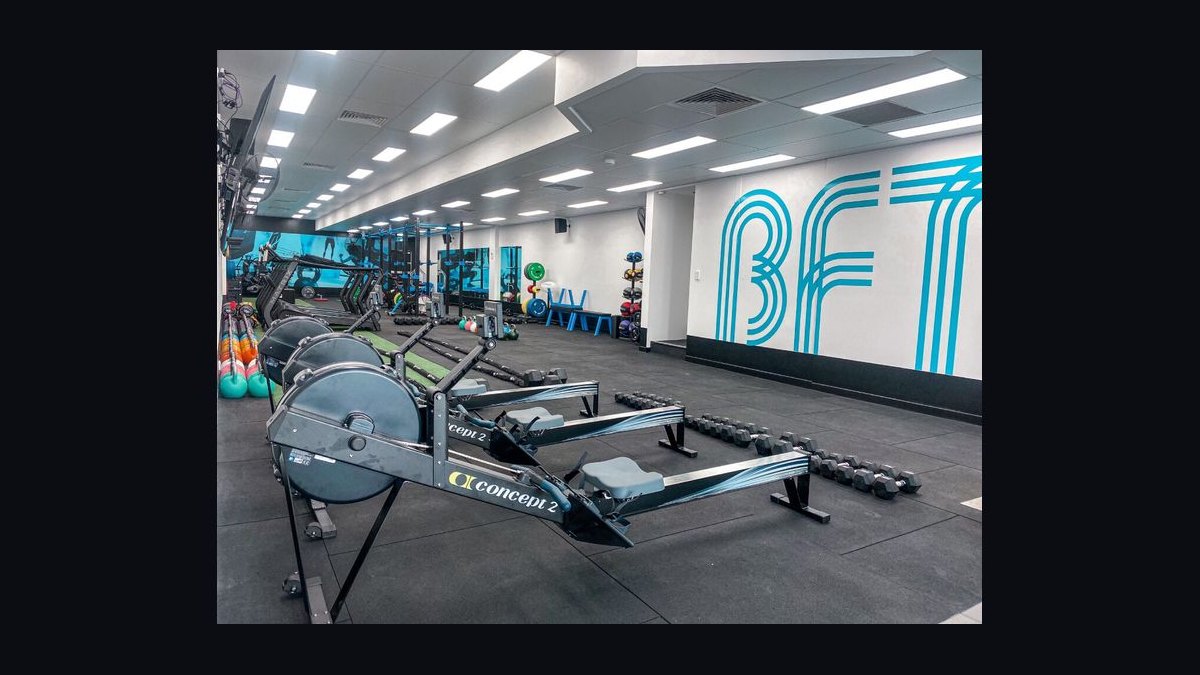
Yes, if you want to open a BFT (Body Fit Training) franchise as a fitness-minded operator who can drive membership retention and staff quality coaches — it's a science-based, coached strength-and-cardio group-training brand backed by Xponential Fitness, needing roughly $350,000-$700,000 to open. Mature studios gross $450,000-$1,000,000 with owners clearing $80,000-$230,000, but boutique fitness lives and dies on retention, so skip it if you can't build a coaching culture or your market is already saturated with Orangetheory, F45, or Barry's.
What it is and why it matters
BFT is a boutique group-fitness concept built around 50-minute coached sessions that blend strength training and cardio conditioning using a periodized programming system — meaning the workouts change on a structured cycle (roughly every four to six weeks) rather than being improvised class-to-class. That distinction matters more than it sounds: most competing HIIT-style franchises rely on variety and intensity to keep members engaged, while BFT leans on progressive overload, the same principle serious strength athletes use to get measurably stronger over time. For a franchise buyer evaluating the concept in 2027, this is the core differentiator worth understanding before you sign anything.
The business sits inside Xponential Fitness's portfolio, which also owns Club Pilates, StretchLab, Row House, and several other boutique brands. That parent-company backing is a real asset — it means BFT franchisees inherit corporate real estate teams, national marketing infrastructure, supply-chain relationships for equipment, and a franchise development team that has opened hundreds of studios across sibling brands. When you open a BFT, you are not building a solo operation from scratch; you're plugging into a system that already knows how to negotiate leases, run pre-sale campaigns, and template a P&L.
Why this matters for a 2027 decision specifically: boutique fitness as a category has matured past its early-2020s land-grab phase. The consumers who wanted a coached group-training experience largely already have one they're loyal to, which means a new BFT studio is more often winning switchers or first-time boutique-fitness buyers than capturing pure greenfield demand. That reality reshapes how you should think about site selection, pre-sale marketing, and the first 90 days of member acquisition — all of which get more expensive and more competitive every year the category ages. Franchise buyers who treat 2027 like 2021 will overpay for territory and underbudget for member acquisition.
The membership-driven revenue model is also worth understanding on its own terms. Unlike a transaction-based business (a car wash, a restaurant), BFT's recurring-revenue structure means your studio's health is measured less by daily walk-in traffic and more by a handful of subscription metrics: net member adds, monthly attrition rate, and average revenue per member. A franchise owner coming from a non-membership background often underestimates how much of the job is retention operations rather than sales — the studio doesn't need to sell a new member every day, it needs to keep the ones it already has from cancelling.

The step-by-step process
Opening a BFT franchise follows a fairly standard sequence shared across most Xponential brands, though the fitness-specific steps (coach hiring, pre-sale membership campaigns) add real time to the middle of the timeline. The flow below maps the practical order of operations from initial interest to a fully staffed, member-ready studio.
The step most franchise buyers underweight is the pre-sale window. Because BFT is a membership business, the goal is to walk into opening day with a meaningful base of paying members already signed, not to open the doors and hope foot traffic converts. Franchisees who start pre-sale marketing 60-90 days before opening — using the corporate marketing playbook, local social advertising, and founding-member pricing incentives — consistently open with stronger day-one revenue than those who wait until the ribbon-cutting to start selling. The corporate franchisor typically provides templates for this campaign, but execution (local ad spend, community partnerships, referral incentives) is on the franchisee.

Coach hiring and certification also has to happen in parallel with build-out, not after it. A studio with a finished space and no trained coaching staff cannot open, and BFT's certification process — a multi-day workshop plus ongoing online modules — takes real calendar time to complete for a full roster of three to five coaches. Franchisees who sequence this correctly start recruiting coaches the moment the lease is signed, well before construction finishes, so certification overlaps with build-out rather than extending the timeline afterward.
Costs, timelines, and typical ranges
The 2026 FDD lists a franchise fee of roughly $60,000 and a total Item 7 investment range of $350,000 to $700,000. That range breaks down roughly into build-out and leasehold improvements ($160,000-$380,000), equipment ($90,000-$200,000), signage and decor ($18,000-$50,000), initial marketing for the pre-sale campaign ($25,000-$60,000), training and travel ($10,000-$30,000), and working capital to cover the first three to six months of operations ($40,000-$110,000). On top of the initial build, franchisees pay an ongoing royalty near 7% of gross revenue and a marketing fee near 2%.

Most lenders and franchisors will want to see $150,000-$250,000 in liquid capital even though total investment runs higher, since the rest is typically financed. If you're financing a $400,000 build with 20% down, expect monthly debt service in the range of $2,500-$3,500 depending on rates, which in 2027's small-business lending environment could sit anywhere from 5-7%. That monthly obligation matters enormously in the ramp period — many franchisees underestimate how much cash drag loan payments create during the first 12-18 months, when membership counts are still climbing toward breakeven.
Timeline-wise, most franchisees report 6-12 months from signing the franchise agreement to grand opening, with build-out alone consuming 4-6 months once a lease is signed. Layer in site selection (which can itself take two to four months in a competitive retail market) and coach hiring/certification, and the realistic total window from initial FDD review to opening day is closer to 9-12 months for a first-time operator.

Once open, break-even typically requires 120-150 paying members, assuming average monthly dues in the $150-$180 range — that's the point where recurring membership revenue covers rent, coach labor, royalties, and other fixed operating costs. Positive owner cash flow (after debt service) typically doesn't arrive until month 18-24, and only if the studio maintains member retention above roughly 70%. Mature studios, once past this ramp, gross $450,000-$1,000,000 annually with owner earnings of $80,000-$230,000 depending on market, retention, and coach quality.
Longer-term costs matter too. The franchise agreement typically runs 10 years with one 5-year renewal option, carrying a renewal fee around $10,000-$15,000. Around years 5-7, expect a capital expenditure cycle for equipment refresh — flooring, benches, dumbbells, rowers, and screens wear out — budgeted at roughly $50,000-$80,000. If you're buying an existing studio rather than opening new, transfer fees typically run $25,000-$35,000, and resale valuations for well-performing units have ranged from 1.5x to 2.5x annual EBITDA, translating to sale prices of roughly $250,000-$600,000 excluding real estate.
Where teams get it wrong
The single most common mistake is treating BFT like a real estate or equipment business when it's actually a coaching and retention business. Franchise buyers who come from backgrounds in retail or franchising more broadly sometimes assume that once the studio is built and staffed, the hard part is done. In reality, the hard part starts the day the doors open: keeping the member who joined in month one from cancelling in month four. Studios that don't build a deliberate retention system — proactive check-ins, milestone recognition, a plan for re-engaging members who miss two or three weeks of classes — see attrition eat into their member base faster than pre-sale and ongoing marketing can replace it.
A closely related error is underinvesting in coach retention. Because BFT's differentiation is coach-led programming, a studio that loses a popular coach can see member attrition spike 10-20% within 60 days as members who bonded with that coach follow them elsewhere or simply stop showing up. Franchisees who treat coaches as interchangeable hourly labor rather than building equity or bonus structures around them — commission on member sales they generate, retention bonuses tied to class attendance — end up in a costly cycle of re-recruiting and re-certifying staff while member counts stagnate.
Territory and site selection is another area where buyers get overconfident. The standard protected territory is a 1.5-2 mile radius, which sounds generous until you map it against actual population density and drive-time patterns. A 2-mile radius in a dense urban core might reach 150,000 potential members but also sit inside the same radius as three competing boutique brands; the same radius in a suburban market might only reach 20,000-40,000 people, making every lead more expensive to acquire. Buyers who skip a real traffic-count and drive-time analysis — relying instead on gut instinct about a "good corner" — frequently overpay for premium visibility that doesn't translate into member volume, when a mid-block unit with easier parking would have performed better.
Buyers evaluating an existing studio for resale also get burned by skipping diligence on transfer terms. Verifying that the original territory protection actually carries over, requesting three years of financial statements, and checking for any franchisor-issued default notices are all steps that a motivated seller has little incentive to volunteer. Xponential has consolidated underperforming locations in recent years, and a buyer who doesn't check a target studio's standing with the franchisor before closing can inherit problems that weren't disclosed in a casual walkthrough.
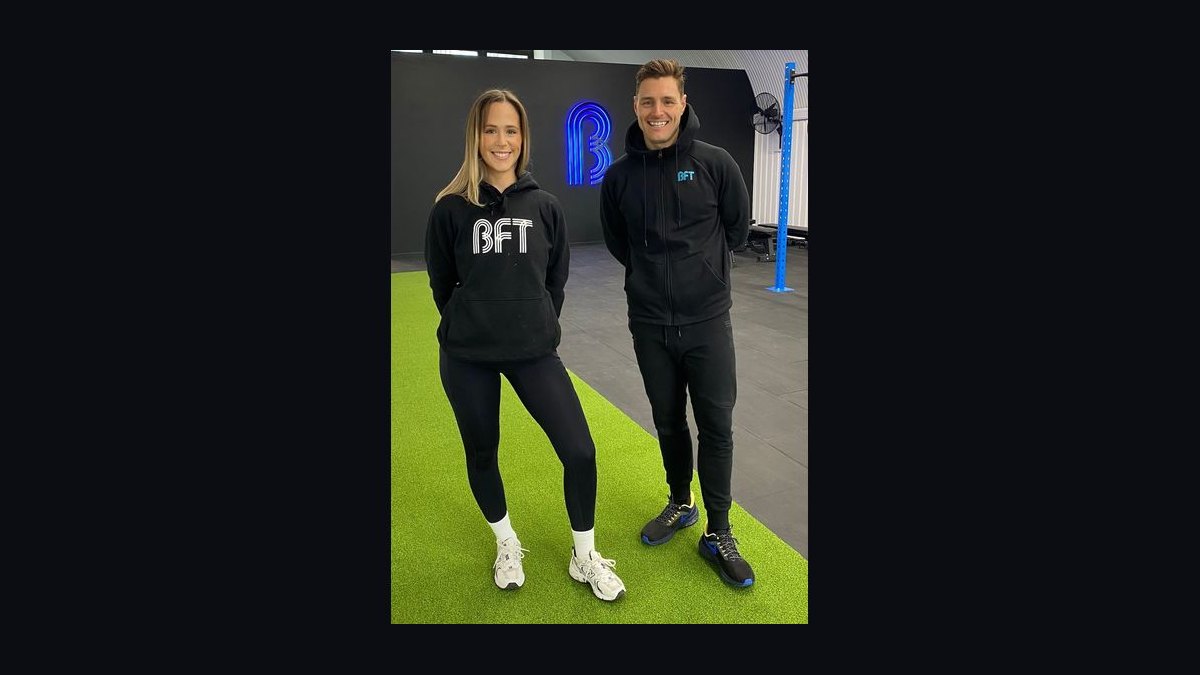
Finally, many first-time franchise owners underbudget the ongoing training line. BFT's periodized programming reduces the need for coaches to design their own workouts, but coaches still need initial certification and continuing education to execute the system well and adapt it for members at different fitness levels. Budgeting $8,000-$15,000 annually for coach training isn't optional overhead — it's what keeps the in-studio experience consistent with what the brand promises, and inconsistency is exactly what drives cancellations.
Decision framework: when to choose what
Not every fitness-minded operator is the right fit for BFT specifically, and not every market is the right fit for a new studio versus buying an existing one. The framework below walks through the key branch points.
Operators who should move forward are those with a fitness or membership-management background, enough liquid capital to weather an 18-24 month ramp to positive cash flow, and a genuine interest in the coaching and community side of the business rather than viewing it as a passive real-estate play. These operators tend to perform best in fitness-conscious suburban or urban markets that aren't already saturated with three or four competing boutique brands.
Operators who should pause or look elsewhere include those planning to run the studio as an absentee investment, those entering a market already dense with Orangetheory, F45, or similar concepts, and those without a plan for recruiting and retaining quality coaches. For these buyers, an adjacent path — investing in an existing, already-profitable studio with verified financials, or looking at a less coach-dependent fitness concept — may be a better fit than opening a new BFT from scratch.

Related questions
How does BFT compare to Orangetheory or F45 for a first-time franchise buyer?
BFT emphasizes periodized strength-and-cardio programming with smaller class sizes, while Orangetheory and F45 lean more on heart-rate-based or circuit-style variety. Investment ranges are broadly comparable; the real difference is coaching philosophy and target member.
Can I open multiple BFT territories as my first franchise investment?
Most franchisors, including Xponential, prefer franchisees prove out one unit before approving multi-unit deals. A strong first studio with solid retention metrics is usually the path to being approved for additional territories.
What happens to my BFT franchise if Xponential changes its royalty structure?
Royalty and fee structures are set in the franchise agreement for its term; changes typically apply at renewal, not mid-contract. Always review the current FDD's Item 6 for any escalation clauses before signing.
Is it better to open a new BFT studio or buy an existing one in 2027?
Buying an existing profitable studio can shortcut the 18-24 month ramp to cash flow, but requires careful verification of territory protection, financials, and franchisor standing. Opening new gives more control over site and launch but carries full ramp risk.
FAQ
Is BFT a good franchise for someone without fitness experience? It's possible but not ideal. BFT's model relies on a strong, certified coaching team and a community-driven atmosphere, so operators without fitness or management experience may find retention and staffing harder. Many franchisees come from a fitness background or hire experienced studio managers to bridge the gap.
How much can I realistically earn as a BFT franchise owner? Mature studios typically gross $450,000 to $1,000,000 annually, with owner net income ranging from $80,000 to $230,000. Actual earnings depend heavily on location, membership retention, and local competition — some studios take 18-24 months to reach profitability.
What is the total investment needed to open a BFT franchise? The 2026 FDD shows a total Item 7 investment of roughly $350,000 to $700,000, including a $60,000 franchise fee. This covers build-out, equipment, initial marketing, and working capital, but costs vary by market and lease terms.
How long does it take to open a BFT studio from signing? Most franchisees report 6 to 12 months from signing to grand opening. The timeline depends on finding a suitable location, completing the build-out, hiring and training coaches, and passing Xponential's approval process.
What makes BFT different from other boutique fitness franchises like F45 or Orangetheory? BFT emphasizes progressive, science-based strength and cardio programming that changes on a structured cycle, with a strong focus on coach-led technique and smaller class sizes. It operates under Xponential Fitness, which provides scale and support, but the core difference is the periodized training structure.
What are the biggest risks of owning a BFT franchise? The main risks are membership retention, local competition from other boutique studios and big-box gyms, and staffing high-quality coaches. Build-out costs can also exceed estimates, and some markets may require longer ramp-up periods to build a stable member base.
Sources
- https://www.entrepreneur.com/franchises/directory
- https://www.franchise.org
- https://www.ibisworld.com
- https://www.ihrsa.org
- https://www.statista.com
- https://www.franchisebusinessreview.com
- https://www.sba.gov/business-guide/plan-your-business/franchise-businesses
- https://www.xponential.com
Related on PULSE
- [How long does it take to open a franchise and break even in 2027?](/knowledge/fr1104)
- [Should I open or buy a Tommy Gun's Original Barbershop franchise in 2027?](/knowledge/fr1095)
- [Should I open or buy a Painting with a Twist franchise in 2027?](/knowledge/fr1058)
This page will be disappearing soon. Save it to your device for $1 — or read it free while it is here.
@Kory-White- · if Venmo asks, the last 4 of my number are 2012
 franchiseShould I open or buy a Bubbakoo's Burritos franchise in 2027?
 franchiseShould I open or buy a Cooper's Hawk Winery & Restaurants franchise in 2027?
 franchiseShould I open or buy a Sharetea franchise in 2027?
 franchiseShould I open or buy a Closets by Design franchise in 2027?
 franchiseShould I open or buy a Bio-One franchise in 2027?
 franchiseShould I open or buy an L&L Hawaiian Barbecue franchise in 2027?
 franchiseShould I open or buy a Pizza Inn franchise in 2027?
 franchiseShould I open or buy a Christian Brothers Automotive franchise in 2027?
 franchiseShould I open or buy a Red Lobster franchise in 2027?
 franchiseShould I open or buy a Mission BBQ franchise in 2027?